
If you searched 'how to grow combat plants,' you're most likely here for one of two reasons: you've been playing Hogwarts Legacy and want to grow the game's three combat plants (Mandrake, Chinese Chomping Cabbage, and Venomous Tentacula) in real life, or you came across the phrase somewhere and wondered if it's an actual gardening category. Here's the honest answer: 'combat plants' is not a standard horticultural term. In 2026, the phrase is overwhelmingly tied to Hogwarts Legacy, where those three plants are used as tactical tools in combat. But the real-world plants that inspired them, Mandrake (Mandragora officinarum), cabbages, and certain carnivorous or aggressive-looking species, are absolutely real and growable at home. This guide will help you grow them.
How to Grow Combat Plants: Step-by-Step Home Guide

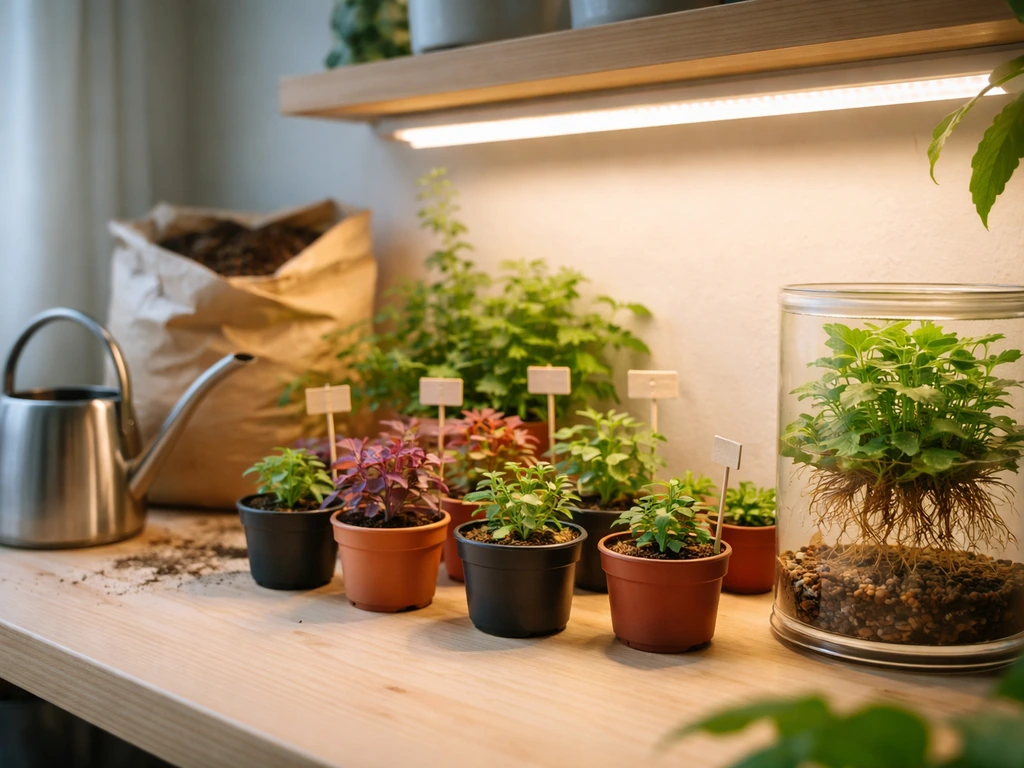
What 'combat plants' actually means (and what you're really growing)
Let's clear the air so you're not chasing a ghost category. The term 'combat plants' does not appear in any standard seed catalog, botanical database, or gardening reference as a named group. It gained widespread search traction through Hogwarts Legacy, the 2023 RPG set in the Harry Potter universe, where Mandrake, Chinese Chomping Cabbage, and Venomous Tentacula are classified as combat plants you can grow and deploy against enemies. Outside that gaming context, you'll sometimes see 'combat plants' used loosely in environmental writing to describe plants used to combat invasive species, but again, not a formal category.
For this guide, we're treating 'combat plants' as the three Hogwarts Legacy-inspired species you can actually grow at home in some form. Mandrake is a real Mediterranean herb with a rich folklore history. Chinese Chomping Cabbage is fictional as named, but it draws from real cabbage family (Brassica) plants, especially ornamental or fast-growing varieties. Venomous Tentacula is purely fictional, but it maps nicely onto dramatic-looking carnivorous or vigorous climbing plants, think pitcher plants, sundews, or fast-growing vining species. If you're also curious about carnivorous plants more broadly, the growing methods overlap significantly with guides on how to grow carnivorous plants outdoors or how to grow pitcher plants outdoors. If you specifically want pitcher plants outside, use the outdoor light, temperature, and nutrient-free watering approach described in that guide how to grow pitcher plants outdoors.
Pick the right species and match it to your space
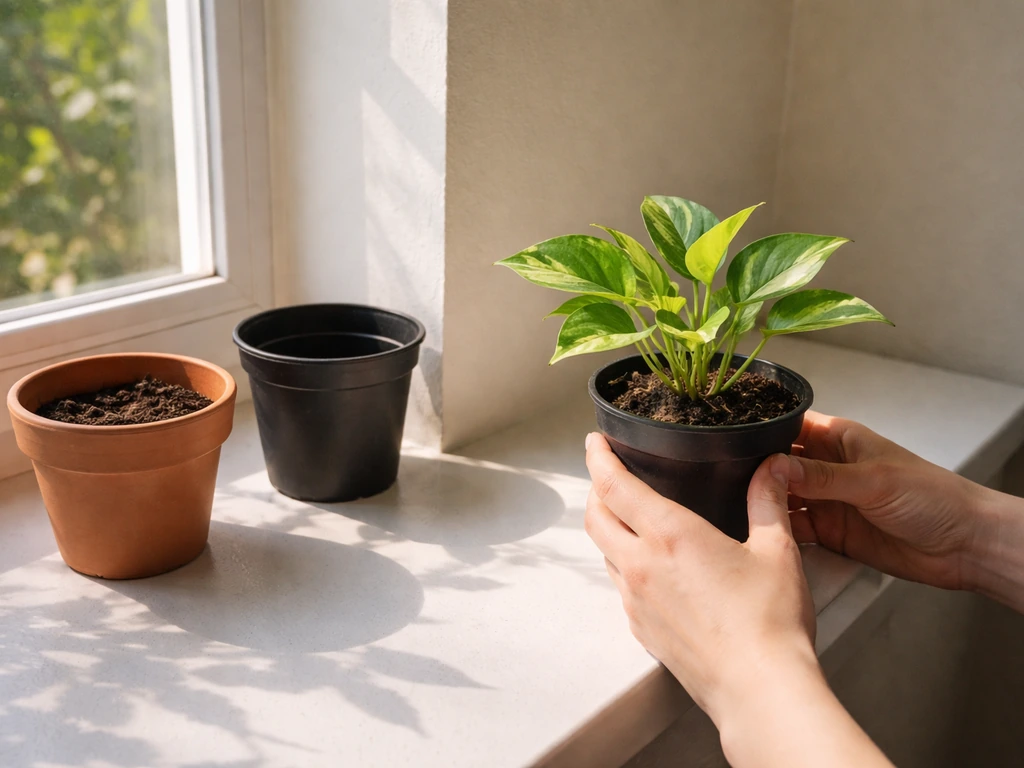
Before you buy a single seed, match the plant to where you actually live and what light you actually have. Here's how each 'combat plant' equivalent breaks down in the real world:
| Combat Plant (Game) | Real-World Equivalent | Best Environment | Difficulty |
|---|---|---|---|
| Mandrake | Mandragora officinarum | Cool, dry climate; full sun to partial shade; Mediterranean conditions | Intermediate |
| Chinese Chomping Cabbage | Brassica oleracea (ornamental or fast-growing varieties) | Cool season; full sun; tolerates light frost | Beginner |
| Venomous Tentacula | Carnivorous plants (Nepenthes, Sarracenia) or vigorous vines (Passiflora) | Bright indirect light; high humidity for carnivorous types; well-drained for vines | Intermediate to advanced |
If you're a beginner, start with a Brassica variety. They germinate fast (5 to 10 days), are forgiving, and give you visible results within weeks. Mandrake is a slower, more temperamental grow that suits someone who's already comfortable with Mediterranean herbs like rosemary or lavender. If you want the most dramatic, otherworldly 'combat plant' feel, go for a Nepenthes pitcher plant or a Sarracenia, they look genuinely alien and are manageable indoors with the right setup.
Setting up your growing space
Light
Light is the single biggest variable. Brassicas need at least 6 hours of direct sun per day, a south-facing windowsill works indoors, or any open outdoor bed. GrowVeg’s summer cabbage guide also recommends full sun, specifically about 6 to 8 hours of direct light per day Brassicas need at least 6 hours of direct sun per day. Mandrake prefers full sun in cool conditions and will sulk in hot, humid summers. Carnivorous plants like Nepenthes want bright indirect light (they burn in harsh direct sun) and are perfect under a 5000K grow light set to 12 to 14 hours per day. If you're going the grow-light route, LED full-spectrum panels in the 2000 to 3000 lumen range placed 12 to 18 inches above the canopy cover all three plant types without scorching.
Temperature and airflow
Brassicas thrive between 45 and 75°F (7 to 24°C), they actually taste better after a light frost. Mandrake wants cool to moderate temperatures, ideally 50 to 68°F (10 to 20°C), and goes dormant in summer heat, which catches a lot of growers off guard. Carnivorous plants like Sarracenia are surprisingly cold-hardy and need a winter dormancy period of around 3 months below 50°F. Nepenthes prefers 65 to 85°F year-round. For all of them, gentle airflow matters: a small oscillating fan running a few hours a day strengthens stems and reduces fungal issues. Stale, still air is one of the most common silent killers in indoor growing.
Containers and planting medium
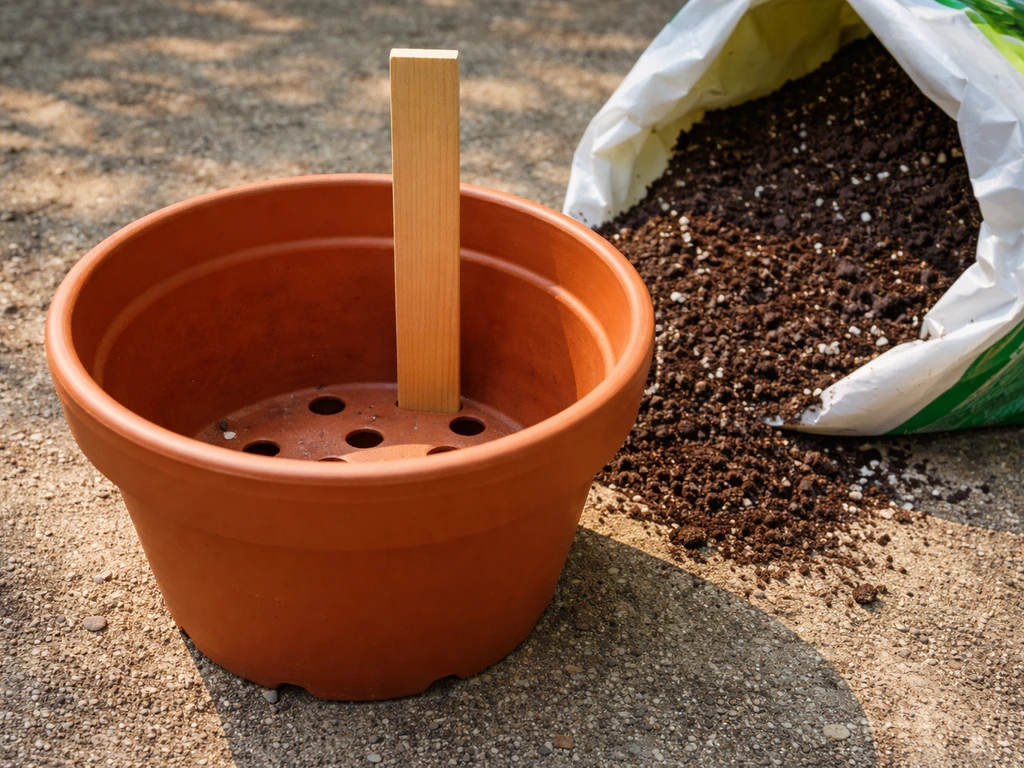
Container choice depends on the plant. Brassicas do well in deep containers (at least 12 inches deep) with drainage holes, they have substantial root systems. Use a standard potting mix amended with compost at roughly a 3:1 ratio. Mandrake has a long taproot (the famous forked root of folklore), so it needs a deep, narrow pot, think terracotta rose pots, at least 18 inches deep, filled with very well-draining sandy loam. Carnivorous plants are the odd ones out: they need nutrient-poor, acidic media. A 50/50 mix of peat moss (or coco coir) and perlite with no added fertilizer is the standard. Use only distilled water, rainwater, or reverse-osmosis water for carnivorous plants, tap water minerals will kill them slowly.
Planting, watering, and feeding
Starting from seed or cuttings
Brassica seeds are cheap and widely available. Sow them about a quarter-inch deep in moist seed-starting mix, keep them at 65 to 70°F, and you'll see sprouts in under a week. Thin to one plant per cell once they have their first true leaves. Mandrake seeds need cold stratification: put them in a damp paper towel in the fridge for 4 to 6 weeks before sowing. Germination is slow and erratic, sometimes 4 to 8 weeks. Be patient and don't assume they've failed. Carnivorous plants are best started from divisions or tissue-culture plugs (widely available online) rather than seed, which can take years to reach a useful size. If you do want to try seed, Sarracenia seeds also need cold stratification for 6 to 8 weeks. Wikipedia notes that Sarracenia seed germination requires cold stratification and that growers often mimic it by refrigerating the seeds for about 2 to 6 weeks, depending on the species Sarracenia seeds require cold stratification for 6 to 8 weeks.
Watering schedules
The most common beginner mistake across all three plant types is overwatering. A simple rule: stick your finger an inch into the soil. If it's still moist, wait. Brassicas like consistently moist (not wet) soil, roughly every 2 to 3 days depending on your climate. Mandrake wants dry-ish conditions between waterings, let the top inch or two dry out completely. Carnivorous plants are the exception to finger-testing: keep them sitting in a shallow tray of distilled water about an inch deep year-round (this is called the tray method), and they'll draw moisture up as needed. Never let them fully dry out.
Fertilizing
Brassicas are heavy feeders. Apply a balanced slow-release granular fertilizer (something like 10-10-10 NPK) at planting, then switch to a nitrogen-forward liquid feed (like fish emulsion at half strength) every two weeks once plants are established. Mandrake is light on nutrients, a single application of a diluted balanced fertilizer in early spring is usually enough. Do not over-fertilize Mandrake; it produces lush leaves but stunted roots, which defeats the whole point. Carnivorous plants get zero fertilizer from the soil. They feed themselves by catching insects. Indoors, you can supplement by placing a small live or freeze-dried insect (like a fruit fly or small cricket) into a pitcher or trap every few weeks.
Training, pruning, and keeping your plants healthy
Pruning and training
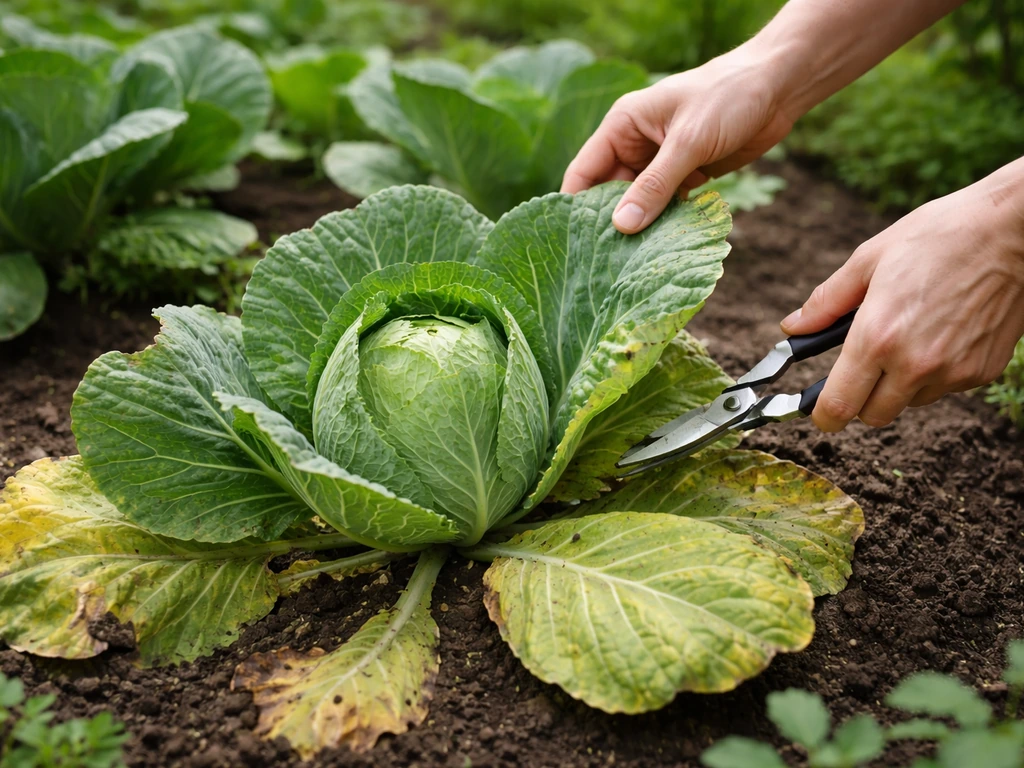
Brassicas don't need much training, but removing yellowing outer leaves keeps airflow going and redirects energy to the developing head or new growth. If you're growing a vining or climbing plant as your Venomous Tentacula stand-in (say, a Passiflora or fast-growing bean), pinch the growing tip when it reaches 12 to 18 inches to encourage bushy lateral growth. Mandrake doesn't need pruning, just remove dead or yellowing leaves as they appear. For carnivorous plants, trim spent pitchers or traps with clean scissors once they're fully brown, but never remove healthy ones even if they look tired.
Pest and disease prevention
Brassicas are magnets for cabbage worms, aphids, and slugs. Check the undersides of leaves weekly, early detection makes all the difference. Neem oil spray (diluted at 2 teaspoons per quart of water with a few drops of dish soap) handles most soft-bodied pests without harsh chemicals. Row covers over outdoor brassica beds physically block cabbage moths from laying eggs. Mandrake can get powdery mildew if airflow is poor or if the soil stays too wet, space plants well and water at the base, not the leaves. Carnivorous plants are surprisingly pest-resistant, but watch for fungus gnats around the soil; let the top of the medium dry slightly between sessions and use yellow sticky traps as monitoring tools.
Troubleshooting common problems
- Leggy, stretched seedlings: Not enough light. Move closer to your light source or increase daily hours to 14 to 16 for seedlings.
- Yellowing leaves on brassicas: Often nitrogen deficiency. Apply a liquid fish emulsion feed this week.
- Mandrake not sprouting: Cold stratification may have been too short or skipped. Restart with 6 weeks in the fridge.
- Wilting despite wet soil: Overwatering causing root rot. Let the medium dry out, check roots for brown mush, and repot into fresh well-draining mix if needed.
- Carnivorous plant turning black: Tap water or fertilizer toxicity. Switch immediately to distilled water and flush the medium gently.
- Slow growth across all types: Check temperature first. Most indoor plants stall below 60°F. A seedling heat mat (set to 70°F) fixes this fast.
- Pitchers not forming on Nepenthes: Humidity is too low. Aim for 60 to 80% relative humidity and mist the foliage daily or use a small humidifier.
Growing in different setups: soil, hydroponics, water, and terrariums
The good news is that at least one of your combat plants will thrive in almost any growing setup you have available.
Soil and traditional pots
This is the default for Mandrake and brassicas. Use the container and medium specs above, keep a consistent watering schedule, and you're set. Traditional pots are also the lowest-maintenance option if you travel or have an unpredictable schedule.
Hydroponics
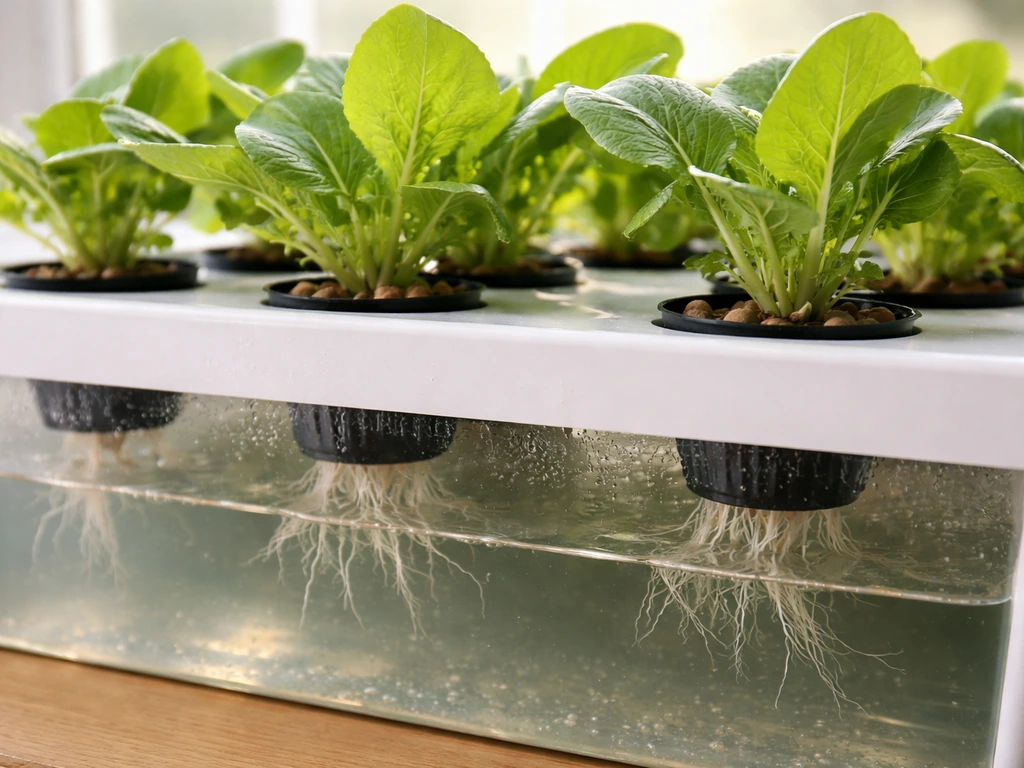
Brassicas respond extremely well to hydroponic systems, especially deep water culture (DWC) or nutrient film technique (NFT). In hydroponics, growth rates are noticeably faster, a hydroponic brassica can reach harvestable size in 30 to 45 days versus 60 to 90 in soil. You'll need a pH-balanced nutrient solution (target pH 5.8 to 6.5 for brassicas) and an air stone or water pump to keep oxygen in the reservoir. Change the reservoir solution every 1 to 2 weeks. Mandrake does not suit hydroponics well, its long taproot and dry-preference make it a poor fit. Carnivorous plants also cannot be grown hydroponically; the nutrients in any standard hydroponic solution will harm them.
Water propagation
You can root brassica cuttings (e.g., from a side shoot) in a jar of water on a bright windowsill. Change the water every 2 to 3 days to prevent stagnation, and transplant to soil or a hydroponic system once roots reach about an inch long. This is a great low-cost way to multiply plants without buying more seeds.
Terrariums
Terrariums are the ideal home for the Venomous Tentacula equivalent, a Nepenthes or tropical Sundew (Drosera). A closed or semi-closed glass terrarium maintains the 60 to 80% humidity these plants need without constant misting. Use a substrate of peat and perlite, add a grow light on a timer, and keep the glass sealed enough to hold humidity but cracked slightly to prevent mold. Avoid putting brassicas or Mandrake in terrariums, the humidity and enclosed environment work against their need for airflow and dry conditions. If you're interested in building out a dedicated terrarium environment, it's worth exploring the same principles used for how to grow crawling plants in enclosed setups, since the humidity and substrate management overlap closely. If you're specifically growing crawling plants in enclosed setups like terrariums, focus on humidity control and airflow the same way you would here how to grow crawling plants.
When to expect results, harvesting, and planning your next cycle
What to expect and when
Timelines vary a lot by species. A fast-growing brassica variety (like a loose-leaf kale or pac choi) can be ready to harvest in as little as 30 to 40 days from transplant. Heading varieties take 60 to 90 days. Mandrake is a multi-year commitment, the root takes 2 to 3 growing seasons to develop to any meaningful size, though the foliage appears in the first year. Carnivorous plants grow slowly in general: a Sarracenia might take 3 to 5 years from seed to a mature, impressive plant, but tissue-culture plugs can reach display size in 1 to 2 years.
Harvesting brassicas
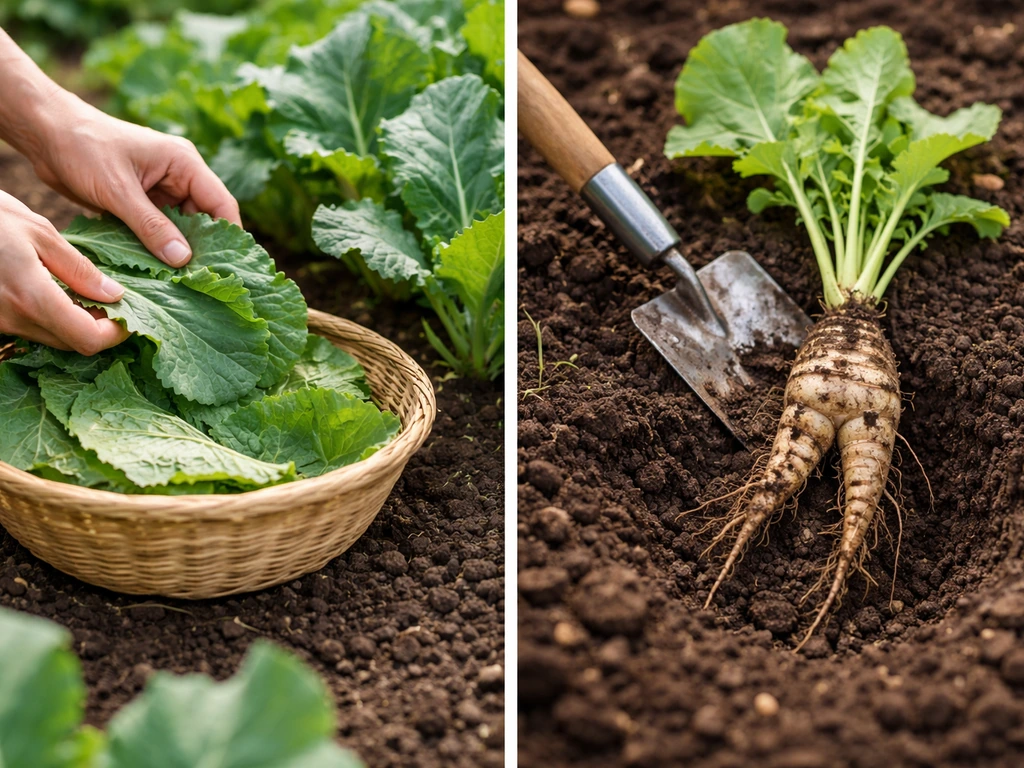
Harvest outer leaves of loose-leaf brassicas as soon as they're large enough to use, this encourages continued production. For heading types, harvest when the head feels firm and dense. Cut at the base with a clean knife. Store harvested brassica leaves in a damp paper towel in a plastic bag in the fridge; they'll stay fresh for 5 to 7 days. If you want to continue production, leave the root in place after cutting, many brassicas will push new side shoots for a second harvest.
Harvesting and storing Mandrake
Mandrake root is traditionally harvested in autumn when the plant goes dormant and the foliage dies back naturally. Carefully dig the entire taproot to avoid breaking it, it's the whole point of the plant. Clean it gently, let it air-dry for a few days, then store it in a cool, dry, dark place. The foliage is toxic, so wear gloves and keep it away from children and pets. Mandrake root is used in herbalism and as a botanical curiosity, it is not edible in the culinary sense.
Planning your next cycle
After your brassica harvest, you can start a new round of seeds immediately for a succession crop, or wait for the right season if growing outdoors. Brassicas are cool-season crops, so plan two main windows: late winter to spring, and late summer to autumn. For Mandrake, replant the dormant root in fresh sandy loam each autumn with minimal disturbance to the taproot. For carnivorous plants, use late winter or early spring to repot, divide, or start new seeds, this aligns with their natural growth cycle. Growing combat plants is genuinely a long game for some species, but even watching a Mandrake push its first spring leaves or a Nepenthes form its first pitcher is a satisfying payoff for the patience. If you specifically want massive outdoor plants, focus on giving them plenty of sun, consistent watering, and nutrient support matched to the species.
FAQ
Is it safe to grow these “combat plants” indoors around kids or pets?
Mandrake foliage is toxic, and its roots are also a hazard if handled improperly. If you keep any Mandrake or aggressive-looking plants at home, use a locked shelf or high stand, wear gloves when pruning, and never allow pets to chew leaves. For the carnivorous “Tentacula” equivalents, the traps are not usually dangerous like a venomous plant, but mold from high humidity is a real risk in living areas.
Can I use regular potting soil for carnivorous plants if I rinse it well?
No, rinsing does not remove enough dissolved minerals and nutrients. Use a nutrient-free, acidic medium like peat (or coco coir) and perlite in a 50/50 style mix, and skip any fertilizer entirely. If you want a simple test, if the water or soil makes runoff that looks slightly “nutrient-rich” or green algae grows quickly, the setup is not suitable.
What should I do if my plant starts dying but the soil looks wet, especially indoors?
Overwatering can look like “wet but failing.” For Brassicas, let the top inch dry before watering again, and make sure the pot drains freely. For Mandrake, dry out more aggressively between waterings since it does not like consistently damp soil. For any closed terrarium-like setup, trapped humidity and low airflow can cause fungal decline fast, so you may need to increase airflow or remove glass covers partially.
How do I know I’m getting the right amount of light with a grow light?
A common mistake is placing the light too far or running it too long. Start with a full-spectrum LED around 12 to 18 inches above the canopy, and keep it on 12 to 14 hours daily for most of these plants. If leaves are stretching, light is too weak, if leaves scorch or turn pale with crispy edges, light is too intense or too hot for the plant.
Can I grow Brassicas and carnivorous plants together in the same grow tent?
Usually no, they want different watering and medium conditions. Brassicas prefer richer, more forgiving soil and consistent moisture, while carnivorous plants need nutrient-free media and often rely on the tray method with distilled water. If you try anyway, expect failures from mismatched water quality and humidity control.
Do I need to fertilize Mandrake at all?
Typically less than you think. A single diluted, balanced fertilizer application in early spring is often enough, and over-fertilizing can lead to lush tops with weak or stunted roots. If your Mandrake is growing slowly, first check temperature and watering timing (dry-ish between waterings) before adding more nutrients.
Why are my Brassica seedlings not sprouting even though the soil stays moist?
Two usual causes are incorrect temperature and planting depth. Brassica seeds generally need warmth around 65 to 70°F and a shallow sowing depth about a quarter inch. If you’re colder than that, germination can stall even with good moisture. Also, make sure you have good ventilation to prevent damping-off in seed-starting trays.
What’s the quickest way to replace losses without waiting for slow Mandrake growth?
Use brassicas for faster turnover and treat Mandrake as a long-term centerpiece. You can start brassica succession crops immediately, since many varieties can be reseeded right after harvest for a continuous supply. For carnivorous plants, consider starting from tissue-culture plugs or divisions if you want to see a display-size plant sooner.
How should I water Sarracenia or Nepenthes if I travel or forget days?
For carnivorous plants, the tray method is more forgiving because the plant can draw moisture as needed. Keep the tray depth around an inch of distilled water, and never let the tray dry out completely. Brassicas and Mandrake are the opposite, they need deliberate scheduling, so use deep saucers only if you can still ensure proper drying between waterings.
Can I start Venomous Tentacula equivalents from seed instead of plugs?
You can, but expect a long timeline and higher failure rates. Sarracenia seed often needs cold stratification for about 6 to 8 weeks, and even then germination can be slow and uneven. If you want faster success, divisions or tissue-culture plugs usually reach “display” size in 1 to 2 years, while seed may take several years.