Growing healthy plants consistently comes down to matching a plant to conditions you can actually provide, then getting a small set of routines right: watering correctly, giving enough light, feeding at the right intervals, and catching problems early. That's it. None of it requires a green thumb or a botany degree. If you've killed plants before, you were probably missing one of those pieces, and this guide will help you figure out which one.
How to Grow Healthy Plants Step by Step
Marcus Holloway
9 Apr 2026
Start with the right plant and growing conditions
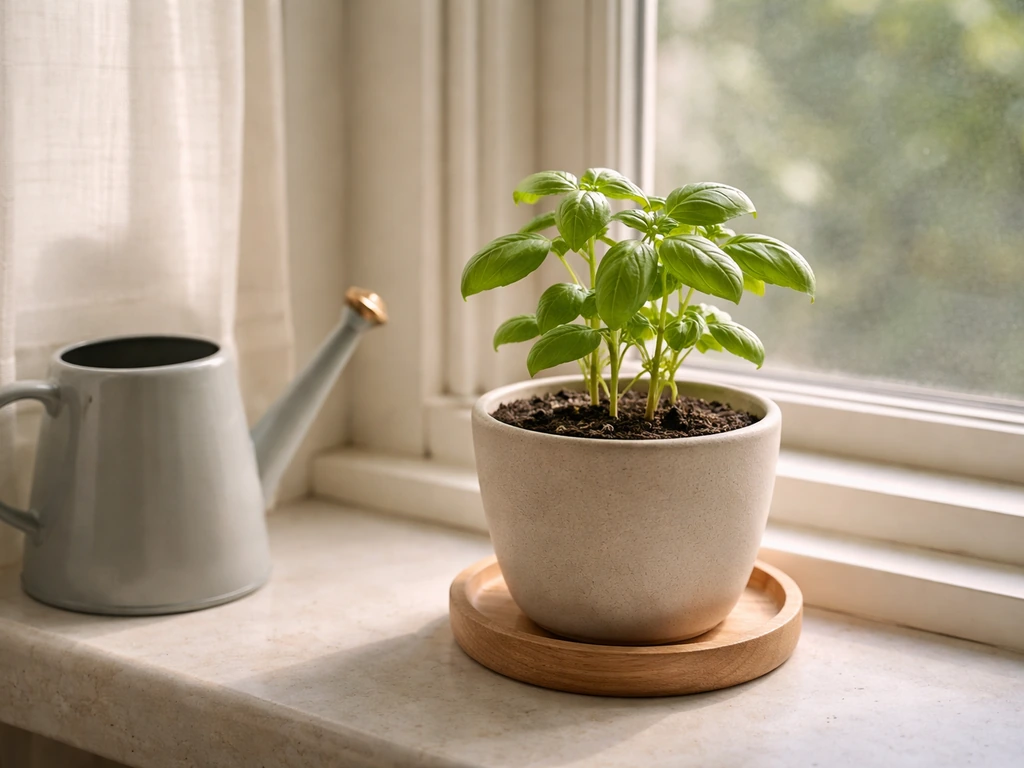
The single biggest mistake beginners make is choosing a plant they love the look of without checking whether their space can support it. Before you buy anything, take stock of what you're actually working with: How many hours of direct light does your windowsill get? Is your home warm year-round or does it dip below 55°F in winter? Do you travel often and need something forgiving? Answering those questions first saves you a lot of frustration.
If you're indoors, light is usually your biggest limiting factor. Most herbs and flowering plants need at least 5 to 6 hours of bright light daily, and temperatures in the 55 to 70°F range tend to keep most common houseplants happy. Low-light tolerant plants like pothos, snake plants, and ZZ plants are genuinely forgiving for dim apartments, while sun-lovers like succulents and basil will slowly decline without a bright south-facing window or a grow light. Match the plant to your real conditions, not your ideal ones.
If you're interested in growing something a little more specific, it helps to read up on the particular needs of your chosen plant before you commit. For example, how to grow sensitive plant covers the specific humidity and light quirks of Mimosa pudica, which behaves very differently from a typical houseplant. Understanding your plant's personality before you bring it home is half the battle.
Soil, medium, and plant-safe setup
The growing medium you choose determines how well your roots breathe, how efficiently water moves, and ultimately whether your plant survives its first few months with you. There is no one-size-fits-all answer here, because soil, water culture, hydroponics, and terrariums all have different rules.
Soil-based growing
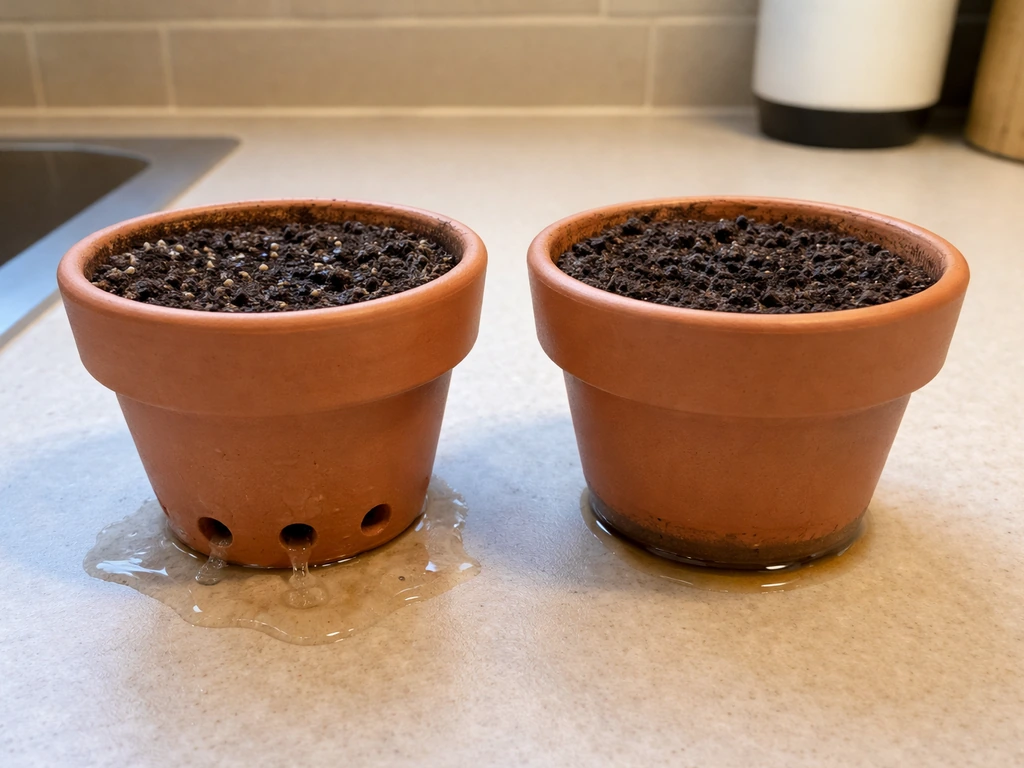
For potted plants in soil, aeration and drainage are non-negotiable. A mix of peat moss and perlite in appropriate proportions gives you both, and it's a reliable starting point for most houseplants and container vegetables. One thing to avoid: fine, muck-type peat mosses that compact easily and suffocate roots by cutting off airflow and blocking drainage. If you pick up a bag of potting mix and it feels dense and heavy when dry, it's probably not ideal on its own. Mixing in perlite (roughly 20 to 30 percent by volume) lightens it up considerably.
Always use a pot with drainage holes. No drainage means water sits at the bottom, and sitting water is the fastest route to root rot, which shows up as blackened, mushy roots and wilting that doesn't improve when you water. If you love a decorative pot without holes, use it as a cachepot and keep your plant in a plain nursery pot inside it.
Hydroponics and water-based setups
Growing in water or a hydroponic system removes soil from the equation but introduces a new set of variables. Roots still need oxygen, so dissolved oxygen in your nutrient solution should stay above 5 mg/L (5 ppm). Below that, roots struggle to uptake nutrients efficiently and become vulnerable to rot. A small air pump and air stone in a reservoir system handles this easily. You'll also want to monitor electrical conductivity (EC) and pH, because poor water quality can swing nutrient availability, causing either toxicity or deficiency even when you're adding the right fertilizer. An inexpensive EC meter and pH pen are worth the investment if you're going the hydroponic route.
Terrariums
Terrariums are their own microenvironment. They retain moisture much longer than open pots, so plants grown inside them need to be species that actually enjoy high humidity and tolerate slower soil drying. Ferns, mosses, and small tropical plants are natural fits. In a closed terrarium, you almost never need to water, and overwatering is by far the most common mistake. A thin layer of activated charcoal under the growing medium helps keep things fresh in sealed setups.
Watering basics for healthy growth
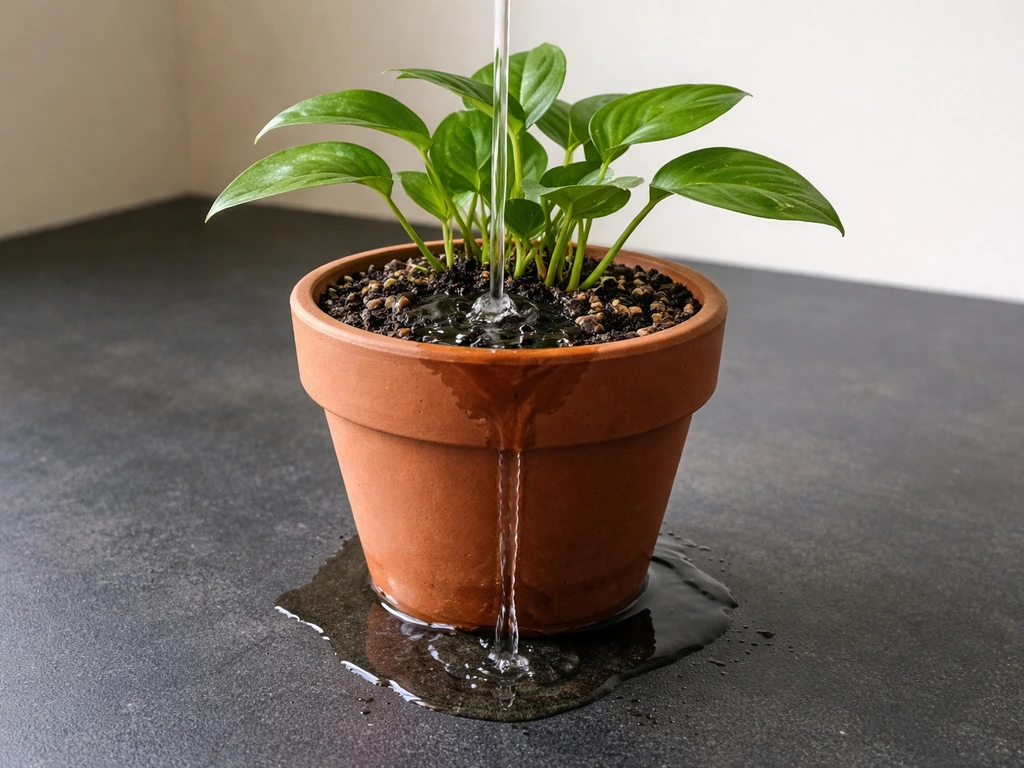
Overwatering kills more houseplants than any pest or disease. The rule of thumb most people hear is 'water once a week,' but that's not really how plants work. Watering frequency should be based on what the soil is doing, not the calendar. Stick your finger an inch into the soil: if it's still damp, wait. If it's dry, water thoroughly until it drains from the bottom. Then wait again. That's the cycle.
When you do water, water deeply enough that the entire root zone gets moisture, not just the top inch. Shallow watering trains roots to stay near the surface, which makes plants less resilient during dry spells. For something like basil, you're looking at roughly 1 inch (about 2.5 cm) of water per week as a general baseline, but that shifts depending on pot size, temperature, and humidity in your space.
Underwatering has its own set of symptoms: leaves curl inward, soil pulls away from the pot edges, and the plant looks generally deflated. Overwatering looks deceptively similar at first (wilting, yellowing) but the soil stays wet and roots go soft. If you press the soil and it's soggy but the plant is wilting, that's a red flag for root rot, not drought. Learning to read those signals is one of the most valuable skills you can develop. If you want to get plants to grow consistently well, nailing your watering rhythm is the fastest lever you have.
Light and temperature: the #1 growth drivers
Light is plant food in the most literal sense. Without enough of it, photosynthesis slows, growth stalls, and the plant starts cannibalizing its own resources. Temperature determines how fast those metabolic processes run. Get both right and almost everything else becomes easier to manage.
For indoor growing, most common houseplants fall into three categories: low light (indirect ambient light is fine), medium light (bright indirect, near a window but not in direct sun), and high light (direct sun or a grow light for several hours a day). Indoor basil, for instance, typically needs around 10 hours under a plant light to really thrive indoors. If you're not sure whether your light is adequate, watch your plant's new growth: small, pale, widely spaced new leaves usually mean it wants more light.
Temperature consistency matters as much as the average. Sudden drops from opening doors or cold drafts near windows can stress plants even when the room temperature is generally fine. For seed starting specifically, consistent warm growing-medium temperature is especially important for triggering uniform germination. A seedling heat mat can make a real difference if you're starting plants from seed in a cool room. Most common houseplants are happiest between 60 and 75°F, with limited tolerance for anything below 50°F.
Humidity is the underrated third factor. Most tropical houseplants evolved in humid environments and struggle in the dry air of heated or air-conditioned rooms. A simple humidity tray (a shallow tray of pebbles and water set below the pot) or a small humidifier can make noticeably happier plants in dry climates or winter months. This matters even more when you're trying to grow beautiful plants with lush, undamaged foliage, since low humidity often shows up as brown leaf tips before anything else.
Fertilizing and feeding schedule
Plants need three primary macronutrients: nitrogen (N), phosphorus (P), and potassium (K). Every fertilizer bag shows these as three numbers, like 18-4-10, which tells you the percentage by weight of N, P, and K in that order. Nitrogen drives leafy green growth, phosphorus supports root development and flowering, and potassium helps overall plant health and disease resistance. Beyond these three, some fertilizers include micronutrients like iron, manganese, and calcium, which matter more for specialized crops or hydroponic systems where the growing medium doesn't naturally supply them.
For most houseplants, a balanced liquid fertilizer (something like a 10-10-10 or similar ratio) applied every two to four weeks during the active growing season (spring through early fall) is a practical starting point. In winter, most houseplants slow down and don't need much feeding. Over-fertilizing is a real problem: salt buildup in the soil leads to brown leaf tips and root damage. If you see a white crust forming on the soil surface, flush the pot with plenty of water to clear out accumulated salts.
In hydroponic systems, fertilizing is built into the nutrient solution, so the EC reading directly reflects how concentrated your feeding is. Always follow the manufacturer's mixing guidelines and adjust based on what your plants are showing you. Pale yellowing leaves often mean nitrogen deficiency; purple-tinged undersides of leaves can indicate phosphorus issues. Learning to connect visible symptoms to specific nutrients is one of the more satisfying parts of getting into plant growing. If you want a more detailed look at how to grow plants properly, dialing in your feeding schedule is one of the areas that delivers the biggest results.
Pruning, pest and disease prevention, and troubleshooting
Healthy plants start with prevention more than intervention. Keeping leaves clean, removing dead or dying foliage promptly, and not letting water sit in saucers for days removes the conditions that pests and diseases need to get established. That said, even well-cared-for plants get problems occasionally, and recognizing them fast makes the difference between a minor annoyance and losing a plant entirely.
Common pests to watch for
Mealybugs look like small tufts of white cotton, usually tucked into leaf axils and stem joints. Spider mites are nearly invisible to the naked eye but leave fine webbing and stippled, off-color leaves, and they thrive in hot, dry conditions with low humidity, so improving airflow and increasing humidity is both a treatment and a prevention strategy. Whiteflies and soft scale are also common sap-sucking pests that cause yellowing and stunted growth. Fungus gnats are the small flies you see hovering around soil surfaces; they're annoying but generally manageable with good sanitation, letting the top layer of soil dry between waterings, and avoiding soggy conditions that support their larvae.
For most pest problems, start with the least aggressive intervention: wipe leaves with a damp cloth or cotton swab dipped in rubbing alcohol for mealybugs, or use insecticidal soap spray for spider mites and whiteflies. Neem oil is a versatile option that works against a broad range of insects and some fungal issues. The key is consistency: one application rarely eliminates a population. Treat every five to seven days for at least three cycles.
Diseases and root rot
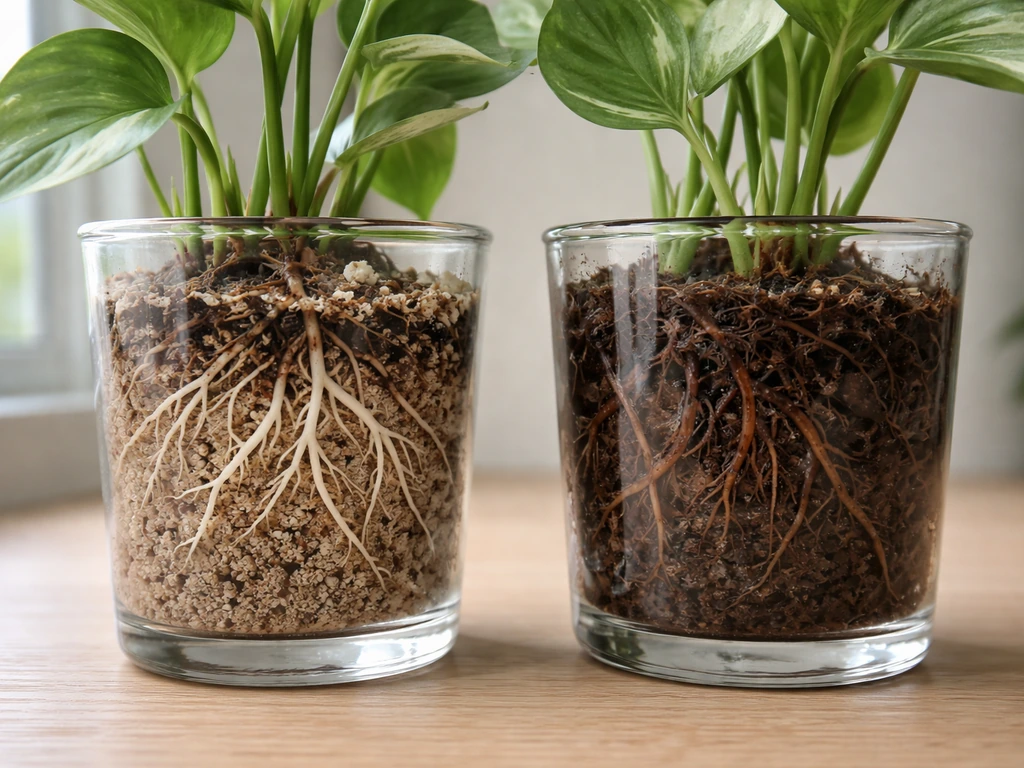
Root rot caused by soil-borne fungi (often Pythium species in overly wet conditions) is one of the most common plant killers and one of the hardest to reverse once it's advanced. Off-color roots with dark, mushy tips are the telltale sign. If you catch it early, remove the plant from its pot, trim away all affected roots with sterile scissors, let the remaining roots air dry briefly, then repot in fresh, well-draining mix. Withhold water for a week or so afterward to let the plant stabilize.
Powdery mildew is another common disease, especially on vegetable plants. It shows up as white to gray powdery patches on leaves and tends to spread in warm, dry conditions around 75 to 85°F with high humidity in the evenings. Improving air circulation and reducing evening leaf moisture (avoid overhead watering at night) are the best preventive measures. Baking soda spray (1 teaspoon per quart of water with a drop of dish soap) can slow its spread when caught early.
Pruning for better growth
Regular pruning isn't just cosmetic. Removing dead leaves and stems keeps the plant from wasting energy on tissue it can't recover, and trimming leggy growth encourages bushier, more compact new growth. For most houseplants, a light trim every month or two during the growing season keeps things tidy and vigorous. Always use clean, sharp scissors or pruning shears to avoid tearing tissue or introducing pathogens. For herbs especially, regular harvesting is the best form of pruning because it prevents the plant from bolting (going to seed prematurely). Learning how to encourage plants to grow more actively often starts with pruning correctly.
Repotting, propagation, and long-term plant health
Plants don't stay the same size forever, and eventually most will outgrow their pots. A root-bound plant, where roots have filled the container completely and started circling the bottom, will grow slowly or stall entirely. Signs include roots poking out of drainage holes, soil that dries out unusually fast, and a plant that seems to need watering much more often than it used to.
When repotting, go up just one pot size at a time, usually 1 to 2 inches larger in diameter. Going straight to a much larger pot is counterproductive: the excess soil stays wet long after the plant has used the moisture near its roots, increasing root rot risk. Spring is the best time to repot most plants, as they're entering their active growth phase and recover quickly. Use fresh potting mix, water thoroughly after repotting, and keep the plant out of direct harsh sun for a week or two while it adjusts.
Propagation is one of the most rewarding parts of plant growing and a great way to expand your collection for free. Stem cuttings work for most tropical houseplants: cut just below a node (the bump where a leaf attaches), remove the lower leaves, and root in water or moist potting mix. Many succulents propagate from individual leaves. Dividing root-bound clumping plants during repotting is another easy method. If you've been growing a plant successfully and want to try something with a different temperament, looking into how to grow lucky plants is a good next step, since they're popular, forgiving, and propagate easily.
For long-term plant health, think seasonally. Most plants need less water and no fertilizer in winter. Repot in spring. Prune actively in the growing season. Check for pests at every watering rather than waiting for a visible infestation. This rhythm of small, regular attention is what separates thriving plants from struggling ones, and it genuinely doesn't take much time once it becomes habit.
Quick visual diagnosis guide
When something looks wrong with your plant, resist the urge to immediately water or fertilize. Instead, run through this quick checklist based on what you're seeing:
| What you see | Likely cause | Quick fix |
|---|---|---|
| Yellowing lower leaves | Overwatering or nitrogen deficiency | Check soil moisture; if wet, hold water; if dry, feed with a balanced fertilizer |
| Wilting despite wet soil | Root rot | Unpot, trim rotted roots, repot in fresh dry mix |
| Brown leaf tips | Low humidity or fertilizer salt buildup | Increase humidity; flush soil with water to clear salts |
| Small, pale, widely spaced new growth | Insufficient light | Move closer to window or add a grow light |
| White powdery patches on leaves | Powdery mildew | Improve airflow; treat with dilute baking soda spray |
| Fine webbing on leaves | Spider mites | Increase humidity; treat with insecticidal soap every 5-7 days |
| White cottony masses in leaf joints | Mealybugs | Dab with rubbing alcohol on a cotton swab; repeat weekly |
| Tiny flies hovering over soil | Fungus gnats | Let top inch of soil dry out; improve drainage and sanitation |
| Roots circling out of drainage holes | Root-bound; needs repotting | Move up one pot size (1-2 inches larger diameter) |
Getting to consistently healthy plants is really just about observation and adjustment. The more time you spend noticing what your plants look like when they're thriving, the faster you'll spot when something is off. If you feel like you're doing the basics right but still not seeing great results, a deeper look at how to grow happy plant might help you identify what specific element is holding your plant back. Start with the fundamentals covered here, watch your plants closely for the first few weeks, and adjust based on what they tell you. That feedback loop is how every experienced grower learned, and it works.
FAQ
How can I tell if my plant needs more water or just more light?
Compare new growth and soil behavior. If leaves look limp but the soil is still wet or smells sour, suspect overwatering and root issues. If the soil dries quickly and new leaves are small, pale, or widely spaced, light is often the limiter. A simple check is to water only when the top inch is dry (for many houseplants), then reassess within a week by looking for firmer leaves and steadier growth.
What water quality problems can affect healthy plants?
If you use very hard tap water, salts can build up even if you fertilize correctly. Signs include crusty white buildup on soil, browning leaf tips, and yellowing that does not improve with feeding. To reduce this, use filtered or distilled water for sensitive plants, and periodically flush the pot until clean water drains out.
Is it okay to mist plants if my home is dry?
Misting can help briefly on the surface but it usually does not raise humidity consistently, and it can encourage fungal problems if leaves stay wet for long periods. For lasting humidity, use a humidifier or a pebble tray placed correctly so the pot sits above water, not in it. Also target plants that tolerate higher humidity, rather than misting every species.
How do I avoid fungus gnats if I keep getting them?
Let the top layer of soil dry between waterings, because the larvae need consistently moist conditions. Yellow sticky traps help catch adults, but the real fix is moisture control and sanitation. If the problem keeps recurring, consider refreshing the top inch of soil or repotting into a better-draining mix, since gnats often persist in the old organic top layer.
What is the safest way to “flush” a plant for fertilizer or salt buildup?
Move the plant to a sink or tub, then run water through the pot slowly for a few minutes until excess water drains out freely. Let it drain fully, then discard runoff. Repeat occasionally for salt-prone setups, and pause feeding for a cycle so the plant can reset.
Should I fertilize weak-looking plants immediately?
Not always. Yellowing or stalling can come from low light, overwatering, or root stress, and fertilizer can worsen salt buildup. Confirm first by checking soil moisture, drainage, and light exposure. Only fertilize when the plant is actively growing and the basics (light and watering rhythm) are stable.
How often should I rotate plants near windows?
Rotate containers a quarter turn every week or two. Without rotation, one side gets more light, and plants can grow lopsided or lean. Rotating also helps you spot light issues sooner because you can see growth changes relative to direction.
Why do leaves turn yellow but the plant still looks overwatered?
Yellowing plus persistently wet soil usually points to root problems rather than simple nutrient deficiency. Healthy plants can yellow from aging leaves, but widespread yellowing with soft, mushy roots suggests overwatering or poor drainage. If you pull the plant from the pot and find dark, smelly, mushy roots, trim and repot rather than increasing feeding.
My plant is growing tall and thin, what should I do?
This is often a light problem. Increase light gradually, avoid sudden moves from dim corners to full sun, and consider using a grow light set at the right distance. After light improves, prune back leggy stems to encourage branching, using clean scissors to prevent damage and infection.
What should I do when I see pests but I’m not sure which one it is?
Isolate the plant first, then inspect multiple areas: leaf undersides, stem joints, and the soil surface. Look for patterns, for example cottony clusters at axils (mealybugs) versus fine speckling and webbing (spider mites). If you cannot identify quickly, use insecticidal soap for soft-bodied insects, and repeat at regular intervals because eggs can survive.
Can I save a plant with advanced root rot?
Sometimes, but success depends on how much healthy root remains. If most roots are dark, mushy, and collapsing, you may need to take healthy cuttings from the top growth and reroot them instead of trying to rehabilitate the original root system. Use sterile tools, trim until you reach firm tissue, and repot in fresh, well-draining mix with reduced watering.
How do I know if my pot size is causing problems?
A pot that is too large keeps soil wet too long, raising root rot risk. Signs include soil staying wet for many days, wilting that does not rebound after watering, and slow growth. When repotting, move up only one size, then monitor drying speed and plant response for a few weeks.
What’s the best indoor temperature for seed starting versus mature plants?
Seedlings usually need warmer and more consistent conditions for even germination, often with a seedling heat mat in cool rooms. Mature houseplants generally do fine in typical indoor ranges, but sudden drafts and nighttime drops can stress them. If germination is uneven, focus first on the soil temperature, not just the room temperature.
How can I tell if my plant needs more pruning or more repotting?
Pruning helps with shape and branching, but it does not fix a root-bound root system. If growth stalls and the plant dries out unusually fast, check for circling roots and roots coming from drainage holes. If the plant is not root-bound and looks leggy, increase light and prune during the active growing season to promote fuller growth.