
Crawling plants, whether you mean trailing pothos spilling off a shelf, creeping thyme spreading across a garden path, or ground ivy knitting together a shady slope, grow best when you match the plant to your actual conditions, give them something to grab or root into, and stay a step ahead of their spread. Pick the wrong species for your light or soil, skip drainage, or let runners go unchecked, and things get messy fast. Get those basics right and crawling plants are honestly some of the lowest-maintenance plants you can grow.
How to Grow Crawling Plants: Groundcover and Trailing Tips

Marcus Holloway
5 May 2026
What 'crawling plants' actually means and how to pick the right one
The term 'crawling plants' covers two slightly different groups that behave similarly. Ground covers are low-growing plants, generally under 12 inches tall, that spread outward to fill space. Trailing or vining plants grow longer stems that hang, drape, or root as they go. Both spread, both 'crawl,' and both need the same basic thinking to grow well. The key difference is whether you want horizontal coverage (a garden bed, a slope, a living carpet) or a trailing effect (hanging baskets, shelves, vertical walls).
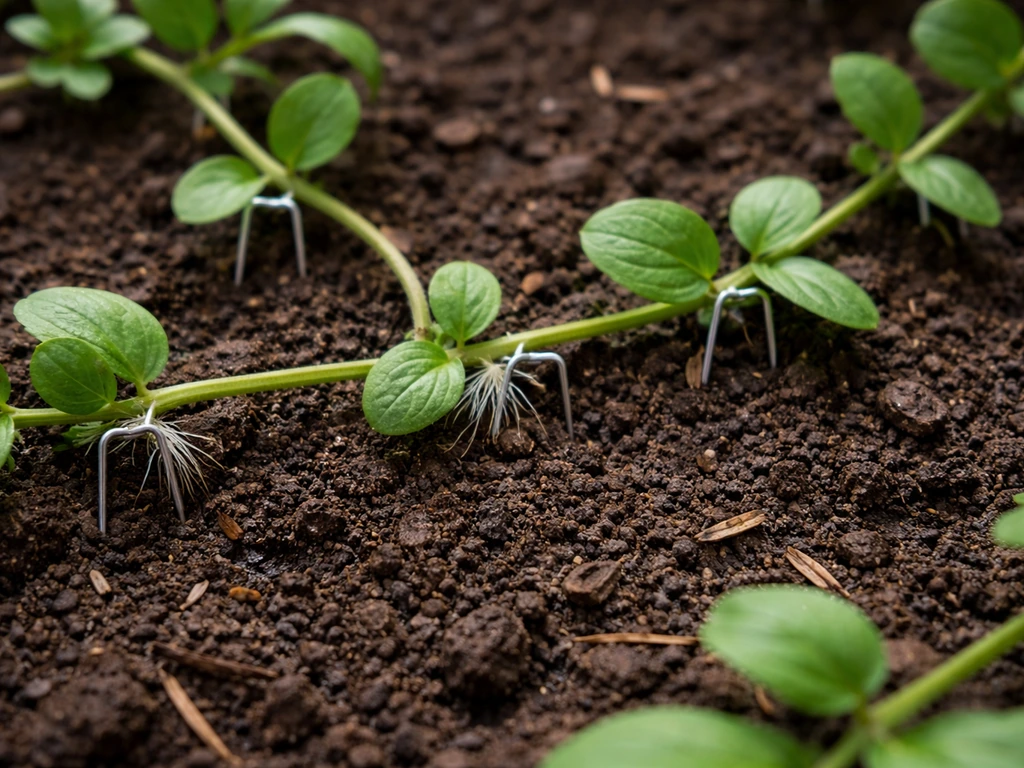
Plants in this category spread in a few different ways. Some send out stolons, above-ground runners that root at nodes wherever they touch soil. Think strawberries or creeping Charlie (ground ivy), which can spread about 1 to 3 feet wide and roots at every node along those square stems. Others spread via rhizomes, which are creeping stems growing just below the soil surface. Rhizomes are harder to contain once established because you can't see them until they pop up somewhere you didn't plan. A third group spreads by tip layering, where stem tips naturally root when they touch the ground.
Before you buy anything, be honest about your space. For outdoor sunny and dry spots, reliable crawlers include Greek yarrow, wild strawberry, woolly yarrow, creeping cinquefoil, and creeping juniper. For shady or partially shaded outdoor areas, think creeping phlox, pachysandra, or ajuga. For indoors, pothos, heartleaf philodendron, tradescantia, and string of pearls trail beautifully from containers. One big thing to watch: some crawling plants are genuinely aggressive. Japanese fleece flower (Polygonum cuspidatum 'Compactum') is a classic example, great coverage, but it will take over if you're not managing it. Always check the spreading behavior of a species before you plant it.
Setting up the right light and environment before you plant
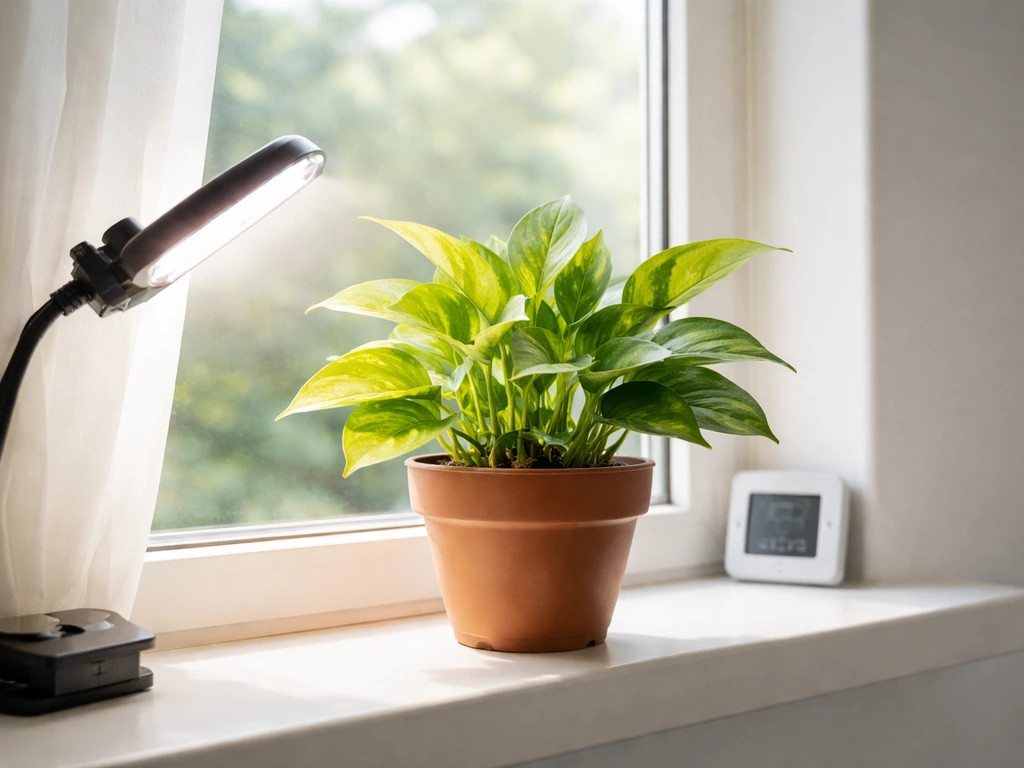
The single most important setup decision is matching your plant to the light you actually have, not the light you wish you had. Full sun outdoors means 6 or more hours of direct summer sunlight. Part shade is roughly 3 to 6 hours. Full shade is under 3 hours. Measure this honestly before choosing a species, trying to force a sun-lover into a shady corner, or a shade plant into a south-facing bed, will give you a slow, struggling, sparse crawler instead of the lush ground cover you're hoping for.
Temperature and moisture matter just as much as light. Rather than trying to change your site conditions dramatically, choose plants that already match them. If you have a naturally damp, low-drainage area, pick wet-soil-tolerant crawlers instead of spending all your energy trying to fix drainage. If you have a hot, baked, south-facing slope, go with drought-tolerant options like creeping juniper or yarrow. Working with your conditions instead of against them is the single biggest shortcut in growing crawling plants successfully.
For indoor trailing plants, bright indirect light, within 3 to 5 feet of a window, covers most popular trailing species. A north-facing window alone is usually too dim for vigorous spreading growth, but an east- or west-facing window works well for most pothos, philodendron, and tradescantia varieties. If your indoor space is genuinely low-light, choose plants rated for low light and accept that they'll trail more slowly.
Soil, substrate, and container choices that actually work
Outdoor crawling plants in garden beds want well-amended soil that drains reasonably well. Work in compost before planting to improve both drainage and nutrient retention. For rhizome-spreading ground covers, avoid overly compact or clay-heavy soils where possible, rhizomes have a tough time expanding through dense soil, which slows the spread you're hoping for.
For containers and indoor trailing plants, use a quality potting mix rather than garden soil. Good container mixes typically include a combination of sphagnum peat moss or coconut coir, perlite, vermiculite, and composted bark, landing around a pH of 6.2. This combination keeps things loose enough for roots to move through easily and drains well enough to prevent the waterlogged conditions that cause rot. You can amend a basic potting mix with extra perlite or bark if it feels dense or stays wet for too long after watering.
Drainage holes are non-negotiable. Every container needs at least one drainage hole at the bottom, this isn't a style preference, it's the thing standing between your plant and root rot. Few crawling plants tolerate stagnant water at their roots, and a pot without drainage will eventually kill them no matter how carefully you water. If you love a decorative pot without a hole, use it as a cachepot and drop in a planted nursery pot with drainage. For outdoor ground covers spreading across beds, the same logic applies: avoid planting in areas that pool standing water unless the species is specifically rated for wet conditions.
Container size for indoor trailers is often overlooked. A pot that's too large holds excess moisture and can lead to root rot before the plant fills the space. Go up only one pot size at a time when repotting, and choose shallow-to-medium depth pots over deep ones for most trailing species, their roots tend to stay in the upper layers anyway.
How to plant and propagate crawling plants
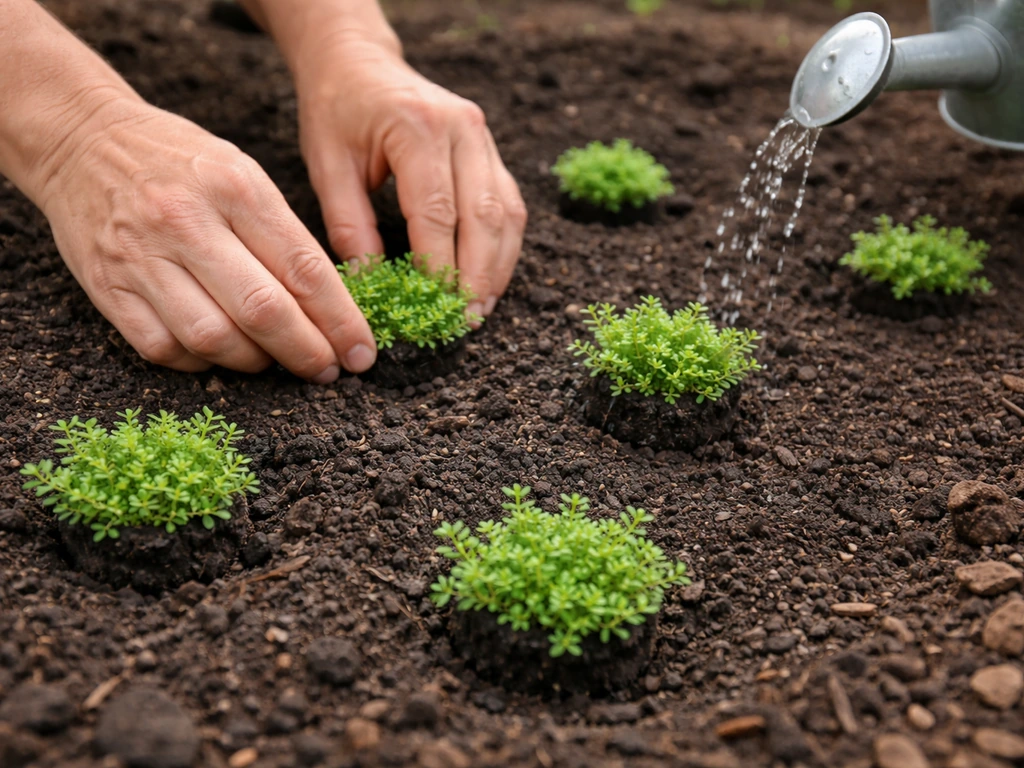
For outdoor ground covers, spring or fall are the ideal planting times. If you're growing carnivorous plants outdoors, time your planting for spring or fall and set them up for the right light, water, and drainage grow carnivorous plants outdoors. Summer planting works but demands much closer attention to watering, the heat and sun stress new transplants before roots can settle in. Give newly planted ground covers at least one to two full growing seasons before you judge whether they're spreading the way you hoped. Most crawling plants are slow to spread in their first season because they're putting energy into root establishment, not visible growth. Don't panic and overwater or overfeed during this phase.
Starting from cuttings
Cuttings are the fastest and cheapest way to propagate most trailing and crawling plants. For stem cuttings, select healthy non-flowering shoots that are 3 to 5 inches long. Cut just above a leaf joint on the mother plant, then remove leaves from the lower third of the cutting so bare stem will sit in the rooting medium. Insert the cutting into moist potting mix or perlite so it stands upright with its remaining leaves above the surface. Give it bright light but not direct harsh sun. Covering loosely with a plastic bag (propped up so it doesn't touch the leaves) keeps humidity high and dramatically improves rooting success. Most common trailing houseplants root in 2 to 4 weeks this way.
Using runners and layering
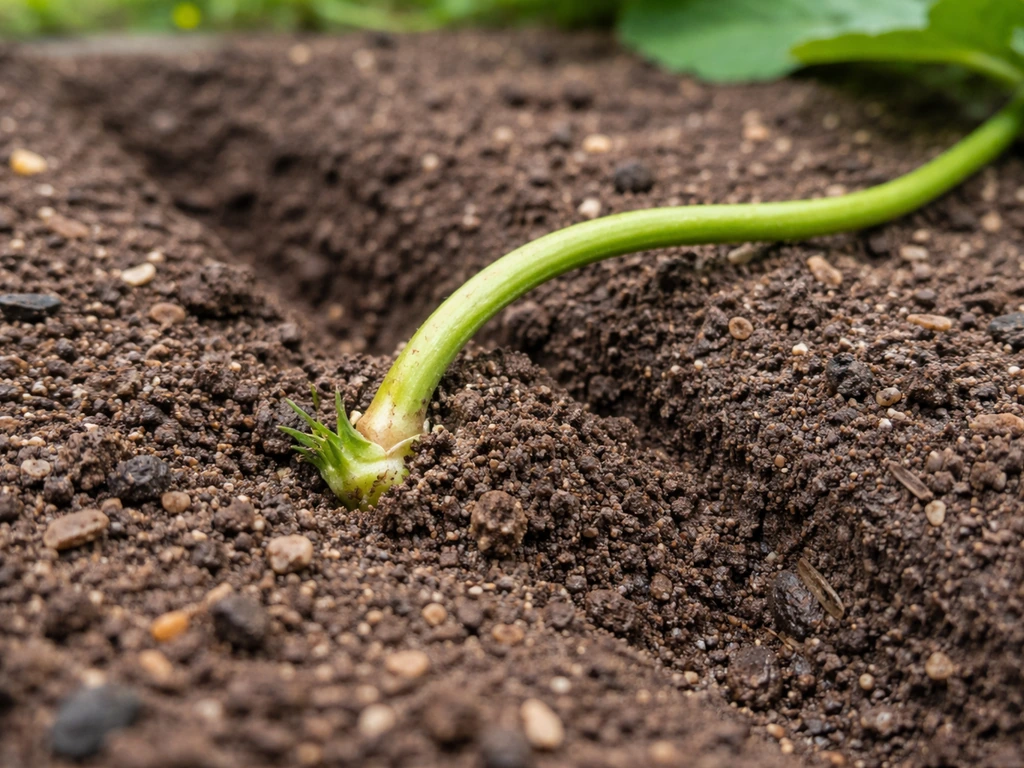
If your crawling plant spreads via stolons, you can encourage it to root into gaps by simply pinning a runner down against moist soil at a node. This is called simple layering, and it's the easiest propagation method out there, the stem stays attached to the mother plant while it roots, so it keeps getting water and nutrients while establishing.
Spring or early summer is the best time to start this. After about 1 to 2 months, the rooted section can be snipped free from the mother and transplanted to fill a gap or start a new planting area. Rooted stolon pieces can also be moved around to fill bare spots in an existing ground cover planting, a technique that works especially well for establishing uniform coverage faster.
Training your plants to crawl where you want them
Left alone, crawling plants will spread in whatever direction is easiest, which is often not where you want them. Getting ahead of this with a little guidance makes a big difference, especially in the first couple of seasons.
For stolon-spreading ground covers outdoors, physical edging is your best containment tool. Edging materials that extend several inches above the soil surface are effective at stopping stolons from jumping into lawn or neighboring beds, since stolons root above ground. For rhizome-spreading plants, you need edging that extends several inches below the soil surface, because rhizomes travel underground and will simply grow under a shallow barrier. This is a critical distinction, use the wrong edging depth for the spreading method and your containment will fail.
For indoor trailing plants, training is more about directing the visual effect. You can guide stems around hooks, pins, or small nails in the wall to create a deliberate trailing pattern. Moss poles and small trellises work well for trailing plants that have aerial roots (like pothos or philodendron) and give them a surface to cling to and climb, which actually produces larger leaves on many species. For pure hanging basket trailers like string of pearls or string of hearts, just rotate the basket every couple of weeks so growth spreads evenly in all directions rather than stretching toward the light source.
Outdoor crawling plants may also need occasional pruning to stay within their intended space. Once established, most ground covers can be sheared back with hedge shears or pruning scissors if they creep past an edge or get leggy. Doing a light trim once a year keeps them tidy without stressing the plant. Mulching around newly planted ground covers with 1 to 2 inches of organic mulch helps suppress weeds during establishment (weeds are one of the most common reasons a new ground cover planting fails) and helps retain soil moisture between waterings.
Watering, feeding, and seasonal care
During the first growing season after planting, water consistently and don't let the soil dry out completely for extended periods. Once ground covers are established, usually after that first full season, you only need to water during dry periods in summer or fall. Established crawling plants are generally pretty drought-tolerant compared to annuals and vegetables. The biggest watering mistake most people make is continuing to water as frequently as they did during establishment, which keeps the soil too wet and invites rot and fungal problems.
For indoor trailing plants, the general rule is to water thoroughly when the top inch or two of soil is dry, then let it drain completely. The 'little and often' watering approach most beginners use is actually worse than deep, infrequent watering, it keeps the surface wet and the lower roots dry, which stresses the plant in both directions.
For fertilizing, slow-release granular fertilizers are ideal for both outdoor ground covers and container crawlers. Products like Osmocote can be worked into soil at planting and typically feed for 3 to 9 months, depending on formulation. One thing to account for: in outdoor pots that get watered frequently or get rained on, time-release fertilizers release about twice as fast as they would indoors, so you may need to reapply sooner.
For established outdoor ground covers in beds with decent soil, a single application of balanced slow-release fertilizer in spring is usually all they need for the year. Nitrogen in slow-release form is particularly useful because it feeds steadily without causing the sudden soft, lush growth that makes plants vulnerable to pests and disease.
| Season | Outdoor Ground Covers | Indoor Trailing Plants |
|---|---|---|
| Spring | Plant or transplant; apply slow-release fertilizer; mulch bare gaps | Resume regular watering; fertilize monthly; repot if rootbound |
| Summer | Water during dry spells; shear edges as needed; watch for pests | Water consistently; keep out of harsh direct afternoon sun |
| Fall | Second-best planting window; reduce watering for established plants | Reduce fertilizing; water less frequently as growth slows |
| Winter | Minimal care; avoid disturbing dormant root systems | Minimal feeding; water only when soil is quite dry; watch for dry-air pests |
Common problems and how to fix them fast
Yellow leaves
Yellowing leaves on crawling plants almost always come down to one of three things: overwatering (the most common), nutrient deficiency, or too little light. Press your finger an inch into the soil, if it's wet and has been wet for days, you're overwatering. Let the soil dry out more between waterings and make sure the drainage hole isn't blocked. If the soil is appropriately dry but leaves are still yellowing, check when you last fertilized and give a diluted balanced feed. If it's a light issue, the plant will usually look pale and stretched as well as yellow.
Wilting
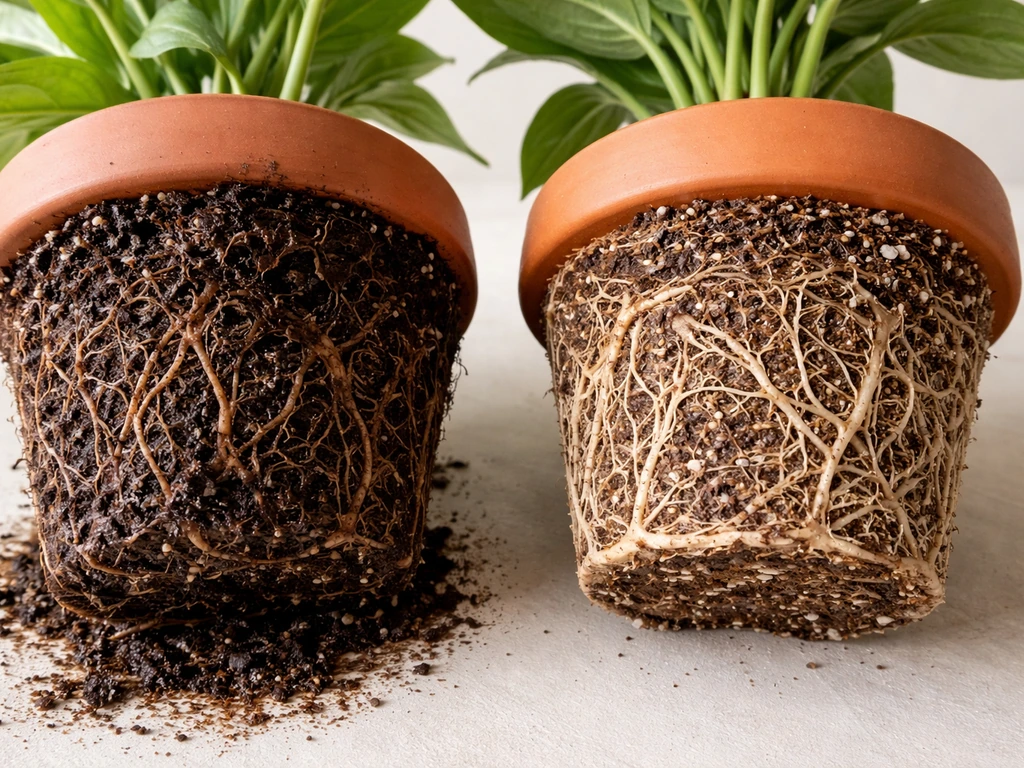
Wilting can mean both underwatering and overwatering, which is frustrating to diagnose. The soil test solves this: dry and pulling away from the pot edges means thirsty, water it deeply. Wet and soggy means root damage from overwatering, let it dry out, and if the roots are brown and mushy when you check them, trim the damaged roots and repot in fresh dry mix.
Root rot
Root rot is the crawling plant killer. It starts with overwatering or no drainage and progresses to soft brown roots, wilting despite wet soil, and eventually collapse. Catch it early enough and you can save the plant: remove it from the pot, trim all brown mushy roots back to white or firm tissue, dust the cuts lightly with cinnamon (a natural antifungal), let roots air dry for an hour, and repot in fresh dry mix. Water sparingly for a few weeks after while new roots establish. If more than two-thirds of the root system is gone, the plant may not recover, but taking cuttings from still-healthy stems and rooting them separately is a way to salvage the genetics.
Poor or patchy spread
If your ground cover is establishing unevenly, the most likely cause is inconsistent moisture during establishment, competition from weeds, or compacted soil stopping runners from rooting. Pull weeds as soon as they appear, they compete directly for moisture and nutrients during that critical first season. Loosen compacted spots with a hand fork so runners can make contact with soil and root successfully. You can also manually pin runners down onto bare patches to encourage spread.
Pests
Common pests on crawling plants include spider mites (tiny, look for webbing and stippled leaves, usually triggered by dry indoor air), mealybugs (white cottony clusters at leaf joints), aphids (soft-bodied clusters on new growth outdoors), and fungus gnats (small flies near soil, larvae damage roots). For spider mites and aphids, a strong spray of water knocks back populations fast, repeat every few days. Neem oil solution works for both, as well as mealybugs. Fungus gnats thrive in constantly moist soil, so the fix is letting the top inch of soil dry out between waterings to disrupt their breeding cycle.
Making it work in small spaces and indoors vs outdoors
The biggest indoor challenge for crawling plants is controlling spread in a way that looks intentional rather than chaotic. A few approaches work really well in small spaces: hanging baskets let trailers spill downward without taking up floor or shelf space; wall-mounted planters and picture ledges let stems trail along a wall; and training stems onto a small trellis turns a trailing plant into a vertical feature. For tiny apartments, pothos and heartleaf philodendron can trail several feet from a single pot placed on a high shelf, covering surprising amounts of wall space without needing anything but occasional watering and a monthly feed.
Outdoors in limited spaces, the temptation is to use a vigorous spreading species because it 'fills in fast.' Resist this in small beds or near other plants you care about. Choose a species rated for your actual square footage and use physical edging to contain it. Slower-spreading, better-behaved species may take a full season longer to cover the ground, but you won't spend the next five years fighting them back from places they shouldn't be.
One more real difference between indoor and outdoor growing: outdoor crawling plants have weather, birds, and soil organisms doing a lot of work for you. Indoors, you're the whole support system, light, water, nutrients, and humidity all depend on you. Indoor trailers are more forgiving of inconsistency than most plants, but they do need regular checks. A quick visual inspection once a week catches most problems before they get serious: look at the newest growth (pale or small means not enough light or nutrients), check the soil moisture, and flip a leaf or two over to spot early pest activity.
If you want to take your crawling plant skills further after mastering the basics here, the same core principles, matching conditions, managing spread, watching drainage, apply to more specialized plants as well. If you want how to grow massive outdoor plants, focus on maximizing light, soil quality, and consistent moisture during establishment, then feed and manage spread so the plant can put energy into rapid growth the same core principles.
Carnivorous plants that spread and low-growing outdoor species each bring their own quirks around soil and water chemistry, but the foundational thinking is the same. Carnivorous pitcher plants can be grown outdoors too, as long as you match them with the right light and keep their soil evenly moist but never waterlogged Carnivorous plants. Start with a forgiving species, get the light and drainage right, and let the plant tell you what it needs.
Combat plants can follow the same careful approach to matching light, drainage, and containment that you use for crawling plants, so apply those fundamentals to your setup.
FAQ
How much time should I expect before a crawling plant actually covers the ground?
Yes, but the approach depends on whether you mean groundcover or a trailing vine. For groundcovers, measure the area you want to fill and plan for slower first-season coverage, then pin runners or use plugs to even out bare spots. For indoor trailers, use a high shelf or macrame-style hanger and rotate the pot every 1 to 2 weeks to prevent “one-sided” stretching toward the window.
What should I check if my crawling plant is growing long stems but not spreading or rooting?
If stems are lengthening but not thickening or rooting well, it usually points to low light or consistently too-dry air. Move it closer to brighter light first (for indoors, bright indirect light near an east or west window is often better than a distant north window), then check that contact points with soil stay moist long enough to root.
Is it okay to prune crawling plants immediately after planting?
Avoid pruning right after transplanting or during peak heat. Instead, wait until the plant has established contact roots (often after the first season outdoors), then do light shaping trims. If you must clean it up earlier, remove only a small amount of the outer growth and keep watering consistent to reduce transplant stress.
How do I control an aggressive crawling plant without killing it?
Yes, even though many are sold as “easy.” For aggressive species, confirm the spread method (stolons vs rhizomes) and contain accordingly, then plan a maintenance routine. A good rule is to inspect edging or barrier integrity at least once a month during the growing season, because small breaches usually become fast new growth points.
Why are my crawling plants getting fungal spots even though I’m watering “as needed”?
Powdery mildew and general fungal problems are often triggered by overly wet conditions plus limited airflow, not just by “humidity.” Improve drainage, water less frequently once established, and thin or lightly prune dense growth so air can move. If you see mildew repeatedly, reduce overhead wetting and water early in the day so foliage dries.
Can a crawling plant die from fertilizer or feeding mistakes?
It can, especially when people use garden soil in pots or keep the mix constantly wet. Make sure your container mix drains well, confirm there is an unobstructed drainage hole, and water deeply only when the top 1 to 2 inches are dry. If the plant is already wilting, check roots for brown mushy tissue before adding more fertilizer or water.
Should I fertilize indoor trailing plants the same way I fertilize outdoor groundcovers?
Most do, but timing matters. Outdoor groundcovers usually do best with a single slow-release feed in spring if the soil is decent, too much nitrogen can cause soft, pest-prone growth. For indoor trailers, use diluted balanced feed during active growth, then pause or reduce in lower-light months when growth slows.
What is the correct watering method for crawling plants in containers versus in the ground?
Watering depth and drainage are the key. For pots, water thoroughly until it drains out, then empty any cachepot. For outdoor beds, soak deeply less often to encourage rooting below the surface, then let the top layer dry slightly between waterings. Consistently wet “surface only” conditions often lead to fungus gnats and weak roots.
My groundcover is spreading unevenly. Is the problem usually weeds or soil?
Yes, and it’s a common reason for patchy groundcover. If weeds are present during establishment, runners compete for moisture and light and fail to root into gaps. Remove weeds early, loosen compacted spots, and pin runners down to bare moist soil so they can make node-to-soil contact.
How can I make trailing plant cuttings root faster and more reliably?
Rooting cuttings is easiest with the right node strategy. Use a clean cut and ensure at least one node is in contact with moist rooting medium, remove lower leaves so they do not rot, and keep humidity steady by loosely bagging without touching the leaves. If rooting is stalled after a few weeks, check that the medium is not staying soggy and that the light is bright enough.
Why aren’t my pinned runners rooting into the soil?
For most species, the main reason is either insufficient light or inconsistent moisture during the “node contact” stage. If you’re pinning runners, make sure each pinned node is actually touching moist soil, and don’t let the area dry out right after pinning. If you’re not sure, mark one runner and monitor how quickly nodes begin to root there.
How do I keep indoor trailing plants looking intentional instead of messy?
For indoor spread control, a simple tactic is to prune back before it becomes long and tangled, then retrain new growth to your desired direction. Also rotate the plant, because unrotated pots often cause an unintended “reach” toward the light that looks messy even if the plant is healthy.
Does mulching help or hurt crawling plants?
Over time, replace or refresh mulch and avoid burying too deeply at crown areas. For groundcovers, keep mulch as a thin layer and pull it slightly back where runners are meant to root, heavy mulch can block contact. In containers, don’t top-dress heavily with materials that reduce airflow or drainage.
Can I propagate any crawling plant the same way?
Yes, but select the method based on the plant’s spreading style. For stolons, simple layering works by pinning nodes so they root while attached. For rhizomes, propagation is usually more delicate, so avoid major disturbance unless you’re comfortable handling underground growth and possible gaps.
When should I stop babying a newly planted crawling plant and switch to low-maintenance care?
Move from “more attention” to “normal care” gradually. Once the plant has established visible node rooting or full first-season coverage, reduce watering frequency and switch to seasonal watering only during dry spells. A common mistake is continuing establishment watering schedules, which keeps roots too wet and invites rot.
How can I tell whether yellow leaves mean light, nutrients, or overwatering?
Sometimes, but it depends on species and the type of yellowing. If older leaves yellow while new growth is pale, it can indicate light or nutrient limits. If leaves yellow along with consistently wet soil, it is more likely overwatering. Use the soil check (is it wet for days?) and then adjust one factor at a time before fertilizing.