Growing exotic plants comes down to matching the plant's specific needs to what your space can actually provide, then staying consistent with a simple care routine. Most exotic plants fail not because they are difficult but because they end up in the wrong light, the wrong soil, or get watered on a schedule that ignores what the plant is actually telling you. Get those three things right from the start, and even a total beginner can keep a Monstera, orchid, or carnivorous plant thriving long-term.
How to Grow Exotic Plants: A Step-by-Step Guide
Marcus Holloway
5 May 2026
Pick exotic plants that match your space and skill level
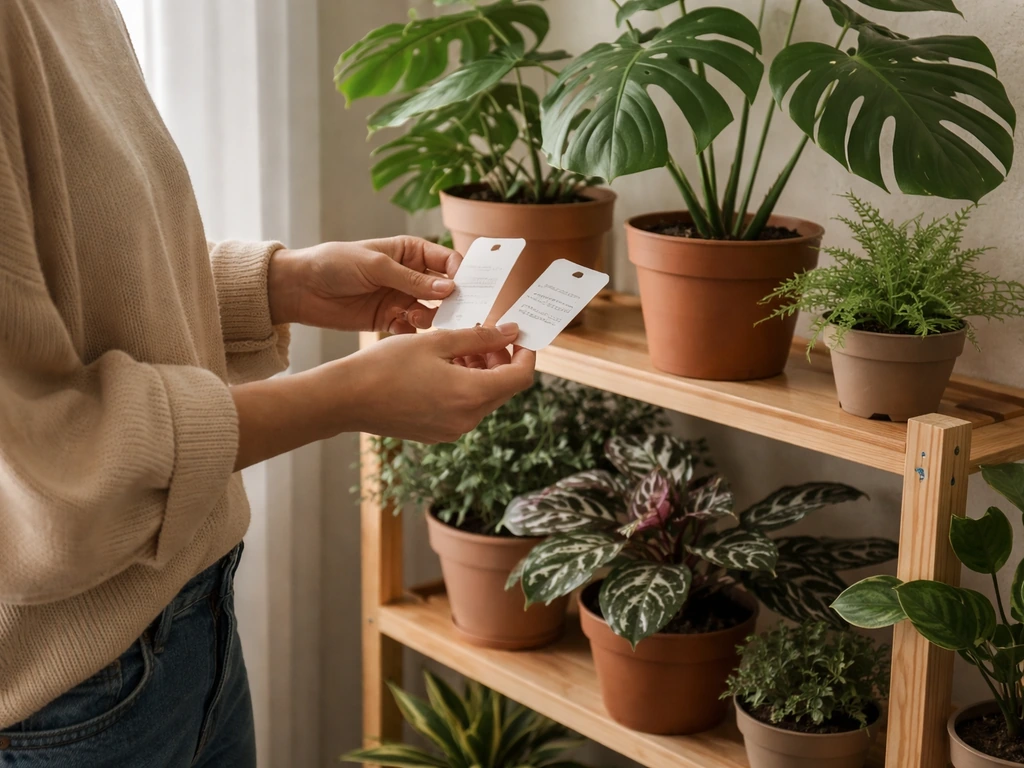
Before you buy anything, take an honest look at your conditions. How much natural light do you actually get? What is the temperature range in your space? Do you travel often or forget to water? Your answers should drive which exotic plant you start with, not just what looks cool at the nursery.
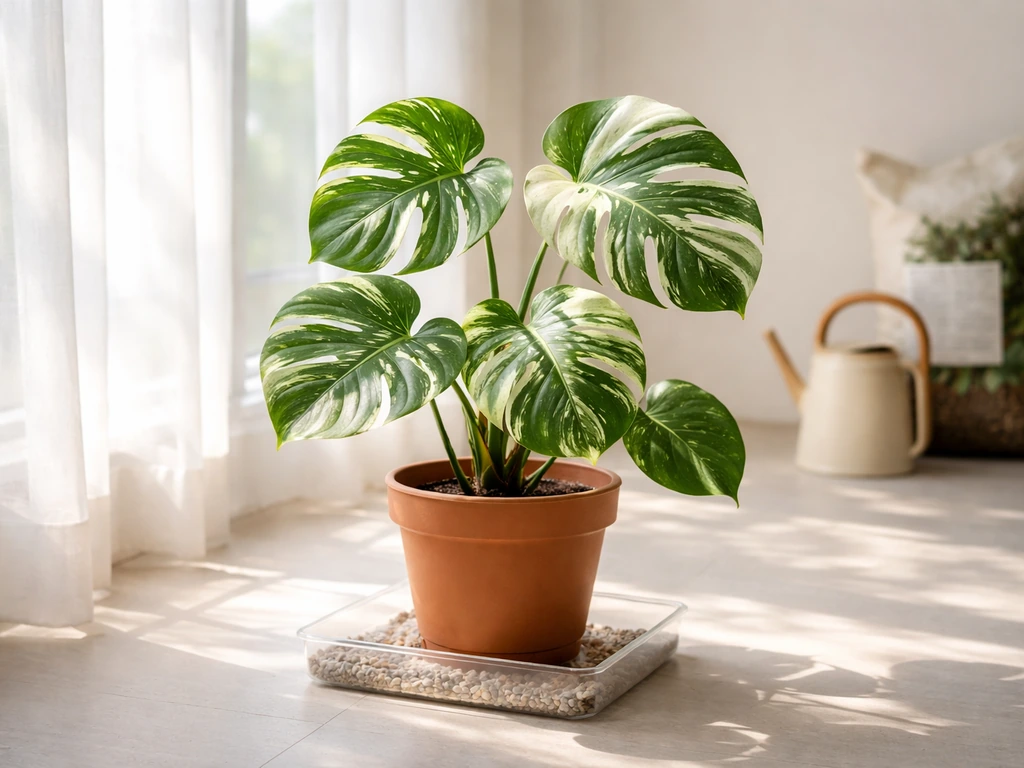
For low-to-medium light spaces (east or west-facing windows, or rooms with filtered light), Phalaenopsis orchids are one of the best starting points. They thrive at around 1,000 to 1,500 foot-candles of indirect light, which is exactly what a bright east-facing window delivers without burning the leaves. Monstera deliciosa is another forgiving choice: it tolerates a range of indoor temperatures between 18 and 30°C and adapts to moderate humidity.
If you are drawn to something more unusual, carnivorous plants like Venus flytraps and Sarracenia are genuinely beginner-accessible as long as you know they need a 3 to 4 month winter dormancy period, which surprises a lot of new growers.
Wikipedia describes Sarracenia as preferring sunny conditions during the growing season and requiring winter dormancy for a few months with decreased light and temperatures Sarracenia are genuinely beginner-accessible as long as you know they need a 3 to 4 month winter dormancy period.
A rough skill-level guide: start with Monstera or Phalaenopsis if you want something hard to kill outright, move to bromeliads or air plants once you have a feel for humidity and light, and work up to carnivorous plants or rare aroids once you understand how to dial in watering and substrate. Skipping levels is fine, but expect a steeper learning curve and be prepared to troubleshoot more in the first month.
| Plant | Light Need | Humidity | Skill Level | Best Medium |
|---|---|---|---|---|
| Phalaenopsis Orchid | Bright indirect, 1,000–1,500 fc | 50–80% | Beginner | Bark/orchid mix |
| Monstera deliciosa | Medium to bright indirect | 50–70% | Beginner | Well-draining potting mix |
| Venus Flytrap | Full sun or strong grow light | 50–90% | Beginner–Intermediate | Peat/perlite or terrarium |
| Sarracenia | Full sun | Moderate | Intermediate | Peat/sand, bog setup |
| Rare Aroids (e.g., Philodendron gloriosum) | Bright indirect | 60–80% | Intermediate | Chunky aroid mix or LECA |
What exotic plants actually need to grow well
Exotic plants are not magic. They follow the same biology as any other plant, they just often have tighter tolerances. Understanding the four core variables means you can diagnose almost any problem yourself without guessing.
Light
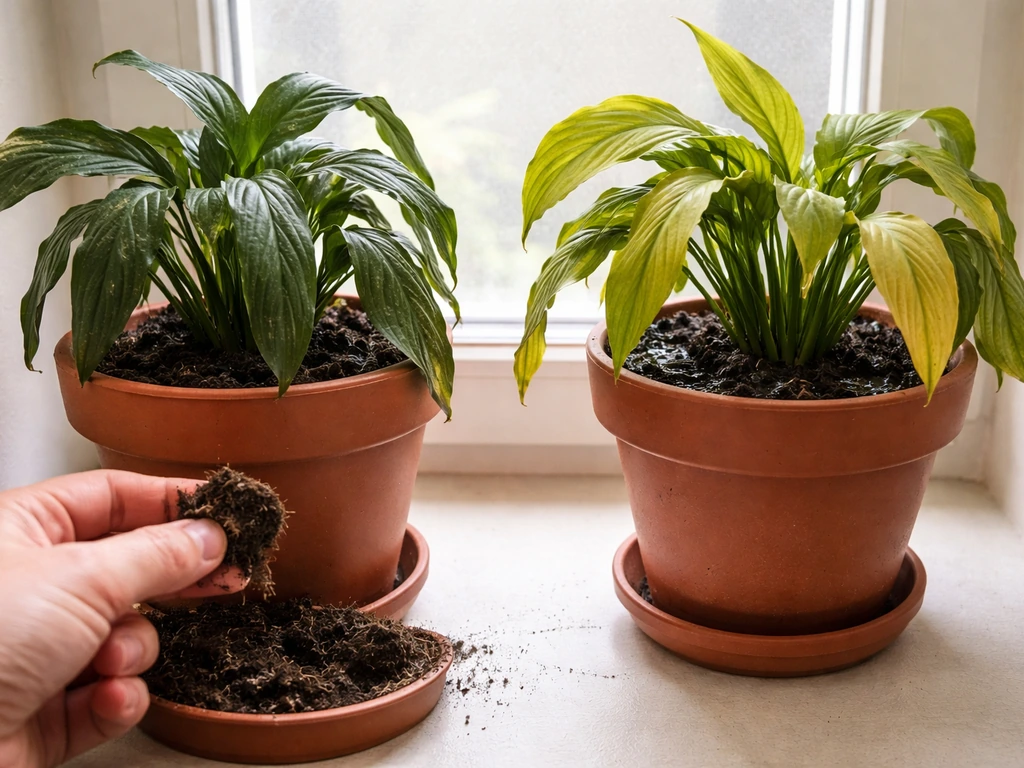
Light is the most common reason exotic plants stall or decline indoors. Most exotic houseplants want bright, indirect light, meaning they should be near a window but not in a direct sun beam that tracks across the leaves for hours. Phalaenopsis orchids, for example, do best with about 70% shade from direct sun. If you are using grow lights, aim for roughly 11 hours of light per day in winter and 14 to 16 hours in summer to mimic natural photoperiods. A cheap light meter (around $15 to $20) removes all the guesswork about whether your corner shelf is actually bright enough.
Water and oxygen at the roots
The most common mistake with exotic plants is overwatering, and it is especially deadly because it looks just like underwatering at first (drooping, yellowing leaves). Roots need both moisture and oxygen. When soil stays waterlogged, the air pockets collapse and roots suffocate. For Monstera, water deeply but only when the top 5 to 7 cm of soil feels dry and the pot feels noticeably lighter. For Phalaenopsis, keep the medium only slightly damp between waterings and never let the roots sit in standing water. When in doubt, wait another day or two before watering.
Temperature and humidity
Most exotic houseplants come from tropical or subtropical environments and really do care about both temperature and humidity. Phalaenopsis prefer 70 to 80°F (21 to 27°C) during the day and 60 to 65°F (15 to 18°C) at night. Monstera grows best with daytime temps of 22 to 28°C and nights no lower than 18°C. Below 15°C, Monstera growth slows noticeably. For humidity, aim for at least 50% for both species (55 to 70% is where Monstera really thrives). A hygrometer costs less than $10 and tells you exactly what your room is doing so you are not guessing. If your humidity is consistently low, a small ultrasonic humidifier near your plants makes a real difference.
Nutrients
Exotic plants generally need less fertilizer than people assume. Over-fertilizing is a real problem and causes salt buildup that burns roots. During active growth (spring and summer), blank" rel="noopener noreferrer">a balanced liquid fertilizer at half the recommended dose every two to four weeks is plenty for most exotic houseplants. Orchids do well with a diluted orchid-specific formula. In winter, skip fertilizing almost entirely since the plant is not actively growing and cannot use what you give it.
Choosing the right pot, soil mix, and drainage setup
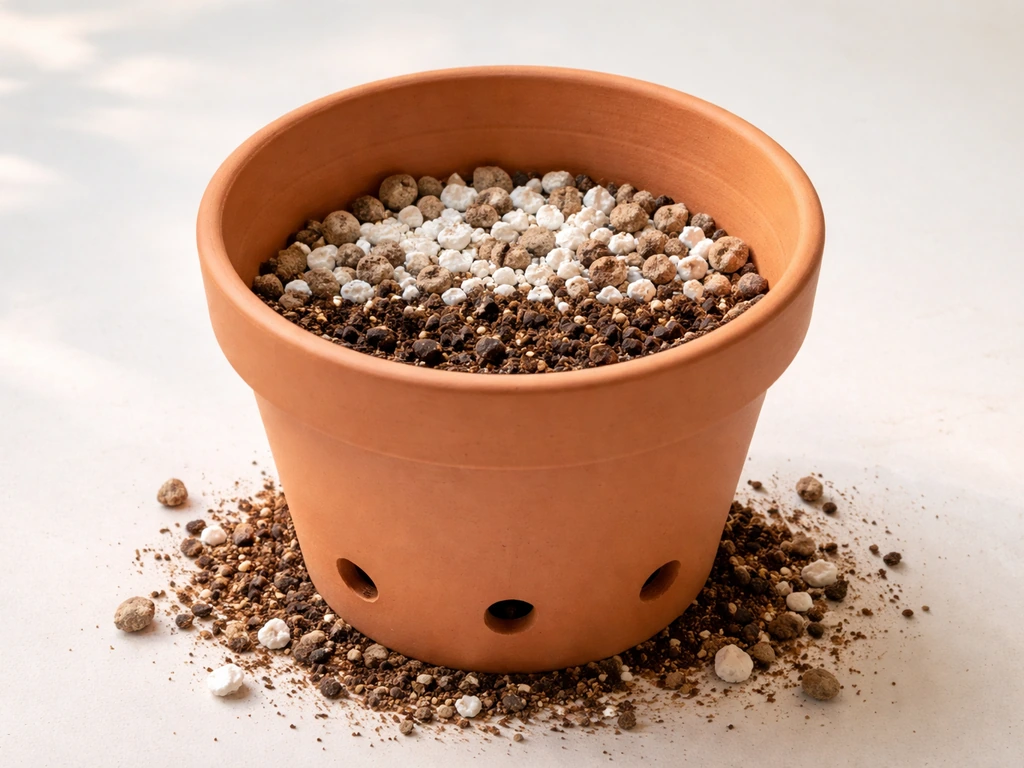
The container and growing medium are a team. Getting one right but not the other still leads to problems. The goal is a setup that holds enough moisture for roots to absorb water but drains fast enough that the roots never sit in a waterlogged zone.
- Always use a pot with drainage holes. Decorative pots without drainage are fine as cache pots (place the nursery pot inside), but water must be able to escape.
- Terracotta pots are great for plants that want to dry out between waterings (most orchids, many aroids) because the porous walls wick away excess moisture.
- Plastic or glazed ceramic pots retain moisture longer, which suits plants like Monstera in low-humidity apartments.
- Pot size matters: a pot that is too large holds too much moisture around the roots and invites rot. Go up only one pot size at a time when repotting.
For soil mixes, do not use standard all-purpose potting soil straight from the bag for most exotic plants. It is too dense and retains too much water. A good base for tropical aroids is two parts quality potting mix, one part perlite, and one part orchid bark or coco coir. This creates the chunky, well-aerated structure that exotic roots want. For orchids specifically, use a dedicated bark-based orchid medium. For carnivorous plants, the rules flip completely: they need a low-nutrient medium like a 50/50 mix of peat moss and perlite, and they must be watered with distilled or rainwater only.
Growing methods: soil, terrarium, hydroponics, and water culture
The method you choose should match both the plant species and your lifestyle. Here is how each works in practice for exotic plants.
Soil
Soil is the most forgiving method and the best starting point for beginners. Use the chunky, well-draining mixes described above and water based on what the plant is telling you (weight of the pot, dryness of the top layer) rather than a rigid calendar schedule. Soil growing works well for Monstera, most aroids, and many beginner-friendly exotic foliage plants.
Terrarium
A terrarium is ideal for exotic plants that need sustained high humidity, like carnivorous plants, mosses, and some miniature orchids. A terrarium setup can maintain 50 to 90% humidity passively just through the enclosed space, which is hard to achieve in an open room. The key thing most beginners miss is that most carnivorous and terrarium plants still need some air circulation. Do not fully seal the terrarium unless you are specifically growing mosses or plants that tolerate stagnant air. A small crack or mesh vent prevents mold buildup. A terrarium is also a great option if you are interested in the aesthetic, interactive growing experience that decorative plant setups provide.
Hydroponics
Hydroponics works surprisingly well for leafy exotic plants like Monstera, pothos relatives, and some aroids. You grow the plant in an inert medium (perlite, LECA, rockwool) and deliver a diluted nutrient solution directly to the roots. The advantage is precise control over nutrients and moisture, and no soil-borne pests. The learning curve is a bit steeper because you need to monitor pH (ideally 5.5 to 6.5 for most tropical exotics) and nutrient concentration (EC). A basic passive hydroponic Kratky setup works well for beginners who do not want to manage pumps or timers.
Water culture
Semi-hydro or full water culture is popular with orchid growers, particularly for Phalaenopsis. The plant roots sit in a clear container with a small amount of water at the bottom (roots are not fully submerged). This mimics the wet-and-dry cycle orchids get in nature. Change the water every one to two weeks to prevent stagnation and bacterial buildup. The clear container lets you monitor root health visually, which is one of the best things about this method. Healthy Phalaenopsis roots in water culture are bright green when wet and silvery-white when dry.
Planting, acclimating, and getting roots established
How you introduce a new exotic plant to your space in the first one to two weeks determines whether it establishes well or spends months in stress. Think of it like helping someone adjust to a new time zone: gradual is always better than sudden.
- Quarantine new plants for 1 to 2 weeks away from your other plants to check for pests. Even plants from reputable nurseries can carry spider mites or fungus gnats.
- Place the plant in its intended spot but do not immediately repot. Let it adjust to the light and humidity for 5 to 7 days in its nursery pot first.
- If repotting is needed, do it after the initial acclimation period. Gently remove old soil, trim any dead or mushy roots with clean scissors, and let cut roots air dry for 30 to 60 minutes before potting.
- Water lightly after repotting and then hold off for 5 to 7 days. The plant is already stressed from the move and does not need wet roots on top of that.
- Avoid fertilizing for at least the first 4 weeks in a new pot. The plant is focused on root establishment, not growth.
- Expect some leaf drop or minor yellowing in the first week or two. This is normal acclimation stress, not necessarily a sign something is wrong. Only act if symptoms progress or spread rapidly.
If you are transitioning a plant from soil to hydroponics or semi-hydro, wash all soil off the roots very gently under room-temperature water, then let the roots air dry partially before placing in the new medium. Roots grown in soil and roots grown in water/LECA are structurally different (water roots are thinner and more translucent), so expect a 2 to 4 week adjustment period where the old roots adapt or the plant grows new water-adapted roots.
Diagnosing and fixing the most common exotic plant problems
Most problems with exotic plants come down to five or six root causes, and the symptoms give pretty clear clues once you know what to look for. Do not panic and start changing multiple things at once. Change one variable, wait five to seven days, and observe.
Yellowing leaves
Yellow leaves are the most common concern and also the least specific symptom. Uniform yellowing across older (lower) leaves often means the plant is just shedding old foliage, which is normal. Yellowing that starts between the leaf veins on newer leaves usually signals a nutrient deficiency (check if you have been fertilizing). Yellowing combined with soft, mushy stems or a wet smell from the soil almost always means root rot from overwatering. Lift the plant out of the pot and check the roots: healthy roots are white or tan and firm, while rotted roots are brown, mushy, and smell bad. Trim them off, let the roots dry, and repot in fresh dry mix.
Crispy leaf edges and tips
Brown, crispy edges usually mean humidity is too low, or the plant is sitting near a heat vent or air conditioner. For Monstera, anything below 50% humidity can start causing edge crisping over time. Move the plant away from drafts, boost humidity with a humidifier or a pebble tray with water, and trim off the crispy parts with clean scissors. Crispy tips can also come from fluoride in tap water, especially with orchids and some sensitive tropicals. Switch to filtered water or let tap water sit overnight before using.
Root rot
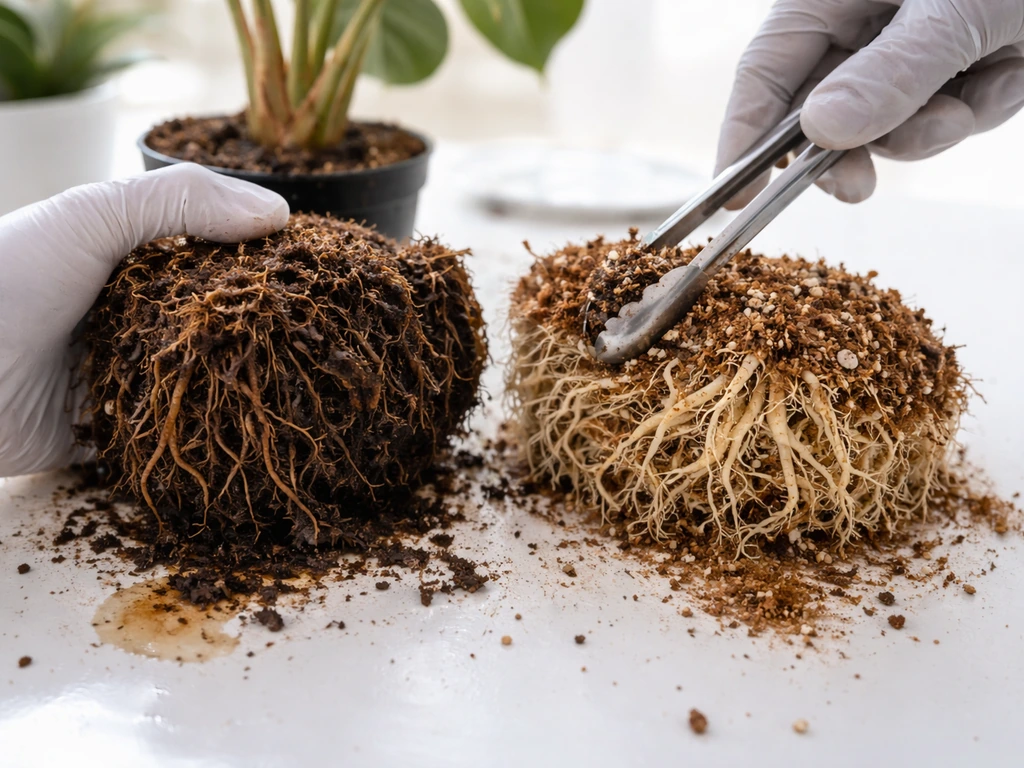
Root rot is the number one killer of exotic plants in home settings. It happens fast in dense, poorly draining soil, and it is caused by a combination of overwatering and lack of root oxygen. If you catch it early (some mushy roots but the stem is still firm), you can save the plant. Remove all rotted roots, dust the cuts with powdered cinnamon or activated charcoal (both have mild antifungal properties), and repot in completely fresh, dry, well-draining medium. If the stem itself is mushy, the plant is likely lost.
Mold and fungus
White or gray fuzzy mold on soil or bark is almost always caused by poor air circulation combined with damp conditions. It is rarely fatal to the plant itself but is a warning sign. Improve airflow around the plant (a small fan nearby works well), let the top layer of medium dry out more between waterings, and scrape off the visible mold. In a terrarium setup, add a vent or crack the lid slightly. Fungus gnats are often a companion problem: their larvae live in moist topsoil and damage roots. Let the top 2 to 3 cm of soil dry completely between waterings to break their life cycle, or use yellow sticky traps to monitor adult populations.
Common pests
- Spider mites: fine webbing on leaf undersides, tiny moving dots. Fix: wipe leaves with a damp cloth, apply diluted neem oil spray every 5 to 7 days for 3 weeks.
- Mealybugs: white cottony clusters in leaf joints. Fix: dab with isopropyl alcohol on a cotton swab, then follow with neem oil spray.
- Scale: brown bumps on stems that do not wipe off easily. Fix: scrape off manually, treat with horticultural oil or neem.
- Fungus gnats: tiny flies hovering around soil. Fix: dry out the top layer of soil between waterings, use sticky traps, or apply Bacillus thuringiensis var. israelensis (BTi) as a soil drench.
Transplant shock and dropping leaves
If a plant drops several leaves right after you bring it home or repot it, that is transplant shock. The plant is redirecting energy to re-establish roots and temporarily sacrifices leaves it cannot support. Keep the plant in stable, appropriate conditions (no extra watering, no fertilizer, consistent temperature) and give it two to three weeks before deciding there is a real problem. Avoid moving it from spot to spot during this window.
Your first two weeks: a practical routine and starter checklist
The first two weeks after getting a new exotic plant are really just about observation and restraint. The instinct to water more, fertilize, and move the plant around when it looks stressed usually makes things worse. Here is a practical plan to follow right now. If you want to go beyond exotic houseplants, learning how to grow decorative plants can help you compare care needs and build a more reliable routine.
- Day 1: Place the plant in quarantine away from other plants. Check the soil moisture with your finger. Do not water unless the medium is bone dry.
- Day 1 to 3: Take baseline readings with a hygrometer and light meter at the spot where you plan to keep the plant. Confirm humidity is at or above 50% and light levels match your plant's needs.
- Day 3 to 5: Inspect leaves and stems closely for pests. Check leaf undersides and stem joints.
- Day 5 to 7: Move the plant to its permanent spot if quarantine looks clean. Do not repot yet unless the roots are clearly root-bound or the medium smells sour.
- Day 7: Check soil moisture and water only if the appropriate depth is dry for your species. For Phalaenopsis, start a roughly weekly watering check. For Monstera, wait until the top 5 to 7 cm is dry.
- Day 7 to 14: Note any new growth (positive sign) or symptoms like yellowing or crispy edges. Take simple notes so you can track patterns.
- Week 2 onward: Establish a loose weekly rhythm of checking moisture, inspecting for pests, and wiping dust off leaves to maximize light absorption.
Useful tools to have on hand
- Digital hygrometer (under $10): tells you actual humidity in real time so you are not guessing
- Light meter app or dedicated meter ($15 to $25): confirms whether your chosen spot delivers enough light
- Moisture meter ($8 to $15): especially useful for beginners to avoid overwatering while building intuition
- Spray bottle: for misting around (not directly on) plants in dry rooms, and for mixing diluted pest treatments
- Clean sharp scissors or pruning shears: for removing dead leaves and trimming roots during repotting
- Small fan on a timer: improves air circulation, which prevents mold and strengthens stems
None of these tools are expensive, and together they take most of the guesswork out of the first few weeks with a new exotic plant. As you get more comfortable, you will naturally start reading your plants visually without needing to check instruments every time. That intuition is what separates growers who keep exotic plants thriving for years from those who cycle through them endlessly.
If you are interested in branching out after getting a few exotics established, exploring how native plants or decorative plants are grown can give you a useful contrast in care requirements, since natives often need far less intervention while decorative plants sometimes share the same humidity and light demands as many exotics.
If you specifically want to grow dried plants, the key is starting with plant material that can be dehydrated well and drying it in a controlled, low-humidity way how to grow dried plants. If you want a similar approach for outdoor gardening, learning how to grow native plants starts with matching species to your local sunlight, soil, and seasonal rainfall.
FAQ
How do I choose the right exotic plant if my light is inconsistent during the year?
Look for a plant that matches your seasonal low, not your seasonal high. If your bright season only lasts a few months, treat that period as temporary and plan to reduce direct sun and fertilizer during darker months. When light drops, keep watering more conservative because the plant uses less water and is more prone to root rot.
What’s the best way to stop overwatering if I’m not sure whether the plant is thirsty?
Use a “two-signal” check: dryness of the top 5 to 7 cm and the pot weight. If the top layer feels dry but the pot is still heavy, wait. If the top feels damp and the pot is light, check deeper, because some mixes stay wet on the surface while staying under-oxygenated lower down.
Can I use the same soil mix for different exotic plants in the same pot or shelf?
Not usually. Group plants by water and aeration needs, because mixing aroids that want chunky fast drainage with plants that prefer steadier moisture will force compromises. If you want multiple species on one shelf, keep them in separate pots and use a consistent watering schedule only within each species group.
Do I need to change anything when moving an exotic plant from nursery plastic to a nicer pot?
Yes, check drainage and root breathing first. Nursery pots often drain differently, and decorative cachepots can trap water if there is no drainage hole. If you repot, do it only when the plant is in active growth, and avoid fertilizing for about 2 to 4 weeks afterward so damaged roots recover.
How can I tell whether my orchid or other plant needs more humidity versus better airflow?
Humidity without airflow often leads to mold and stagnant bark or soil. If leaves look good but you see fuzzy mold or damp smell, prioritize airflow (a small, indirect fan, or a slight terrarium vent crack). If crisping or slow growth shows up without mold, raise humidity gradually while still keeping air moving around the plant.
Is it okay to mist exotic plants every day to raise humidity?
For most exotic houseplants, daily misting is unreliable and can worsen fungal issues if leaves stay wet. Instead, use a hygrometer-driven humidifier or a pebble tray, and mist only occasionally if the plant tolerates wet foliage and you have good airflow. For orchids, excess moisture around the crown can be especially risky.
What water should I use, and how do I know if tap water is causing problems?
If you suspect mineral stress, look for browned leaf tips, edge crisping, and dulling in sensitive species. For orchids and fluoride-sensitive tropicals, use filtered or water that has sat overnight, then consider rainwater or distilled for carnivorous plants. Always flush the pot occasionally to reduce salt buildup if your water is hard.
How often should I fertilize, and what should I do if I think I overfed?
During active growth, half-dose every 2 to 4 weeks is usually enough for many exotics. If you suspect overfertilizing, stop fertilizing immediately and flush the medium with clean water (only if the pot drains freely) once, then resume at a lower dose later. Watch for leaf burn or salt crusts on the medium surface as early warning signs.
What’s the safest first step if I see yellow leaves after buying or repotting?
Assume stress is possible and avoid corrective over-actions. Confirm whether the yellowing is uniform on older leaves (often normal shedding) or starting on new leaves between veins. For new purchases, don’t fertilize for at least a few weeks, and only adjust watering if the medium is clearly staying too wet or too dry.
When should I trim crispy or damaged leaves on an exotic plant?
Trim only after the plant is stable, usually when you have corrected the underlying humidity, airflow, or watering cause. Remove crispy tips with clean scissors, but avoid cutting healthy green tissue. If damage is spreading, focus first on changing conditions rather than pruning more.
How do I treat root rot without making it worse?
Remove the plant from the pot, cut away mushy roots using sterile scissors, then repot into completely fresh dry, well-draining medium. Do not water immediately after repotting unless the roots are firm and only slightly affected. Increase ventilation and wait several days to assess before resuming a light watering routine.
Why do fungus gnats keep coming back even after I changed my watering routine?
They reproduce in consistently moist top layers. Let the top 2 to 3 cm dry fully between waterings, and don’t allow a constant damp film on the surface. Yellow sticky traps help monitor adults, but you still need the dry top layer to break the life cycle, especially in soil mixes that stay wet.
What humidity and temperature ranges should I target if my home swings a lot at night?
Try to protect the lower end of the plant’s preferred range. If nights drop much below what the plant tolerates, growth slows and the plant stays wet longer, increasing rot risk. Use curtains, avoid drafts near doors or vents, and consider moving orchids and aroids slightly away from cold windows during winter nights.