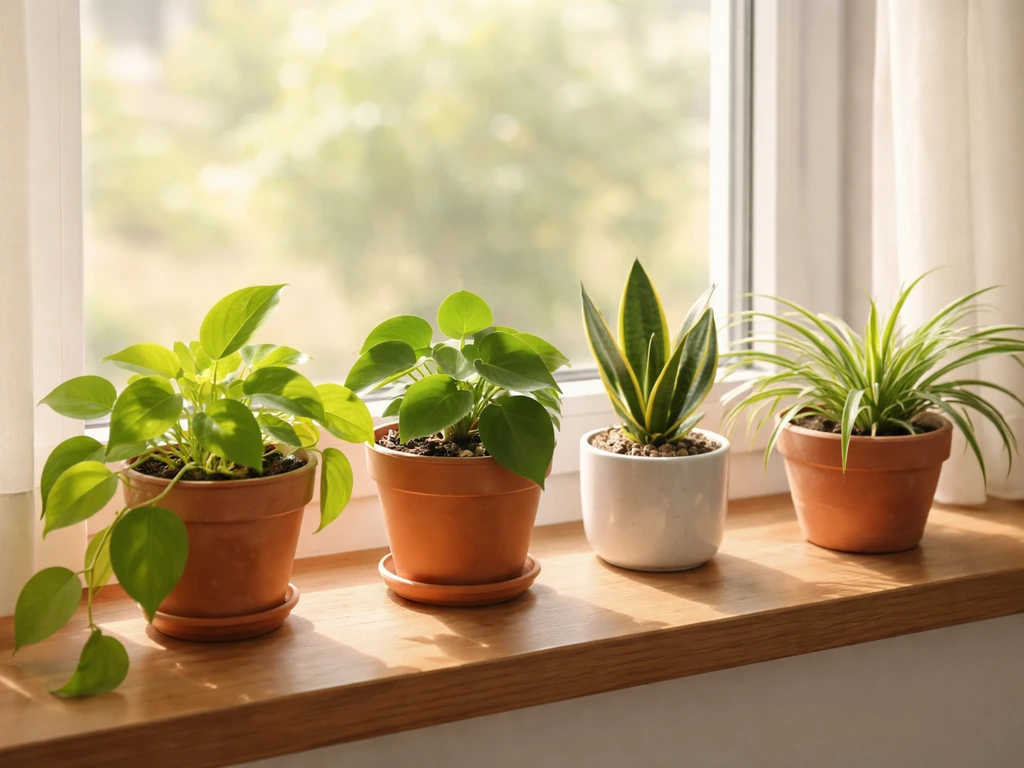
The easiest indoor plants for a complete beginner are pothos, snake plant, ZZ plant, philodendron, and peace lily. All five tolerate low light, irregular watering, and small pots without much complaint. Get one of those, put it near a window that gets 2 to 4 hours of indirect light, water it only when the top inch of soil is dry, and you're already doing it right. Everything else in this guide is about understanding why those simple rules work, and what to do when something goes wrong.
How to Grow Easy Plants at Home: Step-by-Step Guide
Marcus Holloway
1 May 2026
Choosing truly easy beginner plants
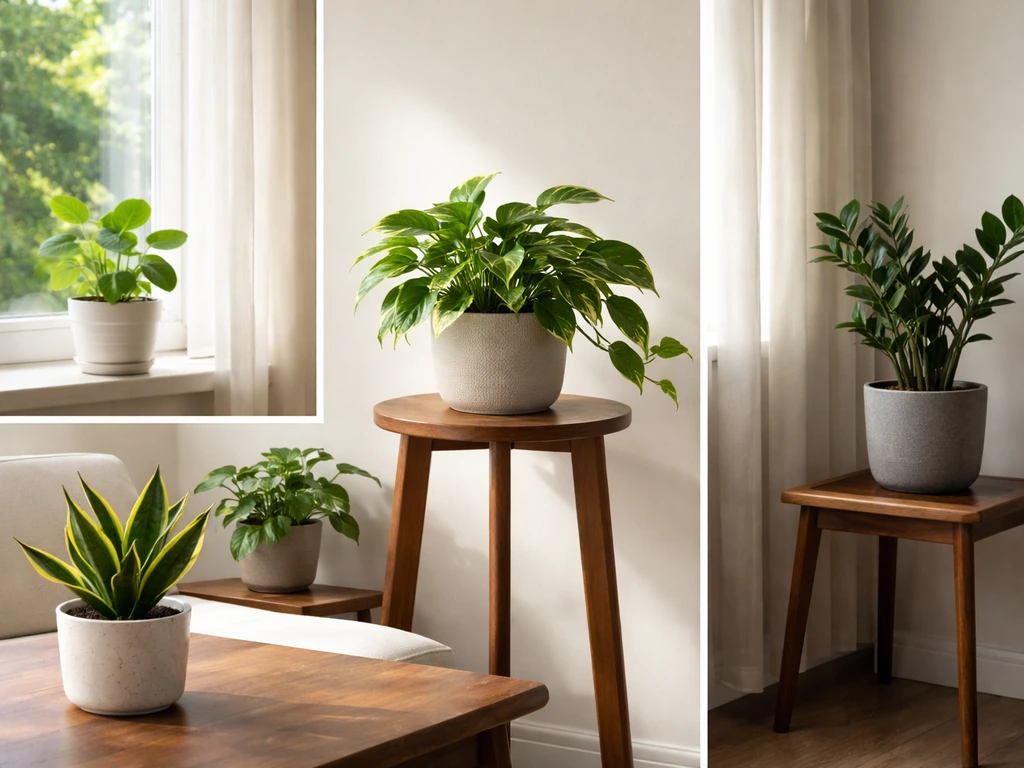
The single biggest reason beginners fail is picking the wrong plant for their space, not because they're bad at it. A sun-loving plant in a north-facing apartment will slowly decline no matter how well you care for it. So before anything else, look at your light.
Most homes have low to medium indirect light, which is exactly why the following plants are so popular for beginners. They evolved as understory plants, meaning they naturally grow under a canopy and are used to shade. If you are wondering how to grow rocket at home, those same light and watering principles for beginners will help your rocket stay compact and flavorful understory plants. A north-facing window or a fairly dark corner won't stress them out.
| Plant | Light Tolerance | Watering Frequency | Why It's Beginner-Friendly |
|---|---|---|---|
| Pothos | Low to bright indirect | Every 1-2 weeks | Near-indestructible, trails beautifully, propagates easily in water |
| Snake Plant (Dracaena trifasciata) | Low to bright indirect | Every 2-6 weeks | Tolerates neglect and low light; stores water in thick leaves |
| ZZ Plant | Low to medium indirect | Every 2-3 weeks | Drought-tolerant rhizomes act like a water reserve underground |
| Heartleaf Philodendron | Low to medium indirect | Every 1-2 weeks | Fast grower, tells you when it's thirsty by drooping slightly |
| Peace Lily | Low to medium indirect | Every 1-2 weeks | Flowers indoors, wilts dramatically when thirsty (easy visual cue) |
If you have a south or west window with several hours of direct sun, you have options too: herbs like basil or mint, succulents, and even small pepper plants do well there. But if light is your main constraint, stick to the low-light list above. Matching the plant to your actual environment is the most important decision you'll make.
Basic setup for indoor growth
Getting the light right
North-facing windows give low, consistent indirect light. East-facing windows get gentle morning sun. South and west windows are the brightest spots in most homes. You don't need a light meter. Just observe: if you can comfortably read a book by the natural light near a window, most low-light plants will do fine there. If it's too dim to read, only the toughest plants like ZZ or snake plant will survive, and even they'll grow slowly.
If natural light is genuinely scarce, a basic LED grow light on a 12-hour timer costs very little and solves the problem completely. You don't need to spend a lot. Even a simple clip-on LED grow bulb positioned 6 to 12 inches above a plant makes a real difference for herbs or smaller houseplants.
Picking the right container
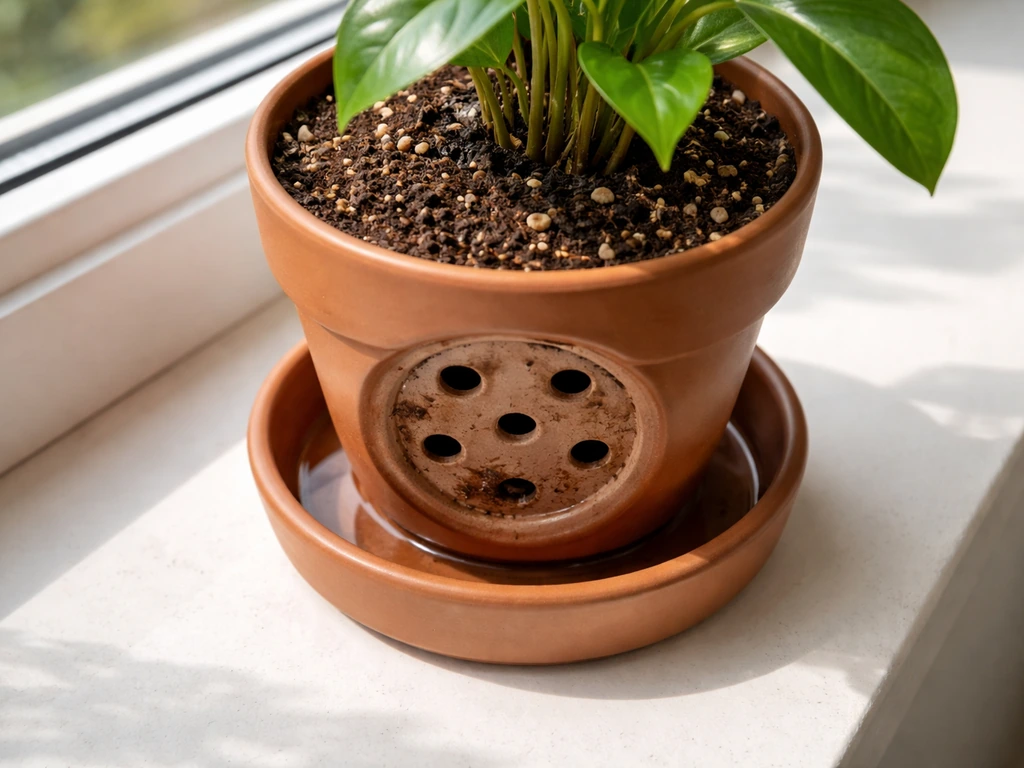
Drainage is non-negotiable for soil-grown plants. Always use a pot with at least one drainage hole. Without it, water collects at the bottom and suffocates roots. If you love a decorative pot that has no hole, use it as a cache pot (outer sleeve) and keep the plant in a plain nursery pot with holes inside it. That way you get the look without the rot risk.
Pot size matters more than most beginners realize. Don't jump from a 4-inch pot to a 10-inch pot just because it looks proportional. A pot that's too large holds more soil than the plant's roots can drink from, and the excess stays wet for too long. Go only one pot size up (roughly 1 to 2 inches larger in diameter) when repotting, and you'll avoid most overwatering problems before they start.
Choosing and mixing soil
A standard bagged potting mix works fine for most beginner plants, but straight out of the bag it can be too dense and hold too much moisture. A simple improvement is to mix it roughly one part potting soil, one part peat moss, and one part perlite or vermiculite. Perlite is the small white particles you see in bags of potting mix. It creates air pockets that help roots breathe and prevents compaction over time. If you're buying pre-mixed potting soil and don't want to blend your own, just add a handful of perlite per pot and that's enough.
Simple watering and care routines
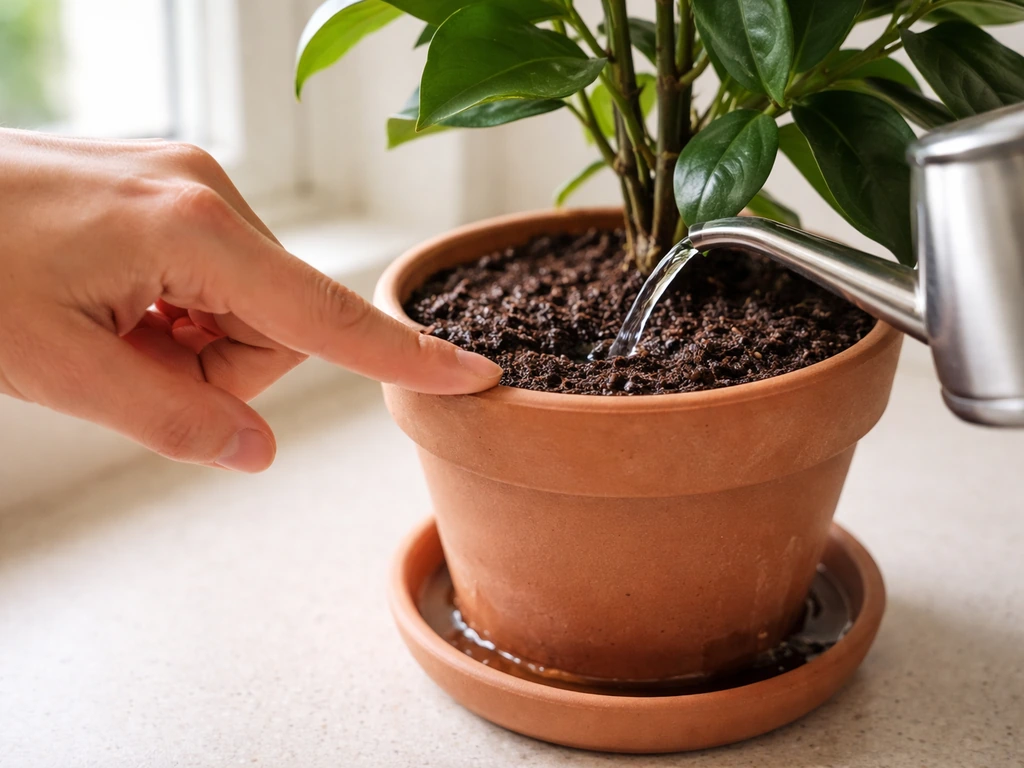
Overwatering kills far more houseplants than underwatering. The golden rule is this: water thoroughly, then wait until the top inch of soil feels dry before watering again. Stick your finger about an inch into the soil. If it feels damp, wait. If it feels dry, water until it runs out of the drainage hole. Then stop and don't water again until the test tells you to.
How often that happens depends on your home's humidity, the pot size, the plant species, and the season. In summer, a pothos might need water every 7 to 10 days. In a cool, low-light winter, the same plant might go 3 weeks between waterings. There's no universal schedule. The finger-test is your schedule.
Use room-temperature water when you can. Cold water from the tap can briefly shock tropical plant roots. It won't kill the plant, but it's a simple habit that removes one small stressor. If your tap water is heavily chlorinated, letting a jug sit out overnight before watering isn't a bad idea, though it's optional for most houseplants.
For feeding, a liquid houseplant fertilizer at half the recommended dose, applied once a month during spring and summer, is plenty for beginners. Don't fertilize in fall and winter when most houseplants slow their growth. Over-fertilizing causes salt buildup in the soil that can burn roots, so when in doubt, do less.
Planting and repotting step by step
Spring is the best time to repot, because the growing season gives roots the energy they need to settle into new soil. The clearest signs a plant needs repotting are roots growing out of the drainage holes, roots circling visibly around the inside of the pot (called being root-bound or pot-bound), or the plant drying out much faster than it used to despite normal conditions.
- Water the plant 24 hours before repotting so the root ball holds together and the plant is hydrated.
- Choose a new pot that's only 1 to 2 inches larger in diameter than the current one. Fill the bottom with a small layer of fresh potting mix.
- Turn the current pot on its side and gently ease the plant out. If it's stuck, squeeze the sides of a plastic pot or run a butter knife around the edge of a terracotta pot.
- Look at the roots. If they're circling tightly or forming a dense mat, gently loosen them with your fingers. For very tight, woody, circling roots, cut or unwind them before replanting so they can spread outward into new soil.
- Place the plant in the new pot and fill in around it with fresh potting mix. Don't bury the stem deeper than it was sitting before.
- Water thoroughly until water runs from the drainage hole. Place the plant back in its usual spot and leave it alone for a week to settle.
Avoid the temptation to fertilize immediately after repotting. Fresh potting mix has some nutrients already, and roots that just went through the stress of repotting don't need a big feeding on top of it. Wait at least four to six weeks before resuming a fertilizing routine.
Growing in different mediums
Soil is the default, but it's not the only option, and this site covers all of them. Here's a practical comparison of how the four main growing approaches differ for beginners.
| Medium | Best For | Beginner Difficulty | Key Watch-Out |
|---|---|---|---|
| Potting soil | Almost any houseplant | Easiest overall | Overwatering and poor drainage |
| Water propagation / growing in water | Pothos, philodendron, begonias, coleus | Very easy to start | Stagnant water breeds bacteria; change water weekly |
| Terrarium | Ferns, mosses, nerve plant, small tropicals | Easy once set up | Closed terrariums stay moist; open ones need occasional misting |
| Hydroponics | Herbs, leafy greens, fast growers | Moderate (more setup) | Nutrient balance and pH need occasional monitoring |
Growing plants in water is a great entry point if you're nervous about soil and overwatering. You can propagate a pothos cutting by simply placing a node (a small bump on the stem where a leaf attaches) in a glass of water on a bright windowsill. You'll see roots in one to two weeks. Change the water every week to keep it fresh. Once roots are a few inches long, you can move it to soil or just keep growing it in water indefinitely.
Terrariums are excellent for small spaces and low-maintenance setups. A closed terrarium creates its own humidity cycle and can go weeks without any watering at all. They work best with moisture-loving plants like ferns, moss, and nerve plant. Succulents and cacti, which need dry conditions, will rot in a closed terrarium, so keep those in open containers.
Hydroponics is worth exploring once you're comfortable with the basics. It requires more initial setup and a bit of learning about nutrient solutions and pH, but it grows plants faster than soil and nearly eliminates the overwatering risk. Herbs like basil, lettuce, and mint absolutely thrive in a simple hydroponic system. If you want to go deeper on seedless propagation or water-based growing, those methods deserve their own focused guide. If you want to avoid seeds, seedless propagation techniques like cuttings or water-based rooting can help you grow new plants at home.
Troubleshooting the most common problems
Yellow leaves
Yellow leaves are the most common complaint, and the most common cause is overwatering. When soil stays saturated, it pushes out oxygen and roots can't absorb nutrients properly, causing leaves to yellow and drop. Check the soil first. If it's soggy, let it dry out fully before watering again and consider improving drainage with perlite or switching to a pot with better drainage. Other causes of yellowing include too little light, low humidity, temperature shock (a plant sitting near a cold draft or an AC vent), or poor soil structure. Work through these one at a time rather than changing everything at once.
Leggy, stretched-out growth
When a plant grows long, spindly stems with lots of space between leaves, it's reaching for more light. Move it closer to a window or add a grow light. Prune back the leggy growth to encourage the plant to branch out rather than stretch further. This is one of those problems that looks dramatic but is easy to fix once you know the cause.
Fungus gnats
Those tiny flies hovering around your soil are fungus gnats, and they thrive in consistently moist topsoil. The fix is almost always to let the top inch or two of soil dry out completely between waterings.
Their larvae live in the top layer of damp soil, so cutting off the moisture breaks their cycle. For fungus gnats, let the planting medium dry out and check that the top inch is dry before watering (OSU Extension) let the planting medium dry out; before watering, check that the top inch is dry.
For a faster fix, a layer of coarse sand or perlite on top of the soil creates a dry barrier that adults won't lay eggs in. Sticky yellow traps catch the adults and help you track how bad the problem is.
Pests (spider mites, mealybugs, scale)
Check new plants before bringing them home and quarantine them for a week or two away from other plants. Spider mites show up as tiny dots on leaves with fine webbing underneath. Mealybugs look like white cottony fluff in leaf joints. Scale looks like small brown bumps on stems. For most of these, wiping leaves with a damp cloth and following up with diluted neem oil or insecticidal soap is effective. Repeat every five to seven days for three weeks to catch hatching eggs.
Slow growth or no growth
Slow growth in winter is normal. Most houseplants slow down or stop growing entirely when light levels drop. Don't interpret a slow winter as failure and don't compensate by watering or fertilizing more. Come spring, they'll pick back up. If slow growth happens in summer, check light levels first, then look for root-bound conditions. A plant running out of root space will plateau until it's repotted.
Mold on soil surface
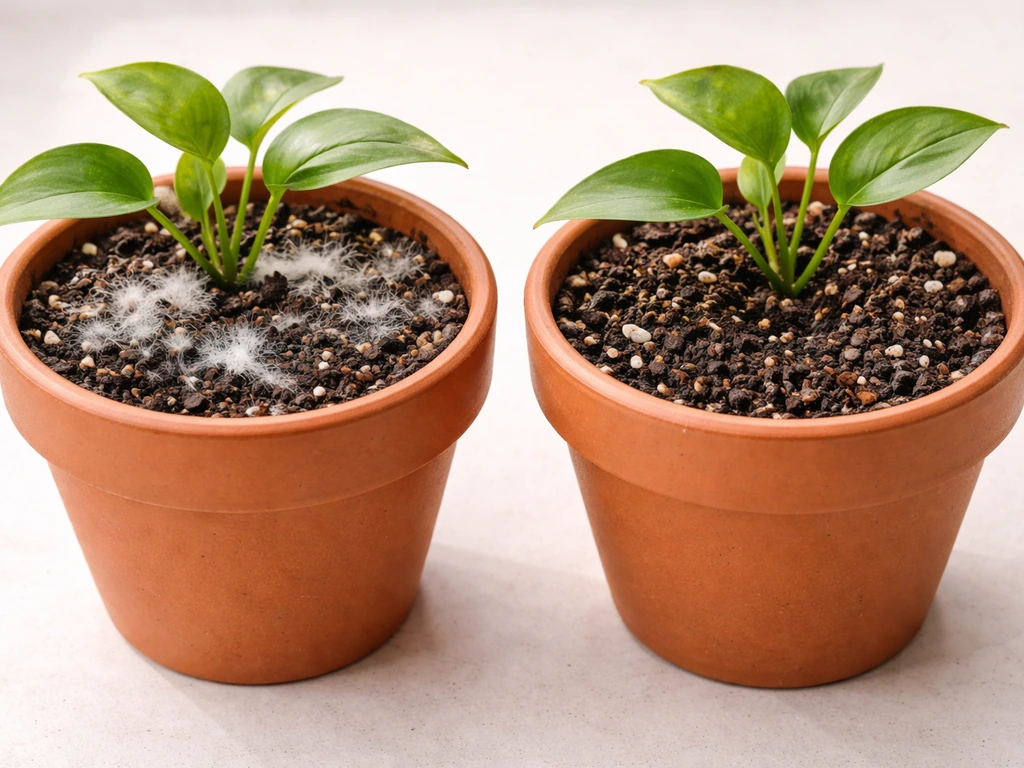
White fuzzy mold on the surface of potting mix usually means the soil is staying too wet and airflow is low. It's rarely dangerous to the plant but it is a warning sign. Scrape off the top layer, let the soil dry out more between waterings, and move the plant somewhere with better air circulation. Adding a thin layer of perlite or coarse sand on top of the soil helps prevent recurrence.
Easy long-term habits and when to level up
The goal isn't to do more, it's to build a rhythm that becomes automatic. Once a week, walk past your plants and look at them. Are the leaves upright and colored? Is the soil behaving normally? Catching problems early, when a leaf just starts yellowing or soil looks unusually dry, is much easier than diagnosing a plant that's been struggling for a month.
- Do a weekly finger test on every pot and water only the ones that pass (dry top inch).
- Wipe down leaves with a damp cloth every few weeks to remove dust, which genuinely improves the plant's ability to absorb light.
- Rotate pots a quarter turn each week so all sides get even light exposure and the plant grows symmetrically.
- Check for pests when you water. Early detection means a quick fix rather than an infestation.
- Fertilize monthly in spring and summer, nothing in fall and winter.
- Repot in spring whenever you see root-bound signs, not on a fixed calendar.
Once you're comfortable keeping a few low-maintenance plants alive and looking good, it's worth thinking about what comes next. You might explore keeping your plants not just alive but actively thriving, which involves dialing in humidity, seasonal feeding schedules, and pruning for shape. Or you might want to try growing from cuttings or divisions instead of always buying new plants. Both are natural progressions and far less intimidating once you've got the basics solid.
You can also get curious about what home remedies and organic inputs can support plant health, or dive deeper into water-based growing environments if you find soil management frustrating. You can experiment with gentle what home remedies help plants grow, but always watch how your plants respond and avoid anything that overcomplicates care. The building blocks you've learned here, matching light, using well-draining mix, watering by feel rather than schedule, and troubleshooting by symptom, apply across every growing method. You're not starting from scratch each time you try something new. You're just adding one layer at a time.
FAQ
How long should I wait before changing my watering routine if a plant seems unhappy?
If you are new, start with one plant in the same spot for at least 4 weeks. Take a quick note of how the soil dries (for example, top inch dries in 5 days or 15 days), then adjust watering based on that, not on a calendar. Changing location and watering at the same time makes it hard to tell what helped or hurt.
Can I grow easy plants in decorative pots without drainage holes?
Yes, but only if you use the “right” method: keep a nursery pot with drainage inside a decorative outer pot (cache pot). Empty any water that collects in the outer sleeve after watering. If you skip drainage entirely, even drought-tolerant plants can decline because roots need oxygen.
What’s the safest way to increase light for easy plants at home?
With low-light beginner plants, “more light” usually means more gradual change. Move the plant a few feet closer to the window or increase grow light hours by 1 to 2 hours every few days. Sudden jumps can cause leaf scorch, especially on plants that were kept dim.
How can I tell when to water if the top of the soil looks dry but the plant still seems damp?
Use the top inch finger test as your main guide, but also check weight. After watering, lift the pot, then lift again later, if it feels very light and the top inch is dry, water. This helps when the top surface dries faster than deeper soil, or when pots have lots of airflow.
How do I tell overwatering from underwatering quickly?
Overwatering is more likely if you see consistently wet soil, smell mustiness, or yellow leaves with limp stems. Underwatering tends to show drooping, crispy edges, dry soil pulling away from the pot sides, and leaves that feel lighter. If you’re unsure, wait 1 to 2 days and recheck, then water thoroughly only when the test confirms dryness.
My easy plant is wilting, what should I check first?
First, rule out root problems and soil staying wet. If the soil is damp, slow everything down and improve airflow or drainage. If the soil is dry and the plant still wilts, check light and temperature (cold drafts and hot windows can both trigger stress). Avoid immediately switching fertilizers, because nutrient issues usually look different and develop over weeks.
How can I tell whether slow growth is from light versus watering problems?
Treat “not enough light” as a symptom, not a schedule failure. Leggy growth, pale new leaves, and slower development in the same spot often mean light is the limiting factor. Move closer to the window or add a grow light, then keep watering based on soil dryness rather than trying to compensate with more water.
Do easy plants always need to be repotted when they root-fill, or can I wait?
When roots fill the pot, water drains quickly but the plant can still suffer because it dries out too fast. Signs include roots circling at the surface or drainage holes, frequent drying within a few days, and stalling growth despite correct light. Repot in spring, and go up only about 1 to 2 inches in diameter to avoid the excess-wet-soil trap.
What causes sticky leaves on beginner-friendly plants?
Sticky leaves can come from sap pests like scale or mealybugs, or from honeydew after an insect infestation. Wipe a few leaves with a damp cloth, check leaf joints and undersides, and look for tiny bumps or webbing. If pests are suspected, isolate the plant and follow a repeated treatment schedule every 5 to 7 days.
Should I remove yellow leaves, and will the plant recover after fixing the cause?
Yes, but never with “instant” solutions. For example, a yellow leaf is often a lagging response. If several leaves yellow at once, check soil moisture first. If only the oldest leaves yellow, it can be normal seasonal shedding. Remove only the fully yellow leaves after confirming the environment is stable for a week.
How do I get rid of fungus gnats without making the soil too dry for my plant?
Fungus gnats usually mean the top layer stays wet too long, even if you are watering “by feel.” Let the top 1 to 2 inches dry between waterings, add a thin dry barrier layer like perlite or coarse sand on top, and use sticky traps to reduce adults. Don’t switch to more frequent light watering, it often makes the cycle worse.
What’s the most common mistake when troubleshooting plant problems?
Pick one support strategy per problem. If your plant is leggy, prune and increase light, do not add fertilizer immediately. If your soil is compacted, repot with a lighter mix rather than watering more carefully forever. If pests appear, isolate first, treat on a repeating schedule, and only then adjust light or watering once the plant is stabilized.
Which growing method is easiest long-term: soil, water, terrarium, or hydroponics?
If you want a straightforward watering approach for beginners, growing in soil with drainage holes, using the finger test, and choosing plants suited to your light is the simplest “system.” Water in a thorough, one-time soak each cycle, then wait. For water-based growing, keep fresh water (weekly changes) and avoid low light, because algae and weak growth tend to appear when light is insufficient.
How should easy plants at home change care during winter?
During winter or very low light, it is normal for plants to drink less and pause growth. The finger test will confirm that: the top inch takes longer to dry, so watering frequency naturally drops. Don’t increase fertilizer in winter, and avoid placing plants in cold drafts or right next to heaters/AC vents.