You can successfully grow almost any type of plant once you match it to three things: the light you actually have, the growing medium that fits its water needs, and a care routine you can realistically stick to. That sounds simple, but most plant failures happen because someone skips the matching step and just picks whatever looks good at the store. Get the match right first, then the weekly routine almost takes care of itself.
How to Grow Different Types of Plants: A Step-by-Step Guide
Marcus Holloway
23 Apr 2026
Start by matching plant type to your environment
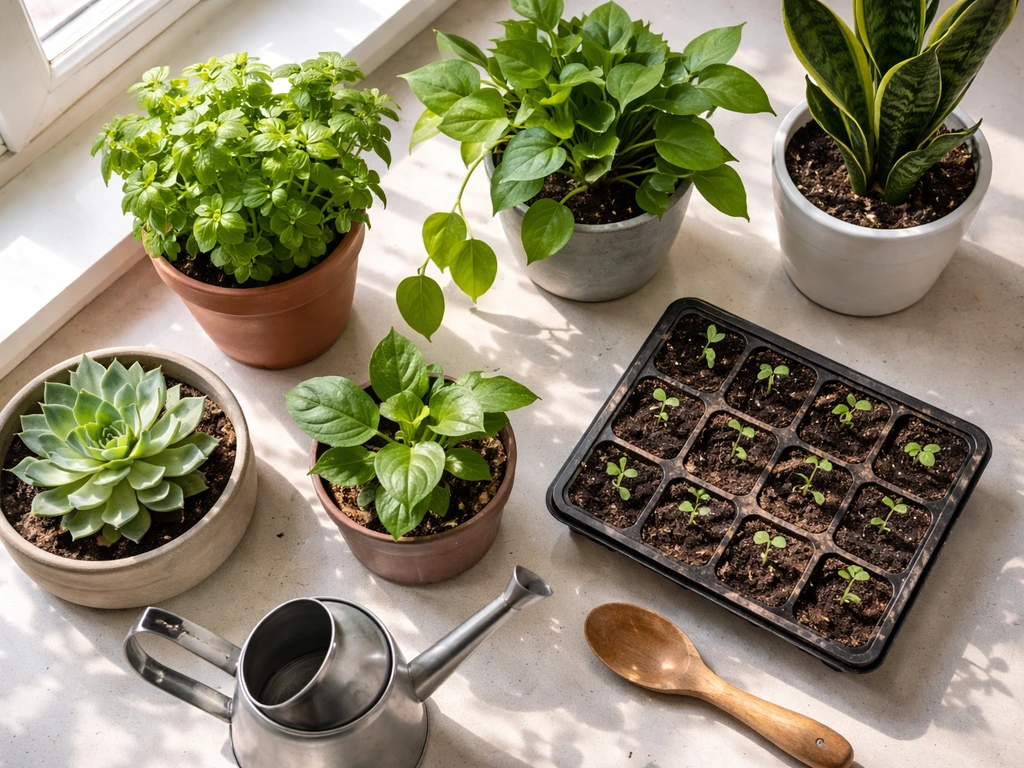
Before you buy a single seed or cutting, walk through your space and honestly assess four things: light, temperature, humidity, and how much time you can give to plant care. Light is the biggest limiting factor. A north-facing window gives you low-light plants like pothos or peace lilies. South- or west-facing windows with several hours of direct sun open the door to herbs, succulents, and even some vegetables. Temperature matters too: most indoor plants do best around 70°F, but that number shifts your watering frequency because warmer rooms dry out soil faster. Humidity is the sneaky one. Tropical plants want 50–70% humidity, while succulents and cacti prefer drier air. If your home runs dry in winter (common with forced-air heat), you're already at an advantage for desert plants and at a disadvantage for ferns and orchids.
Space and lifestyle matter just as much as environment. A small apartment with a single bright window is a perfect herb garden or succulent shelf, not a vegetable patch. If you travel frequently, drought-tolerant plants like cacti or snake plants are honest choices. If you're home daily and enjoy hands-on routines, fast-growing vegetables and tropical houseplants will reward that attention. Match the plant to the life you actually live, not the one you want to live.
| Plant Category | Minimum Light Needed | Ideal Temperature | Humidity Preference | Skill Level |
|---|---|---|---|---|
| Succulents & Cacti | Bright direct, ~10 hrs/day | 60–80°F | Low (30–40%) | Beginner |
| Herbs (basil, mint, rosemary) | Bright indirect to direct, 6+ hrs | 65–75°F | Moderate (40–60%) | Beginner |
| Leafy Greens & Vegetables | Direct sun, 6–8+ hrs | 55–70°F (greens); 65–80°F (most veg) | Moderate | Beginner–Intermediate |
| Flowering Houseplants | Bright indirect, 6+ hrs | 65–75°F | Moderate (50–60%) | Intermediate |
| Tropical Houseplants | Bright indirect, 4–6 hrs | 65–80°F | High (50–70%) | Intermediate |
| Trees & Shrubs (indoor starts) | Very bright, often supplemental lighting | 60–75°F | Moderate | Intermediate–Advanced |
| Terrarium Plants (closed) | Bright indirect, no direct sun | 65–75°F | High (self-maintained) | Beginner–Intermediate |
Core growing fundamentals that apply to all plants
Every plant, whether it's a cactus or a tomato, needs the same six things managed well: light, water, nutrients, temperature, humidity, and air circulation. These aren't independent dials you set once. They interact constantly. A plant in proper light, for example, is better able to handle high temperatures and low humidity because it's photosynthesizing efficiently and managing stress better. A plant in low light plus overwatering is the most common recipe for root rot across every plant category.
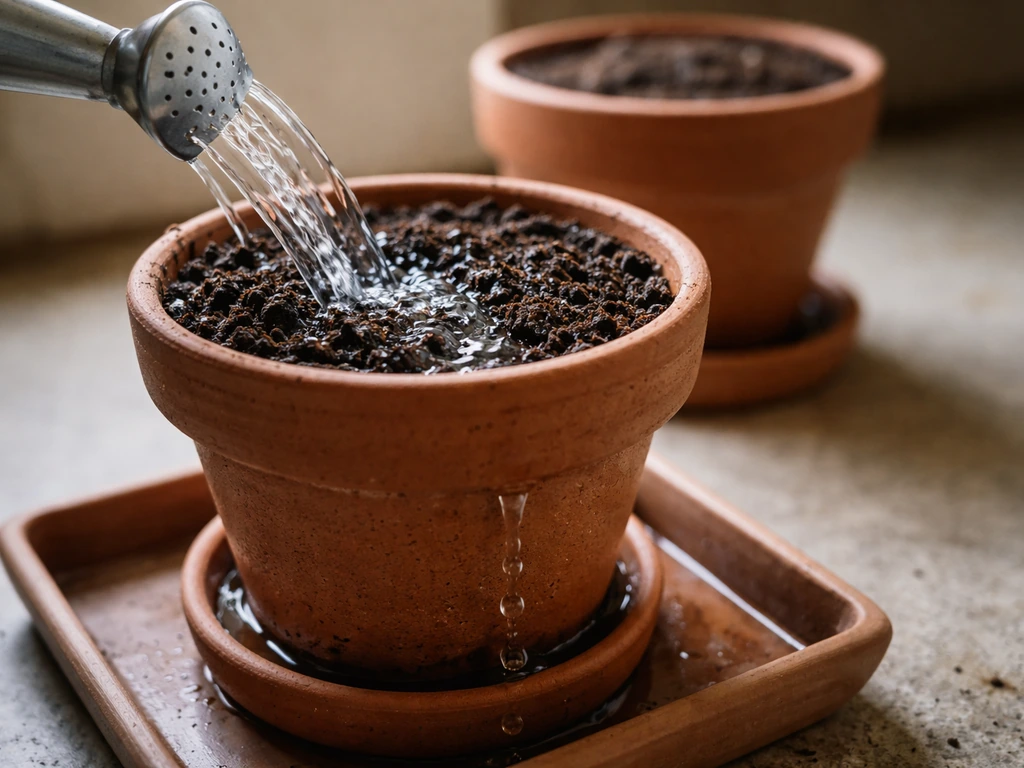
Watering is where most beginners go wrong, and the reason is that there's no universal schedule. How often you water depends on your potting medium, pot size, the season, current temperature, humidity, the light the plant is getting, and the specific species. A terracotta pot in a sunny window in July dries out in two days. The same plant in a glazed ceramic pot in a north window in January might need water every ten days. Instead of a schedule, use the finger test: stick your finger about two inches into the soil and water only when those top two inches are dry. That one habit fixes the majority of watering problems.
Nutrients are often misunderstood. Most commercial potting mixes contain little to no nutrients from the start, and whatever nutrients are present get used up or wash out over time. Fertilizer isn't optional for long-term plant health. A general rule from extension research: foliage plants do best with higher-nitrogen fertilizers, while flowering plants benefit more from phosphorus. And none of that matters if your soil or solution pH is off, because plants can't absorb nutrients outside the right pH window. Most vegetables and common houseplants thrive in a pH of 6.0–6.8.
Airflow is one of the most overlooked fundamentals in indoor growing. Good air movement does two things: it removes excess heat and controls humidity and CO₂ levels around the plant canopy. Stagnant humid air is where fungal diseases start. A simple fan running a few hours a day, or just opening a window regularly, makes a real difference for plant health in enclosed spaces.
Soil growing setup and how to adjust for different plants
Soil is the foundation, and it's not one-size-fits-all. The two biggest adjustments you make for different plant types are drainage and pH. Succulents and cacti need extremely fast-draining mixes (a commercial cactus/succulent mix, or standard potting soil cut with perlite at roughly 50/50). Tropical plants and leafy greens want moisture-retentive mixes that still drain within an hour of watering. Herbs fall somewhere in the middle. Avoid using garden soil indoors or in containers. It compacts, drains poorly, and can introduce pests and diseases.
pH matters more than most beginners realize. Most vegetables and flowers want a soil pH between 6.5 and 6.8. Blueberries and azaleas want it much lower, around 4.5–5.5. If your plants look stunted or pale despite regular fertilizing, pH is the first thing to check. Inexpensive soil pH meters or test strips are widely available and worth the few dollars. Adjust with lime to raise pH or sulfur to lower it, following package directions.
Container choice directly affects watering frequency and root health. Terracotta pots breathe and dry out faster, which is great for succulents and herbs but can stress moisture-loving tropicals in dry climates. Plastic or glazed ceramic retains moisture longer. Whatever container you choose, a drainage hole is non-negotiable. Sitting water at the bottom of a pot is a direct path to root rot for the vast majority of plants.
When to start indoors versus outdoors
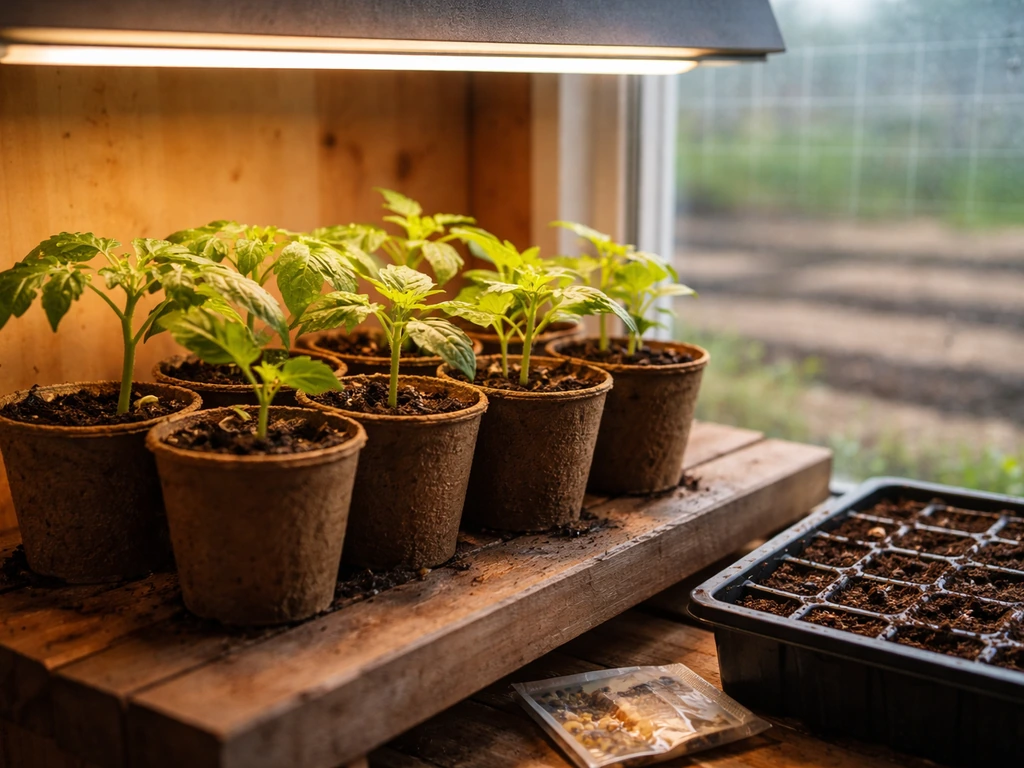
For vegetables and trees or shrubs you plan to move outside, starting indoors gives you a head start on the season and protects tender seedlings from late frosts. The critical step most beginners skip is hardening off: the process of gradually exposing indoor-grown seedlings to outdoor conditions over 7 to 14 days before transplanting. Start in a shaded, sheltered spot away from wind for the first few days, then gradually introduce more sun and outdoor exposure. Skipping this step leads to transplant shock that can set plants back weeks, or kill them outright. Leafy greens can handle cool soil down to around 32–35°F for germination, but most vegetables want soil temperatures in the 55–70°F range to germinate well.
Water, hydroponics, and terrarium basics by plant category
Growing in water or a hydroponic system is genuinely different from soil, and not just because there's no dirt involved. The principles shift fundamentally: instead of soil buffering nutrients and moisture, you're managing a liquid nutrient solution directly. This gives you more control but also more ways to go wrong. Hydroponics works best for fast-growing crops like leafy greens, herbs, and some fruiting vegetables. It's less practical for large shrubs or trees.
Hydroponics
The two most critical variables in a hydroponic system are dissolved oxygen and pH. Dissolved oxygen above 6 ppm in your nutrient solution is optimal for root growth. Below that, roots suffocate and the system fails. An air stone connected to an aquarium pump handles this in most small setups. pH directly controls nutrient availability. Even a perfectly mixed nutrient solution does nothing if pH is outside the 5.5–6.5 range most hydroponic crops need, because plants simply can't uptake the nutrients. Check and adjust both dissolved oxygen and pH regularly, not just at setup.
Terrariums
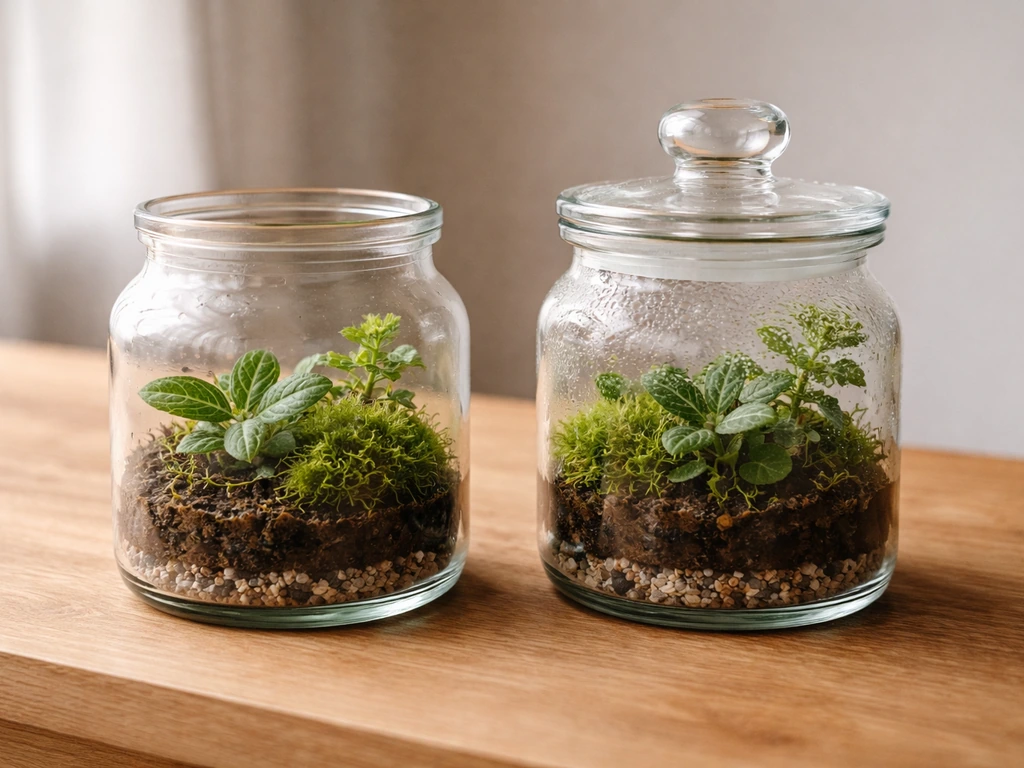
Terrariums divide into two types based on whether they have a lid, and that distinction drives everything. A closed terrarium creates a self-sustaining humid environment that recycles moisture, making it ideal for tropical plants, ferns, and mosses that love high humidity. An open terrarium functions more like a regular planter with slightly elevated humidity, better suited to succulents, air plants, and drought-tolerant species. Never mix plants with very different light, temperature, or moisture needs in the same terrarium. And keep both types out of direct sunlight: glass or plastic concentrates heat rapidly and will cook your plants. In a closed terrarium, water only when condensation stops forming on the glass, plants start to droop, or the soil feels dry to the touch. Leaves pressing against interior glass should be trimmed back because trapped moisture there breeds disease fast.
Simple water propagation
Many plants root easily in plain water, including pothos, begonias, impatiens, and herbs like basil. Growing from cuttings and learning how to grow a new plant from an existing plant are closely related next steps once you have nodes or healthy sections to work with water-based growing. This is the simplest entry point into water-based growing. Cut just below a node, remove lower leaves, and place the cutting in a glass of water in bright indirect light. Cuttings are especially useful for node propagation, which is a common way to grow a plant from a node. Change the water every few days to prevent stagnation. Once roots are an inch or two long, you can transplant into soil or keep in water long-term with added liquid fertilizer. Growing a new plant from an existing one this way is one of the most satisfying beginner projects, and it directly connects to node propagation techniques used with more advanced cuttings.
Plant-specific care differences
Herbs
Herbs are forgiving and fast-rewarding. The most important herb-specific rule: harvest before they flower. Once an herb bolts (starts forming flower buds), the leaves become bitter and production slows dramatically. Keep pinching or cutting the tips to delay this. If you want cuttings to drive more growth, keep harvesting the right parts and avoid letting the plant bolt too soon cut plants to grow more. Annual herbs like basil can handle being cut back 50–75% and will bounce right back. For timing, cut in the morning after dew has evaporated. Herbs grown indoors need at least 6 hours of direct light, so a south-facing windowsill or a grow light works well. Drainage is critical: soggy herb roots rot quickly.
Leafy greens and vegetables
Leafy greens are cool-season crops that bolt in heat. When temperatures climb above 80°F, spinach, lettuce, and similar greens rush to flower and their flavor turns bitter. The fix is to plant in spring or fall outdoors, or keep temperatures controlled indoors. Sequential planting (sowing new seeds every two to three weeks) gives you a continuous harvest rather than a glut followed by nothing. For most vegetables, target a soil pH of 6.5–6.8 and give them the most light you have. Tomatoes, peppers, and cucumbers are fruit-bearing vegetables that need significantly more light and warmth than greens.
Flowering plants
Flowering plants care a lot about day length, not just light intensity. Many flowering species are triggered by photoperiod: short-day plants flower when days drop below about 12 hours of light, while long-day plants flower in summer's longer days. If you're growing flowering plants indoors and wonder why they won't bloom, day length is often the answer. You can manipulate this with grow lights: turning them on around sunset and running until you hit the desired photoperiod is a common method. Flower-promoting fertilizers should be higher in phosphorus, which supports bud development and root growth.
Succulents and cacti
Succulents and cacti are not low-maintenance in every way. They demand bright light (around 10 hours of bright light per day is ideal), a well-draining cacti/succulent soil mix, and a pot with a drainage hole. What they don't need is frequent watering. Water only when the soil is completely dry. The most common way to kill a succulent is to treat it like a tropical plant and water it on a regular schedule regardless of soil moisture. In winter, most succulents go semi-dormant and need even less water. They're genuinely forgiving of neglect but very unforgiving of waterlogged roots.
Tropical houseplants
Tropicals like pothos, monsteras, peace lilies, and philodendrons are popular for good reason: they tolerate lower light than most plants and grow vigorously in indoor conditions. Their challenge is humidity. Misting helps briefly, but the benefit disappears as soon as the water evaporates. Better options are grouping tropical plants together (they raise each other's ambient humidity through transpiration), using a pebble tray filled with water under the pot (the evaporating water adds moisture near the plant), or running a small humidifier. Focus more energy on getting the light and watering right than on chasing perfect humidity numbers.
Trees and shrubs
Trees and shrubs started indoors need the most light you can provide, and they almost always benefit from supplemental grow lighting. The hardening-off process is especially important for these because they're going from a controlled indoor environment to wind, direct sun, and temperature swings. Give them the full 7 to 14 day transition period before planting outdoors. Trees grown long-term in containers need larger pots as they grow and benefit from annual root pruning to prevent them from becoming rootbound. Starting from cuttings (cloning from a mother plant) is a common approach for trees and shrubs you want to propagate true to the parent.
A simple weekly care routine and what growth milestones look like
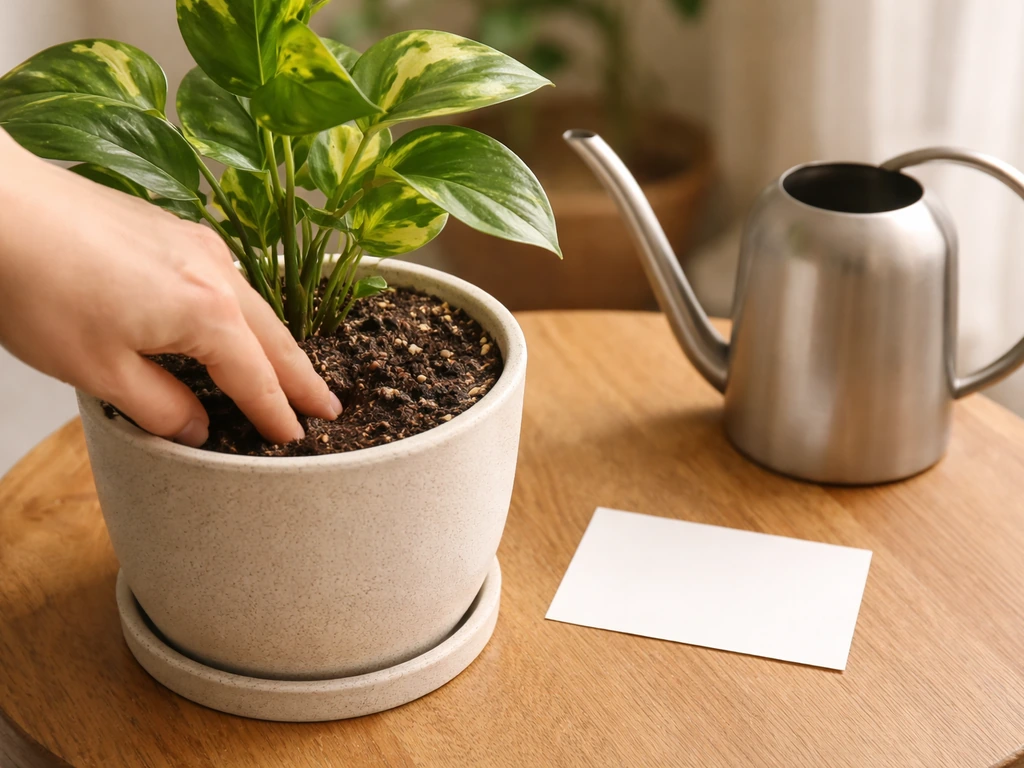
A consistent routine removes guesswork and catches problems early. You don't need a complicated system. A quick weekly check covers 90% of plant care needs.
- Check soil moisture using the two-inch finger test for every soil-grown plant. Water the ones that are dry at that depth, skip the ones that aren't.
- Inspect leaves top and bottom for pests, yellowing, browning tips, or unusual spots. Early detection makes treatment much easier.
- Check your hydroponic reservoir pH and dissolved oxygen levels if you're running a hydroponic setup. Top off with plain water between full nutrient changes.
- Wipe dust off large-leaved tropical plants with a damp cloth. Dust blocks light absorption and can harbor pests.
- Rotate pots a quarter turn so all sides get equal light exposure and plants grow symmetrically instead of leaning.
- For herbs: pinch any flowering buds you see before they open. Harvest any stems ready to cut.
- For terrariums: check for condensation on closed lids (healthy sign), and inspect for any mold or plant material touching the glass.
Monthly, fertilize actively growing plants with an appropriate formula (nitrogen-heavy for foliage plants, phosphorus-leaning for flowering ones). Skip fertilizing in winter for most houseplants because they're not actively growing and excess nutrients will build up as salt in the soil.
Growth milestones vary a lot by plant type, but here's a realistic baseline: herbs show harvestable growth within 4 to 6 weeks from transplant. Leafy greens are ready for baby-leaf harvests in 3 to 4 weeks and full harvest in 45 to 60 days. Succulents grow slowly, sometimes only a few inches per season. Tropical houseplants like pothos can put out several new leaves a month in good conditions. Flowering plants often take one full growing season to establish before they bloom heavily. If growth seems completely stalled after 4 to 6 weeks during the growing season, check light, soil pH, and nutrient levels in that order.
Troubleshooting common problems across plant types
Most plant problems fall into a handful of categories, and the symptoms often look similar even when the cause is different. Here's how to tell them apart quickly.
| Symptom | Most Likely Cause | What to Check First | Fix |
|---|---|---|---|
| Yellowing leaves (lower/older leaves first) | Overwatering or nitrogen deficiency | Soil moisture and drainage | Let soil dry out fully; check for root rot; fertilize if roots are healthy |
| Yellowing leaves (new growth, all over) | Nutrient deficiency or pH lockout | Soil or solution pH | Test pH; adjust to 6.0–6.8 for most plants; add appropriate fertilizer |
| Brown leaf tips | Low humidity, fluoride in tap water, or salt buildup from over-fertilizing | Humidity level and fertilizer history | Group plants or use humidifier; flush soil with plain water to remove salt buildup |
| Drooping/wilting leaves | Underwatering or root rot from overwatering | Soil moisture and root condition | Water thoroughly if dry; if soil is wet, unpot and inspect roots for rot |
| Leggy, stretched growth | Not enough light | Hours of direct or bright indirect light per day | Move to brighter location or add grow light; pinch back leggy stems to encourage bushier growth |
| No flowering | Insufficient light or wrong photoperiod | Light duration and intensity | Increase light hours; check photoperiod requirements for specific species |
| White crust on soil surface | Fertilizer salt buildup | Fertilizing frequency | Flush pot with plain water until it runs clear; reduce fertilizer frequency |
| Sticky residue on leaves | Pest infestation (aphids, scale, mealybugs) | Undersides of leaves and stems | Spray with insecticidal soap or neem oil; isolate plant immediately |
| Wilting despite moist soil | Root rot or compacted/anaerobic soil | Root and soil condition | Unpot plant; trim rotten roots; repot in fresh well-draining mix |
| Slow/no growth in hydroponics | Low dissolved oxygen or pH out of range | pH (target 5.5–6.5) and dissolved oxygen (target 6+ ppm) | Add air stone; check and adjust pH; replace nutrient solution if old |
Transplant shock is worth calling out separately because it catches a lot of beginners off guard. When you move a plant from one container to another, or from indoors to outdoors, it goes through a stress response: wilting, leaf drop, or stalled growth for a week or two. This is normal. Keep the plant in stable conditions (consistent moisture, no sudden temperature swings, moderate light) and hold off on fertilizing until you see new growth resuming. Transplant shock is not death, it's a recovery period.
Your practical get-started plan and next steps
Here's the honest truth: the best plant to start with is one that matches your actual environment and schedule, not the most impressive one you can find. Pick one or two beginner-appropriate plants, nail the basics with those, then expand. Here's a simple plan you can act on today.
- Assess your light: stand at your brightest window at noon and note how many hours of direct or strong indirect light it gets. That single number eliminates half the guesswork about which plants will work.
- Pick your growing medium based on your goal: soil for most beginners, hydroponics if you want fast-growing greens and enjoy monitoring systems, a closed terrarium if you want low-maintenance tropical plants, water propagation if you want to multiply plants you already have.
- Choose your first plants from this list based on your light: low light (pothos, ZZ plant, snake plant); medium indirect light (herbs, peace lily, spider plant); bright direct light (succulents, most vegetables, basil).
- Get the right container and substrate from the start: a pot with drainage, and a substrate matched to your plant type (cactus mix for succulents, moisture-retentive potting mix for tropicals, fast-draining vegetable mix for edibles).
- Set a weekly reminder to run through your care checklist: check moisture, inspect for pests, check for yellowing, and rotate the pot.
- Keep a simple log for the first month. Note when you water and what the plant looks like. This makes troubleshooting dramatically easier because you can see patterns instead of guessing.
Once you've had success with your first plants, expanding gets much easier because the fundamentals transfer. Growing from cuttings, working with nodes to propagate new plants, setting up a dedicated mother plant for cloning, and learning to prune plants to encourage growth are all natural next skills to explore. To grow a mother plant for clones, keep it healthy with consistent light, watering, and pruning so new cuttings root reliably. Each one builds directly on the light-water-nutrient-medium foundation you've already established.
If you pick a new plant you haven't grown before, the fastest way to learn its specific needs is to look up three things: preferred light level, watering frequency cues (what does 'dry' mean for this species, specifically), and any known quirks like sensitivity to fluoride, need for a dormancy period, or unusual pH requirements. Every plant has a few non-obvious traits, and knowing those in advance saves a lot of frustrating trial and error. The fundamentals covered in this guide will get you 80% of the way there for almost any plant you choose. The last 20% is just getting to know that specific plant.
FAQ
Can I mix different types of plants in the same terrarium without problems?
Yes, but only if the plant requirements match closely. Use the terrarium rules in reverse: before you combine species, confirm they share similar light level (indirect is safest for most), temperature range, and moisture preference (closed terrariums suit humidity lovers, open setups suit drought-tolerant types). If you want a mixed terrarium, choose plants from the same moisture group, keep watering conservative, and expect slower growth for species that prefer different conditions.
What should I do if I’m using the finger test but the soil never seems to dry?
If your soil stays wet beyond the time you expect it to dry, the issue is usually potting mix plus pot choice, not the plant. First, check that the container has a drainage hole, then confirm your medium matches the plant type (fast drain for succulents, moisture-retentive for tropicals). Also look for oversized pots (too much extra mix holds water too long), and use the finger test at about two inches depth rather than watching the surface.
Why do my hydroponic plants look nutrient-deficient even though I’m feeding regularly?
For hydroponics, “pH is off” often shows up as symptoms that look like nutrient deficiency. If growth stalls or leaves pale while your fertilizer amount is unchanged, recheck pH and dissolved oxygen (both fluctuate with time). Aim for pH within the typical hydroponic uptake window and oxygen above the minimum threshold, then adjust. Don’t keep adding nutrients to “fix it” while pH and oxygen are wrong.
How do I know the right time to start seeds outdoors for different plant types?
The easiest way is to test the plant’s timing, not the calendar. Start with your target temperature range for germination (cool-season crops tolerate cooler soil, warm-season crops need warmer soil), then run a small sequence so you can see when your conditions produce good sprouting. If you consistently miss due to weather, use indoor sowing or row cover rather than pushing seeds into soil that is too cold or too hot.
If my plants are growing slowly, what should I check first?
Often, the plant is asking for more light, not more water or fertilizer. If leaves stretch, look pale, or growth is slow across multiple weeks, increase light gradually to avoid sudden stress, and confirm your watering is still based on actual soil dryness for that species. Only after light and watering are corrected should you troubleshoot pH and nutrients.
When should I repot different types of plants, and how do I avoid making things worse?
Repotting is typically helpful when roots fill the pot, water behavior changes (drying too fast or staying wet too long), or the plant shows repeated stress despite correct care. Choose a pot only one size up, use the correct drainage mix for that plant type, and avoid repotting during active shock periods for sensitive plants. After repotting, keep conditions stable and delay fertilizing until you see new growth.
What’s the best hardening-off method if I’m moving multiple plant types outdoors at once?
It depends on the plant type, but a common approach is to reduce light intensity or duration slightly at first, then increase exposure over days while protecting from wind. For the most reliable hardening-off, begin in shade outdoors for the first few days, then add more sun gradually. Continue until plants handle outdoor conditions without wilting repeatedly, then transplant.
Do I need to fertilize or change watering in winter for all plants?
Yes, but pick the right “dormancy” signal for each species. Many houseplants slow down in winter, so fertilizing is usually unnecessary, and growth may not resume even if you keep feeding. For plants that truly require a cooler resting period, keep them in the correct temperature range and reduce watering based on how dry the medium gets, not based on a fixed schedule.
How can I prevent fungal issues when growing different types of plants indoors?
Most “fungus” problems are actually preventable with airflow and correct moisture. If you see fungal spotting or persistent dampness, first improve air movement and avoid wet foliage staying wet for long periods. Next, verify watering is based on the right soil depth dryness cue for the plant type, and confirm the container and mix drain properly.
What’s the safest way to deal with fertilizer buildup or salt in containers?
Yes, but do it selectively because not all plants want more salt buildup. If you notice crusty residue on the soil surface or very slow drying despite correct drainage, consider flushing with clean water appropriate to the plant type, then resume a cautious fertilizer routine. Also confirm pH is within the plant’s acceptable range, because nutrient salts can worsen uptake problems when pH drifts.
How do I keep herbs producing if they start slowing down suddenly?
For herbs, don’t wait for flowers as your only trigger, because some varieties start forming buds before they look obviously “bolted.” Keep harvesting regularly, cut back tips to encourage branching, and avoid overharvesting tender herbs that are already stressed by low light or cold temperatures. If harvest slows suddenly, check light level first before changing fertilizer rates.
If I change several things at once, how do I figure out what caused the improvement or decline?
Not always. Some problems come from the plant type mismatch, for example too much humidity for succulents, too little light for flowering triggers, or a soil pH outside the target range. The most efficient order to diagnose is: fix light, then correct watering and drainage, then check pH, then nutrients. If you change multiple variables at once, it becomes much harder to know what actually worked.