Growing plants in Stranded Deep is one of the best things you can do for long-term survival. Once your farm is running, you get a renewable food source that keeps producing without you having to hunt, fish, or scavenge for every meal. The system is not complicated, but it has a few specific rules that will completely stump you if you don't know them going in. This guide walks you through the whole process from scratch: what you need, how to set it up, how to keep it alive, and what to do when something goes wrong.
How to Grow Plants Stranded Deep Step by Step
Marcus Holloway
14 Apr 2026
What plant farming actually means in Stranded Deep
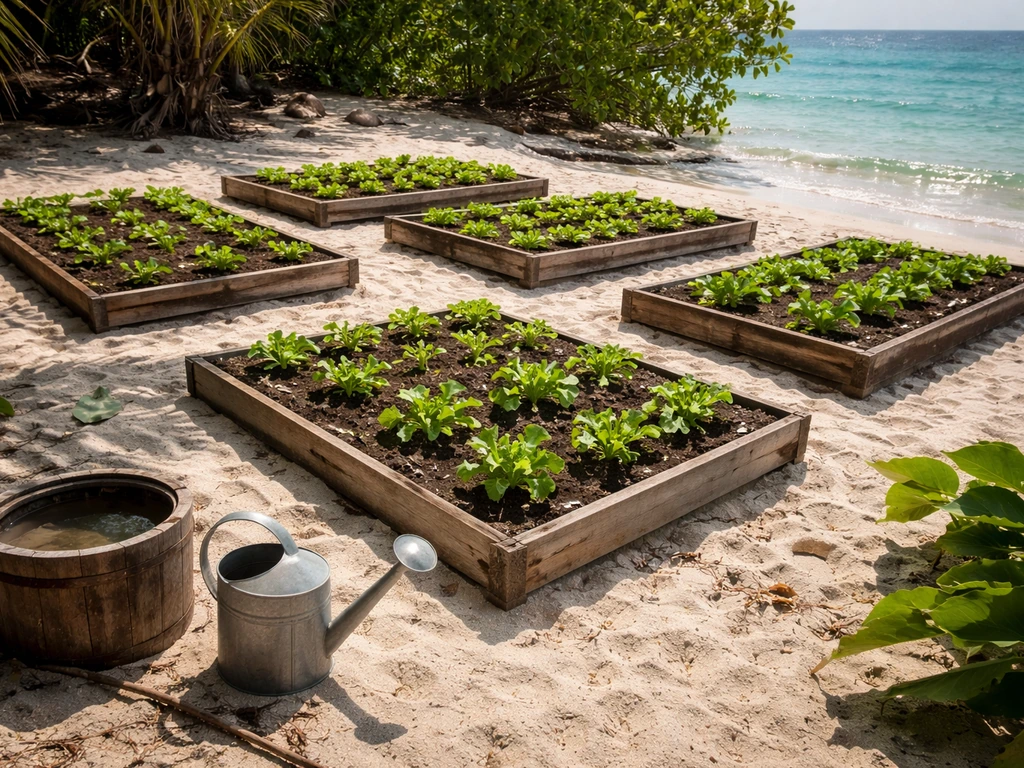
In Stranded Deep, farming is a dedicated in-game system where you build plot structures, plant specific items into them, water those plots regularly, and then harvest the produce after roughly 48 in-game hours. It is not ambient or automatic. You have to actively build, plant, water, and harvest everything yourself, which is why understanding the mechanics up front saves a lot of frustration.
The goal is simple: establish at least a few plots growing food plants so you have a steady calorie source without burning through all your island's natural resources. Potatoes and fruits from Kura or Quwawa plants are the most practical targets for food, while Aloe Vera and Pipi are essential for crafting medicines and antidotes. Ideally you want a mix of all of them once you scale up. This is very different from how farming works in other survival titles, and if you've spent time with how to grow plants in V Rising, you'll notice Stranded Deep's system is considerably more hands-on with its water mechanic.
Seeds, cuttings, and materials you need before you start
The eight plants you can actually grow in farming plots are: Ajuga Plant, Aloe Vera, Potato Plant, Pipi, Quwawa Fruit, Kura Fruit, Wavulavula, and Yucca Fruit. You obtain these by harvesting them from the wild plants you find scattered around islands. The Stranded Deep Wiki notes that farmable plant items come from harvesting wild plants in the environment, such as getting Kura Fruit from the Kura Plant so it can be consumed or planted harvesting them from the wild plants. When you pick up a Kura Fruit or a Potato Plant from the environment, that item becomes your planting material. Hold onto it instead of immediately eating or using it if you want to start a farm.
Beyond the plant items themselves, you need three things to farm: a Crude Hoe, enough materials to build at least one farming plot, and a water source. The Crude Hoe is non-negotiable. You cannot place a farming plot or interact with one for planting without it in your inventory. Craft it early. For the plots themselves, you have three options with different water capacities:
| Plot Type | Materials Needed | Water Capacity | Best Use |
|---|---|---|---|
| Wood Farming Plot | Sticks and lashings | 4 water levels | Early game, quick to build |
| Plank Farming Plot | Wood planks and lashings | 8 water levels | Mid game, less watering needed |
| Corrugated Farming Plot | Corrugated scrap and lashings | 8 water levels | Mid to late game, very durable |
If you're just getting started, build a Wood Farming Plot first to learn the system, then upgrade to Plank or Corrugated plots as your resources grow. The higher water capacity on the latter two means you spend less time running back and forth with water, which matters a lot when you're managing six or eight plots at once.
Where and how to set up your farm
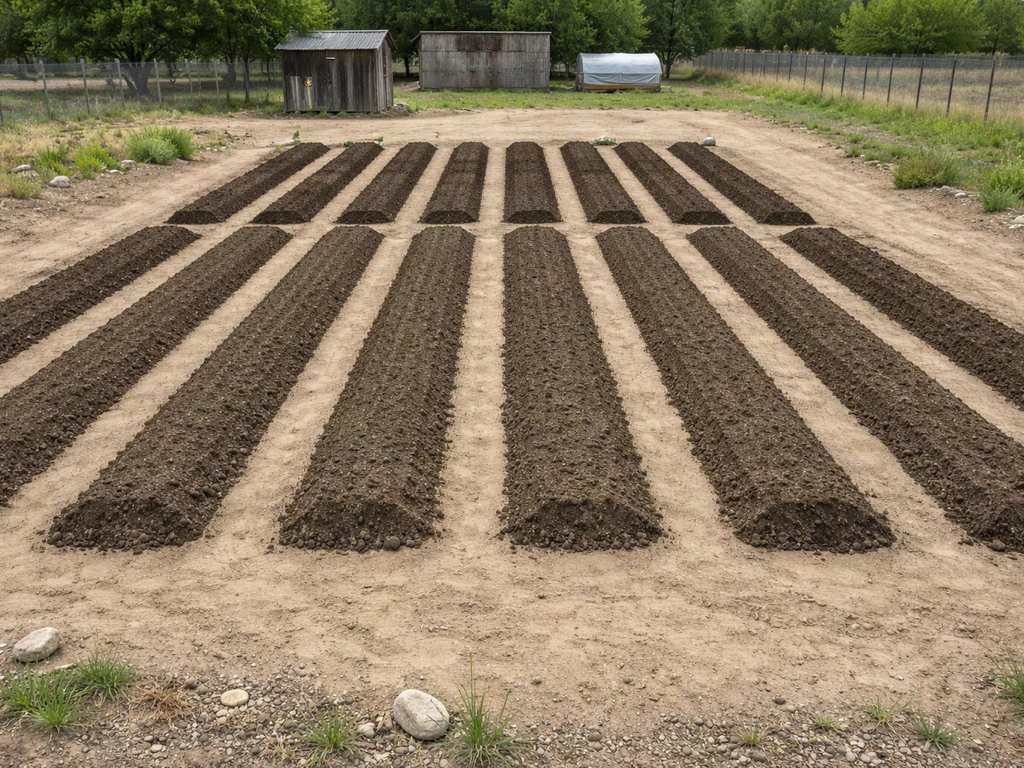
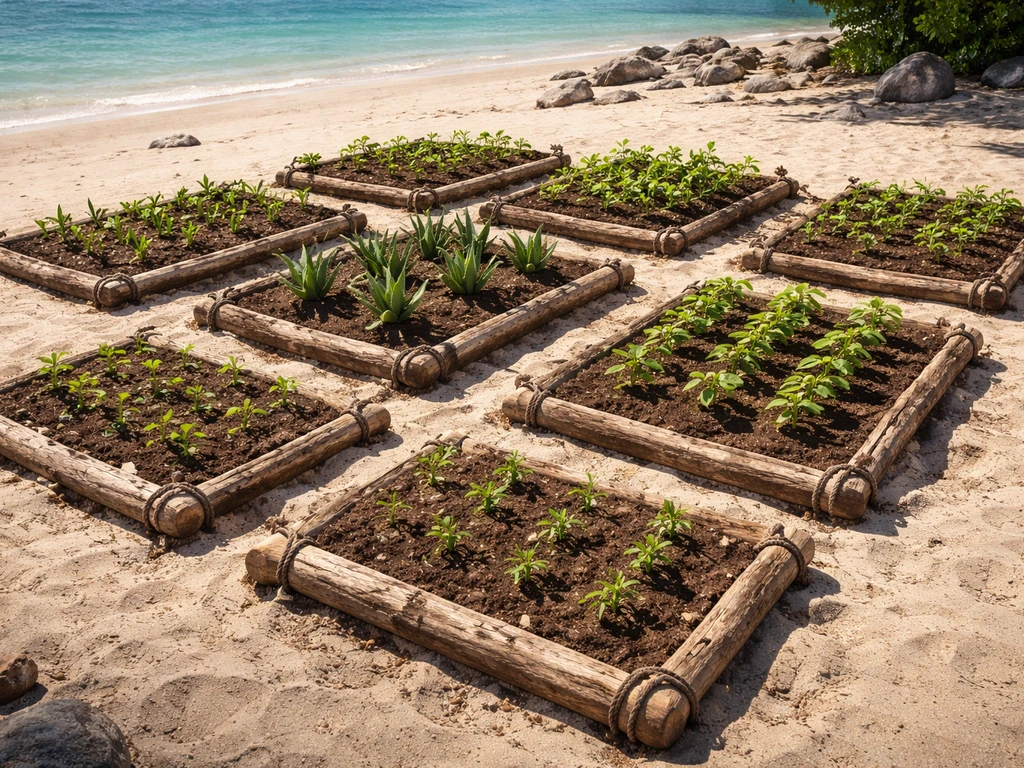
Location matters more than most players expect. Farming plots can be placed on sand or dirt, and they can overlap with rocks and small vegetation without any issue. What they cannot overlap with is palm trees or any player-built structure. That second restriction trips up a lot of people who try to build their farm right next to their base camp, only to find they can't place plots anywhere near their shelters or crafting stations.
The practical advice: find a flat sandy area a short distance from your main structures and dedicate it purely to farming. Leave enough space between plots that you can comfortably walk around and interact with each one. Tight clusters look efficient but get annoying fast when you're trying to water and harvest quickly. Think of it like a small kitchen garden laid out in a grid, with enough of a path between rows that you don't have to awkwardly sidestep everything.
You do not need direct sunlight placement in the same way real-world plants do. The game does not penalize you for shade from natural objects, so focus on clearance from palm trees and structures rather than sun angle. Proximity to your water source (a Water Still or collected rain barrels) is genuinely worth planning for, since you'll be making that trip constantly.
Step-by-step: planting your first crop
- Craft your Crude Hoe and keep it in your inventory. Without it, you cannot place or interact with plots.
- Gather your farmable plant item (Potato Plant, Kura Fruit, Aloe Vera, etc.) from the wild.
- Craft and place your farming plot on sand or dirt, away from palm trees and player structures.
- Take the farmable plant item in your hand by selecting it in your inventory.
- Walk up to the farming plot, mouse over it until you see the interaction prompt, and hold E to plant.
- Check that the plot shows it has a plant in it. The newly built plot starts with 1 water level, so water it immediately if you have a water source available.
That's the core loop. The actual planting step is just a couple of seconds once everything is in place. The challenge is everything that surrounds it: having the right items, a valid placement spot, and a plan for watering. Once you've done it once it becomes second nature, and you'll find yourself blazing through planting a whole row of plots in a few minutes.
Keeping your plants alive: water, timing, and daily habits
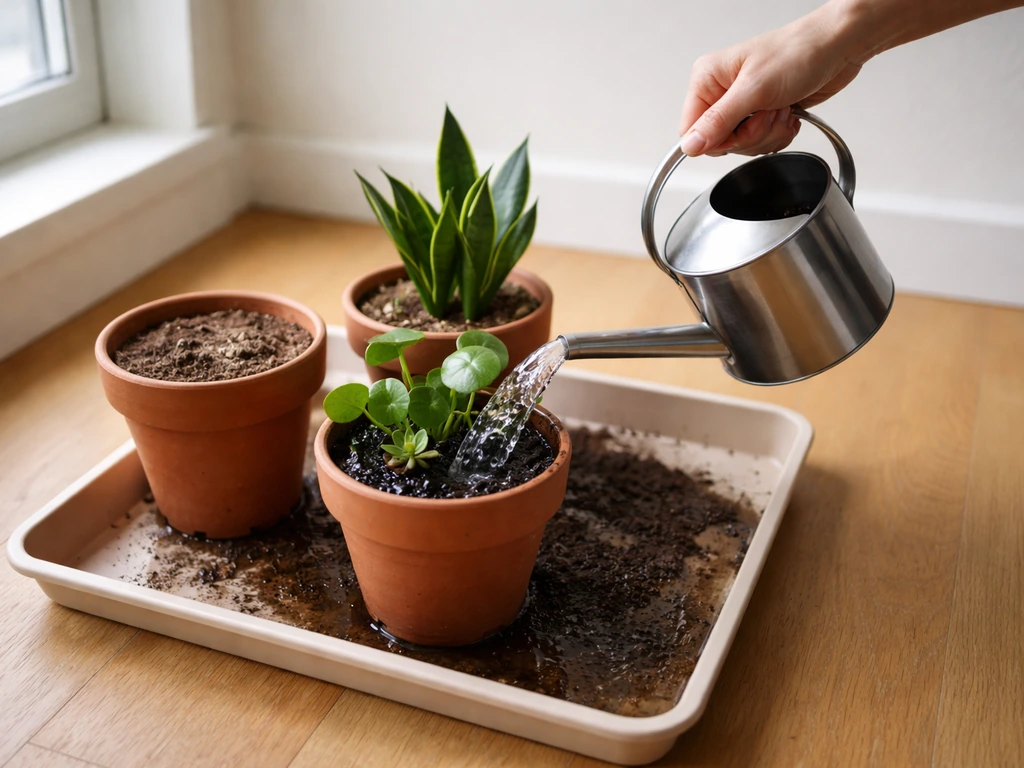
Water is the single most important ongoing mechanic. A newly built plot starts with just 1 water level, and that level evaporates over roughly 24 in-game hours. If the water level hits zero, your plant dies. Once it dies, you cannot water the dead crop and just restart it. You have to remove the dead plant from the plot first, then replant something new. This is probably the number one way players lose their early crops: they plant everything, get busy exploring, skip a day of camp maintenance, and come back to a row of dead plants.
The fix is to build Plank or Corrugated plots as soon as possible, since their 8-water-level capacity means roughly twice the time before you need to water again compared to Wood plots. Pair that with a consistent habit of watering your plots every time you return to base, before you do anything else. Treat it like a camp chore you tick off on arrival. Rain will also add water levels naturally, so rainy days give you a buffer. Don't count on rain as your primary strategy, but do appreciate it when it happens.
Beyond water, there's no complicated light or temperature mechanic to manage in Stranded Deep. The game keeps farming relatively streamlined compared to something like the soil nutrient systems you find in other survival games. If your plot has water and a plant in it, it will grow. The game's approach here is actually a bit similar in spirit to how growing plants in pon medium works in real-world hydroponics: nail the one critical input (water), and the rest handles itself.
Harvesting and keeping the cycle going
Plants take about 48 in-game hours to mature from planting to harvest. When a plant is ready, you'll see it has produced a single fruit or item. Harvest it by interacting with the plot, and here's the good news: you do not need to replant. After harvesting, the plant automatically begins another growth cycle right there in the same plot. Keep watering it, and you get another harvest after another 48 in-game hours.
This means your early investment in gathering wild plant items and setting up plots pays off for as long as you maintain those plots. A six-plot farm growing Potato Plants, Kura Fruit, and Aloe Vera, all cycling continuously, gives you a solid ongoing food and medicine supply without you ever having to scavenge for those resources again. Scale up when you can. More plots mean more output, and the time investment per additional plot is low once your first few are established.
For players who enjoy comparing farming systems across survival games, it's worth noting that Stranded Deep's persistent growth cycle (harvest without replanting) is a more forgiving design than what you encounter in some other games. If you've looked into how to grow plants in No Man's Sky, you'll recognize the same satisfying payoff of a self-sustaining loop once you get past the setup phase.
When things go wrong: fixing common farming problems
Plants won't sprout or nothing is growing
If nothing seems to be happening after you plant, the first thing to check is whether your Crude Hoe is actually in your inventory when you attempt to interact with the plot. It's easy to accidentally drop it or leave it in a container. Without the hoe present, the planting interaction simply won't work. Second, confirm you're holding the actual farmable plant item in your hand (not just having it somewhere in your inventory) when you try to plant. The game requires you to select the item before mousing over the plot.
Plants keep dying before harvest
This is almost always a water problem. Check your plot's water level every time you're at base. If you're losing plants overnight, switch to higher-capacity plots (Plank or Corrugated) and establish a Water Still or rain collection system close to your farm so topping up water costs you minimal time and effort. One good habit: never log off for the night without first watering every plot you have.
Can't place the farming plot at all
If the plot won't place, you're almost certainly too close to a palm tree or a structure you've built. Move further away from your camp. Also confirm the ground is sand or dirt, not rock. The plot placement is pretty flexible about surface clutter like small plants and pebbles, but palm trees and built objects are hard blockers with no workaround.
Dead plant stuck in the plot
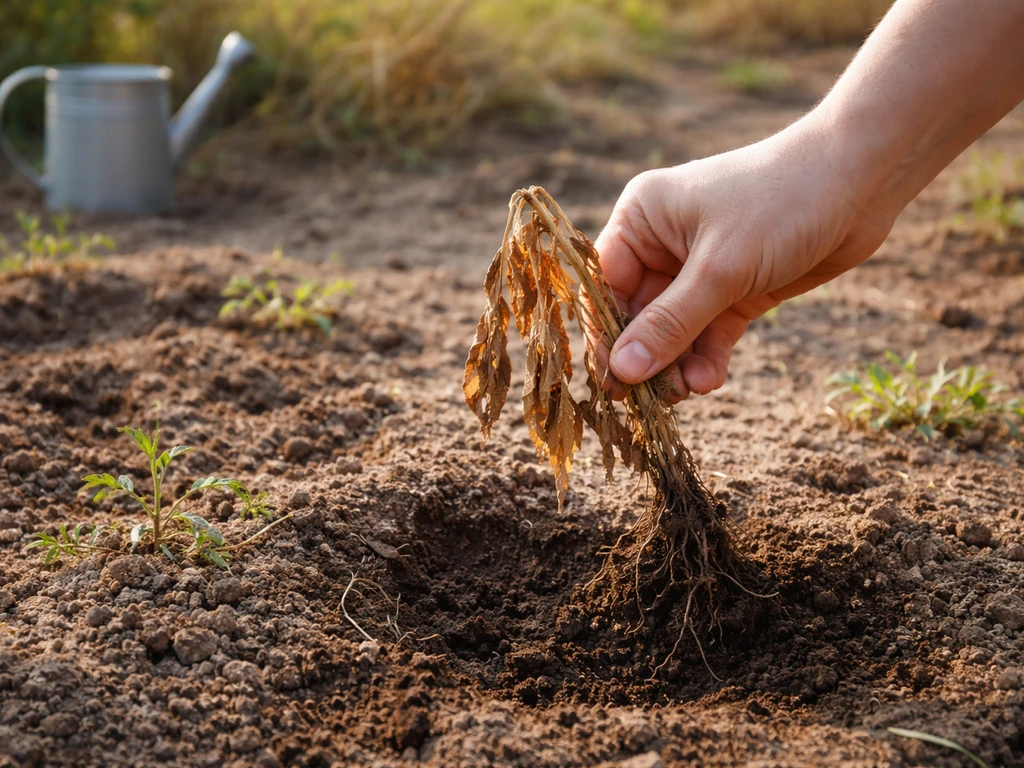
If a plant died from dehydration, you cannot water it back to life. You need to remove the dead crop from the plot first, then replant with a fresh plant item. Make sure you have a spare farmable item before you clear out the dead one, so you can immediately replant and not leave the plot sitting empty.
Scaling up and optimizing your farm
Once you've got two or three plots working smoothly, start thinking about scaling. A good target for a self-sufficient island setup is six to eight plots, giving you enough food variety and redundancy that losing one plant to a missed watering day doesn't set you back significantly. Prioritize Potato Plants for calories, Aloe Vera for Antidotes, and Pipi for Antidotes as well (both are required for the recipe). Kura and Quwawa are great supplements for variety and vitamin needs.
From a resource standpoint, upgrade every Wood plot to a Plank or Corrugated plot as soon as your crafting supplies allow. The double water capacity genuinely reduces the labor burden of farming by half, which matters more the bigger your operation gets. Think of the upgrade the same way you'd think about switching from manual watering to a better irrigation setup in real-world container gardening: same outcome, much less effort per day.
If you enjoy exploring other game-based growing systems as a way to think about plant mechanics more broadly, the farming system in growing plants in a Corvette in No Man's Sky is an interesting comparison point for compact, space-limited farming setups. And for players who've tried survival games with more complex farming, how to grow plants in Raise a Floppa 2 is another quirky in-game farming system worth a look between sessions.
The most important optimization tip is simply consistency. Stranded Deep's farming system rewards players who check their plots regularly and treat watering as a non-negotiable daily task. Once that rhythm clicks, the farm almost runs itself, and you can shift your focus to the rest of the game knowing your food supply is covered. If you're curious how in-game farming mechanics translate to real growing intuition, browsing guides on topics like how to grow plants in Tamil-language resources can be a surprisingly practical way to understand the basics of plant care that game designers borrow from.
FAQ
How often do I need to water stranded deep plots to avoid losing crops?
Check and top up every time you come back to base, then again before you log off for the night. Wood plots start at low water and evaporate in about a day, while Plank and Corrugated plots last much longer between water refills (roughly double the time), so they are safer if your routine is inconsistent.
Why won’t my plant accept water or seem to progress even though I water it?
Most cases are interaction issues: you must have the Crude Hoe and the correct crop item selected while aiming at the plot. Also verify the plot still has a living plant, because dead crops cannot be revived, and empty or dead plots will not behave like growing plots.
Can I mix different plant types in one farming plot, or do I need separate plots for each crop?
You need one plant type per plot. Build extra plots if you want variety, since harvesting does not swap the crop automatically, it only repeats the same plant’s growth cycle in that same plot.
What should I do if I miss a day and my crops die?
Before you water anything again, remove the dead plant from the plot and replant immediately with a spare farming item. Keep backups of key plant items, because leaving plots empty or forcing multiple trips to gather seeds delays your farm recovery.
Can I rely on rain only, or should I always set up a water still?
Rain can add water and give you temporary buffer, but it should not be your main plan. A Water Still (or a reliable rain collection setup) lets you keep farming through dry stretches and prevents “one rainy day” luck from turning into long-term plant loss.
How close can I place plots to my base, and why do placements fail near buildings?
Plots can overlap with rocks and small vegetation, and they work on sand or dirt, but they cannot overlap with palm trees or any player-built structure. If you can’t place a plot, move it farther away from shelters, crafting areas, and other constructed items until placement is allowed.
Do I need to worry about sunlight, shade, or temperature for Stranded Deep farming?
No, the game does not require sunlight placement like real plants. Your main placement concerns are valid ground (sand or dirt) and avoiding palm trees and buildings, then making sure your water source is close enough that you can refill regularly without skipping days.
What’s the fastest way to scale my farm without constantly redoing setups?
Upgrade existing plots from Wood to Plank or Corrugated as soon as you have materials, then expand plots gradually until you reach a small self-sustaining farm size (often around 6 to 8 plots). This reduces labor per plot, so each additional plot adds more output without doubling your daily work.
What are the best crops to prioritize if I’m stranded deep and need both food and medicine quickly?
Prioritize Potato Plants for calories and Aloe Vera for antidotes. If you want full antidote coverage, keep Pipi growing as well, since the recipe depends on it. Once those are stable, add Kura and Quwawa for supplemental needs and variety.
My plot won’t let me plant, even when I have the plants. What am I probably missing?
Confirm two things: the Crude Hoe must be in your inventory (not dropped in a container), and you must be holding the exact farmable plant item in your hand when you interact. Having the item somewhere in inventory is not enough if the game requires selecting it before placing it into the plot.
Should I harvest the instant it’s ready, or can I wait?
Harvest when the fruit appears so you don’t accidentally let the crop cycle stall in your attention window. Since growth takes about 48 in-game hours, keeping a routine to harvest and immediately continue the watering schedule helps maintain consistent output rather than letting your farm drift out of sync.