Plants need five things to grow: light, water, carbon dioxide, nutrients, and the right temperature. For more step-by-step guidance, see how to grow a plant on Wikihow. Get those five things roughly right for the plant you've chosen, and it will grow. That's the whole game. Everything else, picking a pot, choosing soil, setting up a watering schedule, is just about delivering those five things consistently. If you've killed plants before, it almost certainly came down to one of those five being off, not because you're bad at growing.
How to Grow a Plant BBC Guide: Soil, Water, Hydroponics
Marcus Holloway
24 May 2026
How plants actually work (the BBC-style biology bit)
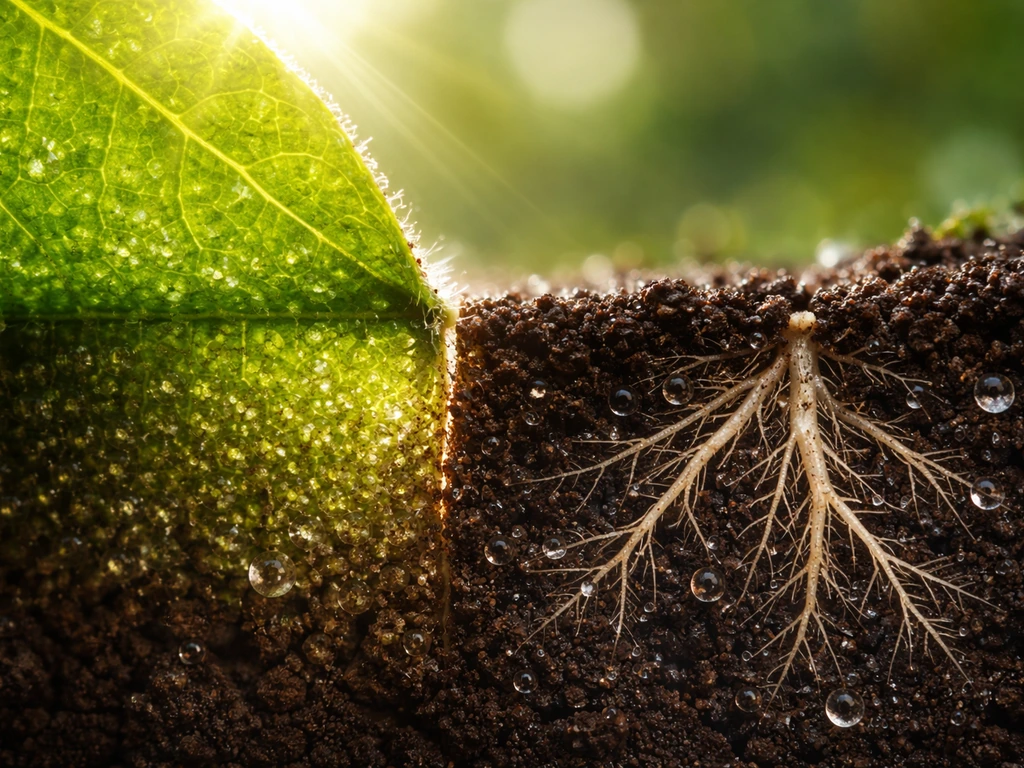
Here's the short science behind it, because understanding this makes everything else click. Plants make their own food through photosynthesis: they capture light energy and use it to turn carbon dioxide from the air and water from the soil into glucose (sugar), which fuels every part of the plant's growth. Oxygen is released as a byproduct, which is why plants are great for indoor air.
The key insight, backed up by BBC Science Focus research, is that most of a plant's physical mass actually comes from CO₂ in the air and water, not from soil. Soil nutrients matter, but they're a relatively smaller input.
That's why a plant sitting in nutrient-poor soil can still grow reasonably well if it gets good light and consistent water, but a plant in the dark with great soil will just slowly die.
The roots are doing two critical jobs: anchoring the plant and absorbing water along with dissolved nutrients through tiny structures called root hairs. If you damage those root hairs (by repotting carelessly, overwatering, or letting the soil dry to a bone), the plant loses its ability to drink and feed itself. You'll see it wilt even in moist soil. Treat roots gently and you'll avoid one of the most common beginner mistakes.
Pick the right plant before you do anything else
The biggest beginner mistake isn't poor watering or bad soil, it's choosing a plant that doesn't match your actual conditions. Be honest about your space before you buy anything. How much natural light does your windowsill actually get? Is your home warm and humid, or cool and dry? Do you travel a lot or forget to water for weeks? There's a plant for every one of those situations, but you need to match the plant to the reality, not the other way around.
| Your condition | Good plant picks | Avoid |
|---|---|---|
| Low light (north-facing window or no window) | Pothos, ZZ plant, cast iron plant, snake plant | Succulents, most herbs, tomatoes |
| Bright indirect light (east or west window) | Monstera, peace lily, spider plant, ferns | Cacti, lavender |
| Full sun (south-facing window or outdoors) | Cacti, succulents, basil, tomatoes, rosemary | Ferns, peace lily, calathea |
| Cool rooms (below 15°C / 59°F) | Mint, chives, ferns, ivy | Tropical plants, basil |
| Forgetful waterer / frequent traveller | Succulents, cacti, ZZ plant, snake plant | Ferns, maidenhair, basil |
| High humidity (bathroom, kitchen) | Ferns, orchids, air plants, calathea | Succulents, cacti |
Once you've matched a plant to your conditions, look up its three key numbers: how many hours of light it needs per day, its preferred temperature range, and how often it needs water. Most plant labels give you this in shorthand (low, medium, high for each). If you're growing from seed, also check the germination temperature, seeds need water, oxygen, and warmth to sprout, and some also need light. Most vegetable seeds germinate best between 18°C and 24°C (65°F to 75°F), so a cold windowsill in winter will stall them.
Set up your growing system: soil, water, hydroponics, or terrarium
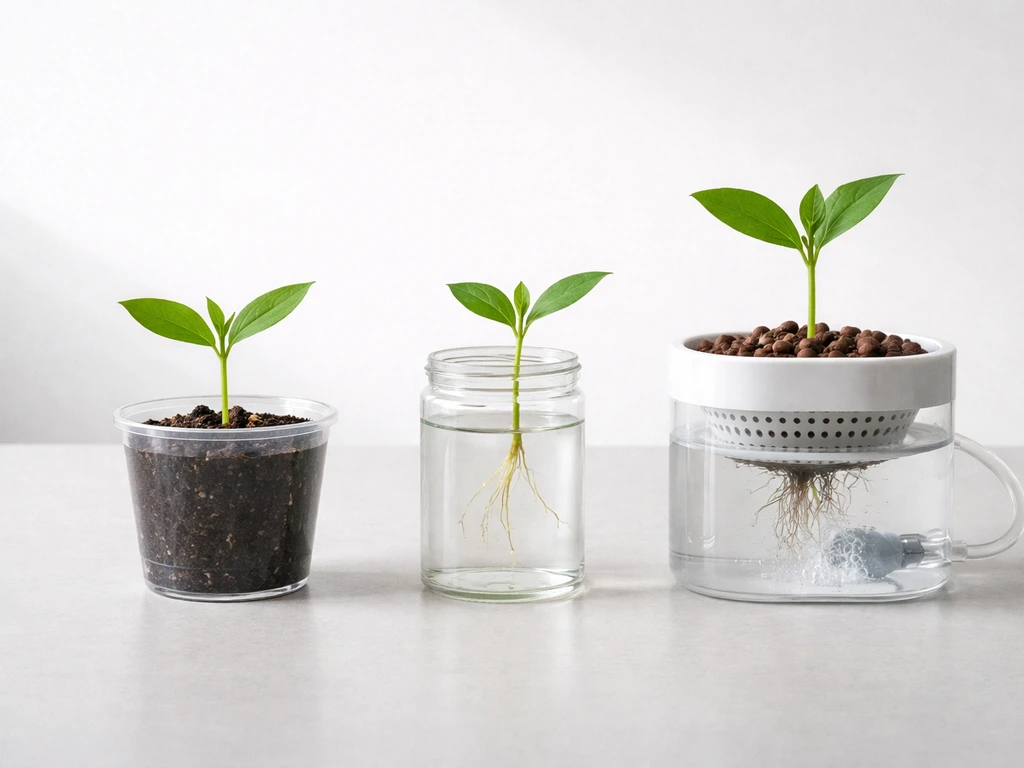
You don't have to grow in soil. Each system below has real advantages depending on your space, budget, and how hands-on you want to be. Here's how to set up each one and what to watch out for.
Growing in soil (the classic method)
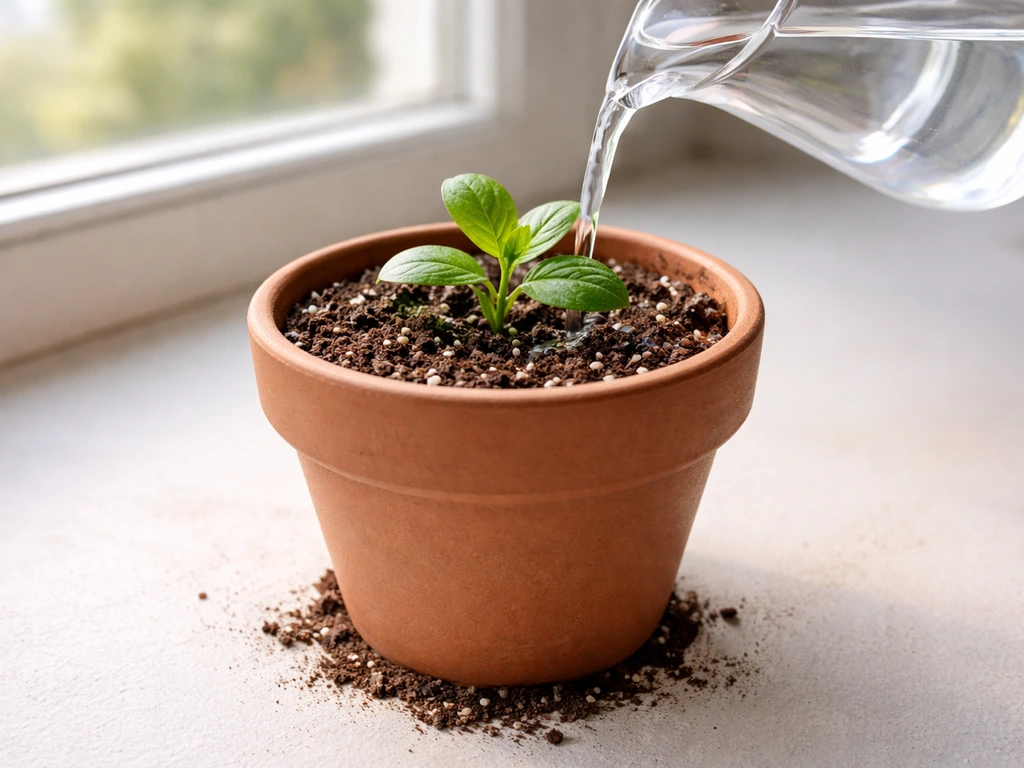
Soil is the most forgiving system for beginners. Use a good-quality potting mix, not garden soil from outside, which compacts in pots and can carry pests. For most houseplants, a peat-free multipurpose compost works well. For succulents and cacti, mix in about 50% perlite or coarse grit to improve drainage. Always use a pot with drainage holes, standing a plant in waterlogged soil is one of the fastest ways to rot the roots. Fill the pot to about 2cm (1 inch) below the rim, so water doesn't run straight off the surface. When you plant, firm the soil gently around the roots without compressing it hard.
Growing in water (propagation and water culture)
Many plants root and grow happily in just water. Pothos, philodendron, spider plants, and tradescantia are all excellent for this. Take a cutting just below a leaf node, remove the lower leaves so no foliage sits in the water, and place in a clean glass or vase with room-temperature water. Keep it in bright indirect light and change the water every 5 to 7 days to prevent bacterial buildup. Once roots are 3 to 5cm (about 2 inches) long, the plant is established and you can either keep it in water long-term or transfer to soil. The main thing to avoid: stagnant water and direct harsh sun, which encourages algae.
Hydroponics (fast growth, no soil needed)
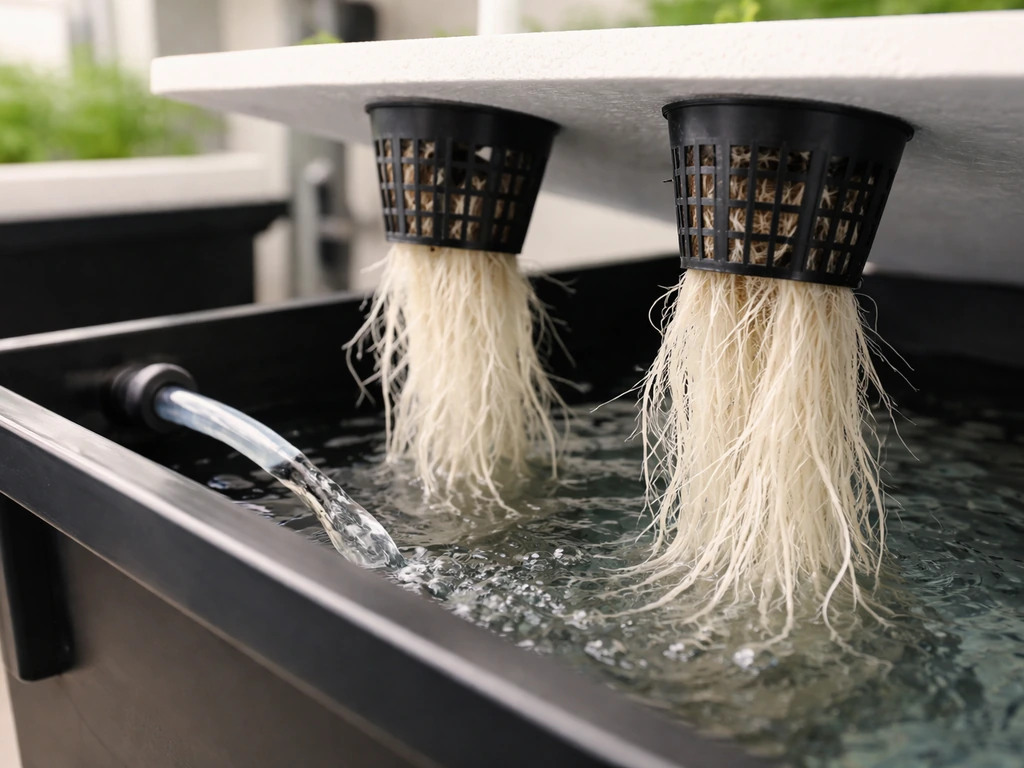
Hydroponics sounds technical but the basic idea is simple: plant roots sit in or are regularly bathed by a nutrient-rich water solution instead of soil. Because the plant gets nutrients directly at the roots without having to pull them through soil, it often grows 30 to 50% faster than in traditional compost.
A beginner-friendly entry point is a simple Kratky passive system, a plant in a net pot sitting in a lidded container of nutrient solution with an air gap above the water level. You mix a two-part hydroponic nutrient solution (A and B) at the manufacturer's recommended ratio (commonly around 5ml per litre for each part), check the pH sits between 5. 5 and 6. 5, and top up as needed.
Herbs like basil, lettuce, and spinach are perfect starter crops. The main thing to avoid is letting roots dry out or the solution pH drift too far, which locks out nutrients.
Terrariums (low maintenance, high impact)
A terrarium is a sealed or semi-open glass container that creates its own mini ecosystem. It's ideal for small spaces and for people who travel, because a closed terrarium recycles its own moisture and barely needs watering. For a closed terrarium, choose moisture-loving plants like ferns, mosses, fittonias, and peperomias.
Layer the bottom with drainage material (gravel or LECA, about 3 to 5cm deep), then a thin layer of activated charcoal to keep things fresh, then a layer of terrarium compost or peat-free potting mix (at least 5 to 7cm). For an open terrarium, you can grow succulents and cacti using a well-draining sandy mix. The main thing to avoid in a closed terrarium: overwatering (condensation on the glass is normal; pooling water at the base is not).
Which system should you pick?
| System | Best for | Main upkeep | Avoid if... |
|---|---|---|---|
| Soil | Most plants, all skill levels | Watering, occasional feeding | You chronically overwater |
| Water culture | Cuttings, tropical houseplants | Water changes every 5-7 days | You want to grow root vegetables |
| Hydroponics | Herbs, leafy greens, fast growth | Nutrient top-ups, pH checks | You want totally hands-off growing |
| Terrarium | Ferns, mosses, small tropicals | Very minimal once established | You want to grow edibles |
Your weekly care routine
Most plant care isn't daily, it's building a rhythm that covers watering, feeding, and occasional maintenance. Here's how to approach each one.
Watering
The best technique is to water deeply and infrequently rather than a small splash every day. When you water, pour slowly until water drains from the bottom of the pot, then let the top inch or two of soil dry out before watering again. The finger test works perfectly: push your finger about 2cm into the soil. If it feels dry, water. If it still feels moist, wait. For succulents and cacti, let the soil dry out completely between watering. For ferns and calatheas, water before the surface fully dries. Overwatering kills far more houseplants than underwatering, so when in doubt, hold off for another day.
Feeding
Most potting mixes contain enough nutrients for the first 6 to 8 weeks after planting. After that, feed with a balanced liquid fertiliser (an NPK ratio like 20-20-20 works for most houseplants) at half the recommended dose once every 2 to 4 weeks during the growing season (spring through summer). In autumn and winter, most houseplants slow down and you can stop feeding almost entirely. For flowering plants, switch to a fertiliser higher in potassium (the K in NPK) once buds form. For leafy greens and herbs, a nitrogen-heavy feed keeps leaves lush and green. Never feed a plant that's stressed, dry, or recently repotted, it will make things worse.
Pruning and repotting
Pruning is simpler than it sounds. Remove dead or yellowing leaves by cutting cleanly at the stem base with clean scissors or snips. Pinching out the growing tips on bushy plants like basil and fuchsias encourages them to branch out rather than grow tall and leggy. For most houseplants, repot once every 1 to 2 years, or when you see roots circling the bottom of the pot or poking out of the drainage holes. Move up only one pot size at a time (for example, from a 10cm to a 12cm pot). Going too large too fast leaves a big volume of soggy soil around the roots with no roots to absorb it, which leads to root rot.
Fix common problems fast
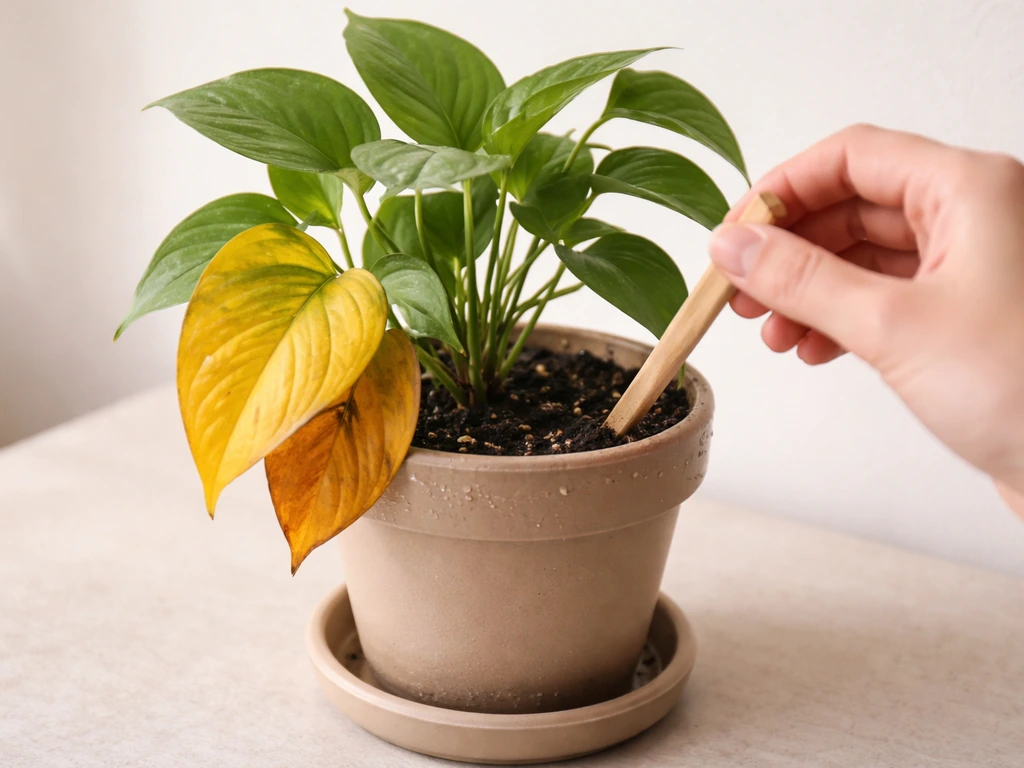
Most plant problems give you a visible clue before they become fatal. Here's how to read those clues and respond quickly.
| What you see | Likely cause | Quick fix |
|---|---|---|
| Yellow leaves (lower leaves) | Overwatering or normal leaf shedding | Let soil dry out, check drainage, remove yellow leaves |
| Yellow leaves (all over) | Nutrient deficiency or root damage | Feed with balanced fertiliser, check roots for rot |
| Wilting despite moist soil | Root rot from overwatering | Remove from pot, trim black/mushy roots, repot in fresh dry mix |
| Wilting with dry soil | Underwatering or heat stress | Water deeply, move away from direct heat sources |
| Slow or no growth | Not enough light or wrong season | Move closer to a light source or add a grow light; ease off feeding in winter |
| Leggy, stretching stems | Insufficient light | Move to a brighter spot or rotate the pot toward the light |
| White crusty deposits on soil | Mineral buildup from tap water | Flush soil with filtered water or switch to rainwater |
| Tiny bugs on leaves or soil | Fungus gnats, aphids, or spider mites | See pest section below |
Dealing with pests
Fungus gnats are the most common indoor pest, and they're more annoying than dangerous. Their larvae live in moist topsoil, so letting the top inch of soil dry out between waterings breaks their lifecycle. Yellow sticky traps catch the adults. For aphids (small soft-bodied insects clustering on new growth), a spray of diluted dish soap and water (a few drops per 500ml) applied directly to the bugs and repeated every 3 days for 2 weeks usually clears them. Spider mites leave fine webbing on leaves and thrive in dry conditions, so increase humidity, wipe leaves with a damp cloth, and apply neem oil spray. Isolate any plant showing signs of pests immediately so they don't spread to others.
What to expect at each growth stage
Plants don't need the same care throughout their life. Knowing what stage your plant is at helps you adjust what you're doing rather than applying the same routine forever.
Germination (seed stage)
Seeds need three things to germinate: moisture, oxygen (which is why compacted or waterlogged soil kills germination), and warmth. Most seeds don't need light until they've sprouted. Keep the growing medium consistently moist but not soaking, a covered seed tray or a plastic bag over a pot creates a mini greenhouse effect that helps. Don't feed at this stage. Germination can take anywhere from 3 days (radishes, cress) to several weeks (peppers, parsley). If seeds fail to sprout, the two most common reasons are soil that's too cold or too wet.
Seedling stage
Once a seedling has its first set of true leaves (the leaves that appear after the initial seed leaves), it's ready to move to a brighter spot and begin very diluted feeding, around a quarter of the recommended dose. Be extra careful with watering at this stage because seedling roots are tiny and damage easily. Don't repot until the seedling looks sturdy and has a few sets of leaves. This is the most vulnerable stage, and most seedling deaths come from overwatering, too little light, or moving them into cold drafts.
Established plant
Once a plant is established (rooted well, producing new growth regularly), it's much more resilient. This is when you can settle into your regular watering and feeding rhythm, start pruning for shape, and consider repotting if roots are crowding the container. Established plants can handle a missed watering or a slightly cooler night much better than seedlings. Growth will naturally slow in autumn and winter as day length shortens, this is normal and doesn't mean something is wrong. Reduce feeding and watering frequency accordingly, and the plant will pick back up in spring.
Your beginner checklist: what to do today
If you want to start growing something today, here's the exact order to do it in. You don't need to do everything at once, but working through this list gives you the foundation to keep any plant alive and thriving.
- Assess your light: stand at your window at midday and honestly note how many hours of direct or bright indirect light you get. This determines every plant decision that follows.
- Pick one plant that matches your light, temperature, and watering habits (use the table above). Start with just one.
- Choose your growing system: soil for most beginners, water for easy cuttings, hydroponics for fast-growing herbs, terrarium if you travel or want low maintenance.
- Get the right container: drainage holes for soil, a clean glass for water, a net pot and reservoir for hydro, or a glass vessel with layered substrate for a terrarium.
- Plant or pot up correctly: don't bury the stem too deep, don't compact the soil, and don't put it straight into a much bigger pot than the rootball.
- Water deeply on day one, then use the finger test before every subsequent watering. Write the date on a sticky note on the pot if that helps you track it.
- Check the plant every 2 to 3 days for the first two weeks: look for new growth, check soil moisture, and scan leaves for early pest signs.
- Start feeding after 6 to 8 weeks at half the recommended dose with a balanced liquid fertiliser.
- If something looks wrong, cross-reference it with the problem table above before assuming the plant is dying. Most issues are fixable if you catch them early.
Growing plants well is mostly about observation. The more you notice what a healthy plant looks like for the species you've chosen, the faster you'll spot when something's off and course-correct before it becomes a real problem. If you want to go deeper on specific methods, there's a lot more to explore around growing your own plants from seed, step-by-step growing guides for specific species, and specialized setups for unconventional growing environments.
If you want to grow your own plant from the start, focus first on light, warmth, and consistent moisture during germination growing your own plants from seed. If you are searching for how to grow plants Conan, focus on getting the basics right first: light, watering, and the right plant for your conditions growing your own plants from seed.
Once you know the basics of how to grow your plant from seed, you can fine-tune light, watering, and feeding for your specific variety growing your own plants from seed. But for today, pick one plant, set it up right, and let it show you what it needs.
FAQ
How do I choose the right first plant for my home conditions?
For a first-time grower, pick a plant that tolerates your specific light level and schedule, then aim to get the “top inch” watering rhythm right. A fast way to choose is to sort plants into low, medium, and bright indirect light needs, then verify your brightest window is where you can realistically keep it. If your home is consistently dim, avoid plants that require many hours of direct sun, they usually fail slowly and then abruptly.
My plant is growing but looks weak or “leggy,” what should I fix first?
Start with warm, bright placement and treat early growth as a light problem first. If a plant is stretching, leaning, or leaves are smaller and farther apart, it is usually getting too little light. Rotate the pot weekly so growth stays even, and avoid moving seedlings into colder spots overnight because drafts can stall them even if the room daytime temperature looks fine.
What should I do if my plant won’t stop wilting even though the soil feels wet?
If you suspect root rot, stop watering immediately, check the drainage holes, and unpot to inspect the roots. Healthy roots are firm and light-colored, rotten roots are brown, hollow, or smell sour. Remove damaged roots with clean scissors, repot into fresh potting mix (not garden soil), and only water lightly after repotting. Going from soggy to dry too quickly without checking roots can kill a stressed plant.
How can I tell whether I’m overwatering versus underwatering?
When the soil stays wet for days, measure your watering by drying, not by calendar. Use the finger test deeper than just the surface, push about 2 cm down, and wait until that depth feels dry before watering again. Also check if the pot is too large for the plant size, oversized pots hold excess moisture that roots cannot use.
My plant looks yellowed or pale, should I start fertilizing?
If leaves look pale or yellow but the soil is not drying out, review light and feeding timing before increasing fertilizer. Pale growth often comes from too little light, not just missing nutrients. If you are past the first 6 to 8 weeks and it is actively growing in spring or summer, feed at half strength as described. If the plant is recently repotted, stressed, or in winter, hold off on extra feeding.
Why do my indoor plants drop leaves after I move them or change seasons?
For indoor environments, aim for stable temperatures rather than chasing “perfect” numbers. Sudden swings, like cold nights near windows or blasting heat vents, can cause leaf drop even when light and watering are correct. Keep humidity steady for plants that prefer it, group plants together, and avoid putting tropical plants directly against chilly glass surfaces.
My seeds did not sprout, what are the most common non-obvious causes?
For seeds, consistent warmth is often the limiting factor. If germination is slow or uneven, use a warm location and keep the medium evenly moist but not waterlogged, sealed trays help prevent drying. If your medium is cold (like winter windowsills), germination may fail even if you water correctly. Also remember most seeds do not need light until after sprouting.
Can I keep a plant in water forever, and what goes wrong?
If you grow in water long-term and roots seem to get stringy or smell bad, switch to cleaner water practices. Use room-temperature water, change every 5 to 7 days, keep the cutting in bright indirect light, and make sure leaves are not submerged. Once roots are 3 to 5 cm long, transferring to soil can reduce long-term water issues and improve stability.
What should I monitor in a Kratky or beginner hydroponic system besides nutrients?
In hydroponics, pH drift is the usual culprit when a plant stops growing but the nutrient mix is correct. Check pH regularly, keep it roughly within 5.5 to 6.5, and only top up what is needed rather than over-cycling solution. Also confirm the air gap is present in passive setups, if roots dry out or the container design changes, nutrient uptake collapses quickly.
My closed terrarium is foggy and wet, how do I prevent it from becoming too damp?
In closed terrariums, a little condensation is normal, but pooling water at the bottom indicates too much moisture or too many water-loving plants for the container size. If you see heavy wetting, open briefly to vent, then reduce watering to nearly none since the container should recycle moisture. Choose plants that match the container type, ferns and mosses for closed, succulents for open or well-draining setups.
When is the best time to repot, and how do I know I picked the right pot size?
A good repot decision is based on root crowding and drainage, not plant size alone. If roots are circling, poking from drainage holes, or the mix dries unusually fast, it may be time. Move up only one pot size to avoid excess soggy mix, and wait until the plant is actively growing if possible, because shifting containers during dormancy increases stress.
How should I care for seedlings differently from mature houseplants?
At the seedling stage, the biggest risk is watering frequency, not fertilizer. Keep the medium moist but not soaking, give bright light, and avoid cold drafts. Do not feed until after true leaves appear, and then only with very diluted fertilizer (about a quarter dose). If seedlings are failing, the fastest fix is usually warmer conditions plus gentler watering.