You can start growing your own plant today with a pot, some potting mix, a cutting or a seedling, and a spot near a window. The steps are genuinely simple: pick a plant that matches the light and space you actually have, give it the right growing medium, keep it watered without drowning it, and feed it occasionally once it's established. That covers 90% of what growing plants requires. The rest is just troubleshooting when things go sideways, which they will sometimes, and that's completely normal.
How to Grow Your Own Plants: Beginner to Advanced Guide
Marcus Holloway
20 May 2026
Pick the Right Plant for Your Space and Goals
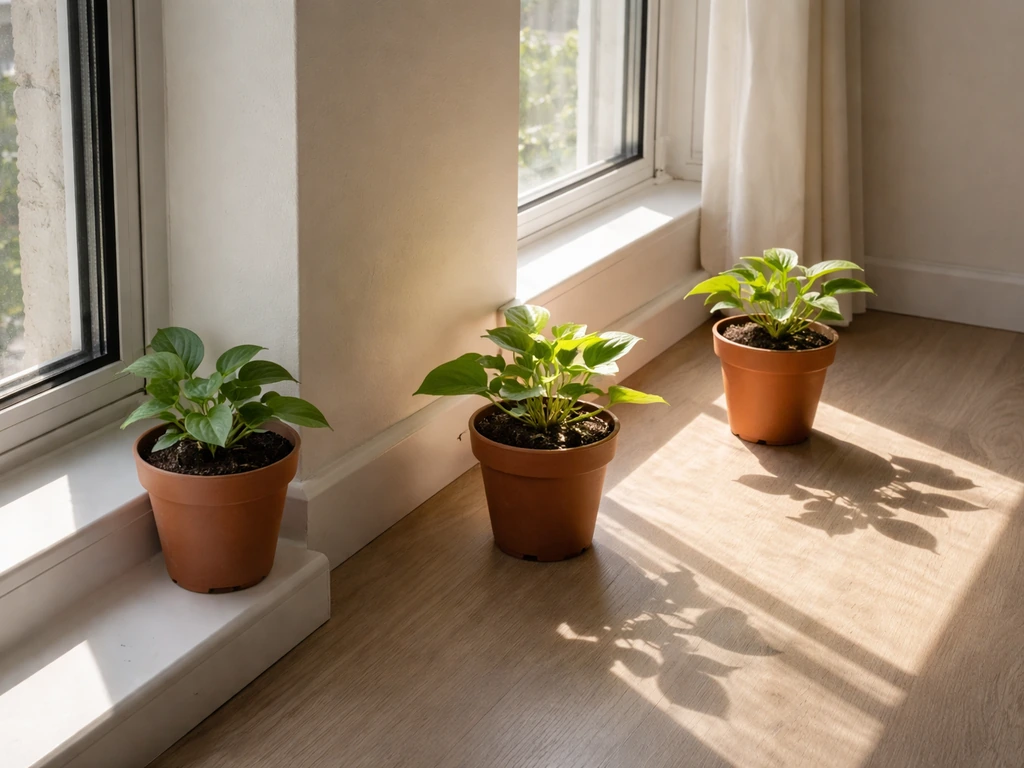
Before you buy anything, look at the light in your space. Walk around your apartment or garden area at different times of day and notice which spots get direct sun, which get bright indirect light, and which stay dim. This single decision determines whether your plant thrives or slowly gives up. Most beginners pick a plant they love the look of and then try to make the space work. That's usually how plant casualties happen.
Here's a practical light framework you can use right now: a north-facing window or a dark corner counts as low light; east or west-facing windows with no direct beam count as medium light; a south or southwest window with several hours of direct sun is bright or high light. Most indoor plants fall neatly into one of these three buckets, and their care tags or seed packets will tell you which one they need.
| Light Level | Best Window | Good Plant Choices |
|---|---|---|
| Low light | North-facing or shaded corners | Pothos, snake plant, ZZ plant, peace lily |
| Medium light | East or west-facing, no direct beam | Philodendron, spider plant, ferns, most herbs with grow lights |
| Bright/high light | South or southwest-facing, 4+ hours direct sun | Herbs (basil, rosemary, thyme), succulents, tomatoes, peppers |
Think about your goals too. If you want something edible, herbs are the single best starting point. Basil, mint, chives, and parsley are fast, rewarding, and useful in the kitchen. If you want something low-maintenance that tolerates neglect, succulents and snake plants are hard to kill as long as you don't overwater them. If you want something lush and tropical-looking, pothos and philodendrons grow fast and forgive inconsistent watering. Start with one plant that genuinely fits your conditions rather than three plants that don't.
Get Your Supplies and Set Up Your Growing Medium
Your growing medium is where your plant's roots will live, and choosing the right one matters more than most beginners realize. The good news: you don't need to spend much. A basic beginner setup costs under $20 and lasts through multiple grows.
Soil (the most forgiving starting point)
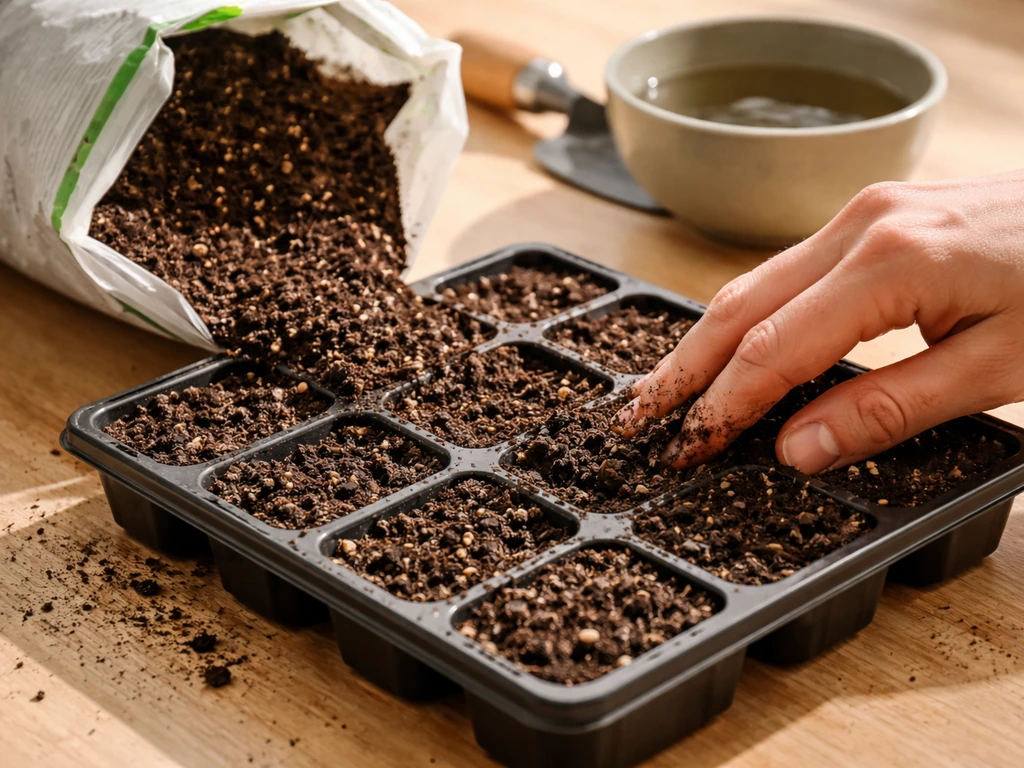
For most plants, a good all-purpose potting mix is all you need. Don't use garden soil from outside in containers, it compacts too much and doesn't drain well. Buy a bag of potting mix from any garden center or hardware store. Make sure your pot has drainage holes at the bottom. This is non-negotiable: waterlogged roots rot quickly, and root rot is one of the top killers of indoor plants. If your pot doesn't have holes, either drill some or use it as a decorative outer sleeve with a plain plastic nursery pot inside.
For succulents and cacti, mix standard potting soil with coarse sand or perlite at roughly a 1:1 ratio for extra drainage. For herbs, a slightly richer mix with some compost mixed in will give them a better nutritional start.
Water growing (simple, no-soil propagation)
Some plants grow happily in just water, at least for a while. Pothos, philodendrons, sweet potato vine, and green onion roots are classic examples. You take a cutting with a node (the little bump on the stem where roots emerge), place it in a clear glass of clean water, and set it somewhere with indirect light. Roots appear within one to three weeks. It's a great way to propagate new plants from ones you already have. Change the water every few days to keep it fresh and prevent bacterial buildup. Over time, plants in pure water will need liquid nutrients added, since there's no soil supplying minerals.
Hydroponics (soil-free growing with nutrient solution)
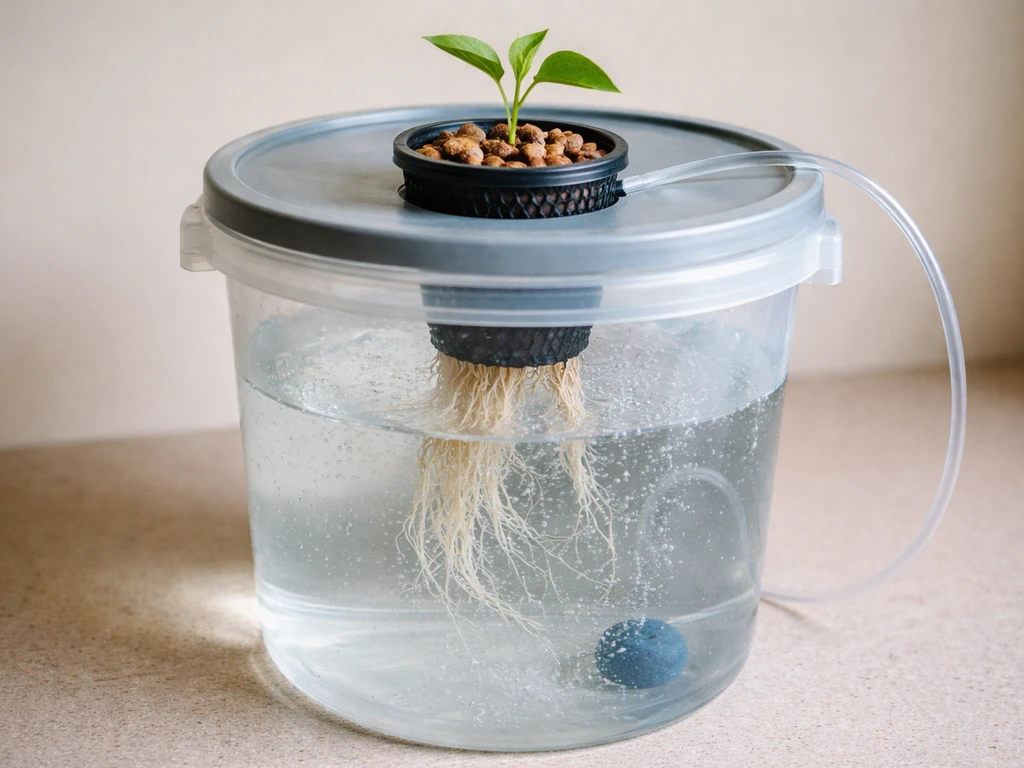
Hydroponics means growing plants in a nutrient-rich water solution rather than soil, with the roots either submerged or misted. It sounds complicated but the entry-level versions are beginner-friendly. A simple Kratky setup (a mason jar with a net cup and hydroponic nutrients) works well for herbs and leafy greens and costs almost nothing to build. More advanced systems like deep water culture (DWC) or nutrient film technique (NFT) scale up for multiple plants. The key supplies you need are a growing container, net cups or pods, a hydroponic nutrient solution (available online or at garden stores), and an inert growing medium like clay pebbles, rockwool, or hydroton to support the roots. Hydroponics grows plants significantly faster than soil in the right setup, but it requires closer attention to nutrient levels and pH.
Terrariums (self-contained mini ecosystems)
A terrarium is a glass container that creates its own humidity cycle, making it perfect for moisture-loving plants like mosses, ferns, and certain tropical plants. You layer the bottom with gravel or pebbles for drainage, then activated charcoal to prevent odors and bacterial growth, then a thin layer of sphagnum moss to separate materials, and finally potting mix on top. Closed terrariums largely water themselves through condensation. Open terrariums suit succulents and cacti that need drier air. Terrariums are ideal if you want something decorative and low-maintenance once it's established.
| Growing Method | Best For | Skill Level | Ongoing Effort |
|---|---|---|---|
| Soil in pots | Almost any plant, beginners | Beginner | Low to medium |
| Water growing | Propagating cuttings, green onions, pothos | Beginner | Low (change water regularly) |
| Hydroponics | Herbs, leafy greens, faster yields | Intermediate | Medium (monitor nutrients/pH) |
| Terrarium | Mosses, ferns, small tropicals, succulents | Beginner to intermediate | Very low once sealed |
Planting, Starting Seeds, and Rooting Basics
You have three main ways to start a plant: from seed, from a nursery transplant (a small plant you buy already growing), or from a cutting (propagation). Each has its place.
Starting from seed
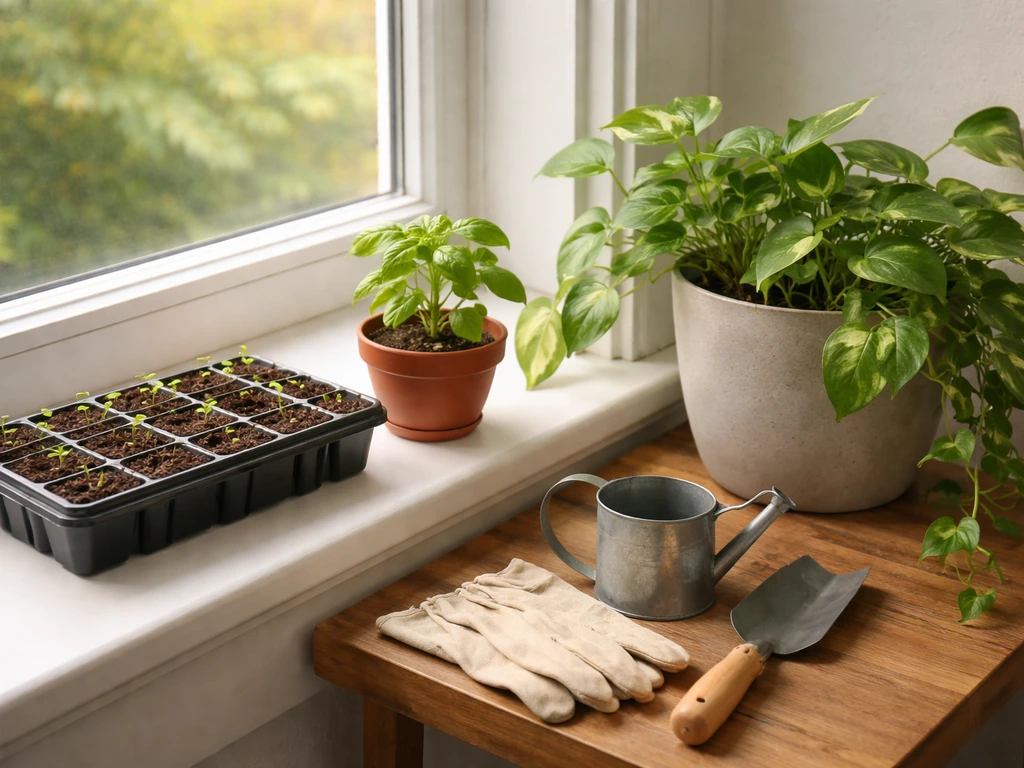
Seeds are cheap and satisfying, but they take longer and need more attention early on. Fill a small container or seed tray with moistened potting mix, press seeds to the depth specified on the packet (usually one to two times the seed's diameter), cover lightly, and keep the soil consistently moist but not soaked. Most seeds germinate best at 65 to 75°F. If you're starting seeds indoors, be aware they need 12 to 16 hours of light per day once they sprout. A windowsill rarely provides enough, which is why leggy, weak seedlings are so common. A simple, inexpensive LED grow light set to run 14 hours a day makes a huge difference here.
Transplanting nursery plants
Buying a small plant from a garden center is the fastest, most reliable way to start. Choose a plant that looks healthy: no yellowing leaves, no soggy soil, no visible pests on the undersides of leaves. When you bring it home, don't immediately repot unless the roots are visibly circling the bottom or poking out of drainage holes. Let it adjust to your home's light and humidity for a week or two first. Then repot into a container that's only about 1 to 2 inches wider in diameter than the current pot.
Propagating from cuttings
Propagation is how you turn one plant into many for free. For most houseplants, take a stem cutting just below a node, remove the lower leaves so no foliage is submerged, and place it in water or moist potting mix. Rooting in water lets you watch roots develop, which is satisfying and useful for knowing when to pot up. Rooting directly in moist soil or perlite can produce stronger roots faster. Either way, keep cuttings in bright indirect light (not direct sun), keep the medium consistently moist, and be patient: most roots take two to six weeks to establish enough to handle normal care.
Light, Watering, Temperature, and Daily Care
Most plant problems trace back to one of three things: wrong light, wrong watering, or wrong temperature. Get these three right and you've solved the majority of issues before they start.
Light
Plants use light like fuel. Illinois Extension emphasizes that while some plants tolerate moderate-to-low light, blank" rel="noopener noreferrer">bright light conditions generally perform best. Too little and they slow down, stretch toward the light source, and lose color. Too much direct sun on a plant that prefers shade and the leaves scorch. Herbs and vegetables generally need the most light: blank" rel="noopener noreferrer">around 4 to 6 hours of direct sun per day at a south or southwest-facing window, or roughly 14 hours under a grow light. Tropical foliage plants (pothos, philodendrons, most ferns) are fine in bright indirect light. Succulents need bright light but tolerate indirect sun better than most people think, though they'll get pale and lanky in genuinely dim spots. If your windows don't provide enough light, an LED grow light is a genuinely good investment and doesn't have to be expensive.
Watering
The single most common mistake beginners make is overwatering. More plants die from too much water than from too little. The rule of thumb: water when the top inch of soil feels dry for most houseplants, and when the top two inches feel dry for succulents and drought-tolerant plants. Push your finger into the soil. If it feels damp, wait. If it feels dry and crumbly, water thoroughly until water drains freely from the bottom, then let the pot drain completely before putting it back on a saucer. Never let a pot sit in standing water for more than an hour.
Temperature
Most common houseplants and indoor herbs are comfortable in the same temperature range humans prefer: 65 to 75°F. Keep plants away from cold drafts near windows in winter, and away from heating vents that blast dry hot air. If you're growing outdoors, know your USDA hardiness zone and the frost dates for your area. Don't put tropical plants outside until nighttime temperatures are consistently above 50°F.
Daily and weekly care habits
- Check soil moisture every two to three days by pressing your finger in rather than guessing by appearance
- Rotate pots a quarter turn weekly so all sides get equal light exposure and plants grow straight
- Wipe dust off large leaves with a damp cloth monthly so they can absorb light efficiently
- Check leaf undersides for pests when you water, catching infestations early makes them much easier to deal with
- Remove dead or yellowing leaves promptly to keep the plant focused on healthy growth
Feeding Your Plant: Soil Nutrients and Hydroponic Solutions
Fertilizer is food, but plants don't need it constantly. Fresh potting mix usually contains enough nutrients for the first four to six weeks after potting. After that, you'll want to supplement, especially for fast-growing plants, edibles, and anything in a small container where nutrients deplete quickly.
Feeding soil-grown plants
For most houseplants, a balanced liquid fertilizer (look for roughly equal N-P-K numbers like 10-10-10 or 20-20-20) diluted to half the recommended strength and applied once a month during spring and summer is plenty. Herbs and vegetables growing in containers benefit from slightly more frequent feeding, every two to three weeks during active growth. Succulents need very little fertilizer: once or twice during the growing season at a diluted rate is enough. Always feed a well-watered plant, never a dry one, as concentrated fertilizer on dry roots can cause chemical burn.
Feeding in hydroponics
In a hydroponic system, nutrients are everything because there's no soil to buffer or supply minerals. You mix a hydroponic nutrient solution (products like General Hydroponics Flora Series or similar) into your water reservoir according to the product instructions, and maintain the electrical conductivity (EC) and pH of the solution. Most vegetables and herbs grow best at a pH of 5.5 to 6.5 in hydro. You can get a cheap pH meter and EC pen for under $20 online. Change or top up the reservoir every one to two weeks. This sounds more technical than it is in practice: once you've done it a couple of times, it takes about five minutes.
Repotting, Training, Pruning, and Growing More Plants
Once your plant is established and growing, a few techniques will help you keep it healthy long-term and eventually expand to a whole collection.
When and how to repot
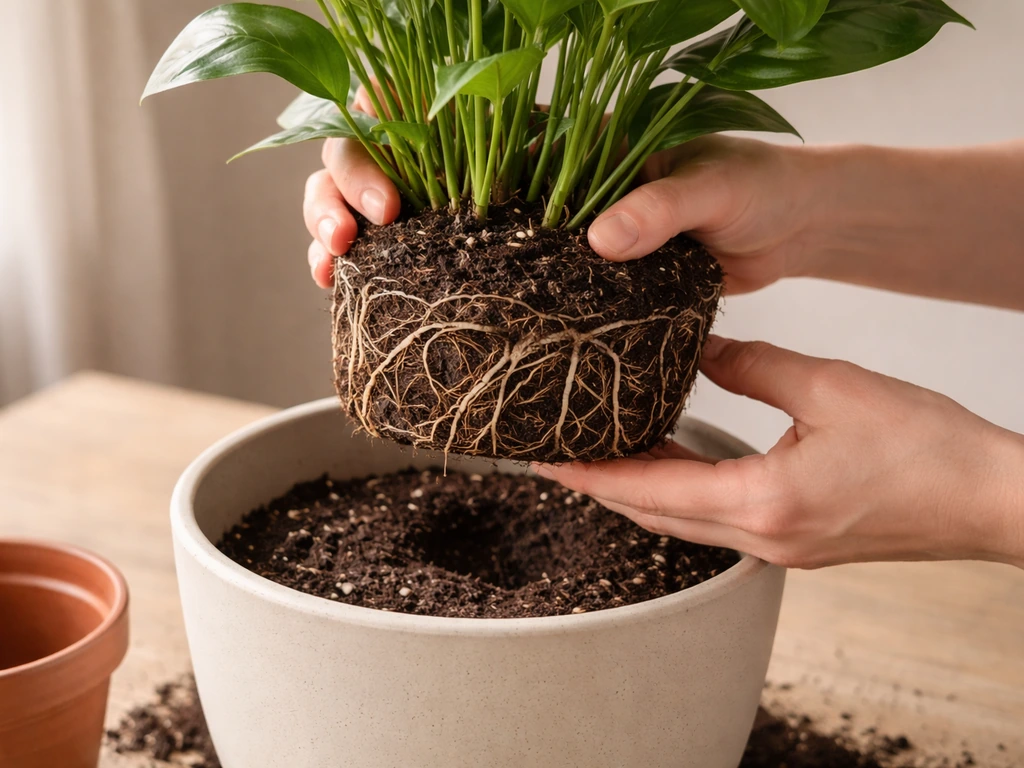
Repot when roots are circling the bottom of the pot, poking out of drainage holes, or when the plant seems to dry out unusually fast after watering (a sign it's root-bound with little soil left to hold moisture). Move up one pot size at a time, usually 1 to 2 inches in diameter larger than the current pot. Going too big too fast leads to soggy soil around roots that aren't using it yet. Spring is the ideal time to repot most plants, but honestly if a plant needs it urgently, anytime works.
Pruning and training
Pruning keeps plants compact, encourages bushier growth, and removes dead or damaged material. For herbs, harvest regularly once the plant has enough leaves to keep growing after picking. Pinching off the top growth of basil, for example, prevents it from flowering and going bitter while encouraging side shoots. For trailing plants like pothos, trim long vines back by a third to keep the plant full rather than sparse. For woody indoor plants or citrus, light shaping pruning in early spring before new growth starts is ideal. Always use clean, sharp scissors or pruners to avoid crushing stems and introducing disease.
Scaling up to multiple plants
The most economical way to grow more plants is propagation from what you already have. Pothos, spider plants, succulents, and many herbs propagate easily from cuttings or offsets. Once you're comfortable with one plant and understand its needs, adding a second or third from the same family is much less of a learning curve. Group plants with similar care needs together (same light level, similar watering frequency) to make care routines faster. A collection of five plants that all need watering weekly is easier to manage than five plants all on different schedules.
Fast Fixes for Common Growing Problems
Something will go wrong at some point. That's part of growing plants, not a sign you're bad at it. Here's how to diagnose the most common issues quickly.
Yellow leaves
Yellow leaves are the most common complaint and they have multiple causes, so you need to narrow it down. Overwatering is the most likely cause: if the soil feels damp and the yellowing is on lower or older leaves, let the soil dry out more between waterings and check that drainage is working. Underwatering usually shows up as yellowing combined with dry, crispy leaf edges and bone-dry soil. Nutrient deficiency (especially nitrogen) causes older leaves to yellow while new growth stays green: start a regular feeding routine. If new growth is yellowing while older leaves stay green, that points to an iron or micronutrient deficiency, often in hydroponics, and adjusting the nutrient solution usually fixes it.
Pests
The most common indoor plant pests are fungus gnats, spider mites, mealybugs, and scale. Fungus gnats (tiny flies hovering around soil) thrive in consistently moist soil: let the top inch of soil dry out more between waterings and use yellow sticky traps to catch adults. Spider mites show up as fine webbing on leaf undersides and stippled, dull foliage: increase humidity, rinse leaves with water, and apply neem oil spray weekly. Mealybugs look like small white cottony masses in leaf joints: dab them with a cotton swab dipped in rubbing alcohol or spray with diluted neem oil. Scale looks like brown or tan bumps on stems: scrape them off manually and treat with neem oil or insecticidal soap. Catching any pest early makes it dramatically easier to deal with.
Slow or leggy growth
Slow growth usually means not enough light, not enough nutrients, or the wrong time of year (most plants slow significantly in winter). Leggy growth, where stems stretch long and thin with wide gaps between leaves, almost always means insufficient light. Move the plant closer to a window or add a grow light. Succulents go pale and stretched in low light, as Iowa State Extension notes, and the only real fix is more light, not different water or fertilizer. If growth is slow but light seems fine, check whether you've fed the plant recently and whether it's root-bound and due for a repot.
Overwatering and underwatering at a glance
| Symptom | Likely Cause | Fix |
|---|---|---|
| Yellowing soft leaves, soggy soil | Overwatering | Let soil dry out; improve drainage |
| Yellowing with crispy edges, dry soil | Underwatering | Water thoroughly; check schedule |
| Wilting despite moist soil | Root rot from overwatering | Unpot, trim rotted roots, repot in fresh dry mix |
| Leaves curling inward | Underwatering or low humidity | Water more consistently; mist or use a pebble tray |
| Brown crispy leaf tips | Low humidity or fertilizer salt buildup | Increase humidity; flush soil with water to clear salts |
Your Simple Beginner Plan for Today
If you're starting from scratch right now, here's the shortest path to a thriving plant. If you want a clear answer to how to grow your plant, follow the plan step by step and tweak based on the results. If you want more step-by-step guidance, see a Wikihow guide on how to grow a plant how to grow a plant wikihow. You don't have to do everything at once and you don't need a perfect setup. Using the basics like light, watering, and soil will make it easier to grow a plant, and if you want the BBC-style approach, you can follow their step-by-step guidance how to grow a plant bbc.
- Assess your light: stand in your space and figure out which window gets the most consistent bright light during the day
- Pick one beginner-friendly plant that matches that light level (pothos or snake plant for low to medium light; basil or a succulent for bright light)
- Get a pot with drainage holes, a bag of all-purpose potting mix, and a small liquid fertilizer
- Plant or pot up your plant, water it well, let it drain completely, and place it at your best window
- Check the soil every two to three days for the first two weeks to learn how fast it dries in your space
- After four to six weeks, start a monthly feeding routine with fertilizer diluted to half strength
- Propagate a cutting once you have healthy growth and you're ready to expand
Growing plants is a skill you build by doing, and every plant you grow teaches you something. If you've killed plants before, that experience is actually useful: it means you've already learned what not to do. Start simple, observe closely, and adjust based on what you see. The plants will tell you what they need if you know what to look for.
FAQ
What’s the easiest plant to start with if I’m not sure about my light levels?
Choose a plant that tolerates bright indirect light and some variation, like pothos or snake plant. If your space is near a window but not in direct sun, start there and only switch plants after a couple of weeks if you see stretching or slow growth.
How do I know when I should water if I’m using a decorative cachepot?
Always water into a draining nursery pot with drainage holes, then drain fully. With a decorative sleeve, remove the inner pot after watering and don’t return it until excess water has stopped dripping, then never let it sit in pooled water.
Can I use succulent or cactus soil for everything?
It’s usually too gritty and fast-draining for many typical houseplants, which can lead to dry, nutrient-poor roots. Use all-purpose potting mix for most plants, and reserve cactus mix or a perlite-sand blend for plants that truly need quick drainage.
Should I mist my plant instead of watering?
Misting helps humidity briefly for some moisture-loving plants, but it does not replace watering soil. If the soil is dry an inch down, you still need to water thoroughly, and misting may even worsen fungus issues if leaves stay damp too long.
Why are my leaves yellow even though I’m not watering too much?
Check light direction and leaf location. Yellowing on lower, older leaves often points to overwatering or poor drainage, while yellowing plus dry crispy edges points to underwatering. If you’re growing in hydroponics and new growth is pale or yellow, suspect nutrient balance or micronutrients.
Is it okay to repot immediately when I bring a nursery plant home?
Usually wait 1 to 2 weeks to let the plant acclimate. Repot right away only if it’s clearly unhealthy (soggy soil, pests) or severely root-bound with roots circling the pot so tightly that water runs straight through without soaking.
How big should the pot be when I repot?
Move up gradually, about 1 to 2 inches wider in diameter. If you jump much larger, the extra soil stays wet too long, raising the risk of root rot and slowing growth because the plant can’t use the excess water yet.
What’s the safest way to start seeds indoors when my windows aren’t enough?
Use a simple LED grow light on a timer and aim it close enough that seedlings don’t stretch. Windowsills often provide insufficient intensity, so if you see leggy sprouts, increase light duration or move the light closer rather than watering more.
How do I prevent fertilizer burn when feeding?
Always dilute and only feed a well-watered plant. If you suspect burn, flush the pot with plain water until it drains freely, then resume feeding later at lower concentration and only during active growth.
What should I do if my hydroponic plants look unhealthy but I’m following the schedule?
Re-check pH and EC, not just the nutrient brand. Small swings can cause issues like yellowing or stunted growth, so test before adjusting, and change or top up the reservoir on a consistent 1 to 2 week rhythm.
Are fungus gnats a sign I’m overwatering?
Often yes, but they also thrive when the top layer stays constantly moist. Let the top inch dry between waterings, remove debris, and use yellow sticky traps to catch adults while you correct the watering routine.
How can I tell the difference between underwatering and root problems?
Underwatered soil feels dry and crumbly and the plant looks thirsty. Root problems from overwatering often come with damp soil, slow recovery, and sometimes yellowing plus wilting. If soil stays wet for days, review drainage and consider repotting if roots are breaking down.
What’s the best way to propagate if I want higher success rates?
Use bright indirect light and keep the medium consistently moist for cuttings. If you root in water, change it every few days and transplant once roots are established, because long stays in pure water usually require added liquid nutrients afterward.
Do I need to prune right away when I buy a plant?
Not usually. Wait until the plant acclimates, then prune dead or damaged parts or shape lightly if growth is uneven. Heavy pruning right after purchase can stress the plant, especially if light conditions are changing.
When is the right time to move a plant outdoors?
Acclimate gradually after nighttime temperatures stay consistently above 50°F. Increase exposure over several days, and avoid sudden full sun which can scorch leaves that were indoors under softer light.