If you want the absolute easiest houseplants to start with, go with a snake plant, ZZ plant, pothos, spider plant, or peace lily. These five tolerate the kind of neglect that kills most other plants: inconsistent watering, low light, average apartment temperatures, and beginner mistakes. Pick any one of them, follow a few simple rules about water and light, and you will very likely keep it alive.
Easy to Grow Houseplants for Beginners: Starter Guide
Marcus Holloway
29 Apr 2026
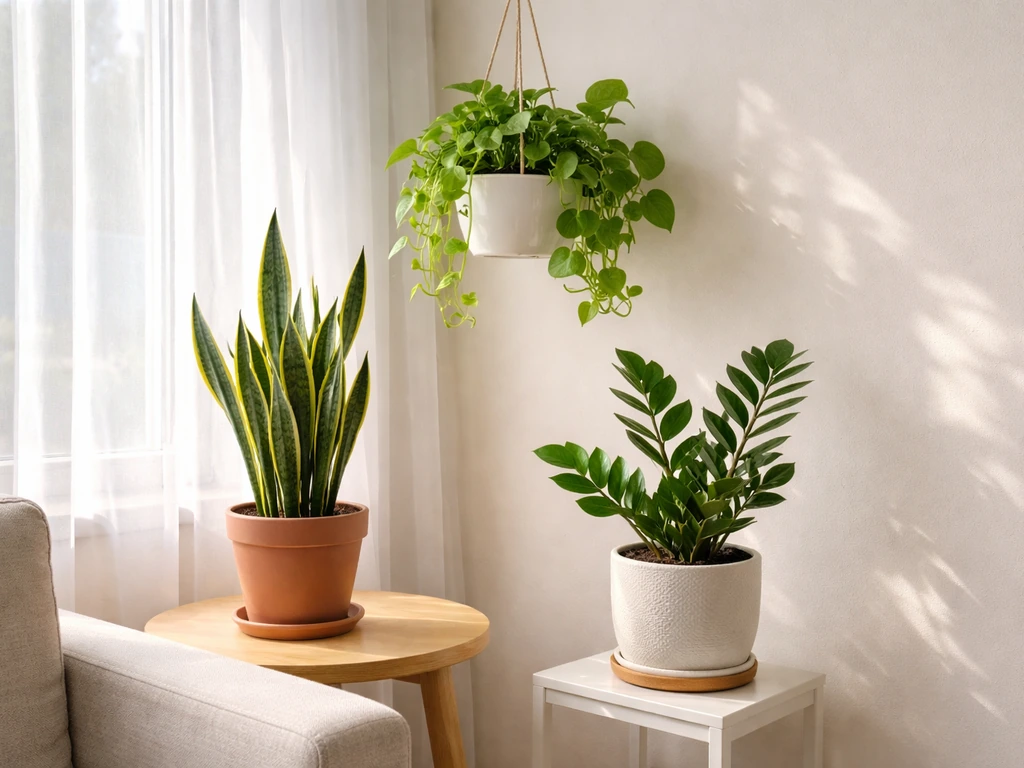
If you are looking for good starter plants to grow, the list above is a reliable place to begin. Most plant deaths happen in the first month, and nearly all of them come down to overwatering or the wrong pot setup, not some mysterious failure. Fix those two things and you are already ahead of the curve.
Choosing the easiest houseplants for your home
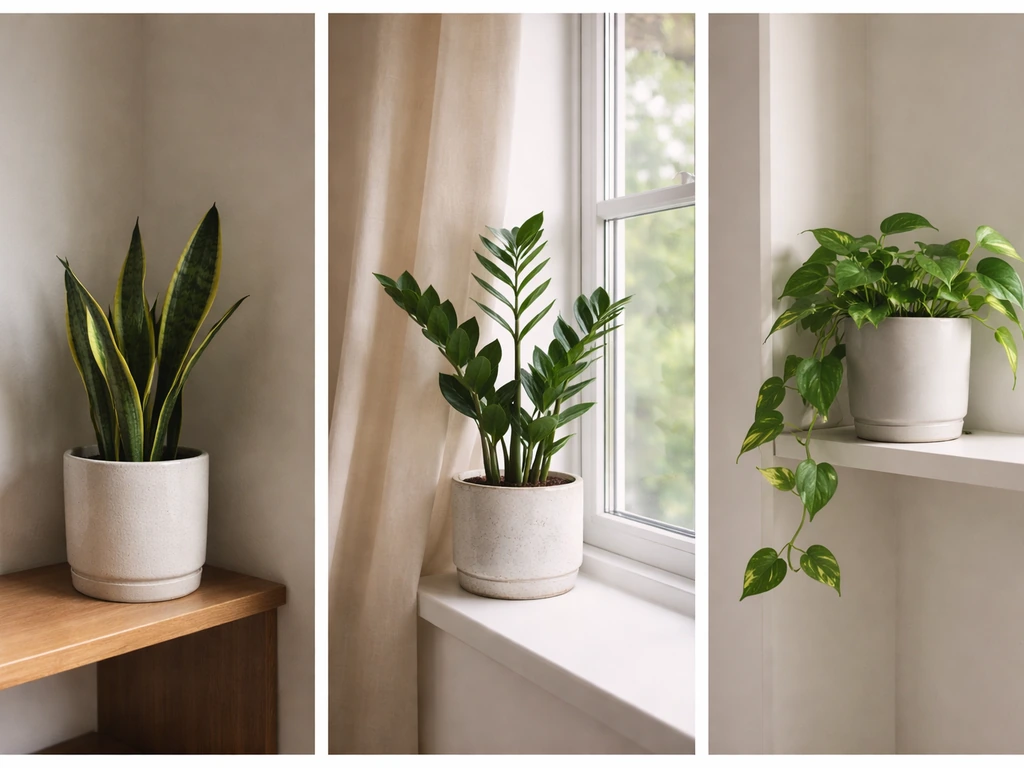
The best beginner houseplant is not a universal answer. It depends on your actual home conditions. Before you buy anything, walk around your space and honestly assess two things: how much natural light each room gets, and how often you realistically remember to water. Most beginner failures come from picking a plant that needs more light or more consistent watering than your life allows. If you want an even simpler starting point, the guides below on easy to grow plants for beginners can help you match the right low-stress options to your routine.
If your space gets mostly low or indirect light, snake plants and ZZ plants are your best options. Both handle dim conditions that would kill most other plants. The ZZ plant can even grow under fluorescent office lighting. If you have a bright window with no direct midday sun, you open up more choices: pothos, peace lily, philodendron, and spider plant all do well in bright indirect light. If you have direct sun for a few hours a day, almost any of these will thrive, but you need to watch for leaf scorch on peace lilies, which prefer indirect light only.
If you travel, forget to water, or just prefer low-maintenance plants, lean toward snake plant or ZZ plant. Both store water in their roots and rhizomes and genuinely prefer to dry out between waterings. If you tend to over-nurture plants and water too often, these two are also your safest bet because their main killer is overwatering, not underwatering. If you have pets, spider plant is your go-to because it is non-toxic to both cats and dogs.
Pothos, by contrast, is toxic to pets, so keep it out of reach if you have animals in the house. If you suspect your pet ate a poisonous plant, follow UC ANR's guidance to contact poison control or a veterinarian right away [contact poison control or a veterinarian if a plant may have been ingested](https://www. ucanr. edu/sites/default/files/2012-07/147458.
pdf).
Beginner care basics: light, watering, and temperature
Light is the engine of plant growth. Without enough of it, plants cannot photosynthesize, which means they cannot produce the energy they need to stay healthy. 'Low light' does not mean no light. It means no direct sun but enough ambient brightness that you could comfortably read a book. If a room feels dim and gloomy to you, it is probably too dark for most plants, even the tough ones. North-facing rooms without supplemental light are genuinely challenging. East or west-facing windows giving you a few hours of gentle sun are ideal for nearly all the beginner plants on this list.
Watering is where most beginners go wrong, and almost always in the direction of too much rather than too little. The golden rule: water less often than you think you need to. Most beginner-friendly houseplants want their soil to partially or fully dry out between waterings. A simple test is to push your finger about an inch into the soil. If it still feels damp, wait. If it feels dry, water thoroughly until it drains out the bottom. That is it. No schedule required at first. Just the finger test.
Temperature is usually the easiest thing to get right in a home setting. Most beginner houseplants prefer the same comfortable range humans do: roughly 62°F to 80°F (16°C to 27°C). Philodendrons prefer nighttime temperatures around 62 to 65°F. ZZ plants like it on the warmer side, between 65°F and 90°F. Snake plants are fine indoors year-round but should come inside before temperatures drop below 60°F if you move them outside in summer. Avoid placing any houseplant near heating vents, air conditioning drafts, or cold windowsills in winter. These cause more brown tips and dropped leaves than almost any other environmental factor.
Simple soil, pots, and setup that prevent failures
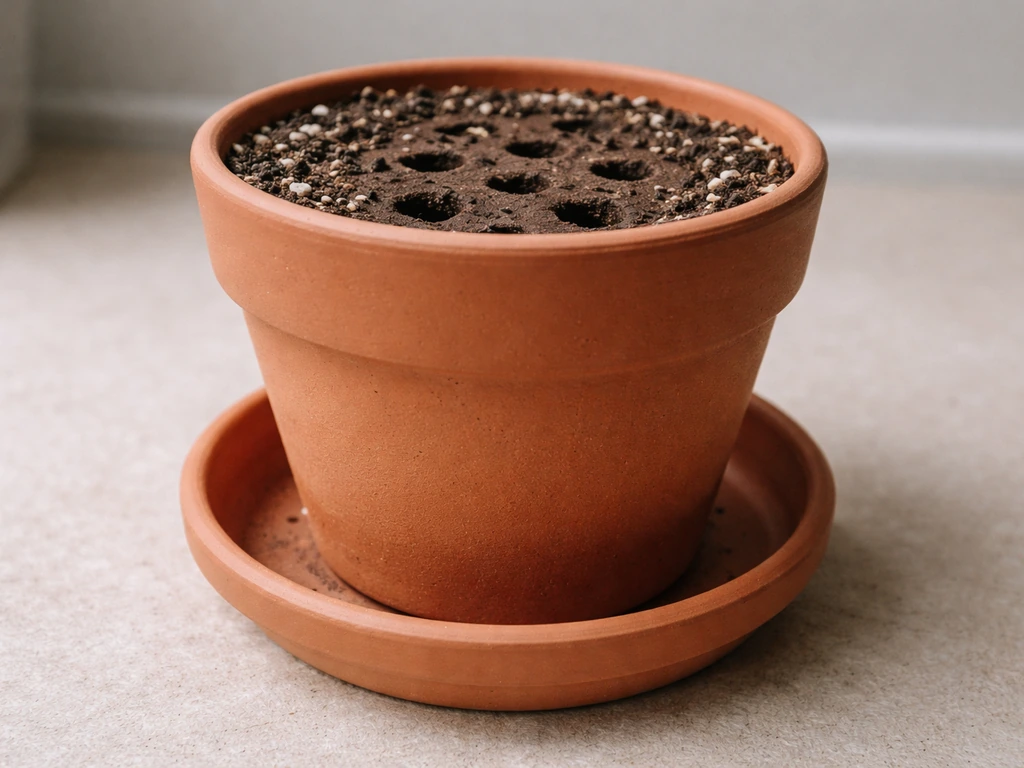
The single most important thing about your pot is that it has drainage holes. Not optional. Not 'a layer of gravel at the bottom is fine.' Actual holes in the bottom. Without drainage, water collects at the root zone, oxygen gets cut off, and roots rot. This is the most common way a beginner kills a plant in the first month. If you fall in love with a decorative pot that has no holes, use it as a cachepot by placing a plain nursery pot with holes inside it, and remove the inner pot to water.
Pot size matters more than most beginners realize. A pot that is too large holds more soil, which holds more moisture for longer, which dramatically increases root rot risk. Peace lily is a good example: putting it in an oversized pot can keep the potting mix wet long after watering and lead directly to root rot. When in doubt, go one size up from the current pot at most. A pot about 1 to 2 inches wider than the root ball is the right range.
For soil, a quality well-draining potting mix is the baseline for all the plants on this list. For snake plants and ZZ plants, you can mix in a handful of perlite to improve drainage further. For peace lily and philodendron, a standard indoor potting mix works well as-is. Avoid using garden soil in containers. It compacts, drains poorly, and can introduce pests. Roots in containers cannot search for better conditions the way they can in the ground, so the quality of your potting mix directly determines how well your plant grows.
Self-watering pots can be helpful for beginners who tend to forget to water, but they are not magic. If the substrate does not wick properly, or if roots grow down into the water reservoir, you can still end up with root rot. The pot design does not save you from the wrong soil or setup. If you use one, make sure the potting mix draws water upward effectively and check periodically that roots are not reaching down into standing water.
Starter plant picks with specific care shortcuts
Here are five plants that consistently work for beginners, along with the one or two things about each one that make the difference between success and a slow decline.
| Plant | Best Light | Watering Rule | Key Watch-Out | Pet Safe? |
|---|---|---|---|---|
| Snake Plant | Low to moderate indirect; 2–6 hrs partial sun | Let soil fully dry between waterings | Overwatering causes root rot fast | No |
| ZZ Plant | Low to bright indirect; even fluorescent light works | Let soil dry out fully between waterings | Wet feet kill it; 'more water' is the wrong instinct | No |
| Pothos | Bright indirect; tolerates lower light | Water when top inch of soil is dry | Toxic to pets; keep out of reach | No |
| Spider Plant | Medium indirect; tolerates deep shade | Let soil dry slightly between deep waterings | Use filtered or distilled water; tap chlorine causes brown tips | Yes |
| Peace Lily | Bright indirect only; no direct sun | Keep moist but never let it sit in water | Too large a pot keeps mix soggy and causes root rot | No |
Snake plant is the one to buy if you genuinely have a low-light space and a forgetful watering routine. It stores water in its thick leaves and roots, and it will forgive weeks of neglect. The single mistake that kills snake plants is watering before the soil is fully dry. ZZ plant has a similar profile but is even more drought-tolerant because it stores water in underground rhizomes.
It grows more slowly, which can alarm beginners, but slow growth in low light is normal. Pothos is a great choice for anyone with a brighter space who wants fast, rewarding growth. With the right light and watering habits, anyone can grow these plants even if you are new to houseplant care. It vines quickly, you can propagate it easily in water, and it tells you when it is thirsty by drooping slightly.
Spider plant is the best pick if you have pets or kids, and it produces baby plantlets you can propagate easily. Use filtered or collected rainwater if you can, because the fluoride and chlorine in tap water causes brown leaf tips over time. Peace lily is slightly more demanding because it needs consistent moisture without waterlogging, but it rewards you with white flowers even indoors, which no other plant on this list does.
Watering schedule and how to avoid over and under-watering
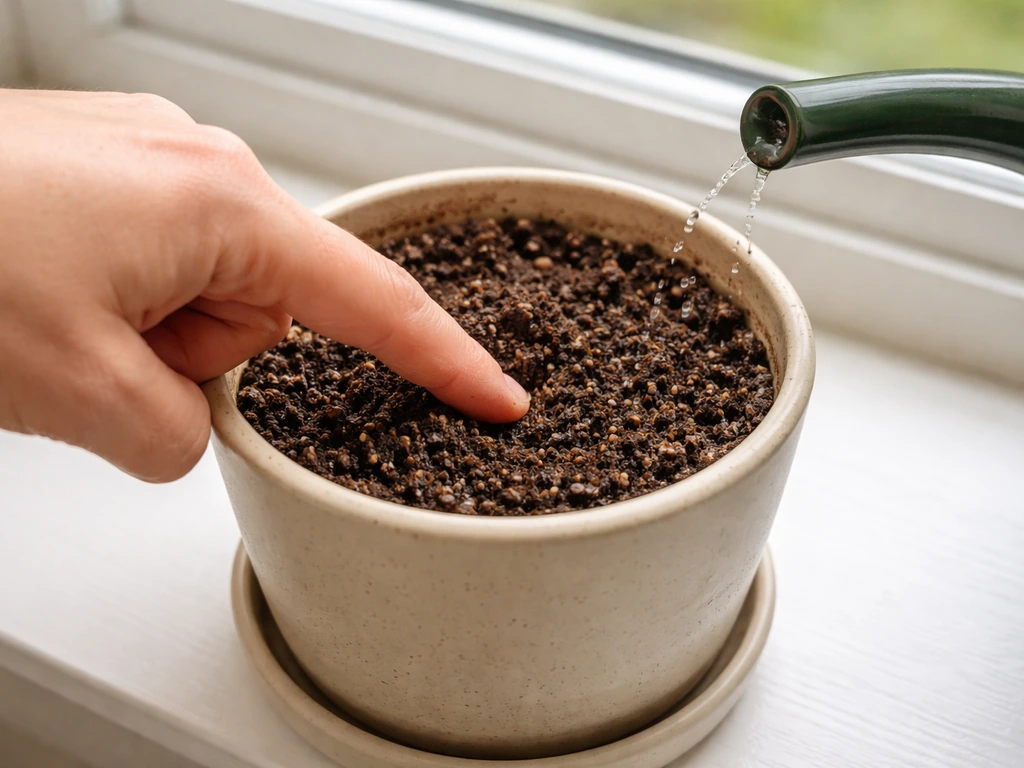
Stop thinking about watering as a calendar event. 'Water every Sunday' is the rule that kills plants, because the soil does not know what day it is. Temperature, humidity, pot size, soil type, and season all affect how fast soil dries out. A finger-depth soil check is the most reliable tool you have, and it takes about three seconds.
Here is a practical approach for each plant on the list. For snake plants and ZZ plants, check the soil every 10 to 14 days, and only water when the top two inches feel completely dry. In winter, you might water these plants once a month or less. For philodendron and pothos, water when the top inch of soil is dry, which in most homes means every 7 to 10 days in summer and less in winter. For spider plant, let the soil dry slightly between thorough waterings. For peace lily, keep the soil consistently moist but never soggy. This one needs more frequent checks, maybe every 5 to 7 days.
When you water, water thoroughly. Pour slowly until water runs freely out the drainage holes, then stop. Empty the saucer 30 minutes later so the pot is not sitting in standing water. Light, surface-only watering encourages shallow roots that dry out fast and stress the plant. A thorough, infrequent soak followed by a proper dry-down period is healthier for almost every houseplant on this list.
The clearest signs of overwatering: soft, mushy stems at the base, yellowing lower leaves, and soil that never seems to dry out. Root rot caused by overwatering produces dark brown, mushy root tips that smell unpleasant. The clearest signs of underwatering: wilting or drooping that bounces back after a good soak, dry and crumbly soil pulling away from the pot edges, and crispy brown leaf tips. The two problems can look similar at first glance, so always check the soil before deciding which direction to correct.
Common problems and quick fixes
Yellow leaves
Yellow leaves are almost always a watering issue, either too much or too little. If the soil is wet and the lower leaves are yellowing, ease up on water and check for root rot. If the soil is bone dry and leaves across the plant are yellowing, the plant is thirsty and possibly stressed. Yellow leaves can also signal low light, especially if the plant is stretching toward a window at the same time. One or two yellow leaves on an otherwise healthy plant is just normal turnover. A pattern of yellowing across multiple leaves is a signal to investigate.
Brown tips and edges
Brown leaf tips are one of the most common beginner complaints, and they usually come from one of four things: low humidity, tap water fluoride or salt buildup, direct sun scorching the leaf edges, or drafts from heating or cooling vents. For spider plants, switching to filtered water often clears this up. For other plants, moving the pot away from heating vents and misting occasionally in dry winter air can help. Overfertilization and salt buildup in the soil also cause brown tips. If you have been fertilizing regularly, flush the soil by running water through it several times, or repot into fresh mix.
Leggy, stretched-out growth
If your plant is growing long, spindly stems with wide gaps between leaves, it is reaching for more light. This is called etiolation, and it is a sign the plant is not getting enough light to grow compactly. Move it closer to a window. If your space genuinely does not have enough natural light, a grow light placed 6 to 12 inches above the plant for 12 to 14 hours a day will fix this. You cannot reverse leggy growth on existing stems, but once light improves, new growth will be compact and healthy.
Pests
The most common houseplant pests for beginners are fungus gnats, spider mites, and mealybugs. Fungus gnats look like tiny flies hovering around the soil. They thrive in consistently moist soil. The fix is letting the soil dry out more between waterings and using yellow sticky cards to catch adults.
For larvae in the soil, a biological control using Bacillus thuringiensis subsp. israelensis (Bti) is available and safe for home use. Spider mites show up as fine webbing on leaves and cause stippled, dull-looking foliage. Treat with insecticidal soap or horticultural oil at about 1 to 1.
5% concentration. Apply in the evening for best effect. Mealybugs look like small white cottony clusters at leaf joints. For a light infestation, dab each one with a cotton swab soaked in rubbing alcohol.
For larger infestations, insecticidal soap or horticultural oil sprays work well.
When and how to repot, propagate, and get them growing
Knowing when to repot
Repot when roots start circling the bottom of the pot, growing out of drainage holes, or when the plant dries out unusually fast after watering. Most beginner houseplants need repotting every 1 to 2 years. Spring is the best time because plants are entering active growth and recover from transplant stress more quickly. When you repot, go up just one pot size (1 to 2 inches wider). Resist the urge to jump to a much larger pot. Transplant shock can cause temporary wilting and leaf drop. This is normal. Keep the plant out of direct sun for a week or two after repotting, water it thoroughly, and then let it settle into its normal routine.
Easy propagation methods
Propagation is one of the most satisfying parts of growing houseplants, and several beginner plants make it very easy. If you are starting with actual starter plants, you can use the same easy setup and watering habits to help new seedlings or cuttings get established growing houseplants. Pothos is the classic starter propagation project.
Cut a stem just below a node (the small bump where a leaf attaches), remove the lower leaves, and place the cutting in a glass of water on a bright windowsill. Roots typically appear within 2 to 4 weeks. Once roots are 1 to 2 inches long, pot the cutting into well-draining potting soil.
Do not wait for a massive root ball before transferring, because water-grown roots are structurally different from soil roots and the transition gets harder the longer you wait.
Spider plant makes propagation effortless by producing baby plantlets called spiderettes on long runners. You can pin one of these babies into a small pot of moist soil while it is still attached to the mother plant. Once it roots (usually within a few weeks), cut the runner. Snake plant can be propagated by cutting a leaf into sections and placing them upright in moist soil or in water. Water propagation for snake plant takes longer, often 2 to 3 months, and there is a higher risk of rot if the cutting sits in stagnant water. Keep the water fresh and use soil propagation if you want a more reliable result.
Your 'buy and set up today' checklist
- Assess your light: stand in each room and decide if it is low, medium, or bright indirect. Choose your plant based on that, not on what looks prettiest at the store.
- Choose your plant: snake plant or ZZ plant for low light and forgetful watering; pothos or philodendron for bright indirect light and faster growth; spider plant if you have pets.
- Buy a pot with drainage holes: one size up from the nursery pot the plant came in, no more.
- Use a quality indoor potting mix: add perlite for snake plant or ZZ plant to improve drainage.
- Place it in the right spot: near a window but out of direct midday sun for most of these plants.
- Do the finger test before every watering: one inch deep, dry means water, damp means wait.
- Water thoroughly when you do water: until water runs from the drainage holes, then empty the saucer.
- Check on it weekly: look at the leaves, the soil, and the base of the stem to catch problems early.
- Fertilize lightly during spring and summer only: a balanced liquid fertilizer at half the recommended dose once a month is plenty. Skip it in fall and winter.
If you have killed houseplants before, you are not bad at this. You were probably given plants that did not match your conditions, or defaulted to watering on a fixed schedule instead of checking what the plant actually needed. Start with one of the five plants above, nail the basics of drainage and soil-check watering, and you will quickly build the intuition that carries over to every other plant you grow.
If you are looking for beginner plants to grow outdoors too, you can use the same light and watering principles to start confidently. If you want a straightforward place to begin, these options are easy to grow plants for beginners. Beginner plants are the gateway to understanding what all plants need, and the skills you build here apply directly when you are ready to explore more specialized growing methods.
FAQ
What’s the safest first plant if I have almost no natural light and I’m busy with travel?
Choose ZZ plant or snake plant, then place it where it gets the brightest ambient light you can manage (even a dim room has brighter corners). For travel, keep to the soil finger check and only water after the top couple inches feel dry, since both plants store moisture and tolerate longer gaps.
How often should I water if I don’t trust my finger test yet?
Use a two-step check for your first month: finger test at about 1 inch and also visually check soil dryness (dry soil often pulls slightly from the pot edges). After watering, weigh the pot once (mentally or with a kitchen scale), then wait until it feels light again before watering.
Can I use a self-watering pot for these easy plants without risking root rot?
Yes, but only if the wick and reservoir stay working and the roots are not sitting in standing water. Start by monitoring closely, after the first watering check under the pot or through any inspection gaps to confirm roots are not reaching into the reservoir, then adjust how often you refill the tank.
What potting mix should I buy, and what should I avoid?
Look for a labeled indoor potting mix that drains well, then consider adding perlite only for snake plant and ZZ plant. Avoid garden soil, and avoid mixes that stay wet for days, because container plants cannot extend their roots to find better conditions.
Do I need fertilizer for easy-to-grow houseplants?
Not right away. Skip feeding for the first 3 to 4 months after purchase if the potting mix is fresh, then fertilize lightly during active growth. Overfertilization can cause salt buildup and brown tips, so flush the soil periodically if you see tip burn over time.
My plant’s leaves are yellowing, how do I tell if it’s overwatering or low light?
First check soil moisture. Wet soil with yellow lower leaves points to overwatering and possible rot, while consistently dry soil with yellowing across multiple leaves plus leggy growth suggests light is too low. Also note direction, if the plant is stretching toward a window at the same time, low light is likely involved.
Why do my brown leaf tips keep coming back even after I adjust watering?
Common causes include tap water salts or fluoride buildup, dry winter drafts, and direct sun scorch. If you use tap water, test switching to filtered or rainwater for a few months, and move the plant away from vents and cold window glass, since tip damage often repeats if the cause remains.
Is it okay to keep a beginner plant in a decorative pot that has no drainage holes?
Only if you use it as a cachepot, meaning a nursery pot with drainage holes sits inside the decorative shell. Water the nursery pot, then remove excess water from the outer shell or dump the saucer after about 30 minutes to prevent prolonged soggy roots.
How big should I repot, and how do I know it’s time?
Repot when roots circle the bottom, grow out drainage holes, or when the plant dries unusually fast after watering. When you repot, go up just one size (about 1 to 2 inches wider than the root ball), because too-large pots stay wet longer and raise root rot risk.
What’s the easiest way to propagate pothos or spider plant if I’m new?
For pothos, cut just below a node and root in clean water on a bright windowsill, then pot up when roots are about 1 to 2 inches. For spider plant, you can pot a spiderette while it’s still attached to the mother, then cut the runner after it roots, which reduces stress compared with removing it immediately.
How do I handle pests safely if I have pets or kids?
Start with isolation and targeted treatment. Yellow sticky cards help reduce fungus gnats without chemicals, for spider mites and mealybugs use insecticidal soap or horticultural oil, and apply in the evening. For small mealybug clusters, dab with rubbing alcohol, then rinse if you notice leaf spotting.