You can absolutely grow plants through hot weather, you just have to work with the heat instead of ignoring it. That means choosing varieties built for warmth, timing your planting before or after the worst heat, watering deeply at the root zone in the early morning, layering mulch to keep the soil from baking, and giving vulnerable plants some afternoon shade. Whether you're growing in the ground, in pots, in a hydroponic setup, or even a terrarium, the core strategy is the same: protect the roots, slow down moisture loss, and reduce the temperature swings that stress plants out in the first place.
How to Grow Plants in Hot Weather: Step-by-Step Guide
Marcus Holloway
29 Apr 2026
What hot weather actually does to your plants
Think of a plant like a living water pump. It pulls moisture and dissolved nutrients up from the roots, pushes them through its tissues, and releases water vapor through tiny pores called stomata on its leaves. That constant movement is how it cools itself and feeds itself. When temperatures climb above around 104°F, that system starts breaking down in ways you can see.
In mild heat, a plant will actually crank up transpiration to cool down, much like sweating. But when it gets seriously hot, the plant does the opposite: it slams its stomata shut to stop losing water. That sounds like self-preservation, but it backfires. With the stomata closed, the plant can't cool itself, and it can't pull nutrients up from the soil either. Nutrient-starved tissues start to scorch and die even when the soil isn't bone dry.
Here's what heat stress looks like in practice. For example, Utah State University Extension notes that heat stress can impair plant function and lead to recognizable symptoms such as wilting and leaf damage heat stress looks like in practice. Catching these symptoms early gives you a real window to fix things before permanent damage sets in.
- Wilting even when the soil feels moist (the plant's internal water pressure drops before the soil is actually dry)
- Leaf scorch: crispy brown patches or edges, usually starting on the most sun-exposed leaves
- Yellowing leaves, often followed by early leaf drop
- Flowers dropping or failing to set fruit (pollination stalls when temperatures stay too high)
- Bolting in vegetables like lettuce, spinach, and cilantro — they rush to seed because the heat signals that their growing season is ending
- Stunted new growth or leaves that stay small and pale
One important thing: wilting in the heat of the afternoon doesn't always mean your plant is dying. A lot of plants wilt mid-day as a normal heat response and then perk back up by evening. If they're still wilted the next morning before the sun gets hot, that's when you need to act.
Pick the right plants and get your timing right
One of the biggest mistakes people make in summer is planting the same things they'd plant in spring and expecting the same results. Cool-season crops like lettuce, peas, and broccoli will bolt or just die in serious heat. Work with the season instead.
Plants that handle heat well
These are some of the most reliably heat-tolerant options across different growing goals:
- Vegetables: sweet potatoes, okra, southern peas (black-eyed peas), Armenian cucumber, Malabar spinach, sweet corn, peppers, eggplant
- Herbs: basil, rosemary, thyme, oregano, lemongrass
- Flowers: zinnias, portulaca, vinca (catharanthus), marigolds, gaillardia, celosia, lantana
- Houseplants that tolerate warm indoor temps: snake plant, pothos, ZZ plant, cacti, succulents, aglaonema
Timing: plant early or plant late, but don't fight the peak
If you're in a hot climate, the goal is to get warm-season crops in the ground early enough that they're established before the worst heat hits, or to start them late so they mature in the cooler fall. Transplanting seedlings into scorching soil during a heat wave is one of the hardest ways to garden. The transplant shock combines with the heat stress and plants can barely recover.
If you're already mid-summer and want to plant, move to heat-tolerant fast-maturing varieties and start seeds indoors or in a shaded spot, then move them out once they have a few sets of true leaves. Always water transplants thoroughly before and immediately after putting them in the ground, dry roots and hot soil is a brutal combination.
If you're also trying to figure out how to stretch your growing season into other seasons or manage plants in a cold climate, the strategies around timing look quite different, growing in winter and growing in cold weather involve their own set of adjustments on the opposite end of the temperature spectrum. For details on planting and protecting crops when temperatures drop, see the guide on how to grow plants in cold weather manage plants in a cold climate. In the same way, learning how to grow plants in the winter helps you adjust light, watering, and plant protection for colder conditions.
Watering strategy when it's hot
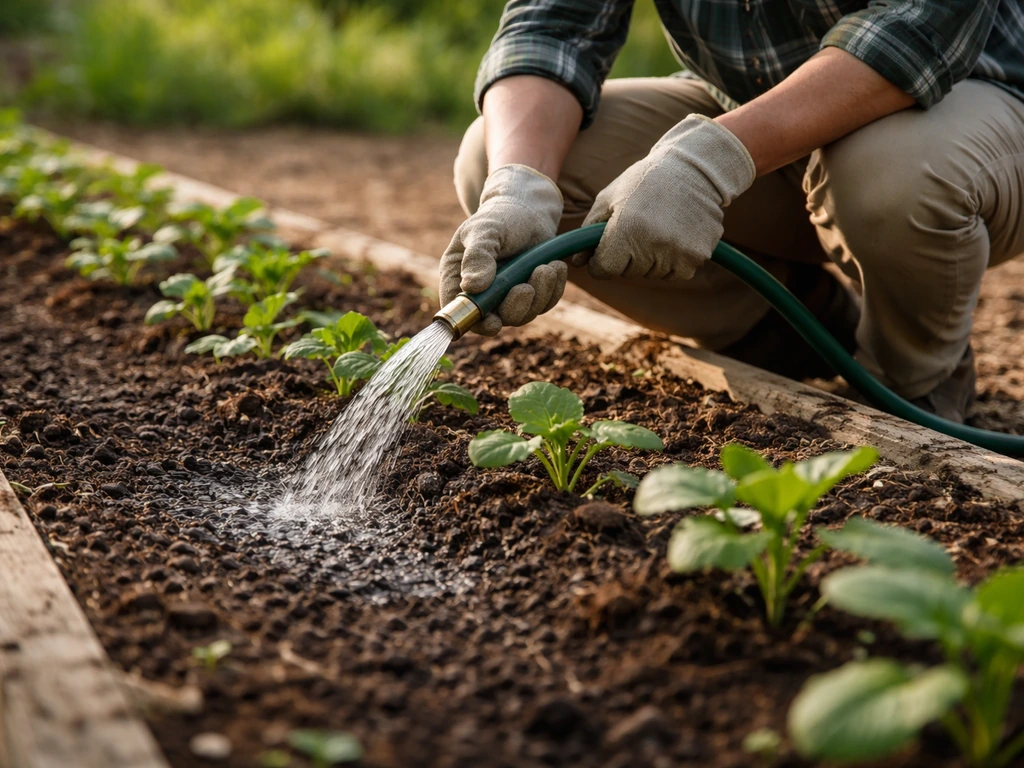
Watering in summer isn't just about watering more, it's about watering smarter. Watering at the wrong time or in the wrong way can actually make heat stress worse.
When to water
Water in the early morning, ideally before 9 or 10 a.m. The soil is still cool, the sun hasn't ramped up yet, and the water has time to reach the roots before any evaporation kicks in. Midday watering is mostly wasted to evaporation, and wetting foliage in bright sun can lead to scorch in some plants. Evening watering is a compromise, the water soaks in, but wet foliage overnight increases the risk of fungal disease.
Deep watering over frequent shallow watering
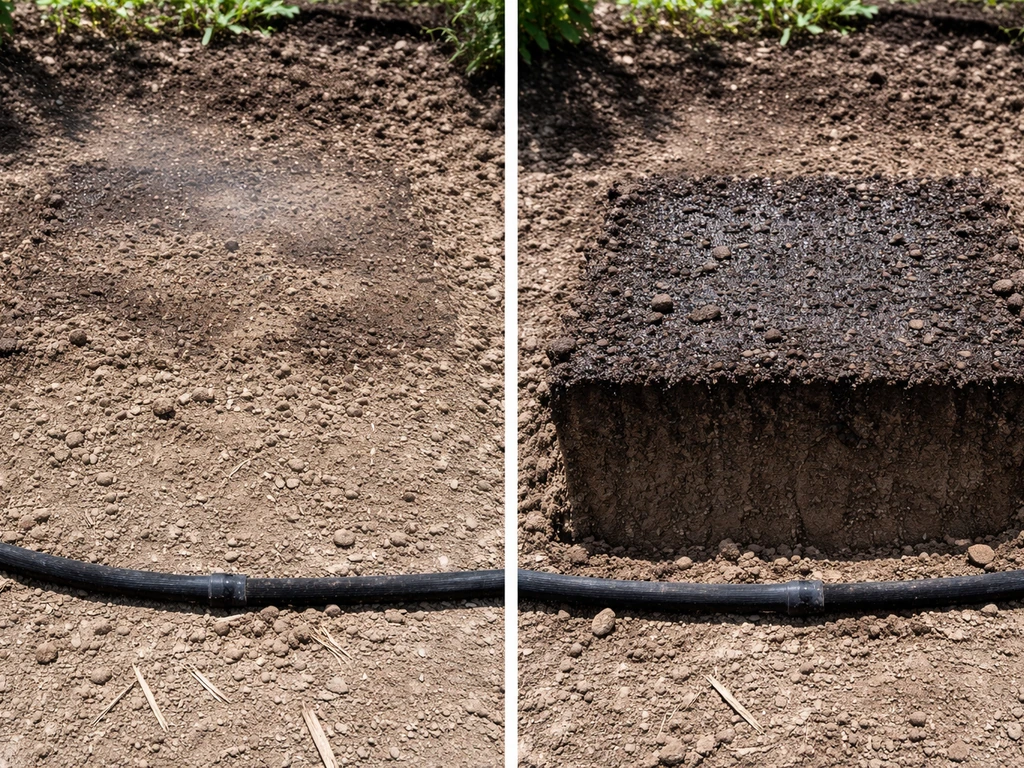
Frequent light watering trains roots to stay near the surface, where the soil dries out fastest and gets hottest. Deep, infrequent watering pushes roots to go down where the soil stays cooler and holds moisture longer. For in-ground beds, water slowly and long enough to soak 6 to 8 inches deep. You can push a finger or a chopstick into the soil after watering to check how far it penetrated.
Best watering methods for heat
- Drip irrigation or soaker hoses: deliver water directly to the root zone with minimal evaporation and no wet foliage — easily the most efficient method for hot weather
- Deep watering stakes or buried reservoirs: let water slowly seep to root depth, especially useful in containers
- Self-watering containers: have a built-in water reservoir the plant draws from as needed, which dramatically reduces watering frequency in heat
- Hand watering at the base: works well if you're consistent, but aim for the soil not the leaves, and water until it drains from the bottom of containers
Root-zone care
The root zone is everything. Hot, dry, or compacted soil around roots shuts down a plant's ability to absorb water even when water is present. Loosen the top inch of soil around plants occasionally to break up surface crust, but avoid disturbing deep roots. Keep mulch in place (more on that below) to insulate the root zone from temperature swings. For containers, consider sitting the pot in a shallow dish of water in extreme heat, the bottom of the pot will stay moist even if the top dries quickly.
Soil, mulch, and container adjustments
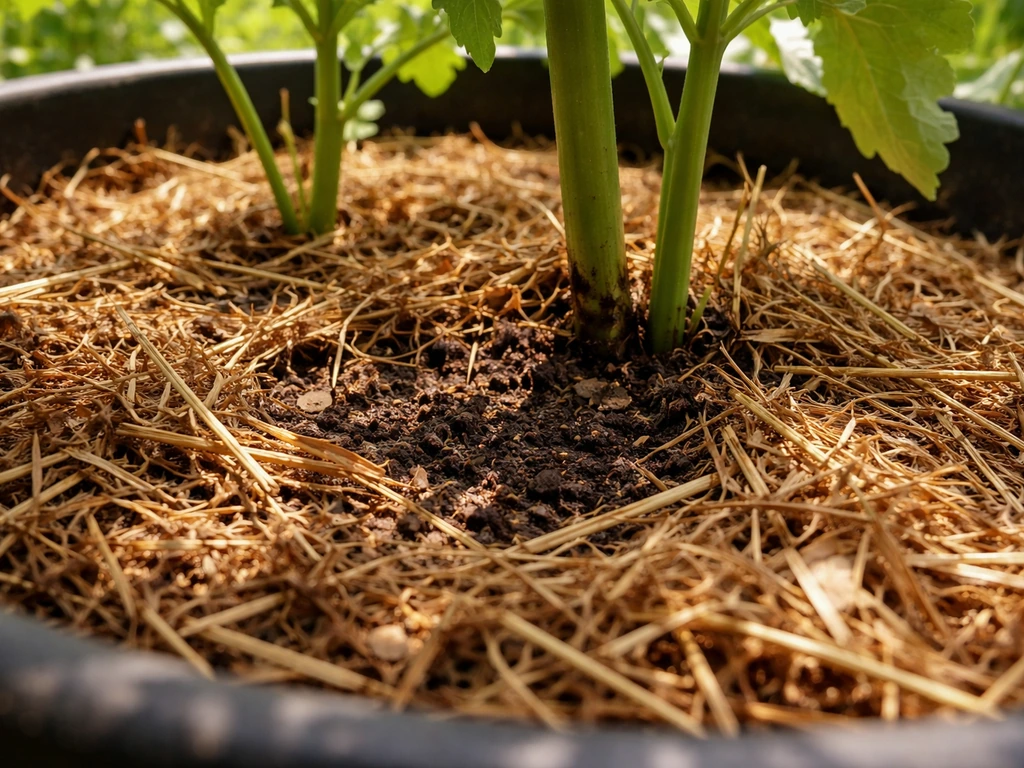
The goal with your growing medium in hot weather is twofold: hold onto moisture as long as possible, and keep the root zone from overheating. Both are very doable with some relatively simple adjustments.
Mulch is your best friend in summer
A 2 to 4 inch layer of organic mulch (straw, shredded wood chips, dried leaves, or compost) around your plants does three things at once: it slows evaporation from the soil surface, it insulates the root zone so soil temperatures don't spike, and it breaks down slowly to add organic matter. Bare soil in full sun can get shockingly hot, temperatures at the surface can be 20 to 30°F higher than the air temperature. Research on soil temperature under plastic mulches has measured how mulch treatments can change soil thermal conditions compared with non-mulched areas. Mulch cuts that dramatically. Keep mulch a few inches away from plant stems so it doesn't trap moisture against them and cause rot.
Soil amendments for moisture retention
If your soil is sandy or drains extremely fast, adding compost is the single most effective thing you can do. Compost improves moisture retention in sandy soils and improves drainage in clay soils, it basically makes any soil more hospitable. Work a 2 to 3 inch layer into the top 6 to 8 inches of your beds. Coconut coir mixed into potting soil is another great moisture-retention booster that doesn't compact or get waterlogged.
Container-specific adjustments
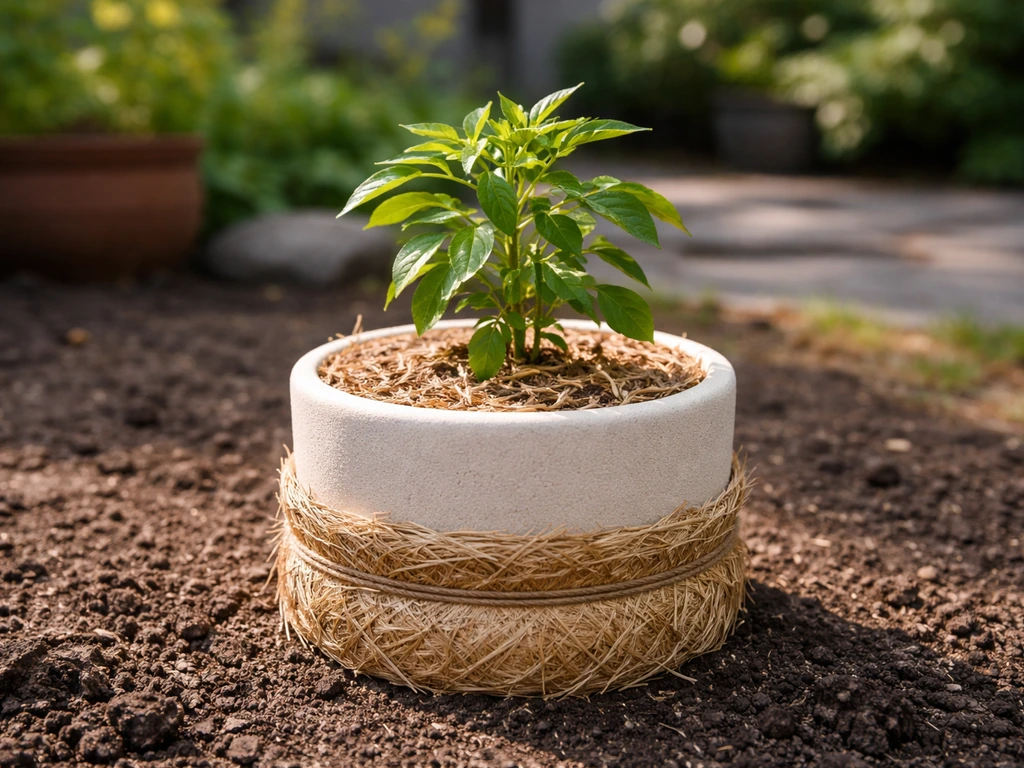
Containers are much more vulnerable to heat than in-ground beds because the entire root zone is exposed on all sides. Dark-colored pots absorb and radiate more heat, if you're using them, consider wrapping them in burlap, painting them white, or slipping them inside a larger decorative pot with a gap for airflow. Terracotta dries out faster than plastic or glazed ceramic, which is fine in most conditions but brutal in peak summer. For containers in extreme heat, potting mixes with added perlite or coir help maintain both drainage and moisture balance. Check containers daily, they can dry out completely in a single hot afternoon.
Shade, microclimates, and keeping things cooler
You don't need to build a greenhouse to give your plants temperature relief. Creating microclimates, small areas with better conditions than the surrounding environment, is something you can do with basic materials.
Shade cloth and row cover
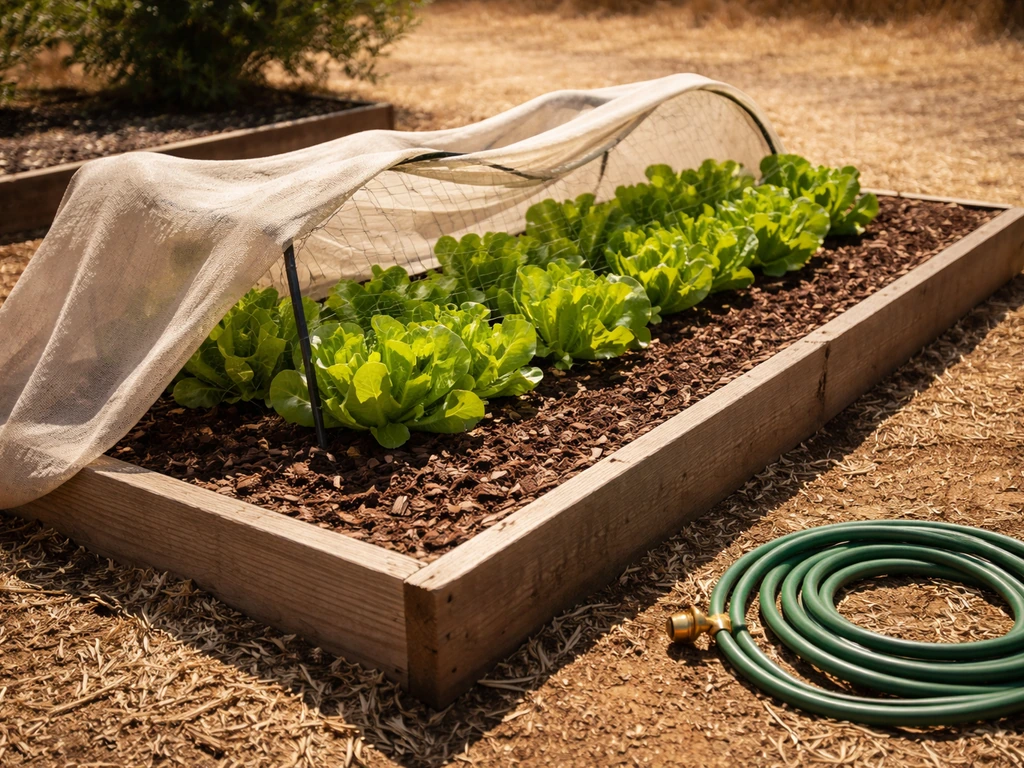
Shade cloth is rated by the percentage of light it blocks. A 30 to 40 percent shade cloth is appropriate for most vegetables and herbs during a heat wave, it takes the edge off without cutting too much light. A 50 percent or higher cloth works better for shade-loving plants or for starting seedlings outdoors. Drape it over a simple frame of PVC pipe or bamboo stakes so it's not resting directly on the plants. Even an old bedsheet works in a pinch for a day or two.
Working with your yard's existing microclimates
The area on the east side of a building or fence gets morning sun and afternoon shade, that's actually ideal for many vegetables in summer. North-facing spots are cooler and shadier overall. Planting taller crops (like corn or sunflowers) on the south or west side of shorter, heat-sensitive plants creates natural afternoon shade. These aren't complicated arrangements, just paying attention to where the sun and shadows fall throughout the day.
Airflow matters too
Good air circulation helps plants cool down through transpiration and also reduces fungal disease pressure. Don't overcrowd plants in summer heat, give them a bit more spacing than the seed packet recommends. For indoor plants or terrariums, make sure the space isn't stagnant. A gentle fan running for a few hours a day can make a big difference in both plant health and preventing mold.
Hardening off and heat acclimation
If you're moving plants from a cooler environment (indoors, a greenhouse, or a nursery) into outdoor heat, don't do it all at once. Give them a few days of partial outdoor exposure, increasing sun and heat exposure gradually over 5 to 7 days. This gives the plant time to adjust its leaf structure and internal chemistry, and it dramatically reduces transplant shock.
How heat strategies change by growing medium
The fundamentals are the same across all growing setups, but the specific actions you take depend on where and how you're growing. Here's a breakdown of the key adjustments for each situation.
| Growing Setup | Main Heat Risks | Key Adjustments |
|---|---|---|
| In-ground beds | Soil surface overheating, uneven moisture | Heavy mulch layer, deep infrequent watering, shade cloth on frames |
| Raised beds | Faster drying than in-ground, exposed sides absorb heat | Mulch plus drip irrigation, consider side insulation with wood or foam on south-facing walls |
| Containers and pots | Entire root zone exposed, rapid drying, heat absorption through pot walls | Light-colored or double-potted containers, self-watering options, daily watering checks, mulch on soil surface |
| Hydroponics and soilless systems | Reservoir water temperature rises, dropping oxygen levels, root zone overheating | Insulate or shade the reservoir, target water temps of 65–72°F, use an aquarium thermometer, increase aeration |
| Terrariums and indoor setups | Heat buildup from grow lights or direct sun, poor airflow, condensation issues | Keep away from direct sun through hot windows, ventilate regularly, avoid placing near heat vents |
Hydroponics and soilless systems in hot weather
This one needs a closer look because the heat risks are less obvious. In a hydroponic or aeroponic setup, the roots are in direct contact with nutrient solution or are constantly misted. When the ambient temperature climbs, the water temperature in your reservoir climbs with it. Warm water holds less dissolved oxygen than cool water, and roots need that oxygen to function. Once your reservoir water goes above around 72 to 75°F, you'll start seeing root problems: slimy roots, wilting despite plenty of water, or sudden plant collapse. The fix is to insulate your reservoir (foam coolers work well), shade it from direct light, or even add small frozen water bottles to keep it cool during peak afternoon heat. An aquarium thermometer in your reservoir is a worthwhile $5 investment.
Terrariums and indoor setups
Terrariums are generally more insulated from outdoor heat, but they have their own summer problems. A closed terrarium sitting near a window in summer can turn into a mini oven, glass intensifies heat. Move them back from south- or west-facing windows during the hottest months, and if you're using grow lights, reduce the hours they run since that's adding heat to an already warm environment. Open terrariums and houseplants in warm rooms benefit from a small fan nearby for airflow. If the room itself is consistently above 85 to 90°F, most tropical houseplants will slow their growth noticeably, and succulents may actually go semi-dormant.
Troubleshooting heat damage and building a prevention habit
Heat damage and underwatering look very similar, which is why a lot of people keep watering more and more without fixing the real problem. Here's how to tell them apart and what to actually do.
Heat damage vs. underwatering vs. nutrient issues
| Symptom | Likely Cause | What to Check |
|---|---|---|
| Wilting in afternoon, recovered by morning | Normal heat response | Nothing urgent — monitor and ensure morning watering is consistent |
| Wilting in morning before sun is up | Underwatering or root damage | Check soil moisture at 2–3 inch depth, check for root rot in containers |
| Crispy brown leaf edges on sun-facing leaves | Heat/light scorch | Move plant or add shade, increase watering frequency slightly |
| Yellowing lower leaves with green veins | Nutrient deficiency (often caused by reduced uptake in heat) | Ensure plant is well-watered first; light foliar feed in the evening can help |
| Sudden wilting in hydroponics despite wet roots | Low dissolved oxygen from warm reservoir water | Check water temperature, increase aeration, cool the reservoir |
| Mold on soil or terrarium walls | Poor airflow combined with retained moisture | Increase ventilation, reduce watering slightly, remove affected debris |
Recovering a heat-stressed plant
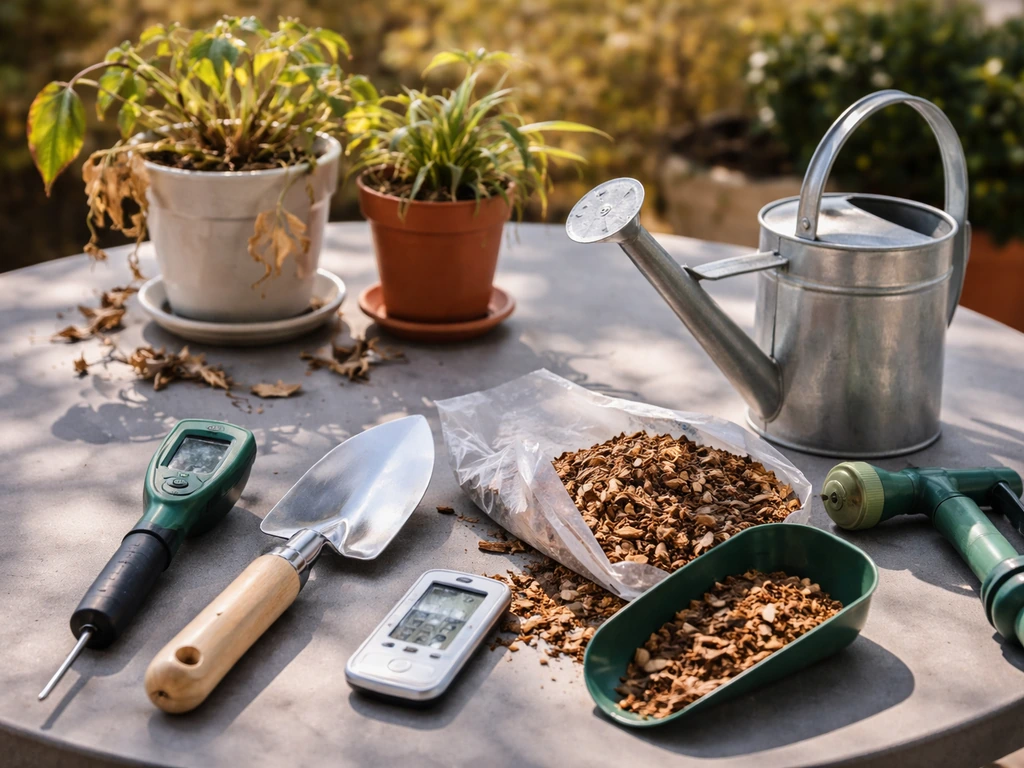
If a plant has taken a real heat beating, don't try to fertilize it back to health right away. A stressed plant can't absorb nutrients well, remember, that uptake depends on water moving through the plant. Start by moving it somewhere cooler and shadier, water it deeply at the base, and leave it alone for a few days. Prune off any completely dead or crispy leaves so the plant can focus its resources on recovery. Once you see new growth, that's your cue that the plant is recovering and you can resume a normal care routine.
Your hot-weather growing checklist
Run through this regularly during hot spells and you'll catch most problems before they become serious:
- Check soil or reservoir moisture every morning before the day heats up
- Water deeply at the root zone, not on the leaves, before 10 a.m.
- Confirm mulch is 2 to 4 inches deep and hasn't compressed or blown away
- Check containers for signs of overheating (hot pot walls, soil shrinking from pot edges)
- Look for early heat stress signs: midday wilting, scorched edges, yellowing
- If using hydroponics, check reservoir water temperature and oxygen levels
- Verify shade cloth or other shade structures are in place for peak afternoon sun
- Move any vulnerable containers away from south/west-facing walls or pavement during heat waves
- Inspect terrarium placement if it's near a window that gets direct afternoon sun
- Hold off on fertilizing until temperatures drop and plants are visibly healthy
Hot weather growing does require more attention than cool-season gardening, but it's far from impossible. With the same kind of planning, you can adapt these steps to keep plants growing all year round Hot weather growing. The plants, watering habits, and setup adjustments covered here will take you a long way. If you want a step-by-step guide tailored to that specific climate, see how to grow plants in arizona. Following these summer practices will help you learn how to grow plants in the summer season with healthier, more resilient growth how to grow plants in summer season. If you're thinking ahead to how your approach changes once the heat breaks, the methods for growing plants in cooler conditions and through different seasons use many of the same principles in reverse, protecting plants from cold extremes instead of heat extremes. Rainy seasons can also change your plant care, so focus on drainage, spacing, and reducing fungal risk to keep roots healthy how to grow plants in rainy season. Either way, the core skill is the same: read what your plants are telling you and adjust before the damage compounds.
FAQ
How can I tell if my plant is dehydrated versus overheated during a heat wave?
Look at the timing and pattern. Dehydration usually improves after a full cool-down period (overnight and the next morning) if roots are getting water, while overheated roots often show wilting that persists even when soil moisture is adequate (check the root zone depth). Also feel the soil, if the top inch is wet but the deeper soil stays hot or dry, you likely need deeper watering and mulch, not just more frequent sips.
Should I remove yellow or crispy leaves in hot weather, or wait?
Remove only leaves that are fully dead or clearly beyond recovery, keep lightly damaged leaves if they are still green. During heat stress, plants focus energy on recovery, removing too much green can reduce the plant’s ability to regrow and cool itself through transpiration.
How often should I water in extreme heat if I’m using mulch?
Use a schedule only as a starting point, then verify with a depth check. After a soaking, probe 6 to 8 inches deep, water again when that zone starts to dry, not when the surface looks dry. With mulch, the surface can stay cool and slightly moist for longer, so relying on topsoil is misleading.
Can I use hot-weather fertilizer, or should I avoid it?
Avoid heavy feeding while plants are actively heat-stressed or wilting, because uptake slows when stomata are closed or roots are struggling. Once you see steady new growth and the plant is holding posture by morning, switch back to a lighter routine, and consider using diluted fertilizer or slow-release forms to reduce stress from salt buildup.
Is it safe to spray plants with water during the day?
Avoid misting foliage in direct sun, it can cause spot scorching or keep leaf surfaces warm for longer. If you want foliar misting, do it early morning, keep droplets fine (not heavy soaking), and stop if plants are prone to fungal issues. Priority should stay on watering the root zone and using shade/mulch.
What’s the best way to protect new seedlings when temperatures spike suddenly?
Stage protection immediately after planting, use a temporary shade cloth setup and keep the soil evenly moist, not soggy. Water thoroughly before transplanting and again right after, then avoid further root disturbance. If a heat wave hits within a day or two, let seedlings establish under partial shade before increasing sun exposure.
Do containers need different heat care than in-ground beds?
Yes, containers typically require more frequent checks because they heat from all sides and can dry fast. Use lighter pot colors or reflective covers, maintain consistent moisture with coir or perlite-rich mixes, and consider elevating pots slightly for airflow. Also, plan on checking daily during peak afternoons, not just every other day.
Will shade cloth permanently reduce growth, or can I remove it later?
Shade cloth is meant to be adjusted, not left unchanged through the whole season. Start with stronger shade during the hottest weeks or for heat-sensitive plants, then gradually reduce shade over 1 to 2 weeks as temperatures ease, so plants still get enough light to flower and fruit.
What can I do if my hydroponic reservoir warms up in the afternoon?
Insulate the reservoir, keep it out of direct light, and monitor with an aquarium thermometer. If needed, shade the whole system and consider short-term cooling tactics like frozen water bottles (swap as they melt). Avoid adding very cold water suddenly, temperature swings can stress plants and affect oxygen levels.
My plants wilt in the afternoon but recover by evening, should I change anything?
Usually, this is normal heat behavior, especially for many vegetables, but confirm it with a morning test. If plants are upright by the next morning, focus on prevention: deeper watering, mulch thickness, and shade during the peak sun window. If they continue to wilt the next morning, move faster with root-zone cooling measures.
How do I prevent root rot or fungal issues when I’m watering more and using shade?
Increase airflow and avoid keeping foliage wet, water the base, and space plants a bit wider than spring arrangements. In humid heat, ensure pots drain freely, don’t allow standing water under containers, and remove dead leaves that trap moisture. If you see recurring spots or mildew, reduce shade intensity slightly and run a gentle fan during the warmest, still hours.
When is the best time to plant warm-season crops in hot climates?
Aim for establishment before peak heat, either by planting early in the season when nights are cooler or by starting late so plants mature as temperatures decline. If you must plant during a heat wave, transplant smaller seedlings rather than larger ones (they handle shock differently), keep them under partial shade for several days, and water deeply around the roots before increasing sun exposure.