Yes, you can grow plants all year round, and no, you don't need a greenhouse or a perfect climate to do it. The secret is understanding four things that plants actually care about: light, temperature, water, and nutrients. Get those four factors right for whatever season you're in, and your plants won't know the difference between January and July. This guide walks you through exactly how to do that, whether you're growing herbs on a windowsill, running a small hydroponic setup, or tending a container garden on a balcony.
How to Grow Plants All Year Round: Light, Water, and Care
Marcus Holloway
15 Apr 2026
The four things that actually drive year-round growth
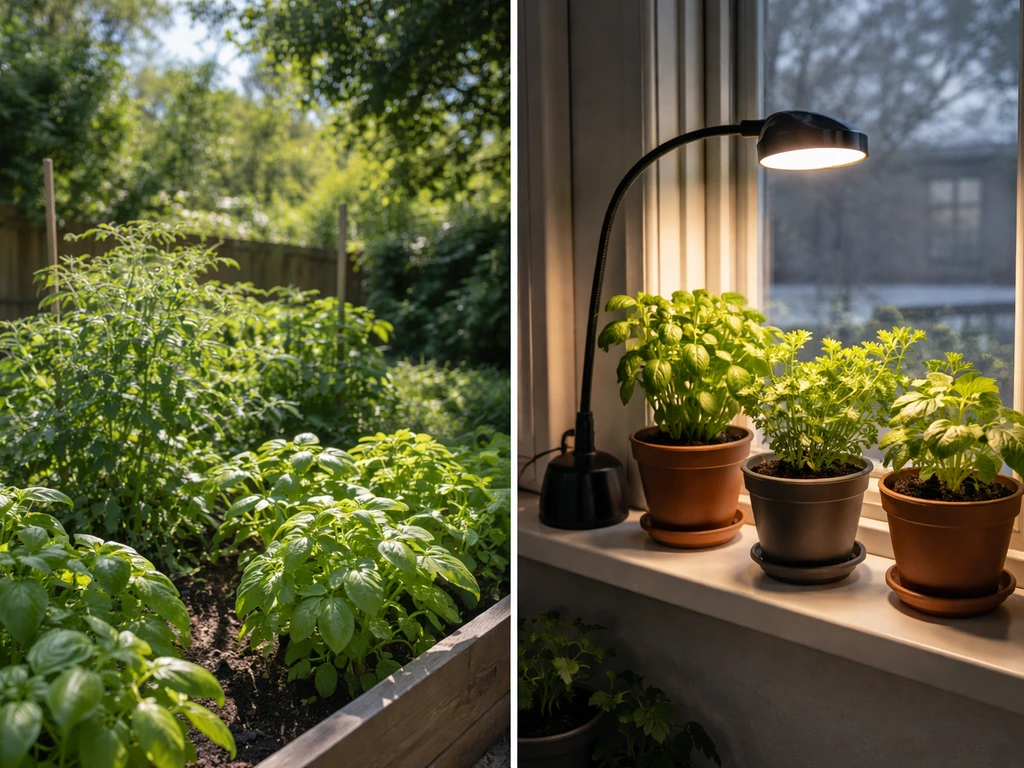
Before anything else, understand what limits plant growth. It's almost always one of these four: light, temperature, water, or nutrients. Fix the limiting factor and the plant bounces back. Ignore it and nothing else you do will matter.
Light: the one most people get wrong indoors
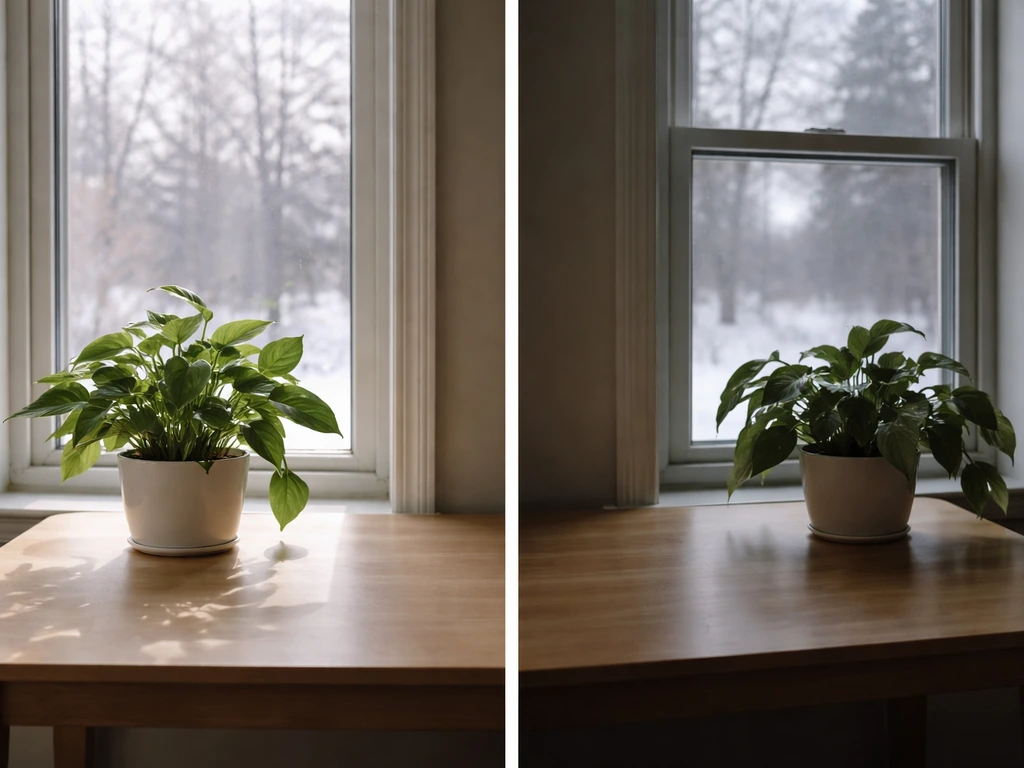
Light is the single biggest obstacle to year-round growing, especially in winter. Most houseplants do best with a consistent photoperiod of about 12 to 14 hours of light per day when growing under supplemental fixtures, according to Iowa State University Extension. Windowsill light alone rarely gets there in winter months. The measurement you'll hear about is PPFD (photosynthetic photon flux density), essentially how many light particles hit the leaf per second. African violets, for example, are comfortable at around 50 to 150 PPFD, while vegetables want significantly more. A key rule: PPFD drops the further a plant sits from the light source, so placement matters as much as the fixture itself. Michigan State University Extension research shows that plants grown under a daily light integral (DLI) below about 10 mol/m²/day show measurably reduced quality and slower production, which is why many indoor plants seem to stall in December and January even when nothing else changes.
Temperature: closer to room temp than you think
Most houseplants thrive somewhere between 65°F and 75°F, and most homes land comfortably in that range during the day. Penn State Extension puts the sweet spot at 70 to 78°F during the day with a 5 to 10°F drop at night, which actually mimics natural conditions well. The danger zones are cold drafts near windows, heating vents that dry out foliage, and rooms that dip below 50°F at night. Iowa State University Extension specifically flags that keeping nighttime temps above roughly 50°F is critical to prevent chilling stress. If you're growing near an exterior wall or a drafty window, move sensitive plants at least a foot or two inward during cold months.
Water: the most common way people kill plants
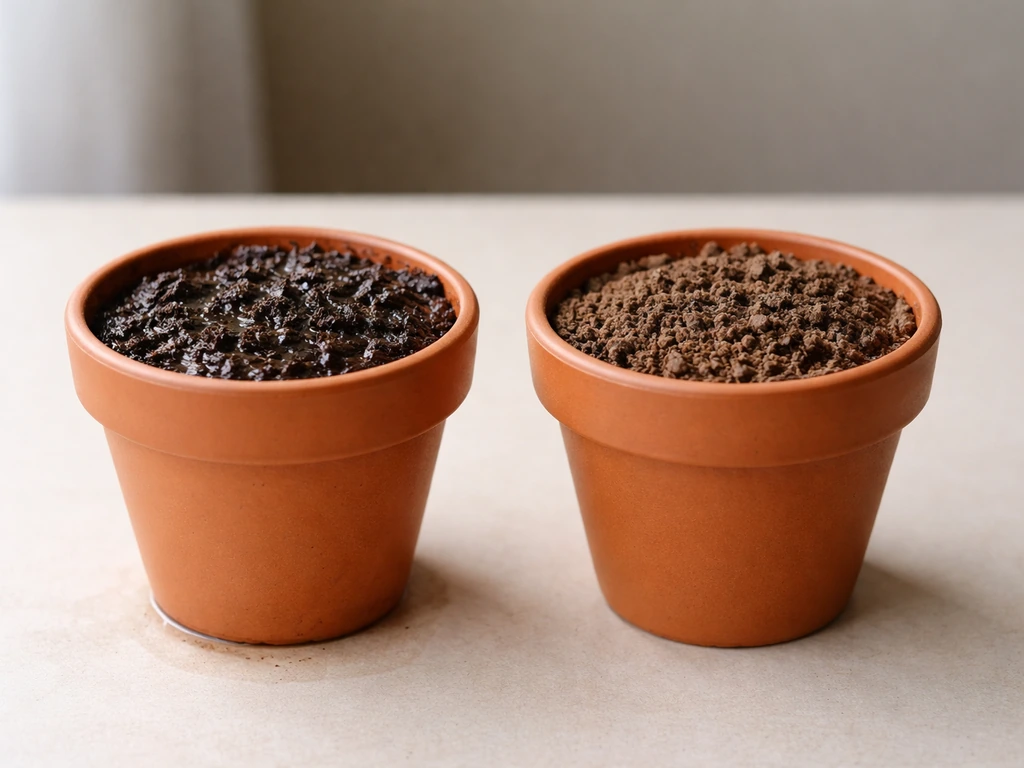
Overwatering is the number one cause of indoor plant problems, full stop. Iowa State University Extension makes this plain: waterlogged soil starves roots of oxygen and creates the perfect conditions for root rot. The fix isn't complicated, but it requires you to adjust your habits by season. In winter, plants grow more slowly because they're getting less light and sitting in cooler temperatures, so they need less water. Utah State University Extension notes that in winter, lower evaporation rates mean the soil stays wet longer, which raises the risk of root disease and fungus gnat infestations when you keep watering on a summer schedule. Before you water, push your finger an inch into the soil. If it still feels damp, wait. That simple test will save more plants than any fertilizer.
Nutrients: feed during growth, rest during dormancy
Fertilizer is only useful when a plant is actively growing. Multiple university extension programs agree on this: during winter, when reduced light and cooler temps slow growth, plants generally need little to no fertilizer. University of Missouri Extension puts it simply: plants do not need fertilizer in winter when no new growth is apparent. Feeding a dormant or semi-dormant plant doesn't speed it up, it just builds up unused salts in the soil that can damage roots. University of Maryland Extension suggests a baseline of monthly diluted liquid fertilizer during the active growing season (typically spring through early fall). When you switch on grow lights and keep temperatures steady, your plant stays in active growth mode year-round, and that's when you resume a regular feeding schedule.
Picking plants that actually work all year
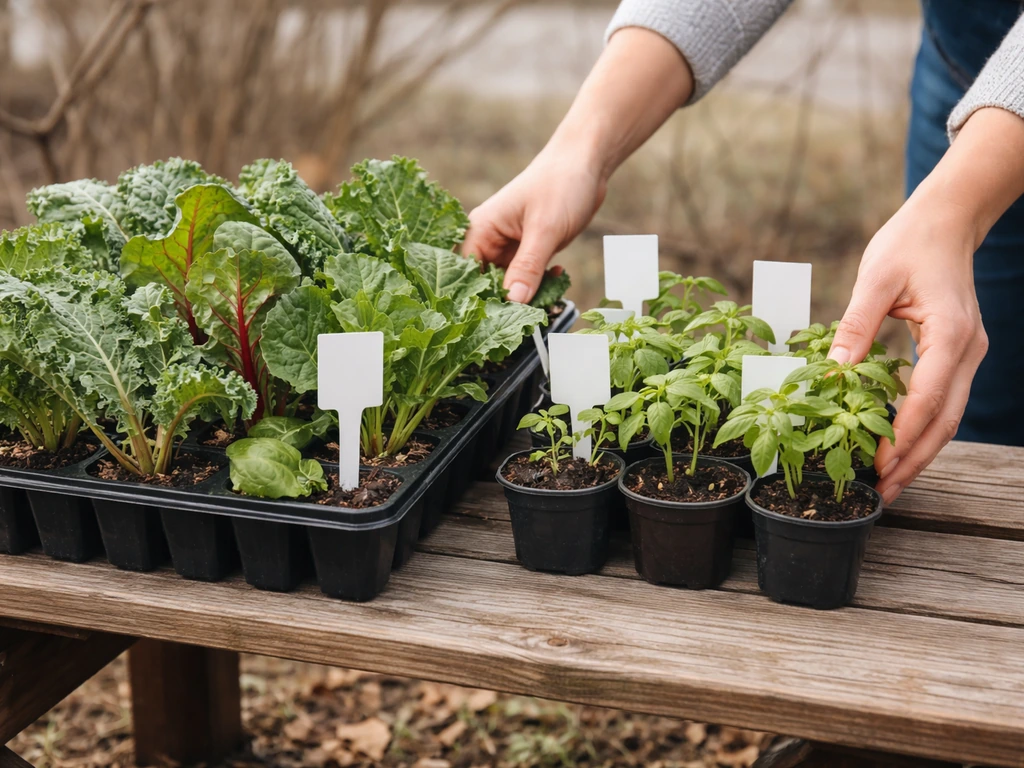
Not every plant is equally cooperative when it comes to year-round growing. Your best results come from matching your plant choice to your actual conditions, not the conditions you wish you had.
Hardy outdoor plants for mild climates
If you live somewhere with mild winters, many cold-tolerant edibles like kale, chard, spinach, and certain herbs will keep going outdoors with minimal fuss. If you're gardening in a hot climate, the challenge flips: summer heat becomes the limiting factor rather than winter cold. Understanding how to grow plants in hot weather is just as important as cold-weather management when you're planning for all twelve months.
Indoor plants that keep growing regardless of season
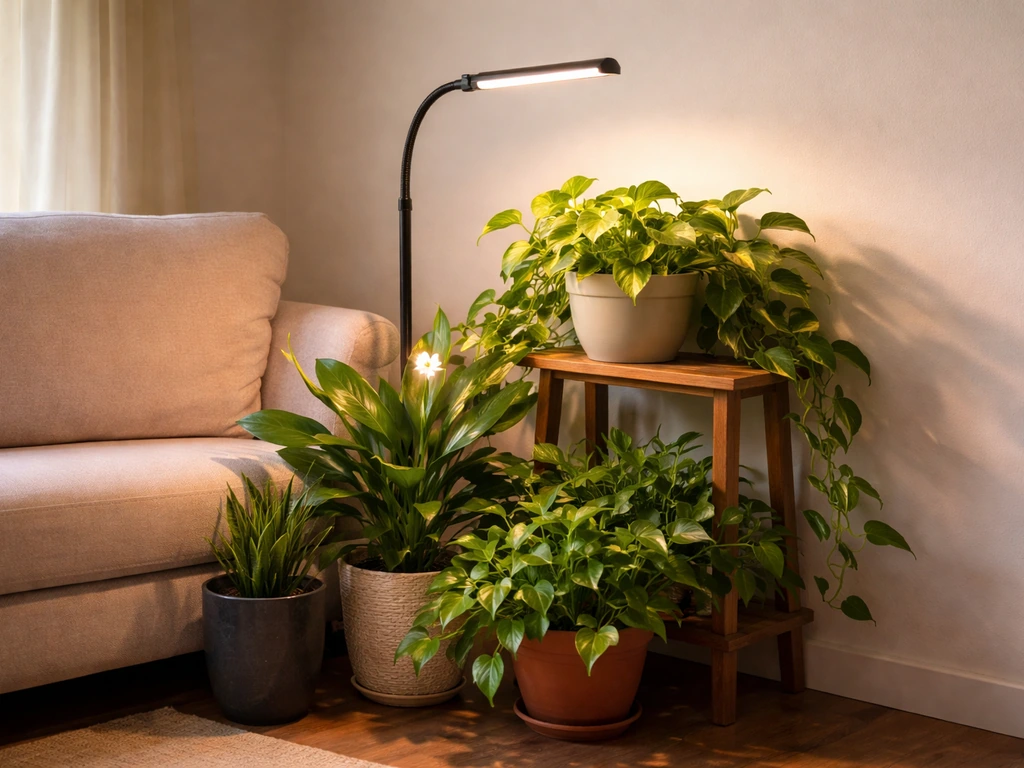
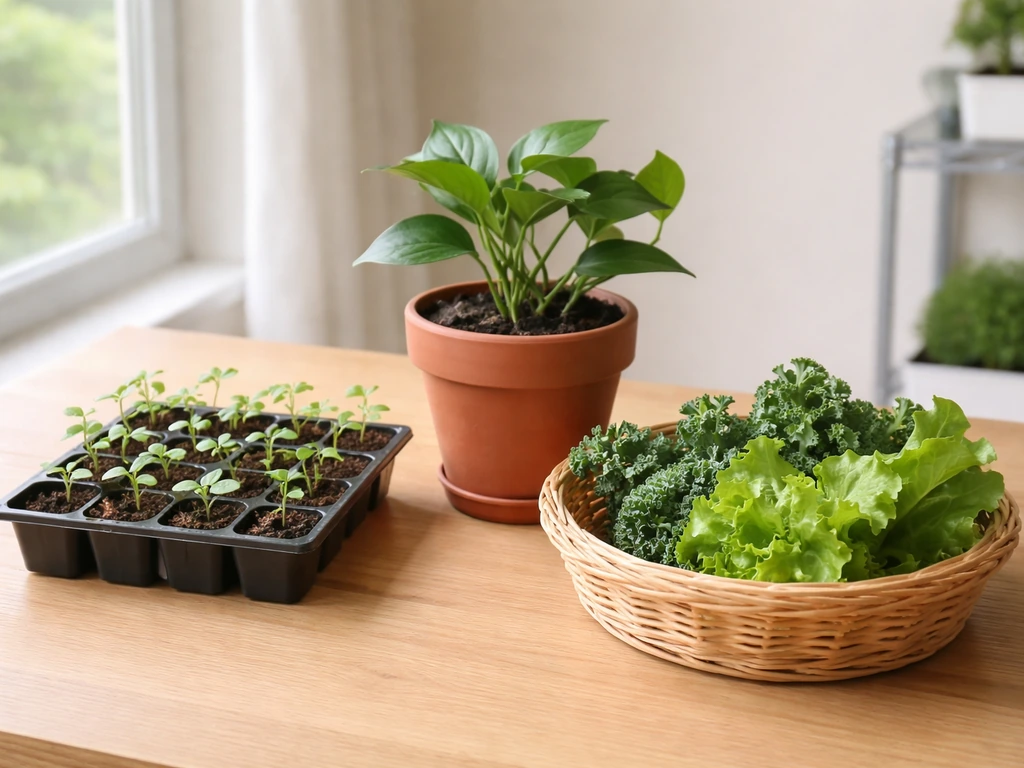
Indoors, you have much more control. The best year-round performers tend to be plants that tolerate lower light, don't demand constant humidity, and grow at a steady pace without dramatic seasonal shifts. Pothos, snake plants, philodendrons, peace lilies, and most herbs under grow lights fit this description well. For edibles, lettuce, basil, and microgreens are fast growers that can be harvested and replanted on a rolling basis indoors.
Fast growers for quick seasonal wins
If you want to keep outdoor growing going as long as possible before bringing things inside, fast-maturing varieties are your best tools. Radishes mature in 25 to 30 days, baby lettuce in 30 to 45 days, and many microgreens in under two weeks. These can bridge seasonal transitions and keep you harvesting while you're waiting for slower crops to come in. In summer, growing plants during the summer season outdoors and simultaneously starting a cool-season crop indoors under lights is a great way to avoid harvest gaps.
Setting up an indoor growing space that works year-round
A year-round indoor setup doesn't have to be expensive or elaborate. It does need to cover light, airflow, and temperature reasonably well.
Making the most of windowsills
South-facing windows get the most light in the northern hemisphere and are your best natural light source. East-facing windows provide good morning light and work well for medium-light plants. North-facing windows are suitable only for very low-light tolerant species. Penn State Extension recommends rotating plants regularly if overhead grow lights aren't your main source, so every side of the plant gets even exposure and doesn't lean toward the glass. One practical tip: clean your windows in autumn. A layer of grime can reduce light transmission noticeably, and it's an easy free win.
Grow lights: what actually works
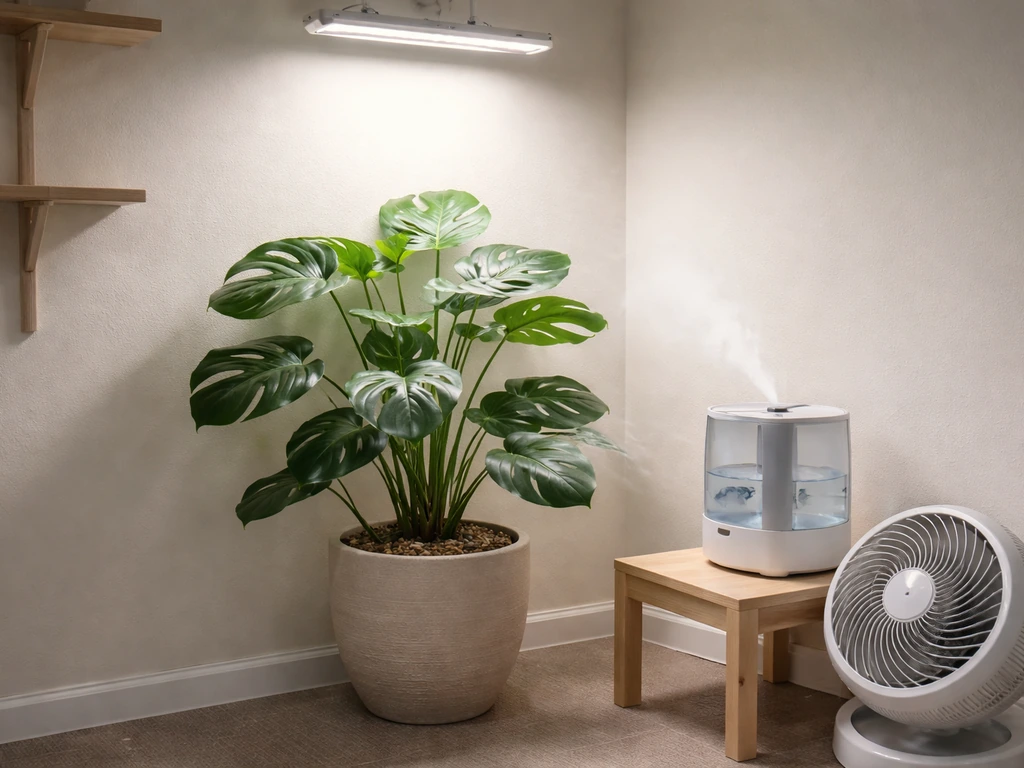
For any serious year-round growing, supplemental lighting is the single biggest upgrade you can make. Full-spectrum LED grow lights are now affordable and efficient. Set them on a timer for 12 to 14 hours per day for most species. Keep the fixture at the right distance from the canopy (check the manufacturer's spec, typically 6 to 18 inches for panels), because PPFD drops sharply as distance increases. Ohio State University research on photoperiodic lighting also shows that even brief low-intensity night-interruption lighting can push long-day plants into flowering or vegetative growth, which is a useful trick for controlling timing in flowering crops. If you want to understand the specific winter challenges that supplemental lighting needs to solve, a closer look at how to grow plants in the winter covers those details well.
Airflow, humidity, and temperature control
Oklahoma State University Extension notes that indoor humidity is often too low for many houseplants, especially in winter when heating systems dry out the air. A small humidifier near your growing area, or grouping plants together so they share humidity, helps a lot. At the same time, stagnant air encourages fungal problems. A small fan running on low for a few hours a day improves airflow without stressing plants. Keep it pointed away from the plants directly, just enough to create gentle circulation in the room.
Growing in different mediums: soil, hydroponics, and terrariums
Year-round growing works across multiple setups, and each one has its own maintenance rhythm. Here's how the approach changes depending on what you're growing in.
Soil and containers
Traditional potting mix in containers is the most forgiving starting point. The key is that the growing medium must supply oxygen, water, nutrients, and physical support to roots, as Oklahoma State University Extension outlines for soilless media, and those same principles apply to any container setup. Use a well-draining potting mix (not garden soil, which compacts), make sure pots have drainage holes, and size your container appropriately. A pot that's too large holds excess moisture that roots can't use quickly, raising root rot risk. When managing plants through cold months, grouping containers together near a light source and away from cold drafts makes a meaningful difference. If you're working through the challenge of growing plants in cold weather, container placement becomes especially critical.
Water culture and hydroponics
Hydroponics removes soil entirely and delivers nutrients directly to roots in a water solution, which means faster growth and much tighter control. The tradeoff is that you need to monitor solution conditions consistently. University of Missouri Extension identifies the key parameters: pH, electrical conductivity (EC), dissolved oxygen, temperature, and water alkalinity. Dissolved oxygen above 6 ppm is optimal for root health. Oklahoma State University Extension provides crop-specific targets: lettuce, for example, does well at an EC of 1.2 to 1.8 and a pH of 6.0 to 7.0. These aren't intimidating numbers once you have a basic meter, but they do require regular checks. Purdue's home hydroponics guidance emphasizes monitoring EC and pH over time rather than just at setup, because nutrient ratios shift as plants feed. The big year-round advantage of hydroponics is that you have more precise control over the factors that limit growth, especially indoors where you're already managing light and temperature artificially.
Terrariums
A terrarium is essentially a self-contained microclimate, which makes it excellent for humidity-loving plants that would struggle in a dry living room in winter. Oklahoma State University Extension describes terrariums as creating a humid atmosphere that suits tender plants well, with the substrate needing to balance aeration and moisture retention. University of Missouri Extension's terrarium guidance recommends a bottom drainage layer (pebbles or activated charcoal depending on design) to prevent persistent wetness at the roots. The most common failure point is excess humidity leading to mold and rot. The fix is simple: partially open or briefly remove the lid to vent when you see heavy condensation, then close it back up once it clears. Terrariums need very little watering once established because moisture recycles within the container, so treat them more like a slow-release system than a regular potted plant.
| Medium | Best for | Key advantage | Main watch-out | Watering frequency |
|---|---|---|---|---|
| Soil/containers | Most plants, beginners | Forgiving, widely available | Overwatering, poor drainage | Weekly in summer, less in winter |
| Hydroponics | Fast crops: lettuce, herbs, greens | Speed, precise nutrient control | Requires pH/EC monitoring | Reservoir top-up every 2–3 days |
| Terrariums | Ferns, mosses, humidity-loving tropicals | Self-sustaining humidity | Mold from excess moisture | Every few weeks or less |
Watering, feeding, and keeping pests out all year
Ongoing maintenance is where most year-round grows succeed or fail. The rules aren't complicated, but they do change by season.
Adjusting water through the seasons
The finger-test rule mentioned earlier is your most reliable guide. In summer, most potted plants in active growth need watering every five to seven days. In winter without supplemental lighting, that can stretch to every ten to fourteen days or more, depending on pot size and room humidity. University of Missouri Extension flags that cold and winter conditions make it easy to misjudge water needs, especially because symptoms of overwatering (wilting, yellow leaves) can look similar to underwatering. When in doubt, wait. A slightly underwatered plant can recover in hours. A root-rotted plant is much harder to save.
Feeding schedule that doesn't waste money or damage plants
Illinois Extension states that during the short days of winter, plants need very little or no additional fertilizer, and that too much fertilizer can actively damage plants when growth is already slowed by low light. Once your plants are actively growing under supplemental lights or spring returns, resume feeding. A diluted liquid fertilizer applied monthly during the active season is a reasonable baseline. If you're using hydroponics, you're feeding continuously via the nutrient solution, so the rule shifts to monitoring EC rather than a calendar schedule.
Managing pests before they get out of hand
Bringing plants indoors for winter is the single biggest pest risk in a year-round growing setup. Common offenders indoors include spider mites (which thrive in dry air), mealybugs, scale insects, and fungus gnats. University of Missouri Extension identifies spider mites, scales, and mealybugs as among the most persistent and difficult houseplant pests. University of Maine Cooperative Extension recommends a combination of sanitation, physical removal, and selective treatment options depending on the pest. Colorado State University Extension recommends yellow sticky traps as an early-warning and control tool for flying pests, particularly fungus gnats. Arizona Cooperative Extension notes that fungus gnats are directly associated with consistently moist soil, so letting soil dry out between waterings is itself a prevention strategy. For mites and scales, diluted insecticidal soap or neem oil applied carefully works well. The key is catching problems early through weekly visual checks, especially during the first few weeks after bringing outdoor plants inside. Plants that will be growing through the rainy season outdoors face a different pest and disease profile, but the early-detection principle applies equally.
A simple rotation schedule for steady harvests
The real trick to growing all year round isn't one big garden, it's a series of small overlapping cycles. Think of it like a relay race: you want something always finishing, something always in the middle, and something always just starting.
A basic monthly rhythm to follow
- Every 2 to 4 weeks, start a new tray or pot of fast growers (lettuce, herbs, microgreens). This ensures you're never waiting more than a few weeks for a fresh harvest.
- When one batch reaches maturity, harvest it and reuse the container for the next seeding. Clean the pot with diluted hydrogen peroxide or a rinse of dilute bleach solution to prevent disease carryover.
- Keep a simple notes page (paper or phone) tracking what you started, when, and what's next. You don't need complicated software, just a date and a plant name.
- Check on your plants at least twice a week: one check for water needs, one check for pests or signs of stress (yellowing, wilting, spots). Early fixes are always easier.
- In late summer, start transitioning some outdoor crops indoors under lights before the first frost rather than waiting until it's too late. Overlap your outdoor and indoor cycles for at least two to four weeks.
- In late winter (February to March), begin starting seeds indoors for spring outdoor transplants. This keeps the cycle continuous and means you'll have strong plants ready when outdoor conditions improve.
Seasonal focus at a glance
| Season | Outdoor focus | Indoor focus | Key tasks |
|---|---|---|---|
| Spring | Transplant seedlings, direct sow fast crops | Harden off indoor-started plants | Increase watering, resume fertilizing |
| Summer | Main outdoor season, succession planting | Start fall/winter crops under lights | Monitor for pests, water consistently |
| Autumn | Harvest and clear beds, sow cold-tolerant crops | Move tender plants indoors, check for hitchhiker pests | Reduce watering, set up grow lights |
| Winter | Cold-hardy crops only (kale, spinach in mild zones) | Full indoor growing under supplemental lights | Minimal fertilizer, reduce watering, monitor humidity |
Troubleshooting the most common year-round stalls
- Plant stops growing in winter: almost always a light issue. Add a grow light or extend the photoperiod to 12 to 14 hours and wait two to three weeks before assuming it's something else.
- Yellow leaves on indoor plants in winter: check whether you've been overwatering on a summer schedule. Let soil dry out more between waterings and see if new growth is healthy.
- Leggy, stretched seedlings: the light source is too far away or the photoperiod is too short. Move the light closer or add more hours.
- White crust on soil surface: salt buildup from fertilizer. Flush the pot thoroughly with plain water and reduce fertilizer frequency.
- Fungus gnats appearing: soil is staying too wet. Let the top inch or two dry out fully before watering. Add yellow sticky traps to catch adults.
- Mold in terrarium: too much humidity trapped inside. Vent the lid daily for a few minutes until condensation clears, and remove any visibly affected plant matter promptly.
Adjusting for your specific climate and conditions
The strategies above work broadly, but your specific location changes some of the details. If you're in a place like the American Southwest where heat and intense sun are the primary challenges rather than cold and low light, the year-round growing strategy looks different. Managing growing plants in Arizona, for instance, means protecting plants from summer heat rather than supplementing winter light, and timing your cool-season crops for fall and early spring instead of summer. Wherever you are, the same four-factor framework applies: identify which of light, temperature, water, or nutrients is the current limiting factor and address that first.
Year-round growing is genuinely achievable for most people with most budgets. Start with two or three fast-growing plants, get a basic grow light on a timer, practice the finger-test for watering, and skip the fertilizer until you see active growth. Those four habits alone will get you further than any expensive equipment. Once you're comfortable with that baseline, layering in hydroponics, terrariums, or a more structured rotation schedule becomes much more intuitive because you already understand what your plants actually need.
FAQ
If I set a timer for grow lights, how do I know the light is actually strong enough?
Use a daily light timer set to your target photoperiod, then verify placement. If you rely on overhead fixtures, rotate plants weekly so leaves stay at a similar PPFD level. Also, if you see stretching (long, thin growth), that usually means the light intensity is too low or the light is too far away, not that you need more water.
Should I fertilize in winter if my plants look healthy but are growing slowly?
No. A plant can survive dim winter conditions but still stall because its growth limit is light, not fertilizer. A good rule is to feed only when you see new leaves or active shoot growth, or when you are clearly maintaining conditions that keep it growing (enough light and stable temperatures).
What’s the fastest way to tell if yellow leaves are from overwatering versus under-watering?
Back off watering and rely on the finger-test, then improve airflow. Yellowing from overwatering often comes with persistently damp soil, soft stems, or a musty smell. If symptoms show up, let the pot dry further than you would in summer, empty any saucer, and consider repotting only if you find rotten roots.
My indoor temperature is normal, but my plants still struggle in winter, why?
Look for temperature swings, not just the average room temperature. Cold drafts near windows, a vent blasting hot or dry air, or placing a plant against an exterior wall can create microclimates that stress leaves even when the thermostat sounds fine. In winter, move sensitive plants away from glass and vents.
How do I keep getting harvests all year without replanting everything every time?
If you want year-round herb harvests, prioritize species with continuous growth and harvest them regularly. For example, cutting frequently encourages new growth, but never harvest more than about a third of the plant at once. Replanting microgreens on a rolling schedule also avoids gaps when one batch finishes.
Are self-watering pots helpful for year-round growing, or do they increase root rot risk?
Yes, but only if you account for the plant’s drought tolerance and the container’s drying speed. Self-watering planters can reduce the hassle, but in winter the wicking reservoir may stay full too long and keep roots oxygen-starved. Use them only if you can confirm how fast the reservoir empties during cold months.
In hydroponics, should I still follow a fertilizer schedule during winter?
Not necessarily. In hydroponics, feed is continuous, but nutrients still need to match demand. The practical approach is to monitor EC and pH at least several times per week, then adjust gradually. If EC climbs over time, plants may be using nutrients differently or the water conditions may be drifting.
When I move plants outdoors again, how should I avoid transplant shock or sunburn?
Do it in small steps. Suddenly moving a plant from low winter indoor light to strong spring outdoor sun can cause leaf scorch. Start with a gradual transition, a few hours of gentle morning light for several days, then increase time and intensity while watching leaf color and curling.
How much humidity do I actually need, and how do I avoid mold in winter?
Over-humidifying is also a problem. For many houseplants you want helpful humidity, not constant condensation. A simple strategy is to target moderate humidity with a small humidifier run intermittently, then confirm airflow with a fan on low (not directed at leaves). If you see persistent wet-looking foliage or mold, reduce misting and increase venting.
What’s the best way to prevent fungus gnats after bringing outdoor plants indoors?
Let soil dry slightly between waterings, then treat before populations explode. Use yellow sticky traps to catch flying fungus gnats, and remove the adult stage by letting the top layer dry more between waterings. For persistent outbreaks, replace heavily infested top media and keep plants separated during quarantine.
How do I troubleshoot a terrarium when it becomes constantly foggy or moldy?
A terrarium is not maintenance-free, it’s low-frequency. The most common issue is excess condensation, which can be managed by brief lid venting when you see heavy fogging. Also, only add plants that tolerate higher humidity, because dry-room plants will slowly decline even in a well-sealed environment.
If I don’t know my limiting factor yet, how do I choose plants that will actually thrive year-round?
Choose plants based on your limiting factor. If light is your biggest constraint, select low-light tolerant ornamentals or grow fast greens under lights. If temperature is stable but humidity is low, pick humidity-tolerant species or use a humidifier. The goal is to match plant requirements to what you can realistically control year-round.
What rotation schedule works best for lettuce, microgreens, or herbs grown indoors?
The goal is overlap, not perfect timing. Start new seeds or batches about one to two weeks before the current batch finishes, then scale based on harvest rate. If you harvest microgreens or lettuce frequently, track how long your production actually lasts in your conditions and adjust your next sowing date from that real timeline.