Yes, you can grow plants in winter, both indoors and outdoors, and you don't need a greenhouse or a botany degree to do it. The short version: choose the right plants, give them enough light and the right temperature, protect outdoor plants from frost and wind, and cut back on watering more than you think you need to. That's the whole game. Everything below is the practical detail that makes those four things actually work.
How to Grow Plants in the Winter: Outdoor and Indoor Guide
Marcus Holloway
5 Apr 2026
What actually changes in winter (and what your plants need)
Winter hits plants from three directions at once: less light, colder temperatures, and drier indoor air. Understanding each one helps you fix problems before they spiral.
Light is the biggest one. The sun sits lower in the sky from November through February, so the total amount of usable light reaching your plants (measured as Daily Light Integral, or DLI) drops dramatically. A window that felt bright in July might barely register in January. When plants don't get enough light, they slow their photosynthesis, meaning they produce less energy for growth. The visible result is stretched, pale stems reaching toward any light source. That's called etiolation, and it's one of the most common winter problems indoors.
Cold temperatures compound the problem. Low temps reduce how efficiently plants can run photosynthesis, specifically impairing the function of Photosystem II, the part of the plant that converts light energy into chemical energy. Cold also closes stomata (the tiny pores on leaves), which slows the movement of water and nutrients through the plant. Think of it like the plant's plumbing going sluggish. Outdoors, actual freezing causes a separate and more dramatic problem: water inside plant tissue and vascular tubes (xylem) can freeze and expand, forming bubbles that block water transport. That's freeze-thaw embolism, and it's a primary reason plants die after a hard frost.
Indoors, the biggest hidden problem in winter is transpiration dropping off. Your plant is pulling up far less water through its roots because it's barely growing and barely breathing through its leaves. This is why the same watering schedule that worked in summer will drown your plant in January. Less transpiration means less water use, and wet soil with slow-growing roots is a fast path to root rot.
Picking the right plants for winter

The first thing to do before buying anything is figure out your USDA Plant Hardiness Zone. You do this by entering your ZIP code into the USDA's interactive map online. Your zone tells you the average annual extreme minimum temperature in your area, which determines which plants can survive outdoors year-round and which need protection. This step takes two minutes and prevents a lot of expensive guesswork.
One nuance that trips people up: a plant rated as "hardy" to your zone isn't guaranteed to survive every winter. Cold hardiness involves a process called cold hardening, where plants physiologically adapt over time to tolerate sub-zero temps. The catch is that they can de-harden during a warm spell and then become vulnerable again if cold returns. So a plant labeled "hardy to Zone 5" might survive your Zone 6 winter fine most years, but a weird warm week in January followed by a hard freeze can still kill it.
Good outdoor winter plant choices
- Kale, spinach, mâche, and arugula: all tolerate hard frost and can be grown under cold frames well into winter in most zones
- Garlic and onion sets: planted in fall, they winter over and produce in spring with minimal fuss
- Cold-hardy herbs like thyme, rosemary (in Zones 7+), and chives: survive in-ground with light protection
- Winter pansies and ornamental cabbage: handle frost well and add color to containers and beds
Good indoor winter plant choices
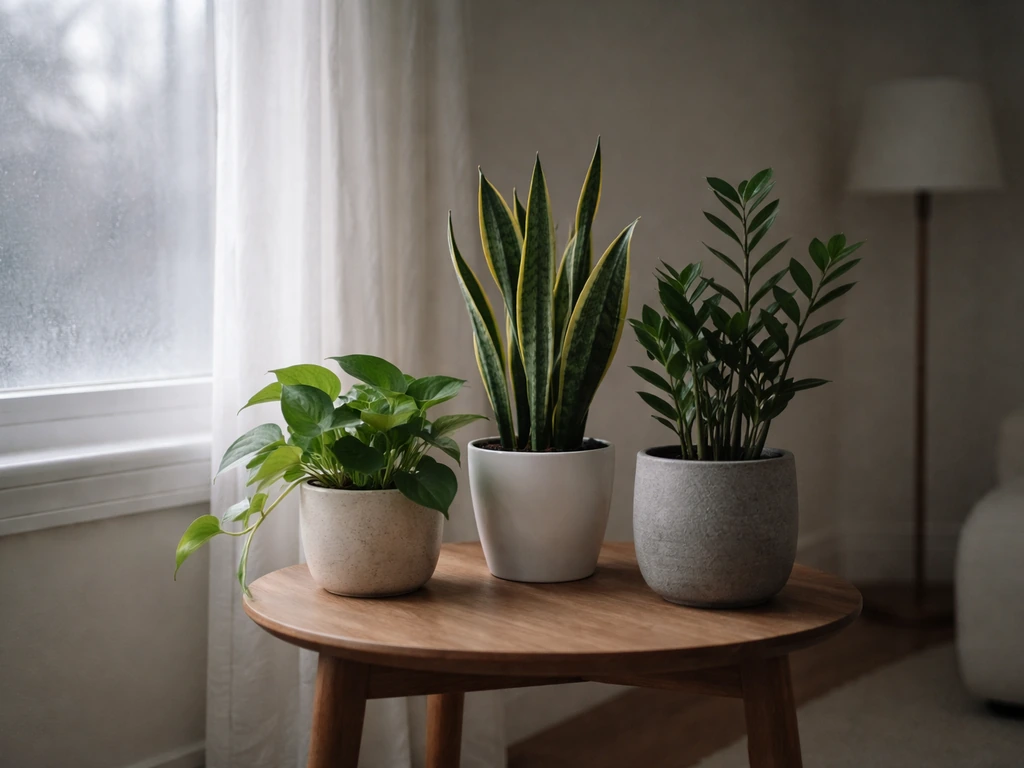
- Pothos, snake plants, ZZ plants: low-light tolerant and very forgiving of the reduced transpiration that comes with winter
- Herbs like basil (with a grow light), mint, and chives: productive and manageable in a sunny window or under lights
- Winter-blooming orchids (Phalaenopsis): prefer cooler temps and indirect light — winter conditions actually suit them
- Microgreens and sprouts: fast-growing, no outdoor space needed, and don't require much light intensity
If you're curious how this contrasts with warmer-climate growing, growing plants in Arizona involves a completely different seasonal logic where winter is often the best outdoor growing season and summer is the danger zone.
Setting up outdoor winter gardening
Outdoor winter growing is about stacking small advantages: the right site, the right protection, and smart timing. None of these require a big investment.
Site selection and microclimates
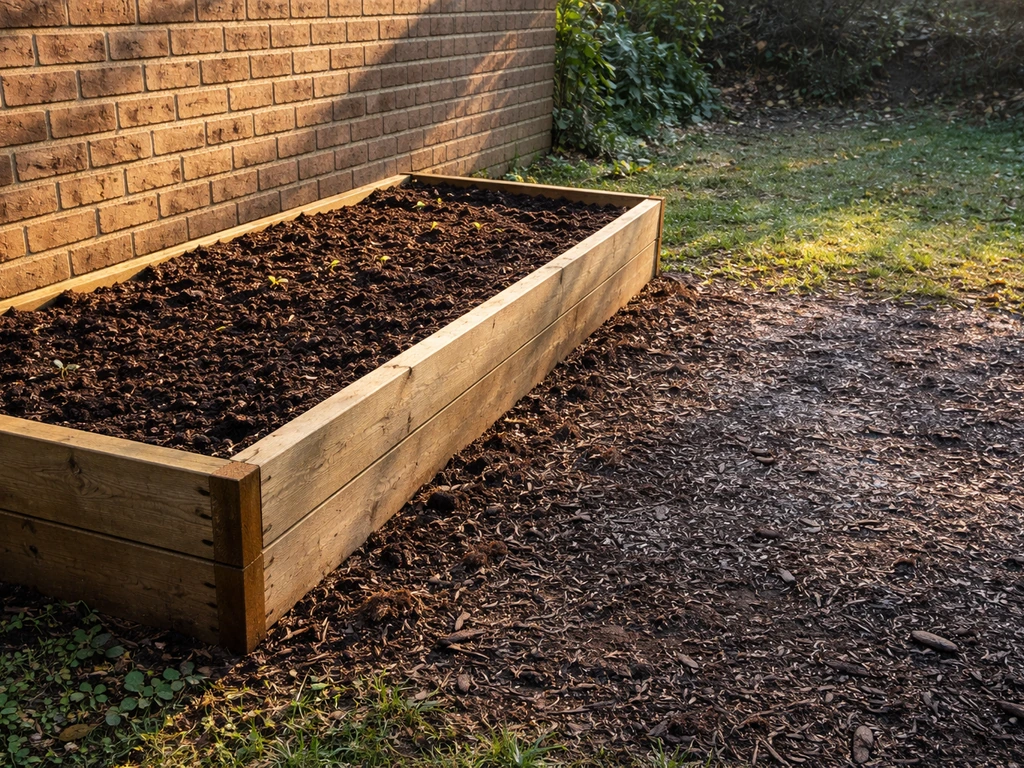
A south-facing bed against a brick wall is genuinely warmer than an open garden bed 10 feet away. Brick absorbs heat during the day and radiates it at night. Low spots collect cold air; raised areas don't. Wind strips heat away fast, so a position sheltered by a fence or building edge matters. Before you plant anything outside this winter, walk your yard on a cold morning and notice where frost lingers longest and where it clears first. Plant in the latter.
Cold frames, row covers, and tunnels
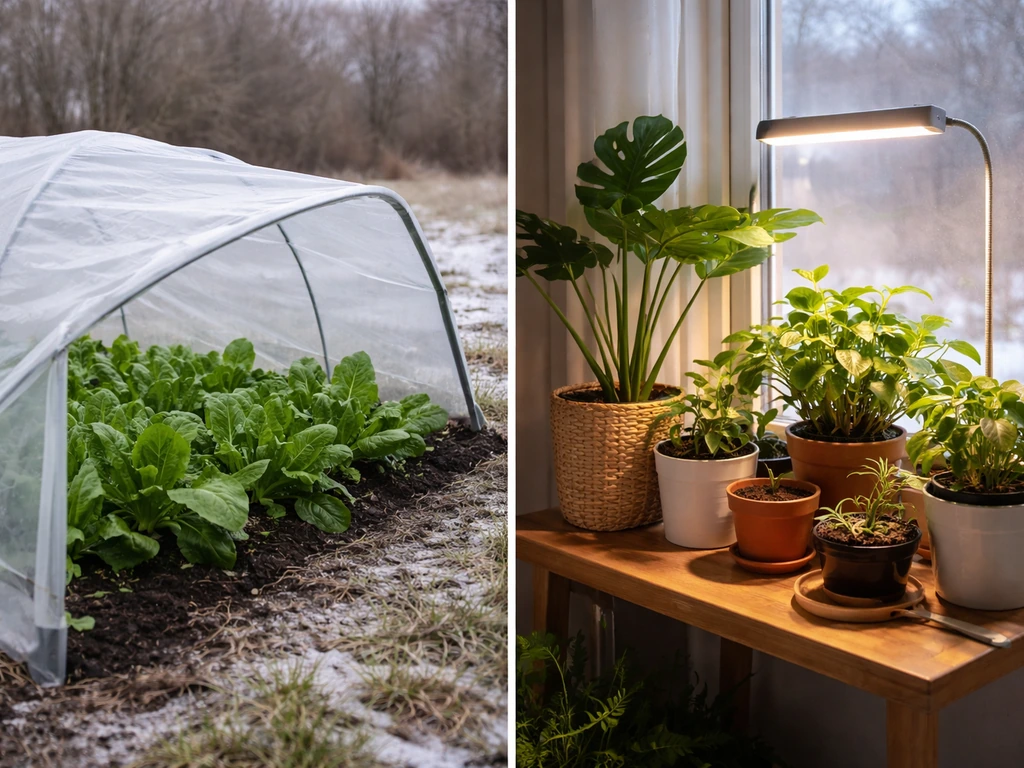
Row covers and cold frames are the most practical tools for outdoor winter growing. A cold frame is essentially a bottomless box with a clear lid, it traps solar heat and blocks wind, creating a microclimate that can be 10 to 20 degrees warmer than the outside air. Row covers (lightweight spunbond fabric) do the same thing at a lower cost, draped directly over plants and anchored at the edges.
The management rule for both is: close at night, open (vent) during the day. This part matters more than people expect. On a sunny winter day, even at 35°F outside, a sealed cold frame can hit temperatures that will cook your plants. Crack the lid or pull back the row cover during daylight hours. As late winter arrives and day length increases, you'll need to vent earlier and longer. A good habit is to open covers about 30 minutes after sunrise on sunny days and close them an hour before sunset.
Mulching for root protection
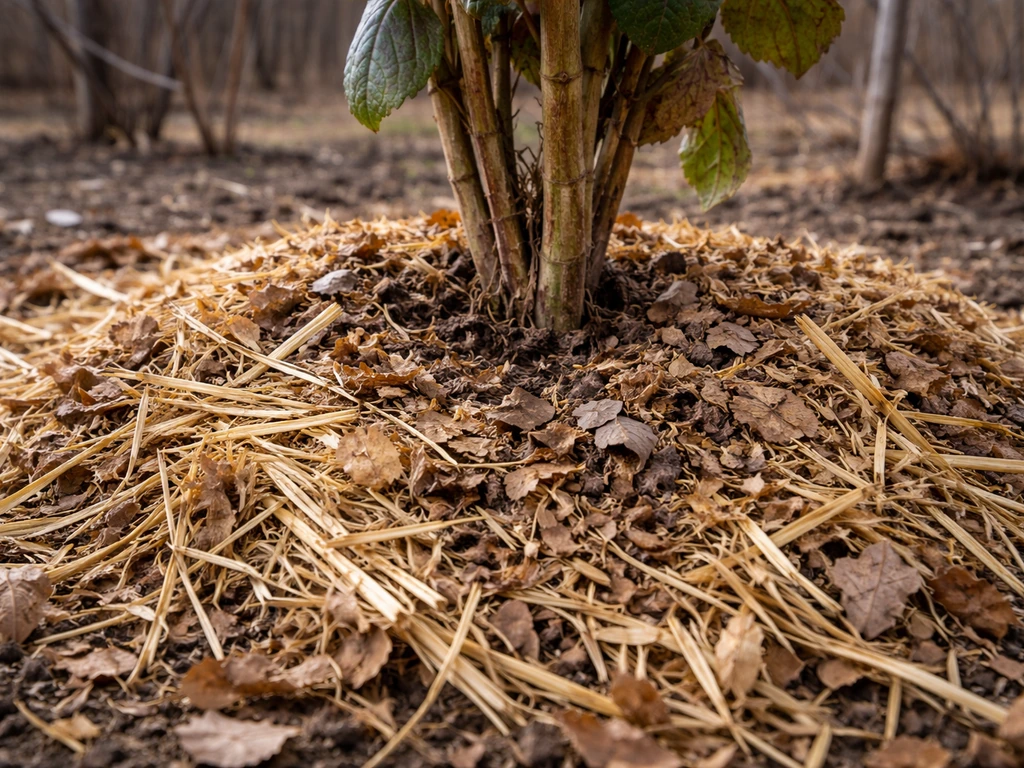
Mulch doesn't warm soil, it insulates it, slowing the freeze-thaw cycle that damages roots. Apply 2 to 3 inches of straw, shredded leaves, or wood chips around the base of perennials and root vegetables you're overwintering. Keep mulch slightly away from plant stems to prevent rot. Apply it after the first hard freeze, not before, you want to lock in cold temperatures, not warmth that invites pests.
Building your indoor winter growing setup
Most houseplants and indoor crops can get through winter just fine if you dial in three things: light, temperature, and watering. Get these right and you'll avoid 90% of winter growing problems.
Light: the number one indoor winter problem
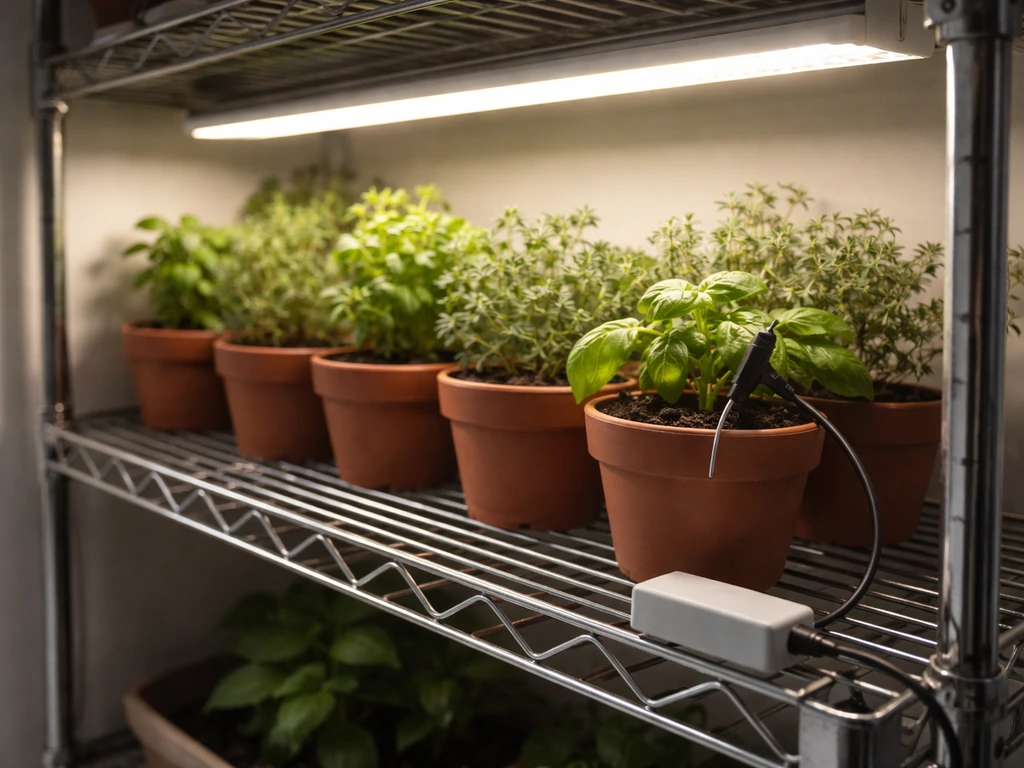
A south-facing window is your best natural light source in winter. East- or west-facing windows work for low-light plants but will fall short for herbs or anything that needs to actively grow. If your plants are stretching toward the light, producing small pale leaves, or just looking generally sad and stagnant, they need more light. That's the visual test.
Supplemental grow lights solve this directly. The key metric is PPFD (the intensity of photosynthetically useful light hitting your plant) and DLI (the total daily dose). For most actively growing indoor plants, aim for a DLI of 12 to 16 mol/m²/day. A basic full-spectrum LED grow light positioned 12 to 18 inches above your plants and running 14 to 16 hours per day can hit this range for herbs and seedlings. The closer the light, the more intense, but check your specific fixture's specs, since mounting height dramatically changes output.
Temperature targets indoors
Most common houseplants do well between 60 and 75°F indoors in winter. A cooler range of 55 to 60°F is actually fine for many plants and can even slow growth in a useful way, reducing their need for water and fertilizer. The floor is around 45°F, below that, most tropical houseplants start experiencing real cold stress. Watch out for cold drafts from windows, doors, and vents: a plant sitting 2 inches from a single-pane window on a cold night can experience temperatures much lower than the rest of the room.
Watering less (and how to know when)
This is where most indoor winter plant deaths happen. Because transpiration drops in winter, your plants are using far less water than in summer. University of Illinois Extension houseplant lighting guidance also advises avoiding more than 16 hours of light, since many plants need a rest period. Keeping them on the same watering schedule is the most common mistake beginners make. The practical rule: water only when the top inch of soil feels dry. For many houseplants in winter, that might mean watering once a week or less. Also skip the fertilizer entirely until you see active new growth returning in late winter or early spring, fertilizing a dormant plant just pushes unused salts into the soil.
Soil, water, hydroponics, and terrariums in winter: what works and what to watch
Each growing medium behaves differently when temperatures drop and growth slows. Here's a side-by-side breakdown:
| Growing Medium | Winter Behavior | Main Risk | Key Adjustment |
|---|---|---|---|
| Soil (pots/beds) | Growth slows, roots absorb less water | Root rot from overwatering in stagnant, wet soil | Water only when top inch is dry; ensure drainage holes are clear |
| Water (passive hydroponics/propagation) | Algae growth slows, but oxygen in water also decreases | Root rot from low oxygen in stagnant water | Change water every 7 to 10 days; add airstone if possible |
| Hydroponics (active systems) | Nutrient uptake slows with plant growth, solution temps can drop | Root rot if reservoir temps fall below 60°F; nutrient buildup | Reduce nutrient strength by 25 to 30%; keep reservoir at 65 to 70°F |
| Terrariums | Closed systems retain humidity well; growth slows naturally | Overwatering, condensation leading to mold or rot | Open lid for airflow 30 to 60 minutes daily; water very sparingly |
The theme across all four mediums is the same: when plant growth slows, roots respire less and need less water and nutrients. The biggest failure mode in winter, regardless of medium, is too much moisture with too little airflow. Waterlogged roots, whether in soil, a hydro reservoir, or a terrarium, can't access oxygen, and without oxygen, root cells die and rot sets in. Penn State Extension describes a closed terrarium as a clear container with a tight-fitting lid or cover to retain humidity Creating a Closed Terrarium. This is fixable early (reduce watering, improve drainage, trim dead roots) but can kill a plant if ignored.
If you want to think beyond winter and set up a system that produces plants year-round, growing plants all year round covers how to plan your growing calendar across all four seasons so you're never starting from scratch.
Common winter problems and how to fix them
Slow or no growth
Totally normal for most plants between November and February. If the plant looks otherwise healthy, green leaves, firm stems, no pests, it's probably just resting. Don't panic and don't fertilize to "push" it. Growth will resume as day length increases in late winter. If growth is slow AND the plant looks pale or stretched, that's a light problem, not a dormancy issue. Add a grow light.
Leggy, stretched plants
Long, weak stems reaching toward a window are a direct sign of insufficient light. The plant is physically stretching to find more photosynthetically useful light. The fix is more light, not more water or fertilizer. Move the plant closer to a window, rotate it regularly, or add a grow light. Once you fix the light source, new growth will be compact again, but the stretched stems won't shrink back. You can prune them once the plant is growing well.
Overwatering and root rot
If a plant is wilting even though the soil is wet, root rot is likely. Pull the plant out of its pot. Healthy roots are white or tan and firm. Rotted roots are brown or black, mushy, and may smell. Trim all the rotted roots with clean scissors, let the root ball air out for an hour, then repot in fresh, well-draining mix and a clean pot with drainage holes. Water sparingly going forward. This is recoverable if you catch it early enough.
Fungus gnats
Those tiny flies hovering around your pots are fungus gnats, and their larvae live in the top layer of moist potting mix. The fix is almost entirely about moisture control: let the top inch of soil dry out completely between waterings. Larvae can't survive in dry soil. If the infestation is established, a layer of coarse sand or perlite on top of the soil helps too, since adults won't lay eggs in dry, gritty material.
Spider mites, mealybugs, and scale
Spider mites love the dry indoor air that winter heating creates. You'll see fine webbing and stippled, yellowing leaves. Increase humidity around affected plants (a pebble tray with water works), and wipe leaves down with a damp cloth regularly. For mealybugs and scale, which can reproduce indoors year-round regardless of season, use insecticidal soap applied every 7 to 10 days until the population is gone. Be thorough, check leaf undersides, stem joints, and soil surface.
Powdery mildew
That white powdery coating on leaves is a fungal issue that thrives when plants are crowded with poor airflow, common in winter when everything gets pushed close to windows. Space plants out, improve air circulation with a small fan, and avoid getting water on leaves. Remove affected leaves and treat with a diluted neem oil or baking soda spray if it spreads.
Many of these same problems show up when temperatures are cold but not freezing. If you're dealing with outdoor plants during a mild cold stretch, the strategies for growing plants in cold weather can help you decide when to intervene and when to let plants handle it on their own.
Your practical winter growing plan
Here's a concrete action plan you can start on today. Don't try to do everything at once, the "today" steps are quick wins, the weekly steps build your setup, and the long-term steps set you up for a strong spring.
Do today
- Look up your USDA Plant Hardiness Zone using your ZIP code so you know what temperature extremes you're actually working with outdoors.
- Walk through your indoor plants and check the soil on each one — only water any that have a dry top inch. Put the watering can away for everything else.
- Move your most light-hungry indoor plants to your sunniest window and note which direction it faces. South is best in the Northern Hemisphere.
- Check outdoor plants for any signs of frost damage (blackened, mushy stems or leaves) and remove damaged material so it doesn't introduce disease.
Do this week
- If you're growing indoors without supplemental light and your plants are stretching, order or buy a basic full-spectrum LED grow light. Set it up 12 to 18 inches above your plants on a 14 to 16 hour timer.
- Apply 2 to 3 inches of straw or shredded leaf mulch around any outdoor perennials or overwintering root crops you want to protect.
- Set up a cold frame or row cover over any outdoor vegetables still in the ground. Practice the open-during-day, close-at-night routine.
- Inspect indoor plants closely for pests — check leaf undersides and stem joints. Treat with insecticidal soap now if you find anything, before populations grow.
- Stop fertilizing all indoor plants until you see clear signs of new active growth (new leaves unfurling, new stem growth). That probably won't happen until February or March.
Long-term (January through March)
- Monitor outdoor cold frames weekly — vent on any sunny day above 40°F and close before dark. Increase venting duration as days get longer toward February.
- Start seeds indoors under grow lights 6 to 8 weeks before your last frost date so transplants are ready when outdoor conditions allow.
- Reassess indoor watering every two weeks rather than on a fixed schedule — feel the soil each time and let the plant guide you.
- In late February, begin slowly reintroducing fertilizer at half strength as day length visibly increases and plants show new growth.
- Plan your spring outdoor garden now: which beds need amending, which cold-hardy crops can go out first, and which plants you want to harden off gradually.
Winter is genuinely one of the most educational times to grow plants because the limiting factors are so obvious, light and temperature tell you almost everything about what's going wrong. Once you get one winter of growing under your belt, spring and summer feel easy. Think of this season as practice, not punishment.
When conditions flip back around and heat becomes your challenge, the same principles apply in reverse, understanding how growing plants in hot weather works will help you recognize that plants always need you to manage extremes on their behalf, whether that extreme is a January freeze or a July heat dome.
And if you've ever wondered how growers in year-round warm climates stay productive through what counts as their "off season," the approach to growing plants in the summer season flips the script entirely, managing heat and light excess rather than deficits, but with the same underlying logic of matching your setup to what the season actually gives you.
Finally, if wet and overcast conditions are your primary obstacle, not just in winter but during rainy stretches in any season, the guidance on growing plants in the rainy season addresses exactly that scenario: too much water, not enough light, and how to keep plants healthy when conditions aren't cooperating.
FAQ
Can I grow winter plants in pots if I don’t have a garden?
Yes, but only for plants that can actually survive your local winter conditions. In containers, use the same zone logic as outdoors, then protect the root ball from repeated freeze-thaw by insulating the pot (bubble wrap, foam jacket, or burying the pot in mulch up to a couple inches below the rim). Also keep a drainage hole clear, because cold plus trapped water can kill roots even when the plant itself is “hardy.”
What should I do if my indoor plant is wilting in winter?
If your indoor plant is losing leaves, drooping, or looks limp while the soil is dry, that’s usually underwatering or cold stress, not dormancy. Check the temperature at the leaf level (not just room air), and move the plant away from drafts. Then adjust watering to the “top inch dry” rule, since winter growth slows enough that a plant can need less water without being truly dormant.
How often should I water in winter, really?
Use a consistent method: feel the soil, not the calendar. The top-inch-dry test is most reliable in winter because media and pot size vary. If you have thick, fast-draining mixes, you may water more often than you expect, but always let the surface dry first. For borderline cases, use a moisture meter at root depth, not near the surface.
How do I tell whether my plant needs more watering or more light?
Stretched, pale growth means too little light, but you also need to check if your plant is getting enough intensity, not just hours. If you use grow lights, aim for a realistic daily light dose, and avoid placing the light too far away. A common mistake is running lights for long hours at very low intensity (from being too high), which still causes etiolation.
Should I fertilize my plants during winter?
No, and it can be risky. Fertilizing dormant or near-dormant plants often leads to salt buildup in the soil and weak, unneeded growth that later collapses. Resume feeding only after you see clear new growth and can maintain even light for compact development. If you fertilize, use a diluted dose and flush occasionally by watering thoroughly and letting excess drain.
What’s the correct way to ventilate a cold frame or row cover?
Ventilation is the difference between “warm and protected” and “cooked.” Even on cold days, sunny light can raise a sealed cold frame fast. Crack vent panels early in the day, then reduce venting as evening cools. If you see leaves touching a clear lid or the interior looks wet with condensation, increase venting or add a small heat-resistant buffer like a shade cloth.
Can I take indoor plants outside during winter to “grow them outside”?
Yes, but only after they can tolerate cold hardening where you live. If a plant is moved outdoors too quickly, it may not have time to adapt and could de-harden during a warm spell. Harden off gradually over 7 to 14 days, starting with mornings or sheltered spots, then increase sun exposure and wind exposure step by step.
Why did a “zone hardy” plant die in my winter?
Start with hardiness, then plan for microclimates. A plant can be “hardy to your zone” but still fail if it’s in a low spot that stays wet, a windy corner, or a container that freezes deeply. Walk your yard on the coldest mornings, note frost duration, and use wind protection and root-zone insulation to bridge those microclimate gaps.
Is mulching before the first freeze a good idea?
You can use mulch to slow freeze-thaw, but avoid trapping moisture against stems. Apply after the first hard freeze, not before, and keep mulch slightly pulled back from the crown. For root vegetables, ensure you’re not packing mulch so tightly that it stays wet for weeks, because that can encourage rot during long cold stretches.
Should I prune in winter?
Trim only what’s already dead or clearly rotting. Over-pruning in winter reduces stored energy and can increase vulnerability to frost. For leggy indoor plants, wait until you see steady new growth, then prune to shape because the plant can only refill and compact when light and temperature support growth.
What types of plants are easiest to grow in winter?
Yes, but choose targets and set expectations. Leafy greens, many herbs, and some hardy ornamentals can work well if you manage light and protection. However, many “winter growers” fail because they assume winter is low-effort, then overwater or underestimate how low winter sun is. For outdoor starts, pick varieties that tolerate short days, and rely on row covers or a cold frame so you’re not fighting light loss alone.
Do row covers protect plants from actual freezing or just frost?
For outdoor frost protection, the goal is to prevent tissue temperatures from dropping too far, not to keep plants at “room temperature.” Row covers are helpful but not magic, and effectiveness depends on fabric quality and proper anchoring. Leave room for air circulation, seal edges against wind, and avoid letting the cover touch foliage in freezing conditions, since direct contact can worsen freeze damage.
How do I stop fungus gnats indoors without harming my plants?
If you see gnats, the immediate action is moisture control, let the top inch dry fully between waterings, and consider replacing the top layer of heavily infested potting mix. Sticky traps catch adults but do not remove larvae. Also avoid bottom-watering setups that keep the surface constantly damp during winter when transpiration is low.