Summer is genuinely one of the best times to grow plants, but it is also the season that punishes you fastest if you ignore what the heat is doing. Longer days and warmer temperatures push plants into their fastest growth windows, but that same heat dries soil faster, stresses roots, invites pests, and turns a sunny windowsill or garden bed into a challenge. The good news: once you understand what summer actually changes, you can adjust a handful of simple habits and your plants will thrive rather than just survive.
How to Grow Plants in the Summer Season: A Practical Guide
Marcus Holloway
19 Apr 2026
What summer actually does to your plants
Three things shift dramatically in summer: light intensity, air temperature, and soil temperature. More light means faster photosynthesis, which means faster growth, more water demand, and faster nutrient use. Higher air temps push plants to cool themselves by releasing moisture through their leaves, which means they need more water to keep up. And soil temperature is the one most beginners overlook entirely. When the sun bakes bare soil, root-zone temperatures can climb well above air temperature. Research on plants like cucumber shows that deviation from optimal soil temperature directly reduces photosynthesis and slows growth, even when everything above ground looks fine. Roots that are too hot start underperforming quietly before you ever see the damage on the leaves.
There is also the stomata problem. When a plant does not have enough water, it closes the tiny pores on its leaves to reduce moisture loss. That sounds like a survival strategy (and it is), but it also shuts down gas exchange and slows photosynthesis. So a plant that is just a little too dry on a hot afternoon is also a plant that has essentially paused its growth. You will not always see dramatic wilting before this happens. That is why summer watering and soil temperature management are not optional extras, they are the foundation of everything else. Summer watering and soil temperature management are not optional extras, they are the foundation of everything else.
Choosing the right plants for summer success
Not every plant wants to be in the summer spotlight. Choosing varieties that are built for heat sets you up to succeed without fighting the season the whole time.
Heat-lovers worth growing right now
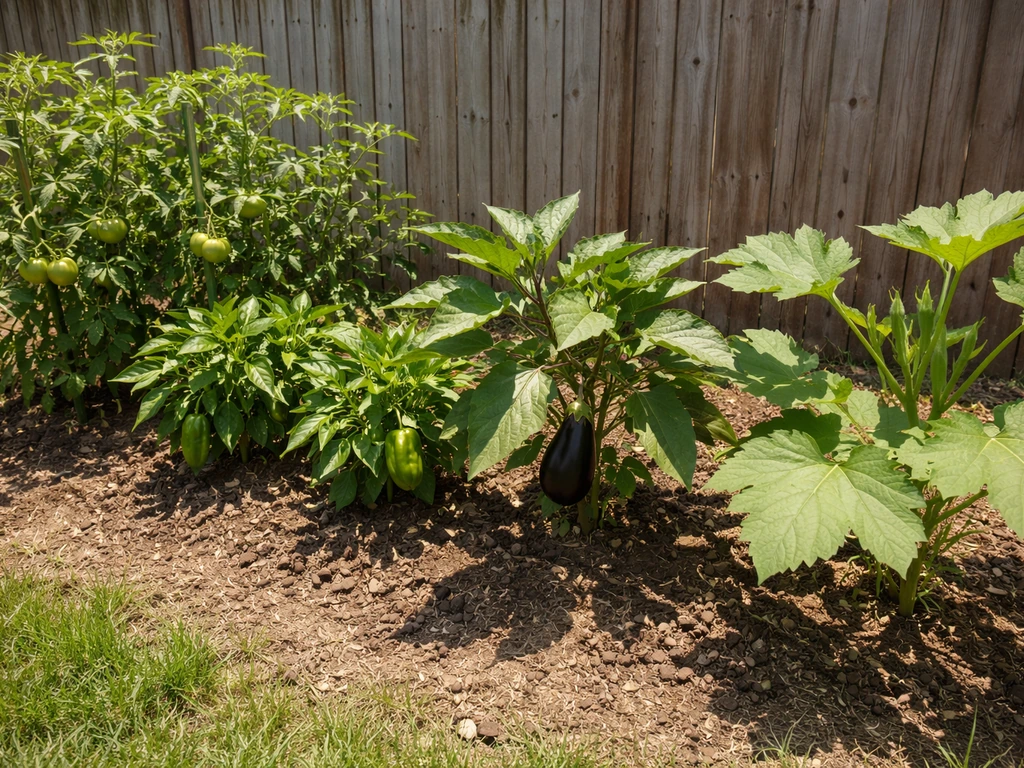
- Tomatoes, peppers, eggplant, and okra: these are true warm-season crops that stall in cool weather but explode in summer heat.
- Basil, rosemary, thyme, and oregano: herbs that want full sun and tolerate heat well; basil especially loves long warm days.
- Cucumbers, squash, and beans: fast-growing summer staples that can go from seed to harvest in 50 to 70 days.
- Sunflowers, zinnias, and marigolds: easy-to-grow flowers that handle full summer sun and double as pest deterrents.
- Pothos, snake plants, and succulents (indoors): for indoor growers, these handle the dry, bright summer conditions near windows without complaint.
Plants to avoid starting in peak summer heat
- Lettuce, spinach, and most leafy greens: these bolt (go to seed and turn bitter) fast once temperatures consistently exceed about 80°F.
- Peas and broccoli: cool-season crops that struggle to set fruit or heads in heat; save them for fall.
- Cilantro: bolts almost immediately in summer heat unless you grow it in part shade and accept a shorter harvest window.
- Ferns and calatheas (indoors near sunny windows): they want humidity and indirect light, not the intense rays of a south-facing summer window.
If you are in an especially hot climate, like the desert Southwest, choosing heat-adapted varieties within those categories matters too. A standard tomato variety may drop its blossoms when temperatures stay above 95°F, while a heat-set variety like Solar Fire or Heatmaster keeps producing. Seed packets and plant tags will tell you the heat tolerance range, so read them before you buy.
Where to grow: soil, containers, and indoors compared
Each growing setup has real advantages and real summer-specific challenges. Here is how they stack up and what to do in each.
| Setup | Summer Advantage | Summer Challenge | Key Fix |
|---|---|---|---|
| In-ground soil | Stable moisture, good root volume, cheaper long-term | Soil heats up, weeds compete, hard to move plants | Mulch 2–3 inches deep, water deeply not shallowly |
| Containers | Portable, drain well, easy to control soil mix | Roots overheat in dark pots, dry out fast | Use light-colored pots, double-pot or add shade cloth around container |
| Indoor (soil or water) | Climate-controlled, no outdoor pests, works in apartments | Less natural light, lower humidity from AC | Supplement with a grow light, mist or use a pebble tray for humidity |
| Hydroponics | Fastest growth, no soil-borne disease, precise nutrition | Water temperature rises, oxygen drops in warm water | Keep reservoir below 72°F, add an air stone, check pH daily in heat |
Setting up in-ground beds for summer
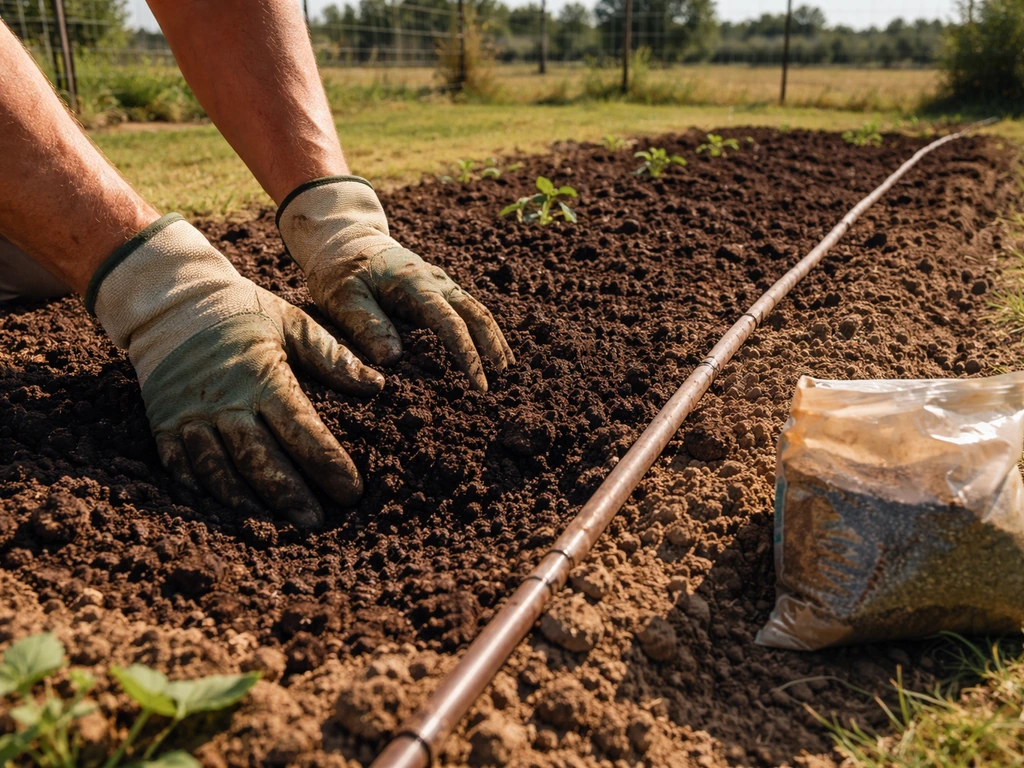
Oklahoma State University Extension recommends giving vegetable gardens full sun, which means at least 6 to 8 hours of direct light daily for most crops. Before planting, work compost into the top 6 to 8 inches of soil to improve drainage and moisture retention at the same time. Space plants generously: crowded plants compete for water and nutrients faster in summer, and poor airflow invites fungal disease when heat and occasional humidity combine.
Setting up containers for summer
Container roots are fully exposed to whatever temperature surrounds the pot. A black plastic pot sitting in afternoon sun can heat the root zone to temperatures that cook roots from the inside out. Use fabric pots, terracotta, or light-colored plastic. If you already have dark containers, set them inside a larger, lighter pot or wrap them in burlap. Make sure every container has drainage holes, because standing water in summer heat breeds root rot and fungus gnats faster than any other season.
Managing hydroponics and water-based systems in summer
Warm water holds less dissolved oxygen, and plant roots in hydroponic systems need oxygen to function. Once your reservoir temperature climbs above 72°F (22°C), you are already losing oxygen capacity, and above 75°F you risk root rot even without any pathogen present. Add an aquarium air stone to your reservoir to keep oxygen moving. Consider insulating your reservoir with foam board or moving it to a cooler space. Keep the nutrient solution at the lower end of recommended strength in summer, because plants drinking more water in heat can concentrate salts faster than you expect. Check and adjust pH daily during hot stretches because temperature swings affect pH stability.
Watering in summer: schedule, signs, and mulching
Watering is where most summer gardens succeed or fail. The instinct to water every day is understandable, but it is usually the wrong move. Oregon State University Extension recommends watering deeply and infrequently: the goal is to get moisture down 8 to 10 inches into the soil rather than wetting just the surface. Deep watering pushes roots downward into cooler, more stable soil. Shallow daily watering keeps roots near the surface where it is hottest and driest.
When to water and when not to
Water in the early morning. This gives leaves time to dry before evening (which reduces fungal disease), and the water actually reaches roots before the midday sun can evaporate it. Watering at midday is largely wasteful; SDSU Extension research shows that overhead watering during peak heat evaporates before it reaches the root zone. SDSU Extension notes that overhead or sprinkler watering on hot, sunny summer days can lose water to evaporation and may require large volumes to get water down into the soil where roots are growing overhead watering during peak heat evaporates before it reaches the root zone. Evening watering is acceptable but leaves foliage wet overnight, which encourages mold and mildew in warm weather.
How to tell if your plant actually needs water
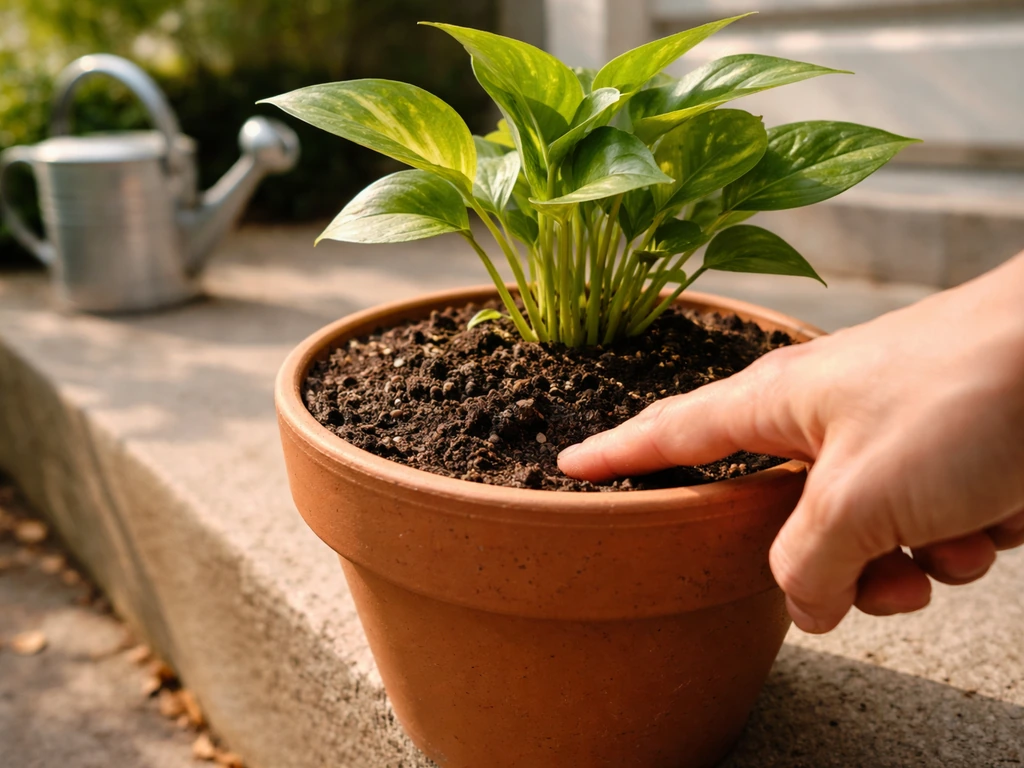
The finger test is the most reliable method: push your finger 2 inches into the soil. If it feels dry at that depth, water. If it still feels moist, wait. For containers, lift the pot. A dry pot is noticeably lighter than a watered one; once you get used to the difference, you can feel it instantly. University of Kentucky Extension notes that plants begin to stress once the top few inches of soil dry out, so do not wait for wilting to be your signal. Wilting in the afternoon heat can sometimes be temporary (plants conserving moisture) and does not always mean the soil is dry, but wilting in the morning almost always means the plant genuinely needs water now.
Mulching is not optional in summer
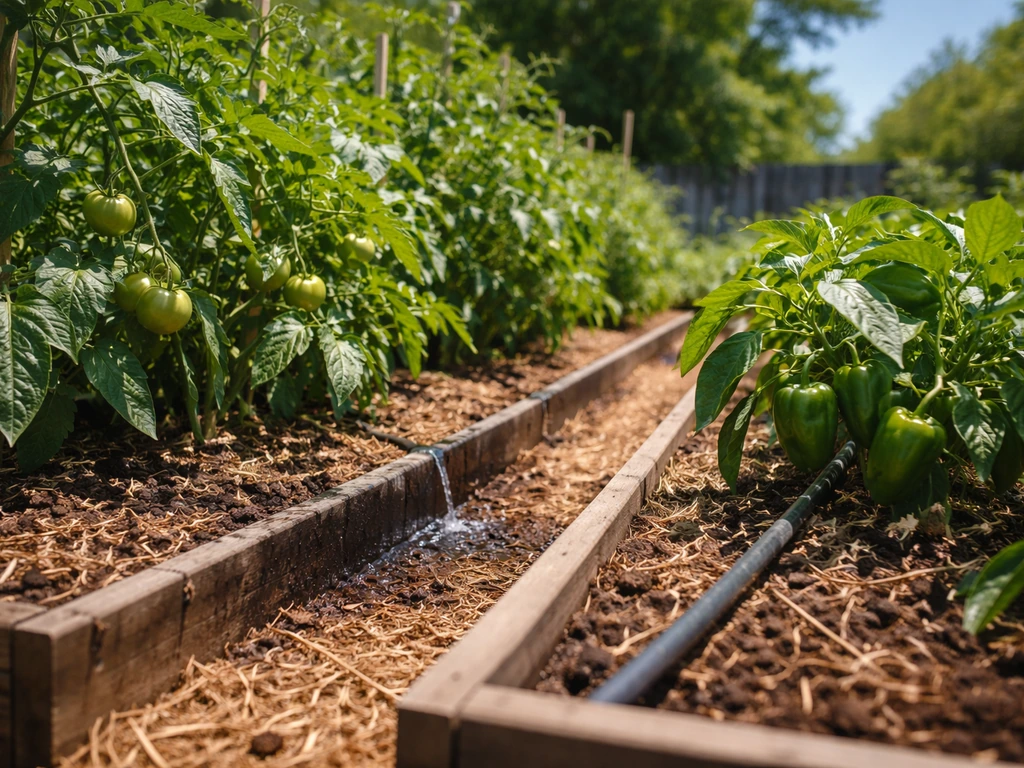
Apply 2 to 3 inches of mulch around the base of your plants, keeping it a couple of inches away from stems. Mulch does two important things at once: University of Vermont Extension confirms it significantly reduces evaporation from the soil surface, and Kansas State University Extension specifically recommends mulching to keep soil temperatures cooler and more consistent in hot summers. Wood chips, straw, and shredded leaves all work well. For containers, a thin layer of decorative bark or even a layer of pebbles on the soil surface slows moisture loss between waterings. Consistent moisture matters: NC Cooperative Extension points out that sporadic watering in summer increases the chances of problems like blossom end rot, fruit cracking, and bolting in leafy crops.
Managing light and temperature without burning your plants
More sunlight in summer is generally good, but there are two heat-related problems that catch beginners off guard: sunscald and root overheating. Sunscald shows up as pale, bleached, or papery patches on fruit (especially tomatoes and peppers) or on leaves that were suddenly exposed to intense direct sun after being in shade. It happens most often when you move a plant that was indoors or in shade to a sunny outdoor spot without a gradual transition. To avoid it, harden off plants over 7 to 10 days by starting with 2 hours of outdoor sun and adding an hour or two each day.
Using shade strategically
In regions where summer temperatures regularly hit 95°F or above, even heat-loving crops benefit from afternoon shade. A 30 to 40 percent shade cloth installed over your bed or container area from roughly 1 p.m. to 5 p.m. can reduce leaf temperature significantly without meaningfully reducing photosynthesis. You can buy shade cloth at most garden centers for under $20 for a small bed. For indoor plants near south-facing windows, sheer curtains in summer act as natural diffusers that prevent leaf scorch while still delivering plenty of light.
Keeping root zones cool
For in-ground beds, mulch is your primary tool (covered above). For containers, double-potting (placing the planted pot inside a slightly larger decorative pot with an air gap between them) insulates the root zone. Setting containers on a wooden deck surface rather than concrete or brick also helps; concrete and brick absorb and radiate enormous amounts of heat back onto pot sides. Moving containers to a spot with afternoon shade during heat waves is not admitting defeat, it is smart plant management.
Feeding your plants through fast summer growth
Plants growing fast in summer burn through nutrients quickly, and they need consistent feeding to keep up. But summer also brings the risk of nutrient burn, which happens when you over-fertilize or when concentrated fertilizer sits on dry soil and scorches roots. The rule of thumb: always water before feeding, never apply fertilizer to dry soil, and in peak heat, stick to the lower end of any recommended dose.
What to feed and how often
For vegetable gardens in-ground, a balanced granular slow-release fertilizer applied at the start of the season handles a lot of the baseline nutrition. Then add liquid fertilizer (fish emulsion, compost tea, or a balanced liquid like 10-10-10) every 2 to 3 weeks during peak growth. Fruiting crops like tomatoes and peppers benefit from a shift toward higher potassium and phosphorus once they start setting fruit, to support development without pushing more foliage at the expense of yield.
Reading deficiencies and fixing them fast
- Yellow leaves starting at the bottom of the plant: likely nitrogen deficiency from heavy watering leaching it out. Feed with a nitrogen-forward liquid fertilizer.
- Purple-tinged leaves or stems: often phosphorus deficiency, common in cooler soil temperatures even in summer. Improve root zone temperature and apply a phosphorus-rich feed.
- Brown leaf edges or tips (not from sun): potassium deficiency or salt buildup from over-fertilizing. Flush soil with clean water, then resume feeding at half strength.
- Interveinal chlorosis (yellow between green veins): iron or magnesium deficiency, often triggered by pH being off. Test soil pH; most vegetables want 6.0 to 7.0.
Hydroponic nutrition in summer heat
In hydroponic systems, plants drink more water in summer, which concentrates nutrients in the reservoir faster. Check your EC (electrical conductivity) every 2 to 3 days in hot weather. If EC is rising, top off with plain pH-adjusted water, not fresh nutrient solution. If EC is dropping, plants are consuming nutrients quickly and you can add a partial dose. Change your reservoir completely every 7 to 10 days in summer rather than every 2 weeks, because warm water degrades faster and salt buildup is more likely.
Summer problems and how to fix them fast
Wilting and heat stress
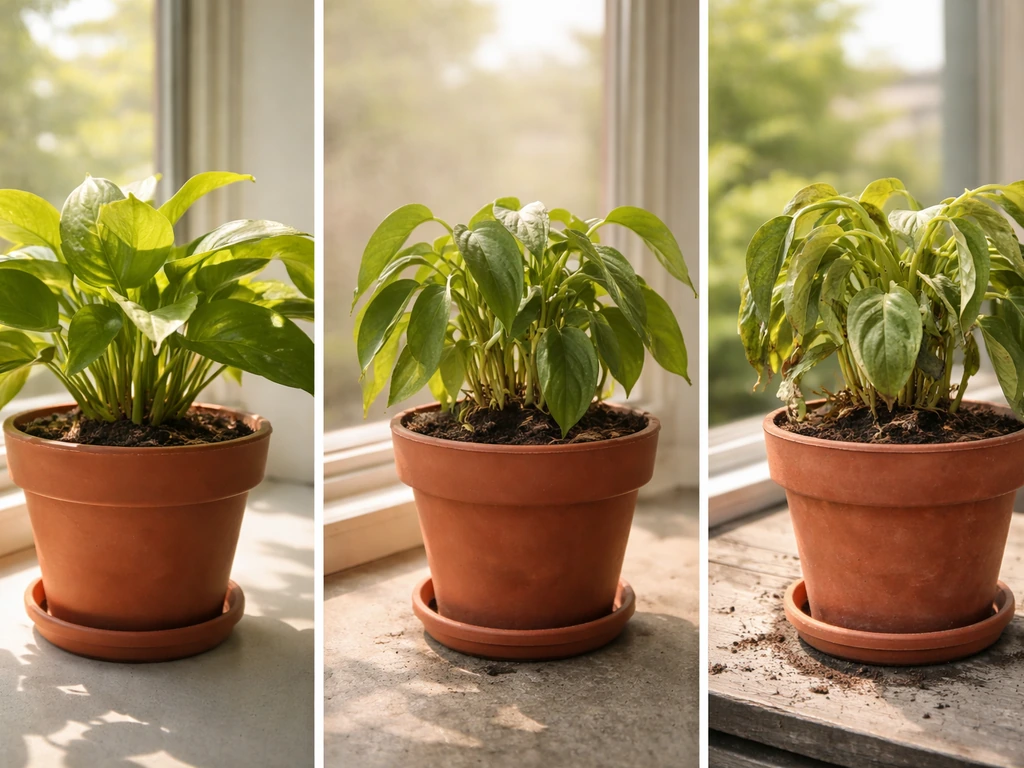
Afternoon wilting on a 95°F day does not always mean your plant is dying. Check the soil first. If soil is moist and the plant perks back up in the evening once temperatures drop, that is temporary heat wilting, not a water crisis. The plant is closing its stomata to conserve moisture, exactly as University of Delaware Extension describes. If the soil is dry and the plant looks wilted in the morning, water immediately and deeply. If it continues to look stressed after watering, add shade for a few days while it recovers.
Sunscald
Pale, papery patches on fruit or bleached spots on leaves are sunscald. Once it appears, that tissue will not recover, but you can protect the rest of the plant. Shade the affected plant during the hottest part of the day, and make sure nearby foliage is positioned to shade developing fruit naturally. Prevention is easier than treatment: always harden off plants before moving them to full sun.
Pests that spike in summer
- Spider mites: thrive in hot, dry conditions. Look for fine webbing and tiny specks on leaf undersides. Fix: increase humidity, spray plants with water or neem oil, and treat weekly until gone.
- Aphids: cluster on new growth and the undersides of leaves. Fix: blast them off with water, introduce ladybugs if outdoors, or use insecticidal soap spray.
- Fungus gnats (containers): love moist topsoil. Fix: let the top inch of soil dry between waterings, use yellow sticky traps, and add a layer of sand on top of the soil.
- Squash vine borers and Japanese beetles (outdoor gardens): harder to manage organically. Row covers before infestation begins, or hand-pick and dispose of beetles in soapy water.
Diseases that show up in summer
Powdery mildew (white, powdery coating on leaves) shows up when days are hot and nights are cooler with high humidity, common in late summer. Improve airflow by pruning crowded stems, avoid wetting leaves when watering, and treat with a diluted baking soda spray (1 tablespoon per gallon of water) or neem oil. Root rot in containers is usually caused by overwatering combined with heat, which creates anaerobic conditions around roots. If a plant is wilting despite moist soil, pull it and check: healthy roots are white or tan, rotted roots are brown and mushy. Trim away damaged roots, repot in fresh dry mix, and hold off watering for a few days.
Poor fruit set or early bolting
If tomatoes or peppers are flowering but not setting fruit, temperatures above 95°F during the day or above 75°F at night are the most common cause. You cannot change the weather, but you can provide afternoon shade, water consistently, and wait: most plants resume setting fruit once a heat wave breaks. If leafy greens like lettuce or arugula suddenly bolt (send up a flower stalk and turn bitter), harvest whatever leaves you can immediately. Prevention for next time: grow bolt-resistant varieties, keep them in part shade, and start them earlier in spring or later in fall when temperatures are cooler.
Your simple summer maintenance checklist
Managing a summer garden does not have to be complicated. The key is doing a few consistent things rather than trying to fix everything at once when something goes wrong. Run through this checklist weekly and you will catch most problems early.
Weekly summer checklist
- Check soil moisture at 2-inch depth in beds and by weight in containers. Water deeply if dry, skip if still moist.
- Inspect leaf undersides for pests (spider mites, aphids). Treat immediately if found.
- Check mulch layer: replenish if it has thinned to less than 2 inches.
- Look for signs of nutrient deficiency (yellowing, purple tint, brown edges) and adjust feeding if needed.
- For hydroponic setups: check reservoir temperature, EC, and pH. Top off with plain water if EC is rising.
- Remove dead or diseased leaves to reduce disease spread and improve airflow.
- Prune or stake sprawling plants to keep them upright and improve sun exposure to developing fruit.
- Note any new wilting, discoloration, or unusual spots and trace them to one of the root causes covered above.
Troubleshooting decision points for week-to-week adjustments
If plants are wilting consistently despite adequate watering, the problem is almost always root-zone heat or overwatering causing root rot. Move containers to afternoon shade, check roots for rot, and improve drainage. If growth has suddenly slowed despite good watering and feeding, check soil temperature (ideally below 85°F in the root zone), look for pest pressure you may have missed, and verify that pH is in range. If fruit is forming but dropping before maturity, inconsistent watering is the most likely cause: review your watering frequency and switch to deep, less frequent watering on a reliable schedule rather than whenever you remember.
Summer gardening shares some DNA with growing through other challenging seasons. If you want to grow through the rainy season instead, you can use the same observational approach to adjust watering and drainage for wetter conditions how to grow plants in rainy season. The adjustment mindset you build here, watching closely, responding to what you actually see rather than what you expect, works just as well when managing cold-weather growing or year-round indoor setups. If you want to keep that same adjustment mindset through the cold months, follow a dedicated approach for how to grow plants in the winter. If you want to keep the same plants producing through every season, use the same setup-and-adjust mindset from our guide on how to grow plants all year round. If you are learning how to grow plants in cold weather, focus on protecting root zones, using the right varieties, and adjusting watering to match slower growth cold-weather growing. Winter growing is a different game, but the same principles of light, temperature control, and careful watering still apply how to grow plants in the winter. The specific challenges shift with the season, but the habit of checking in on your plants weekly and making small adjustments is what separates growers who have consistent results from those who have consistent surprises. Start with the checklist above this week, and you are already ahead of most beginners. To learn more about the habits that keep your plants healthy when temperatures climb, follow the steps for how to grow plants in hot weather.
FAQ
How do I know if my plant needs water or it is just afternoon heat stress?
Check the soil 2 inches down (finger test). If it is moist and the plant perks up overnight or next morning, it is likely temporary heat wilting. If the soil is dry, water deeply until moisture reaches about 8 to 10 inches, then reassess the next morning.
Is it okay to water every day in summer if the soil looks dry on top?
Usually not. Daily light watering keeps roots near the hottest, driest surface. Instead water deeply and less often so moisture reaches the deeper root zone, and use the 2-inch test to decide when to repeat.
What is the best time of day to water for containers versus in-ground beds?
For both, early morning is ideal so foliage can dry before evening. Containers also heat faster, so on very hot weeks you may need slightly more frequent deep waterings, but still avoid evening overhead watering that leaves leaves wet overnight.
How can I lower soil temperature in summer without adding more shade than my plants need?
Use a 2 to 3 inch mulch layer (wood chips, straw, shredded leaves) and ensure airflow with proper spacing. If you still get root overheating, double-pot containers or add afternoon shade cloth for a limited window, for example 1 p.m. to 5 p.m., rather than full-day shade.
Why do my tomatoes or peppers flower but fail to set fruit in hot weather?
High temperatures, especially above 95°F during the day or above 75°F at night, can prevent successful fertilization. Add afternoon shade, maintain consistent moisture, and avoid fertilizer spikes that push more leaves. Most plants resume fruit set after the heatwave breaks.
Can I rescue a plant that has sunscald after it was moved into full sun?
The damaged tissue will not recover, but you can protect the rest of the plant by shading during the hottest hours for a few days and keeping nearby foliage positioned to shade developing fruit. The practical prevention step next time is hardening off over 7 to 10 days.
My container pot is dark and sits in sun. What is the simplest fix?
Swap to a lighter container material if possible, or set the dark pot inside a larger pot with an air gap, or wrap it with breathable burlap. Make sure drainage holes are clear, because hot roots plus soggy soil quickly leads to root rot.
For hydroponics, how should I manage oxygen and nutrient strength when it is very hot?
Keep reservoir water cool if you can, and use an aquarium air stone to improve oxygenation. In extreme heat, keep nutrient concentration at the lower end of the recommended range, check pH stability daily, and monitor EC every 2 to 3 days to decide whether to top off with plain pH-adjusted water.
What should I do if my plant is wilting even though the soil feels wet?
That can signal root problems from heat plus overwatering. Check roots if you can, healthy roots should be light colored and firm, rotted roots are brown and mushy. Improve drainage, trim damaged roots, repot in fresh dry mix, and pause watering for a few days while the plant recovers.
How often should I fertilize in summer, and what mistake causes nutrient burn most often?
Feed consistently but avoid over-application. The most common cause is applying fertilizer to dry soil, which concentrates salts at the root zone. Water first, then fertilize at the lower end of the dose during peak heat, and increase frequency only if plants show steady growth.
Do I need to change my pest prevention strategy in summer?
Yes, especially for fast-spreading issues. Because heat stresses plants and increases transpiration demand, start inspections earlier and more often, check leaf undersides, and avoid practices that keep foliage wet. Improving airflow and watering correctly reduces stress, which makes plants less susceptible to problems.
How can I prevent blossom end rot and fruit cracking during hot weeks?
Both usually track back to inconsistent moisture. Use deep, less frequent watering, keep mulch in place, and avoid letting containers dry out completely between waterings. If you notice issues, adjust your schedule immediately rather than just adding small daily amounts of water.