To grow plants successfully in soil, you need four things working together: the right soil mix, correct planting depth and spacing, consistent watering without overdoing it, and enough light and nutrients to fuel steady growth. In red soil, start with a well-draining soil mix and adjust pH and nutrients so your plants can access what they need. Get those right, and most plants will thrive. Miss one, and you'll spend more time troubleshooting than gardening. This guide walks you through each step, explains the "why" behind it, and gives you a clear fix for the most common things that go wrong.
How to Grow Plants in Soil: A Practical Guide
Marcus Holloway
25 Apr 2026
How soil actually supports your plants
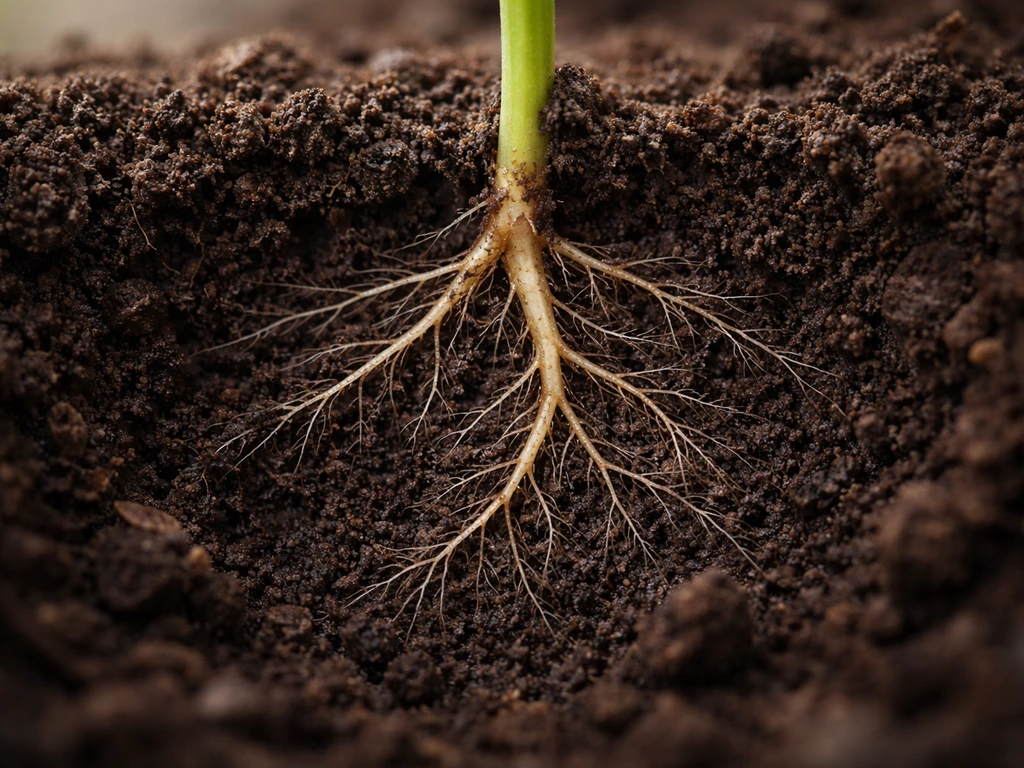
Soil does a lot more than hold your plant upright. It's delivering water, oxygen, and nutrients to the roots around the clock, and the way it does that determines whether your plant thrives or struggles. Understanding this makes everything else in this guide click into place.
Roots get oxygen by diffusion through the tiny gas-filled pores between soil particles. Once oxygen reaches those pores, it moves through thin water films into the root tissue itself. This is why compacted or waterlogged soil is such a problem: it squeezes out those air pockets and cuts off the oxygen supply. Roots need oxygen not just to breathe but to actively pull in water and nutrients like phosphorus. No oxygen means roots start to fail, and a plant with failing roots wilts even when the soil is wet, which confuses a lot of beginners.
Nutrients are released from soil particles and dissolved in soil water, but how available they are depends heavily on soil pH. Most plants access the widest range of nutrients when pH sits between 6.0 and 7.5. Outside that window, certain nutrients lock up in chemical forms the roots can't use, no matter how much fertilizer you add. This is why a soil test is genuinely useful if your plants look chronically pale or stunted despite good care.
Soil texture (the ratio of sand, silt, and clay) controls how fast water drains, how much air stays in the soil, and how well nutrients cling to soil particles. Sandy soils drain fast but don't hold nutrients well. Clay soils hold lots of water and nutrients but drain slowly and compact easily. Good potting mixes are engineered to balance these properties, which is why using the right mix for your situation matters more than most people think.
Picking the right soil and container
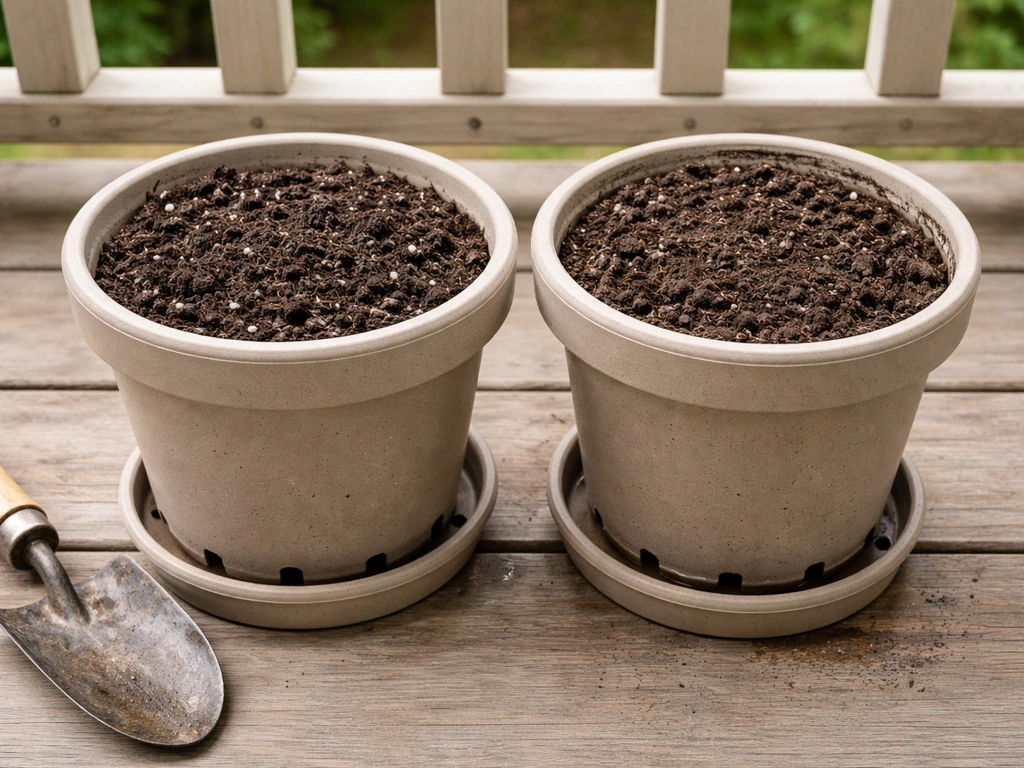
If you're growing in containers or raised beds rather than ground soil, use a bagged potting mix, not straight garden soil. Illinois Extension also advises that garden soil generally is not recommended for containers unless it has been sterilized and amended to improve drainage, such as with peat moss plus perlite or vermiculite garden soil for containers. Garden soil compacts in pots, drainage suffers, and roots end up sitting in a wet, airless environment. A quality potting mix typically contains peat moss or coir plus perlite or vermiculite. Perlite improves drainage and keeps air channels open. Vermiculite holds slightly more moisture, which works well for moisture-loving plants. For most vegetables and houseplants, a standard all-purpose potting mix with visible perlite is a solid starting point.
Container size matters more than most beginners expect. Most vegetables do best in containers holding 2 to 5 gallons with at least 12 inches of depth. Too small a pot means roots run out of room and the soil dries out too quickly, forcing you to water constantly. Too large a pot and excess soil stays wet long after the plant has absorbed what it needs, which raises the risk of root rot. Match the pot size to the plant's eventual root system, not just its current size.
Whatever container you choose, drainage holes are non-negotiable. Soil that can't drain forces water to pool at the bottom, and roots sitting in standing water lose oxygen fast. If you love a decorative pot without holes, use it as an outer sleeve and keep your plant in a functional inner pot with drainage.
Garden soil vs. potting mix: which to use
| Type | Best For | Drainage | Aeration | Nutrients | Notes |
|---|---|---|---|---|---|
| All-purpose potting mix | Containers, houseplants, seed starting | Good | Good | Moderate (often pre-fertilized) | Best default choice for pots; don't use in-ground |
| Garden/raised bed soil blend | Raised beds, in-ground gardens | Moderate | Moderate | Moderate to good | Usually heavier; amend with compost for best results |
| Straight garden (native) soil | In-ground planting only | Varies widely | Variable | Variable | Test pH and texture before planting; improve if clay-heavy or sandy |
| Cactus/succulent mix | Cacti, succulents, mediterranean herbs | Excellent | Excellent | Low | Too fast-draining for most vegetables or tropicals |
| Seed-starting mix | Seeds, young seedlings | Good | Good | Very low (near zero) | Fine-textured; needs fertilizer after first true leaves appear |
For most people starting out, an all-purpose potting mix is the right call for containers and a raised bed blend amended with compost is ideal for outdoor beds. If you're dealing with specific soil challenges like heavy clay or compacted ground, that topic gets its own deep treatment elsewhere on this site.
Step-by-step: planting correctly
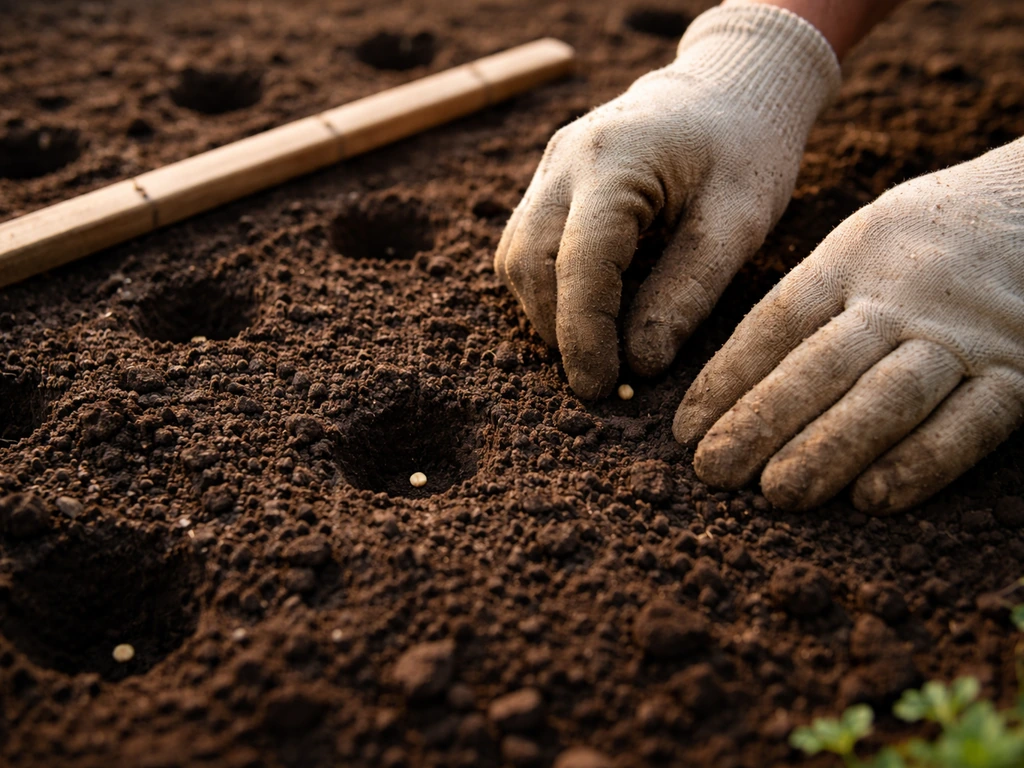
Planting at the right time, depth, and spacing isn't fussy gardener perfectionism. It directly affects germination rates, root development, and how well the plant resists disease early on.
Timing your planting
For outdoor soil, the biggest timing factor is soil temperature, not just air temperature. Cold soil slows germination and stresses transplants. Most warm-season vegetables want soil above 60°F before going in. Cool-season crops like lettuce, spinach, and kale can handle soil around 40 to 50°F. Indoors, timing is less critical, but avoiding cold windowsills in winter still helps. A cheap soil thermometer removes the guesswork entirely.
Planting depth
The general rule for seeds: plant them at a depth roughly two to three times their diameter. Tomato seeds go in about half an inch deep. Larger seeds like beans or squash go in 1 to 1.5 inches. Planting too shallow means seeds dry out; too deep and they run out of energy before they reach light.
For transplants, match the depth the plant was growing at in its nursery pot, with a couple of notable exceptions. Tomato transplants are one of those exceptions: you can bury them 2 to 3 inches deeper than they were originally growing, because tomato stems develop roots along their buried length, giving the plant a stronger foundation. For most other transplants, trees especially, planting too deep is one of the most common mistakes. Position the root flare (the point where the trunk starts to widen at the base) within about 2 inches of the soil surface. Burying it deeper causes long-term decline.
Spacing
Crowding plants is tempting when you're working with limited space, but it backfires. Overcrowded plants compete for water, nutrients, and light. They also trap humidity around leaves, which invites fungal problems. Check the seed packet or plant tag for spacing guidance and take it seriously, especially for vegetables. In containers, err toward one plant per pot unless the pot is large and the plants are genuinely compact varieties.
Watering in a way that actually works
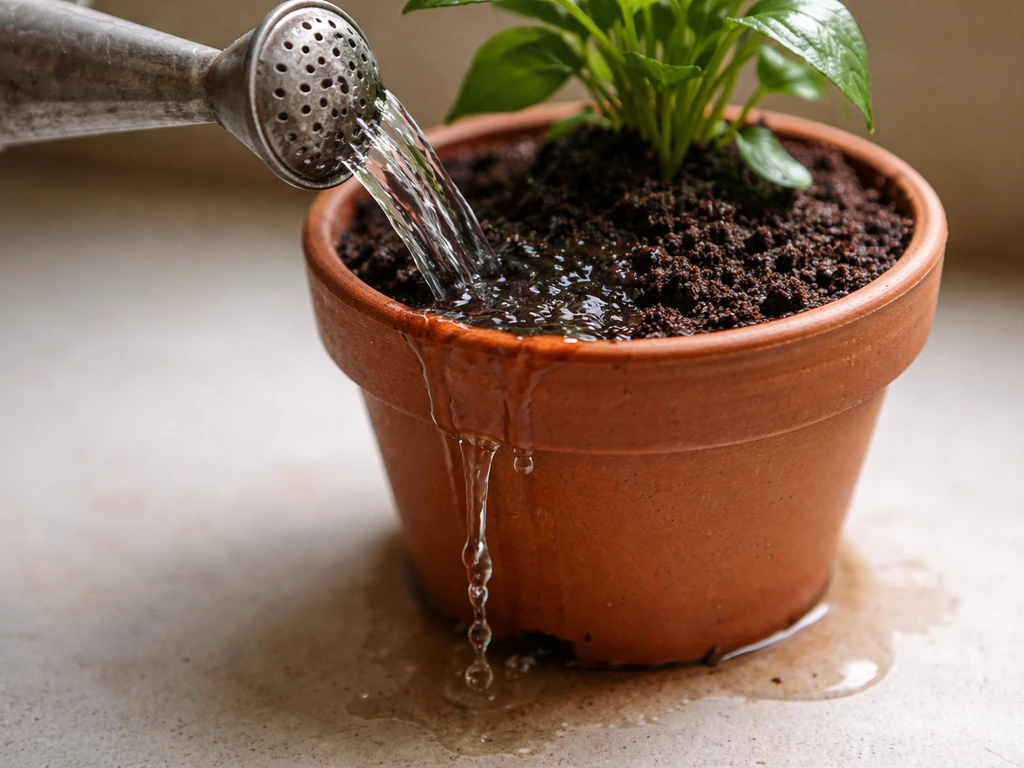
Overwatering kills more plants than underwatering, but neither extreme works. The goal is keeping soil consistently moist in the root zone without letting it stay saturated. Think of it like a wrung-out sponge: damp throughout, not dripping.
How to know when to water
The cheapest and most reliable method is the finger test. Push your finger about an inch into the soil. If it feels dry at that depth, water. If it's still moist, wait. For larger containers or raised beds, check 2 to 3 inches down. A wooden chopstick or skewer works the same way: insert it and check whether it comes out with soil clinging to it (still moist) or comes out clean and dry. Soil moisture meters are available and useful, but the finger method works well for most home setups without any cost.
How much and how often
Water deeply and less frequently rather than giving a little water every day. Deep watering encourages roots to grow downward in search of moisture, building a stronger root system. Shallow daily watering keeps the top inch moist while deeper soil stays dry, and roots follow the moisture upward, making the plant more vulnerable to stress. When you water, keep going until water drains freely from the bottom of the container. That confirms the whole root zone got wet, not just the surface.
Frequency depends on your pot size, soil type, plant, and environment. Small pots in warm, sunny spots may need water every one to two days. Large containers in cool, shaded spots might only need water once a week. Sandy or perlite-heavy mixes dry faster. Dense mixes with a lot of peat hold moisture longer. Adjust based on what you actually observe, not a fixed schedule.
Drainage is part of watering
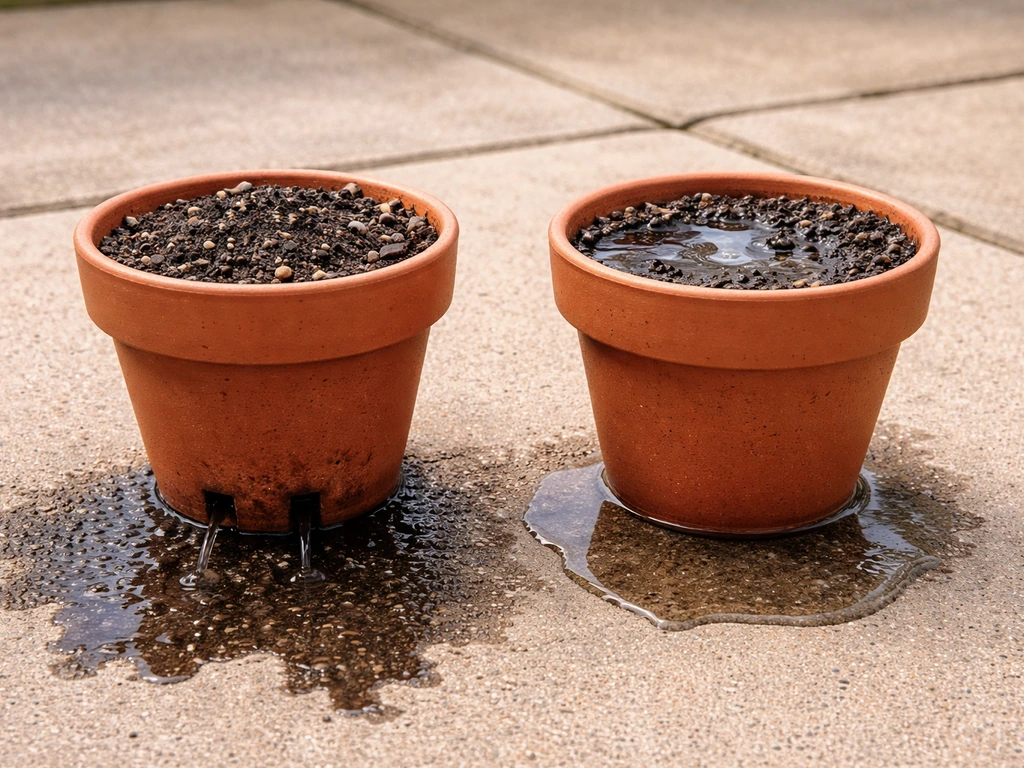
Good drainage is what makes proper watering possible. Without it, water pools, oxygen is displaced, and roots begin to suffocate. Compacted soil creates the same problem: water can't infiltrate properly, roots stay wet or dry unevenly, and growth stalls. If your soil feels hard and crusty on top, or water pools on the surface instead of soaking in, it's time to loosen the top layer or consider repotting with a fresher, better-structured mix.
Fertilizing for steady, healthy growth
Soil provides a foundation, but it doesn't always have everything a plant needs in the right amounts, especially in containers where nutrients deplete over time. That's where fertilizer comes in. The key is matching what you add to what the plant actually needs, not just adding more and hoping for faster growth.
Understanding N-P-K
Every fertilizer bag lists three numbers: nitrogen (N), phosphorus (P as P2O5), and potassium (K as K2O). Nitrogen drives leafy, green growth. Phosphorus supports root development and flowering or fruiting. Potassium helps overall plant function, stress resistance, and strong stems. A balanced fertilizer (something like 10-10-10) works as a general starting point. If you want more flowers or fruit, choose something with higher middle numbers. If you're growing leafy greens, a higher first number is your friend.
When and how to fertilize
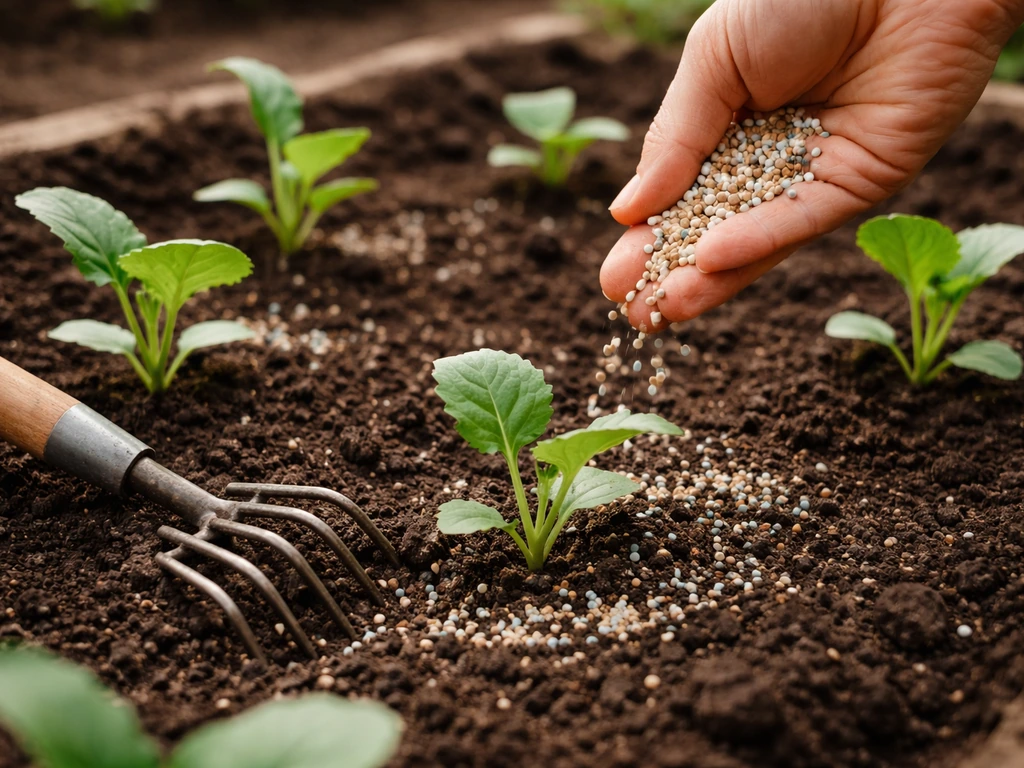
For annual vegetables and flowers, apply fertilizer right before or immediately after planting so nutrients are available as growth ramps up. A slow-release granular fertilizer mixed into the top few inches of soil at planting is a simple, low-maintenance approach. Liquid fertilizers work faster but need to be reapplied more regularly, typically every two to four weeks during the growing season. For sandy soils that don't hold nutrients well, smaller doses applied more frequently are more effective than one large application.
More fertilizer is not better. Over-fertilizing builds up soluble salts in the soil, which can burn root tips, cause wilting, trigger leaf drop, and actually slow growth. Follow label rates. If anything, start at the lower end of the recommended dose and watch how the plant responds before increasing. If you have access to a soil test, use those results to guide what nutrients you actually need to add rather than guessing.
Light, temperature, and airflow: the environment your soil-grown plants need
Soil conditions don't exist in isolation. The environment around the plant directly affects how the soil behaves and how the plant uses what the soil provides.
Light drives photosynthesis, which is the engine that powers everything else. Without enough light, a plant can't process the water and nutrients its roots are working to deliver. This shows up as slow, leggy growth, pale leaves, and poor flowering. Most vegetables need at least 6 to 8 hours of direct sun. Most houseplants do fine with bright indirect light. If your light situation is limited, lean toward shade-tolerant species rather than trying to force sun-lovers to survive indoors.
Temperature affects both the plant and the soil biology that makes nutrients available. Soil microbes, which break down organic matter into plant-usable nutrients, are most active in warm conditions. Cold soil slows nutrient release, which is one reason plants look pale and stunted in early spring even when fertilized. For indoor plants, avoid placing pots on cold windowsills or near air conditioning vents. Cold roots and warm leaves create stress the plant has to work around.
Airflow is easy to overlook, but it matters. Good air circulation around leaves reduces humidity buildup, which discourages fungal diseases like powdery mildew and damping-off. Outdoors, this usually takes care of itself. Indoors, avoid crowding plants together and make sure the space isn't completely stagnant. A small fan running on low near your indoor plants a few hours a day makes a real difference, especially in grow rooms or enclosed spaces.
Diagnosing and fixing the most common soil-growing problems
Most problems with soil-grown plants come down to a handful of recurring issues. Here's how to spot them and what to do about each one.
Wilting
Wilting usually means the roots aren't delivering enough water to the leaves. The frustrating part is that both overwatering and underwatering cause wilting. If the soil is dry and the plant is drooping, water it thoroughly. If the soil is wet and the plant is still drooping, that's a red flag for root rot or oxygen deprivation from waterlogging. In that case, ease off watering, check the roots (healthy roots are white and firm; rotten roots are brown, mushy, and smell bad), and consider repotting into fresh, well-draining mix if you catch it early enough.
Yellowing leaves
Yellow leaves are one of the most common things beginners panic about, and they have multiple possible causes. Overwatering often shows up as yellowing, especially on lower or inner leaves, sometimes followed by soft stems or leaf drop. Nitrogen deficiency also causes yellowing, but it tends to start on older lower leaves and move upward as the plant pulls nitrogen from older tissue to fuel new growth. Too little light causes a more general pale yellowing. Check your watering habits first, then consider whether the plant has been in the same soil for a long time without fertilizer. Nutrient deficiencies can also look like disease or pest damage, so check the undersides of leaves for insects before jumping to other conclusions.
Slow or stunted growth
If your plant just isn't growing despite decent care, check three things: soil pH, light, and root space. A pH outside the 6.0 to 7.5 range locks up nutrients even when they're present in the soil. Too little light means the plant doesn't have energy to grow. A root-bound plant (roots circling the pot or poking out the drainage holes) has run out of room. Repot into a slightly larger container with fresh potting mix, address the light situation if needed, and consider a soil pH test if growth stays stunted.
Damping-off in seedlings
Damping-off is the sudden collapse of seedlings at the soil line, usually caused by fungal pathogens that thrive in saturated conditions. It's more common than most people realize and almost always linked to overwatering or poor drainage in seed-starting setups. To prevent it: use a clean seed-starting mix, don't overwater, improve airflow around seedlings, and make sure your containers drain well. There's no real recovery once damping-off takes a seedling, but you can save the rest of the tray by letting the soil dry out more between waterings and improving air circulation.
Common pests in soil
Fungus gnats are the most frequent soil pest indoors: small flies hovering around plants, with larvae living in the top inch of moist soil and feeding on roots. The fix is simple: let the top inch or two of soil dry out between waterings. Larvae need moisture to survive, so drying the surface breaks their cycle. Outdoors, soil pests like grubs, cutworms, and root aphids are possible. If a plant wilts despite normal care and soil moisture is fine, pull it gently and inspect the roots. Physical damage from larvae looks different from rot, and knowing what you're dealing with tells you what to do next.
Fertilizer burn and salt buildup
If you see browning leaf tips, crusty white deposits on the soil surface or pot rim, or a plant that's wilting despite moist soil, salt buildup from over-fertilizing may be the culprit. The fix is to flush the soil thoroughly by running a large volume of water through the pot, letting it drain completely, then repeating once or twice. This leaches out the accumulated salts. Going forward, reduce fertilizer frequency or concentration and always follow label directions.
Quick-reference symptom guide
| Symptom | Most Likely Cause | Quick Fix |
|---|---|---|
| Wilting with dry soil | Underwatering | Water thoroughly until it drains from the bottom |
| Wilting with wet soil | Overwatering / root rot | Let soil dry out; check roots; repot if roots are mushy |
| Yellow lower leaves | Overwatering or nitrogen deficiency | Adjust watering; fertilize with nitrogen if soil is dry and no insects present |
| Pale, leggy growth | Too little light | Move to a brighter spot or add a grow light |
| Browning leaf tips | Salt buildup from over-fertilizing | Flush soil with water; reduce fertilizer dose |
| Seedlings collapsing at soil line | Damping-off (overwatering + fungi) | Improve drainage; dry surface between waterings; improve airflow |
| Tiny flies around soil | Fungus gnats | Let top 2 inches of soil dry out between waterings |
| No growth despite fertilizing | Wrong soil pH or root-bound | Test pH; repot if roots are circling the pot |
| Stunted growth, dark green leaves | Phosphorus deficiency or cold soil | Check soil temp; apply phosphorus-containing fertilizer |
Your next steps
Start with the basics and build from there. Get your soil right (a quality potting mix for containers, or amended garden soil for beds), plant at the correct depth, and develop a watering habit based on what you feel in the soil, not a fixed schedule. This also answers the common question of how do plants grow in soil, since healthy soil supports roots with water, oxygen, and nutrients. If you are wondering how to grow soil that stays healthy over time, focus on building structure, organic matter, and balanced moisture and nutrients Get your soil right. If you want the simplest way to make good soil that keeps improving over time, start by building structure, organic matter, and balanced moisture and nutrients Get your soil right. Add fertilizer once the plant is established and growing. If something goes wrong, work through the symptom guide above before reaching for any product. Most problems have a simple root cause once you know what to look for. If you want to go deeper on specific topics like improving native soil quality, working with clay-heavy ground, or understanding what makes a particular soil type work, those topics are explored in more detail across other guides on this site. If your question is how to help plants grow in clay soil, you will want to focus on improving drainage and root aeration while keeping nutrients available clay-heavy ground.
FAQ
Can I use regular garden soil for container plants?
If you want to grow in soil from outdoors, avoid using it directly in pots. Garden soil compacts in containers and can suffocate roots. Use a bagged potting mix for containers (often with peat or coir plus perlite), or blend garden soil with a draining amendment and test for drainage first. A quick check is whether water runs out quickly from the bottom during the first watering.
How do I know if my soil is draining too slowly?
A good drainage test is to fill the pot, water it thoroughly, then time how long it takes to drain. If water sits for a long time or soil stays soggy for days, the mix is too dense or you need more drainage material. Also confirm every container has drainage holes, then consider an outer decorative sleeve if you want it to look clean.
Should I start planting as soon as the weather warms up?
Yes, but only for plants that match its temperature and texture needs. Keep in mind that warm-season crops often struggle in cold soil, even if air temperature feels mild. In early spring, you can pre-warm soil with dark plastic or row covers, but make sure the soil still has adequate drainage so roots do not stay waterlogged when temperatures drop.
What is the right watering schedule for soil-grown plants?
For most vegetables and houseplants, slightly moist soil is better than constant wetness. If you want a simple rule, water until drainage begins at the bottom, then wait until the measured depth (about 1 inch for small pots, 2 to 3 inches for larger containers) feels dry again. Consistency beats following a calendar.
Is the finger test reliable in larger pots or heavy soil?
Use the finger test only if you apply the same depth check every time. If your finger comes out cool and wet, delay watering. If it comes out dry and your pot feels much lighter, water deeply. For very dense mixes, clay soils, or large tubs, the finger test can be misleading, so use a skewer or a moisture meter to confirm.
How deep should I plant trees or woody transplants in soil?
Root flare depth matters most for trees and woody transplants. If the root flare is buried too deeply, the plant can decline over time even if the top looks fine initially. Aim to keep that flare within about 2 inches of the soil surface, then mulch carefully so mulch does not cover the flare.
My plants look pale, how do I tell if it is pH, light, or fertilizer?
Start by separating nutrient problems from irrigation and light issues. Pale growth can be low light, while yellow leaves can be overwatering, nitrogen deficiency, or even pest damage. If your plants are stunted, check pH first, then verify light hours, then look for signs of root crowding. Only after those checks should you adjust fertilizer.
What causes seedling failure in soil, and how can I prevent it?
If seeds repeatedly fail or seedlings collapse, don’t automatically blame bad seed. Damping-off is usually tied to saturated conditions, poor airflow, and overly wet seed-starting mix. Use a clean seed-starting medium, water to keep it lightly moist rather than wet, increase airflow, and avoid bottom-sitting trays in standing water.
What do crusty white deposits on soil mean in potted plants?
Salt buildup from over-fertilizing can cause browning leaf tips, crusty white residue, or wilting even when soil moisture seems adequate. To fix it, flush the soil thoroughly with a large volume of water, let it fully drain, then repeat once if needed. Going forward, reduce fertilizer strength or frequency and always follow label rates.
When should I start fertilizing after planting in soil?
For most plants, start fertilizing after new growth is underway, not immediately at transplanting. Overfeeding too early can burn roots or push weak growth. If using liquid fertilizer, apply at the recommended dilution and reapply on the labeled interval, while slow-release products should be mixed into the top layer at planting rather than dumped on top.
Why do my plants get fungal issues when they are close together?
Crowding is not just about airflow, it also changes how often the soil dries and how quickly nutrients are depleted locally. Plants that are too close compete for water and light, then humidity rises between leaves, increasing fungal risk. If you are unsure, use the spacing on the tag and thin seedlings early rather than waiting.
What should I do if my plant wilts even though the soil is moist?
If a plant wilts in wet soil, treat it as a root-oxygen problem until proven otherwise. Check the roots for firmness and color, if they are brown and mushy with a bad smell, root rot is likely. Reduce watering, improve drainage, and consider repotting into fresh well-draining mix before the plant collapses.