Yes, sometimes you can grow a plant from just roots, but it depends heavily on the plant species and whether those roots still carry viable growth points. Roots alone, with no stem, no crown, and no leaves, can occasionally sprout a whole new plant, but only under specific biological conditions. If you're holding a clump of bare roots right now wondering what to do with it, this guide will tell you exactly whether it's worth trying and how to give it the best shot.
Can You Grow a Plant from Just Roots? How to Try

Marcus Holloway
9 Apr 2026
The short answer: it's possible, but not guaranteed
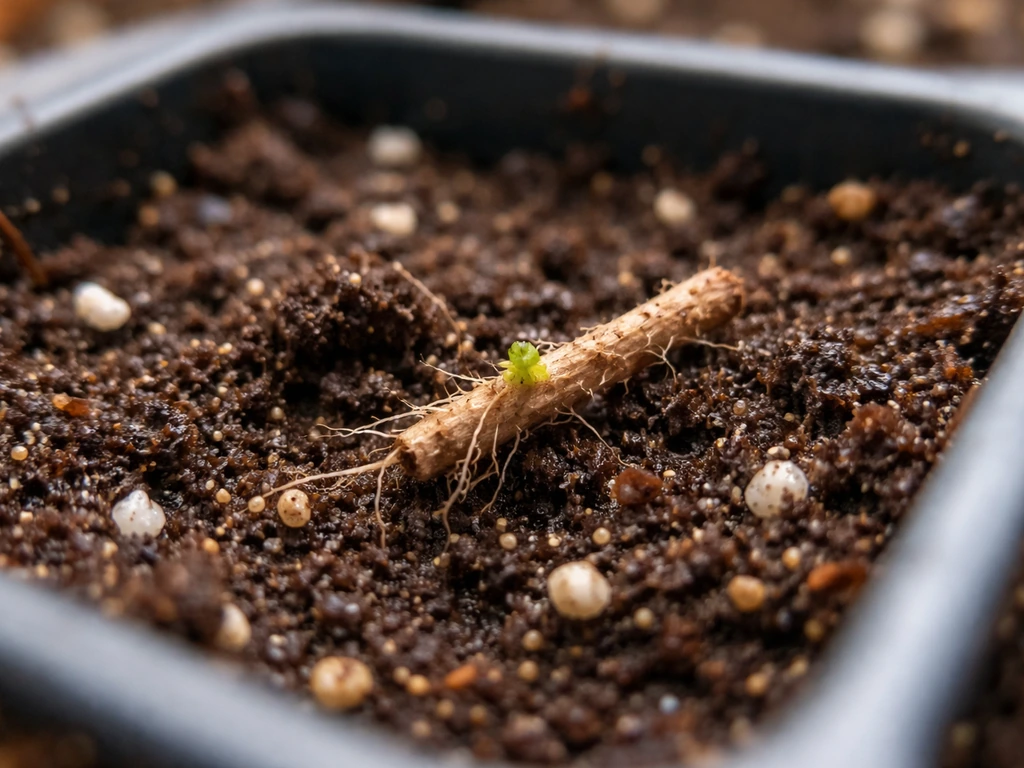
Most plants cannot regrow from roots alone. That's the honest truth. The reason most propagation methods rely on stem cuttings, divisions, or at least a crown is that the normal shoot-initiating tissue, called the apical meristem, lives in the buds and growing tips of the plant above the soil line. When you remove the stem and crown entirely, you're removing the very tissue the plant would normally use to generate new growth. For a roots-only piece to sprout into a new plant, the roots themselves have to be capable of forming what's called an adventitious bud, essentially a new shoot that arises from an unexpected location. Only a relatively small number of plants can pull that off.
That said, a meaningful handful of garden and landscape plants do respond well to root cuttings, and there's also the separate situation of bare-root plants, where a dormant root system with an intact crown is replanted. Those two scenarios, root cuttings (propagation from root fragments) and bare-root regrowth (replanting a dormant root-plus-crown), need to be treated differently. More on both below.
What has to be true for roots to regrow a plant
Think of a root as a battery. If it still has charge, has the right wiring, and gets connected correctly, it can power new growth. Three things have to be true at the same time.
The root tissue has to be alive
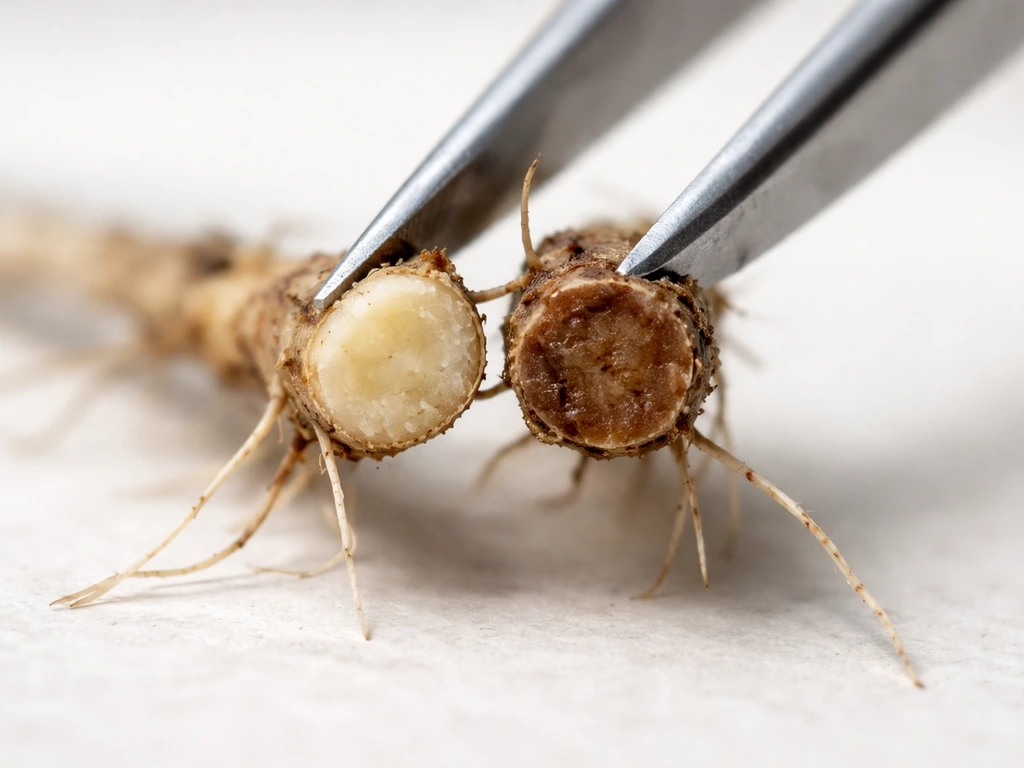
Dead roots cannot regenerate anything. To check whether your roots are viable, look at the tissue inside. Healthy root tissue is white to cream colored when you nick or snap it. If the inside is brown, yellow, or creamy-brown, the tissue has been damaged, whether by freezing, improper storage, or fungal attack. A rule of thumb from bare-root seedling inspection: if more than 15 to 25 percent of the roots are dead, and that dead tissue extends more than half an inch from the tips, regrowth is unlikely. Another quick test: if you see new root tips longer than about a quarter inch, those roots are actively alive and not just dormant.
The roots need stored energy
Roots store carbohydrates, and those reserves are the fuel any new bud or shoot will draw on before it can photosynthesize on its own. Roots dug in late fall or early winter, when the plant has just finished sending energy downward for storage, tend to have the highest reserves. Roots that have been sitting in a bag or pot for weeks, or that came from a stressed plant in poor soil, may have used up much of that energy already. This is one reason root cuttings taken at the wrong time often fail even when everything else looks right.
There must be a viable growth point
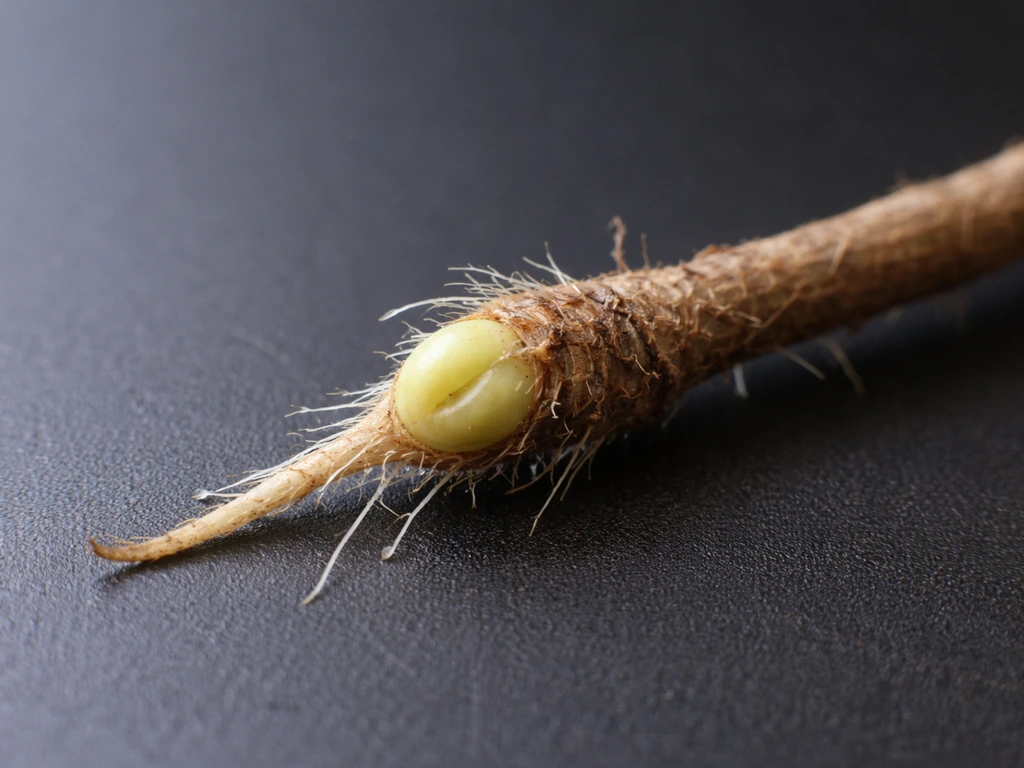
This is the big one. For a root-only piece to sprout, the root tissue has to be capable of forming an adventitious bud, a new shoot system arising from the root rather than from the typical bud sites on a stem. Not all plants can do this. The ones that can have root tissue that retains enough developmental flexibility to generate a whole new shoot system from scratch. Understanding how plant roots grow at a biological level helps explain why this matters: roots and shoots are governed by different developmental programs, and only certain species blur that line enough for roots to initiate shoot growth independently.
Two methods to try: root cuttings vs bare-root regrowth
These are genuinely different situations, and mixing them up leads to confusion. Here's how to approach each one.
Root cuttings: propagating from root fragments
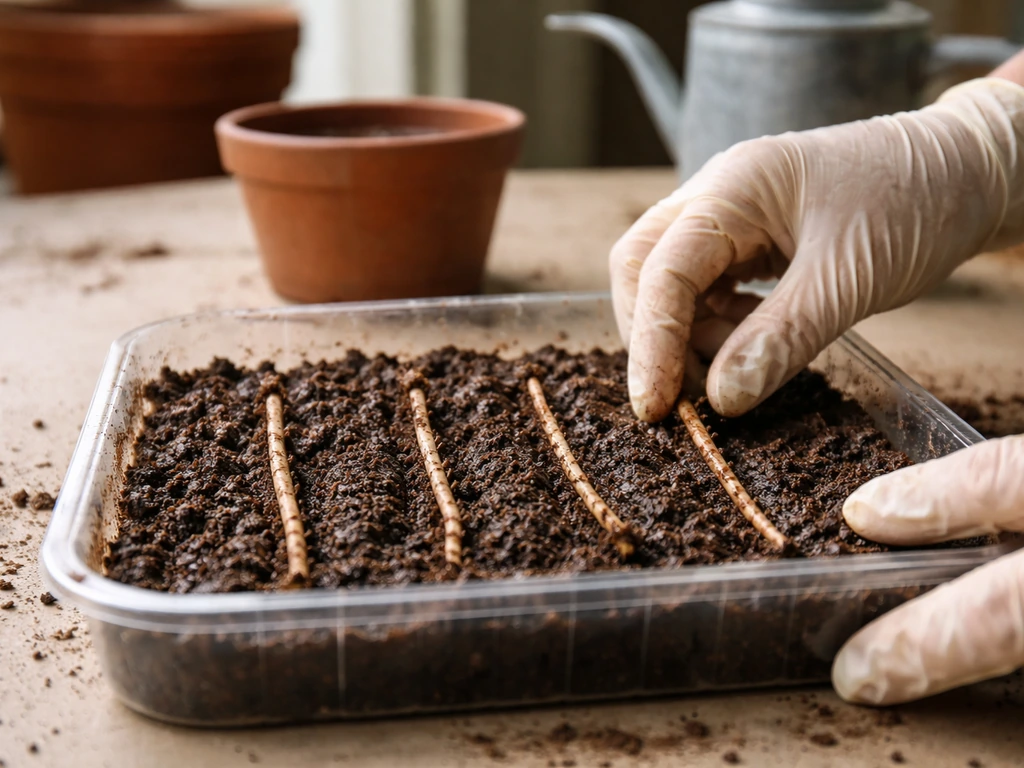
This is intentional propagation where you take a healthy root from a living parent plant and encourage it to produce a new shoot on its own. It works for a specific list of species (more on that below). Here's how to do it:
- Dig roots from a healthy parent plant in late fall or early winter when carbohydrate reserves are highest. Choose roots roughly pencil-width in diameter, ideally from younger growth close to the crown.
- Cut sections 2 to 4 inches long. Make a straight cut on the end that was closest to the crown (the proximal end) and a slanted cut on the end that was farthest from the crown (the distal end). This polarity trick helps you keep track of orientation and prevents accidental upside-down planting.
- Dust the straight-cut (proximal) end lightly with rooting hormone powder.
- Plant the cutting vertically with the straight-cut, crown-end facing up. Bury it so the top is just at or slightly below the soil surface.
- Use a propagation medium that holds moisture but drains well, something like a perlite-heavy mix or moist sphagnum moss. Waterlogged media is the fastest way to lose a root cutting to rot.
- Keep the medium consistently moist and the environment warm, ideally 60 to 70°F at the root zone. A plastic cover or humidity tent helps maintain moisture without soaking the medium.
- Be patient. Shoots may not appear for 4 to 8 weeks. Don't dig up the cutting to check; let it do its thing.
Bare-root regrowth: replanting a dormant root system
Bare-root plants are a slightly different case. Here, you have a dormant root system that still has an intact crown, the junction where root meets stem. For bare-root planting depth, University of Maryland Extension advises using the uppermost root or root flare guidance because the root flare may not be well-developed yet [the junction where root meets stem](https://www. extension.
umd. edu/resource/planting-tree-or-shrub). These are commonly sold in late winter and early spring, and they can look completely dead when you receive them. They're not propagation in the strict sense; you're not creating a new plant from a root fragment.
You're giving a dormant plant the conditions it needs to wake up. If you're working with something like a bare-root rose, shrub, or perennial, reading up on how to grow bare root plants will give you a detailed method for getting those dormant systems established properly. The short version: keep roots moist before planting, [plant at the right depth so the crown sits at or just below the soil surface](https://www. purdue.
edu/fnr/extension/planting-bare-root-seedlings/), and don't let roots dry out during the process.
Which plants can actually do this
Species variation is everything here. Some plants are genuinely willing to sprout from a root fragment. Most are not. Below is a practical breakdown.
| Plant | Root cutting possible? | Notes |
|---|---|---|
| Blackberry / Raspberry | Yes | Vigorous adventitious bud formation from roots; very reliable |
| Oriental poppy (Papaver orientale) | Yes | Classic root cutting candidate; best done in fall |
| Phlox (garden varieties) | Yes | Works well; take root cuttings in late fall |
| Horseradish | Yes | Practically grows itself from root pieces |
| Lilac | Yes | Can form shoots from root pieces; slower than other methods |
| Rose | Yes | Possible but not the most efficient propagation method |
| Fig / Apple | Yes (with caveats) | Some adventitious budding possible but stem cuttings are easier |
| Sumac / Trumpet vine | Yes | Both spread aggressively via roots in the wild; a clue they can regenerate from root pieces |
| Epimedium (barrenwort) | Yes | Root cuttings viable; also divides well |
| Bleeding heart (Dicentra spectabilis) | Yes | Root cuttings possible in fall |
| Philodendron / Pothos / Dracaena | No | Need stem with nodes; roots alone won't produce a new plant |
| Orchids | No | Roots cannot form adventitious shoots in most genera |
| Most annual flowers | No | Not adapted for vegetative root propagation |
| Most ferns | No | Propagate by spores or division, not root cuttings |
The pattern worth noticing: plants that spread aggressively in the garden, like trumpet vine, sumac, raspberries, and horseradish, are often the same ones that can regrow from root pieces. That's not a coincidence. Their ability to sprout from root fragments is part of how they colonize space. Meanwhile, common houseplants like philodendrons, pothos, and dracaena need a stem node to produce new growth. If you're trying to propagate those, you'll want to look at how to grow roots on a plant using stem or leaf cuttings instead.
Troubleshooting: when nothing is happening
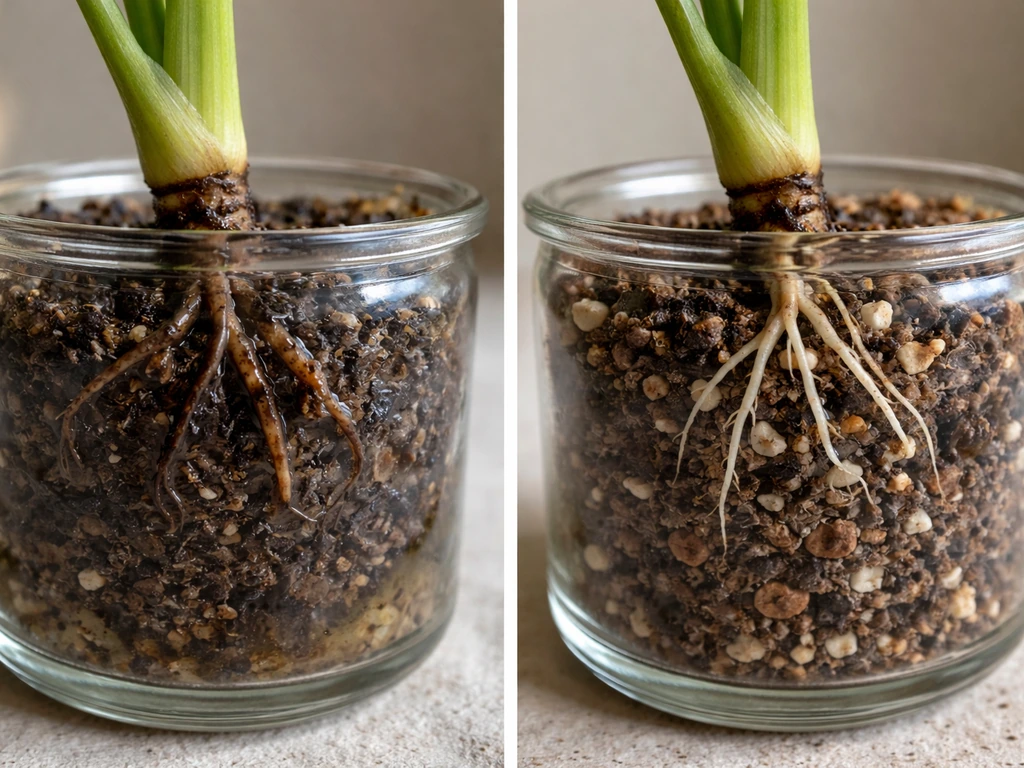
Root cuttings and bare-root attempts can stall or fail for a handful of specific reasons. Here's how to diagnose what's going wrong.
The roots are rotting
Soft, mushy, or slimy root tissue means rot, usually caused by a waterlogged medium. This is one of the most common failure modes because it feels intuitive to keep things very wet to encourage growth. But roots sitting in saturated media can't get oxygen, and fungal pathogens like botrytis move in fast.
If you're seeing rot, pull the cutting out, trim back to healthy (white) tissue with a clean blade, dust the cut end again with rooting hormone, and replant in a drier medium with better drainage. Perlite mixed into your potting medium at roughly 50 percent will help a lot. Keep the enclosure humid so the cutting doesn't dry out, but don't keep the medium soaking wet. Those are two different things.
The tissue is drying out
The opposite problem is dry pockets in the medium, spots where the root cutting isn't making full contact with moist material. If the medium pulls away from the cutting or dries unevenly, the cut surface loses water and can't initiate growth. When you plant a root cutting, firm the medium gently around it to eliminate air gaps. Use a spray bottle to mist the surface of the medium daily if needed, and cover with a loose plastic bag or a plastic dome to keep humidity up. Spritz the interior of the cover if it dries out.
No shoots are appearing
If weeks have passed and there's no sign of growth, check these factors in order: temperature (root zone should be 60 to 70°F; cold conditions dramatically slow bud initiation), light (bright indirect light is fine, but deep shade can stall things), and orientation (if you planted the cutting upside down, it will struggle; the proximal or crown-nearest end must face up). Also honestly consider whether the plant species you're working with is even capable of root cutting propagation. If it's a houseplant or an annual flower, root cuttings almost certainly won't work regardless of how perfect your conditions are.
The root tissue looked fine but still died
Sometimes roots that look okay on the outside are internally compromised. Brown or creamy-brown tissue inside the root when cut is a sign of prior freeze damage, fungal attack, or poor storage conditions. There's not much to do once the tissue is dead internally. This is a good reminder to always check the cambium (the layer just inside the outer skin) when evaluating roots.
White or cream is healthy. Anything brownish is a warning sign. If the whole root system looks compromised, it's time to move to a different approach entirely. If you find yourself regularly hitting dead ends with plants that just won't respond, it's worth asking why a plant won't grow more broadly, because sometimes the issue is environmental rather than the propagation method itself.
Better alternatives, and when to stop trying
If root-only propagation isn't working, or if you're working with a plant that simply isn't on the viable species list, here are the methods that are almost always more reliable.
- Stem cuttings: The single most reliable propagation method for most houseplants and many garden plants. You need a stem with at least one node (the bump or joint where a leaf attaches). Plants like philodendron, dracaena, weeping fig, English ivy, and dumb cane all root this way with very high success rates.
- Division: If the plant forms clumps, dividing it in early spring or fall is often the easiest and fastest way to get more plants. You get an immediately established root system on each division, which dramatically reduces the establishment period.
- Bulbs and tubers: For plants like dahlias, cannas, and tuberous begonias, the storage organ (tuber or bulb) is the correct starting point. These can't really be propagated from feeder roots alone, but dividing the tuber or bulb with a growth eye attached gives excellent results.
- Layering: For woody plants where cuttings are difficult, layering (bending a low stem to the ground and covering it with soil until it roots, then cutting it free) produces a rooted plant without ever severing the connection to the parent.
Know when to stop. If you've been waiting more than 8 to 10 weeks with no sign of shoot growth, the root tissue shows no new tip growth at all, or you've had repeated rot issues, it's time to let go and try a different method. There's no shame in that. Propagation is genuinely an experiment every time, and most experienced growers will tell you they've had plenty of failed root cuttings.
The difference between a beginner and an experienced grower isn't that the experienced grower never fails; it's that they recognize the failure sooner and pivot faster. If you want to build a real foundation for propagating more plants successfully, getting solid on how plant roots grow at a fundamental level will help you make better decisions every time you try a new species or method.
The bottom line: roots alone can produce a new plant if the species supports adventitious bud formation, the root tissue is genuinely alive with good energy reserves, and your setup gives it the right moisture, warmth, and time. For a specific list of species like raspberries, oriental poppies, phlox, and horseradish, it's a legitimate and repeatable technique. For most houseplants and many common garden plants, roots without a stem or crown simply won't cut it, and you'll get better results faster by switching to stem cuttings or division.
FAQ
If I nick or scrape the root to expose fresh tissue, will that increase the chances of sprouting from just roots?
Sometimes it helps only when the root is still alive inside. Lightly trimming away any dark, damaged outer areas can improve healing, but deep cuts can kill tissue or invite rot. After trimming, use a clean blade, dust with rooting hormone, and replant into a well-draining mix so the wounded area stays humid but not waterlogged.
What temperature should I aim for, and do I need to use a heat mat?
A root-zone range of about 60 to 70°F is the sweet spot for initiating buds. A heat mat can be useful if your room stays cooler, but it must warm the container from below, not bake the medium. If the medium gets hot and stays wet, rot risk increases, so pair warmth with fast drainage.
How wet should the medium be for root cuttings, to avoid rot without drying them out?
Keep the medium evenly moist, not saturated. A practical test is to squeeze a handful: it should clump slightly and then crumble, with no free water dripping. If you need to cover with a dome, vent briefly each day to reduce fungal pressure while maintaining humidity.
Do I need any rooting hormone for root-only propagation?
Rooting hormone can improve success for species that can sprout from root fragments, but it is not a substitute for viable tissue or species compatibility. For many root-cutting friendly plants, hormone is most helpful right after trimming, when you have fresh, healthy cut ends. If the root interior is brown, hormone will not fix that.
Should I plant root cuttings vertically, horizontally, or is orientation only about the top end?
Orientation matters, but so does how much of the root fragment is in contact with moist medium. Even when you face the proximal end correctly (crown-nearest end up), burying too deep can slow sprouting and increase rot. A shallow planting that keeps the initiating end covered while the rest has good moisture contact is usually better than fully submerging the entire piece.
How long should I keep waiting before assuming the root-only attempt has failed?
If there is no visible change, such as swelling, new root tips, or any bud emergence after roughly 8 to 10 weeks, it is usually time to pivot. Continuing longer rarely reverses internal damage, especially if you already had periods of rot or inconsistent moisture.
Can I propagate a plant from roots if I bought it as a houseplant or from nursery stock?
It depends on the species’ biology. Many common houseplants require at least a stem node to initiate shoots, so root-only attempts often stall even with perfect viability and moisture. If the plant typically propagates by cuttings or division, use that method instead of experimenting with roots alone.
What if my bare-root plant has a damaged or mushy crown, will it still recover?
A viable crown is critical because the shoot initiation comes from tissue at the root-to-stem junction. If the crown feels soft, blackened, or internally brown, regrowth is unlikely. Trim back to healthy tissue only if you can reach firm, pale areas; otherwise, switch to replacing the plant or using another propagation route.
Is it better to reuse the same potting medium if a root cutting rots, or should I start fresh?
Start fresh. Reusing a medium that caused rot can leave behind fungal spores and create pockets with poor oxygen. Clean the container and use a new, drier mix with better drainage, such as a blend including perlite for airflow and reduced saturation.
What are the most common mistakes that make roots look fine but still do not sprout?
The usual culprits are species mismatch, dead internal tissue that is brown when cut, incorrect end orientation, and chronic moisture imbalance (either soggy, oxygen-starved conditions or drying air gaps). Also check the root fragment size, very tiny pieces often run out of stored carbohydrates before they can form an adventitious bud.