You can absolutely grow healthy plants through the rainy season, but you have to stop treating it like normal growing weather. The rules shift: watering changes, drainage becomes your top priority, low light slows everything down, and fungal problems can show up almost overnight. Get those four things right and your garden can actually thrive when everyone else's is rotting.
How to Grow Plants in Rainy Season: Step-by-Step Guide

Marcus Holloway
7 May 2026
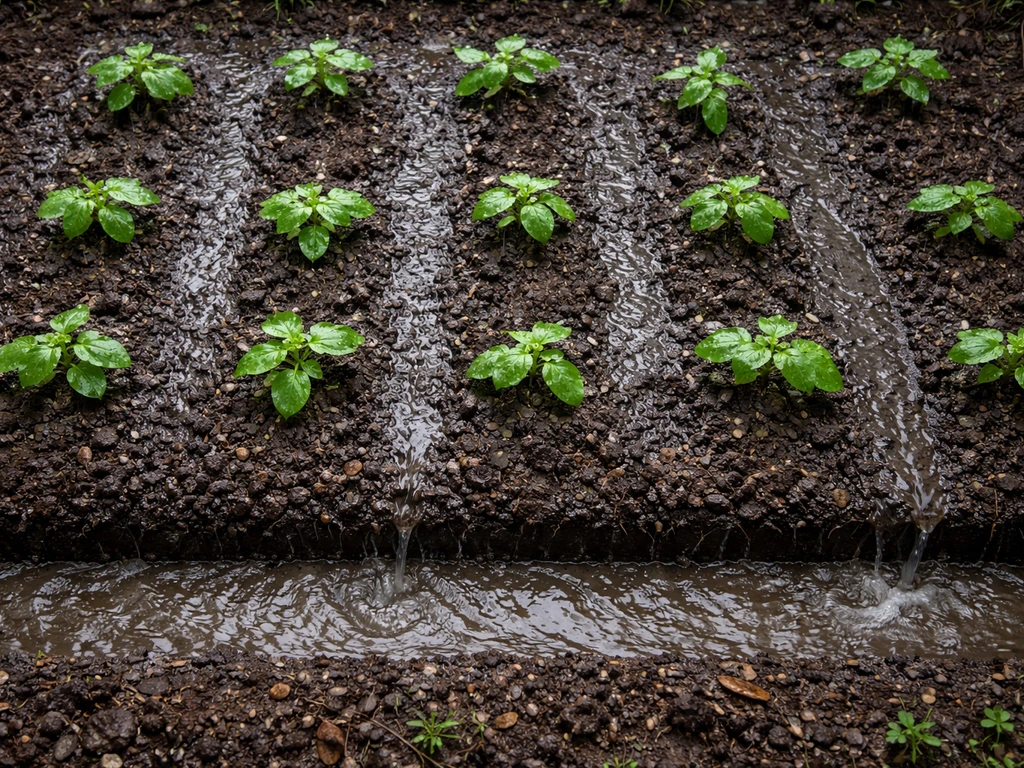
What actually happens to your plants when it rains a lot
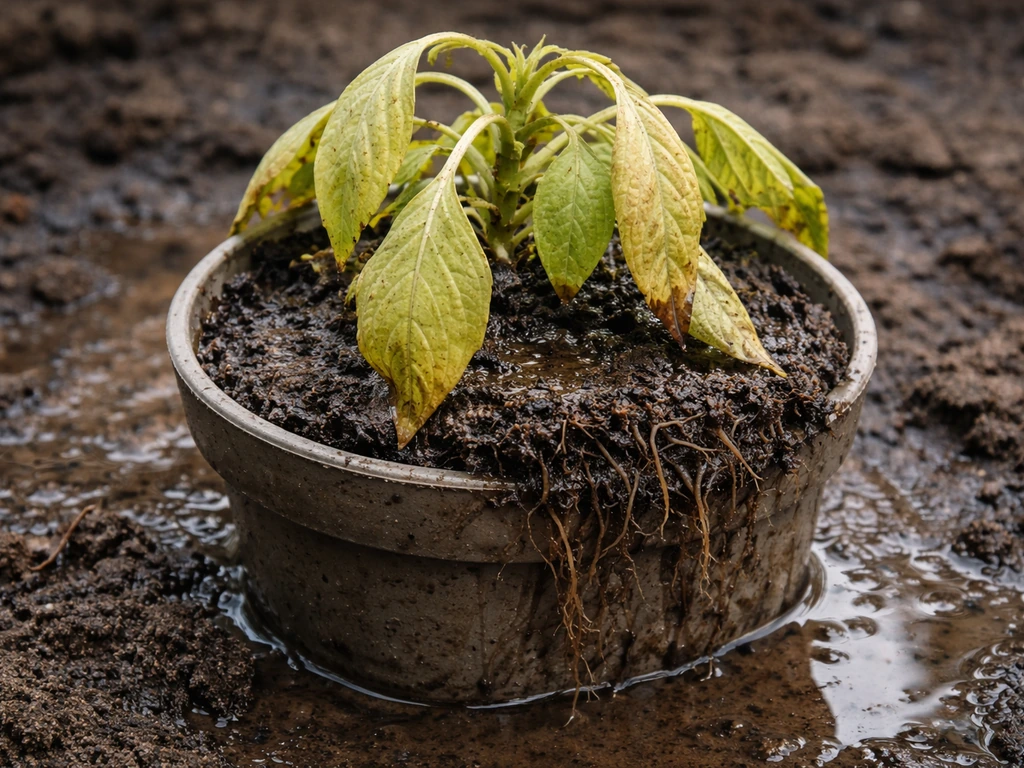
The biggest surprise for most gardeners is that plants growing in waterlogged soil can look like they are dying of thirst, even when the ground is soaking wet. That is not a paradox, it is plant biology. When soil fills with water for too long, the air pockets between soil particles disappear, and roots are left in an oxygen-starved environment. Without oxygen, roots cannot function properly. They stop absorbing water and nutrients, the stomata (tiny pores on leaves) close up to conserve what little the plant has, and within days you start seeing wilting, yellowing, and stunted growth.
There is also a nitrogen problem that sneaks up on people. Waterlogged soil speeds up denitrification, a process where soil bacteria convert available nitrogen into gases that escape into the air. So even if you fertilized well before the rains came, that nitrogen is quietly disappearing. That is why rainy-season plants often look pale and weak even when the soil seems rich. Low light from overcast skies makes it worse, since photosynthesis slows and the plant has less energy to push new growth. Understanding all of this makes it easier to troubleshoot, because you stop blaming the wrong thing.
Pick plants that actually like wet, low-light conditions
Not every plant is going to fight you through the rainy season. The smarter move is to lean into what the season offers: consistent moisture, cooler air, and lower light. Leafy greens like spinach, lettuce, kale, Swiss chard, and arugula are made for this. Herbs like mint, chives, and coriander do well in wet conditions too. For flowering plants, impatiens, begonias, and pansies handle overcast light and humidity better than most. If you want root vegetables, radishes and beets are reliable in wetter soil as long as drainage is decent.
What to avoid: tomatoes, peppers, and most fruiting plants need consistent sun and dry air around their foliage. They will struggle with fungal disease in wet, humid conditions unless you are very careful. The same goes for succulents and cacti, which are basically the opposite of rainy-season plants. If you are growing these and a wet season is coming, plan to move them under cover early rather than trying to manage the damage later.
Variety selection matters too. Many vegetable seed catalogs now list disease resistance ratings, and for rainy-season growing, those ratings are worth paying attention to. Look for varieties labeled resistant to downy mildew, powdery mildew, or Fusarium wilt. Breeders have created versions of popular vegetables specifically for high-humidity climates, and choosing those from the start saves a lot of headache.
Set up your soil, containers, and beds to shed water, not hold it
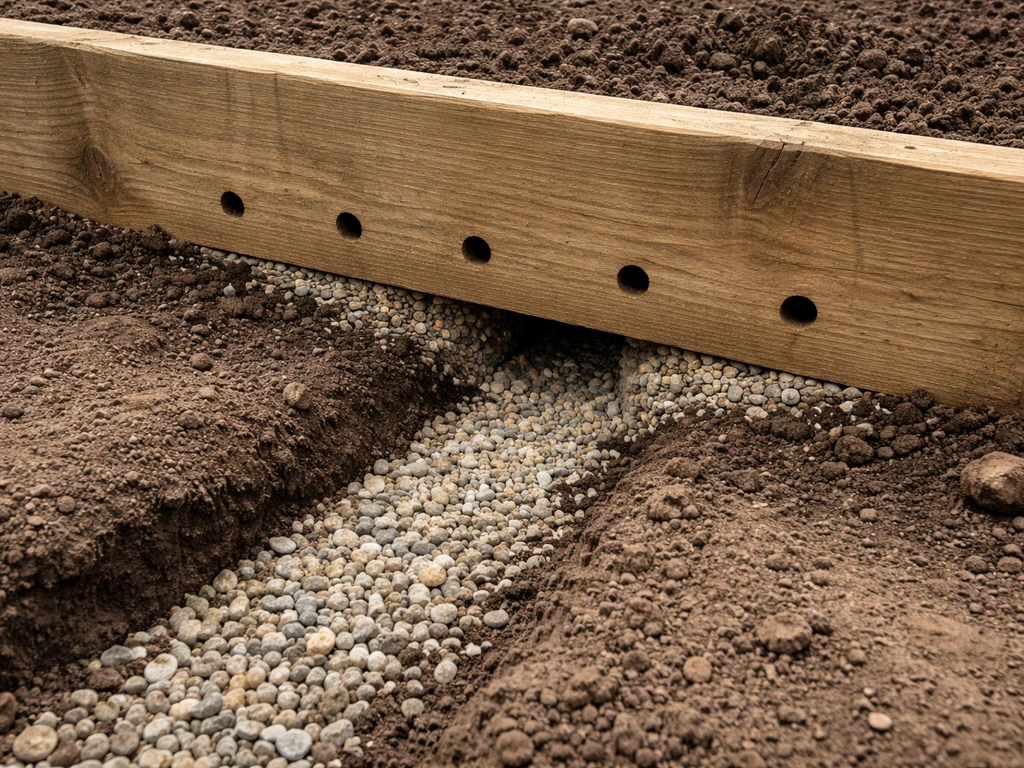
If there is one thing to do before the rains start, it is fixing your drainage. Roots sitting in standing water for even 24 to 48 hours can suffer damage that takes weeks to recover from. In garden beds, improve drainage by working in coarse perlite, coarse sand, or aged compost to loosen compacted soil. A basic rule: if you squeeze a handful of soil and water streams out freely, that soil needs structural help before the season starts.
Raised beds are genuinely worth building if you deal with heavy seasonal rain. Even raising your growing surface by 6 to 12 inches makes a dramatic difference in how quickly water moves away from roots. You do not need an elaborate setup: simple timber or cinder block frames filled with a mix of topsoil, compost, and perlite give you control over drainage that you just cannot get from flat ground in a clay-heavy yard.
For containers, drainage holes are non-negotiable. If your pot does not have them, drill some before the season starts. During heavy rain, move containers to a spot where they will not sit in pooled water. Elevating pots on pot feet or bricks (even just an inch or two) makes a real difference because it stops the drainage holes from being blocked by the ground. Choose terracotta or fabric grow bags over solid plastic when possible, since both allow air and moisture to exchange through the walls, which helps prevent that waterlogged oxygen problem at the root zone.
How to water (and when to stop) during rainy weather
During a genuinely wet rainy season, you may not need to water at all for days or even weeks at a stretch. But rainy seasons are rarely consistent. Most regions see bursts of heavy rain followed by dry spells of several days, and it is during those dry breaks that people forget to check their plants because they assume the soil is still wet. It is worth pressing your finger two inches into the soil every couple of days during a dry break, because surface soil dries faster than you expect, especially in containers.
A good general rule: only water when the top two inches of soil are dry. During active rain, skip watering entirely for garden beds. For containers under cover or sheltered from rain, keep your normal check schedule but expect to water less frequently, maybe half as often as you would in summer. Overwatering during the rainy season is one of the most common reasons plants fail, because people water on habit rather than need.
If you are growing in a hydroponic or water-based system during the rainy season, the main adjustment is oxygenation. Cooler water temperatures hold more oxygen naturally, but reduced light means slower plant metabolism, so dial back nutrient solution concentration slightly (about 10 to 20 percent lower EC than your summer target) to avoid salt buildup at the roots when uptake slows.
Stop root rot and fungal disease before they start
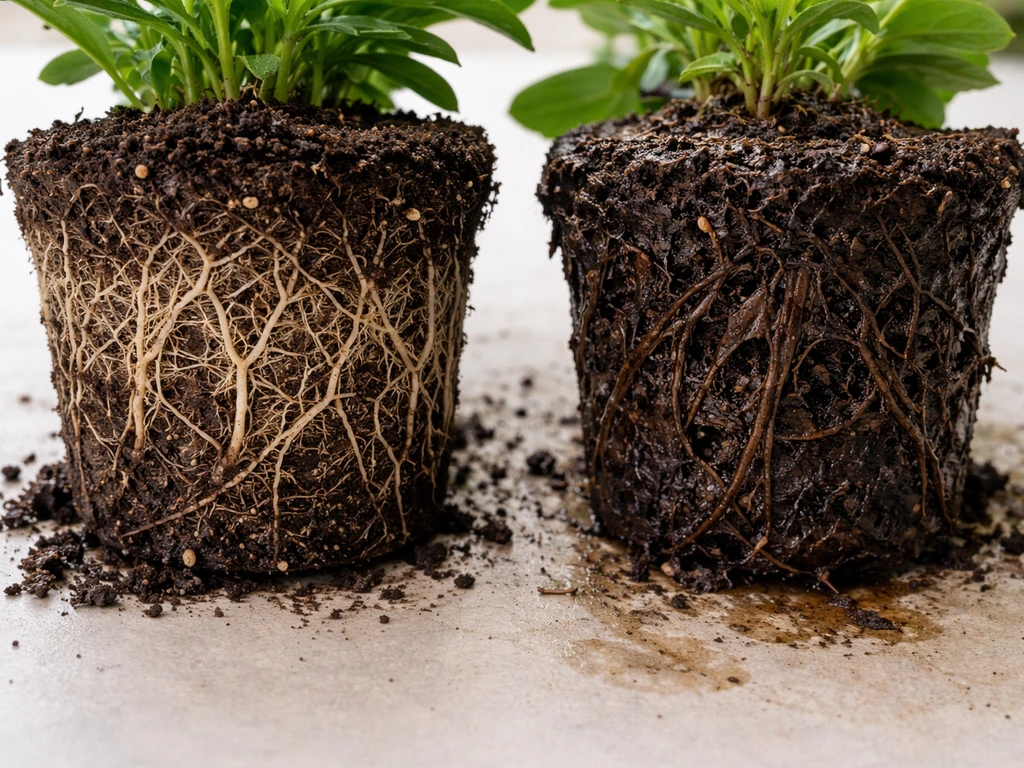
Root rot is caused by water mold organisms (most commonly blank" rel="noopener noreferrer">Phytophthora and Pythium species) that thrive exactly when soil stays wet and airless. The best prevention is the drainage setup covered above, combined with two more habits: proper spacing and mulching the right way.
Spacing plants further apart than the label suggests might feel wasteful, but it is one of the most effective things you can do in a humid season. When foliage overlaps, moisture sits on leaves for hours after rain and creates the perfect environment for fungal spores to germinate. Give plants room to breathe, and air will move through the canopy and dry leaf surfaces faster. For most vegetables, this means adding 4 to 6 inches of extra spacing compared to dry-season recommendations.
Mulching is genuinely helpful in the rainy season, but only if you do it right. A layer of straw, wood chip, or bark mulch 2 to 3 inches thick does two important things: it prevents soil splash (which is how many fungal spores travel from soil onto leaves), and it regulates soil temperature during heavy downpours. The mistake people make is piling mulch up against the base of the stem, which traps moisture right at the most vulnerable point. Keep mulch at least 2 inches away from the stem or trunk.
Rainy season pests and diseases: what to watch for
Wet weather brings a different pest lineup than summer. Slugs and snails become the number one problem because they are most active in damp, cool conditions and can strip seedlings overnight. Checking plants in the evening with a flashlight and physically removing slugs is low-tech but effective. Copper tape around container rims and diatomaceous earth sprinkled around bed edges both work as physical barriers. blank" rel="noopener noreferrer">Iron phosphate slug bait is another safe option that breaks down harmlessly in soil.
Fungal diseases spike in wet seasons. The three most common ones to know are: downy mildew (pale yellow patches on upper leaf surfaces with fuzzy grey or purple growth underneath), gray mold or Botrytis (fluffy gray patches, usually starting on damaged or dying plant tissue), and damping off (seedlings suddenly collapse at the soil line, which is almost always fatal). For all three, the treatment is similar: remove affected material immediately, improve airflow, and avoid wetting foliage when watering. A diluted neem oil spray (follow label dilution, usually about 2 tablespoons per gallon of water) applied every 7 to 10 days is an effective preventive for most fungal and some bacterial issues.
Aphids, fungus gnats, and whiteflies can also spike in the rainy season because natural predators like ladybugs are less active in wet weather. Sticky yellow traps are useful for monitoring whiteflies and fungus gnats. For aphids, a strong jet of water to knock them off (on a day when leaves can dry before nightfall) or insecticidal soap spray works well. Fungus gnats specifically thrive when topsoil stays wet, so letting the surface dry out between waterings is the best control.
Feeding and light when the sun disappears for weeks
Low light is a slow-motion stressor that most people underestimate. Photosynthesis powers everything, and when it drops, growth slows, leaves stretch toward whatever light is available (etiolation), and plants become more vulnerable to disease. The practical fixes depend on how severe your situation is.
For outdoor growing, position plants where they get the most available light, which in rainy seasons usually means south-facing spots (in the northern hemisphere) with nothing blocking the sky. Trim back any overhanging branches that shade the growing area. Even moving a container a few feet can add an extra hour of usable light. For indoor or greenhouse growing, a basic full-spectrum LED grow light running 12 to 14 hours a day can completely replace whatever sun is missing. These are now inexpensive enough (under $30 for a setup covering a small shelf) that they are worth it for anyone who grows regularly through low-light seasons.
On fertilizing: pull back slightly on nitrogen-heavy fertilizers during the wettest weeks. Since the plant's metabolism and uptake are slower, pushing nitrogen causes leafy but soft growth that is especially vulnerable to fungal attack and physically bruised by rain. Instead, use a balanced fertilizer at half the recommended dose, or switch to a slow-release granular fertilizer that releases nutrients more gently over time. Once you see a dry stretch of three or more sunny days, you can return to normal feeding. Because nitrogen loss from waterlogged soil is real, a small top-up with a dilute liquid fertilizer after a prolonged wet period is often exactly what a struggling plant needs.
This connects to the challenge in other extreme-season growing scenarios too. If you have dealt with keeping plants growing through winter or through intense heat, you know that light and nutrient management are always the levers to pull when the environment stops cooperating. If you are wondering how to grow plants in the winter, the same principles of managing light, drainage, and feeding at the right time will help you keep plants healthy when conditions stay unfavorable.
Fixing the common problems you will actually see
Here is a quick diagnosis guide for the things that tend to go wrong. Use it when something looks off and you are not sure what is causing it.
| Symptom | Most Likely Cause | What to Do |
|---|---|---|
| Yellow leaves (all over) | Waterlogged roots, nitrogen loss | Improve drainage, let soil dry slightly, apply dilute balanced fertilizer |
| Wilting despite wet soil | Root rot or oxygen-starved roots | Check roots (healthy = white/cream, rotted = brown/slimy), repot if needed, improve drainage |
| Brown or black spots on leaves | Fungal disease (Botrytis, mildew) | Remove affected leaves, apply neem oil spray, increase spacing and airflow |
| Leggy, stretched stems | Insufficient light | Move to brighter spot or add grow light, rotate container regularly |
| Seedlings collapsing at base | Damping off (fungal) | Remove affected seedlings immediately, do not overwater, improve airflow |
| Foul smell from soil or pot | Root rot, anaerobic soil | Unpot plant, trim rotted roots, repot in fresh well-draining mix |
| Silvery slime trails, chewed leaves | Slugs or snails | Handpick at night, apply diatomaceous earth or iron phosphate bait |
| Pale leaves, sticky residue | Aphids or whiteflies | Spray with insecticidal soap or knock off with water jet |
If you catch root rot early (the plant is wilting but the roots are only partially brown), you can often save it. Unpot the plant, trim away all the brown mushy roots with clean scissors, let the roots air dry for 20 to 30 minutes, dust the cuts with cinnamon or activated charcoal (both have mild antifungal properties), and repot in fresh, well-draining mix. Keep it out of direct rain while it recovers. Do not fertilize immediately. Give it one to two weeks to stabilize before resuming normal care.
Your rainy season checklist: what to do starting today
- Check every pot and bed for drainage: add drainage holes to containers if missing, and elevate pots on feet or bricks.
- Amend compacted or clay-heavy soil with perlite or coarse compost before the next rain event.
- Audit your plant lineup: move sun-loving or drought-tolerant plants (succulents, peppers, tomatoes) under cover or indoors.
- Increase spacing between plants by 4 to 6 inches to improve airflow and reduce fungal risk.
- Apply a 2 to 3 inch layer of straw or bark mulch around plants, keeping it away from stems.
- Set up slug barriers (copper tape, diatomaceous earth) around vulnerable seedlings and containers.
- Reduce fertilizer to half-dose or switch to slow-release granular, and pause on high-nitrogen feeds during the wettest stretches.
- Check light availability and set up a grow light if indoor plants are stretching or losing color.
- Start checking soil moisture every 2 days during dry breaks rather than watering on a fixed schedule.
- Mix a preventive neem oil spray and apply to foliage every 7 to 10 days throughout the rainy period.
The rainy season does not have to be a write-off for your garden. It just asks for a different set of habits than summer growing does. To tailor these steps for the desert climate, use specific strategies for hot weather transitions, soil amendments, and plant choices that tolerate Arizona conditions a different set of habits than summer growing does. Fix the drainage, choose plants that fit the conditions, and stay on top of airflow and pests, and you will be surprised how well things grow when moisture is consistent and temperatures are mild. Most of the problems that kill plants in wet weather are preventable with a bit of setup before the rains arrive. If you are also dealing with heat, use the same “check and adjust” approach for soil moisture, shade, and watering timing when the temperature spikes. If you want to keep planting year-round, this same setup approach helps you extend the season safely beyond just the rainy months rainy season checklist.
FAQ
How can I tell if my plant is wilting from low oxygen versus from underwatering during heavy rain?
Check the soil and the stem base. If the soil is still wet and the plant looks limp, roots may be oxygen-starved, not thirsty. Gently lift the plant or slide it out of its pot and smell the root ball, healthy roots smell earthy, rotting roots smell sour or rotten. Also look for yellowing plus stunted new growth, that combination is a strong waterlogged signal.
Should I keep fertilizing during the rainy season if my plants look pale?
Hold back during the wettest stretch, then feed after a dry break. Pale color can come from nitrogen loss in saturated soil, so switch to a balanced fertilizer at about half strength or use a dilute liquid top-up only after 3 or more sunny days. Avoid high-nitrogen products during continuous wet weather to prevent soft, fungal-prone growth.
Is it better to stop watering completely for garden beds once rain starts?
Skip supplemental watering during active rain, but do not assume zero irrigation is always correct. Many gardens get gaps between storms, if the top 2 inches are dry during those breaks, water deeply enough to wet that zone, then reassess. In containers, even under cover, evaporation can still happen fast once clouds break.
What drainage improvements work for clay soil when I cannot rebuild everything?
Make targeted “drainage zones” rather than only adding compost. Work in coarse sand or perlite at the root-zone depth (not just the top inch), and consider installing a simple swale or French drain to route excess water away from beds. If water stands after rain, it is a sign you need either a raised bed conversion or a ground-level drainage channel, not just more mulch.
My containers got flooded, what should I do immediately after the rain?
Move containers to a dry, airy spot and remove standing water from trays. If soil stayed saturated more than a day, check roots by unpotting for a quick inspection, trimming only clearly dead or mushy roots with clean tools. Repot into fresh well-draining mix if the original mix smells sour or pulls away from the sides like it has been compacted.
How far apart should I space plants in a rainy season if the label seems too tight?
Increase spacing modestly and focus on canopy airflow. For most vegetables, add about 4 to 6 inches beyond dry-season spacing as a starting point, especially for leafy plants that trap moisture. If you see persistent leaf wetness after rain, add more space or prune lower leaves that touch mulch or soil.
Does mulching make fungal problems worse or better in the rainy season?
Mulch helps when it prevents splash and moderates soil, but it can worsen issues if packed too close to stems. Keep mulch 2 inches away from the trunk or stem base, and use breathable materials like straw or bark rather than thick plastic-like layers. If you see leaves staying wet for long periods, thin mulch slightly to avoid trapping constant surface moisture.
Are there rainy-season rules for pruning or leaf removal?
Yes. Remove only damaged, diseased, or heavily overlapping leaves after rain has stopped, then discard infected material away from the garden. Avoid heavy pruning during continuous wet stretches because fresh cuts stay vulnerable and can spread issues. Focus on improving airflow, especially inside dense centers where humidity lingers.
What should I do if my greenhouse or indoor plants keep developing fungus during rainy weather?
Treat humidity control as a separate job from watering. Ventilate more aggressively to reduce leaf-surface wetness, run a small fan for air circulation, and water early in the day so foliage dries before evening. If you use neem or other sprays, apply when leaves can dry fully and avoid spraying if condensation is already forming overnight.
Can I grow tomatoes or peppers in the rainy season if I provide good drainage?
They may survive but they are still high-risk because they need foliage to stay dry and they tolerate humidity poorly. If you try them anyway, use structures that keep rain off leaves (hoops, clear roof panels, or dedicated plant cages with cover), prune for airflow, and water at the soil line only. Consider switching to downy mildew and powdery mildew resistant varieties and expect more monitoring.
How do I prevent damping off when starting seeds during rainy season?
Use a sterile, fast-draining seed-starting mix and keep the surface from staying constantly wet. Provide gentle airflow and bottom water when possible, avoid soaking the top layer. If seedlings collapse at the soil line, remove affected trays immediately to prevent rapid spread, and let the remaining mix dry slightly before watering again.
What is the safest way to apply neem oil during wet seasons?
Spray as a preventative during drier windows, when leaves can dry before nightfall, and do not spray during heavy ongoing rain. Ensure full coverage of leaf surfaces, especially the undersides where many fungal issues start, then repeat on the schedule you can maintain (often weekly to every 10 days). Test on a small portion first if you are unsure about sensitivity.
Are slug barriers like copper tape and diatomaceous earth safe and effective in rainy weather?
They work best when the ground surface stays dry enough for barriers to remain intact. After heavy rain, diatomaceous earth can lose effectiveness, so plan for reapplication and focus on bed edges and around vulnerable seedlings. Copper tape can still help around containers, but check that it has not been submerged by pooled water.