Growing plants quickly comes down to stacking the right conditions at the right time: light intensity, temperature, moisture, nutrients, and starting with a plant that is already primed to move fast. Get those five things working together and you will see noticeably faster growth within days. Miss even one of them and the others cannot compensate. This guide walks you through every lever you can pull today, whether you are growing in a pot of soil on a windowsill, rooting cuttings in water, running a small hydroponic setup, or working with a terrarium.
How to Grow Plants Quickly: Steps for Fast Growth
Marcus Holloway
4 Apr 2026
What makes plants grow fast (and what fast actually means)
Plants grow through photosynthesis and cell division, and both processes are rate-limited by the environment. Light drives photosynthesis. Temperature controls how fast enzymes work. Water transports nutrients and keeps cells turgid enough to divide and expand. Nutrients supply the raw materials for new tissue. And the genetic ceiling of your plant species sets the upper boundary on all of it. So when someone says they want plants to grow faster, what they really need to do is remove whichever one of those factors is the current bottleneck.
Realistic expectations matter here. A radish can go from seed to harvest in about 25 days under good conditions. A basil cutting can root in water within 7 to 10 days. A tomato seedling, even with perfect care, is not going to be transplant-ready in under 6 weeks. If you want to see visible progress quickly, choosing the right plant matters as much as any technique. For a closer look at what is achievable in extremely compressed timeframes, the article on how to grow a plant in 5 days covers the specific conditions and species that make that possible.
The biggest misconception I see is that people think more fertilizer equals faster growth. It does not. Over-fertilizing can cause salt buildup in the root zone, which pulls moisture away from roots through osmosis and actually stalls or burns the plant. Speed comes from balance, not from pouring on more of any single input.
Pick the quickest plants and the right starting method
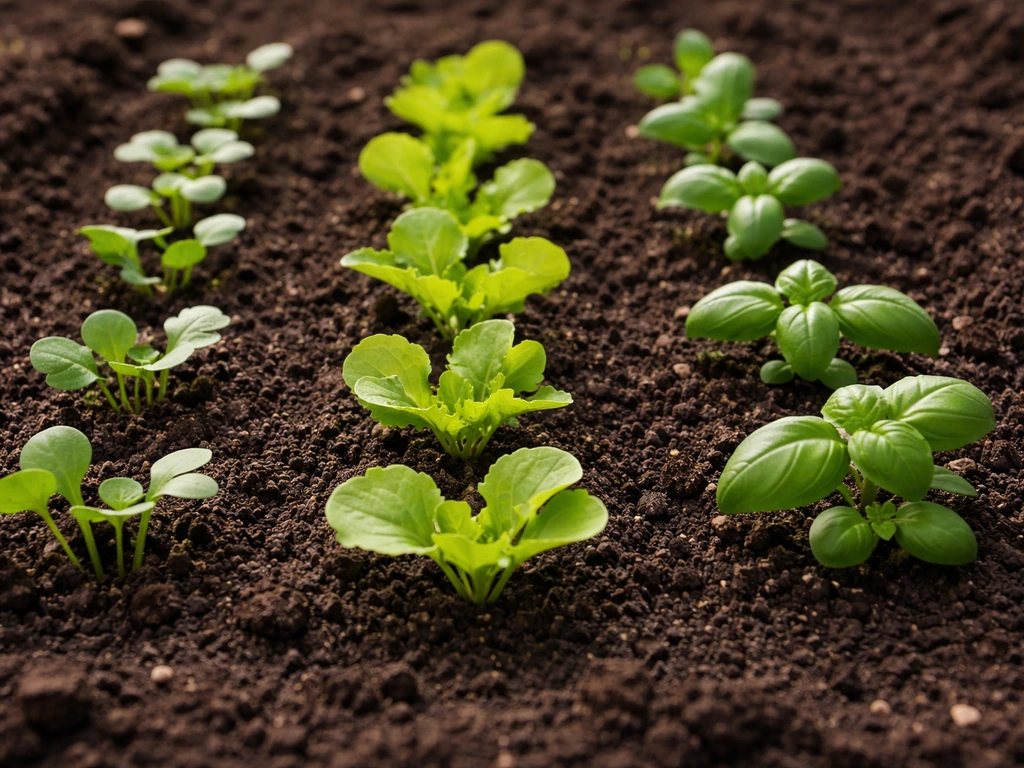
If speed is the goal, start with fast-growing species. Lettuce, radishes, spinach, beans, sunflowers, and herbs like basil and mint consistently produce visible results within days to a couple of weeks. Among the fastest and most educational options are Wisconsin Fast Plants, a variety of Brassica rapa specifically bred to complete an entire life cycle in about 35 to 40 days. If you want a structured, reliable fast-growing project, the guide on how to grow Wisconsin Fast Plants walks through that process in detail.
Once you have picked your plant, choose your starting method based on how fast you want results:
- Seeds: Slowest to get started but cheapest and most widely available. Pre-soaking seeds in room-temperature water for 4 to 8 hours before planting can shave days off germination by softening the seed coat and kickstarting moisture absorption. Do not soak for longer than 24 hours or you risk rotting the seed.
- Cuttings: Skip germination entirely. Take a 4 to 6 inch cutting from a healthy stem, remove the lower leaves, and place it in water or a moist rooting medium. Many herbs and houseplants root in 7 to 14 days this way.
- Seedlings (transplants): The fastest path to a growing plant. You are buying weeks of head start. The tradeoff is cost and transplant shock risk, which is manageable with proper technique covered later in this guide.
For seeds, the soil temperature at planting depth is more important than air temperature. Lettuce, for example, has a minimum germination soil temperature of about 45°F, an optimum around 75°F, and can germinate across a range of 35 to 85°F. Most warm-season vegetables (tomatoes, peppers, cucumbers) have much higher minimums, often 60°F or above, and will simply sit dormant in cold soil no matter how warm the air above them feels. A seedling heat mat solves this cheaply. Place it under the tray until germination begins, then remove it to avoid overheating roots as the seedling establishes.
Fast setup basics: light, temperature, humidity, and airflow
Light
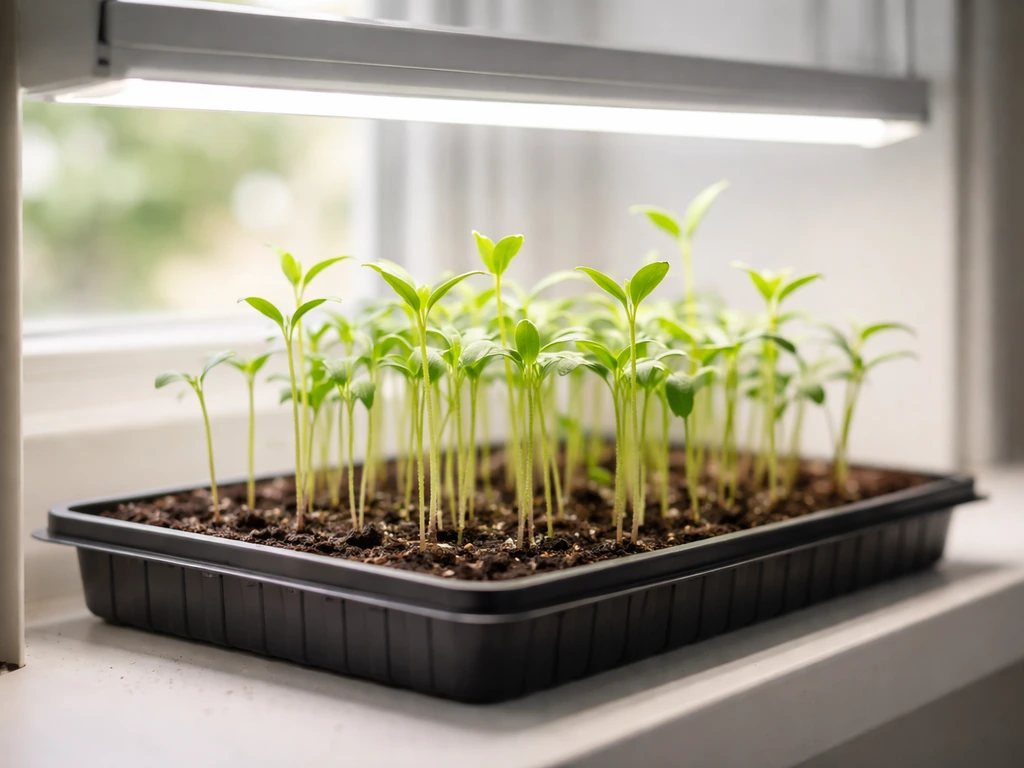
Light is almost always the limiting factor for indoor growers. A south-facing window gives you maybe 4 to 6 usable hours of decent light in spring, which is enough to keep most plants alive but not enough to push fast growth. For real speed, you need grow lights. Position the tops of your seedlings about 1 inch below fluorescent tubes, or 6 to 12 inches below LED grow panels depending on the wattage.
The key is to adjust the light height as the plant grows, either by raising the fixture or lowering the tray. Hanging lights from adjustable chains or placing trays on removable blocks makes this easy to manage.
Most fast-growing vegetables and herbs thrive on 14 to 16 hours of light per day under artificial light, with one important exception: spinach and other long-day-sensitive crops should be kept to around 10 to 11 hours, because extended photoperiods can trigger bolting and end vegetative growth prematurely.
Temperature
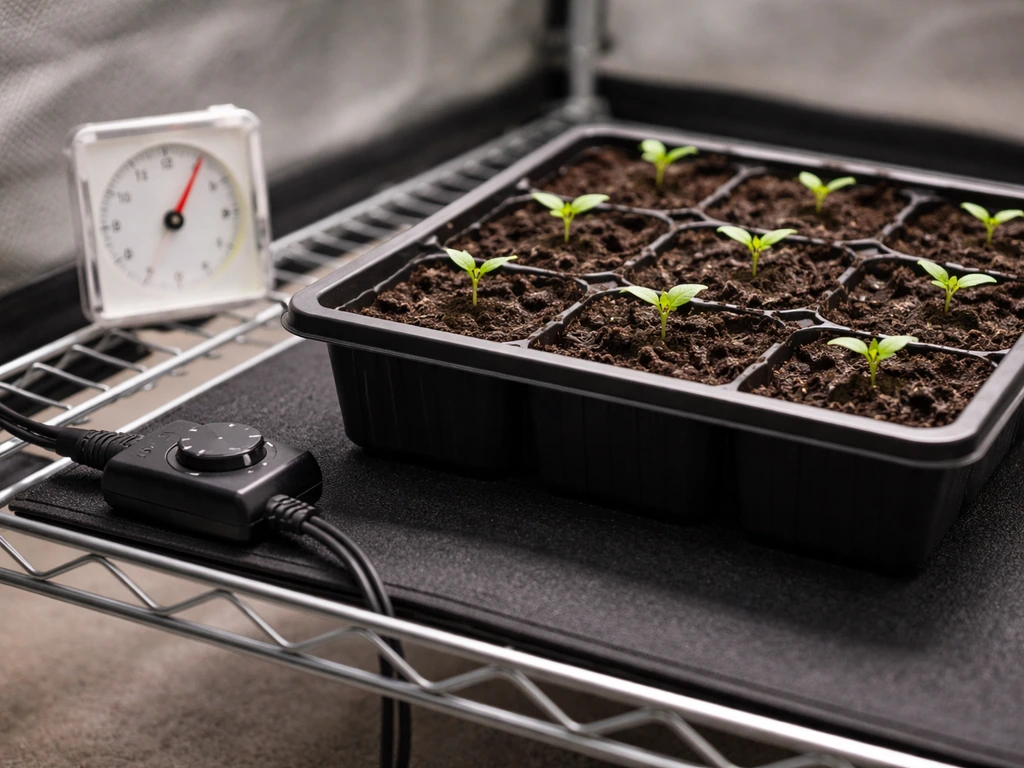
Most fast-growing edibles and houseplants thrive with daytime temperatures between 65°F and 75°F and nighttime temperatures 5 to 10 degrees cooler. Going below 50°F slows enzymatic activity significantly and can increase the risk of damping-off disease in seedlings. Going above 85°F stresses most plants and causes moisture to evaporate from leaves faster than roots can replace it, which triggers wilting and slowed growth even when the soil is moist.
Humidity and airflow
Germinating seeds and young seedlings benefit from higher humidity, around 60 to 70%, which is why seed-starting domes are useful. Once seedlings emerge, introduce airflow with a small fan set to low. Gentle air movement stimulates the plant to develop stronger stems through a process called thigmomorphogenesis, and it also evaporates surface moisture, which directly reduces fungal disease risk. This is one of the most overlooked tricks for keeping seedlings healthy and growing fast rather than collapsing from damping-off.
Accelerated care by growing medium
Soil in containers
Use a well-draining potting mix, not garden soil, for containers. Garden soil compacts in pots and cuts off the oxygen roots need to function. A good container mix includes perlite or coarse sand at about 20 to 30% by volume to ensure drainage. Choose a pot size appropriate to the plant: too large a pot holds excess moisture around roots that are not yet big enough to use it, inviting rot.
For seedlings, start in small cells or 3 to 4 inch pots and move up gradually. Bottom watering (setting the pot in a tray of water and letting the medium wick it up) is one of the most effective ways to water evenly and avoid overwatering the top layer where seedlings are most vulnerable to fungal problems.
Water propagation and water-based seed starting
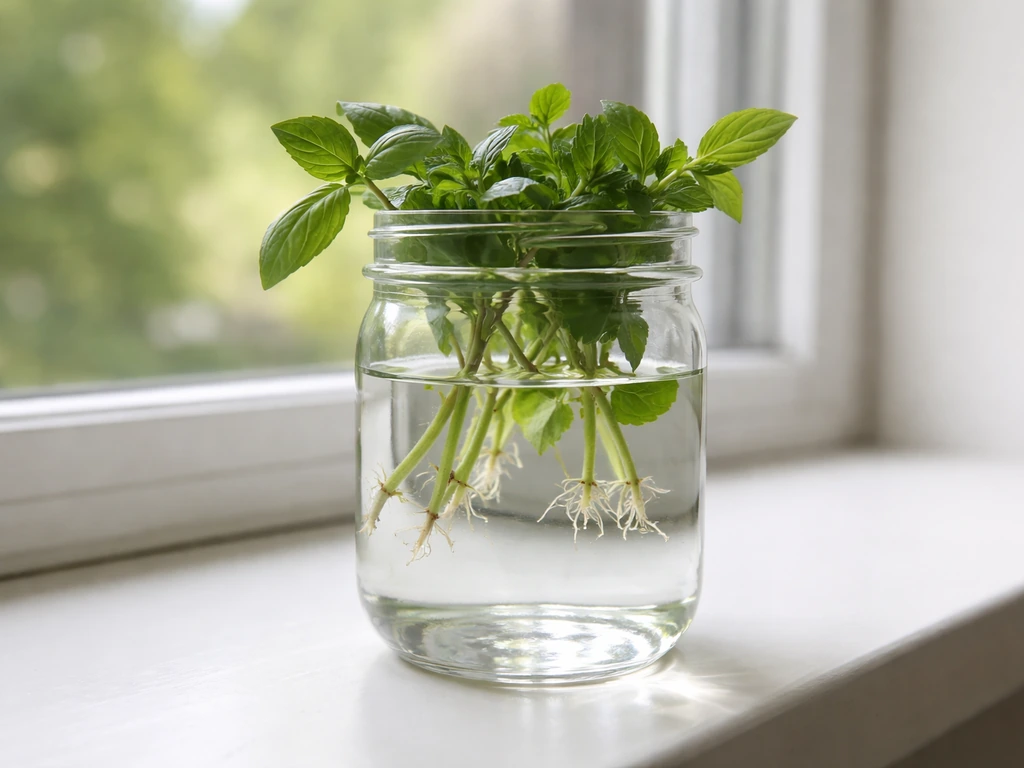
Water propagation works surprisingly well for rooting cuttings of herbs, pothos, coleus, begonias, and many other plants. Use room-temperature water, change it every 2 to 3 days to prevent stagnation, and place the vessel somewhere bright but out of direct sun. Once roots are 1 to 2 inches long, you can pot the cutting into soil or keep it growing hydroponically. Avoid using cold tap water directly from the faucet: water at around 50°F can shock roots and slow early development, so let it sit at room temperature for a bit before using it.
Hydroponics
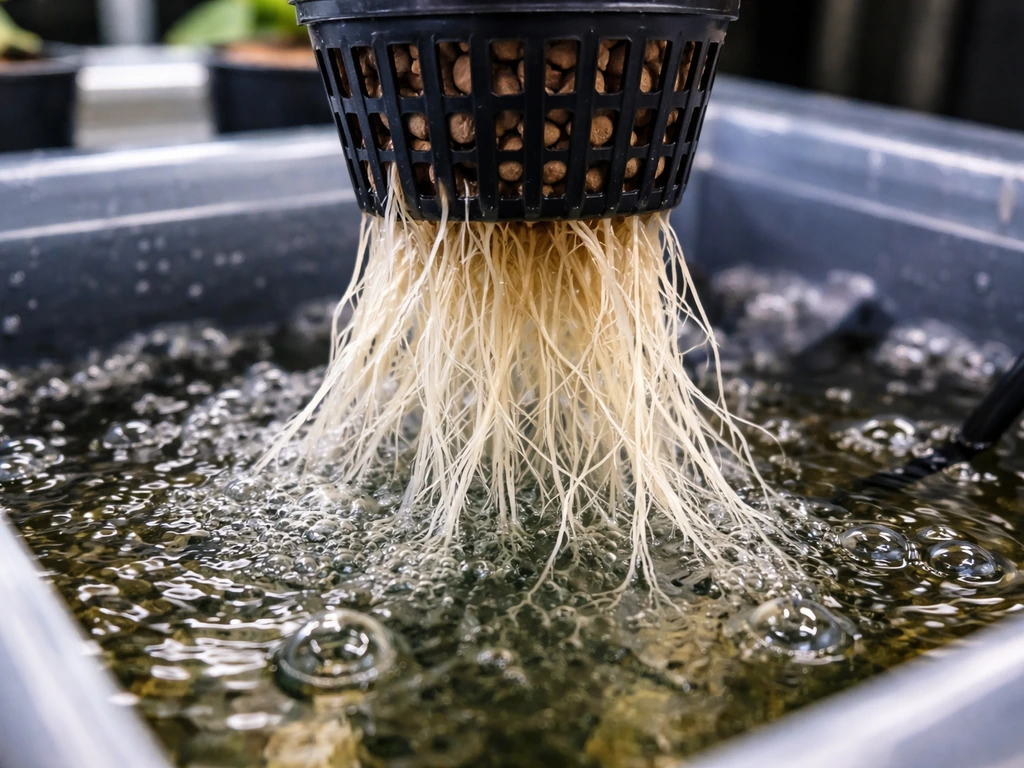
Hydroponics consistently produces the fastest vegetative growth of any method because roots have constant, optimized access to both oxygen and nutrients. The two most beginner-accessible systems are Kratky (passive, no pump required) and simple deep water culture (DWC). Both work well for lettuce, herbs, and greens. The critical numbers to get right are pH and electrical conductivity (EC).
For lettuce, aim for a pH of 5. 8 to 6. 0 and an EC of 1. 2 to 1.
8. Cucumbers prefer a lower pH of 5. 0 to 5. 5 and an EC of 1.
7 to 2. 0. pH outside the target range locks out nutrients even when they are present in the solution, which is one of the most common reasons hydroponic growth stalls unexpectedly. A basic pH meter and EC pen cost under $30 and are essential tools.
Terrariums and limited-space growing
Closed or semi-closed terrariums create a miniature climate that stays humid, which suits moisture-loving plants like ferns, mosses, and tropical foliage beautifully. However, this environment limits the types of plants that grow fast in them, since most high-speed growers (vegetables, herbs) prefer drier air and more light than a closed glass container provides. For small-space growing with speed as the goal, open containers under grow lights beat enclosed terrariums.
If you are working with a terrarium specifically, focus on humidity-tolerant plants and make sure there is enough light above the glass, since glass filters some useful wavelengths. A small LED strip inside the lid is a simple upgrade. For broader strategies on keeping things simple in constrained setups, the guide on how to grow plants easily is worth a read.
Feeding and watering schedules for speed without burning
Start fertilizing seedlings early but gently. Once seedlings are about 1 inch tall, begin a dilute liquid fertilizer every other week, using roughly half the manufacturer's recommended strength. Some sources recommend starting even earlier, a few days after emergence, at half strength, especially for fast-growing bedding plants where nutrient deficiency in the seedling stage causes abnormal growth that sets you back later. As plants approach transplant size, you can gradually increase concentration toward full strength.
For watering, the rule for speed is: consistent moisture without saturation. Soggy soil starves roots of oxygen, slowing growth and inviting disease. A simple test: push your finger about an inch into the soil. If it feels dry at that depth, water thoroughly until it drains from the bottom. If it still feels moist, wait. For seedlings specifically, keeping the growing medium slightly on the drier side actually reduces damping-off risk without meaningfully slowing growth, as long as you do not let the medium fully dry out and stress the plant.
For hydroponic systems, top off the reservoir with plain pH-adjusted water between full nutrient solution changes, and do a complete reservoir change every 1 to 2 weeks for active systems. Stale nutrient solution accumulates pathogens and salt imbalances that slow growth even when EC readings look fine.
Transplanting and growth-stage timing to avoid setbacks
The most common transplanting mistake is doing it too early or too late. Transplant too early and roots are not developed enough to handle the disturbance. Wait too long and the plant becomes root-bound in its starting cell, which stunts growth quickly. The right time is when you can see roots beginning to emerge from the bottom of the cell or pot, and the plant has at least 2 to 4 true leaves (not the initial seed leaves).
When moving seedlings from indoor grow lights to an outdoor or brighter environment, hardening off is non-negotiable if you want to avoid setting your plants back by weeks. USU Extension guidance recommends imposing hardening or conditioning about 7 to 10 days before field planting, and it also discusses avoiding over- or under-hardening [hardening off is non-negotiable](https://extension. usu. edu/vegetableguide/production/transplant-production.
php). The process takes 7 to 10 days: start by placing plants in a shaded, sheltered spot outdoors for an hour or two per day, then gradually increase both time and sun exposure. Bring them back inside if temperatures drop below 45°F or if strong winds or rain are forecast. After hardening off and planting, water in with a dilute fertilizer solution to help reduce transplant shock and get roots re-established quickly.
When transplanting into a new container or garden bed, disturb the root ball as little as possible, plant at the same depth the seedling was growing (or slightly deeper for tomatoes, which root from buried stems), and water immediately. Wilting in the first day or two after transplanting is normal and not a sign of failure. Keep the plant out of intense direct sun for the first 2 to 3 days post-transplant to reduce moisture stress while the root system reconnects.
Why your plant stopped growing and how to fix it fast
Growth stalls happen. Here is a quick diagnostic of the most common causes and what to do about each one today:
| Symptom | Most Likely Cause | Quick Fix |
|---|---|---|
| Tall, spindly, leaning seedlings | Insufficient light | Move grow light to within 1–2 inches of seedling tops or switch to a stronger fixture; increase daily light hours to 14–16 |
| Yellowing lower leaves | Nitrogen deficiency or overwatering | Check soil moisture first; if soggy, hold water and improve drainage; if dry, apply dilute balanced liquid fertilizer |
| Seedlings collapsing at soil level | Damping-off (fungal) | Remove affected seedlings immediately; reduce watering frequency; improve airflow with a fan; avoid cool waterlogged soil |
| No germination after 2 weeks | Soil too cold or seeds too old | Check soil temperature with a thermometer; use a heat mat to bring it to the species optimum; test seed viability by germinating a few on a damp paper towel |
| Slow growth with correct light and water | pH or EC out of range (hydroponics) or compacted/depleted soil | Test pH and EC; adjust to target range; in soil, top dress with compost or switch to fresh potting mix |
| Sudden wilting despite moist soil | Root rot or pest damage at roots | Unpot and inspect roots; trim black/mushy roots; repot in fresh dry mix; check for fungus gnats or other root pests |
| Pale, washed-out leaf color | Too much direct light or nutrient lockout | Move plant away from intense light; check pH; flush soil with plain water then resume feeding at half strength |
Fungus gnats are worth a specific mention because they are one of the most common culprits behind mysteriously slow growth in soil-grown houseplants and seedlings. The adult flies are harmless but the larvae feed on fine root hairs, quietly sabotaging water and nutrient uptake. The fix is simple: let the top inch of soil dry out between waterings (larvae cannot survive in dry topsoil), and use yellow sticky traps to monitor and catch adults. A layer of coarse sand or perlite on the soil surface also deters egg-laying.
One thing worth remembering as you work through any of these fixes: fast growth and healthy growth are the same thing when conditions are right. You are not forcing the plant to do something unnatural. You are just removing the friction that is slowing it down. If you want to dig deeper into approaches that prioritize the plant's own biology without synthetic inputs, the guide on how to grow plants naturally covers organic and amendment-based methods that complement everything above.
FAQ
Why do my plants look healthy but stop growing suddenly after a few days of fast growth?
Usually it is a new bottleneck showing up after the first surge, most often light height, watering consistency, or nutrient availability. Recheck that your light remains close enough as plants stretch, confirm the medium is not staying waterlogged, and for hydroponics verify pH and EC have not drifted since the last change.
How can I tell what the current limiting factor is (light, water, nutrients, temperature) without guessing?
Use quick, controlled checks. If growth is reaching toward light, raise light output or lower the fixture. If leaves look limp even though soil is wet, you likely have excess moisture or poor oxygen (especially in pots). If new growth is pale and slow in otherwise correct light and temperature, reduce overwatering and check nutrient supply, then confirm hydroponic pH is inside range.
Can I use the same schedule for every plant to grow quickly indoors?
No. Day length and thermal needs differ by species. For example, long-day sensitive crops like spinach often bolt when given too many hours under artificial light, so keep photoperiod shorter even if other plants in your setup prefer 14 to 16 hours.
What is the fastest way to get seeds to germinate indoors when room air is cold?
Target soil temperature at planting depth, not room temperature. A seed-starting heat mat under the tray until germination begins is a common fix, then remove it soon after sprouting to avoid overheating the roots.
Should I keep a fan on seedlings all day to speed growth?
Keep airflow gentle and low, not blasting. Strong drafts can dry the surface too quickly or stress tender seedlings, which can slow growth even though they are “getting more air.” Aim for slight movement, then adjust based on how quickly the top of the medium dries.
Why does my fertilizer not make growth faster, or why does it burn seedlings?
Most speed problems come from imbalance rather than insufficient fertilizer. Over-fertilization can create salt buildup that pulls water away from roots and stalls growth. Stick to half strength, apply on the interval, and avoid “catch-up feeding” if you accidentally miss earlier dilute doses.
What should I do if my seedlings are growing tall and weak, even under grow lights?
Tall, spindly growth usually means light is too far away or not intense enough, or the seedlings are stretching toward a direction. Lower the light so the tops are within the recommended distance, then raise the fixture gradually as plants grow to maintain consistent intensity.
How do I water for speed without causing damping-off in seedlings?
Use bottom watering or water carefully so the surface does not stay wet. Let the top layer dry slightly between waterings, then water thoroughly when it feels dry about an inch down. This keeps moisture consistent while reducing the surface fungus-friendly conditions.
What pot size is best for fast growth, and how do I avoid root rot in containers?
Start smaller for seedlings (cells or 3 to 4 inch pots), then move up gradually. Oversized containers keep excess moisture around roots that are not ready to use it, which reduces oxygen and can invite rot or fungus problems.
Is water propagation slower than soil or hydroponics?
It can be quick for many herbaceous cuttings, but the bottleneck is often root oxygen and water quality. Use room-temperature water, change it every 2 to 3 days, and move the cutting to soil or hydro once roots reach about 1 to 2 inches to prevent stagnation.
Why is hydroponic growth stalling even though my EC looks right?
pH is the most common reason. If pH drifts outside the target range, nutrients become unavailable even when the solution contains them. Check pH before you troubleshoot anything else, then do a reservoir change if solution is old.
How often should I change hydroponic nutrient solution to keep growth fast?
For active systems, complete reservoir changes every 1 to 2 weeks helps prevent salt imbalance and pathogen buildup. Between changes, top off with plain pH-adjusted water to maintain volume without adding extra nutrients unexpectedly.
Do terrariums really help with fast plant growth?
They support fast growth only for humidity- and low-airflow-adapted plants. High-speed edibles and herbs often underperform because they need more light and a drier, more oxygen-friendly environment than enclosed glass provides. If your goal is speed, use open setups under grow lights for most edibles.
When should I transplant, and what is the safest “just right” sign?
Transplant when roots begin to show at the bottom of the starter container and the plant has at least 2 to 4 true leaves. Transplanting too early leads to shock and slow recovery, while waiting too long often causes root binding and rapid stunting.
How do I harden off seedlings faster without shocking them?
Use the full 7 to 10 day progression but compress it only if weather is consistently mild. Start with shorter outdoor exposure in shade and sheltered conditions, then extend time and direct light gradually. Always bring plants in if temperatures drop below about 45°F or if heavy wind and rain are expected.
After transplanting, how can I reduce the “day-one wilting” that makes people think they failed?
Wilting for the first day or two is common. Keep plants out of intense direct sun for 2 to 3 days, water immediately after transplant, and after hardening off use a dilute fertilizer solution to help roots re-establish and reduce transplant stress.
What are fungus gnat larvae doing, and how does that specifically slow plant growth?
They feed on fine root hairs, which reduces the plant’s ability to absorb water and nutrients. This can look like “mysterious slow growth” rather than obvious damage, and it often improves when you let the top inch of soil dry between waterings and use yellow sticky traps.