You can absolutely grow thriving plants in red soil, but you need to understand what you're working with first. Red soil is almost always rich in iron oxides, which gives it that rust-toned color, but that same chemistry often means lower fertility, reduced nutrient-holding capacity, and a pH that may be too acidic for many common plants. Oxisols, which are often found as red soil, are dominated by low-activity minerals such as quartz, kaolinite, and iron oxides Oxisols are dominated by low-activity minerals such as quartz, kaolinite, and iron oxides. The good news: with a quick soil test, the right amendments, and smart plant choices, red soil becomes a genuinely productive growing medium rather than a problem to fight.
How to Grow Plants in Red Soil: Soil, Amendments, Care
Marcus Holloway
1 May 2026
What red soil actually is (and why it matters)
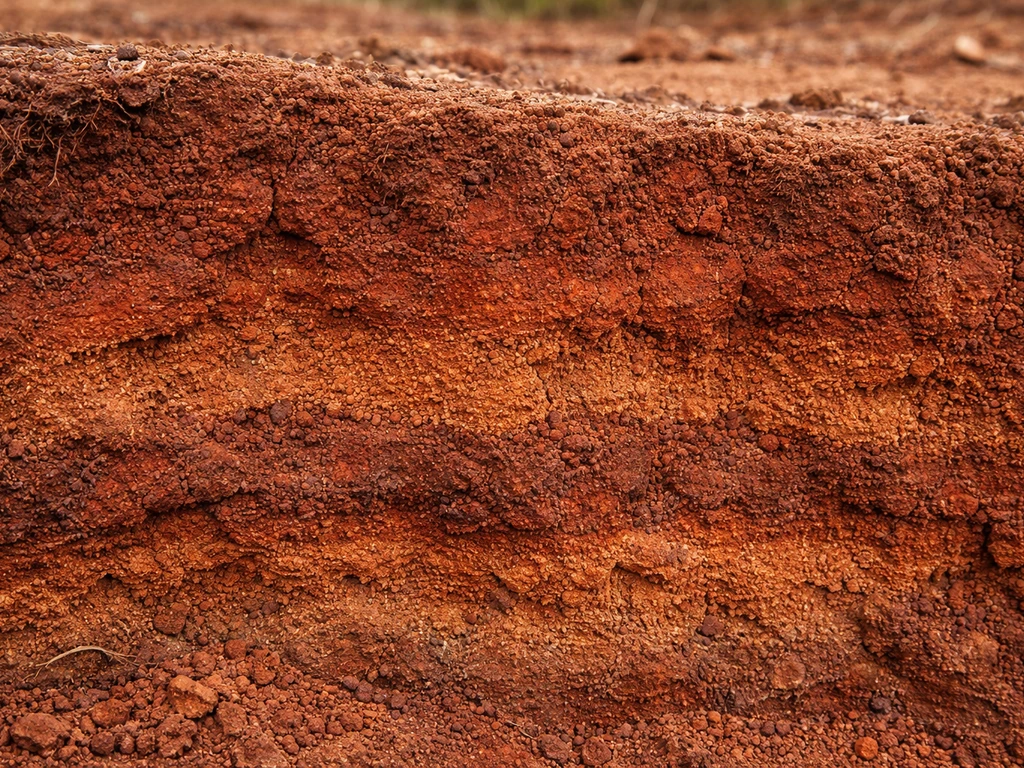
That reddish color comes from iron oxide minerals, specifically hematite and goethite, which form when iron in the soil reacts with oxygen over long periods of weathering. Plants also grow by absorbing water and nutrients through their roots, which depends on the soil environment and conditions how do plants grow in soil. Think of it like rust on a nail, just spread through millions of soil particles. It's a totally natural process, and by itself the color isn't a problem. What matters is what that coloring often signals about the soil's chemistry and structure.
Heavily oxidized red soils, especially the type classified in USDA soil taxonomy as Oxisols (common in tropical and subtropical regions), tend to have a few shared traits that directly affect how well plants grow in them. They often contain a type of clay called kaolinite, which has a low cation exchange capacity (CEC). CEC is essentially how well soil holds onto nutrients like calcium, magnesium, and potassium so plant roots can access them. Low CEC means nutrients wash out quickly and plants go hungry faster than they would in richer soil.
- Color: red, reddish-brown, or orange-red due to iron oxide minerals
- pH: often acidic, commonly ranging from 4.5 to 6.0, though this varies by region
- Nutrient levels: generally low in phosphorus, calcium, and magnesium; nitrogen is also frequently limited
- Texture: can range from sandy-red (fast-draining) to dense red clay (slow-draining and prone to compaction)
- CEC: low in highly weathered red soils, meaning nutrients leach away more readily after rain or watering
- Drainage: sandy red soils drain too fast and dry out quickly; red clay soils can hold water too long and become waterlogged
Not all red soils are the same, though. Red sandy loam in the American Southeast behaves very differently from red laterite soil in parts of West Africa or red clay in the Piedmont region. That's why testing before amending is non-negotiable. You need to know your specific soil's pH, texture, and nutrient picture before spending money on amendments.
Test your soil before you do anything else
Skipping a soil test is the most common beginner mistake in red-soil gardening. Without knowing your pH and nutrient baseline, you're guessing, and guessing often means over-amending or fixing the wrong problem. Fortunately, testing is inexpensive and takes about 15 minutes of your time.
Quick at-home checks you can do right now
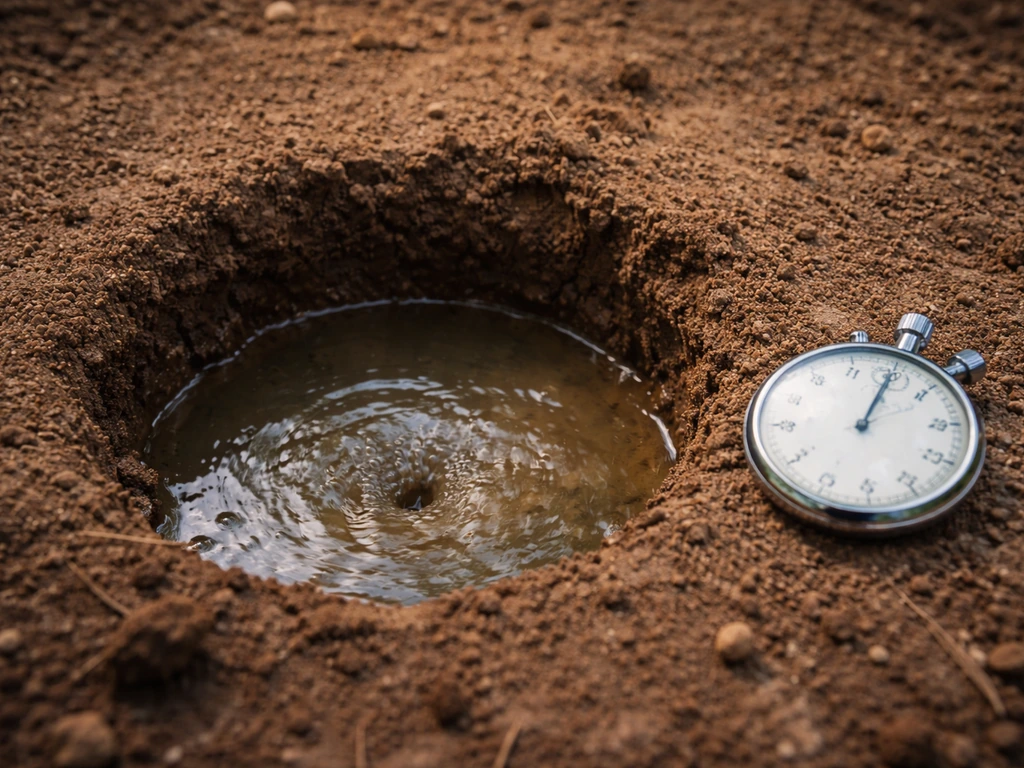
Before spending anything, do two simple tests. For drainage, dig a hole about 12 inches deep, fill it with water, and time how long it takes to drain. In healthy soil, a foot of water should drain in 1 to 3 hours. If it's gone in under 30 minutes, your soil is too sandy and will dry out rapidly. If it's still sitting after 4 hours, you've got compaction or clay issues. For texture, grab a moist handful of soil and squeeze it. Sandy red soil crumbles apart immediately. Clay-heavy red soil will hold its shape and feel sticky or plastic-like. A loam will hold its shape briefly but break apart with a gentle poke.
Getting a proper soil test
A basic soil test from your county extension office or an online lab (around $15 to $30) will tell you pH, phosphorus, potassium, calcium, magnesium, and organic matter percentage. For red soils specifically, ask for a micronutrient panel if you can, since iron-rich environments sometimes lock out other minerals. Collect samples from several spots in your bed, about 6 inches deep, mix them together, and send that composite sample in. You'll get results with amendment recommendations specific to your soil.
What to amend based on your results
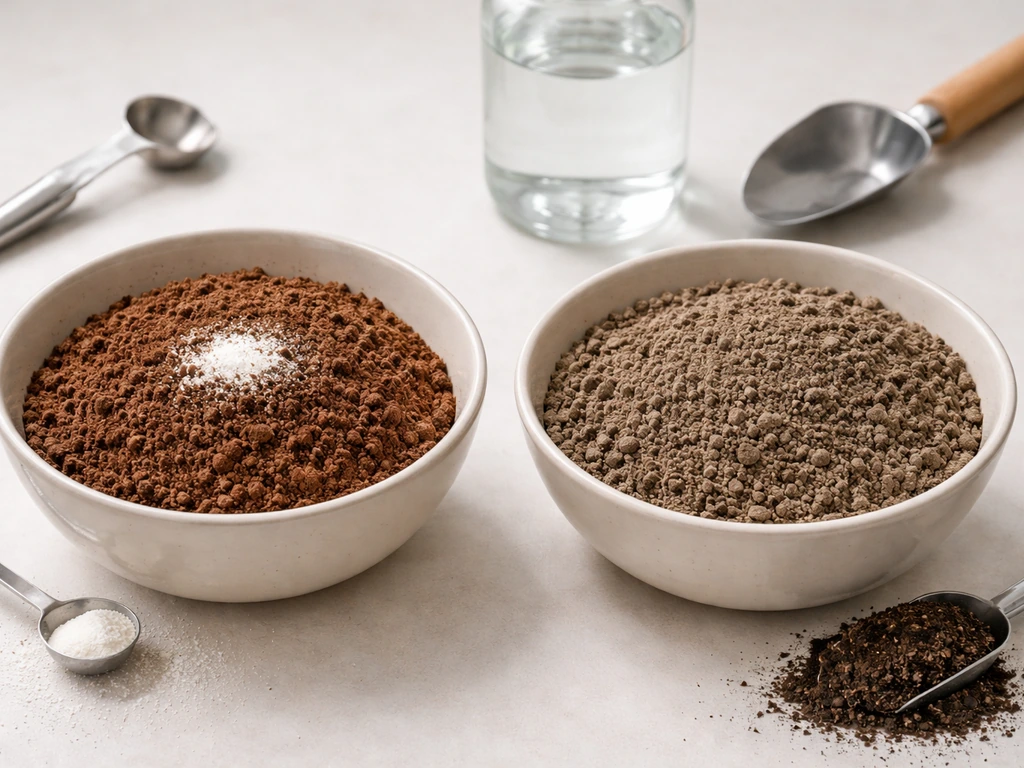
Once you have your test results, here's how to read them and act on them for typical red soil situations.
| Problem | What you'll see in test results | Amendment to use | Approximate rate |
|---|---|---|---|
| Low pH (too acidic) | pH below 6.0 for most vegetables/flowers | Agricultural lime (calcium carbonate) | 5 to 10 lbs per 100 sq ft; retest after 60 days |
| High pH (too alkaline) | pH above 7.0 | Elemental sulfur or acidifying fertilizer | 1 to 2 lbs per 100 sq ft; work in slowly |
| Low organic matter | OM below 3% | Compost, aged manure, or leaf mold | 3 to 4 inches mixed into top 12 inches |
| Low phosphorus | P flagged as deficient | Bone meal or balanced slow-release fertilizer | Per label, usually 2 to 4 lbs per 100 sq ft |
| Low CEC / nutrient leaching | Multiple nutrients low | Compost plus coir or biochar to improve retention | 2 to 3 inches compost; 10% biochar by volume |
| Compaction / poor texture | Dense clay or crusting observed | Coarse sand + compost (50/50 mix worked in) or gypsum for clay | 2 to 4 inches worked into top 8 to 10 inches |
One important note on phosphorus in red soils: iron and aluminum oxides chemically bind phosphorus, making it unavailable to plant roots even when you add it. This is called phosphorus fixation, and it's a real issue in heavily oxidized red soils. The fix is to add phosphorus with organic matter together, since compost slows fixation and helps plants access what's there. Mycorrhizal fungi inoculants (sold as granular or powder products) also help roots scavenge phosphorus more efficiently, and they're worth the few extra dollars.
Plants that genuinely thrive in red soil
The smartest starting move is to choose plants that are already adapted to iron-rich, slightly acidic, lower-fertility soils. That doesn't mean you're stuck with a boring plant list. It means you start with plants that will succeed while you build your soil's fertility over time.
Vegetables and edibles
- Sweet potatoes: excellent in well-drained red sandy loam; they tolerate low fertility and produce well without heavy fertilizing
- Cassava: built for iron-rich, low-nutrient tropical red soils; almost no special care needed
- Cowpeas and other legumes: fix nitrogen into red soil, improving fertility over time while producing a crop
- Tomatoes: grow well in amended red soil with consistent calcium and pH adjustment to 6.0 to 6.8; need regular fertilizing
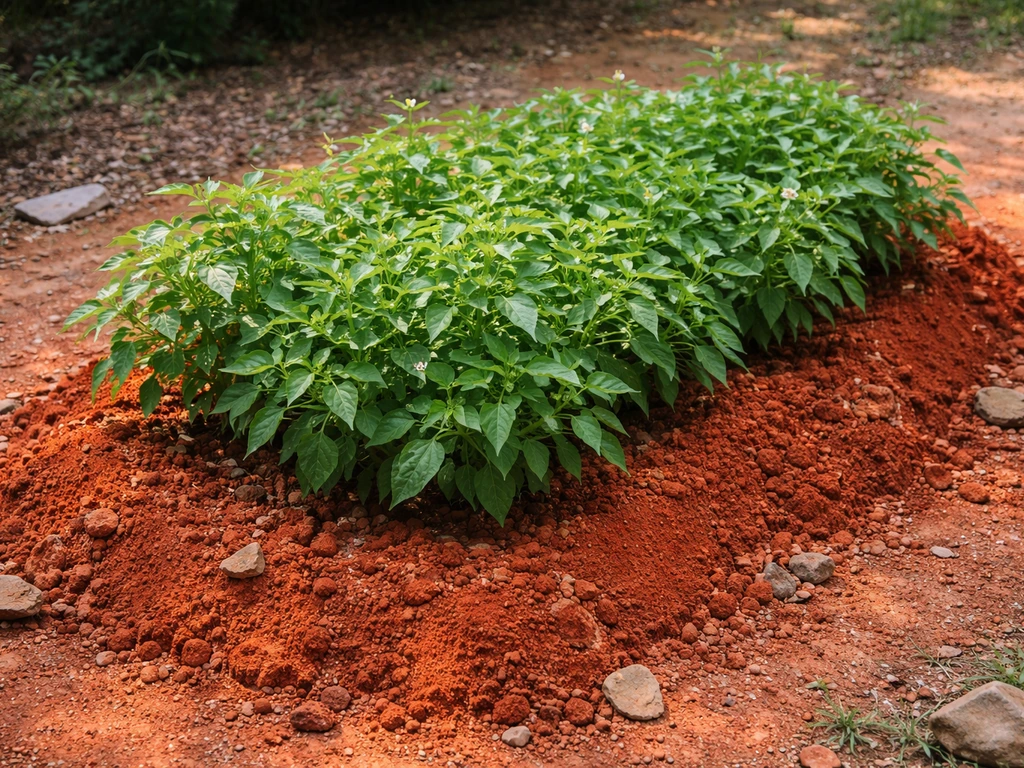
- Hot peppers: tolerate acidic, lower-fertility conditions better than sweet peppers; less fussy about soil perfection
- Pumpkins and squash: big feeders but handle red clay-loam well once compost is worked in and drainage is adequate
Flowers and ornamentals
- Azaleas and rhododendrons: love acidic red soil; may need minimal pH adjustment and do beautifully with pine bark mulch
- Marigolds: tough, adaptable, help deter pests, and tolerate red soil without much amendment
- Lantana: thrives in hot, dry, iron-rich red soil conditions with good drainage
- Cannas: handle heavy, moist red clay reasonably well and produce bold color
- Black-eyed Susans (Rudbeckia): native to areas with tough soils; very low maintenance in red soil
Trees and shrubs
- Mango: naturally suited to red laterite soils in tropical climates; deep roots handle low CEC well
- Guava: handles acidic, iron-rich conditions; very resilient
- Blueberries: require the acidic pH common in red soils (4.5 to 5.5) and do very well if drainage is adequate
- Pine trees: thrive in acidic red soils; their needle drop also keeps pH low over time
- Crape myrtles: drought-tolerant and happy in red sandy soils with minimal amendment
If you're growing something that's NOT on this list, like most brassicas, asparagus, or plants preferring pH above 6.5, plan on more thorough amendment work before planting. It's absolutely doable, just requires a bit more effort upfront. Learning how different plants interact with soil texture and nutrients is part of the broader skill of growing plants in soil, which you build up over multiple seasons. If you want a wider baseline for how to grow plants in soil beyond red soil specifics, start with the general approach first growing plants in soil.
Setting up your beds or containers, step by step
In-ground beds
- Mark out your bed and remove any grass or weeds, getting roots out as completely as you can.
- Dig to at least 12 inches deep for vegetables, 18 inches for root crops. This breaks up compaction and gives roots room to spread.
- If your drainage test showed slow drainage, fork the bottom of the hole several times to break up any hardpan layer. In severe cases, a 2-inch layer of coarse gravel at the bottom helps move water through.
- Add your amendments: spread 3 to 4 inches of compost over the surface, then any lime or sulfur based on your soil test, plus any additional fertilizer or bone meal. Do not eyeball rates; use a kitchen scale or measuring cup.
- Mix everything into the top 10 to 12 inches of native red soil thoroughly. A garden fork works fine for small beds; a tiller saves time in larger areas.
- Rake level and water the bed well. Let it settle for at least one week before planting if possible, especially if you've added lime (which needs time to react and change pH).
- Apply 2 to 3 inches of organic mulch (straw, wood chips, or shredded leaves) around your plants after planting. Mulch dramatically reduces moisture loss in fast-draining red sandy soils and prevents surface crusting in red clay.
- Plant at the same depth the plant was growing in its nursery pot, or per seed packet depth. Don't bury stems in heavily amended soil because settlement will drop the surface level over the following weeks.
Container setup for red soil
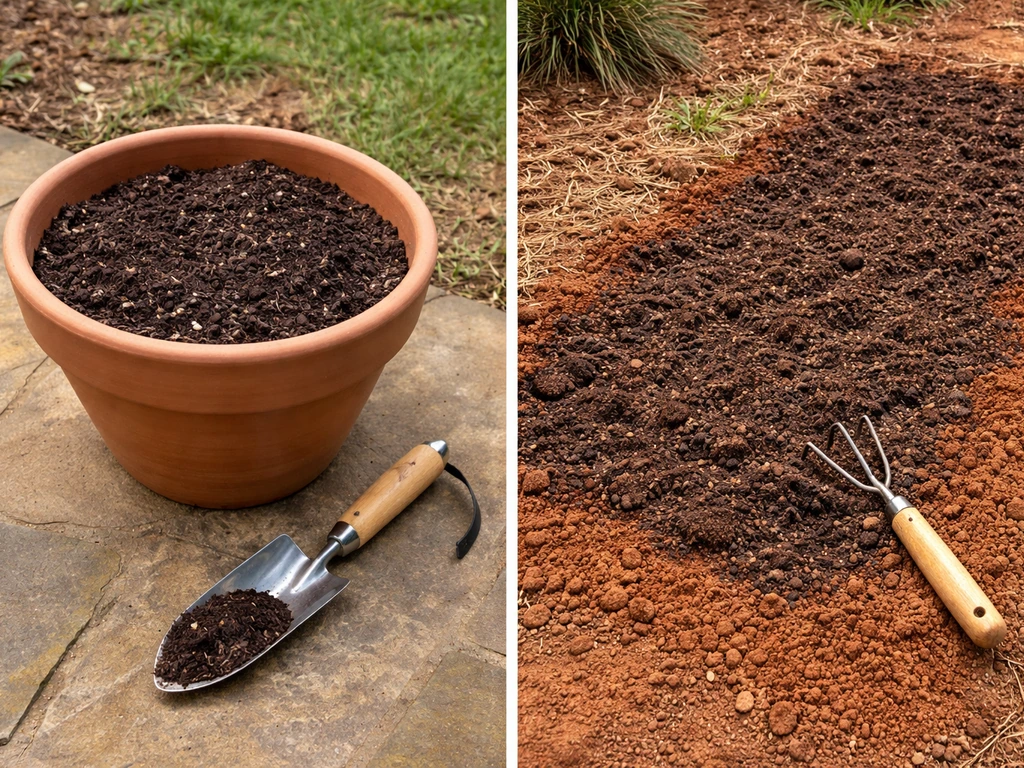
Using raw red soil in containers is a bad idea. Even if it works in the ground, pure red clay or low-CEC red soil in a pot dries into a brick or stays soggy with no middle ground. The solution is to blend it into a mix. A good ratio for containers with red soil is: 40% native red soil, 40% high-quality compost or potting mix, and 20% perlite or coarse sand. This gives you the mineral content of your native soil while improving drainage and nutrient retention enough to sustain container plants. Use containers with drainage holes, no exceptions. In containers specifically, avoid saucers that hold standing water for more than 30 minutes after watering.
Timing your planting
In red soils that are prone to compaction or crusting, avoid planting immediately after heavy rain when the soil is saturated. Working wet clay-based red soil destroys its structure and creates clods that are hard to break up later. Wait until the soil is moist but not sticky, then plant. In warm climates where red soils stay warm year-round, spring and early fall planting give you the best germination conditions before heat stress sets in.
Watering and fertilizing in red soil
Red soil's two extremes, draining too fast or holding water too long, each require a different watering approach. Know which type you have (your drainage test from earlier tells you this) and water accordingly.
If your red soil drains fast (sandy-red)
Fast-draining red soil needs more frequent, smaller waterings rather than infrequent deep soaks. In hot weather, you may need to water every 1 to 2 days for containers and every 2 to 3 days for beds. A 2 to 3 inch layer of mulch cuts that frequency significantly. Drip irrigation or soaker hoses are worth investing in here because they deliver water slowly at root level rather than running off across the surface. Check soil moisture by pushing a finger 2 inches into the soil. If it's dry at that depth, water. If it's still moist, wait.
If your red soil drains slowly (clay-red)
Heavy red clay soils need deep, infrequent watering rather than shallow daily watering. If you are dealing with clay soil, focusing on drainage and watering timing is one of the fastest ways to help plants establish and thrive. Water deeply once, then wait until the top 2 inches dry out before watering again. Overwatering clay-heavy red soil leads to root rot fast. Raised beds or container setups with improved drainage give you much better control in these situations.
Fertilizing: slow-release vs. liquid feed
Because red soils often have low CEC, nutrients wash through quickly, especially in sandy variants. This means a single heavy fertilizer application early in the season won't carry you through. You'll get better results with a combination approach: a slow-release granular fertilizer (like a 10-10-10 or 14-14-14 balanced formula) worked in at planting time, plus a liquid fertilizer every 2 to 4 weeks during the growing season. The slow-release granules give a baseline of nutrients as they break down. The liquid feeds fill in gaps and respond quickly when you see yellowing or slow growth.
For phosphorus specifically, use a fertilizer with a higher middle number (the P in NPK) in red soils, and apply it with compost mixed in to reduce fixation. Bone meal applied at planting time and again mid-season is an organic option that works well. Avoid loading up on iron-containing fertilizers unless a soil test specifically identifies iron deficiency, because red soils often have plenty of iron already and adding more can lock out manganese and zinc.
Common problems and how to fix them
Yellowing leaves (chlorosis)
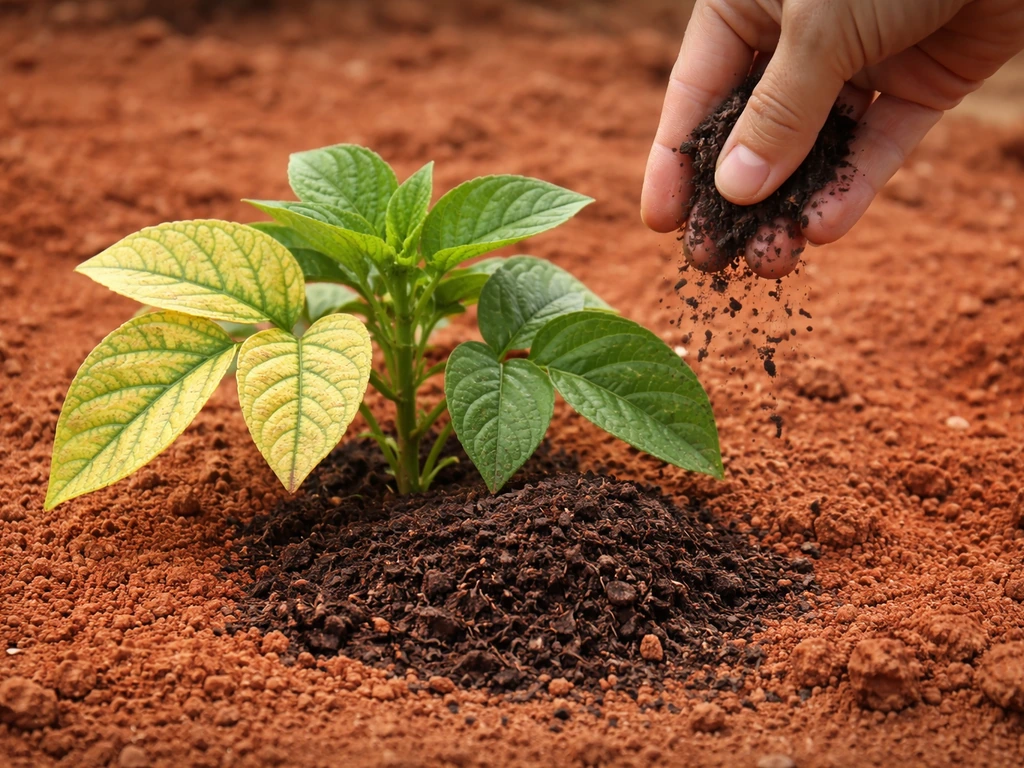
Yellowing in red soil is almost always a nutrient availability problem, not a watering problem. If new leaves yellow while older leaves stay green, the culprit is usually iron or manganese deficiency caused by high pH (above 6.5) locking those minerals out. Lower pH with sulfur. If older leaves yellow while new growth stays green, you're probably looking at nitrogen deficiency, which is common in low-CEC red soils after rain. Apply a nitrogen-rich liquid fertilizer and consider top-dressing with compost. Yellowing across all leaves evenly usually points to low nitrogen combined with poor organic matter. Add both.
Slow or stunted growth
If plants are alive but barely moving, check pH first. Acidic red soil below 5.5 locks out phosphorus and calcium even if they're present in the soil, so plants stall. A lime application and 4 to 6 weeks of patience usually gets things moving again. Compaction is the other major cause: if roots can't physically push through dense red soil, top growth stops no matter how much you feed. Aerate the bed by gently forking around (not through) root zones and top-dress with compost.
Wilting despite adequate watering
Wilting in well-watered plants almost always means root rot from poor drainage in heavy red clay soils. Pull the plant gently and check the roots. Healthy roots are white or tan and firm. Rotten roots are brown, mushy, and may smell sour. If you catch it early, trim off rotted roots, let them dry for an hour, and replant in a better-draining mix. In-ground, this means you need to build raised beds or dramatically amend texture before replanting.
Surface crusting and compaction
Red clay soils are notorious for forming a hard crust after rain or watering, especially when left bare. This crust blocks air and water from reaching roots and can prevent seeds from germinating at all. The fix is mulch, always. Keep 2 to 3 inches of organic mulch on the soil surface at all times. For existing compaction, a garden fork pushed 6 to 8 inches deep and wiggled gently (without fully turning the soil) opens channels without destroying soil structure.
Nutrient lockout
Nutrient lockout happens when pH is out of range (usually too acidic for most plants) and soil chemistry binds up minerals before roots can absorb them. The frustrating part is that the nutrients are technically there; they're just unavailable. The fix is always pH correction first, before adding more fertilizer. Adding more nutrients to soil with wrong pH just wastes money and can make toxicity problems worse. Test, correct pH, wait 30 to 60 days, then retest before heavy fertilizing.
Seasonal care and a quick troubleshooting checklist
Seasonal maintenance by season
| Season | Key task for red soil |
|---|---|
| Spring | Retest pH and amend with lime or sulfur if needed; work in fresh compost; apply slow-release fertilizer at planting; lay down mulch before soil dries out |
| Summer | Water more frequently in sandy-red soils; liquid-feed every 2 to 3 weeks; watch for chlorosis; keep mulch layer intact and refresh if it thins |
| Fall | Add a thick layer of compost as a top-dress after harvest; plant cover crops (legumes work great for red soil nitrogen-fixing); avoid digging wet clay-red soil |
| Winter | Let cover crops work; in warmer climates continue pH monitoring; plan amendments for spring based on this year's performance observations |
Quick troubleshooting checklist
If your plants are struggling right now, work through this list in order before doing anything drastic.
- Check soil moisture at 2-inch depth: is it bone dry, or soggy? Match your watering to what you find.
- Check drainage: does water sit on the surface for more than 1 hour after watering? If yes, aerate and add compost.
- Look at leaf color: yellow new growth points to iron/pH issues; yellow old growth points to nitrogen deficiency.
- Check for surface crust: if soil looks sealed over, add mulch immediately and gently fork the surface.
- When did you last fertilize? If it's been more than 3 weeks during the growing season in red soil, apply liquid fertilizer now.
- Has your soil been tested in the last year? If not, test before adding any more amendments.
- Are roots healthy? Gently pull a struggling plant and inspect. Mushy roots mean drainage fix needed; thin sparse roots mean compaction or pH issue.
- Did you amend before planting? If not, side-dress with compost and a balanced fertilizer now as a short-term rescue.
Red soil is manageable, genuinely. Thousands of gardeners grow incredible food and beautiful plants in it every season. The learning curve is mostly about understanding what the soil is telling you through plant symptoms and responding systematically rather than randomly throwing products at the problem. Build organic matter every year, keep pH in your target range, mulch consistently, and your red soil will improve season by season until it barely resembles what you started with. If you want a bigger-picture routine, see how to grow soil for more general steps on building healthier ground over time. If you want a step-by-step guide, use this approach to learn how to make good soil for plants to grow.
FAQ
How long does it take to see improvements after amending red soil (pH, compost, fertilizer)?
If you correct pH with lime or sulfur, expect a 4 to 8 week adjustment period before plants respond. For nutrient availability, you often see changes sooner, but re-test after 30 to 60 days if growth stalls or symptoms persist, since red soils can lock nutrients quickly.
Can I just add more fertilizer to fix yellowing instead of checking pH first?
Usually no. In red soil, yellowing is commonly a lockout issue, especially when pH drifts. Adding nitrogen, phosphorus, or iron without confirming pH can worsen toxicity or keep nutrients unavailable, so test before increasing rates.
What is the safest way to apply sulfur if my red soil is too acidic?
Apply sulfur in small increments rather than all at once, mix it into the top layer, then water normally. Re-test after about a month because over-correcting can swing pH too far in the other direction and create new lockout problems.
Is there a quick way to tell if my red soil is low in organic matter versus just nutrient-poor?
Low organic matter typically shows up as poor aggregation and fast drying, even when nutrients are moderate on a test. If your soil test shows low organic matter or plants respond strongly to compost/top-dressing while fertilizer alone does little, organic matter is likely the limiting factor.
How should I fertilize if my soil drains extremely fast (sandy red) versus slowly (clay red)?
For fast-draining red soil, split feeding into more frequent, lighter liquid applications because nutrients wash out. For clay-heavy red soil, focus on deeper, less frequent watering and avoid frequent heavy fertilizing, since saturated conditions and poor oxygen can increase root stress.
Should I plant immediately after liming or sulfuring my bed?
Wait until pH is actively shifting rather than planting into untreated chemistry. A practical approach is to amend, water it in, keep mulch on, and plant after roughly 2 to 4 weeks for initial stabilization, then monitor closely and re-test if growth is slow.
What if my soil test suggests high iron, but my plants still show iron-related symptoms?
High iron on the test does not guarantee plants can access it. Symptoms can be caused by pH being too high (often above 6.5) or by manganese-related antagonism. In that case, prioritize correcting pH and consider an iron chelate product if symptoms persist after pH adjustment.
How do I handle phosphorus when the soil test shows low P but the soil is iron-rich red soil?
Apply phosphorus with organic matter, not as a lone, high-rate amendment, because iron and aluminum oxides bind P. Consider mixing compost into the planting zone and, if appropriate, use a mycorrhizal inoculant to improve root uptake rather than repeatedly overapplying P.
What should I do if drainage test is “good” but my plants still wilt after watering?
Check for crusting and root-level oxygen problems, not just overall drainage speed. If the surface hardens quickly, keep mulched and avoid planting or cultivating when the soil is saturated. Also inspect roots for early rot signs, since clay-heavy patches can cause localized waterlogging.
Why do some red-soil areas grow well while others fail in the same yard?
Red soil is not uniform, even within one bed. Differences in slope, organic matter, and clay content can create separate pH and nutrient zones. Sample multiple spots and mix into a composite for overall guidance, or do separate samples for areas that behave very differently.
Can I use red soil straight from the ground in a raised bed or should I blend it?
Raised beds increase control, but blending is still often beneficial if your red soil is very sandy (low water retention) or very clayey (compaction risk). If drainage and texture are marginal, mix in compost and a texture modifier in the top 8 to 12 inches rather than relying on native soil alone.
What’s the best way to prevent nutrient lockout long-term in red soil?
Keep a consistent mulch layer, maintain organic matter, and stay within your target pH range. Avoid large fertilizer bursts, since low CEC red soils can wash nutrients away, then quickly become imbalanced again after rain.