Growing plants properly comes down to matching six things to what your specific plant needs: light, water, nutrients, temperature, airflow or humidity, and root space. Get those six right and almost any plant will thrive. Get even two or three of them badly wrong and you'll be fighting symptoms forever without fixing the actual cause. This guide walks you through every one of them, across every growing environment, so you can build a setup that actually works and know exactly what to tweak when something goes sideways.
How to Grow Plants Properly: Setup to Fixes for Thriving Growth
Marcus Holloway
1 May 2026
How plant growth actually works (what 'properly' really means)
Plants are essentially solar-powered sugar factories. Through photosynthesis, they use light energy to turn carbon dioxide and water into glucose, which fuels every other biological process: cell division, root extension, new leaves, flowering. Oxygen is released as a byproduct, which is why you feel better in a plant-filled room. The practical takeaway is that light is not decorative for plants. It is the engine. Everything else feeds into whether that engine runs efficiently.
Water does two critical jobs beyond just keeping tissues from drying out. It moves up through the plant via transpiration, carrying dissolved mineral nutrients from the soil (or nutrient solution) all the way to growing tips. It also keeps cells firm and upright through turgor pressure. When water availability drops, plants close their stomata (the tiny pores in leaves) to reduce water loss. The problem is that stomata are also where carbon dioxide enters, so a water-stressed plant is also a photosynthesis-limited plant. That is why wilting is not just an appearance problem. It is a growth problem.
Roots need oxygen just as much as leaves need light. Root cells respire, meaning they consume oxygen to release the energy stored in glucose. When the root zone stays waterlogged, available oxygen drops fast and roots start to suffocate. Warm temperatures make this worse because roots consume more oxygen when it is hot. This is exactly why overwatering is the most common way to kill a plant, and why aeration matters whether you are growing in soil, hydroponics, or a terrarium.
So 'properly' really means keeping all of these processes running at the same time. Light, water, nutrients, temperature, CO2 access, and root oxygen all interact. Fixing just one when two are off will only get you halfway. The sections below break each factor into something you can actually act on today.
Picking the right plant and matching it to your conditions
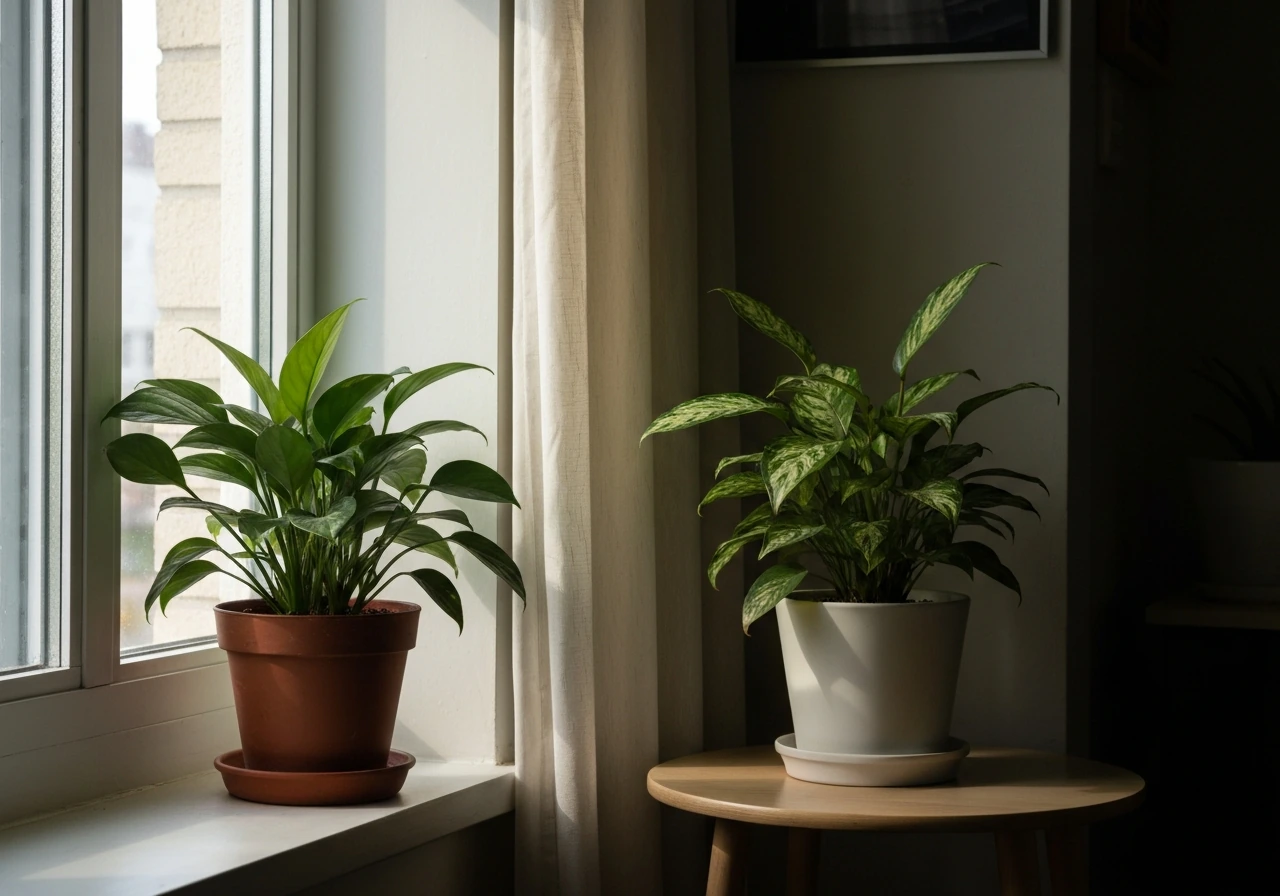
The fastest route to growing plants properly is choosing a plant that already suits your space, your schedule, and your light situation. This is not about settling. It is about working with reality instead of against it. A peace lily on a north-facing windowsill will outperform a fiddle-leaf fig every single time, because it is matched to the conditions rather than fighting them.
Before you buy anything, honestly assess three things: how much natural light your space gets (bright direct sun, bright indirect, medium, or low), how often you are actually home and available to water, and your average indoor temperature range. Most apartments stay between 65 and 75 degrees Fahrenheit (18 to 24 Celsius), which suits a huge range of tropical houseplants. Anything near a drafty window or a heating vent can swing 10 to 15 degrees, which stresses plants significantly.
- Low light, forgetful waterer: pothos, snake plant, ZZ plant, cast iron plant
- Bright indirect light, consistent waterer: monstera, philodendron, peace lily, spider plant
- Bright direct light, regular waterer: succulents, cacti, herbs like basil and rosemary
- High humidity lover: ferns, calathea, orchids (best near a humidifier or in a terrarium setup)
- Outdoor or balcony grower: tomatoes, peppers, marigolds, zucchini (need 6+ hours of direct sun)
If you have killed plants before and feel discouraged, that is completely normal. Most plant deaths are a mismatch problem, not a skill problem. Starting with a plant that fits your actual life sets you up for visible success early, which builds the confidence and observation habits that let you graduate to trickier species later.
Light, watering, and feeding: the daily essentials
Getting light right
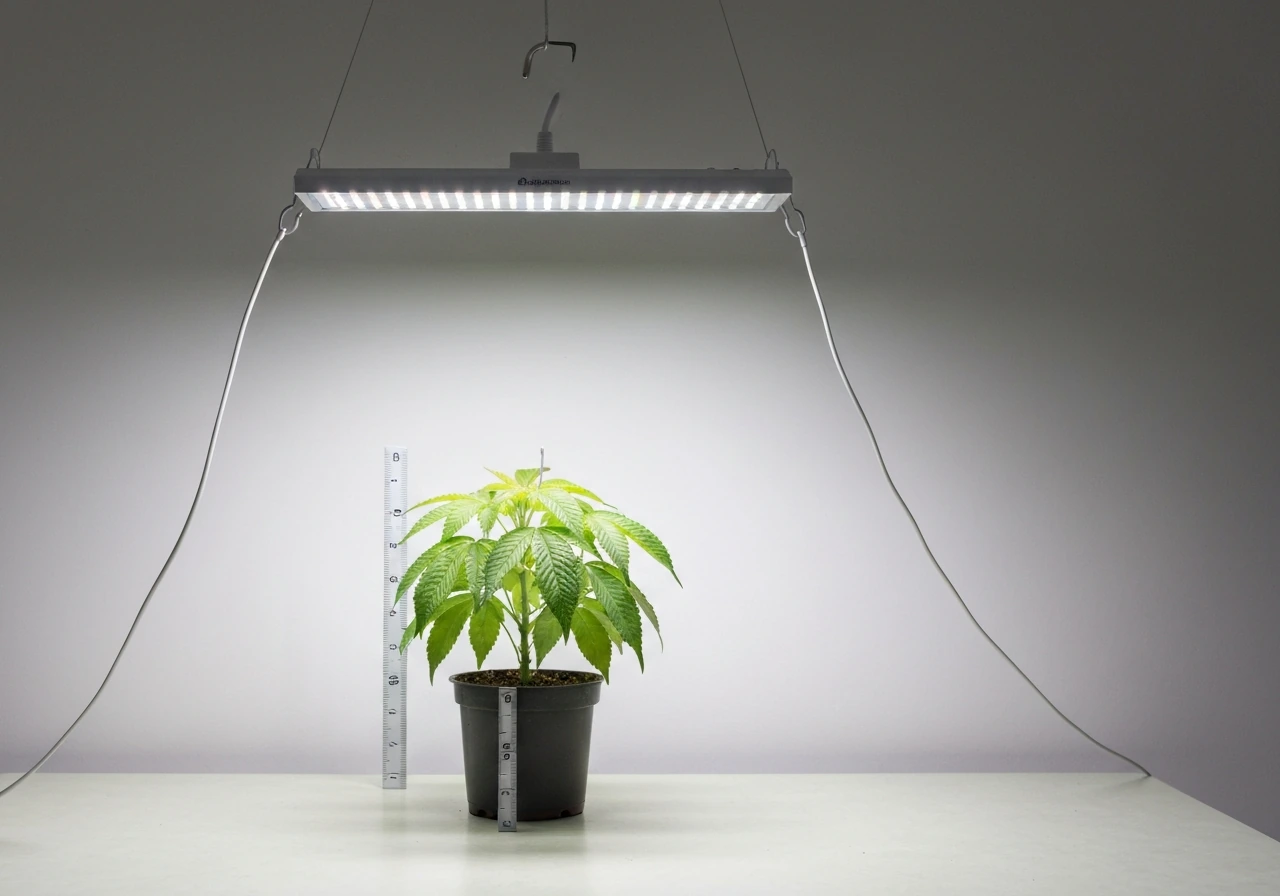
Light is the single most commonly underestimated factor in indoor growing. What feels like a bright room to human eyes can be genuinely dim for a plant. A spot 6 feet from a south-facing window might only receive 200 to 500 foot-candles of light, while a spot right at the glass in full sun can hit 5,000 foot-candles or more. Most tropical houseplants want 1,000 to 3,000 foot-candles for healthy growth. If you are serious, a cheap light meter app on your phone gives you a real number to work with.
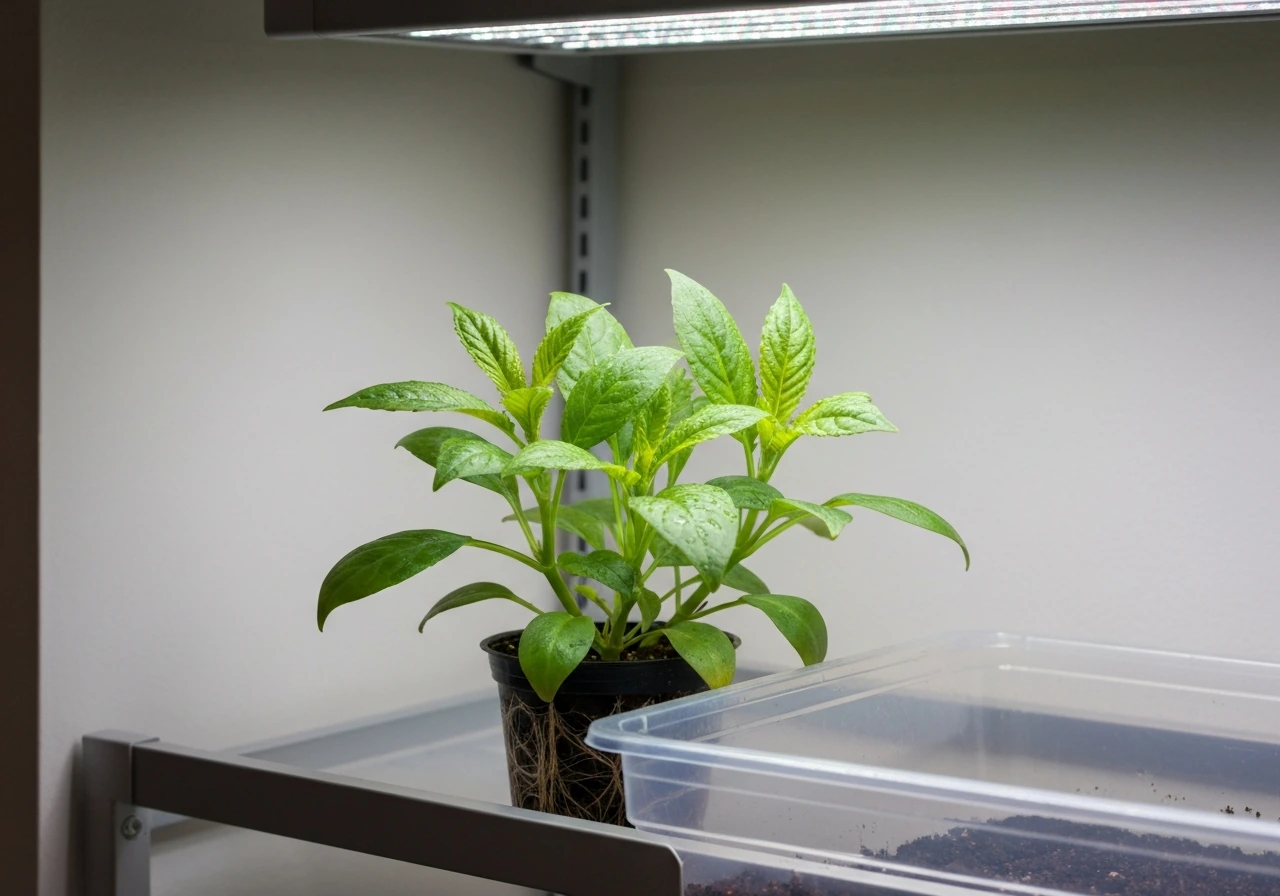
If natural light is limited, a full-spectrum LED grow light changes the game. A decent one costs $20 to $60, runs cool, and uses very little electricity. Position it 6 to 18 inches above foliage plants, run it 12 to 16 hours a day on a timer, and you can grow almost anything in a windowless corner. For seedlings and herbs, this is often better than an inconsistent window because the light duration and spectrum stay constant.
Watering without guesswork
The most reliable watering method is the finger test: push your finger about an inch into the soil. If it feels moist, wait. If it feels dry at that depth, water thoroughly until it drains from the bottom. Then wait again. This simple check beats any fixed schedule because it accounts for seasonal changes, pot size, soil type, and plant size. Most common houseplants want the top inch to dry out between waterings. Succulents and cacti want the top two to three inches dry. Moisture-lovers like ferns prefer consistently damp but never soggy soil.
Always use pots with drainage holes. A pot without drainage is a standing water trap, and standing water in the root zone is how you get root rot. If you love a decorative pot without drainage, use it as a cachepot: put your plant in a smaller nursery pot with holes and set that inside the decorative one. Empty the outer pot 30 minutes after watering so roots never sit in pooled water.
Feeding your plants without overdoing it
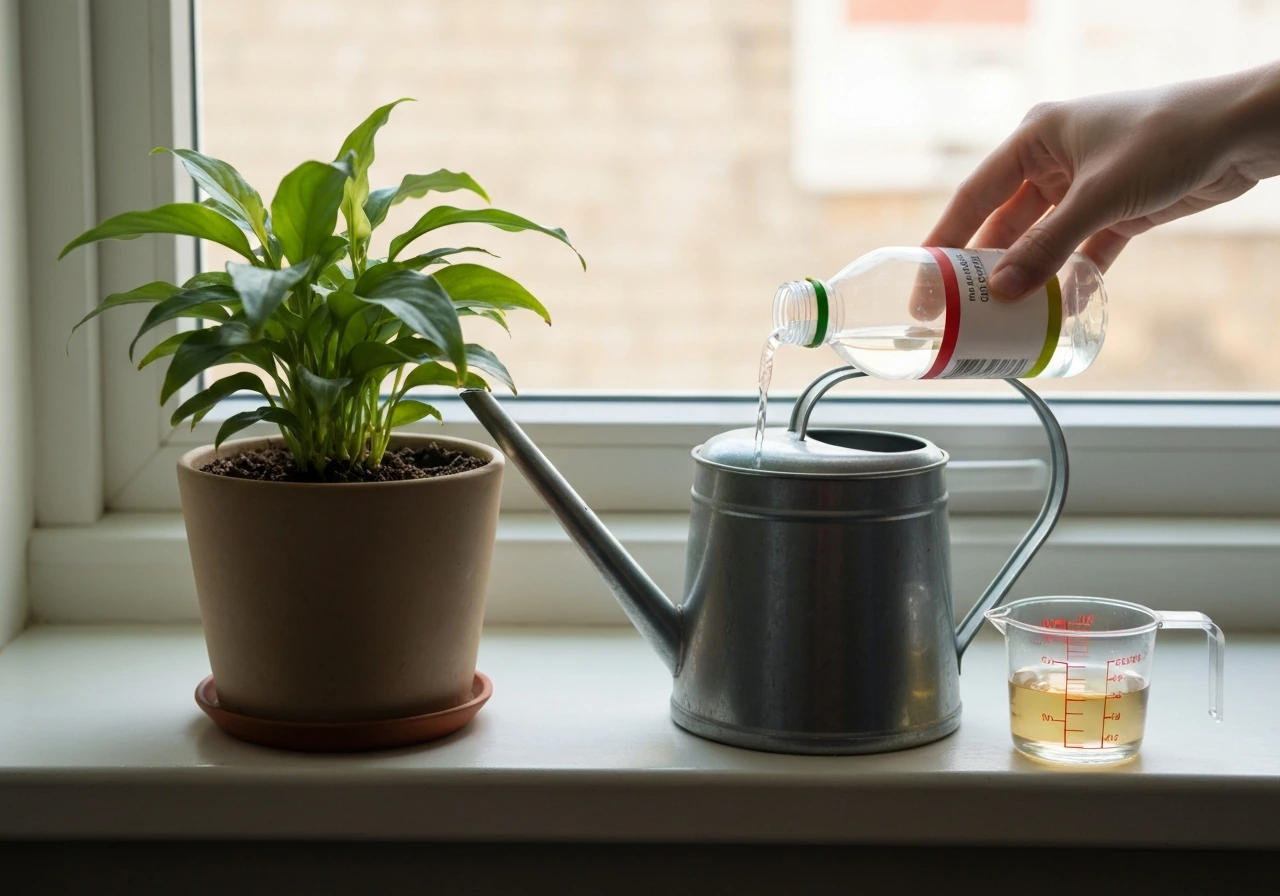
Plants grown in soil do not need fertilizer every week. A balanced liquid fertilizer (look for an NPK ratio close to 10-10-10 or 20-20-20) applied at half the recommended dose every two to four weeks during active growth (spring through early fall) is enough for most houseplants. Do not fertilize in winter when growth slows. Overfertilizing causes fertilizer burn (brown leaf tips, crusty white deposits on soil) and can damage roots. If you see salt buildup on the soil surface, flush the pot with plain water twice to wash excess minerals through.
For specific deficiencies: yellowing leaves that start from older lower leaves often signal nitrogen deficiency. Yellowing between leaf veins (while veins stay green) is a classic sign of iron or magnesium deficiency. Purple tints on leaf undersides can mean phosphorus is low. Each of these has a targeted fix, but a balanced fertilizer used consistently prevents most of them from appearing in the first place.
Soil, water, hydroponics, and terrariums: picking and setting up your growing medium
The medium you grow in controls how your roots access water, oxygen, and nutrients. Penn State Extension notes that the optimal pH range for hydroponically grown vegetables is generally about 5.0, 7.0 optimal pH range for hydroponically grown vegetables is generally about 5.0–7.0. Each approach has real advantages depending on your plant, your space, and your goals. Here is an honest comparison:
| Medium | Best for | Key advantage | Main risk | Beginner difficulty |
|---|---|---|---|---|
| Potting soil | Most houseplants, herbs, vegetables | Familiar, forgiving, widely available | Overwatering and poor aeration if wrong mix | Low |
| Water (propagation or semi-hydro) | Pothos, philodendron, begonias | Easy to monitor roots, no soil mess | Algae, limited nutrients without additives | Low to medium |
| Hydroponics (active system) | Fast-growing herbs, lettuce, tomatoes | Fastest growth, precise nutrient control | Pump failure, pH management, cost | Medium to high |
| Terrarium (closed or open) | Ferns, mosses, humidity lovers, small tropicals | Self-sustaining humidity, great for small spaces | Overheating, fungal issues if overcrowded | Medium |
For most beginners, a quality potting mix is the right starting point. Look for a mix that contains perlite or bark for drainage. Avoid heavy garden soil in pots. It compacts, drains poorly, and suffocates roots. For succulents and cacti, use a cactus-specific mix or add 50 percent perlite to a standard mix. If you are drawn to water growing or hydroponics for herbs and fast-growing plants, that is a genuinely great option covered in detail elsewhere on this site. Terrariums are particularly rewarding for moisture-loving plants in small apartments where humidity is otherwise hard to maintain.
Planting, potting, and keeping roots healthy
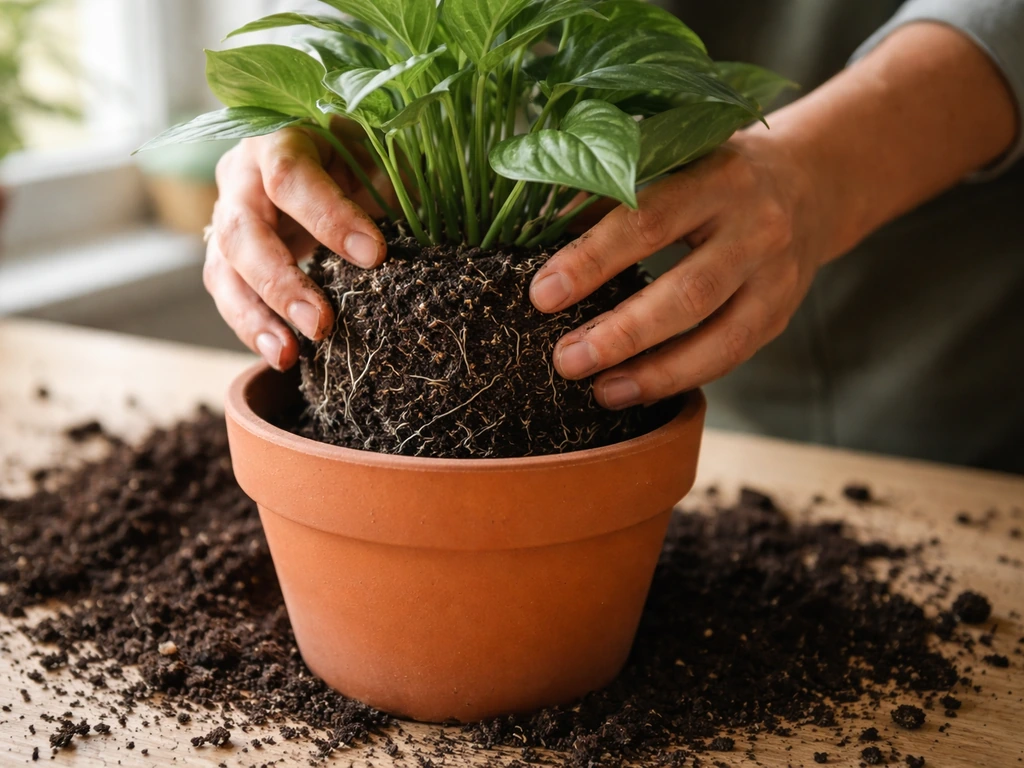
When you plant or repot, choose a pot that is only one to two sizes larger than the current root ball. Going too big is a common mistake. Excess soil around roots holds water that roots are not yet absorbing, which creates consistently wet conditions around roots that are not getting used. For most houseplants, repotting every one to two years is enough. The clearest sign it is time: roots circling the inside of the pot, roots pushing out of drainage holes, or the plant drying out unusually fast because roots have completely filled the pot.
When you repot, gently loosen the root ball with your fingers and shake off some of the old soil. If you see brown, mushy roots, trim them back to healthy white or light-colored tissue with clean scissors or pruners. Fresh cuts callous quickly. Place the plant at the same depth it was growing before. Planting too deep buries stem tissue that is not designed to be underground, which leads to rot. Water thoroughly after repotting, then let the plant settle for a week or two before fertilizing.
For seeds and seedlings, starting depth matters. Most seeds should be planted at a depth roughly two to three times their diameter. Too deep and they run out of stored energy before reaching light. Too shallow and they dry out or get knocked over. After germination, keep seedlings under bright light immediately. A leggy, stretched seedling is almost always a light-deficiency problem in the first week or two of growth.
Troubleshooting common problems that stop growth
Most plant problems show up in one of four ways: leaves change color, leaves change texture or drop, growth slows or stops, or roots and stems look wrong. Here is how to read those signals and act on them.
Yellowing leaves
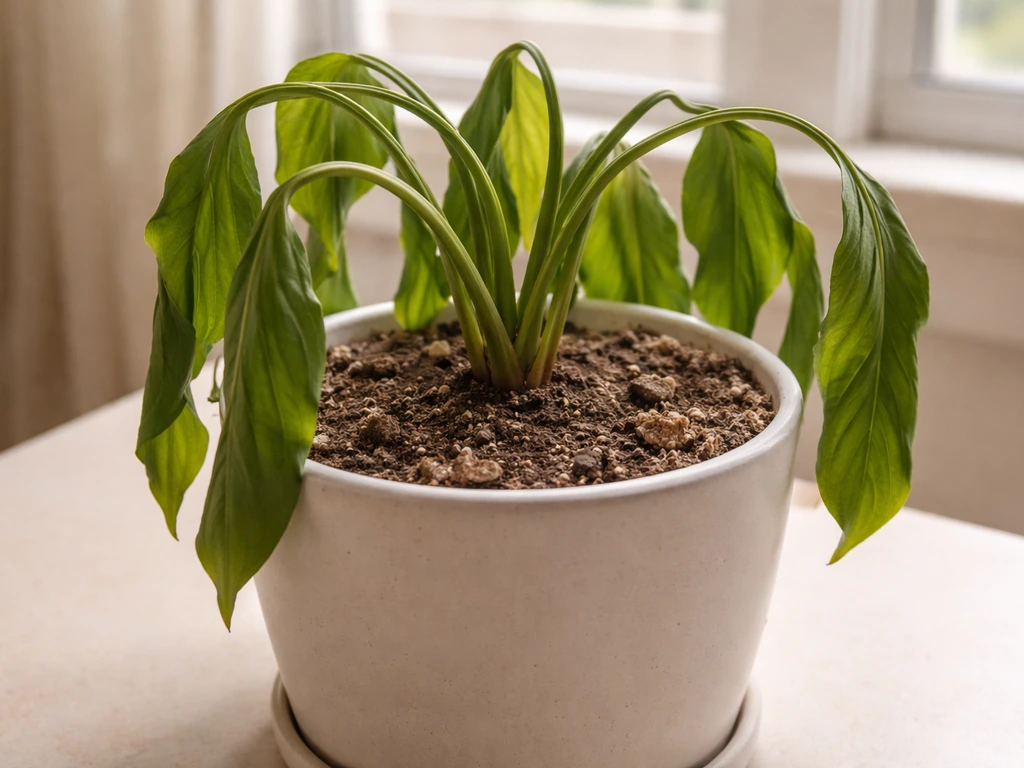
Yellow leaves are the most common complaint and have several possible causes. Check oldest lower leaves first. If lower leaves are yellowing while new growth looks healthy, it is often natural leaf cycling or nitrogen deficiency. If yellowing is widespread and newer leaves are also affected, overwatering is the first suspect. Check the soil, look at the roots if possible, and let the plant dry out before watering again. Yellow leaves with green veins point to a micronutrient issue like iron deficiency, which is common in alkaline soil or when pH is off in a hydroponic system.
Wilting
Wilting means turgor pressure has dropped. Before you water, check the soil. If it is dry, water thoroughly and the plant should recover within a few hours. If the soil is wet and the plant is still wilting, that is a root rot red flag. Soggy soil with a wilting plant above it means roots have been damaged and can no longer move water upward even though water is present. Let the soil dry significantly, remove the plant and inspect roots if the problem persists, and trim any rot you find.
Slow or stopped growth
If a plant just sits there doing nothing for weeks, run through this checklist in order: light first (is it actually enough?), then roots (is the pot rootbound or the soil compacted?), then nutrients (when did you last fertilize?), then season (is it winter dormancy?). Slow growth in winter for tropical houseplants is normal and expected. Slow growth in spring or summer usually points to light or root restrictions.
Brown tips and edges
Brown leaf tips almost always mean one of three things: low humidity, inconsistent watering (especially letting the plant dry out too severely between waterings), or fertilizer salt buildup. Brown edges that crisp up fast and feel dry point to low humidity or hot dry air from a heating vent. Move the plant away from vents, add a pebble tray with water beneath the pot, or run a small humidifier nearby. If you suspect salt buildup, flush the soil with plain water two or three times in a row and skip fertilizer for a month.
Pests
Fungus gnats (tiny flies around the soil) thrive in consistently wet soil. Let the top inch dry out completely between waterings and the population collapses within a couple of weeks. Spider mites (fine webbing, speckled leaves) love hot dry conditions. Increase humidity and wipe leaves down with a damp cloth or diluted neem oil spray. Mealybugs (white cottony clusters in leaf joints) can be dabbed off with a cotton swab dipped in rubbing alcohol. Catching pests early by inspecting leaf undersides weekly makes them much easier to manage.
A simple improvement plan: adjust, observe, and repeat
The single most important habit in growing plants properly is making one change at a time and then watching what happens. It sounds slow, but it is actually the fastest route to results. If you move a plant, change its watering frequency, and switch fertilizers all at once, you have no idea what fixed the problem or what caused a new one. One variable at a time gives you real information. If you want practical ways to encourage plants to grow faster, focus on consistent light, careful watering, and keeping root oxygen available.
- Do a quick audit of your current setup: check light levels, soil moisture, pot size, last fertilizer date, and temperature near the plant.
- Identify the most likely single problem based on what you are seeing (use the troubleshooting section above as your starting point).
- Make one targeted change. Move it closer to light, adjust your watering interval, flush the soil, or repot into fresh mix.
- Observe for 7 to 14 days before judging the result. Most plants respond slowly. A week is the minimum useful observation window.
- If you see improvement, keep the change and move to the next limiting factor. If nothing changes, try the next most likely cause.
- Repeat the loop every season. Plant needs shift with light intensity, temperature, and growth rate through the year.
This adjust-observe-repeat loop is what separates growers who consistently get results from those who feel like plants just die on them randomly. It is also what makes growing genuinely interesting over time. Each plant becomes a small ongoing experiment, and reading the results gets easier the more you practice it.
If you want to go deeper on specific plants or growing methods, the principles here apply across the board, whether you are learning how to grow healthy plants indoors over the long term, working with a particular species like a sensitive plant, or trying to encourage faster growth from a plant that has stalled. The fundamentals stay the same. If you apply these light, water, and root-oxygen fundamentals step by step, you will be well on your way to how to grow happy plant. The adjustment is always in the details of that specific plant in that specific space.
FAQ
How long should it take for a plant to recover after I fix watering or light problems?
If the issue is light or mild water stress, you often see improvement within 3 to 7 days (less droop, steadier new growth). If you just corrected root oxygen after overwatering, the plant may take 2 to 4 weeks to show clear recovery because roots need time to re-grow. If wilting continues more than a few days after the soil is allowed to dry, inspect roots for rot.
What’s the safest watering strategy when I travel or can’t water on the same day each week?
Use the finger test each time you return, not a calendar schedule. For short trips, choose larger pots and water thoroughly until it drains, then let the top inch dry based on your plant type. If you routinely miss, consider capillary options like self-watering planters or a shallow water reservoir setup, but only if your plant’s roots can stay oxygenated (avoid keeping the root ball in water).
How can I tell the difference between under-watering and root problems that look similar?
Under-watering usually means the soil is dry and the plant perks up within a few hours after a thorough watering. Root oxygen problems often show wet or soggy soil, persistent wilting, and sometimes a musty smell from the pot. A simple decision aid is to check both soil moisture and pot weight before watering again, then inspect roots if wilting remains after drying.
Can I use tap water for indoor plants, or do I need to adjust it?
Many houseplants do fine with regular tap water, but issues can show up if your water is very hard (high mineral content), especially through fertilizer salt buildup. If you notice white crust on the soil or recurrent tip browning despite correct watering, switch to filtered or let water sit out overnight to reduce some volatility, then periodically flush the pot as needed.
What does it mean if my plant is growing but leaves are pale or dropping?
Pale growth often points to insufficient light or reduced nutrient availability, even if you are fertilizing occasionally. Leaf drop plus pale new growth can also happen when conditions swing, like moving the plant repeatedly or placing it near hot/cold drafts. The fastest fix is to stabilize the light and environment first, then only adjust fertilizer after you confirm light is adequate.
Should I fertilize after repotting or starting from fresh potting mix?
Often you should wait before fertilizing, because many potting mixes already contain slow-release nutrients. After repotting, the article recommends waiting 1 to 2 weeks before fertilizing, and you can extend that if the mix is pre-fertilized. Fertilize only when the plant is actively growing, and stop if you see salt crust or brown leaf tips.
My pot has drainage holes, but water still pools in the saucer. Is that a problem?
It can be. Even if the pot drains, roots can sit in pooled water if the saucer is left filled. Empty the outer container (or saucer) after about 20 to 30 minutes so excess water drains away, then let the pot dry based on your plant’s needs.
How do I know if my light is too weak even if the plant looks “okay”?
Weak light can show up as slow growth and leggy stems, but some plants mask problems for a while. A practical check is to observe how new growth compares to old growth, taller stretching between leaves suggests low light. If you use a light meter app, compare your reading to the 1,000 to 3,000 foot-candle target range for many tropical houseplants, then adjust distance and duration.
What’s the correct distance and schedule for grow lights to avoid burning leaves?
Keep the light positioned so leaves are not experiencing intense heat or crispy edges, then fine-tune based on response. Start at a moderate distance (the article suggests roughly 6 to 18 inches depending on plant), run for a consistent daily window (commonly 12 to 16 hours for many setups), and avoid frequent moving of the light because your plant needs stable daily light exposure.
How often should I repot, and what signs mean I should repot sooner?
Typical timing is every 1 to 2 years for many houseplants, but repot sooner if roots are circling tightly, roots emerge from drainage holes, or the plant dries out unusually fast despite correct light and watering technique. Another early sign is frequent wilting right after watering, which can indicate the root ball has become too dense to distribute moisture evenly.
What should I do if I see gnats or mites but my watering seems “mostly correct”?
Gnats usually indicate the top layer stays wet too often, so let the top inch dry completely before watering again. Spider mites often respond to hot, dry airflow, so increase humidity and wipe leaves to remove mites and eggs. If you treat pests, keep your environment consistent, because repeated changes in watering or light can weaken the plant and slow recovery.
How do I prevent fertilizer salt buildup without constantly guessing?
Use half-dose fertilizer within the recommended growth season, then flush the soil if you see crusty residue on the surface (the article suggests multiple plain-water flushes). A useful routine is to periodically water normally and occasionally do a deeper flush, so salts wash through the pot rather than accumulate at the root zone.