
A mother plant is a plant you keep in a permanent vegetative state, never letting it flower, so it keeps pushing out fresh shoots you can cut and root as clones. Done right, one well-managed mother plant can supply you with genetically identical cuttings for months or even years, saving you from starting from seed every time and locking in a phenotype you love. The whole job is simple in concept: give the mother the right light, food, and pruning attention, and it becomes a reliable cutting machine.
How to Grow a Mother Plant for Clones: Full Guide

Marcus Holloway
15 May 2026
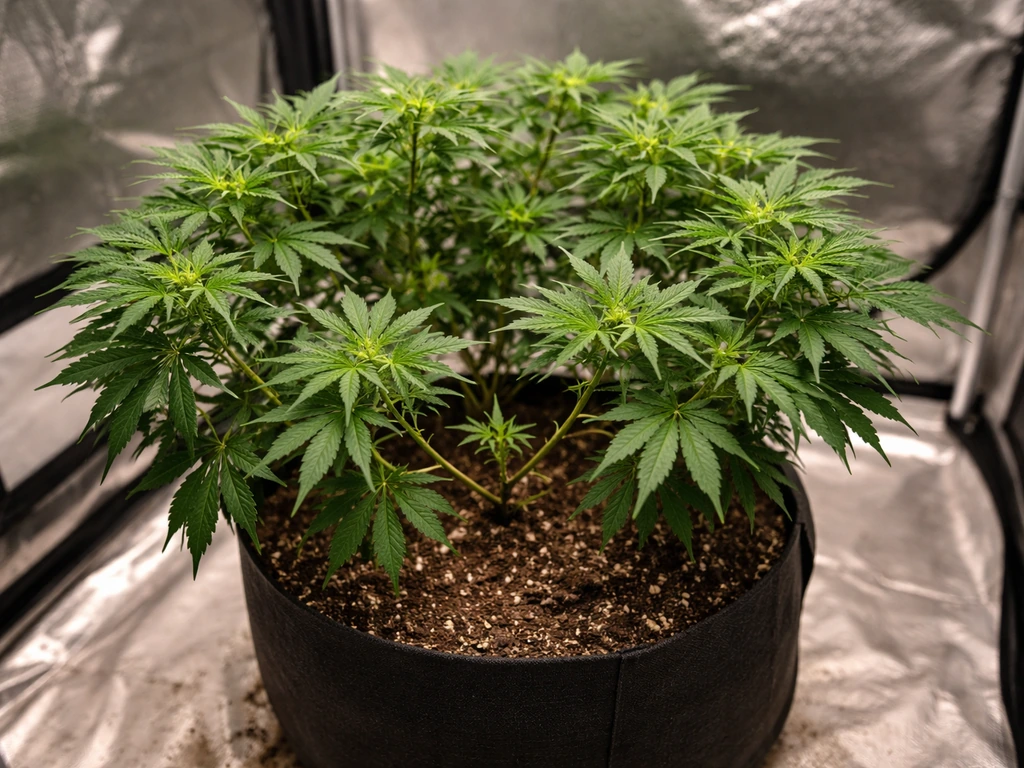
Mother plant basics for cloning
The reason growers bother with a mother plant is genetic consistency. Every cutting you take is a carbon copy of the original plant, carrying the same growth structure, vigor, aroma, and any other traits that made you choose that plant in the first place. That's something seeds, even from the same packet, can't reliably give you.
Keeping a plant in vegetative state indefinitely means overriding its natural tendency to flower. For most species, that means maintaining more than 12 hours of light per day. The standard go-to schedule is 18 hours on and 6 hours off. As long as that light cycle holds, the plant keeps producing new vegetative shoots rather than triggering the flowering response, and those new shoots are exactly what you'll harvest as cuttings.
There's an important mental shift to make here: you're not trying to grow the biggest plant possible. You're trying to grow the most productive, structurally efficient plant possible. A dense, well-branched mother that stays compact and healthy is far more useful than a huge, sprawling one. Keep that goal in mind as you make every decision below.
Choosing the right genetics and source plant

This is honestly the most important decision in the whole process, and it's worth slowing down on. The mother passes everything it has to its cuttings, including its strengths and its problems. A mother with slow growth, pest issues, or patchy nutrient uptake will produce cuttings that struggle from day one.
When evaluating a candidate plant, look for these specific traits before committing it to mother duty:
- Strong, consistent growth energy: the plant pushes new shoots regularly without stalling
- Short, tight node spacing (short internodes between leaves): this means more clone sites per branch and structurally sturdier cuttings
- No signs of pests, disease, or nutrient deficiencies: clean leaves, no spotting, no webbing, no discoloration
- Responds well to topping and pruning without going into prolonged stress
- The specific traits you want replicated: vigor, structure, or any performance characteristic that matters to you
One thing worth taking seriously: if your source plant has ever shown signs of viral disease, do not use it as a mother. Some pathogens, including viroids like Hop Latent Viroid, travel straight through cuttings into every clone you make. Once a mother is infected, every cutting from it is infected too. Quarantine any questionable plant and, if you have access to tissue testing, use it. Starting clean is the only way to stay clean.
Also plan for the long game: even a healthy mother plant can gradually lose vigor after 6 to 12 months due to accumulated stress and age. A smart practice is to keep a clone from your best batch as a candidate replacement mother, cycling in fresh stock before the original starts to decline.
Lighting, temperature, and environment for steady growth
Light is your primary lever for controlling whether the plant stays vegetative and how dense and compact it grows. Too little light and you get leggy, stretched growth with wide internodes and weak stems. Too much heat combined with insufficient light intensity makes things worse. You want the plant actively growing without stretching toward the source.
Light setup
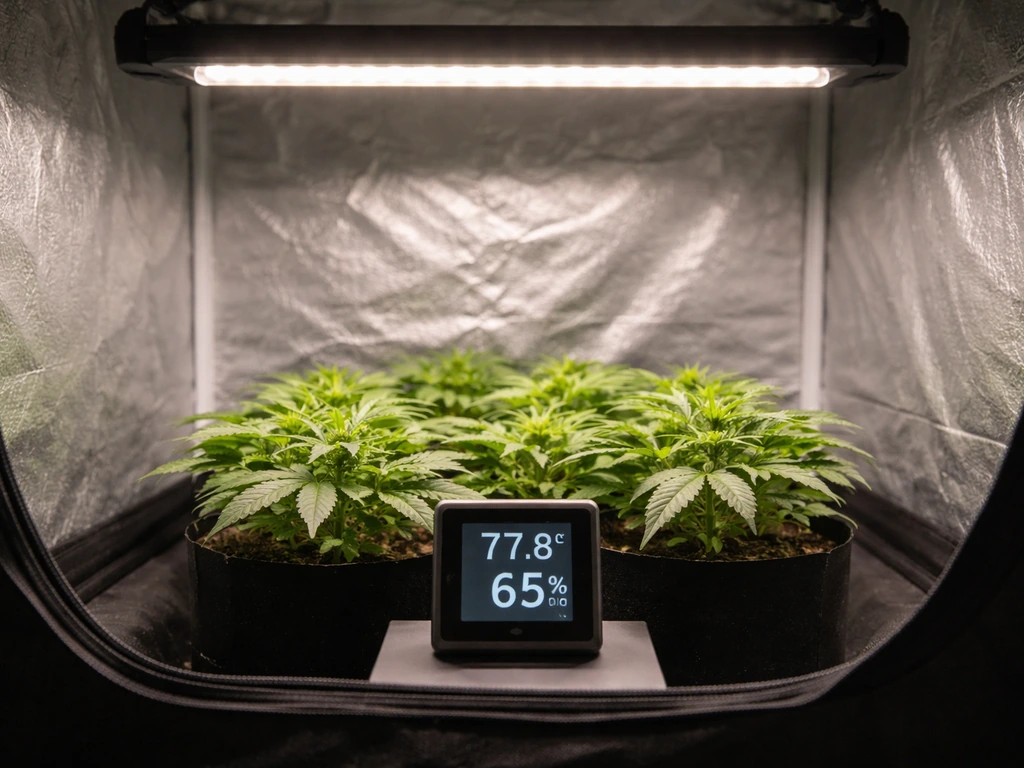
Stick with an 18/6 schedule (18 hours of light, 6 hours of dark). For light intensity, you don't need to push high PPFD levels the way you would for flowering. A moderate range around 200 to 400 PPFD at canopy level is plenty to maintain healthy vegetative growth without causing stress. T5 fluorescents, CMH lamps, or LED panels dialed to a lower intensity all work well.
Keep the light close enough that the plant doesn't have to stretch to reach it, but not so close that leaves bleach or curl. A research-backed benefit of tuning light carefully: [adjusting intensity can actually increase the number of active growing tips while keeping internode length tight](https://journals. plos. org/plosone/article/file?
id=10. 1371%2Fjournal. pone. 0213434&type=printable), which is exactly what you want for clone production.
Temperature and humidity
Aim for canopy temperatures in the range of 24 to 28 degrees Celsius (75 to 82 degrees Fahrenheit) during the light period. Above 28°C, you risk triggering stretch and stress. Relative humidity in the 55 to 70 percent range works well for vegetative growth, putting you inside the recommended VPD window of roughly 0.8 to 1.2 kPa. Keeping VPD in this range supports steady transpiration and nutrient uptake without pushing the plant into heat or drought stress.
Airflow matters too, even if it's just a small oscillating fan. Moving air strengthens stems, reduces hot spots under the canopy, and lowers the chance of fungal issues developing in dense foliage. Think of it as low-effort insurance against several problems at once.
Potting medium, containers, and watering routines
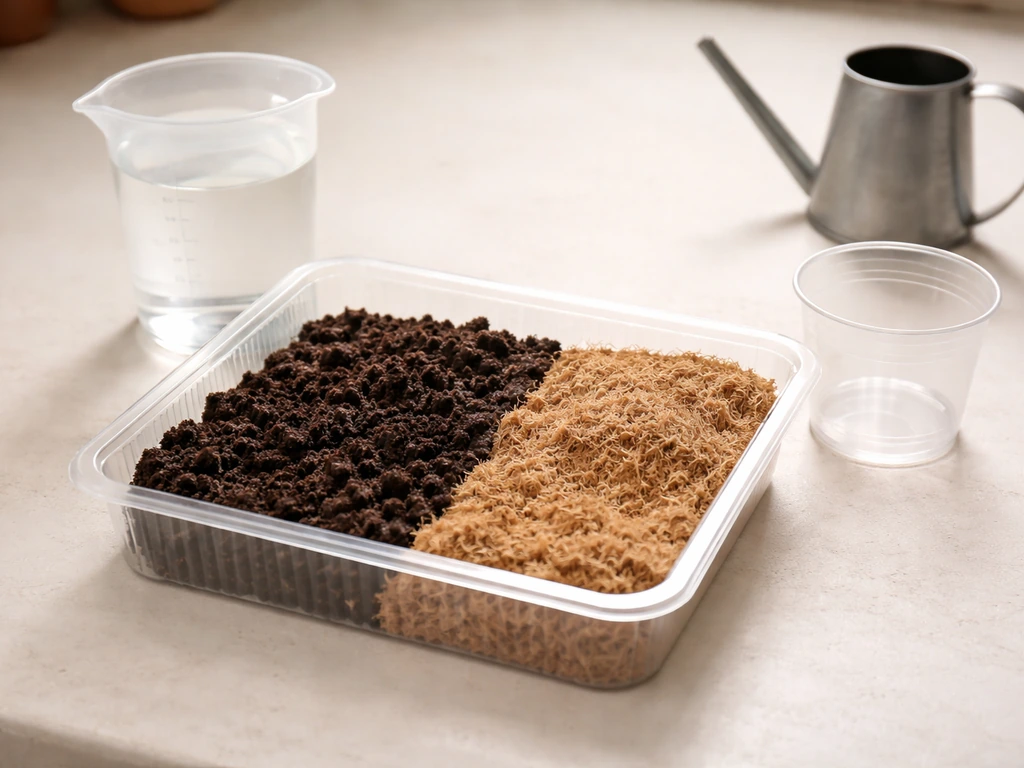
You have real flexibility here. Soil, coco coir, and hydroponics all work for mother plants, with slightly different management needs. If you want a wider range than one clone source, the same mother-plant approach can be adapted to learn how to grow different types of plants mother plants. The most important thing is that your medium drains well and doesn't stay waterlogged, because chronically wet roots are one of the fastest ways to stress a mother plant and reduce cutting quality.
| Medium | pH Target | Key Consideration |
|---|---|---|
| Soil | 6.0–6.5 | Forgiving and buffered; easy for beginners; watch for salt buildup over time |
| Coco Coir | 5.8–6.2 | Must be fully buffered in Cal-Mag solution before use; feeds more frequently than soil |
| Hydro (DWC/NFT) | 5.8–6.1 | Fast growth; requires preventative root disease management for older mothers; monitor EC closely |
If you're using coco, buffer it before planting by saturating it thoroughly in a dilute calcium-magnesium solution at pH 5.8 to 6.2 and letting it soak for 8 to 24 hours. Unbuffered coco will pull calcium and magnesium out of your nutrient solution and into itself, leaving your plant deficient right from the start.
Container size should match the growth stage and how long you plan to run the mother. A 3 to 5 gallon pot works well for most medium-sized mothers. Go too small and you'll restrict root development and need to water more frequently. Go too large and you risk overwatering in the early stages. For hydro setups, older mother plants can develop root-borne disease issues over time, so preventative treatment with beneficial bacteria or other root health products is worth the effort.
Watering rhythm comes down to your medium. With soil, water when the top inch or two feels dry and the pot feels noticeably lighter. With coco, water more frequently (sometimes daily) because it doesn't hold a water reserve the way soil does. One genuinely useful tip: water your mother plant a few hours before you plan to take cuttings. This ensures the shoots are fully hydrated and have good turgor, which helps cuttings stay firm and reduces wilting stress immediately after they're cut.
Feeding schedule and nutrient targets for clone-ready growth
There's a persistent myth that mother plants just need heavy nitrogen feeding to stay productive. They don't. What you actually want is a balanced nutrient approach that builds dense, sturdy tissue rather than soft, sappy growth. Excess nitrogen produces exactly the kind of lush, watery stems that root poorly and wilt quickly after cutting.
For most of the mother's life, target an EC of around 1.2 to 1.8 in soil or 1.0 to 1.5 in coco or hydro setups, with pH held within your medium's optimal range. If you're starting from a fresh seedling or young clone, begin around EC 0.6 to 1.0 and step up gradually as the plant establishes. Use a full-spectrum vegetative nutrient formula that includes calcium, magnesium, and micronutrients, not just an NPK base.
In the one to two weeks before you plan to take a cutting round, scale nitrogen back slightly. This firms up the tissue and increases the carbohydrate-to-nitrogen ratio in the shoots, which supports faster rooting. Calcium, magnesium, and silica during this pre-cut phase also help produce tougher cell walls that hold up better after harvest. Some growers stop fertilizing entirely two to three days before cutting; that's a reasonable approach as long as the plant isn't already showing deficiency signs.
Pruning and training to keep a consistent supply of cuttings
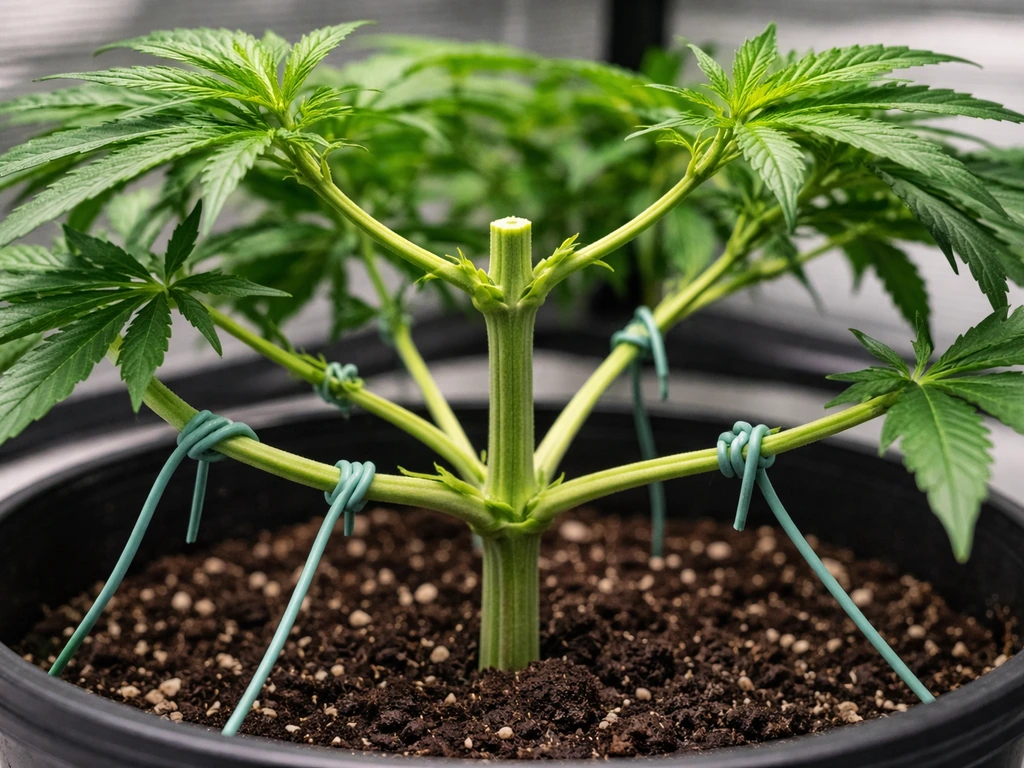
Regular pruning is what transforms a mother plant from a single-stemmed plant into a dense cutting factory. If you want even more shoots over time, the details of how to cut plants to grow more matter as much as the pruning schedule. Every time you remove the growing tip of a branch, you disrupt apical dominance: the hormonal signal that tells the plant to keep one main stem growing upward. Without that signal, the nodes below it wake up and push out two new lateral shoots. Two shoots become four, four become eight. This is the compounding math that keeps your cutting supply growing.
Topping technique
Top a branch when it has at least 3 to 5 nodes. Cut just above a node at roughly a 45-degree angle, using a clean, sharp blade. The 45-degree angle isn't just cosmetic: it reduces the surface area sitting flat and in contact with moisture, lowering the chance of rot setting in at the cut site. Always sterilize your blade between cuts (rubbing alcohol or a quick flame works), especially when working on a plant you're going to be running for months.
Ongoing pruning rhythm
Develop a regular pruning cycle rather than doing one big trim every few months. Light, frequent pruning keeps the plant from getting overgrown and leggy, maintains good airflow through the canopy, and continuously triggers new lateral growth. Remove any shoots that are growing inward or crossing over other branches, and take out growth at the very bottom of the plant that doesn't receive good light. The goal is an open, well-lit canopy with lots of accessible branch tips.
You can also train branches horizontally by gently bending and tying them down. This exposes more nodes to light and reduces the height of the plant, both useful goals when you're working in a limited indoor space. Keeping branches more horizontal also helps you access clone sites without disturbing the rest of the plant. This connects to a broader principle covered in cutting techniques: taking cuttings from the lower half of the plant often yields shoots with higher natural rooting hormone concentrations, which can speed up root development.
Rooting readiness signals and how to test clone viability
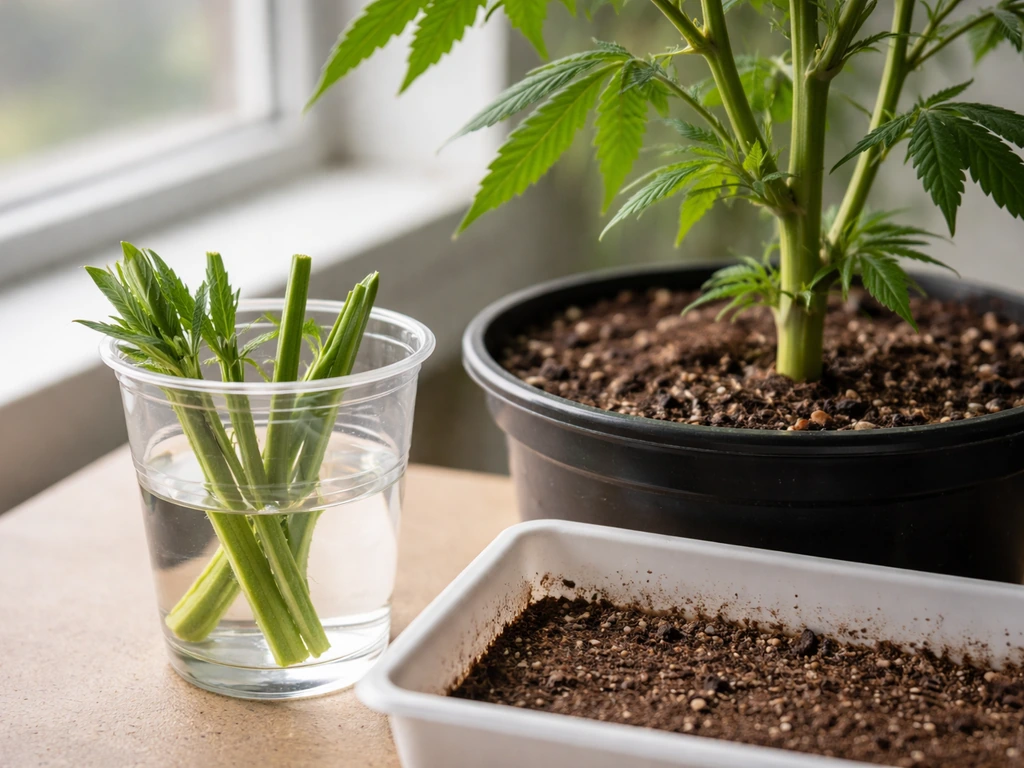
Not every shoot on your mother plant is equally ready to root, and knowing the difference will save you a lot of frustration. The best cuttings come from shoots that are actively growing but have started to firm up slightly from their initial soft, juvenile state. The ideal tissue is what's often called semi-hardened: not brand-new tender growth that wilts the moment it's cut, but not old, woody growth either.
Here are the practical signals that tell you a shoot is ready:
- The stem feels firm enough to hold its shape when you hold it horizontally without drooping
- The internode spacing is tight, not stretched out (long gaps between nodes suggest the mother needs more light or is stressed)
- Leaves are a healthy, even green with no spots, curl, or discoloration
- The shoot tip is actively growing (you can see a fresh emerging leaf or a visible growing point)
- The plant was watered a few hours ago and the shoot feels plump and hydrated, not limp
Before you commit to a full cutting round, test a small batch of two or three cuttings first. Cut them at a 45-degree angle just below a node, apply rooting hormone, and place them in your propagation setup. If those test cuttings root well, the mother is performing. If they struggle or fail, you have time to adjust the mother's conditions before pulling a larger batch. This test-and-confirm approach avoids the frustrating situation of pulling 20 cuttings only to find out the mother wasn't ready.
Also take your cuttings when the mother is in a confirmed vegetative state, not showing any signs of flowering. Cuttings taken from a plant that has begun to flower will carry that developmental momentum into the clone, causing it to flower early or behave unpredictably.
Common problems and fixes when growing a mother plant
Most problems with mother plants fall into a handful of categories, and once you can name the pattern, the fix is usually straightforward. Here's a practical rundown:
Leggy, stretched growth with wide internodes
This almost always means the plant isn't getting enough light, or is too far from the light source. It can also happen when temperatures are too warm (above 28°C). Move the light closer, increase intensity if your fixture allows it, or both. If the plant is already stretched, top the leggy branches to redirect energy into the lower, tighter nodes. Going forward, keep the temperature in range and verify your light is actually reaching the canopy, not just the top few inches.
Slow growth and poor shoot production
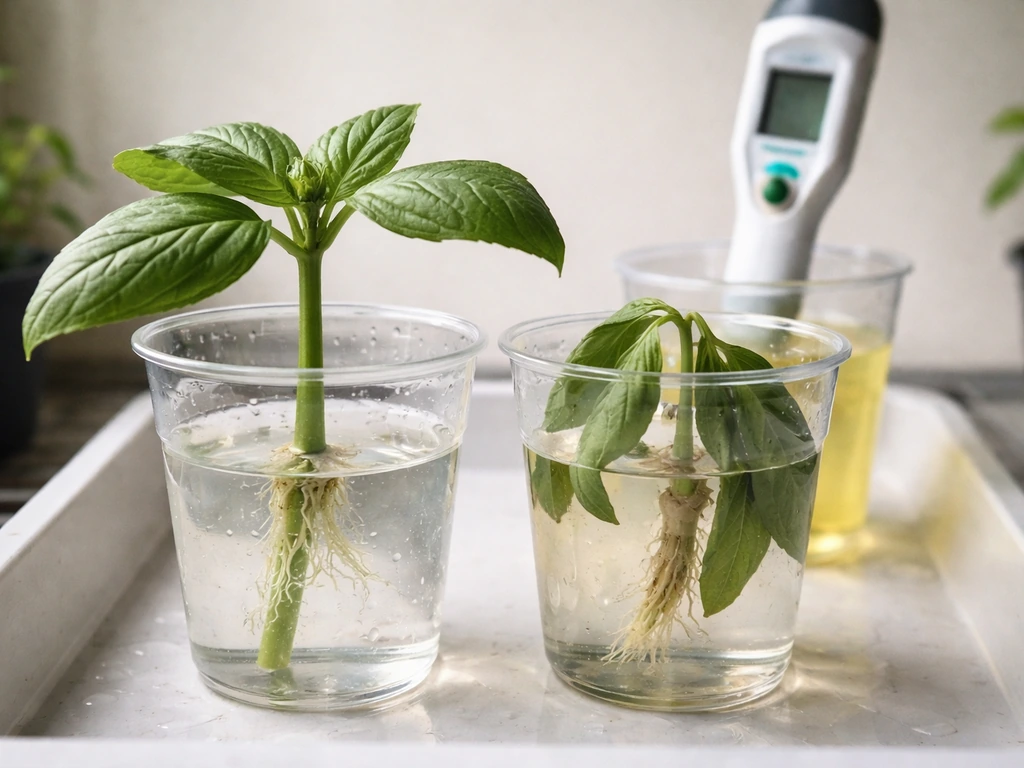
A mother that barely pushes new growth is usually either underlit, underwatered, or locked out from nutrients due to pH drift. Check your pH first, because wrong pH is the most common hidden reason for slow growth that looks like a nutrient deficiency. Correct pH to the appropriate range for your medium, then check your EC and make sure you're feeding at a reasonable level for the plant's current size.
Ripper Seeds notes that the optimal pH targets differ by medium, with a slightly lower optimal runoff pH band for coco and hydro compared with soil, to reduce salt and pH accumulation risk Correct pH to the appropriate range for your medium. If pH and feeding are fine, increase light intensity and ensure the plant has enough root space.
Cuttings failing to root or dying after harvest
Soft, water-logged cuttings that collapse after being taken usually point to excess nitrogen or a mother that was over-watered. Firm up the mother's tissue by reducing nitrogen a week or two before your next cutting round, adding calcium and magnesium, and making sure the plant had good hydration (but not excess) in the hours before you cut. Also check your cut technique: cutting just below a node at 45 degrees maximizes the surface area of the cambium layer, which is where roots emerge.
Pests and disease spreading through cuttings
This is one of the most frustrating scenarios because by the time you notice a problem in your clones, the mother has often been infected for a while. Prevention is everything here. Inspect the mother closely and regularly, not just when you're about to cut. Look under leaves for pests, watch for unusual leaf distortion or color patterns that could indicate viral infection. Keep your cutting tools clean, maintain good airflow, and don't bring new plants into the same space without a quarantine period. If a mother develops a confirmed infection, retire it and start fresh. As mentioned earlier in the section on growing from existing plant material, clean propagation practices prevent problems from compounding across generations.
Root problems in hydro setups
Older mother plants in hydroponic systems are particularly vulnerable to root-borne pathogens like Pythium (root rot). The roots have been in water for a long time and can gradually develop issues that show up first as slow growth and yellowing leaves, then as slimy brown roots. Add beneficial bacteria or other preventative root health products to your reservoir from the start, don't wait until you see a problem. Keep reservoir temperatures below 22°C to limit pathogen activity.
Gradual decline in vigor over time
After 6 to 12 months, even a well-managed mother can start to slow down. Growth becomes less vigorous, shoots take longer to develop, and cuttings don't root as reliably. This is normal. The solution is to proactively select a strong, healthy clone from your last good batch and start growing it up as a replacement mother before the original declines too far. Cycling mothers this way keeps your clone quality consistent and avoids a situation where you're trying to squeeze cuttings from a struggling plant.
If you're interested in exploring how these propagation principles apply to other plant types and methods, the techniques around cutting from nodes and growing new plants from existing ones share a lot of the same biology as what makes a mother plant work. The fundamentals of encouraging root sites, managing growth direction, and selecting the right tissue carry across all of it.
FAQ
How old should a mother plant be before I start taking clones from it?
Plan to take your first cuttings only after the plant shows consistent vegetative growth and has formed multiple healthy nodes and branch tips. If you clone too early from thin or newly established shoots, rooting success drops, and the mother has less “stored” vigor to keep producing. In practice, wait until the mother is producing firm, repeatedly growing new tips for at least a couple of pruning cycles.
How often can I prune a mother plant without reducing clone quality?
Instead of one large trim, use smaller, more frequent pruning based on how fast the plant responds in your setup. A good rule is to prune when the tips have enough nodes to support new lateral growth, not on a strict calendar. If you see shoot growth stalling after pruning, increase recovery time and avoid taking cuttings from the most recently stressed areas.
What is the best time of day to take clones for higher survival?
Take cuttings when the shoots are fully hydrated, typically a few hours after lights on or after you have watered the mother according to your medium. Morning or early light-period cuts tend to help because the plant has been transpiring less overnight than during the hottest part of the photoperiod. Avoid taking cuttings late in the dark period when tissue is least turgid.
Can I take clones from the bottom of the mother plant if that area gets less light?
Yes, but expect variability. Shoots from the lower half often have strong rooting potential, yet they can also be thinner or less developed if they are shaded. To balance this, remove inward or overlapping growth and ensure the lower canopy actually receives light, then take semi-hardened shoots from that accessible growth.
Do I need to rotate where I take clones on the mother plant?
Rotation helps maintain uniform performance. If you always harvest from the same branches, those areas can lag behind and you may unintentionally select weaker, less vigorous tissue over time. Consider alternating which quadrants you prune first, and re-train branches so clone sites stay evenly lit and accessible.
Should clones be taken right before the mother would normally be due for a prune?
Ideally, cuttings should come from new lateral growth that has already reached a semi-hardened stage, not from the very first shoots right after a major trim. Cutting immediately after heavy pruning can reduce shoot availability and stress recovery. Use pruning to trigger growth, then harvest once those new tips are firm enough to root reliably.
What should I do if my mother stays vegetative but the cuttings keep failing to root?
Treat it like a diagnosis problem, not just a propagation issue. Re-check that the mother has the light intensity you think you have at canopy level, confirm pH is in range for your medium (lockouts can look like “weak rooting”), and verify the shoots are semi-hardened rather than too tender or too old. Also ensure your cut technique is consistent (clean blade, cut just below a node, proper rooting hormone application and propagation environment).
How can I tell the difference between leggy growth from low light and growth stretched from too much heat?
Leggy, low-light plants typically show wide internodes and pale or weak-looking leaves across the canopy. Heat-driven stress often comes with leaf droop, more frequent wilting, and faster recovery problems during the dark cycle, even if internode spacing is similar. Measure canopy temperature during the light period, not just room temperature, and adjust airflow and light placement accordingly.
Is it better to grow the mother in soil, coco, or hydroponics for clone reliability?
Any of them can work well, but they differ in how quickly you can respond to problems. Coco generally requires more frequent watering and careful calcium-magnesium buffering. Soil is slower to swing but can hide root or nutrient issues longer. Hydroponics can produce very fast vegetative growth, but it increases the importance of reservoir management and root health to prevent pathogen-related drops in cutting performance.
How do I prevent viruses when I cannot tissue test my plants?
If you cannot test, rely on strict sourcing and quarantine plus operational cleanliness. Only use reputable source genetics, quarantine any new plant for an extended period before it ever touches your clone workflow, and never share tools or propagation trays between “new” and “clean” areas. Also discard suspect mothers quickly, because once infected, all future cuttings from that mother will carry risk.
Can I reuse rooting hormone or keep leftover hormone for later?
Avoid re-dipping or reusing hormone in a way that contaminates the stock solution. Many products lose effectiveness when contaminated or exposed to repeated handling. Best practice is to portion out what you need per session, keep containers sealed, and use the stated application method consistently for each cutting round.
My mother is producing lots of shoots, but they root poorly. What’s the most common mistake?
Overgrowth and overly soft tissue are frequent causes. If the mother is pushed too hard with nitrogen or kept under conditions that produce tender, sappy shoots, rooting often drops even though there are many cuttings available. Back off nitrogen in the pre-cut window, ensure the tissue firms up to semi-hardened, and confirm the mother is getting enough usable light to create strong structure.
How long should I keep replacing a mother before it becomes unreliable?
Many mothers start to lose vigor somewhere in the 6 to 12 month range due to accumulated stress and aging, but the exact timing depends on your intensity, pruning frequency, and system cleanliness. Watch for early warning signs like slower shoot emergence, reduced branch tip firmness, and weaker rooting from otherwise ideal semi-hardened cuttings. Once those appear, start a replacement mother from a clone taken from your best-performing batch.