You can grow pitcher plants outdoors successfully if you match the right species to your climate, give them a mineral-free water source, plant them in a peat-and-sand mix with no added fertilizer, and put them somewhere that gets at least 6 hours of direct sun. For most North American growers, that means Sarracenia, the cold-hardy trumpet pitcher plant that thrives in outdoor bogs from USDA zones 6 through 9 and tolerates brief dips to around 20°F. Get those basics right and pitcher plants are genuinely easy to keep alive outdoors for years.
How to Grow Pitcher Plants Outdoors: Full Step-by-Step
Marcus Holloway
14 May 2026
Pick the right pitcher plant for your climate
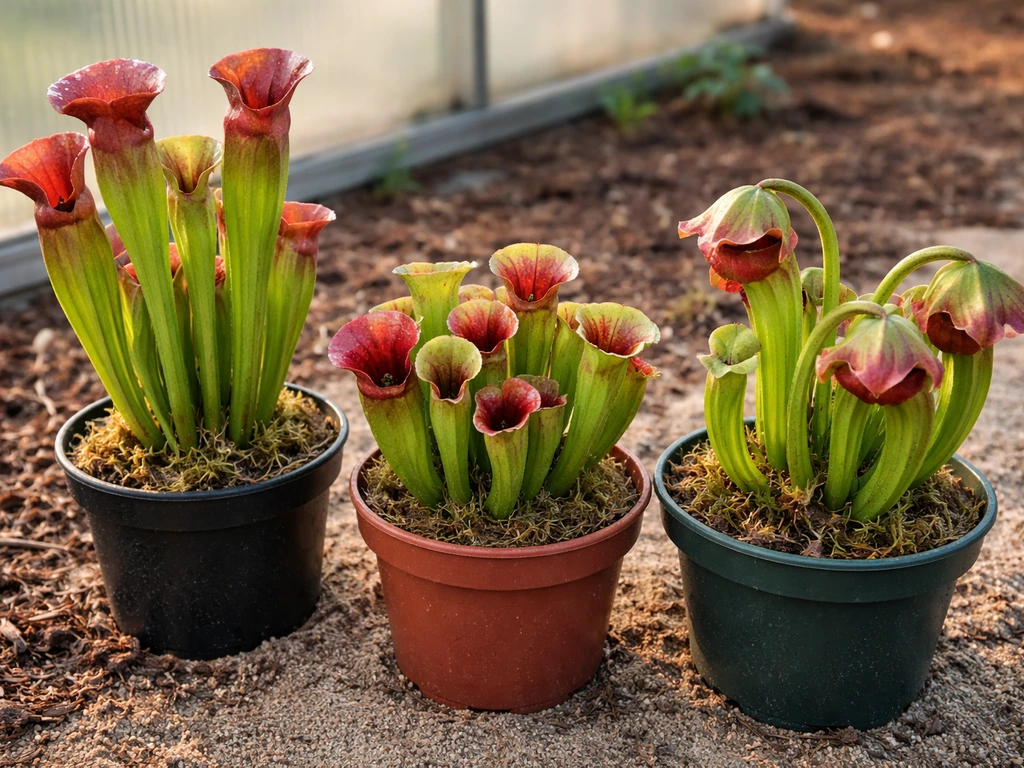
The two types of pitcher plants most growers consider are Sarracenia (North American pitcher plants) and Nepenthes (tropical pitcher plants). They look somewhat similar but have completely different climate needs, and choosing the wrong one for your outdoor setup is the most common reason pitcher plants fail outside.
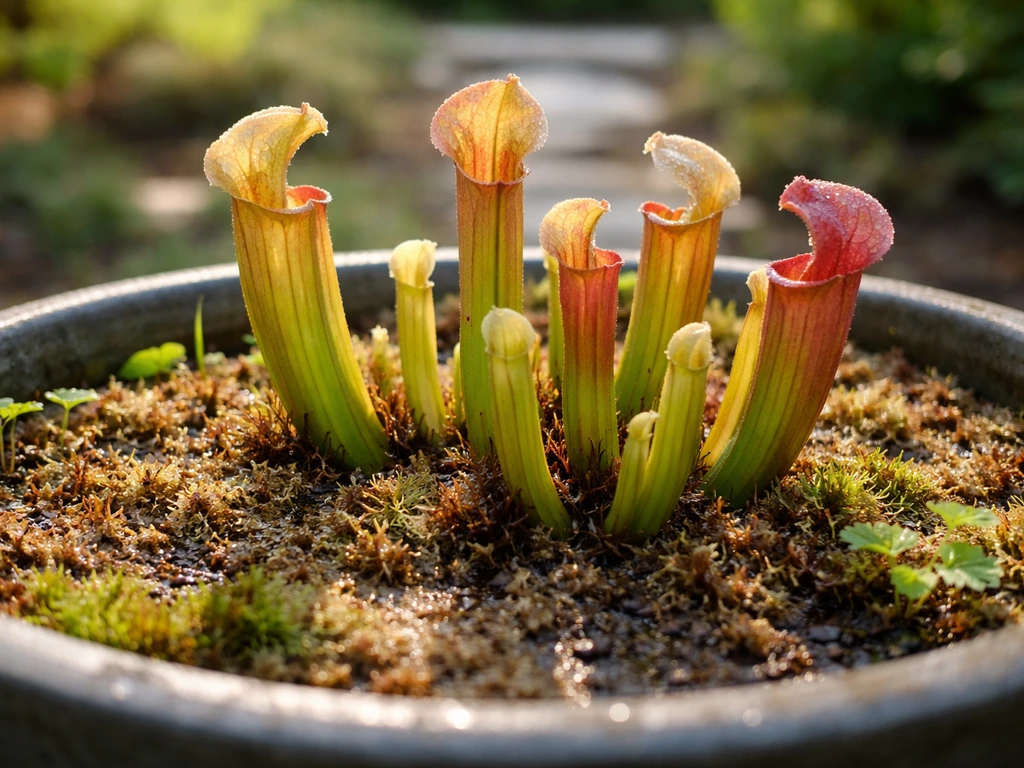
Sarracenia are the outdoor workhorses for most climates. They are native to the wetlands of eastern North America, so they are built for hot summers, cold winters, and all the rain that comes with temperate weather. Most species do best in zones 6 through 9, handle hard freezes as part of their winter dormancy cycle, and actually need that cold period to come back strong in spring. If you live in the continental United States and want a pitcher plant you can set outside and mostly leave alone, Sarracenia is almost always the right choice.
Nepenthes are tropical plants that want temperatures in the 70 to 90°F range during the day and cannot handle frost at all. Many species tolerate brief overnight chills down to around 40°F, but a hard freeze will kill them. If you live in a frost-free climate like coastal Southern California, South Florida, or Hawaii, Nepenthes can thrive outdoors year-round. Everywhere else, they are better treated as patio plants that come inside before temperatures drop. Their substrate also differs from Sarracenia: a simple mix of one part long-fiber sphagnum moss and one part perlite works well, and plastic pots are generally the best container choice for them.
| Feature | Sarracenia | Nepenthes |
|---|---|---|
| Origin | Eastern North America | Tropical Asia, Australia, Madagascar |
| Ideal outdoor zones | Zones 6–9 (most species) | Frost-free climates only |
| Cold tolerance | Down to ~20°F during dormancy | Brief chills to ~40°F; no frost |
| Summer heat | Handles heat well with moisture | Prefers 70–90°F; avoid intense dry heat |
| Winter dormancy | Required for healthy spring growth | Not required; slow growth in cool temps |
| Best substrate | Peat moss and washed sand | Long-fiber sphagnum and perlite |
| Outdoor use | Year-round in most US climates | Year-round only in frost-free zones |
For the rest of this guide, the focus is primarily on Sarracenia because they are the species most readers can actually grow outdoors in a wide range of North American climates. Nepenthes tips are included where relevant, especially for warm-climate growers.
Choose the best outdoor location and container setup
Sarracenia need as much direct sunlight as you can give them. We are talking at least 6 hours of full sun daily, and more is better. Plants kept in partial shade will survive but produce weak, pale, poorly formed pitchers with little color. If you have a choice between a spot with morning sun and a spot with afternoon sun, go with the location that gives the longest uninterrupted sun exposure. A south-facing or west-facing position is usually ideal.
Container vs. in-ground bog: which works better?
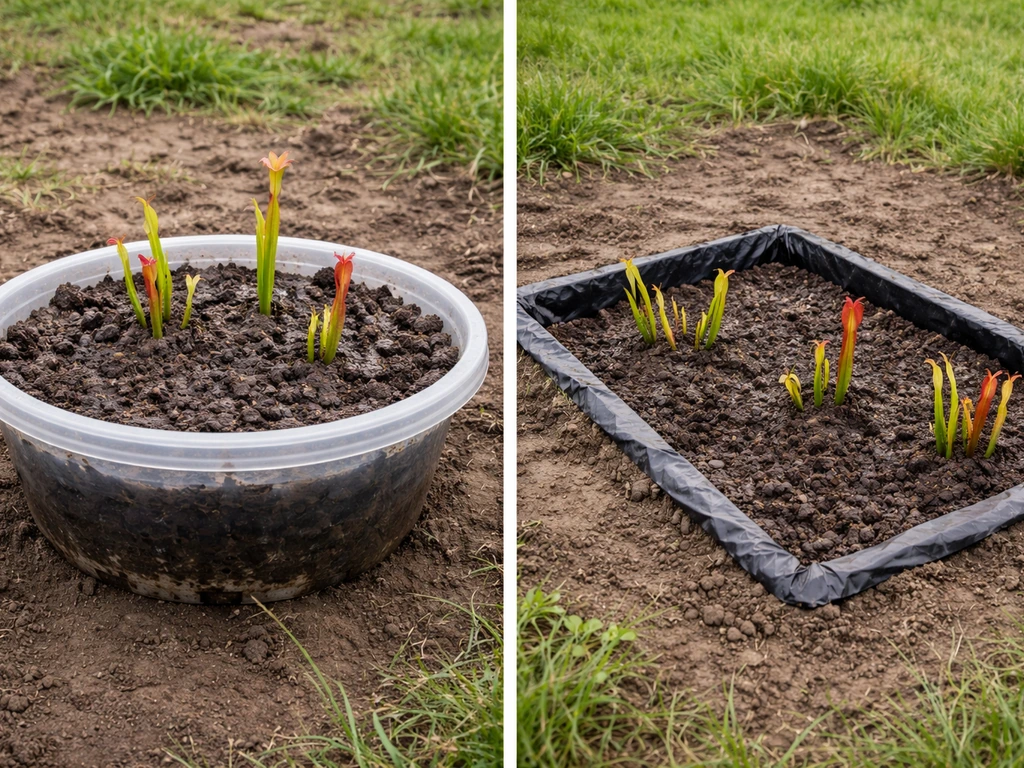
Both work, but containers give you more control and are much easier to manage for beginners. A wide, shallow plastic pot (at least 6 to 8 inches deep, wider is better) with drainage holes works well. Avoid glazed ceramic or terracotta pots as they can leach minerals into the soil. Plastic is inert and keeps moisture in more consistently.
If you want to go bigger, building an outdoor bog garden is a rewarding long-term project. The basic method is to dig a hole, line it with a pond liner, fill it with your peat-sand substrate mix, and add a few small drainage holes near the top of the liner, about 1 to 3 inches from the top edge. This setup lets excess rainwater drain while keeping the lower substrate consistently moist. You fill and water from the top like any bog, and the liner holds enough moisture that you do not need to keep the pot sitting in a standing water tray constantly. The bog method works especially well if you want to grow several Sarracenia species together.
For container growing, the classic approach is the tray method: set your pot in a shallow tray filled with about an inch of pure water. This mimics the constantly wet conditions Sarracenia grow in naturally. Top up the tray whenever it runs dry, and do a full flush of the substrate every few weeks by pouring water from the top to rinse out any accumulated minerals.
Get the substrate and water quality right
This is where most pitcher plant deaths happen, so pay close attention here. Sarracenia have evolved in nutrient-poor, acidic, mineral-free soil, and they die when given anything richer. Think bog, not garden bed.
The right soil mix
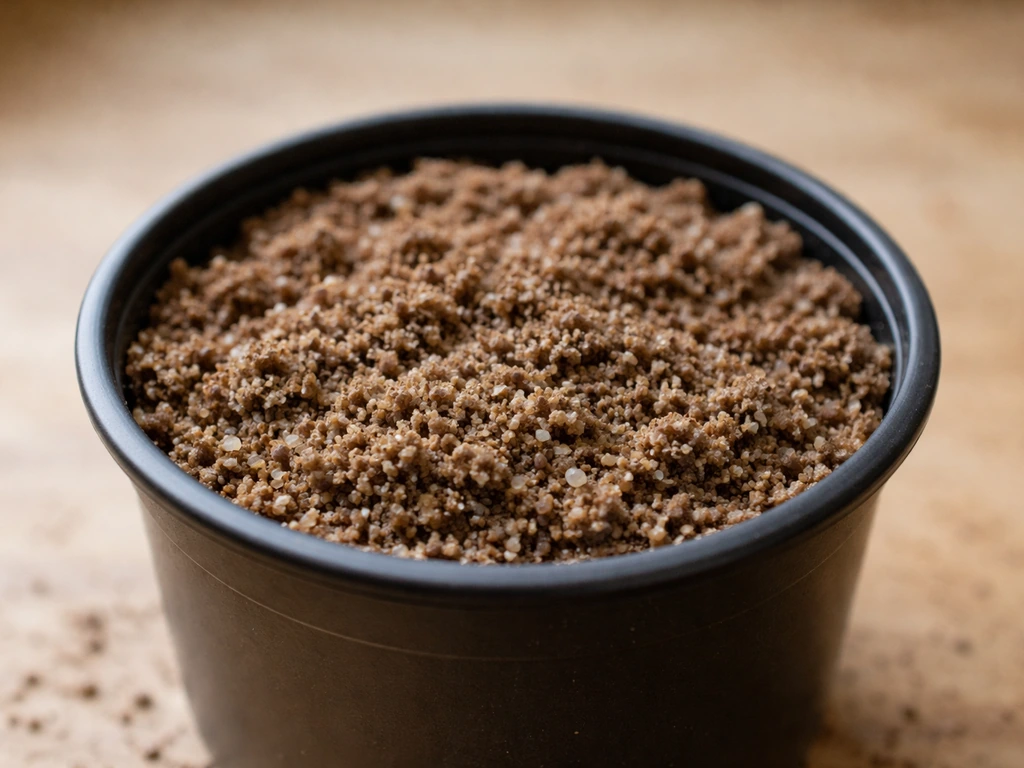
The standard mix is simple: one part peat moss to one part washed horticultural sand, thoroughly combined and moistened before use. Some growers swap the sand for perlite, or do a three-way mix of peat, sand, and perlite. All of these work. What you must avoid is any potting mix that contains fertilizer, bark, compost, or lime. Most standard potting soils will kill carnivorous plants quickly because they contain exactly the mineral salts and nutrients Sarracenia cannot handle. Check the bag label: if it says anything about fertilizer, slow-release nutrients, or moisture crystals, do not use it.
Never add fertilizer to the soil, either. These plants have evolved to get nitrogen from the insects they catch, not from the soil. Adding fertilizer does not help them grow faster; it burns their roots and kills them. The bog substrate is supposed to be nutrient-poor on purpose.
Water quality matters more than most people expect
Tap water in most municipalities is too high in dissolved minerals for Sarracenia. The safe target is water with less than 50 parts per million (ppm) total dissolved solids. You can check yours with a cheap TDS meter (under $15 on most platforms). Many tap water sources run 150 to 400 ppm, which will gradually poison your plants through mineral buildup in the substrate. Hard water can cause Sarracenia pitchers to brown and decline even when everything else looks right.
Use rainwater whenever possible because it is naturally low in minerals and essentially free. Collect it in a clean barrel or bucket and use it for both watering and the tray method. If you do not have reliable rain, distilled water or reverse osmosis (RO) filtered water are the best alternatives. Bottled spring water is usually too mineral-rich. When in doubt, test it with a TDS meter before using it.
Light, watering, and seasonal care through the growing season
Outdoors, Sarracenia will handle most of their own light and water needs once set up correctly. Your main job is making sure the water supply stays pure and consistent.
Spring and summer
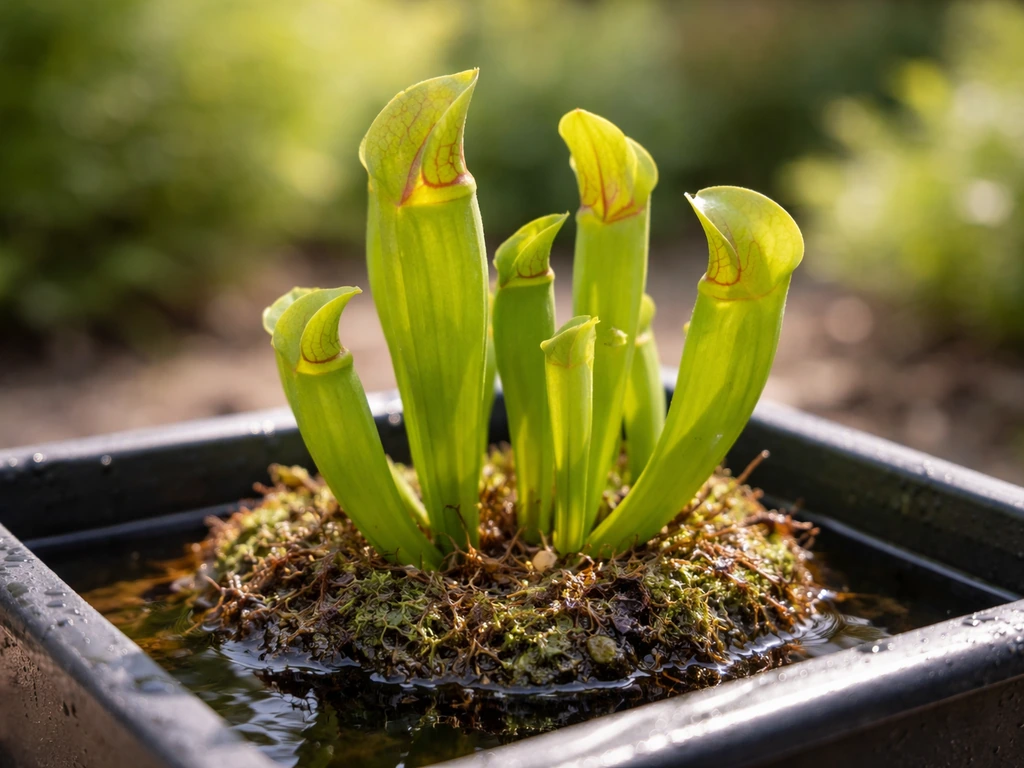
New pitchers emerge in spring as temperatures warm and day length increases. This is when growth is most active and the plants are most visually rewarding. Keep the water tray topped up, flush the substrate occasionally with distilled or rain water to prevent mineral buildup, and make sure nothing is shading the plants. In hot climates above 95°F, watch for heat stress symptoms like browning pitcher tips or wilting. Moving the pot to a location with very brief afternoon shade during the worst heat waves can help, but do not sacrifice morning sun for this.
You do not need to feed Sarracenia growing outdoors. They will catch plenty of insects on their own. If you have a plant that has been kept indoors for a while and you want to supplement, dropping a small live or freeze-dried insect into one or two pitchers occasionally is fine, but it is genuinely not necessary for outdoor plants. Never use liquid fertilizer in the pitchers or the soil.
Fall transition
As days shorten and temperatures drop in autumn, growth naturally slows. Pitchers will start to brown and die back, which is completely normal and not a sign of a sick plant. Sarracenia House explains that browning and dieback during winter are part of the plants’ required dormancy cycle Pitchers will start to brown and die back, which is completely normal. This browning is part of the dormancy cycle the plant needs. You can trim off dead or browning pitchers with clean scissors to keep the plant tidy and improve airflow, but leave healthy green growth alone. Reduce how often you top up the water tray as rain becomes more frequent in most climates, but never let the substrate dry out completely.
How to start: seeds, divisions, or nursery plants
If you want to get growing today, buying a nursery plant or dividing an established plant is the fastest way to see results. Seeds are rewarding but slow, often taking 3 to 5 years to produce a mature plant. If you are a first-time grower, start with a nursery plant and work toward seeds once you understand the growing conditions.
Nursery plants
Buy from a reputable carnivorous plant specialist rather than a big-box grocery store or garden center when possible. Plants sold in grocery stores are often underpotted in the wrong soil and stressed. Look for online specialist nurseries that sell actively growing Sarracenia in proper substrate. Spring through early summer is the best time to buy and transplant because the plant has the full growing season ahead to establish before winter.
Divisions
Dividing an established Sarracenia is the easiest way to multiply your collection and get a head start on growth. In early spring, before significant new growth begins, carefully lift the plant from its pot, rinse the roots clean with distilled or rain water, and gently pull or cut the rhizome into sections, each with at least one growing point and a set of roots. Pot each division into fresh peat-sand mix and treat it like a new plant. Divisions from a healthy parent plant will often start producing pitchers in the same season.
Starting from seed
Sarracenia seeds need to be stratified before they will germinate: mix them with a small amount of damp peat or sphagnum, seal them in a plastic bag, and refrigerate for 4 to 6 weeks before sowing. Sow on the surface of damp peat-sand mix in a small pot, cover loosely with a plastic bag or dome to retain humidity, and place in bright light. Germination is slow and seedling growth in the first year is minimal, but it is a satisfying long-term project if you have patience.
Common outdoor problems and how to fix them
No pitchers forming
Insufficient light is the number one reason Sarracenia fail to produce proper pitchers outdoors. If the plant is producing flat phyllodia (leaf-like structures without the tube) instead of pitchers, move it somewhere sunnier immediately. Six hours is the minimum; more is better. The second cause is a plant coming out of a stressful situation, such as being recently repotted or moved. Give it one full growing season to settle before worrying.
Pitchers turning brown
Some browning of older pitchers is completely natural, especially in fall and winter. If pitchers are browning heavily during the growing season, the most likely culprits are mineral buildup from tap water or hard water, inconsistent watering, or heat stress. Switch to rainwater or distilled water, flush the substrate thoroughly, and make sure the tray is not running dry. If individual pitcher tips are browning but the rest of the pitcher looks healthy, that is usually low humidity or hot dry wind, both of which are harder to control outdoors but manageable by moving the plant to a slightly more sheltered spot.
Pests and disease
Outdoors, Sarracenia are fairly pest-resistant compared to most houseplants, but they are not immune. Aphids sometimes cluster on new growth in spring; knock them off with a strong spray of distilled water or use a diluted neem oil spray on the outside of the pitchers only, never inside. Fungus gnats are common in the wet substrate but rarely cause serious root damage in healthy plants. Root rot is the real risk and almost always comes from poor drainage, wrong substrate, or completely stagnant water in the tray for extended periods. If a plant looks limp and the rhizome feels mushy, remove it from the pot, trim any rotten roots, and repot in fresh peat-sand mix in a clean container.
Winter dormancy, frost protection, and heat stress
Winter dormancy is not optional for Sarracenia. It is a biological requirement. A plant denied dormancy by being kept warm indoors through winter will gradually weaken over several years. The cold period, typically October through March in most mid-Atlantic and temperate climates, triggers the plant to rest and prepare for vigorous spring growth. New pitcher leaves emerge as the plant exits dormancy in spring, and the whole cycle repeats.
How cold is too cold?
Most Sarracenia species can handle temperatures down to about 20°F during dormancy without damage, especially when their roots are insulated in a moist substrate. In zones 7 and warmer, many growers simply leave their plants outside through winter with no protection at all, letting them experience rain, frost, and even light snow. In colder zones (5 and below) or during unusually harsh winters, extra protection helps. The risk is not cold itself so much as repeated freeze-thaw cycles and extreme drying wind, which is exactly what mulching addresses.
Practical frost protection methods
The simplest method for potted plants is to bury the pots in a thick layer of mulch, wood chips, or straw, leaving the crown of the plant exposed. MACPS recommends that Sarracenia go dormant in winter and that mid-Atlantic outdoor overwintering can be done with heavy mulching or cold-frame protection. This insulates the roots from the worst cold and from temperature swings. For very cold climates or during extreme cold snaps, move pots into an unheated but sheltered space like a garage, shed, or cold frame. The goal is to keep the plant cold enough to stay dormant (below about 45°F) but protected from temperatures that could freeze the rhizome solid. A cold frame is ideal because it lets in light, keeps off the worst wind and ice, and maintains a stable cold temperature.
During dormancy it is normal for all the pitchers and leaves to die back completely. As long as the rhizome at the base is firm and healthy, the plant is fine. New growth will reappear in early spring as temperatures climb. Do not panic and move the plant somewhere warm when you see dead foliage in January. That is exactly what is supposed to happen.
Nepenthes: heat stress and cold protection outdoors
If you are growing Nepenthes outdoors in a warm climate, protect them from frost above all else. Even a single night at freezing temperatures can kill tropical pitcher plants. In climates with occasional cool winters, bring Nepenthes indoors to a bright, warm spot (a south-facing window or a grow light setup) before nighttime temperatures fall below 50°F to be safe. During summer heat waves above 95°F, Nepenthes appreciate some dappled afternoon shade and increased humidity, which you can create by misting the leaves or setting a shallow water tray nearby to increase local humidity through evaporation.
If you enjoy the challenge of growing carnivorous plants outdoors, Sarracenia are a gateway to a genuinely addictive hobby. Once you have the bog setup dialed in, you might find yourself wanting to experiment with related carnivorous plants outdoors, or scaling up to a larger in-ground bog garden to accommodate more species. If you are interested in spreading ground-cover style growth, learn how to grow crawling plants alongside your outdoor pitcher garden. The fundamentals you learn here, low-mineral water, nutrient-poor substrate, maximum sun, and respect for dormancy, carry over to most carnivorous plant growing, whether you branch out into other outdoor species or start exploring more specialized setups.
FAQ
Can I grow pitcher plants outdoors in a raised bed or regular garden soil?
In almost all cases, no. Pitcher plants need mineral-free, nutrient-poor conditions, regular garden soil contains salts and nutrients that will gradually damage roots. If you want a bed-like setup, use an in-ground bog approach with a liner and the peat-and-sand mix, or use containers so you can control water quality and substrate.
What water should I use if my tap water is hard, but I do not get much rain?
Use rainwater when possible, otherwise switch to distilled or reverse osmosis (RO) water and confirm it with a TDS meter when you can. If you mix water sources, keep the overall mineral level low, aim for under 50 ppm total dissolved solids at the watering point, not just in one component.
How do I know if my pitcher plant is failing because of minerals vs. light?
Mineral stress often shows up as overall decline plus poor pitcher quality even when the plant looks upright, while insufficient light usually produces flat phyllodia (leaf-like growth) instead of tubes. A quick diagnostic is to increase to maximum uninterrupted sun first, then address water quality, and flush the substrate to remove buildup if pitchers are browning during the growing season.
Is it okay to use fertilizer on the insects I plan to feed the pitchers?
No. Pitcher plants should not be fed with fertilizer, and you should not add nutrient sources to the system at all. If you want to supplement an indoor-start plant, use small live or freeze-dried insects occasionally, and place them only into a pitcher, never into the soil or with any liquid feeding product.
Should I remove dead pitchers during dormancy?
You can trim clearly dead or browning pitchers with clean scissors, mainly for tidiness and airflow. Do not remove healthy green growth just because growth slows, dormancy die-back is normal. If the base rhizome is firm, the plant can still restart in spring.
How cold is too cold for outdoor Sarracenia in my container?
Most species can handle winter cold around the low 20s Fahrenheit when roots remain insulated in consistently moist substrate. The container is the weak point because it can freeze solid, in very cold zones, bury the pot under thick mulch or move it into a light, unheated shelter like a cold frame so the rhizome avoids prolonged freezing.
Will Sarracenia survive winter in a pot without freezing solid?
Often, yes, if you keep the crown protected and prevent drying wind. A thick mulch layer over the pot, leaving the crown exposed, helps stabilize temperatures and reduces freeze-thaw cycles. If your area has repeated deep freezes, a cold frame or sheltered garage is safer than relying on ambient winter conditions.
Should the tray always have water in it?
For container Sarracenia, keep a shallow tray with about an inch of pure water and top it up as it evaporates. Avoid letting it completely dry, dryness can stress the roots and reduce pitcher formation. Also avoid letting the tray become a stagnant mineral source, use pure water in the tray and flush periodically.
How often should I flush the substrate to prevent mineral buildup?
Every few weeks is a common target for outdoor container plants, then increase or decrease based on how fast your tray water evaporates and how frequently you top up. Flush means pouring water from the top until it rinses through, using rain, distilled, or RO water so you are not adding new minerals during the rinse.
Can I mist pitcher plants to increase humidity outdoors?
Misting can help only in limited ways outdoors, especially if you are managing a windy, dry site. For outdoor Sarracenia, the bigger wins are correct substrate, correct water quality, and maximum sun. If you mist, do it lightly and avoid wetting pitcher interiors if you notice lingering moisture issues, for Nepenthes humidity matters more than it does for Sarracenia.
Why do only the pitcher tips turn brown, while the rest looks okay?
Tip browning during the growing season is frequently linked to heat stress from hot dry wind or very low humidity, even when watering and soil are correct. Try giving brief afternoon shade during extreme heat waves, and move the plant to a slightly more sheltered location without reducing morning sun.
What pests are most likely outdoors, and do I need to treat them?
Aphids can cluster on new spring growth. A strong spray with distilled water can knock them off effectively. For fungus gnats, they are usually a sign of wet substrate, they rarely cause major harm if your drainage and watering are appropriate. If you see limp plants with mushy rhizomes, prioritize fixing drainage and repotting rather than treating as a pest problem.
Can I grow Nepenthes outdoors in the summer and bring it inside for winter?
Yes, as long as you bring it in before nighttime temperatures drop below about 50°F. Nepenthes cannot handle frost, even a single freezing night can kill the plant. For summer, you can use dappled afternoon shade and higher local humidity, but plan for relocation as soon as nights cool.
Do pitcher plants need to be fed if insects are not common near my house?
Outdoor Sarracenia typically catch enough insects on their own. If you have recently potted or started a plant from indoors, occasional feeding can be fine, but do not rely on feeding to compensate for poor light, wrong water, or rich soil. Never use liquid fertilizer.
Is it better to buy a nursery plant or start from seed for outdoor growing?
For fastest results, start with an actively growing nursery plant or divide an established plant. Seeds are slower, often taking years before a mature, pitcher-bearing plant is established. If you start from seed, be prepared for the long timeline and expect minimal growth in the first year even with correct stratification and bright light.