Plant roots grow by constantly pushing new cells forward from the very tip, branching outward to explore more soil, and developing tiny hair-like structures that do most of the actual water and nutrient absorption. That is the short version. The longer version is that root growth is a surprisingly active, responsive process that you can directly influence as a grower, whether you are working with a pot of soil on a windowsill, a jar of water on the counter, or a full hydroponic setup. Understanding what roots are actually doing gives you a huge advantage when something goes wrong, or when you want to give your plants a serious head start.
How Do Plant Roots Grow Over Time and What Helps Them
Marcus Holloway
10 Apr 2026
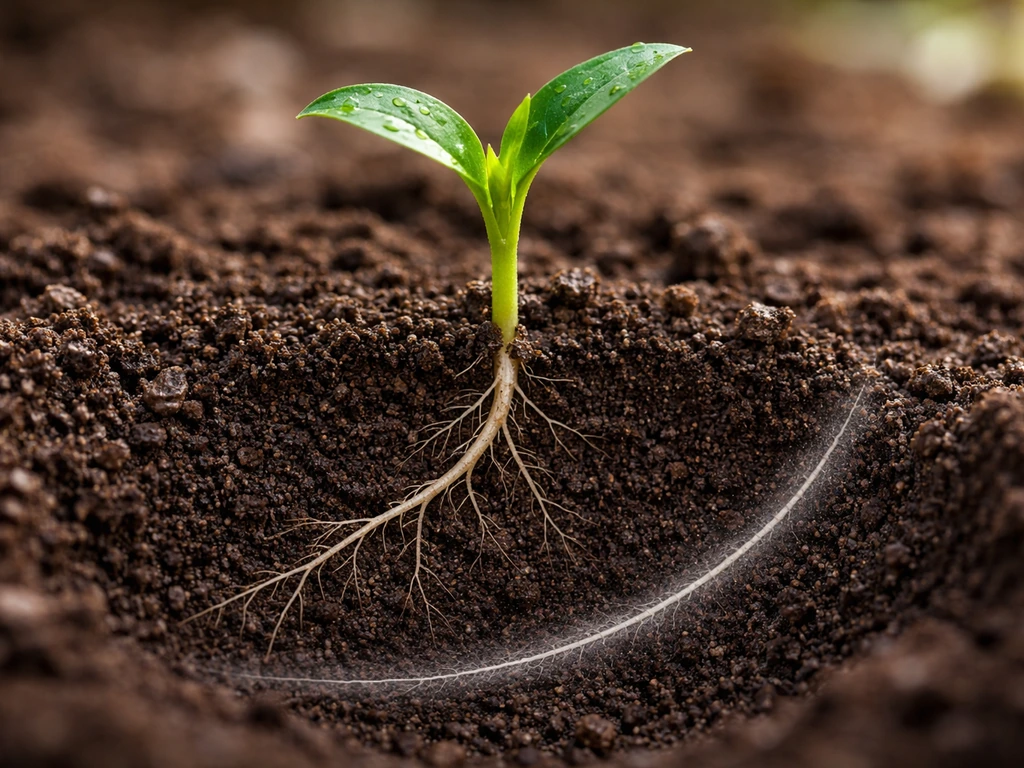
What root growth actually looks like up close
Root growth happens in three overlapping ways: elongation, branching, and root hair development. Elongation is the main push forward. Just behind the very tip of every root is a zone of rapidly dividing cells, and just behind that is a zone where those cells stretch and lengthen, physically driving the root tip deeper or wider into the growing medium. This is the engine of root growth.
Branching happens when new lateral roots sprout off an existing root, multiplying the total surface area the plant can explore. A single main root that branches several times can cover a dramatically larger volume of soil than one long unbranched root, which is exactly the point. The plant is trying to colonize as much territory as possible to maximize water and nutrient access.
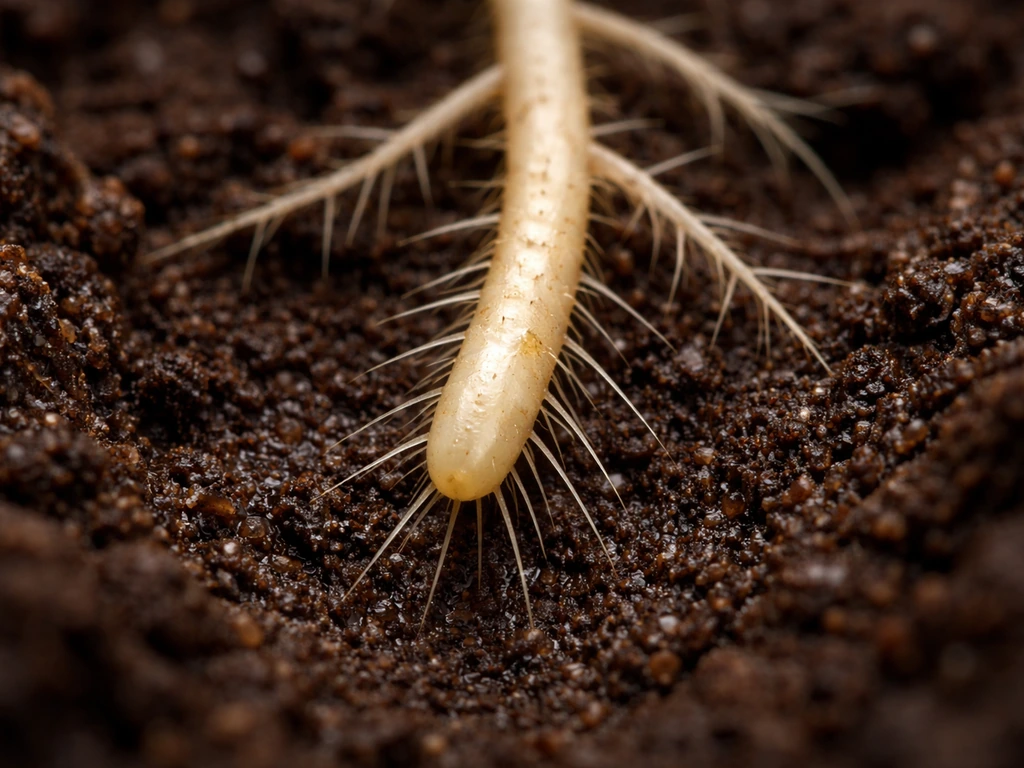
Root hairs are the detail most people overlook, and they are genuinely important. These are microscopic extensions of individual root cells, and they increase the root's surface area enormously. Root hairs appear even on very young roots, so early in development that you can spot them on the radicle of a corn seedling before it has even properly established itself. They are delicate and short-lived, constantly being replaced as the root tip moves forward, which is one reason transplanting roughly can set a plant back so noticeably.
How roots first get started: from seed to established root system
Everything begins with the radicle, the first root structure to push out of a germinating seed. Once a seed absorbs enough water and temperatures are right, cells start to elongate and the radicle emerges, typically somewhere between 2 and 7 days after germination is triggered depending on the plant species and conditions. That first root is the anchor and the lifeline for the entire seedling while it is still running on stored energy from the seed itself.
From there, the root system develops in stages tied closely to how the rest of the plant is developing above ground. Corn is a well-studied example: young seedlings rely entirely on the radicle and seed-based energy reserves until around the third leaf stage, at which point a new set of nodal roots has elongated enough to take over. The timing matters, because if those later roots are delayed by cold soil, waterlogging, or compaction, the plant hits a gap in its support system right when it needs it most. The same principle applies to your tomato seedlings, your houseplant cuttings, and anything else you are trying to establish.
If you are working with plants that have no soil at all yet, understanding this sequence is especially useful. The article on how to grow bare root plants covers the early establishment phase in detail, but the core idea is the same: give those first roots oxygen, moisture, and mild temperatures, and they will do their job.
How roots decide which way to grow
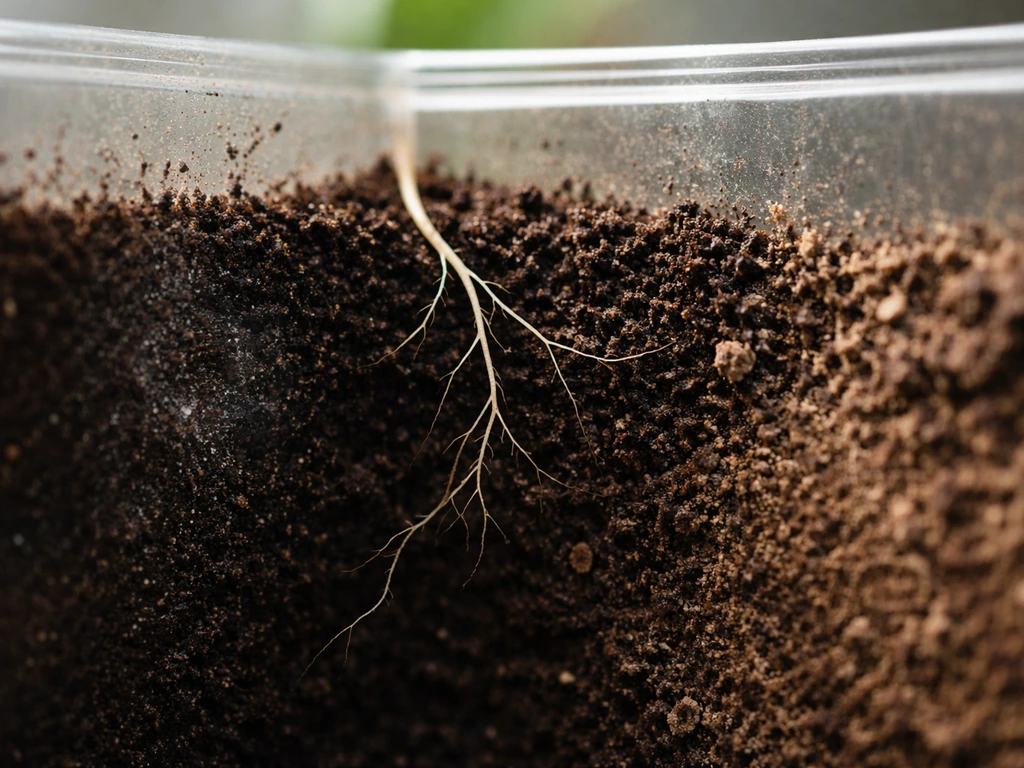
Roots are not just passively falling downward. They are actively reading signals from the environment and steering themselves in response. The main driver is gravity: roots are positively gravitropic, meaning they grow toward the pull of gravity by default. In most roots, gravitropism drives downward growth into the soil, which is why roots show positive gravitropism toward the pull of gravity positive gravitropic, meaning they grow toward the pull of gravity by default. After germination, the radicle bends downward and enters the growing medium specifically because of this response. It is built in and reliable, which is why you do not need to plant seeds with any particular orientation for the root to find its way down.
Moisture gradients also steer roots. Hydrotropism is the term for it, and it describes roots curving toward areas with more available water. This is practical knowledge: if one side of your pot is consistently drier, roots will skew toward the wetter side, which can create an uneven root system over time. Watering evenly matters more than most people realize.
Then there is thigmotropism, the response to physical contact. When a root tip hits a solid obstacle like a rock, a pot wall, or a hard layer of compacted soil, it rapidly bends away from the contact point. After that initial bend, gravitropism kicks back in and pulls the tip back downward, which can create a characteristic step-like growth path as the root navigates around the barrier. You have probably seen this when you unpot a plant and find roots that look like they have taken a winding, zigzagging route to the bottom. That is not random. That is the root having a series of physical conversations with obstacles in the medium.
The four things that control root growth day to day
Once roots are established and growing, four factors dominate how fast and how well they develop: water, oxygen, temperature, and nutrients. Getting these right is most of the job.
Water
Roots need consistent moisture but not saturation. Water moves nutrients into the root and keeps cells turgid enough to elongate and push forward. Too little and growth stalls. Too much and the real problem begins, which leads directly to the next factor.
Oxygen
This is the one growers underestimate most. Roots need oxygen to generate the energy required for nutrient uptake, and they get that oxygen from air pockets in the soil or growing medium. Oxygen moves through air about 10,000 times faster than it moves through water, so a waterlogged medium essentially cuts off the oxygen supply to the root zone almost immediately. The guideline to keep in mind: soil should have at least roughly 10 percent air-filled porosity at all times. When air-filled porosity drops below about 20 percent of pore space, you are in the danger zone for poor aeration. This is why overwatering is so damaging. It is not just too much water, it is too little oxygen.
Temperature
Cold soil slows root growth noticeably. Suboptimal temperatures slow cell division and elongation at the root tip, which delays establishment. Cold, wet soil also reduces phosphorus availability, which is why seedlings in early spring can show phosphorus deficiency symptoms even in well-fertilized soil. The roots simply cannot take up what is there when they are both cold and small. Most common houseplants and warm-season vegetables want root-zone temperatures somewhere in the 65 to 75 degree Fahrenheit range for active growth.
Nutrients
Nutrient availability influences both root growth and root architecture. Nitrogen deficiency, for example, can actually stimulate more root growth relative to shoot growth as the plant tries to forage for more, though it also stresses the plant overall. Calcium and phosphorus are particularly tied to root cell development and integrity. The key point is that nutrient uptake depends on healthy roots, and healthy roots depend on adequate nutrients, so deficiencies tend to spiral if left unaddressed.
Setting up the right conditions: soil, water rooting, and hydroponics
The same biological needs apply regardless of your growing setup, but how you meet them varies quite a bit depending on the medium. Here is how to think about each one.
Standard potting soil
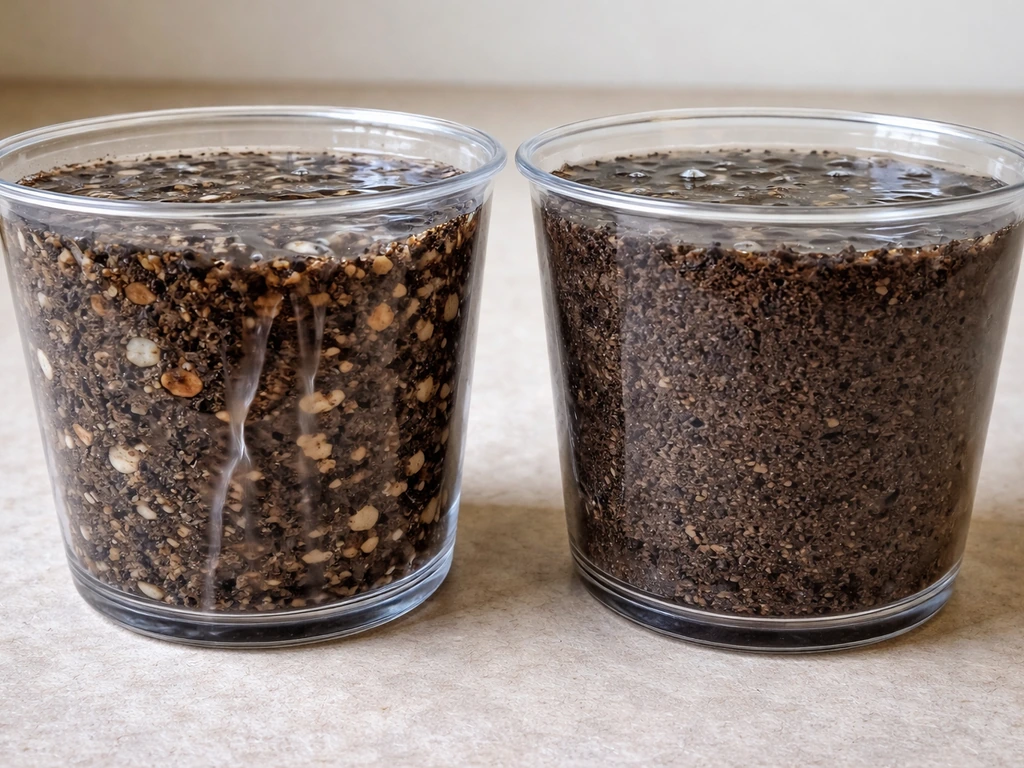
A good potting mix balances moisture retention and drainage so roots get both water and air. Dense, compacted soil is one of the most common root killers. It blocks physical root expansion (triggering all that obstacle-avoidance behavior described earlier), reduces air-filled porosity below safe levels, and holds excess moisture. If you press a handful of your potting mix and it stays in a hard clump rather than loosely crumbling apart, it is probably too dense for healthy root development. Mixing in perlite, coarse sand, or bark improves aeration significantly. Pots with drainage holes are non-negotiable because sitting water at the bottom eliminates the air pockets roots need.
Water rooting
Propagating cuttings in water works because the water itself delivers moisture directly to the base of the cutting while new roots develop. The limitation is oxygen. Still water has low dissolved oxygen, which is why water-rooted cuttings can sometimes stall or rot when left too long in the same water. Changing the water every few days refreshes oxygen, and keeping the container in indirect light but not direct sun helps prevent algae buildup. Once roots are an inch or two long and well-branched, the cutting is ready to pot up into soil. Waiting too long means the roots become adapted to a low-oxygen environment and then struggle to adjust to soil.
Hydroponics and soilless setups
In hydroponic systems, roots grow directly in nutrient solution, which means two things need constant management: dissolved oxygen and pH. The dissolved oxygen target for hydroponic root zones is above 6 parts per million. The complication is that oxygen solubility in water drops as temperature rises, so at 35 degrees Celsius the maximum possible dissolved oxygen is only about 6.85 ppm, leaving almost no margin. Keeping your nutrient solution cool (ideally below 72 degrees Fahrenheit) and actively aerating it with an air pump or other agitation is essential. On the pH side, mineral nutrient availability shifts significantly with pH changes, so even if your nutrient formula is perfect, roots cannot access what they need if the pH is off. Most hydroponic crops do best in a solution pH of 5.5 to 6.5. Check and adjust pH regularly, not just at setup.
| Setup | Main oxygen source | Key moisture management | pH consideration | Biggest risk |
|---|---|---|---|---|
| Potting soil | Air pockets in mix | Water when top inch is dry | Soil pH 6.0–7.0 for most plants | Compaction and overwatering |
| Water rooting | Dissolved O2 in fresh water | Change water every 2–3 days | Not typically managed | Stagnant water and rot |
| Hydroponics/soilless | Active aeration of solution | Continuous or timed irrigation | Solution pH 5.5–6.5, monitor daily | Low DO and pH drift |
When roots stall or fail: common problems and quick fixes
If your plant is not growing the way it should, the root system is usually the first place to investigate. If you are already asking yourself why won't my plant grow, there is a good chance the answer is underground. Here are the most common causes and what to do about each.
Overwatering and low oxygen
The most common problem, by far. Overwatered plants often look like underwatered plants: yellowing leaves, wilting, poor growth. The underlying cause is the same in both cases, which is that roots cannot take up water when they are either too dry or too oxygen-deprived to function. If the soil is wet and the plant looks stressed, the answer is to let it dry out and restore air to the root zone, not to water more. When overwatering goes on too long, it leads directly to root rot: roots turn brown to black, become soft and mushy, and may smell foul. At that stage, remove the plant from its pot, cut off all visibly rotten roots with clean scissors, repot into fresh sterile medium in a clean pot, and reduce watering going forward.
Compacted or dense medium
Roots physically cannot elongate through a medium that has no pore space. If you are seeing very slow growth in an older pot, the medium may have broken down and compacted over time. Repotting into fresh, well-aerated mix is the fix. For a quick diagnostic, try sticking a pencil or chopstick into the soil. If it meets significant resistance, the mix is too dense.
Transplant stress
When you move a plant, you inevitably break some root hairs and fine roots. Those fine roots are the primary absorption structures, so the plant temporarily loses access to water and nutrients even if the medium is perfect. This is why plants often look worse for a few days after repotting. Keep the plant out of direct sun, maintain consistent moisture (not excess), and give it time. Most healthy plants recover within one to two weeks.
Cold root zone
If your plant sits on a cold floor or near a drafty window in winter, the root zone temperature may be too low for active growth even if the rest of the environment looks fine. Move the pot to a warmer surface or use a seedling heat mat to bring the root zone up to a workable temperature.
Nutrient imbalance
Roots that are stunted, discolored, or sparse can sometimes indicate a nutrient problem. Phosphorus deficiency leads to poor root development especially in cold soil. Calcium problems affect root cell integrity. Nitrogen deficiency shows up as yellowing and stunted overall growth. Before adding more fertilizer, check that your soil or solution pH is in range, because pH affects whether nutrients are available regardless of how much you have applied.
What healthy roots look like and how to check them
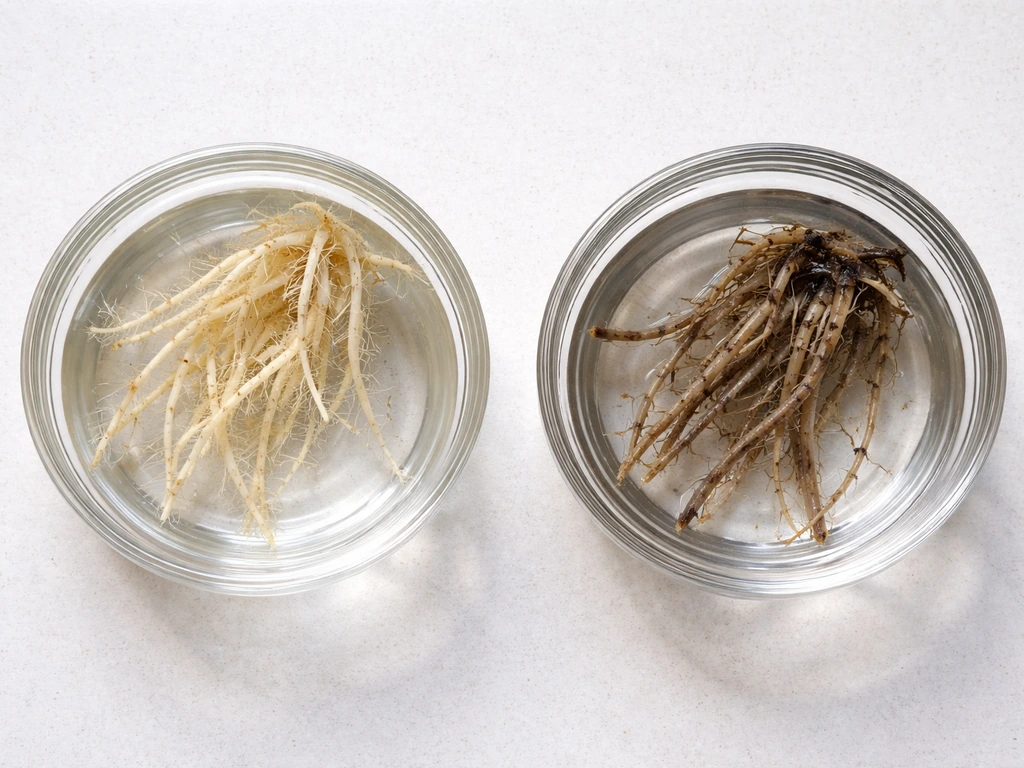
Healthy roots are white to cream-colored, firm, and slightly flexible. They have a clean smell, nothing sharp or sour. When you see bright white roots with fuzzy root hairs visible along the surface, that is a good sign. In soil, you can get a quick read by gently lifting the root ball out of the pot. Roots should be distributed throughout the medium, not just circling the bottom. If roots are circling tightly around the bottom or the sides, the plant is rootbound and needs a larger pot.
In water rooting or hydroponic setups, you can monitor root development directly. Look for white, branching roots with visible fine root hairs. Brown or slimy roots in these systems usually point to low oxygen or pathogens. In a deep-water culture system, check dissolved oxygen with a meter if you suspect a problem. Anything below 6 ppm is a red flag.
If you want to go further and actually encourage root development from a cutting or a struggling plant, the guide on how to grow roots on a plant walks through the propagation side of this in detail. And if you are curious whether a root system alone can support a new plant, the answer is more interesting than you might expect: can you grow a plant from just roots covers exactly that scenario and which plants make it possible.
The practical takeaway is this: roots grow best when they have consistent moisture, good air access, warm temperatures, and a loose medium that lets them push forward without constant obstacles. When something goes wrong, trace it back to those four variables first. Most root problems come down to too much water, not enough oxygen, or a medium that has become compacted or chemically imbalanced over time. Fix those fundamentals and the roots will usually take care of the rest.
FAQ
How can I tell if my plant is actually growing roots, not just leaves?
Give the plant enough time for the radicle to establish and lateral roots to form, then check root zone conditions. Practically, look for new leaf growth above ground and verify the medium drains well, because the most common reason roots “won’t grow” is oxygen limitation from overwatering or compaction, not a lack of fertilizer.
Why do plants often stall after repotting or transplanting, even when the new soil seems good?
Transplanting tends to set plants back because many fine root tips and root hairs get broken. Keep the root zone consistently moist but never waterlogged for recovery, avoid direct sun for several days, and do not fertilize heavily right away (the damaged roots cannot use it efficiently).
What is the safest way to move a cutting from water rooting into potting soil?
Switching from water to soil commonly fails when roots are left too long in low-oxygen water. Try moving the cutting once roots are about 1 to 2 inches long and well branched, then pot into a loose, airy mix and keep moisture steady for the first week so the roots can transition to higher oxygen conditions.
Can a rootbound plant still grow roots, and is that good?
Yes, but it is usually a symptom, not a goal. Rootbound plants often look “active” underground because roots are forced to circle, but that can reduce effective water and nutrient uptake. If you see circling roots and slowed growth, upgrade pot size and use a mix that stays loose.
My plant looks wilted, but the soil is wet. What’s the right diagnosis?
Overwatering can look like underwatering because both can cause wilting and leaf yellowing when roots cannot take up water properly. If the soil is wet and the plant droops, stop adding water, improve drainage, and let the root zone aerate before watering again.
How do I know if my potting mix has become too compacted for root growth?
For soil mixes, physical aeration matters. A dense mix can lose pore space over time, so do the “pencil/chopstick” test and repot if penetration is difficult. For long-term prevention, use a mix designed for drainage and avoid repeatedly watering to saturation.
Why do my water-rooted cuttings get slimy or stop growing?
In water rooting, low dissolved oxygen leads to brown or slimy roots and stalled growth. Refreshing water every few days helps, but if it keeps happening, move to shorter time windows before potting up, and avoid warm temperatures that further reduce oxygen availability.
What should I check first in hydroponics if roots look unhealthy?
In hydroponics, temperature changes dissolved oxygen and pH changes nutrient availability. If root growth slows, first check dissolved oxygen and water temperature, then verify pH is in the workable range for your crop, since “correct fertilizer” can still fail if oxygen or pH is off.
Do root hairs grow back if I damaged them during cleaning or repotting?
Root hairs can be lost during handling, but new ones will form if the root tips are healthy. The best support is stable conditions, not frequent disturbances, so avoid touching or washing roots unless you are removing obvious rot.
Why do my seedlings struggle in early spring even though I fertilize?
If the root zone stays cold, growth slows and nutrient uptake can lag, even with adequate fertilizer. Improve bottom warmth using a seedling heat mat or a warmer location, and ensure the medium drains so cold roots are not also oxygen-deprived.
Does fertilizer make roots grow faster, or can too little nitrogen still create more roots?
Not always. Nitrogen deficiency can sometimes push plants to allocate more to root foraging, but the overall plant still struggles if the deficiency is severe. If leaves are yellowing and roots are stunted, correct nutrient status while also confirming pH and aeration so roots can access what you supply.
How can I tell when root circling is just normal growth versus a problem?
Circling roots do not guarantee the plant will fail immediately, but they often precede slowed growth because the plant’s usable root surface and access to fresh moisture become limited. When you see persistent circling, especially with slow growth, plan a pot upgrade and gentle root untangling if appropriate for the species.