Most plants that look dead are not actually dead. That's the first thing worth knowing. Before you throw anything out, there's a real chance your plant is dormant, severely stressed, or dying but still recoverable. This guide walks you through how to figure out which situation you're in, what to do about it today, and how to avoid ending up here again.
How to Grow Dead Plants: Diagnose, Revive, and Prevent
Marcus Holloway
22 Apr 2026
What 'dead' actually means (and how to check right now)
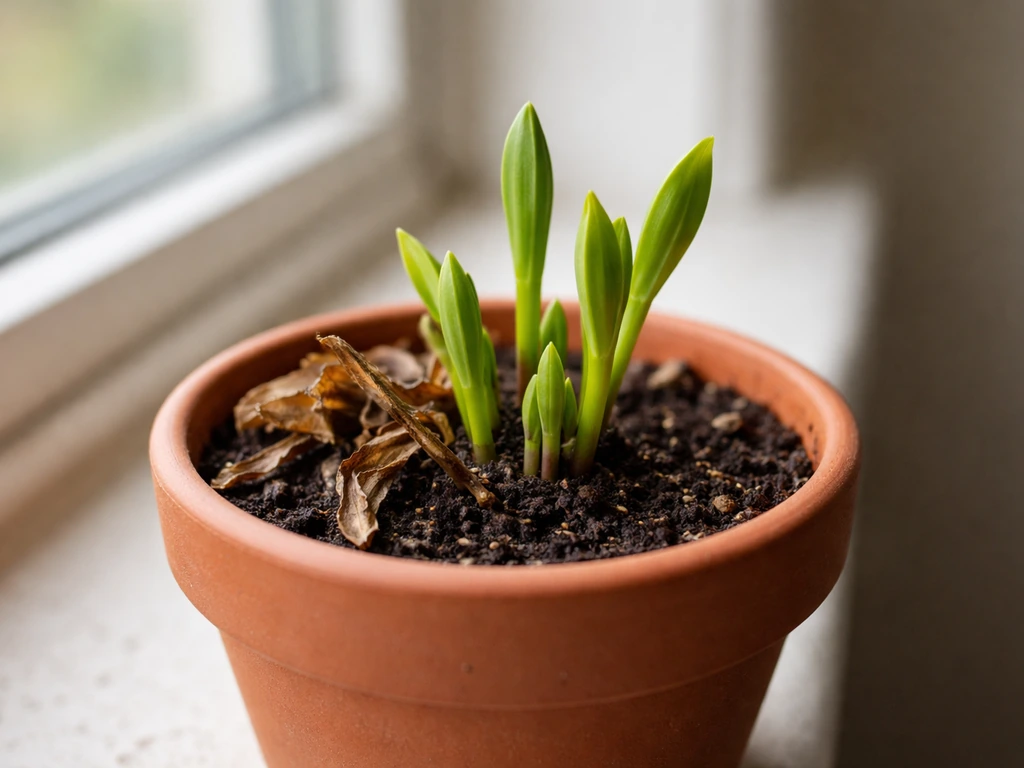
A plant with dry, brown leaves and a wilted stem isn't necessarily dead. Plants go dormant, drop leaves under stress, and can look completely lifeless while still having living tissue inside. The only way to know for sure is to test the plant itself, not just look at the surface.
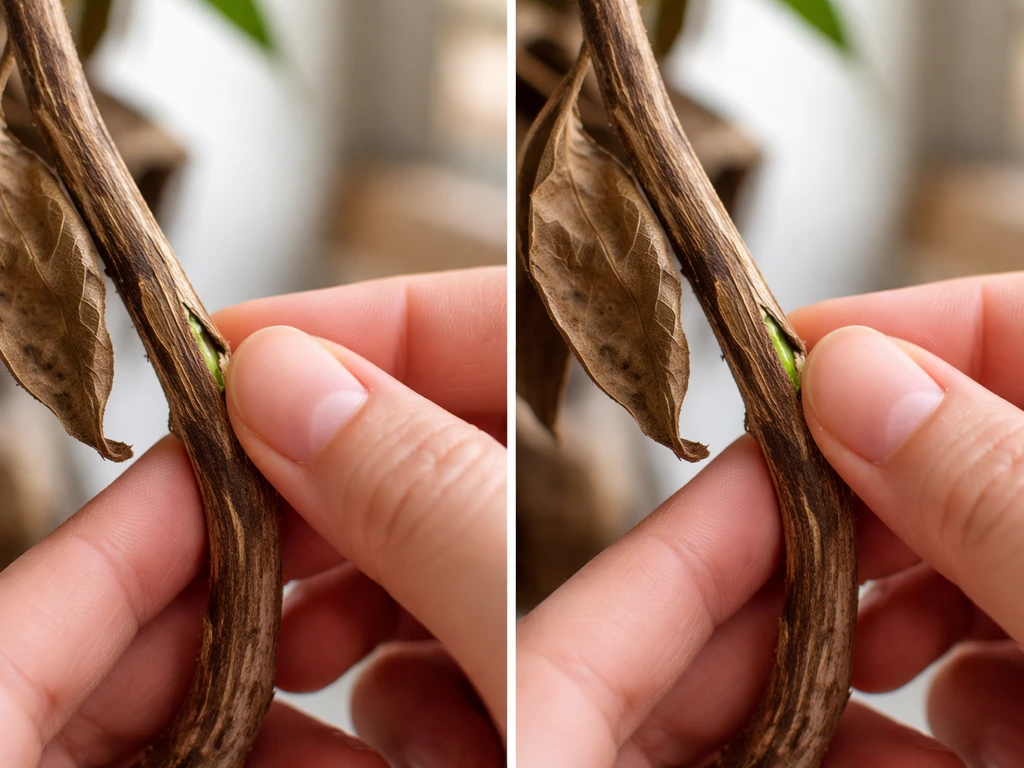
The most reliable test is the scratch test. Use your fingernail or a small knife and lightly scratch the bark or outer layer of a stem. If the tissue underneath (called the cambium) is green or white and slightly moist, that section of the plant is alive. If it's brown and dry all the way through, that part is dead. Work your way down the stem toward the base and roots. If you find green cambium anywhere, especially near the soil line, the plant has something left to work with. If every stem and the root crown is brown and dry all the way down, the plant is likely gone.
For soft-stemmed plants like pothos, peace lilies, or herbs, skip the scratch test and squeeze the stem gently instead. A firm, slightly springy stem means living tissue. A completely mushy or hollow, papery stem is a bad sign. Then check the roots (more on that below). The goal here is to figure out exactly what you're dealing with before spending time or money on a rescue.
Quick diagnosis: five things to check before anything else
Plant decline almost always traces back to one or more of five causes. Go through this checklist before you start treating anything, because the wrong fix can make things worse.
- Water: Pull the plant from its pot if possible and feel the soil from top to bottom. Bone dry all the way through means underwatering. Soggy, heavy soil that smells musty points to overwatering. Both can cause the same wilted, dying appearance, but the fixes are opposite.
- Light: Think honestly about where this plant has been sitting. Has it been getting direct sun, indirect light, or effectively no light? Low light is one of the most common hidden killers, especially in apartments. Sudden moves from low light to bright sun can also shock a plant into dropping leaves fast.
- Roots: Slide the plant out of its pot and look. Healthy roots are white or tan and firm. Soft, brown, or black roots that fall apart when touched indicate root rot, which is usually caused by overwatering combined with poor drainage.
- Pests: Check the undersides of any remaining leaves, the soil surface, and the base of the stem. Look for tiny moving dots (spider mites), white cottony clusters (mealybugs), sticky residue, or tiny flies hovering near the soil (fungus gnats). A hidden pest infestation can drain a plant without obvious signs until it's far gone.
- Temperature: Has the plant been near a heating vent, an air conditioner, a drafty window, or an exterior door? Sudden temperature shifts and cold drafts are a common cause of rapid decline, especially for tropical houseplants.
Try to identify the most likely cause before moving on. If you can't pinpoint one thing, overwatering combined with poor drainage is statistically the most common culprit for houseplants, so start there.
Immediate rescue steps: what to do today
Prune the dead material first
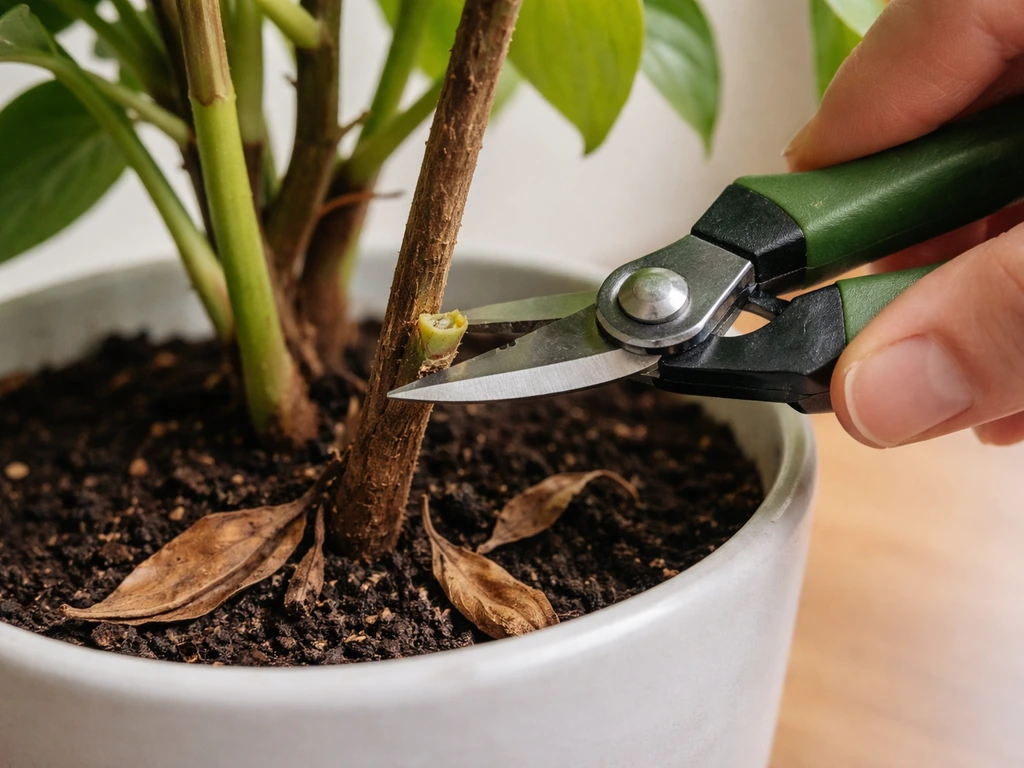
Dead wood and dead leaves don't recover, and leaving them on the plant is just dead weight. Cut back any stems that failed the scratch test to just above the point where you found living tissue.
Purdue Extension also recommends that when making cuttings, the bottom cut should be made just below a node and at an appropriate depth to expose underlying green tissue without cutting the stem excessively Cut back any stems that failed the scratch test to just above the point where you found living tissue. .
If you find green cambium just an inch above the soil, cut there. Dead wood can be removed at any time without harming the plant. Use clean, sharp scissors or pruners, and wipe your blades with rubbing alcohol between cuts, especially if you suspect disease. You can also dip tools in a dilute bleach solution (1 part bleach to 9 parts water) to avoid spreading pathogens from one part of the plant to another.
Address watering immediately
If the plant is dry, water it thoroughly with room-temperature water until it drains freely from the bottom, then let it drain completely. Do not let it sit in a saucer full of water. If the soil is already waterlogged, stop watering immediately and let it dry out. In severe overwatering cases, the best move is often to repot into fresh dry soil (covered in the next section) rather than waiting for the current soggy mix to dry out, since the damage compounds the longer roots sit in saturated media.
Adjust the environment
Move the plant away from any obvious stress source: heating vents, cold drafts, direct harsh sun, or dark corners. Don't overcompensate by moving it to a dramatically different spot all at once. Sudden changes in light intensity can cause additional leaf drop, even when the new location is better. Shift it gradually over several days if possible. The goal right now is stability, not perfection.
When to repot (and how to do it without making things worse)
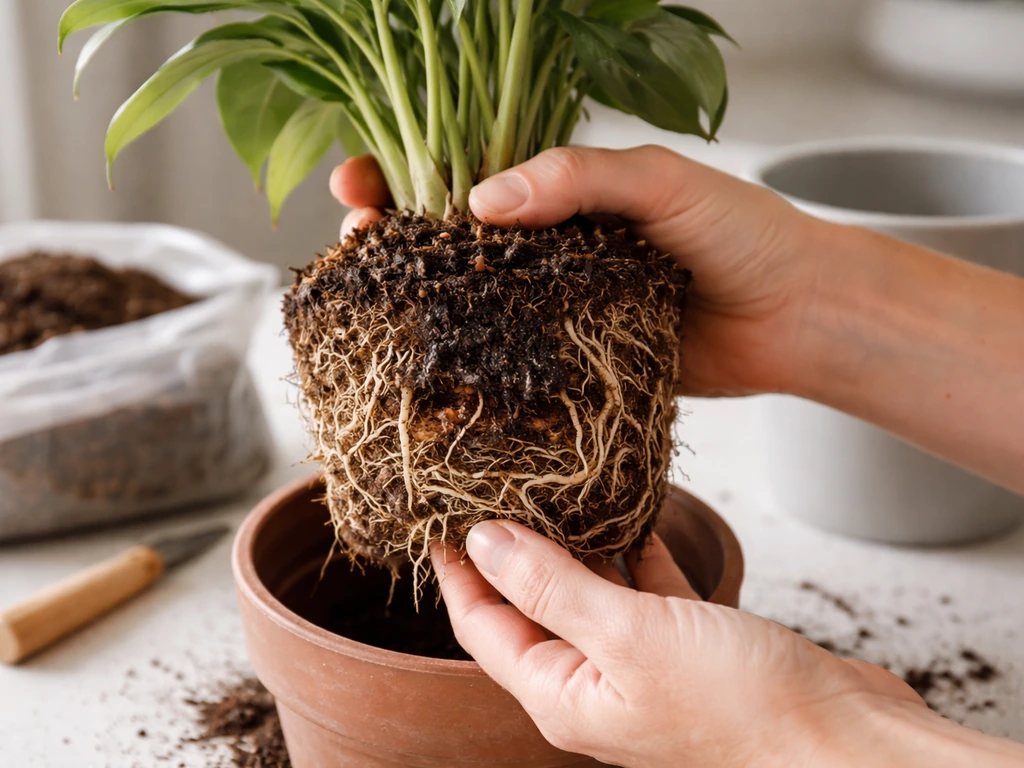
Repotting is the right move when you've confirmed root rot, when the soil is so degraded it won't drain properly, or when the plant is severely rootbound. Signs of being rootbound include roots circling the bottom of the pot, roots growing through drainage holes, and a root ball so dense you can't see any potting mix in the lower third of the pot.
When you repot a struggling plant, clean everything. Do not reuse old potting mix. Old soil from a sick plant can harbor root-rot fungi and pathogens that will infect the new roots as they regrow. Rinse the pot thoroughly with hot water and ideally sanitize it with a dilute bleach solution before refilling. Use fresh, sterile potting mix appropriate for your plant type.
If the roots have rotted, trim off the soft, brown, or black sections with clean scissors until you're down to firm white tissue. Let the trimmed root ball air dry for 20 to 30 minutes before repotting to reduce the chance of further infection. Choose a pot only one size larger than the root ball you have left. Too much extra soil volume holds moisture your plant can't use yet, which increases the risk of rot continuing.
Make sure the new pot has drainage holes. If you love a decorative pot that doesn't have holes, repot into a functional grow pot with drainage and drop that inside the decorative container as a holder. Never let water pool at the bottom of a sealed pot. After repotting, water in with enough water that about 10% runs out of the drainage hole, then hold off on watering again until the top inch or two of soil dries out.
Adapting this for different growing setups
The core steps above apply across growing environments, but a few things change depending on your setup.
| Growing Setup | Common Cause of Decline | Key Recovery Adjustment |
|---|---|---|
| Soil (potted houseplant) | Root rot from overwatering or poor drainage | Repot into fresh sterile mix with good drainage; trim rotted roots |
| Water/root cuttings | Stagnant water, lack of oxygen, algae buildup | Change water completely; clean the container; move to indirect light; expect shock when transitioning rooted water cuttings to soil |
| Hydroponics/basic water culture | Oxygen starvation at roots, nutrient imbalance, salt buildup | Increase aeration; flush the system with clean water; check and reset nutrient solution; inspect roots for sliminess |
| Terrarium (closed) | Overwatering (humidity too high), fungal issues | Remove lid for several hours daily; pull out dead plant matter immediately; avoid direct sunlight |
| Terrarium (open/dish garden) | Underwatering or low humidity | Mist lightly and regularly; keep out of direct sun but in bright indirect light |
One note on water-rooted cuttings: if you've been growing a cutting in water and now want to move it to soil, do it gradually. Roots grown in water are structurally different from soil roots, and dropping them straight into dry potting mix can cause significant shock. Transition by mixing a bit of perlite or very light potting mix into the water container over several days, or keep the soil extra moist for the first week or two after transplanting.
Restarting growth: fertilizer, light, and humidity
Once you've stabilized the plant (pruned dead material, corrected the watering, repotted if needed), resist the urge to fertilize immediately. A stressed plant with a compromised root system can't absorb nutrients efficiently, and adding fertilizer too soon can actually burn damaged roots and make things worse. Wait until you see clear signs of new growth, typically new leaves or visible new root tips, before introducing any fertilizer. When you do start, use a diluted balanced liquid fertilizer at half the recommended dose.
Increase light gradually rather than all at once. If the plant has been in low light during its decline, moving it to bright indirect light is the right direction, but give it a few days at each light level. Watch the leaves: if they bleach or develop crispy edges, it's getting too much too fast.
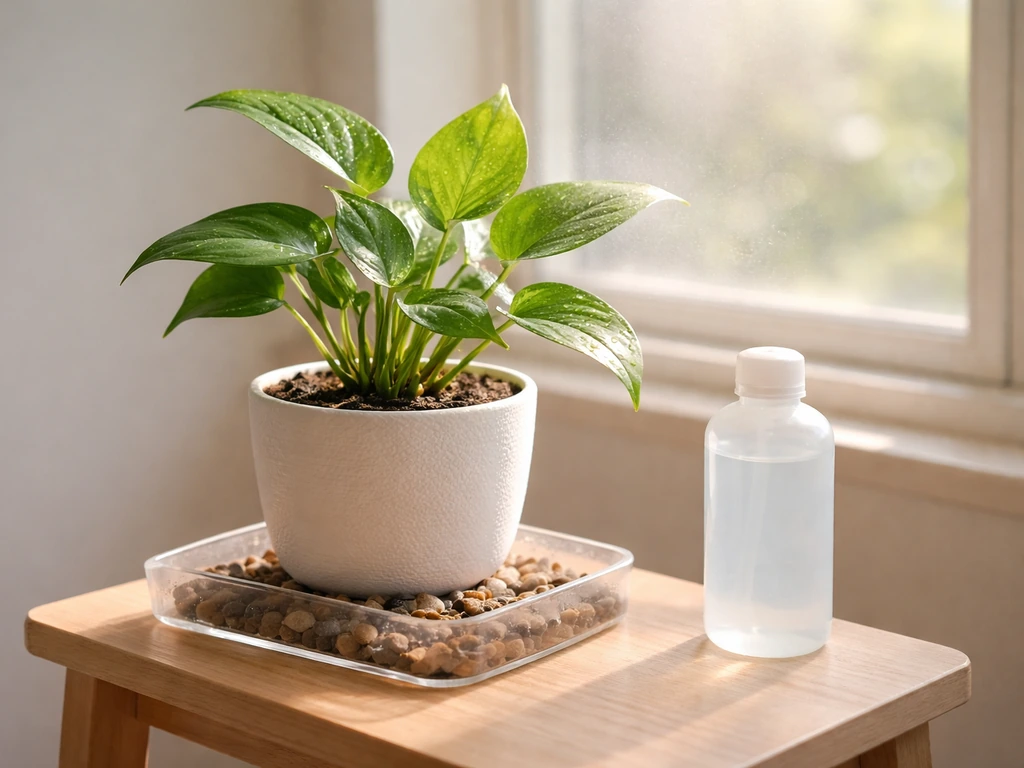
Humidity helps a lot for tropical plants in recovery. If your space is dry, group plants together, place the pot on a tray of pebbles with a little water underneath (not touching the pot bottom), or run a small humidifier nearby. Avoid misting leaves directly on plants with root rot issues or in terrariums that are already closed, as extra surface moisture can encourage fungal problems. Good airflow around the plant also helps: don't shove it into a corner with no circulation.
When the plant is truly gone: propagation or replacement
Sometimes the honest answer is that the main plant is past saving, but that doesn't always mean starting over from scratch. Before you throw out a dead plant, check it one more time for anything viable.
- Cuttings: If even one stem passed the scratch test with green cambium, take a 4 to 6 inch cutting just below a leaf node, remove the lower leaves, and root it in water or fresh propagation mix. Sterilize your cutting tool before taking the cutting.
- Division: If the plant produces offsets, pups, or has multiple crowns, you may be able to separate a healthy section even if the main plant is failing. Pull sections apart by hand as much as possible before using a knife, to minimize root damage.
- Leaf cuttings: For succulents, snake plants, pothos, and similar species, a single healthy leaf or leaf segment can be propagated into a new plant even if the parent is gone.
- Replacement: If the scratch test shows every part of the plant is dead and there are no viable cuttings or offsets, it's time to replace it. Knowing why it died means you're already better prepared for the next one.
Killing plants is genuinely part of learning to grow them. Every experienced gardener has lost plants, usually to the same mistakes beginners make: too much water, not enough light, or ignoring early warning signs. The fact that you're diagnosing and troubleshooting already puts you ahead.
Preventing this from happening again: a simple 4-week plan
Most repeat plant deaths come down to a handful of fixable habits. Here's a straightforward care timeline for the four weeks after a rescue or replant, plus the habits worth keeping permanently.
| Timeframe | What to Do | What to Watch For |
|---|---|---|
| Days 1 to 3 | Stabilize: correct watering, adjust location, prune dead material, repot if needed | Signs of further wilting or new yellowing; check soil moisture daily by feel |
| Days 4 to 7 | Let the plant settle; no fertilizer yet; check for pests again | Any new leaf buds or stem tips showing movement; root tips visible at drainage holes |
| Week 2 | Begin light ramp-up if needed; check soil before every watering | New leaf or stem growth is a green light; continue to hold fertilizer |
| Week 3 to 4 | Introduce diluted fertilizer only if new growth is visible; maintain consistent watering routine | Healthy new leaves; firm stems; no new yellowing or wilting |
| Ongoing | Water by feel (not by schedule); inspect leaves monthly for pests; repot when rootbound | Slow growth in low light seasons is normal; adjust care by season |
The most common reasons plants die (and the easy fixes)
- Overwatering: Water only when the top inch or two of soil feels dry. Most houseplants die from too much water, not too little.
- Poor drainage: Every pot needs a drainage hole. No exceptions. If yours doesn't have one, use it as a cachepot around a functional grow pot.
- Low light: Most plants need more light than most indoor spaces naturally provide. Bright indirect light near a window is the minimum for the majority of houseplants.
- Nutrient imbalance: Fertilize during active growth (typically spring and summer) and hold off in winter. Never fertilize a stressed or dormant plant.
- Temperature shock: Keep tropical houseplants away from cold drafts, air conditioning vents, and heating registers. Most prefer 60 to 80 degrees Fahrenheit and stable conditions.
- Transplant shock: After repotting, give the plant a week or two to settle before expecting new growth. Water in well and then back off.
- Salt buildup: If you water frequently without flushing, mineral salts from tap water and fertilizer accumulate in the soil. Flush the pot thoroughly with plain water every few months to leach out excess salts.
If you're also interested in growing specific types of plants from scratch, many of the same principles here apply, whether you're starting with medicinal herbs, ornamental varieties, or even more demanding rare species. If you want to take the same troubleshooting habits outdoors, you can also use this guide on how to grow alpine plants as a related next step If you're also interested in growing specific types of plants from scratch.
If you want to take these recovery habits outdoors, you can follow this guide on how to grow ornamental plants. If you specifically want to grow medicinal plants, apply the same core principles of light, drainage, and careful diagnosis to the species you’re targeting medicinal herbs. The fundamentals of root health, drainage, and light come up in every context. Getting comfortable with diagnosing problems is genuinely the most transferable skill in all of plant growing.
Growing rare plants can be especially rewarding, and the same recovery and prevention principles help you keep them healthy long term how to grow rare plants. If you want to move beyond ornamentals and into cultivation, use these same stability and prevention principles to learn how to grow medicinal plants successfully.
FAQ
If most of the plant looks dead, how can I tell whether it is actually worth reviving?
Look for any signs of living tissue near the root crown and in any remaining stems (green or white, slightly moist cambium on a scratch test). If the soil smells sour or looks waterlogged and every stem and the root crown are brown and dry, the plant is very likely beyond saving. When in doubt, remove one small section and test it, because surface leaves can be dead even when parts underground are alive.
Should I cut the whole plant back when some parts pass the scratch test?
If only a few stems show living cambium, focus pruning on stems that are fully dead, and leave any stem portion that tested alive. Don’t cut everything back automatically, because small pockets of living tissue can regrow, especially near the base. After pruning, keep conditions stable (consistent light, correct watering) so the remaining living sections are not forced to start under stress.
How do I adjust watering after I trim away rot, so I do not bring the problem back?
After you find root rot, the goal is to stop re-wetting infected tissue. Trim to firm tissue, let the trimmed roots dry briefly, repot into fresh draining mix, then water just enough to settle and resume a wait-until-dry schedule (top inch or two dry before watering again). If leaves keep collapsing rapidly after repotting, you may need to trim a little more until you reach fully firm roots.
When is it actually safe to fertilize a revived plant?
Do not switch to heavy feeding or frequent watering right away. Instead, wait for objective recovery, like new leaf emergence or new root growth, and then start with diluted fertilizer at half strength. If you see new growth but the plant still feels unstable or roots are newly recovering, continue to prioritize light and drainage over nutrients for the first several weeks.
Can I move a recovering plant directly to bright sun to speed it up?
Yes, but do it in a controlled way. If the plant is badly stressed, start by moving it to bright indirect light rather than full sun, then increase gradually. Watch for bleaching or crispy edges as a sign the light change is too fast. For plants with severe root issues, keep light modest until you see new growth because they cannot use high light efficiently.
My plant is dropping leaves after I changed care, is it dying?
If the plant is dropping leaves, it does not always mean it is dying. Leaf drop often happens during transitions, low-light recovery, or overwatering stress. Use the scratch or stem squeeze test first, then track whether new growth appears at the base. If no living cambium exists and stems are dry, leaf drop is the final signal; otherwise, it may be part of the recovery cycle.
What should I do if I keep watering correctly but the soil still stays wet?
Check for drainage problems before blaming watering habits. Common causes are no drainage holes, compacted or degraded soil that no longer drains, or using a decorative cachepot that traps water. If water sits, empty the cache container and consider repotting into a mix that drains quickly for your plant type.
How should I transition a water-rooted cutting into soil without shocking it?
Treat the cutting’s roots as fragile during the transition. If moving from water to soil, gradually acclimate by mixing perlite or very light mix into the water for several days, or keep the first few weeks slightly more moist than usual while still letting the surface partially dry between waterings. Also, avoid strong direct light during the first week because water-grown roots do not handle sudden dryness well.
Can I grow a revived plant in a decorative pot with no drainage holes?
For sealed pots or planters without drainage, use a drainage insert approach so water cannot pool at the bottom. A practical method is to place the plant in a functional pot with holes inside the decorative container and remove any excess water after watering. If you cannot ensure drainage, the risk of repeat root rot is very high, and repotting into a draining setup is usually the fix.
Does pruning for dead parts spread disease, and how do I prevent that?
Use sterile tools and remove only what is clearly dead. Between cuts, wipe blades with rubbing alcohol (or use a dilute bleach solution if appropriate), especially when you suspect rot or disease. Also clean the area around the plant, because fungal spores and contaminated debris can re-infect new growth.