You can absolutely grow medicinal herbs at home, even if you have a small apartment, a north-facing window, and a history of killing plants. The process is more forgiving than most people expect, and the payoff is real: fresh, potent herbs you grew yourself that you can use for teas, tinctures, salves, and more. This guide walks you through every step, from picking the right plants for your actual conditions to safely storing the final product.
How to Grow Medicinal Plants: Step-by-Step Home Guide
Marcus Holloway
11 Apr 2026
Choosing the right medicinal plants for your home
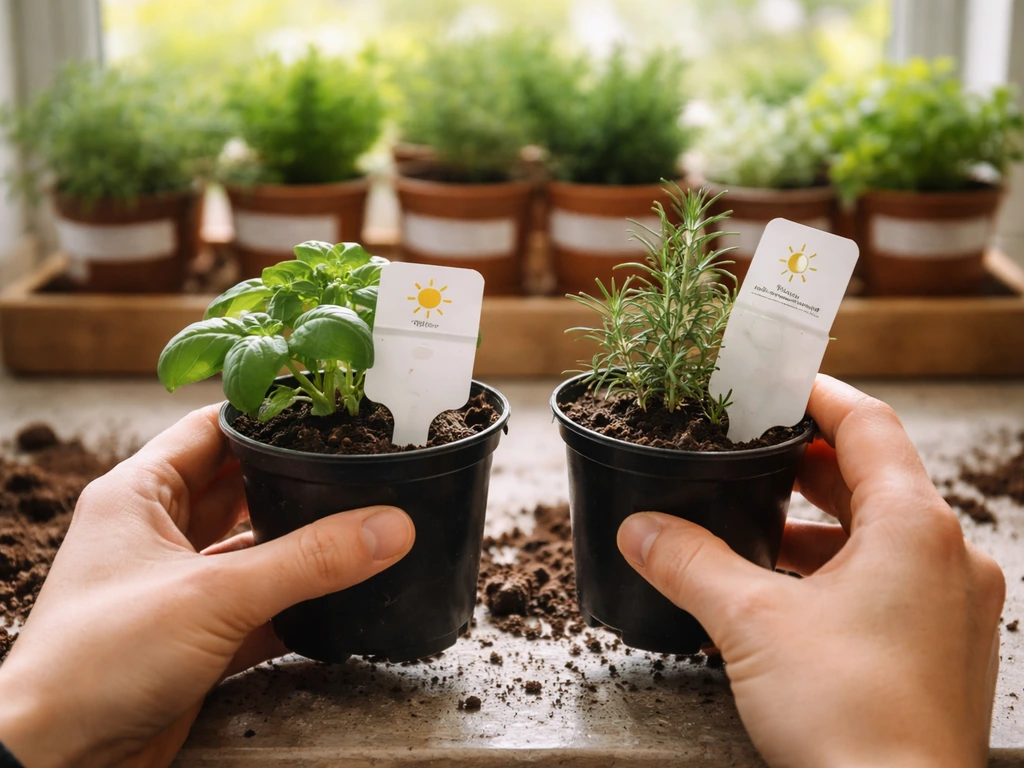
Start with plants that match your conditions, not the ones that look coolest in a catalog. The number-one beginner mistake is buying something demanding and then feeling like a failure when it struggles. Pick easy wins first, build confidence, then branch out.
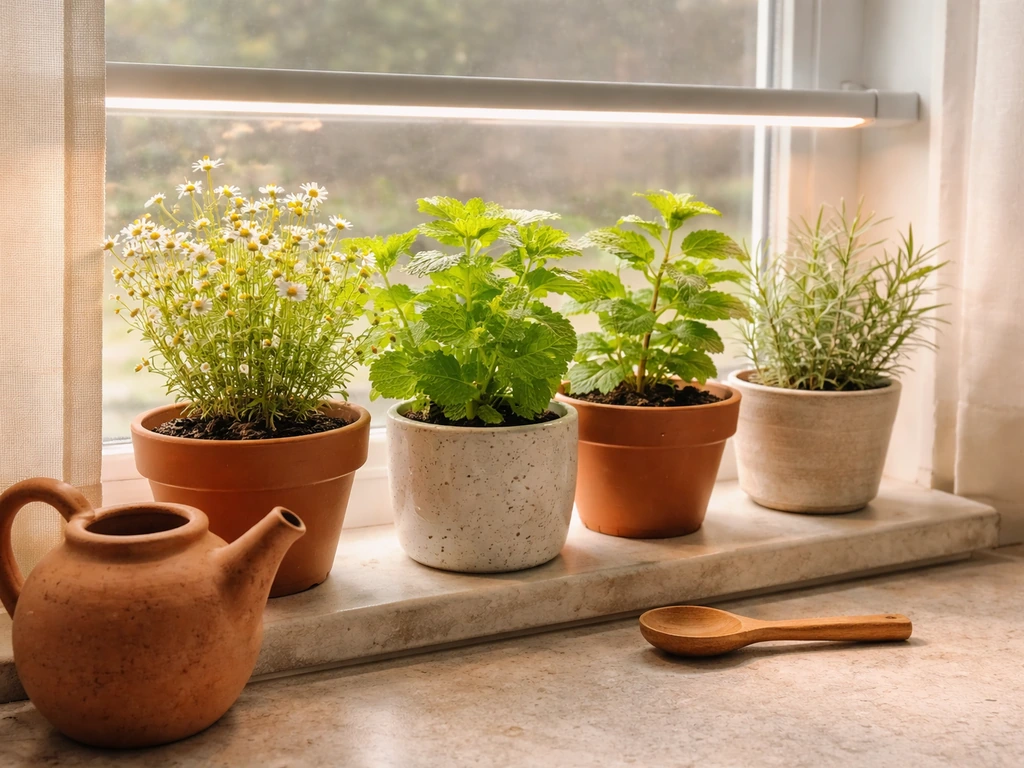
If you have a sunny windowsill or an outdoor spot that gets six or more hours of direct sun, lavender (Lavandula spp.) and chamomile (Matricaria recutita) are excellent starting points. Lavender thrives in a soil pH of 6.5 to 7.5 and needs full sun. Chamomile is slightly more flexible, handling a pH range of 5.5 to 7.5, also in full sun. Both are well-established medicinal herbs with centuries of documented use, and both are genuinely hard to over-complicate.
For lower-light conditions, consider lemon balm, mint (keep it contained, it spreads aggressively), holy basil (tulsi), or echinacea. If you want something that challenges you a bit more once you have the basics down, exploring how to grow rare plants can open up some fascinating medicinal species you won't find at the garden center.
Here is a quick reference for commonly grown medicinal herbs sorted by difficulty and light need:
| Herb | Light Need | Soil pH | Difficulty | Primary Use |
|---|---|---|---|---|
| Lavender | Full sun (6+ hrs) | 6.5–7.5 | Beginner | Calming, sleep, skin |
| Chamomile | Full sun (6+ hrs) | 5.5–7.5 | Beginner | Relaxation, digestion |
| Peppermint | Partial to full sun | 6.0–7.0 | Beginner | Digestion, headaches |
| Holy basil (Tulsi) | Full sun | 6.0–7.5 | Beginner | Adaptogen, stress |
| Lemon balm | Partial shade OK | 6.0–7.5 | Beginner | Calming, antiviral |
| Echinacea | Full sun | 6.0–7.0 | Intermediate | Immune support |
| Valerian | Full sun to partial shade | 5.5–7.0 | Intermediate | Sleep, anxiety |
| Ashwagandha | Full sun | 7.5–8.0 | Intermediate | Adaptogen, stress |
Growing setup for beginners: light, containers, and soil
Light
Light is the single biggest variable indoors. Most medicinal herbs need a PPFD (photosynthetic photon flux density) of roughly 100 to 500 micromoles per square meter per second to grow well indoors. A south-facing window in a clear climate can hit the lower end of that range. A north-facing window probably won't cut it for sun-loving herbs without a supplement. If your herbs are getting leggy, pale, or leaning hard toward the light source, they need more. A basic full-spectrum LED grow light mounted 12 to 18 inches above your plants will solve most indoor light problems without running up your electricity bill.
Containers
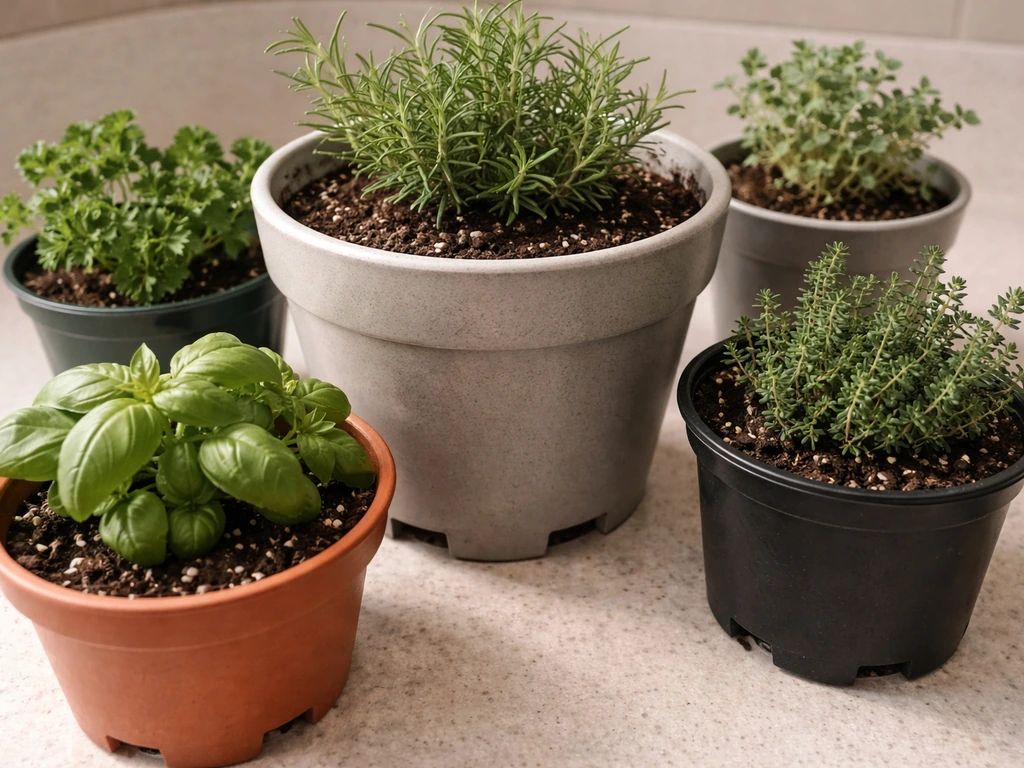
For compact herbs grown on a windowsill or countertop, a 1-gallon pot or smaller (roughly 4 to 8 inches in diameter) is appropriate and keeps things manageable. Make sure every container has drainage holes. Sitting in waterlogged soil is how most herbs die. If you fall in love with a pot that has no drainage, use it as a cachepot and slip a plastic nursery pot inside it.
Soil
Most medicinal herbs prefer well-draining soil. A standard potting mix works for many of them, but if you are growing lavender, rosemary, or thyme, amend your mix with perlite or coarse sand (about 30 percent by volume) to improve drainage. These Mediterranean herbs evolved in lean, rocky soils and genuinely do not want to sit in rich, moisture-retaining mixes. For herbs like echinacea or valerian, a standard quality potting mix with good drainage is fine. Check the pH of your mix if plants are struggling to uptake nutrients, even when you are feeding them consistently.
Planting, watering, and fertilizing basics by plant type
Starting from seed vs. transplant
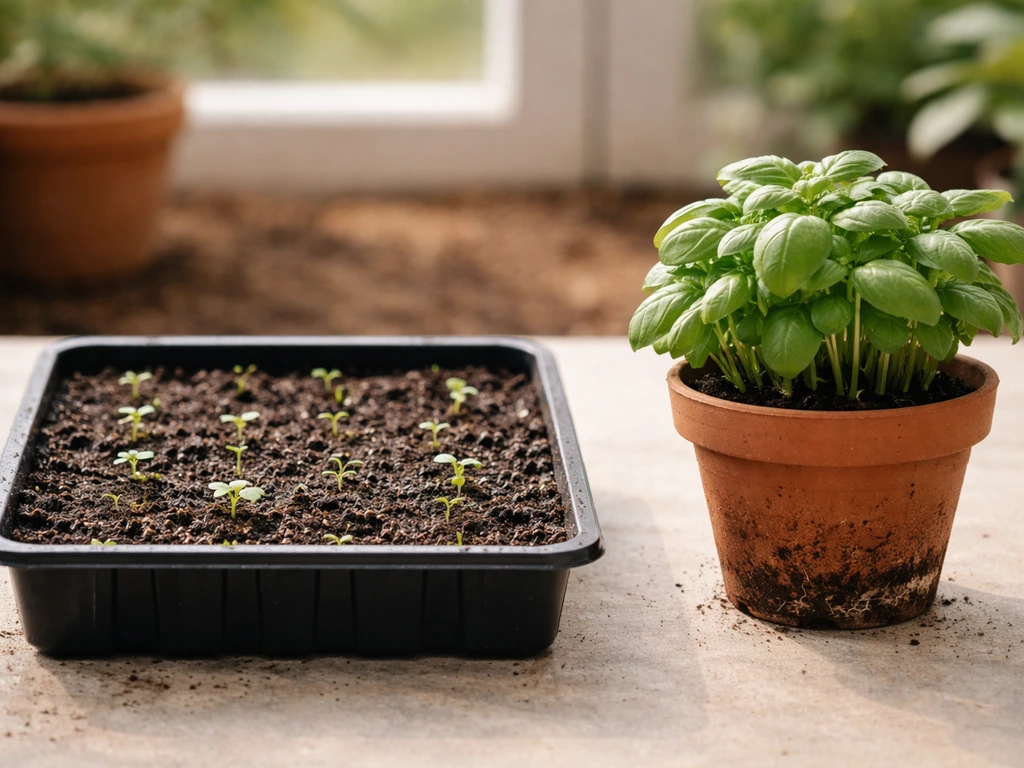
Some herbs are much easier to start from transplants than from seed. Lavender, for example, is notoriously slow and finicky from seed, and buying a small plant saves you weeks of frustration. Chamomile, on the other hand, direct-seeds beautifully, and you can scatter seeds on moist soil without even covering them deeply. The general principle is to follow species-specific guidance on sowing depth and timing, since what works for one herb can fail completely for another. Basil germinates quickly from seed; echinacea often needs cold stratification first.
Watering
Overwatering kills more herbs than anything else. The most reliable method is the finger test: push your finger an inch into the soil. If it feels moist, wait. If it feels dry, water thoroughly until it drains from the bottom. Mediterranean herbs (lavender, rosemary, thyme) want to dry out almost completely between waterings. Moisture-tolerant herbs like mint and lemon balm can handle more frequent watering, but still need drainage. In summer, you may water every two to three days. In winter with reduced light and slower growth, once a week or less is often enough.
Fertilizing
Most medicinal herbs are not heavy feeders. Over-fertilizing, especially with high-nitrogen feeds, pushes lush leafy growth but often reduces the concentration of the essential oils and active compounds that make the herb medicinally valuable. A light application of a balanced organic fertilizer (like a 5-5-5 or fish emulsion) once every four to six weeks during the growing season is usually enough. For herbs grown primarily for roots (like valerian or ashwagandha), a slightly phosphorus-heavier formula in the later growing season supports root development. Stop fertilizing in fall and winter when growth naturally slows.
Managing pests, diseases, and common growing problems
The most common issues and how to spot them
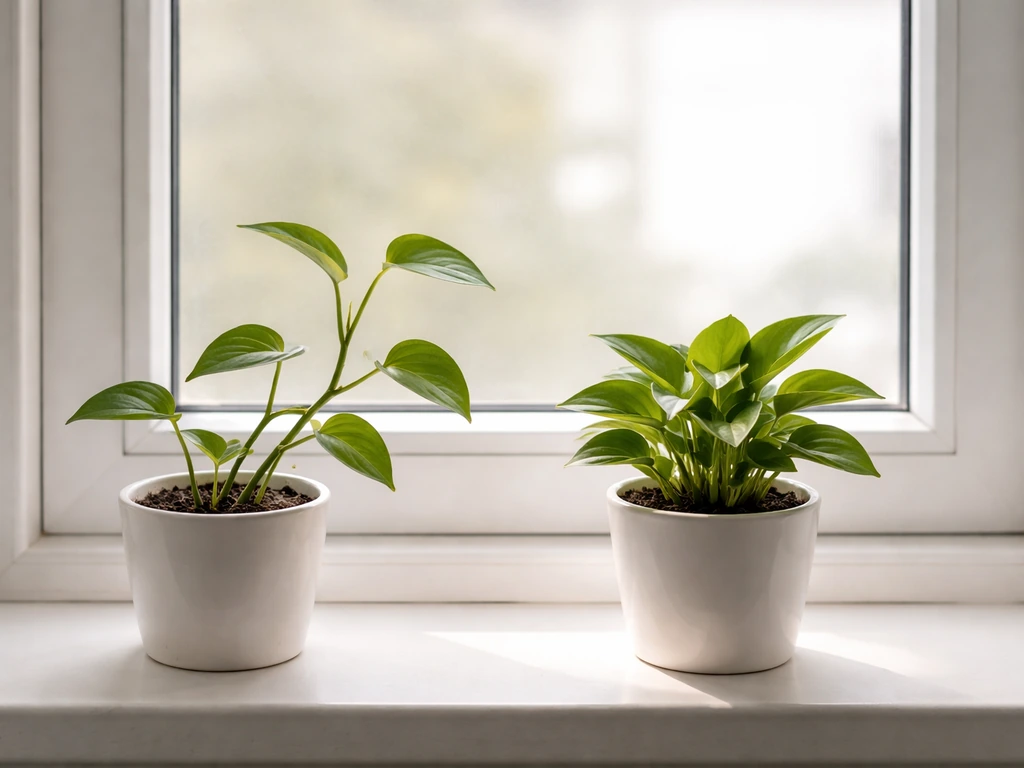
- Leggy, stretching growth: not enough light. Move closer to a window or add a grow light.
- Yellowing lower leaves: usually overwatering or nitrogen deficiency. Check soil moisture first, then feeding schedule.
- Brown crispy leaf edges: underwatering, low humidity, or salt buildup from fertilizer. Flush the pot with plain water and adjust your watering.
- Wilting despite moist soil: root rot from prolonged overwatering. Let the soil dry, and if roots are brown and mushy, repot into fresh dry mix.
- Tiny moving specks on leaves: spider mites. Increase humidity and spray with insecticidal soap.
- Sticky residue, small soft insects on stems: aphids. Blast off with water and follow up with neem oil.
Powdery mildew: how to diagnose and treat it
Powdery mildew is one of the most common fungal problems you will encounter with herbs, especially in humid or poorly ventilated spaces. The diagnostic cue is unmistakable: look for spots or patches of white to grayish, talcum-powder-like growth on leaves or stems. It looks almost like someone dusted the plant with flour. It thrives when there is high humidity combined with poor airflow.
For treatment, start with cultural fixes first: space plants further apart, improve ventilation with a small fan, and water at the base rather than overhead. For organic chemical control, potassium bicarbonate combined with a lightweight horticultural oil is a nontoxic and effective option. Sulfur-based fungicides also work well and are approved for organic use. These options handle most cases without resorting to harsh chemicals, which matters especially when you plan to consume the herbs. Remove and dispose of heavily infected leaves rather than composting them.
It is worth noting that the same vigilance you apply to common herbs applies if you ever push into more unusual territory. For example, if you explore how to grow alpine plants for medicinal purposes, pest and disease management follows similar principles, though alpine species often tolerate drier conditions that naturally reduce fungal pressure.
Harvesting and drying to maximize potency
When to harvest
Timing your harvest matters more than most beginners realize. The concentration of active compounds in medicinal herbs is highest at specific points in the plant's growth cycle. For most leafy herbs (basil, lemon balm, mint), harvest just before or at the very start of flowering, when the plant's energy is still focused on foliage. For chamomile, harvest the flowers when they are fully open. For echinacea, the roots are typically harvested in fall of the third year, while flowers and aerial parts can be harvested earlier. Harvest in the morning after the dew has dried but before the heat of midday drives off volatile oils.
Drying methods
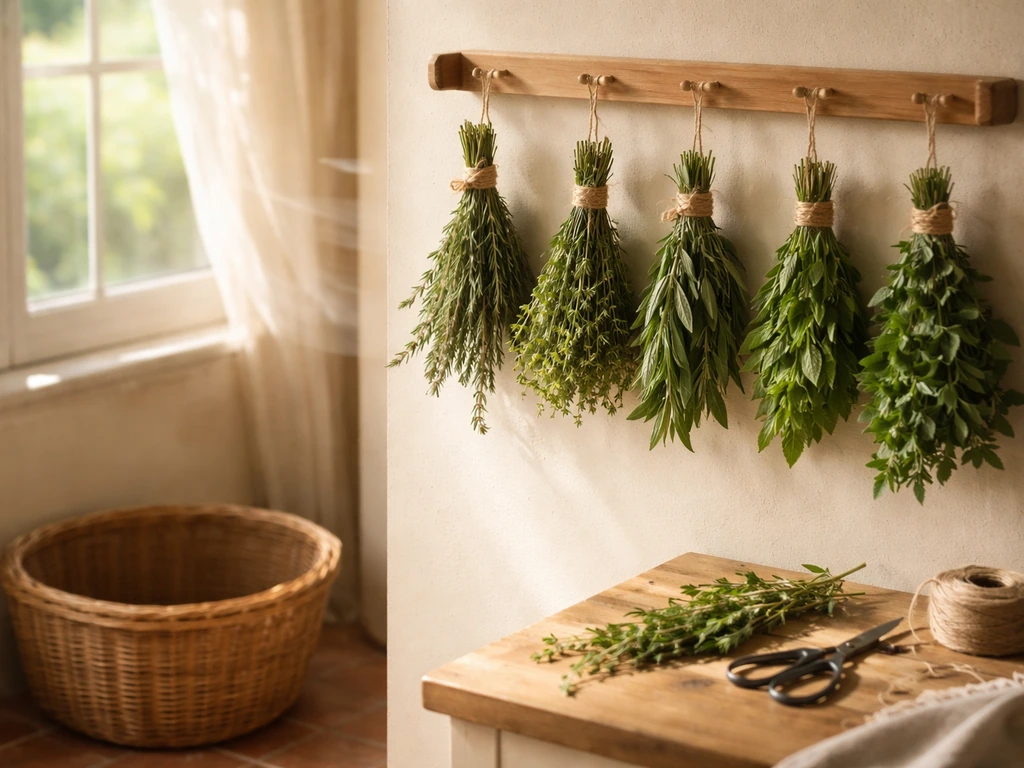
Air drying is the simplest and most accessible method. Bundle small handfuls of stems together, tie them loosely, and hang them upside down in a warm, dry, well-ventilated area away from direct sunlight. Small bundles dry more evenly than large ones because airflow can reach all parts of the herbs. Expect drying to take one to two weeks depending on ambient humidity.
If you want faster, more consistent results, use a food dehydrator or an oven set to its lowest setting. The target temperature range for drying herbs is 95 to 115°F. Staying in this range preserves volatile compounds while fully removing moisture. Going hotter than 115°F starts to degrade the essential oils and active constituents that make the herb worth growing in the first place. Spread herbs in a single layer on drying screens or dehydrator trays for best airflow.
How to know when they're done
Properly dried herbs should crumble easily when you rub them between your fingers. Leaves should snap, not bend. Once dried, transfer a small batch into a glass jar and seal it. Check the jar after 24 hours. If you see any condensation or moisture collecting on the inside of the glass, the herbs need more drying time. Get them back in the dehydrator or hang them again before storing. Skipping this check leads to mold, which is one of the primary ways herbs become unsafe to consume.
Storing and using medicinal herbs safely
Storage basics
Store dried herbs in airtight glass jars in a cool, dark location. Heat, light, and oxygen are the enemies of potency. A dark cupboard away from the stove works well. Properly stored herbs typically retain good potency for one to two years, though they gradually lose strength over time. Label every jar with the herb name and the date you dried it. This sounds obvious, but after six months, dried lemon balm and dried mint look very similar.
Safety, dosage, and legal considerations
This is the part that does not always get covered in growing guides, but it matters. The phrase "natural" does not automatically mean safe. The core principle is that the dose makes the medicine, or the poison. Most medicinal herbs are safe at appropriate culinary or low-dose therapeutic amounts, but some carry real risks at higher doses or for specific populations (pregnant women, people on certain medications, those with specific health conditions). Always research the herb you are growing and using, not just the growing side but the safety side too.
Contamination is also a real concern. Mold, improper drying, and poor storage can make even a historically safe herb dangerous. This is why the moisture-check step after drying is not optional. If a jar shows any sign of moisture, condensation, or off smell after sealing, do not use those herbs.
On the legal and labeling side, the FDA requires that any herbal or food product made for others be free of adulteration and not misbranded. The NIH Office of Dietary Supplements maintains the Dietary Supplement Label Database (DSLD), which includes current and historical supplement label information and references FDA adulteration and misbranding concepts for products marketed in the United States adulteration and not misbranded. If you are making products for personal use, common sense hygiene and proper labeling are your responsibility. If you ever want to share or sell what you grow, look into the specific regulatory requirements for your state and country before doing so.
Finally, herbs are a complement to medical care, not a replacement for it. If you are managing a real health condition, talk to a healthcare provider before relying on home-grown remedies as primary treatment. Growing medicinal plants is genuinely valuable, but it works best alongside informed, professional guidance.
Adapting to limited spaces and unconventional growing methods
Indoor growing and small spaces
A small apartment is not a limitation, it's a constraint you design around. A single south-facing windowsill can support three to five small pots of compact herbs like basil, lemon balm, or chamomile. Vertical shelving with grow lights dramatically multiplies your usable growing space. Stacked wire shelves with clip-on LED strips are an affordable and popular setup for urban herb growers. Think of your space in layers: countertop, shelf level, high shelf, and window. You can fit more than you think.
Terrariums
Open terrariums work well for small moisture-tolerant medicinal herbs like lemon balm, certain mints, and low-growing chamomile varieties. They are not ideal for Mediterranean herbs that need good airflow and dry conditions. The appeal of a terrarium setup is that it creates a controlled micro-environment, which can actually help maintain humidity for herbs that want it. Keep the glass clean and make sure there is some airflow to prevent fungal issues.
Hydroponics for medicinal herbs
Hydroponics is one of the fastest and most reliable ways to grow medicinal herbs indoors, and it is more accessible than it used to be. Basil, mint, lemon balm, and holy basil all perform extremely well in hydroponic systems. For basil as a representative herb, target a nutrient solution pH of 5.5 to 6.5 and an electrical conductivity (EC) of 1.0 to 1.6 mS/cm. Staying in this range ensures the plant can actually absorb the nutrients you are providing. A basic DWC (deep water culture) bucket or a countertop Kratky setup requires minimal equipment and is a great entry point. The learning curve is real but manageable, and the growth rate compared to soil is often noticeably faster.
If you are thinking about medicinal plants in a hydroponic context and want to grow something genuinely striking alongside your herbs, taking a look at strategies for how to grow ornamental plants hydroponically can give you inspiration for pairing beauty with function in the same setup.
Rescuing struggling plants
Every grower eventually ends up with a plant that has gone downhill. Before you give up on it, run through the basics: check the roots, check the soil moisture, check the light, check for pests. More often than not, the fix is simple. If you have ever wondered whether a plant is too far gone to save, the guide on how to grow dead plants back to health walks through exactly that recovery process, and the techniques apply just as well to struggling medicinal herbs as to any other plant.
The bottom line is that growing medicinal plants at home is completely achievable, and the more you do it, the more intuitive it becomes. Start with one or two easy herbs, nail the basics of light, water, and drainage, and build from there. The first time you make a cup of chamomile tea from flowers you grew and dried yourself, you will understand why people get hooked on this.
FAQ
Can I grow medicinal plants from kitchen scraps or leftover roots instead of buying seeds or transplants?
Sometimes, but most medicinal herbs you would want for consistent effects do not reliably regrow from scraps. For example, mint can regrow from cuttings more easily than many seed-grown herbs, while lavender and chamomile generally need proper sowing or nursery starts for best results. If you try vegetative regrowth, treat it like a cuttings project, use drainage and gentle light, and expect variable potency compared with seed or established plants.
How do I choose a “safe” starter medicinal herb if I’m unsure about light and watering?
Pick one herb with a wide tolerance and match the container setup to it. Mint or lemon balm are more forgiving on watering tolerance, but you must plan for aggressive spread (use a pot-in-pot approach or keep it root-contained). If your light is truly weak, rely on lemon balm, mint, or holy basil indoors with a grow light, because “surviving” in low light can still mean poor yields and weaker material.
What if my herbs are tall and leggy even after I added light?
Legginess usually means either not enough intensity or not enough daily duration. Raise the light closer within safe distance for your fixture, increase time-on-light gradually, and check that plants are not leaning because the pot is being rotated rarely. Also review watering, overwatering can soften growth and make stems look weaker even when light is improving.
Do medicinal herbs need to be organic to be safe or effective?
Not automatically, but you need clean inputs and good handling. If you grow in a non-organic way, the bigger safety risks usually come from pesticide or fertilizer residues, plus mold from improper drying and storage. If you plan for teas or tinctures, avoid systemic pesticides, follow label timing strictly, and use the moisture-check step before you seal jars.
Can I dry and store herbs in the same kitchen where I cook?
It can work, but avoid heat and steam exposure. Cooking can raise humidity and temperature, which increases the risk of condensation inside jars and degrades volatile oils. Store jars in a cool, dark spot away from the stove, and keep the kitchen drying area well ventilated.
How can I tell whether my dried herbs are still potent, not just dry and mold-free?
Look for aroma and texture changes over time. If the herb no longer smells strongly when you open the jar, potency is likely reduced, even if it is fully dry. For use in teas, try a small test batch first, and label batches with drying date so you can track how quickly you personally notice strength decline.
Is it better to harvest medicinal herbs fresh or dried for teas and salves?
For teas, dried flowers and leaves are often more convenient and consistent, but fresh can be stronger per handful in some leafy herbs. The key is that concentration varies by harvest timing and drying quality, so if you switch between fresh and dried, use a smaller dose with fresh at first and note effects. For topical salves, drying fully and storing correctly reduces mold risk and improves consistency of infused oils.
What’s the best way to prevent powdery mildew indoors besides spraying?
Improve airflow and watering practices first, and control humidity around the plants. Use a small fan for gentle circulation, water at the base, and avoid wetting leaves. Also avoid crowding, because stagnant pockets form even when the room looks “dry.” If you already have mildew, remove heavily affected leaves promptly so spores do not keep cycling.
Can I grow multiple medicinal herbs in the same area under one grow light safely?
Yes, but group them by similar light and watering needs. Mediterranean herbs generally want drier cycles, while mint-type plants can tolerate more moisture, so put them in separate containers and water based on each pot’s finger test. Also ensure all plants sit at the same relative height under the light, because a few inches of distance can change intensity enough to alter growth.
My plant is growing, but the leaves seem less “medicinal.” What should I check first?
Start with light and harvest timing. If plants are not receiving sufficient intensity, they often grow thin foliage with lower essential oil concentration, and if you harvest too late into flowering, many leafy herbs shift energy away from leaf production. Over-fertilizing with high nitrogen can also dilute oil concentration, so use a light balanced feed only during active growth.
Can I compost infected herb leaves or diseased plant material?
For heavy infestations like powdery mildew, do not compost diseased material. The risk is that spores survive and spread back into your garden. Instead, bag and dispose of infected leaves, and keep your compost system separate from the drying and storage workflow.
Is hydroponic growing safe and practical for medicinal herbs, and does potency change?
Hydroponics can be practical and fast, but you must manage solution pH and EC carefully and keep the system clean. If pH drifts outside the recommended absorption range, plants may grow but under-absorb nutrients, which can reduce consistency of active compounds. Treat it like a controlled system, change or refresh solutions on schedule, and sanitize reservoirs between runs.
How long after drying can I safely store herbs, and what if I see tiny condensation?
After sealing, check jars after about 24 hours, if you see condensation or feel moisture, don’t use them. Go back to drying and recheck until the herb crumbles and the jar interior stays dry. Even small condensation can lead to mold over time, so it is better to re-dry than to “save” the batch.