Plants grow by making new cells, mostly at their tips. That's the short answer. The longer answer is that a plant takes in light, water, carbon dioxide, and a handful of nutrients, then uses all of that to divide cells, push out new tissue, and build itself bigger over time. Every root digging deeper, every new leaf unfurling, every stem stretching toward a window, that's growth happening in real time. If you want to help a plant do that successfully, you just need to understand what's driving the process and then stop getting in the way of it.
How Do Plants Grow From Seed to Harvest Step by Step
Marcus Holloway
2 Apr 2026
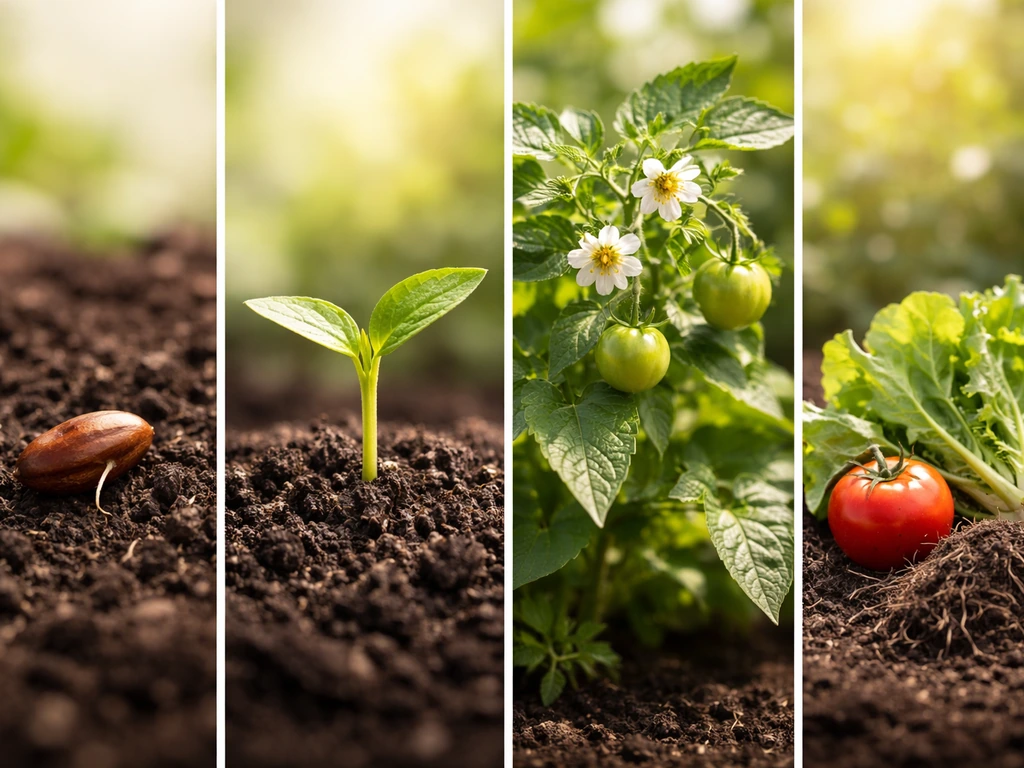
What "growth" actually means for a plant
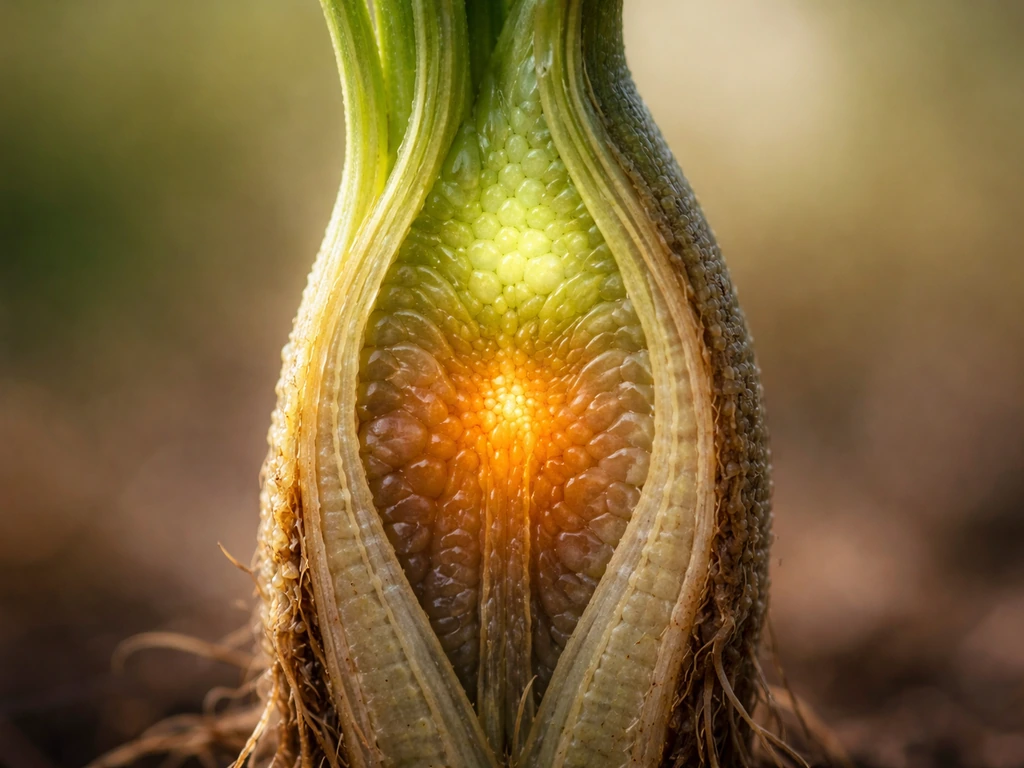
Plant growth isn't random stretching. It happens in very specific spots called meristems, which are clusters of cells that keep dividing and producing new tissue. The apical meristem sits at the tip of every shoot and root, and it's the engine behind both upward and downward growth. When those cells divide and elongate, your plant gets taller above the soil and more anchored below it. Secondary growth (the thickening you see in woody stems) comes later, but for most houseplants and garden seedlings, it's that primary, tip-driven growth you're managing from day one.
If you want a deeper visual walkthrough of how this unfolds from a tiny seed into a recognizable plant, how a plant grows step by step breaks the whole sequence down in a way that's easy to follow. For now, the key thing to hold onto is this: growth is cellular, it's directional, and it responds directly to the conditions you create.
What plants actually need to grow
There are six things every plant needs. Get all six right and almost anything will thrive. Mess up one consistently and you'll wonder why your plant just... sits there.
Light
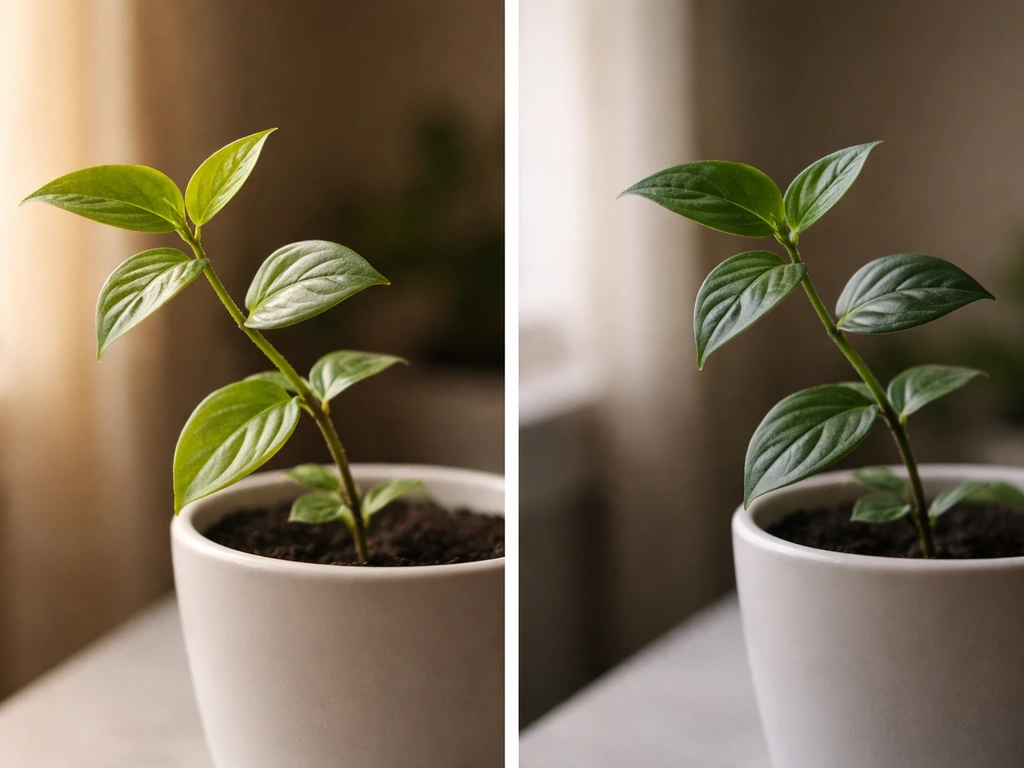
Light is fuel. Plants use it to run photosynthesis, which is how they convert carbon dioxide and water into sugars they can actually use to build new tissue. No light, no growth. Too little light and plants survive but don't really thrive, they stretch, pale out, and produce weak stems. Most houseplants do fine with bright indirect light. Vegetables and fruiting plants want direct sun, ideally six or more hours a day.
Water
Water does a lot more than keep plants from wilting. It moves nutrients from roots up through the plant, keeps cells pressurized (which is why leaves go limp when a plant is thirsty), and is a direct ingredient in photosynthesis. The mistake most beginners make isn't underwatering, it's overwatering. Roots need oxygen to function, and research from plant physiology work shows they need at least around 3% oxygen in the soil to survive. When you waterlog soil, you cut off that oxygen supply and roots start dying. A plant sitting in waterlogged soil can look wilted even though the soil is soaking wet, because the roots can no longer take anything up.
Nutrients
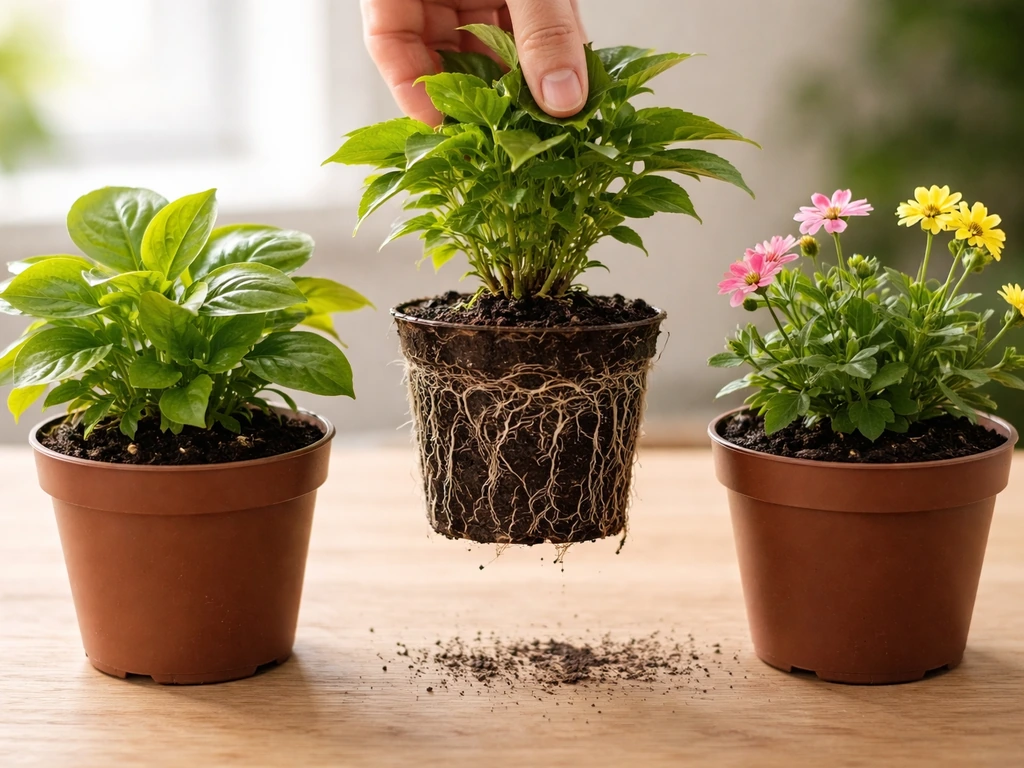
The big three are nitrogen (N), phosphorus (P), and potassium (K). Nitrogen drives leafy green growth, phosphorus supports roots and flowering, and potassium handles overall plant health and stress tolerance. Deficiencies show up in patterns you can learn to read: nitrogen and potassium deficiencies tend to show up in older leaves first because those nutrients are mobile, meaning the plant pulls them from older tissue to feed new growth. Uniform yellowing in older leaves usually points to nitrogen. Leaf edges turning yellow and then brown often suggests potassium. Stunted plants with dark or purplish leaves can point to phosphorus deficiency.
Air
Plants absorb carbon dioxide through tiny pores in their leaves called stomata. They also need good air circulation around stems and leaves to prevent fungal disease. And as already mentioned, roots need oxygen too, which is why soil aeration and drainage matter as much as watering technique.
Temperature
Temperature controls the speed of every chemical reaction in a plant, including germination. Cool-season vegetables like lettuce and spinach germinate around 60°F, while warm-season crops like tomatoes and peppers want warmer soil and will stall or rot in cold ground. Most houseplants are happiest in the same range humans find comfortable: 60–80°F. Sudden temperature swings, cold drafts near windows, or heat from a radiator can all stress plants enough to halt growth.
Space
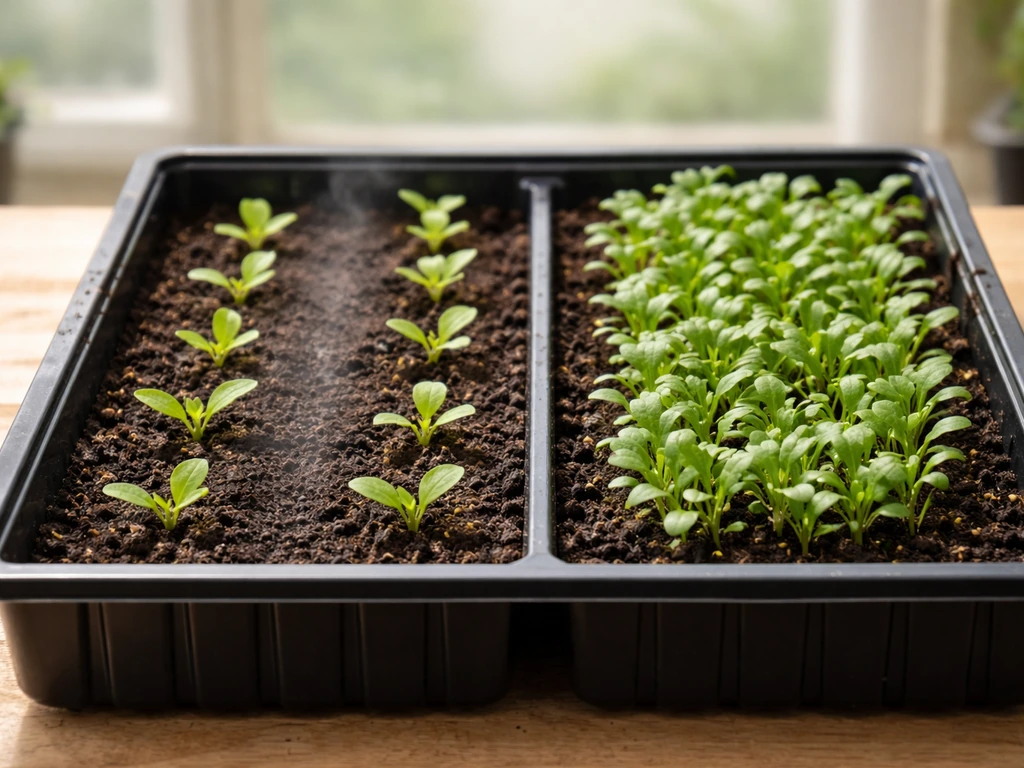
Roots need room to spread, and crowded plants compete for every resource on this list. Proper spacing also allows air movement between plants, which reduces disease pressure significantly. A general rule for container growing: match your container size to the plant's expected root mass, not its above-ground size. Cucumbers, for example, need one plant per large container, not two crammed together to save space.
How to grow plants step by step
Whether you're starting from seed or working with a cutting or transplant, the process follows the same basic sequence.
- Choose your method and medium first: soil, water propagation, hydroponics, or terrarium. Your setup determines what comes next.
- Start seeds at the right depth. A widely used rule of thumb is to plant seeds at a depth of about three times the seed's maximum width. Small seeds go shallow, large seeds go deeper. For most vegetable seeds, 1.5 to 2 inches is a practical target, and you may go a little deeper in dry conditions to reach moisture.
- Keep the germination environment warm and consistently moist, not wet. Most seeds don't need light until they sprout. Once you see the first shoot, light becomes critical.
- Once seedlings emerge, give them strong light immediately. Leggy seedlings (tall and floppy) are almost always a light problem. Move them closer to your source.
- Feed lightly once true leaves appear (not just the seed leaves). Start with a diluted, balanced fertilizer.
- If you're moving plants outdoors or into a new environment, harden them off. This means gradually exposing them to outdoor conditions over one to two weeks, starting with a shaded, sheltered spot and slowly increasing exposure. Skip this step and you're likely to see wilting, scorched leaves, or stalled growth from transplant shock.
- Once established, shift to a regular care rhythm: water when needed (not on a fixed schedule), feed based on growth stage, and watch for early signs of stress.
How plants grow upward (and how to help them do it)
Plants don't just grow up randomly. They grow toward light, a process called phototropism. The mechanism behind it involves a hormone called auxin redistributing to the shaded side of a stem, causing cells there to elongate faster than on the lit side, which bends the plant toward the light source. This is the Cholodny-Went model in action, and you can see it happening on any plant placed near a window: within days, stems and leaves will angle toward the glass.
To understand exactly where this elongation happens and why the tip is so important, it helps to know how plants grow at their tips, since that's where directional growth originates. The practical takeaway for you as a grower: rotate potted plants a quarter turn every week or two so they grow straight instead of leaning hard to one side.
For vertical growers like tomatoes, cucumbers, or climbing vines, vertical growth also depends on support structures. Without something to climb or lean on, stems can snap under their own weight. Use stakes, cages, or trellises early, before the plant needs them, so you don't disturb roots later.
Spacing plays into vertical growth too. Crowded plants compete for light and often stretch upward in an unhealthy way, producing weak, leggy stems. Give each plant enough room to spread horizontally and it won't feel the need to race vertically in a desperate search for light.
Leaves are a big part of this upward story as well. Each new leaf layer is the plant's way of capturing more light to power the next round of growth. If you're curious about the mechanics behind that process, how plants grow leaves gets into the details of leaf development and what it tells you about your plant's health.
Growing in different setups: soil, water, hydroponics, and terrariums
The medium you grow in changes a lot about how you manage that list of six needs. Here's an honest comparison:
| Medium | Best For | Key Advantages | Main Challenges | Watch Out For |
|---|---|---|---|---|
| Soil | Beginners, most plants, outdoor/indoor gardens | Forgiving, natural buffering of nutrients and pH, easy to source | Overwatering risk, pests, compaction over time | Waterlogging and poor drainage leading to root rot |
| Water / Propagation | Starting cuttings, early rooting stages | Simple, cheap, lets you watch root development | Limited nutrition, roots need transition to soil or hydro | Algae buildup in clear containers, stagnant water |
| Hydroponics (DWC, Ebb & Flow) | Faster growth, small spaces, experienced growers willing to monitor | Faster growth, precise nutrient control, no soil pests | Requires monitoring pH (5.5–6.5) and dissolved oxygen (>6 ppm), more equipment | pH and EC drift over time as plants consume water and nutrients |
| Terrariums | Small plants, humidity-loving species, display growing | Self-regulating humidity, low maintenance once established | Disease risk from trapped moisture, limited plant selection | Persistent fogging with no daily clearing signals airflow problems |
Soil growing
Soil is the most forgiving starting point. A quality potting mix for containers or a well-amended garden bed gives you natural pH buffering, microbial activity that helps break down nutrients, and physical support for roots. The main traps are compaction (which starves roots of oxygen) and overwatering. If your potting mix feels dense and doesn't drain within a few seconds of watering, add perlite to improve aeration.
Water and hydroponics
Growing in water ranges from simply rooting a cutting in a glass jar to running a full deep water culture (DWC) system where roots hang suspended in oxygenated nutrient solution, with aeration provided by an airstone. Ebb-and-flow (flood and drain) systems intermittently flood root zones and then drain back to a reservoir, which cycles air through the roots naturally. Both approaches are legitimate, but they require you to actually monitor your solution rather than guessing. pH should stay between 5.
5 and 6. 5 for most crops, and dissolved oxygen should be above 6 ppm. These values drift as your plants use water and nutrients, so measure regularly with a pH meter and EC meter rather than assuming last week's mix is still dialed in.
Terrariums
Terrariums work well for small, humidity-loving plants, but they have one specific failure mode: trapped moisture. A well-functioning terrarium should see condensation that clears on the glass by midday. If your terrarium is fogged up all day with no clearing, that's a practical signal to open the lid for a few hours to improve ventilation and reduce the disease risk that comes with stagnant, humid air.
Why your plant stopped growing (and how to fix it)
Most growth stalls come down to a small list of fixable problems. Here's how to diagnose quickly:
- Leggy, pale, or stretching toward light: Not enough light. Move closer to a window or add a grow light. This is the most common indoor growing problem by far.
- Wilting in wet soil: Root rot from overwatering. Check roots — healthy roots are white and firm, rotted roots are brown and mushy. Remove affected roots, let the medium dry out, and improve drainage before watering again.
- Yellowing older leaves first: Likely nitrogen deficiency. Apply a balanced fertilizer or add a nitrogen-rich amendment.
- Brown, crispy leaf edges: Often potassium deficiency or low humidity. Check your fertilizer schedule and consider misting or a humidifier if you're in a dry environment.
- Stunted growth, dark or purplish leaves: Often phosphorus deficiency, or the plant is too cold. Check root-zone temperature and fertilizer type.
- Good light, good water, still not growing: Check temperature and spacing. A plant in soil that's too cold, or too root-bound for its container, will sit dormant even in otherwise perfect conditions.
- Transplant shock (wilting, dropped leaves after moving): Expected, not always a disaster. Shade the plant, reduce watering frequency without letting it wilt completely, and give it time to re-establish.
Visual guides can make diagnosis a lot faster than reading descriptions. Seeing what nitrogen deficiency or root rot actually looks like on a plant is often more useful than any written explanation, and visual references of how plants grow can help you match what you're seeing to what's actually going on.
Picking your setup and getting started today
If you're new to this, start with soil in a container. It's the most forgiving medium, it gives you the most room for error, and the skills you build, reading plant signals, understanding watering, learning what healthy roots look like, all transfer directly to hydroponics or terrariums when you're ready to try them.
Here's a simple starting checklist for today:
- Pick one plant that matches your light conditions. Don't try to grow a tomato in a dark apartment. Start with what your space can actually support.
- Get a well-draining potting mix. Add perlite if it feels heavy or dense.
- Choose a container with drainage holes. No exceptions.
- Sow seeds at roughly three times their width in depth, or pot a transplant at the same depth it was growing before.
- Place it in the brightest appropriate spot you have and rotate it weekly.
- Water when the top inch or two of soil is dry, not on a timer.
- Feed lightly once the plant shows active growth — new leaves, new shoots.
- If you move it outdoors, harden it off over one to two weeks starting in shade.
One note for anyone who wants to dig further into the science before committing to a method: the foundational biology of plant growth is well-documented and worth understanding even at a basic level. The broader scientific overview of how plants grow is a useful reference if you want to understand the mechanisms behind what you're observing in your own plants, from meristem activity to photosynthesis to tropism.
Plants are more resilient than most beginners expect. blank" rel="noopener noreferrer">A hardening off process may take between about a week and ten days for many plants, depending on conditions and plant type. They want to grow. Your job isn't to force it, it's to remove the obstacles and let the biology do what it's already designed to do. Get the six basics right, watch your plants closely, and adjust based on what they show you. That's genuinely all there is to it. Hardening (hardening off) is an acclimation process commonly recommended about two weeks before planting outdoors so seedlings adjust to full sun, wind, and fluctuating outdoor temperatures blank" rel="noopener noreferrer">hardening (hardening off) is an acclimation process about two weeks before planting outdoors.
FAQ
My plant is alive but not growing, what should I check first?
If a plant is alive but not growing, start by confirming light first, then check soil moisture and oxygen. In practice, look for either stretching with pale leaves (not enough light) or wet, compact soil and slow new roots (too little oxygen from overwatering). Temperature and fertilizer timing matter too, but they usually come after those two.
How can I tell if wilting is from underwatering or overwatering?
Wilting can mean opposite problems. Overwatering can cause “wilted while wet” symptoms because roots lose oxygen and cannot pull water up. Underwatering typically comes with dry media that feels light and pulls away from the pot edges. Use a finger test (or weigh the pot) before adding more water.
Should I start fertilizing if my plant looks unhealthy, or are there cases where fertilizer won’t help?
Yes, nutrient deficiency can be masked by poor light or bad watering. If a plant cannot photosynthesize well, it cannot use nitrogen and other nutrients efficiently, so feeding alone won’t fix the underlying issue. Correct light and water delivery, then troubleshoot nutrient balance using leaf patterns you observe over time.
What causes leggy, weak stems even when I water and fertilize?
Stretched, weak growth usually points to low light or crowded spacing, even if fertilizer is adequate. A simple test is to move the plant closer to a bright window or add a light source, then rotate the pot so the plant does not keep bending one way. If the stem still can’t thicken, check temperature and watering frequency.
How do I know my pot and soil are draining well enough for growth?
When using a pot, drainage is not optional. Make sure water runs out of the bottom, and choose a potting mix that drains quickly. If water sits longer than a few minutes after watering, the soil is likely too dense or compacted, which deprives roots of oxygen.
How often should I water to promote steady growth?
For soil plants, the most reliable routine is to water based on media conditions, not the calendar. Let the top portion of the mix dry slightly (varies by plant) and then water thoroughly until excess drains. Consistent cycles help maintain oxygen in the root zone.
Why does my plant grow fast in some months and stall in others?
Plant growth differs between “growing season” and “stagnation.” Many houseplants slow in winter because of lower light and cooler temperatures, even with adequate care. If growth doesn’t return after you improve light exposure, then investigate root health, root crowding, and nutrient needs.
Do I really need air circulation, and what happens if I don’t?
Troposphere airflow and leaf drying matter because stagnant humidity increases fungal disease risk. If you see fungus, powdery coatings, or persistent damp leaves, add gentle airflow and avoid splashing water onto foliage. Roots also need air, so ensure aerated media and avoid constant saturation.
My plant keeps leaning toward the window, how do I keep it growing straight?
Check whether the plant is actually targeting light, then use orientation corrections. Rotate potted plants about a quarter turn every week or two, and keep the light source at a consistent position so the plant does not keep “chasing” it. If it still leans strongly, light intensity is likely too low.
When should I add stakes or trellises for climbing plants, and how do I avoid stressing them?
Start support early for vertical growers, before heavy vines put stress on the stem. Attach ties loosely so they do not girdle as the plant thickens, and avoid moving the plant’s main stems late in the season because root disturbance can slow recovery.
How do temperature and soil temperature affect germination and early growth?
Yes, but only within the crop’s comfort range. Cool-season crops may germinate poorly if soil stays too warm, while warm-season crops can stall or rot in cold ground. If you are starting indoors, aim for soil temperatures matched to the plant type rather than relying on air temperature alone.
If I grow in water (hydroponics), how do I avoid problems from pH and oxygen drifting?
In hydroponics, pH and dissolved oxygen drift, so weekly measurements are safer than “set it and forget it.” Keep pH in roughly the 5.5 to 6.5 range for most crops and maintain strong aeration so oxygen stays high, then adjust nutrient strength based on plant response.