Plants grow leaves through a process that starts deep inside the growing tip of every stem, where a tiny cluster of dividing cells called the shoot apical meristem constantly produces new leaf primordia (essentially embryonic leaf buds). To see the full sequence from seed to mature plant, follow this guide on how does a plant grow step by step the growing tip of every stem. If you also want the bigger picture beyond the growing tip, see how do plants grow wikipedia for a general step-by-step overview. Those primordia expand through cell division and elongation, guided by plant hormones like auxin, cytokinin, and gibberellin, until a fully formed leaf unfurls. When your plant isn't growing leaves, something in that chain is broken: light is too low, watering is off, nutrients are missing, or the roots aren't healthy enough to support new growth. The good news is that almost every one of those problems is fixable once you know where to look.
How Do Plants Grow Leaves Step by Step and Fix Slow Growth
Where leaves actually come from inside a plant
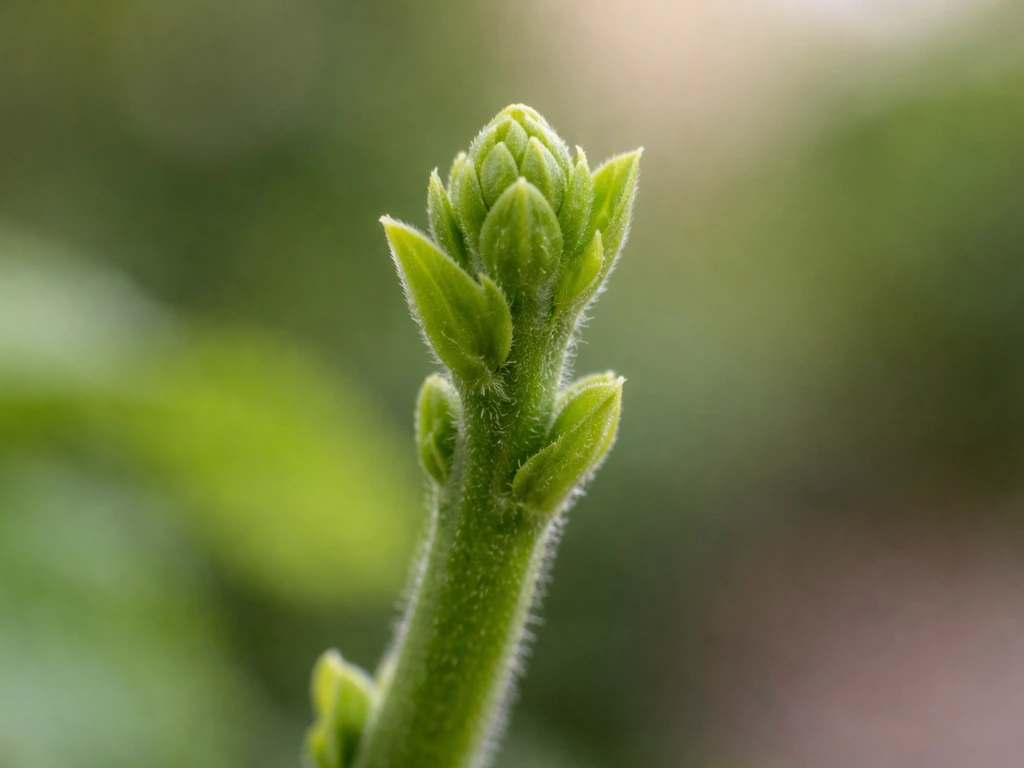
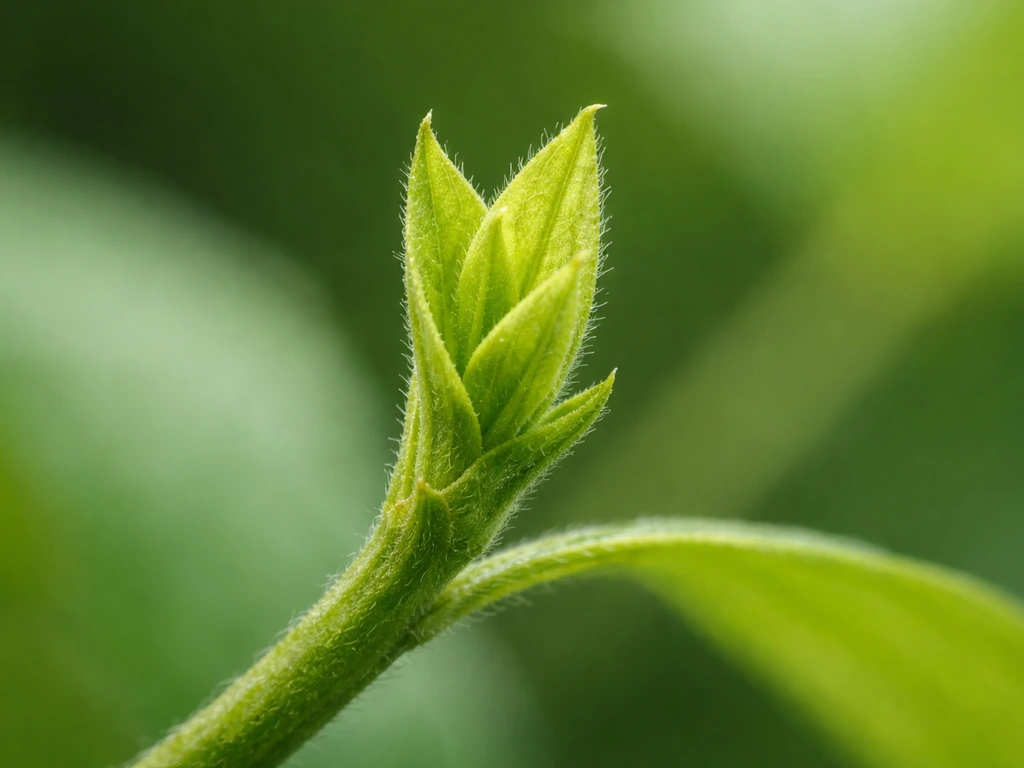
Every leaf on a plant traces back to one spot: the shoot apical meristem (SAM), a tiny dome of perpetually dividing stem cells sitting right at the tip of each growing stem. Think of it as the plant's manufacturing hub. At the outer edges of this dome, small pockets of cells pinch off and start differentiating into leaf primordia, the earliest recognizable form of a future leaf. This initiation is tightly controlled by hormones, particularly a low-auxin zone that forms between the SAM and each emerging primordium, which helps separate the new leaf organ from the meristem itself.
There's a second kind of meristem worth knowing about: the axillary meristem. These form in the axil of each leaf (the little notch where the leaf meets the stem) and are driven in part by cytokinin signaling. They're the origin of new branches and shoots, and eventually new sets of leaves. This is why pinching off a growing tip on a basil plant, for example, pushes the plant to activate those axillary meristems and grow bushier rather than taller. Once you understand that leaves originate at meristems, you start seeing why the health of your growing tips is so important.
How a leaf actually builds itself, step by step
Leaf development isn't instant. It's a coordinated sequence that takes days to weeks depending on the plant and conditions. Here's what's happening at each stage:
- Primordium initiation: A cluster of cells at the periphery of the shoot meristem is signaled to diverge from the meristem identity and begin becoming a leaf. Auxin accumulates at this spot, which is what triggers the change.
- Early expansion: The primordium bulges outward and begins rapid cell division. The overall shape of the leaf (round, narrow, lobed) is determined here by which cells divide in which directions.
- Vascular development: As the primordium elongates, procambial cells form inside it and eventually differentiate into the veins that carry water and sugars. Auxin and cytokinin work in a coordinated, often antagonistic way here to balance how quickly the leaf differentiates versus how long cells keep dividing.
- Blade expansion: Cells in the leaf blade start expanding rather than just dividing. This is the phase where the leaf visibly gets bigger fast. Gibberellins play a big role in cell elongation at this stage.
- Maturation: Cells differentiate into their final roles (photosynthesizing mesophyll cells, guard cells around stomata, epidermal cells). Chloroplasts fill with chlorophyll. The leaf becomes a working photosynthesis machine.
- Unfurling: The leaf reaches full size and opens up. On many plants you can watch this happen over just a day or two once the leaf is large enough.
The whole process is hormone-driven. Auxin triggers where leaves form and helps lay down veins. Cytokinins promote cell division and can actually delay premature leaf differentiation to keep things organized. Gibberellins drive the elongation that makes leaves grow to full size. When any of these hormonal signals get disrupted by stress, poor nutrition, or bad environment, leaf development slows, stalls, or produces malformed leaves.
What plants need to keep growing leaves
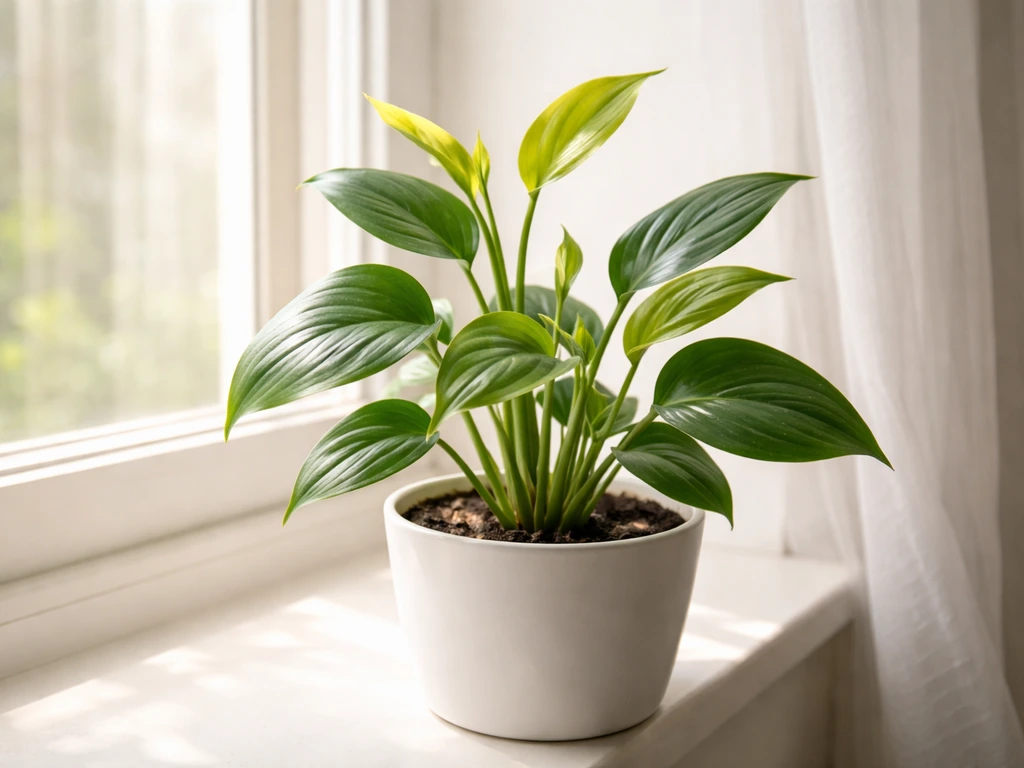
Think of leaf production like a factory that needs four things running at the same time: energy (light), raw materials (water and nutrients), and the right operating temperature. Pull any one of those away and the factory slows down or stops entirely.
Light
Light is the single most common reason houseplants and indoor garden plants fail to produce new leaves. Plants use light to photosynthesize, and without enough photosynthetic output, there's simply no energy budget for building new tissue. For most plants indoors, aim for roughly 25 watts of LED light per square foot as a starting benchmark. For shade-tolerant plants like ferns or pothos, PPFD (the more precise measure of light plants actually use) around 50 to 150 micromoles per square meter per second is often enough. Herbs and most vegetable seedlings want 100 to 500 PPFD. Limit supplemental lighting to no more than 16 hours per day even when combining it with natural light, because plants need darkness too. If you're using an LED grow light, placement distance matters: too close and you risk heat stress, too far and intensity drops off quickly.
Water
Overwatering kills more plants than underwatering, and it does it quietly by suffocating roots. When the root zone stays waterlogged, oxygen levels drop below what roots need to function, and the plant can no longer take up water or nutrients even though the soil is wet. Water consistently but let the soil partially dry between waterings unless you're growing a moisture-loving species. Always make sure your container has drainage.
Nutrients
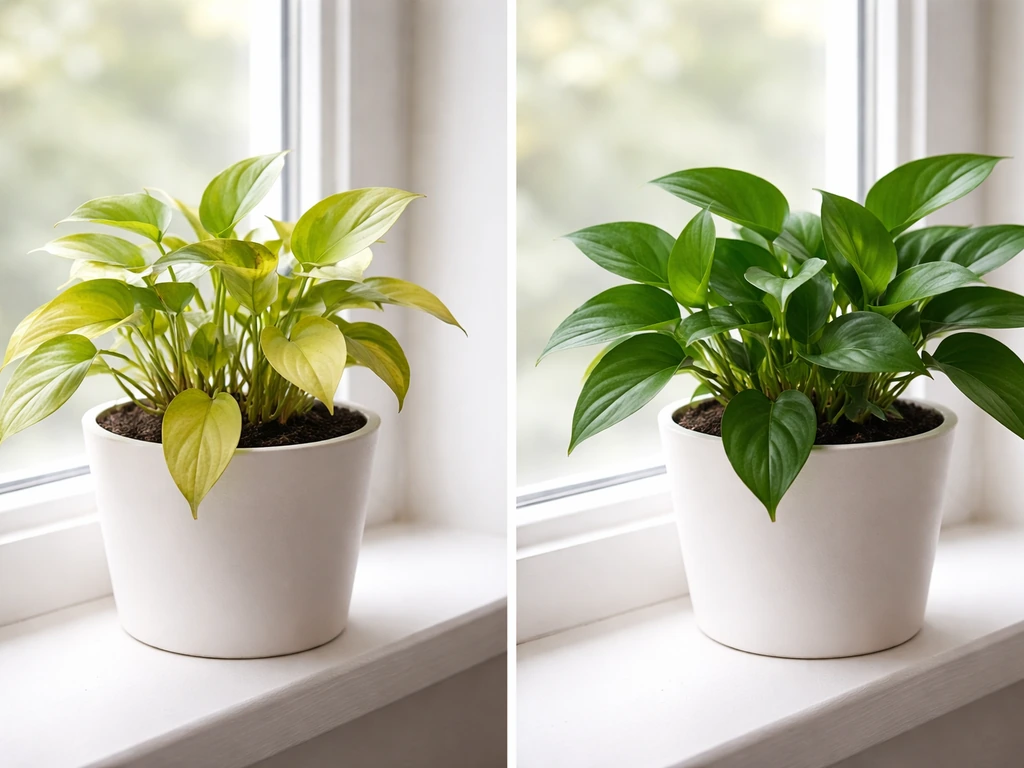
Nitrogen is the most critical nutrient for leaf production specifically. It's a core component of chlorophyll and proteins, and a nitrogen-deficient plant will show slow growth and uniform yellowing of older leaves first. But macro and micronutrients all play roles. Potassium deficiency tends to show as brown leaf margins. Magnesium deficiency causes interveinal yellowing (the area between leaf veins goes yellow while veins stay green). Magnesium is the central atom in chlorophyll, so magnesium deficiency can show up as interveinal chlorosis in older leaves. Iron deficiency looks similar but hits newer leaves first and is often a pH problem rather than a shortage of iron in the soil.
Temperature
Most common houseplants and garden plants grow best between 60 and 80°F (15 to 27°C). Below about 50°F, growth slows dramatically for most tropical species. Cold drafts near windows in winter are a surprisingly common culprit for stalled leaf production. On the other end, temperatures above 90°F start stressing most plants and can push them into a sort of heat dormancy where new leaf production halts.
Growing leaves from seeds vs cuttings: what changes
Starting from seed
Germination starts the moment a seed absorbs water, and the first leaves (cotyledons) are technically pre-formed inside the seed. They're not grown from scratch after germination, they just unfurl. The real leaf-growing begins with the first true leaves, which follow cotyledons within a week or two for most plants. The key rules for this stage: move seedlings under 12 to 16 hours of light as soon as they sprout, keep the seed-starting mix moist but not waterlogged (fine vermiculite works well as a thin cover for surface-sown seeds), and hold off on fertilizing until a few days after germination, then use a water-soluble fertilizer at one-quarter to one-half strength. Full-strength fertilizer on brand-new seedlings can burn tender roots before they're established.
Starting from cuttings
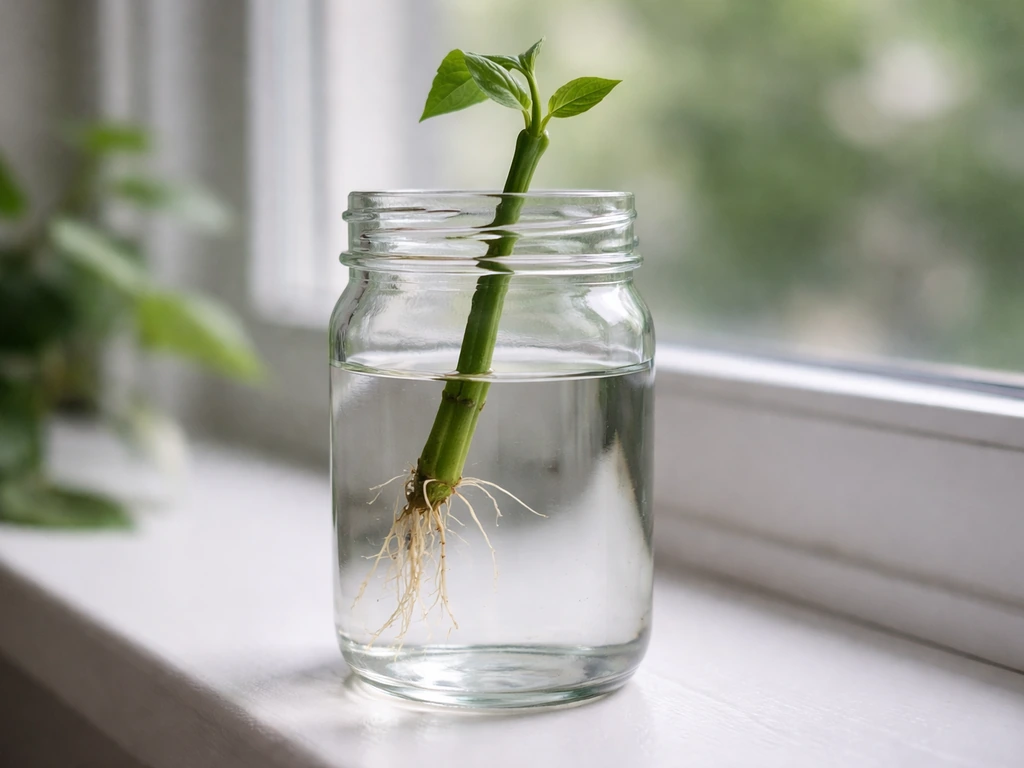
A cutting has no roots yet, so its priority is root development before leaf production. This is normal, not a sign something is wrong. Keep light diffuse (not intense) during rooting because a cutting under harsh light will try to photosynthesize and lose more water through its leaves than it can take up without roots. Maintain high humidity around the cutting to reduce water loss. Once you see new roots forming (or new leaf buds swelling, which usually signals rooting has started underground), you can gradually move the cutting to brighter light and begin very dilute feeding. Rooting speed depends heavily on temperature, humidity, and species, so patience is key here.
Why your plant won't grow new leaves and how to fix it
Most stalled leaf growth comes down to a short list of causes. Work through these in order and you'll usually find the problem fast.
- Not enough light: The number one cause. If your plant is more than 3 to 4 feet from a window, or the window faces north and the sky is often overcast, light is almost certainly the problem. Move the plant closer to a window or add a grow light. You should see new growth within 2 to 4 weeks if light was the issue.
- Overwatering and root rot: Lift the pot. If it feels heavy and soggy a week after watering, you're watering too often or drainage is poor. Repot if roots are brown and mushy, and switch to a well-draining mix.
- Underwatering: Soil pulling away from the pot edges, crispy lower leaves, and very light pot weight all point here. Water thoroughly until it runs from the drainage hole, then let it partially dry before the next watering.
- Wrong temperature or cold drafts: Check if the plant is near an exterior wall, window, or vent. A simple thermometer near the plant overnight will tell you if temperatures are dropping into stress territory.
- Nutrient deficiency: If the plant has been in the same soil for over a year without fertilizing, it's likely running low on nutrients. Start a balanced water-soluble fertilizer on a regular schedule (monthly for most houseplants during the growing season).
- Root-bound pot: Roots circling inside a too-small pot can't support new top growth. If roots are emerging from drainage holes or the plant seems to dry out within a day of watering, go up one pot size.
- Poor airflow: Stale air and high humidity without circulation encourages fungal problems and can slow growth. A small fan on low nearby helps.
- pH problems: In soil, pH above 7 or below 5.5 can lock out nutrients like iron and manganese even if they're present. Test soil pH with an inexpensive meter and adjust with sulfur (to lower) or lime (to raise).
Reading your leaves: what common problems actually mean
| Symptom | Most likely cause | What to do |
|---|---|---|
| Uniform yellowing of older leaves first | Nitrogen deficiency | Apply a balanced nitrogen-containing fertilizer; check that soil pH isn't blocking uptake |
| Interveinal yellowing on older leaves | Magnesium deficiency | Apply Epsom salt solution (1 tsp per gallon) or a fertilizer with magnesium |
| Interveinal yellowing on new leaves | Iron deficiency (often pH-related) | Test soil pH; if above 7, lower it with sulfur; use chelated iron fertilizer |
| Brown leaf margins and tips | Potassium deficiency, low humidity, or salt buildup | Flush soil with water, fertilize with potassium, and raise humidity |
| Leggy, stretched growth with large gaps between leaves | Insufficient light | Move plant closer to light source or add a grow light |
| Leaf drop on otherwise healthy-looking plant | Temperature shock, overwatering, or dramatic light change | Stabilize conditions; stop moving the plant; check root health |
| Small, pale new leaves | Low light plus low nutrients | Increase light first, then feed with a balanced fertilizer |
| Burnt or bleached leaf patches | Too much direct light or heat stress from grow light too close | Move plant back from light source; give indirect light instead |
How to apply this in different growing setups
Soil
Soil is the most forgiving medium for leaf production because it buffers pH, nutrients, and moisture reasonably well. Choose a well-draining potting mix (add perlite if it feels dense), fertilize during the growing season, and test pH if you're seeing persistent deficiency symptoms. Make sure pots have drainage holes. If your plant has been sitting in the same soil for two or more years, consider repotting with fresh mix, since old soil loses structure and nutrients over time.
Water propagation and water growing
Water-rooted plants and those grown long-term in water (like certain pothos or lucky bamboo setups) need regular water changes to prevent stagnation and nutrient depletion. Add a very dilute liquid fertilizer to the water every 2 to 4 weeks. Change the water at least every 1 to 2 weeks to keep oxygen levels adequate and prevent bacterial buildup. Use room-temperature water to avoid shocking roots.
Hydroponics
In hydroponics, pH and dissolved oxygen are your two most critical variables for leaf production. Keep nutrient solution pH between 5.5 and 6.5 for most crops. Outside this range, plants may be surrounded by nutrients they can't actually absorb, which shows up as deficiency symptoms even when the nutrient solution looks fine. Keep dissolved oxygen above 6 ppm with an air stone or active recirculation. Monitor electrical conductivity (EC) to gauge overall nutrient concentration, but remember that high EC doesn't guarantee every individual nutrient is in the right amount or available at the right pH. Start with a low-EC source water so you have full control over what you're adding.
Terrariums
Terrariums are a special case because conditions inside them are harder to control. Choose plants that naturally prefer low to medium light, high humidity, and slow growth, and don't mix plants with very different light, moisture, or temperature needs in the same container. Avoid colored or heavily tinted glass since it filters out light wavelengths plants need for photosynthesis. Open terrariums need more frequent watering since they don't trap humidity the way closed ones do. Overcrowding is a common terrarium mistake: plants quickly run out of space for root and leaf development, so give them room or plan to trim regularly.
Your leaf-growth troubleshooting checklist and what to expect
If your plant isn't producing new leaves, run through this checklist before making any big changes. Most issues can be diagnosed in under 10 minutes.
- Check light first: Is the plant within 2 to 3 feet of a bright window, or under a grow light running 12 to 16 hours per day? If not, fix light before anything else.
- Assess watering: Pick up the pot. Is it heavy and wet a week after watering? Overwatering. Bone dry and very light? Underwatering. Adjust and be consistent.
- Look at the roots: If you suspect root rot, slide the plant out and check. Healthy roots are white or light tan. Brown, mushy, smelly roots need to be trimmed and repotted.
- Check temperature: Use a thermometer to verify nighttime temps near the plant. Most plants need at least 60°F at night to keep growing.
- Examine the leaves for deficiency patterns: Older leaves yellowing uniformly = nitrogen. Interveinal yellowing on new leaves = likely iron (check pH). Brown margins = potassium or humidity.
- Review your fertilizer schedule: If you haven't fed the plant in over two months during the growing season, it's time to start.
- Consider pot size: If roots are circling or coming out of drainage holes, size up one container.
- In hydroponics: Test pH and EC, and check that your air pump or recirculation is keeping dissolved oxygen above 6 ppm.
What to expect once you make changes
Plants don't respond overnight, but they do respond on a schedule you can track. After improving light conditions, most actively growing plants show new bud swelling within 1 to 2 weeks and visible new leaves within 3 to 4 weeks. After fixing watering, expect 1 to 2 weeks for the root zone to stabilize before you see growth resume. After correcting a nutrient deficiency, existing damaged leaves won't recover but new leaves should come in healthy within 2 to 4 weeks. Cuttings that have just been potted can take 3 to 6 weeks to show their first new leaf growth after rooting, which is completely normal. The best way to track progress is to mark a small piece of tape near the newest bud and check it every few days. Any movement means the plant is working.
Understanding how leaf growth works at a biological level makes you a much better troubleshooter because you stop guessing and start reading what the plant is actually telling you. If you want to go deeper on the overall growth process or how different stages of plant development connect, the broader topic of how plants grow step by step covers the full life cycle in a way that builds on everything here. To see how these leaf-building steps fit into the whole life cycle, explore how do plants grow step by step.
FAQ
Why does my plant not grow new leaves even though I fertilize?
Many plants keep existing leaf size but delay new leaf appearance if light is the limiting factor. Look for pale, stretched growth (etiolation) or slow bud swelling, then raise light gradually over a week or two (and confirm your schedule stays under 16 hours total light per day). If you make only fertilizer changes, you can still get no new leaves because the energy budget for building tissue is still low.
How can I tell whether slow leaf growth is from nitrogen deficiency versus light?
In most houseplants, older leaves respond first to nitrogen shortage. If you see uniform yellowing starting at the bottom or older foliage, that points more to nitrogen than to iron or magnesium. A useful check is to remove one affected older leaf and compare the new growth color, if new leaves are green but older ones yellow, nutrient imbalance is likely rather than a general light failure.
What should I do if my plant is in a hot room and keeps stalling?
Heat stress can reduce leaf production even when the plant looks “alive.” If daytime temperatures are above about 90°F, new buds often stall. Try moving the plant away from heat sources (radiators, ovens), improve airflow, and keep a stable temperature range instead of chasing it with sudden watering or fertilizer boosts.
If leaves turn yellow after I fix the care routine, should they green back up?
A yellow leaf is not always the current problem. Leaves already damaged by a deficiency usually will not revert to green, you’ll see improvement only on the next flush. Track new growth at the newest bud, and give fixes (light, nutrients, watering) enough time so the plant can build new tissue using healthier conditions.
Will pruning or pinching off the top stop leaf production?
Yes, but use it carefully. If you remove the growing tip and the plant reshoots, leaf production often shifts to side branches, so you might see slower leaf output for 1 to 3 weeks and then more buds. For plants like basil, pinching is beneficial, but for others (many flowering houseplants) it can temporarily reduce total leaf area until new shoots establish.
How do I know if I’m overwatering when the soil always feels wet?
Overwatering can look like “the plant has plenty of water,” but roots cannot use it when oxygen is low. Confirm by checking soil density (dense, slow-drying mix), pot drainage, and whether the pot feels heavy long after watering. A practical fix is to let the top portion dry between waterings and improve drainage (perlite, correct pot holes) before adding any nutrients.
My seedlings sprouted but never made true leaves, what’s the most common mistake?
For seed-starting, don’t fertilize immediately after germination. Use the timing window the article describes (wait a few days, then start at one-quarter to one-half strength) because young roots are easily burned. Also, if seeds sit too wet on the surface, fungal issues can prevent true-leaf emergence even if the seed sprout looks fine.
Why do my cuttings lose leaves instead of growing new ones?
If a cutting hasn’t rooted yet, it often cannot support leaf growth because it has no reliable water uptake. Keep humidity high and light diffuse until you see root signs, then increase light gradually. If you force bright light immediately, the cutting usually dehydrates and leaf buds stall.
How long should I wait before deciding my plant has a real problem?
Yes. Some plants are slow by nature, especially winter growers or species that pause when days shorten. Before changing everything, compare with typical schedule: many actively growing plants show bud swelling in about 1 to 2 weeks, then visible new leaves in 3 to 4 weeks. If nothing happens beyond that and conditions are stable, then troubleshoot light, water, and nutrients.
In a terrarium, why does one plant stall while others do fine?
The “tinted glass” issue in terrariums can mean different wavelengths are blocked, even if you think it’s bright. Also, overcrowding and mismatched plant needs can starve certain plants of light even when the container looks well-lit. If one plant stalls in a terrarium, reduce density or separate species rather than only adding misting or fertilizer.
My hydroponic plant looks deficient even though EC is high, what should I check first?
If your plant shows deficiency-like symptoms right after switching to hydroponics, the issue is often pH availability rather than total nutrient. Keep solution pH between 5.5 and 6.5 and confirm dissolved oxygen is supported (air stone or active recirculation). High EC can still hide a pH problem where plants cannot access key nutrients.
What’s the best way to track progress so I don’t misread signs?
Marking the newest bud is helpful because it tells you growth is actually restarting, not just leaves changing color. Tape near the newest bud, then check every few days. If you see bud swelling, the plant is responding even if visible leaves take another couple of weeks to appear.