Yes, you can grow plants in Genshin's Serenitea Pot, and it is genuinely one of the best passive ways to stock up on local specialties and cooking ingredients without running laps around the open world every few days. The system is called Gardening, and once you unlock it, it runs almost entirely on autopilot. You plant seeds, wait roughly 70 hours, and harvest real usable items. This guide walks you through every step, from unlocking the system to pulling your first harvest and building a daily routine around it.
How to Grow Plants in a Teapot in Genshin: Step-by-Step

Marcus Holloway
11 Apr 2026
What teapot plants actually are (Serenitea Pot gardening basics)
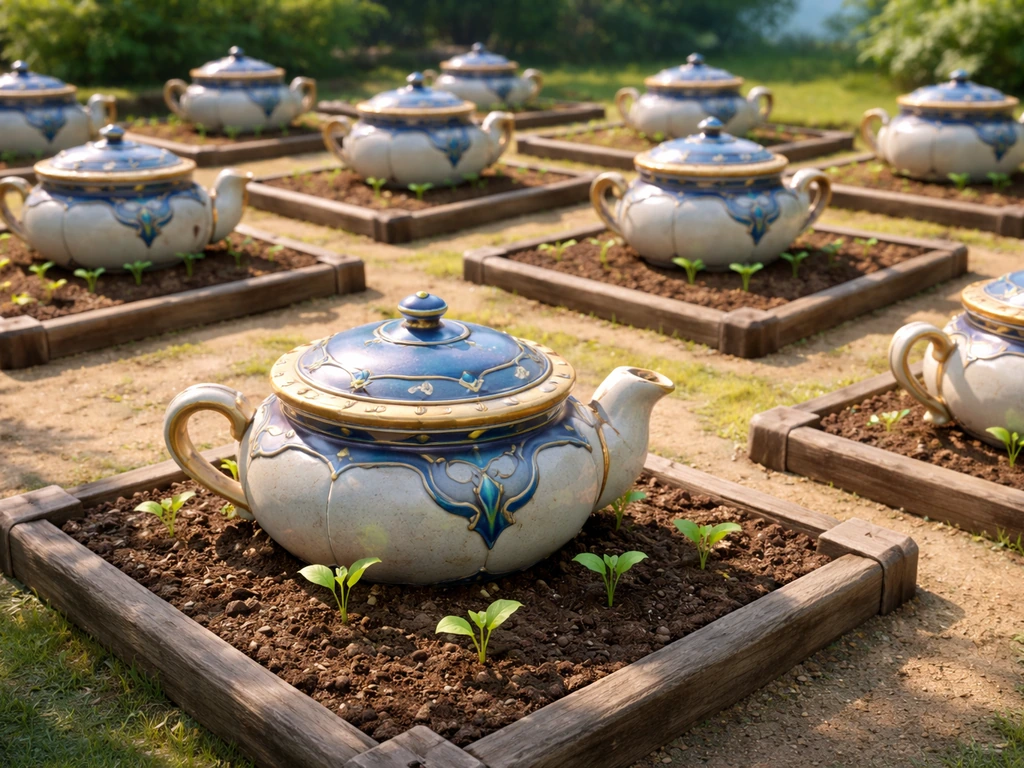
The Serenitea Pot is Genshin Impact's player housing system, and inside it sits a Gardening subsystem that lets you grow real in-game materials. These aren't decorative props. Each plant you grow yields the same item you'd pick up in the open world: Silk Flowers for Hu Tao's ascension, Carrots for cooking, Glaze Lilies for Ningguang. The teapot garden is essentially a private farm that refreshes on a fixed timer, so you can skip a lot of open-world respawn cycles.
The way it works mechanically is simple: seeds go into designated field plots you place in your realm, those seeds grow into plant constructs over a set number of hours, and then you harvest them for the actual item drops. One seed per slot, one plant per slot, one yield per harvest. It's a clean loop once you understand the three pieces: seeds, field types, and timing.
How to unlock teapot gardening (don't skip this step)
Before you can plant anything, you need to complete the world quest called "The Art of Horticulture" from Madame Ping. Pro Game Guides notes that completing "The Art of Horticulture" unlocks the Seed Dispensary and the gardening feature, letting you plant seeds and collect seeds via the gadget Before you can plant anything, you need to complete the world quest called "The Art of Horticulture". To trigger that quest, you must first reach Inazuma Reputation Level 3. That's the one hard prerequisite. Once you finish the quest, Madame Ping hands you the Seed Dispensary gadget, which is the key to the whole system. Without it, you can't collect seeds in the wild or plant anything in your teapot fields.
The Seed Dispensary works by letting you collect seeds from plants you gather in the open world. Equip it as your active gadget, then harvest plants normally, and you'll automatically collect seeds alongside the usual drops. Those seeds are what you bring back to your teapot fields. If you're just getting started with the broader process of understanding how to plant and grow in Genshin, unlocking this quest first is your single most important early move.
Choosing the right plants and where they can grow
Not every plant in the game is growable in the teapot. The Seed Dispensary supports a specific list of plant types, and knowing which ones are available helps you decide what to prioritize. The full supported list includes: Silk Flower, Sweet Flower, Cecilia, Glaze Lily, Windwheel Aster, Qingxin, Violetgrass, Valberry, Jueyun Chili, Carrot, Radish, Mint, Mushroom, Naku Weed, Horsetail, Snapdragon, Lotus Head, Calla Lily, Seagrass, and Sea Ganoderma.
The best plants to start with are the ones you already need for character ascension or cooking. If you're ascending a character that uses Silk Flowers or Glaze Lilies, prioritize those. If you cook a lot, Carrots, Radishes, and Mint are fast wins. Don't try to grow everything at once, especially early on when you may only own one or two field types. Pick two or three plants you actually use and stick with them long enough to build a stockpile.
It's also worth knowing that plants in the teapot serve the same purpose as their open-world counterparts: ascension and cooking. If you want a deeper look at how different plant varieties behave and what they're used for, that context helps you prioritize which seeds are worth farming first.
Field types, planters, and setting up your teapot layout
This is where most beginners get confused, so let's break it down clearly. There are three purchaseable field furnishing types in the Serenitea Pot, and each one only accepts certain seed categories. You buy these from the Realm Depot and place them physically inside your realm like any other furnishing. Genshin DB’s entry for “A Path of Value: Luxuriant Glebe” specifically documents this field furnishing used for gardening, which can serve as a reference for field-type specifics field furnishing types in the Serenitea Pot. The placement itself doesn't affect growth speed, but it does affect how easy they are to access for planting and harvesting, so put them somewhere you can reach quickly.
| Field Type | Accepted Plant Category | Example Plants |
|---|---|---|
| A Path of Value: Jade Field | Vegetables and herbs | Carrot, Radish, Mint, Mushroom, Jueyun Chili, Valberry, Small Lamp Grass |
| A Path of Value: Luxuriant Glebe | Flowers and herbal plants | Silk Flower, Cecilia, Glaze Lily, Windwheel Aster, Qingxin, Violetgrass, Naku Weed |
| A Path of Value: Orderly Meadow | Water plants | Calla Lily, Horsetail, Lotus Head, Seagrass, Sea Ganoderma |
Each field has multiple planting slots, and one seed goes into each slot. A Jade Field, for example, can hold multiple Valberry seeds at once, and each slot yields its own harvest independently. Based on reported yields, a single Jade Field can produce around 16 Valberry per full harvest cycle if all slots are filled. The planting screen in the teapot UI shows you which fields are idle and which slots are ready to accept new seeds, so it's easy to see what needs attention at a glance.
One practical layout tip: group your fields together in your realm so you can walk up and interact with all of them in one short visit. Spreading them across a large realm layout wastes time during your daily check-in. Think of it like organizing a real raised-bed garden: you want everything within arm's reach so tending it doesn't feel like a chore.
Watering, light, and temperature: what you actually need to manage
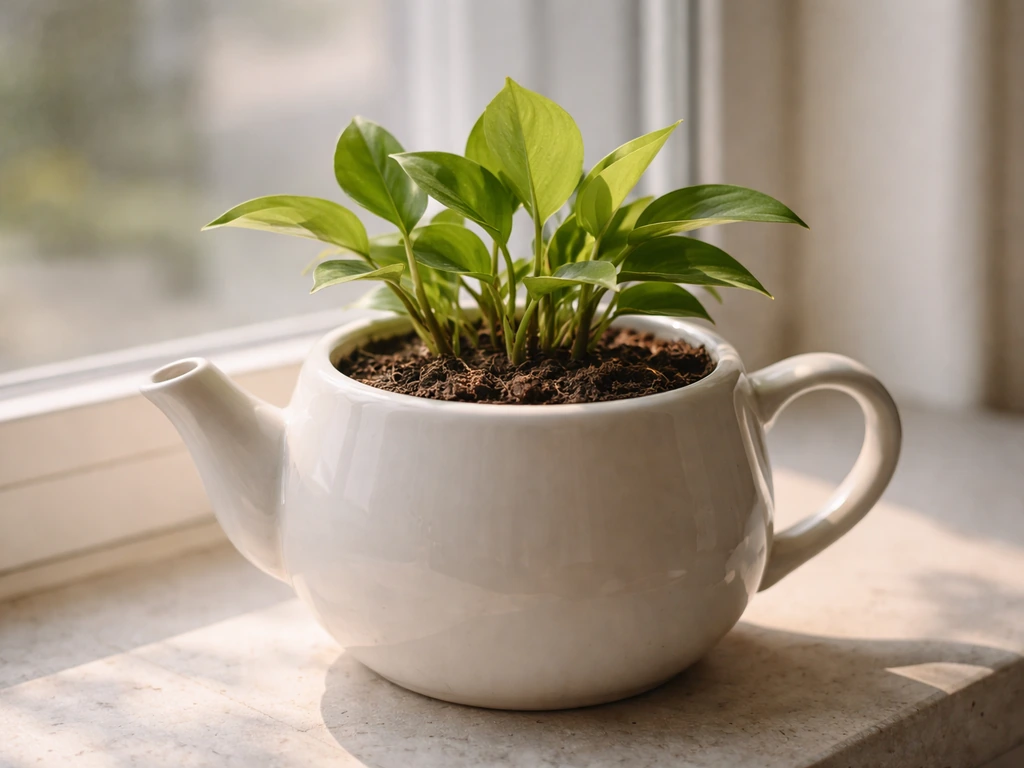
Here's something that surprises most new players: you do not need to water your teapot plants. At all. The Serenitea Pot gardening system handles all ambient conditions automatically. There is no watering mechanic, no sunlight positioning, and no temperature setting to worry about. Once you plant a seed in the right field type, the game takes care of growth conditions entirely. This makes the teapot garden far less demanding than a real-world houseplant or even some other in-game growing systems you might encounter.
For players who've spent time learning how different plants grow in more complex setups, the teapot system will feel almost too easy in this regard. The only thing you manage is making sure seeds are planted in the correct field type. If the field accepts the seed, the plant grows. Period. This simplicity is intentional: the system is designed to be a low-friction passive resource generator, not a mini-farming simulator.
The full growth cycle: planting to harvest and back again
Understanding the timing is everything here, because the teapot garden runs on real-world clock time, not in-game days. Here's the complete loop:
- Equip the Seed Dispensary gadget and gather plants in the open world to collect seeds as you go.
- Enter your Serenitea Pot and navigate to your placed field furnishings.
- Interact with a field and use the planting UI to assign seeds to each available slot.
- Leave the teapot and go about your normal play. The timer runs even when you're not in the teapot.
- After the growth period, return to the field, interact with it again, and harvest all mature plants.
- Immediately replant new seeds into the same slots to restart the cycle.
The growth timer varies by plant type. Valberry, for example, takes about 70 hours (roughly 2 days and 22 hours) from planting to harvest. That's on the longer end. Some herbs and vegetables may be faster, but expect most plants to fall somewhere in the 48 to 70 hour range. The most important habit to build is replanting immediately after every harvest. Every hour your fields sit empty is wasted yield potential.
Do not remove plants before they're fully grown. Clearing a plant early resets that slot's progress and wastes the seed entirely. The game enforces a fixed timer, so patience is the only strategy. If you're the kind of player who also manages time-sensitive growth in other games, think of this like waiting for a Sims Freeplay plant to mature: rushing it doesn't help and interrupting it costs you the whole cycle.
Fertilizer, pests, and what to do when things go wrong
There is no verified fertilizer mechanic in the Serenitea Pot gardening system. Some general guides mention fertilizer in the context of Genshin's world, but no official fertilizer feature has been confirmed for teapot fields. Don't waste time looking for a fertilizer upgrade or a growth-speed booster: as of now, the growth timer is fixed and there is no official way to speed it up.
Similarly, there are no pests or plant diseases in the teapot system. Your plants won't wilt, get attacked, or die from neglect while they're growing. The most common "problems" players actually run into are process errors, not game mechanics failures. Here are the real issues and how to fix them:
- Plants not sprouting: You tried to plant a seed in the wrong field type. Check which category your seed belongs to (vegetable, flower, or water plant) and make sure you're using the matching field. The game will block the planting if it's incompatible, but it's easy to misread the UI.
- No seeds available: You forgot to equip the Seed Dispensary before gathering in the open world. Go equip it, then go back out and gather again. Seeds only drop when the gadget is active.
- Fields showing as occupied but nothing to harvest: You planted seeds and the timer hasn't finished yet. Check back in 48 to 70 hours depending on the plant type.
- Low yield per harvest: You didn't fill all available slots on the field. Each empty slot is a missed harvest. Always fill every slot before leaving.
- Can't access the gardening system at all: You haven't completed "The Art of Horticulture" quest yet, or you haven't placed any field furnishings in your realm. Both are required before the system becomes usable.
- Running out of seeds: You're consuming seeds faster than you're collecting them. Slow down on planting one type and spend a few open-world sessions gathering that specific plant to rebuild your seed supply.
The honest truth is that troubleshooting the teapot garden is almost always about checking whether you followed the setup steps correctly, not diagnosing a broken mechanic. If something isn't working, trace it back to the fundamentals: right gadget equipped, right field type, all slots filled, enough time elapsed. Those four checkpoints solve 90% of issues. This kind of systematic troubleshooting is exactly what helps you level up as a grower, whether in-game or in a real garden, and it mirrors the mindset behind understanding how plug plants grow: the system does most of the work if you set it up correctly from the start.
What to do with your harvest (and how to build a daily routine)
Every plant you harvest from the teapot goes straight into your inventory as the normal in-game item. Valberry is just Valberry. Silk Flower is just Silk Flower. You use it exactly the same way you'd use anything gathered from the open world: for character ascension, for cooking recipes, or for holding onto until you need it. The teapot is effectively a way to passively supplement what would otherwise require dedicated open-world farming runs every two to three days.
The real value shows up over time. If you're ascending a character who needs 168 Silk Flowers to hit the max level, a single teapot field cycling every 70 hours can produce a meaningful chunk of that total without you actively farming. Stack that across multiple field types and multiple plants, and you're cutting your open-world farming time significantly.
To build a practical daily routine, treat your teapot garden like a quick daily login task. Every time you log in, check your fields first. If anything is ready, harvest and immediately replant. The whole process takes under two minutes if your fields are grouped together. You don't need to check more than once per day since most plants take 48 to 70 hours to mature. Setting a loose reminder every two to three days works well for slower-growing plants like Valberry. If you're building a system around multiple plant types with different timers, stagger your planting so not everything comes ready at the same time, making harvests manageable rather than overwhelming.
Once you've got the basic loop running smoothly, think about which plants give you the most value per field slot. Local specialties used for character ascension are usually the highest-priority candidates, since those are the hardest to stockpile quickly in the open world. Cooking ingredients like Carrots and Mint are plentiful in the wild, so they're lower priority for your limited field slots. The same prioritization logic you'd apply when deciding when to plant and what to grow for maximum yield applies directly here: match your growing slots to your actual resource bottlenecks.
One more thing worth knowing: the teapot garden is completely optional and low-pressure. You won't fall behind if you miss a harvest cycle or forget to replant for a few days. There's no decay, no spoilage, and no penalty for playing at your own pace. The system rewards consistency over intensity, which makes it a genuinely good fit for players who want steady progress without having to grind. Think of it the way a gardener thinks about maintaining a reliable stock of plants: the effort you put in upfront pays off quietly in the background, and the yields compound over weeks of consistent planting cycles. That's the teapot garden at its best.
If you want to expand beyond the teapot and understand the full spectrum of growing methods available to you, including non-standard containers and setups, the principles covered in a guide on growing specialized plant types in unconventional environments are worth exploring as a natural next step.
FAQ
Why is my seed not showing up as ready to harvest after I waited the full time?
Most issues come from planting into the wrong field type or leaving a slot unplanted. Re-check that the seed category you used matches the field furnishing, and confirm each slot was actually filled in the teapot UI. Also, make sure you did not remove a partially grown plant earlier, since that resets the slot’s timer.
Do I need to harvest at the exact moment, or can I wait a while after it matures?
You can usually leave mature plants until your next check, but you should avoid letting slots sit empty. The key time loss is when you harvest and forget to replant, because empty slots stop producing. A practical approach is to log in once per day to handle any “ready” slots, then replant immediately.
Can I grow multiple types of plants in the same field furnishing?
Generally, no. Each field furnishing accepts specific seed categories, so you typically assign one plant type per field type and then use multiple field furnishings if you want variety. If you want both ascension and cooking crops, plan your purchases so your field furnishings cover those seed categories.
How do I get more seeds efficiently if I run out while waiting for harvest timers?
Seeds only come from using the Seed Dispensary on harvested plants in the open world. To avoid gaps, do a quick “seed run” on open-world routes you already travel for other tasks, then replant right after each teapot harvest cycle. This smooths out the demand during the 48 to 70 hour growth window.
What happens if I plant too many of one crop and later I need a different ingredient?
Your planted slots will keep progressing to their harvest item, and you cannot swap them to a different plant mid-cycle. To reduce regret, start with 2 to 3 crops that match your current bottlenecks, then expand once you’re sure you consistently use those items.
Is there any benefit to leaving a slot empty instead of filling it immediately?
Usually no. Since growth does not speed up and there is no fertilizer, an empty slot is just wasted production time. If you have the seeds and the field accepts them, fill every available slot so you maximize yield per full harvest cycle.
Do teapot plants count as “local specialties” for achievements, quests, or other systems?
They give the same in-game item you would obtain in the open world (example, Valberry stays Valberry). That means they can satisfy normal item requirements for crafting, cooking, and ascension where the ingredient type matches. If a quest requires a special variant, verify the exact item name, not just the plant.”
Will the teapot gardening work if I log out, change regions, or play on a different schedule?
Yes. Growth uses real-world clock time and continues regardless of where you are in the game. The only timing-sensitive part is your habit of harvesting and replanting, so the system still works well even if your play sessions are irregular.
What should I do if I think my growth speed is wrong compared to guides?
Treat guide numbers as typical ranges by plant type, not promises for every situation. First, confirm your seed was planted in a compatible field furnishing, then rely on your own “harvest after” notes for each plant you use. The most reliable pattern is to replant immediately after harvest and compare your next cycle length.
Is there a way to speed up growth, like using gadgets or upgrades?
No verified fertilizer or growth-speed booster exists for the teapot gardening system, so focus on correct setup and consistency. If someone claims faster growth, the practical alternative is expanding the number of filled field slots so you produce more total items while timers remain unchanged.
Should I prioritize ascension plants or cooking plants for the best long-term value?
Prioritize what you actually run out of. Ascension crops (like Silk Flowers or Glaze Lilies) tend to be harder to stockpile quickly, making them good first choices for limited field space. Cooking ingredients are usually abundant from the open world, so they are better once you have enough slots to support both needs.