You can absolutely grow big, impressive plants indoors. The plants that get large fastest indoors are ones like pothos, philodendrons, monsteras, bird of paradise, fiddle leaf figs, and fast-growing tropicals that naturally want to spread out. Pair them with bright indirect light (or a decent grow light), a pot that gives roots room to run, consistent feeding from spring through summer, and the right temperature and humidity range, and you will see real size gains within weeks rather than months. The rest of this guide walks you through exactly how to set all of that up, step by step.
How to Grow Big Plants Indoors: Full Setup Guide
Marcus Holloway
18 May 2026
What 'big' actually means when you're growing indoors
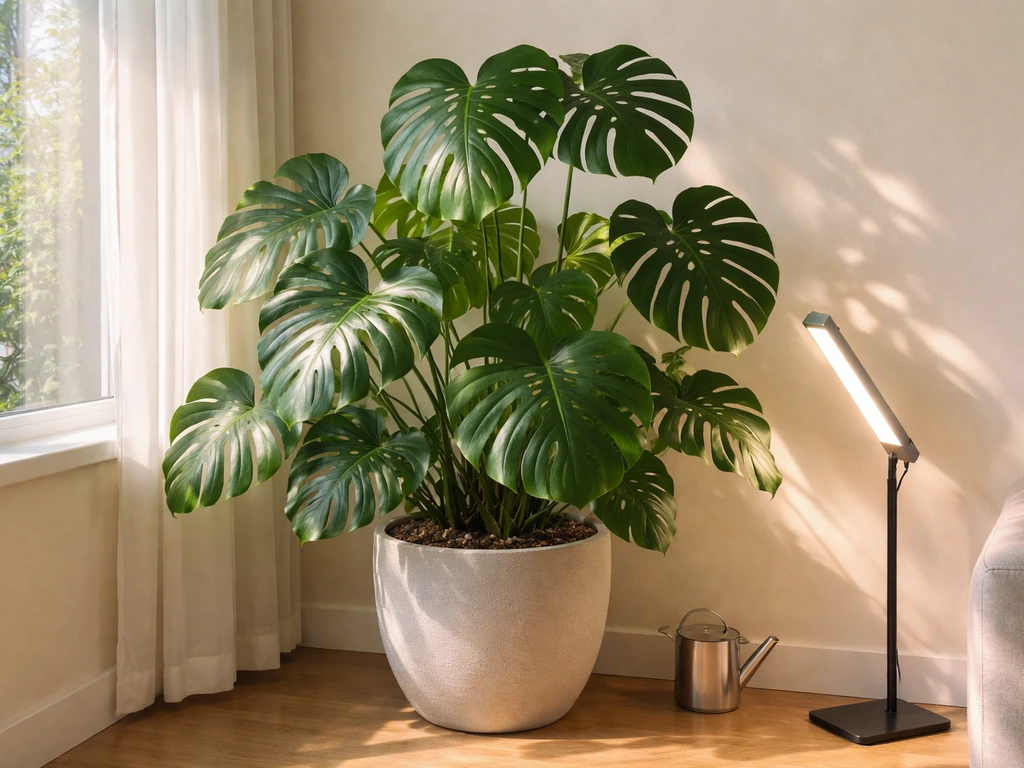
Before you chase size, it helps to define what you're actually after, because 'big' means different things depending on the plant. There are three ways a plant can get big indoors: height, leaf size, and overall fullness or biomass. A monstera deliciosa can stay relatively short but produce leaves the size of dinner plates. A fiddle leaf fig grows tall and narrow. A pothos gets enormous trailing length. Understanding which type of 'big' you want helps you choose the right plant and the right strategy.
Speed also matters. Some plants that get large indoors (like a bird of paradise) do it slowly, taking a few years to really fill a corner. Others, like pothos, philodendrons, and fast-growing tropical vines, can put out new growth almost weekly when conditions are right. If you want visible results in 30 to 90 days, you want a fast grower in ideal conditions, not a slow grower in just-okay conditions. That's the real secret most people miss.
Picking the right plant and matching it to your light
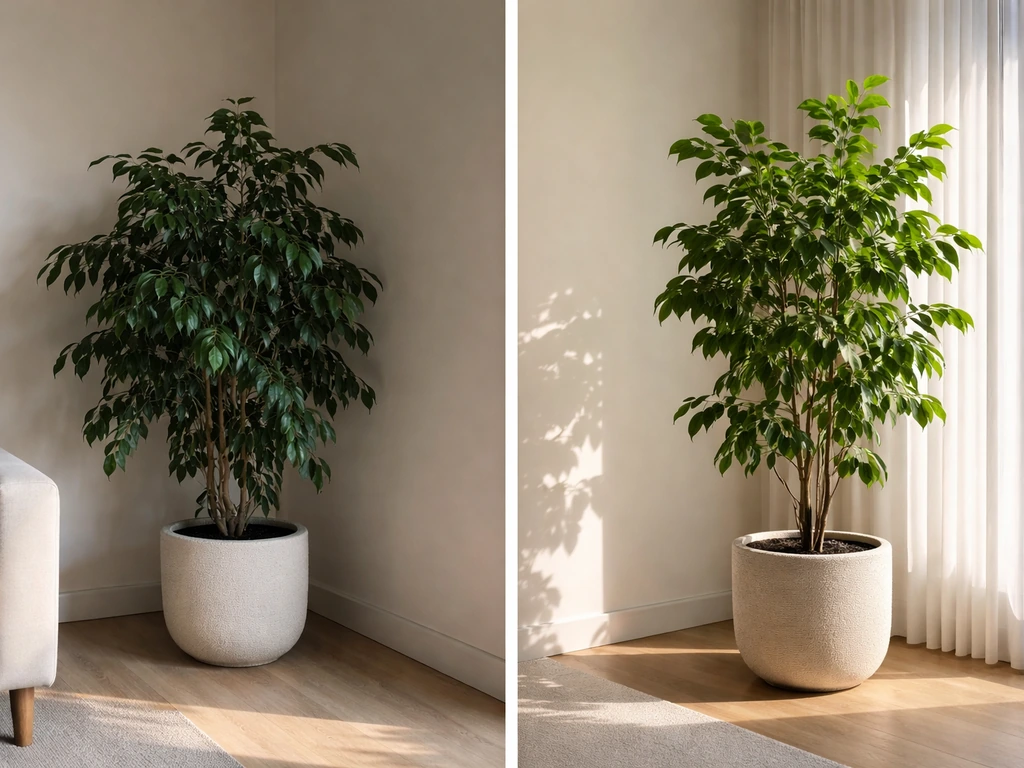
The single biggest mistake people make when trying to grow big plants indoors is choosing a plant that doesn't match the light they actually have. You can do everything else perfectly and still get a scraggly, stretched plant if the light is wrong. So before you buy anything, take an honest look at your space.
Low light (25 to 100 foot-candles, which is basically a spot that feels dim to you) suits plants like pothos, ZZ plants, and cast iron plants. These will grow, but slowly. Medium to bright indirect light (a spot within a few feet of a south or east-facing window, typically 100 to 500+ foot-candles) is where the real fast-growers thrive: monsteras, philodendrons, peace lilies, and spider plants. If you want truly large, fast growth, especially in a plant like a bird of paradise or fiddle leaf fig, you need bright indirect or even some direct morning sun, which puts you in the 500 to 1,000+ foot-candle range.
Here's a practical way to check: hold your hand about a foot above a piece of white paper in your spot. Sharp, clear shadow means bright light. Soft, blurry shadow means medium light. Barely a shadow at all means low light. Match your plant to that result rather than the other way around.
| Plant | Light needed | Type of 'big' | Speed indoors |
|---|---|---|---|
| Monstera deliciosa | Medium to bright indirect | Huge leaves | Moderate to fast |
| Pothos / Epipremnum | Low to bright indirect | Long trailing vines | Fast |
| Philodendron (heartleaf or split-leaf) | Medium to bright indirect | Full, leafy volume | Fast |
| Bird of paradise | Bright indirect to some direct | Tall, broad leaves | Slow |
| Fiddle leaf fig | Bright indirect | Tall, dramatic height | Moderate |
| Peace lily | Low to medium | Full, blooming | Moderate |
| Spider plant | Medium to bright indirect | Wide, arching fullness | Fast |
How to set up lighting for maximum indoor growth
Natural window light is free and often underused. A south-facing window is your best asset in the Northern Hemisphere, giving you the longest, brightest light throughout the day. East-facing windows give gentle morning sun, which is great for most tropicals. West-facing windows deliver strong afternoon light. North-facing windows are low-light territory and really limit your options for big, fast-growing plants. The closer your plant sits to the glass (within 1 to 3 feet), the more light it actually receives at the leaf level. Pull it back 6 feet and the intensity drops dramatically.
When to add a grow light
If your space doesn't have great natural light, or you want to push growth beyond what a window alone provides, a grow light is the most impactful upgrade you can make. The goal is to hit the right PPFD (photosynthetic photon flux density) at the plant's canopy level, not just buy a light with high wattage. For most houseplants in a vegetative growth phase, you want 100 to 500 µmol/m²/s at canopy level. Seedlings and low-light plants can thrive at under 100. If you're pushing a fruiting or flowering plant hard, you may want 400 to 1,200 µmol/m²/s. The key point: a light that's too far away won't deliver enough intensity even if it looks bright.
Run your grow light for 12 to 16 hours per day when natural light is insufficient, which is the standard guidance for good indoor growth. Consistency matters a lot here. Plants that get light on a random schedule (like office plants that sit in the dark on weekends) tend to become leggy and open rather than compact and full. A simple plug-in timer solves this completely and costs almost nothing. If you're running both a window and a grow light, count your total daily light and aim for a DLI (daily light integral) in the 6 to 10 mol/m²/day range for medium-light plants as a starting target.
One thing to watch: if your plant's petioles (the little stems that attach leaves to the main stem) start looking stretched or if leaves begin cupping or bleaching, you may have the light too close. Back it off a few inches and observe for a week. Distance from the light source changes canopy intensity significantly, so small adjustments matter.
Soil, hydroponics, water, and terrariums compared
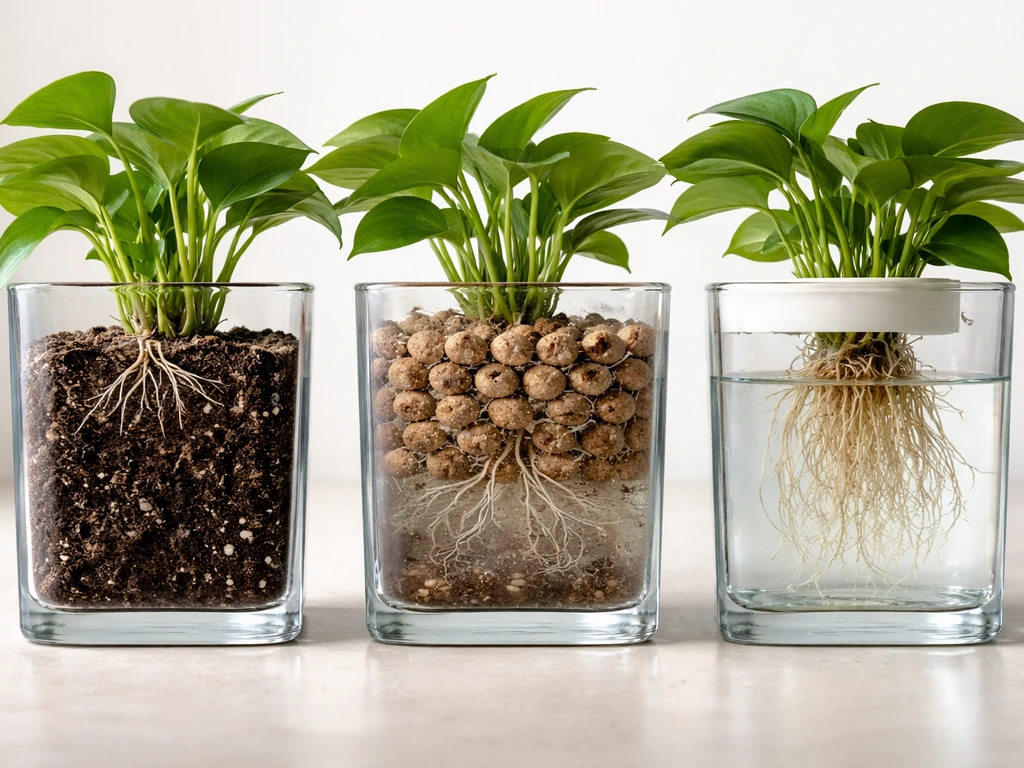
The medium you grow in affects how fast your plant's roots can expand, how efficiently they absorb nutrients, and ultimately how big the plant gets. Each approach has real trade-offs.
Growing in soil
Soil is the most forgiving starting point and works well for the vast majority of big indoor plants. Use a well-draining potting mix rather than garden soil (which compacts badly in containers). Good drainage and aeration are non-negotiable: roots need oxygen just as much as water, and compacted or soggy soil creates oxygen-deprived conditions that invite root rot pathogens like Pythium. Mix in perlite (about 20 to 30% by volume) to improve drainage and air pockets if your mix feels dense. Never let the pot sit in standing water.
Growing in water or semi-hydroponics
Some large-leaf tropicals like pothos, philodendrons, and monsteras grow surprisingly well in water or in a semi-hydroponic setup (like LECA clay balls). The advantage is that you eliminate soil-based root rot risk and nutrient management becomes more precise. The trade-off is that you need to use a diluted liquid fertilizer in the water regularly, since there's no soil to buffer nutrients. Water grown roots also look different from soil roots and the plant may need a transition period if you're switching from soil.
Hydroponics for faster growth
If you want to push growth speed and you're willing to learn a bit more, hydroponics delivers nutrients directly to roots in an oxygenated water solution, which can accelerate growth noticeably compared to soil. The roots get exactly what they need, when they need it. The downside is more upfront investment in equipment and a steeper learning curve around pH and nutrient management. For someone just trying to get a big monstera or philodendron, soil is plenty. For someone who wants to maximize speed and is comfortable experimenting, hydroponics is worth exploring.
Terrariums
Closed terrariums are a special case. They create a humid, self-watering microclimate that works beautifully for small tropical plants and mosses, but they're not designed for growing big plants. A well-sealed closed terrarium may only need watering once every 4 to 6 months, because the moisture cycles internally. The catch is that this humid enclosed space amplifies any pest or disease problem, so sanitation when building one is critical. Make sure no water is sitting on foliage when you seal the lid, and introduce only clean, pest-free plants. For big indoor plants, open containers with good drainage will always serve you better.
| Medium | Growth speed | Difficulty | Best for |
|---|---|---|---|
| Soil (well-draining) | Moderate | Easy | Most big indoor plants, beginners |
| Water / semi-hydro (LECA) | Moderate to fast | Easy to moderate | Tropicals like pothos, philodendron |
| Hydroponics | Fast | Moderate to advanced | Maximizing growth speed |
| Closed terrarium | Slow | Moderate | Small tropicals and mosses only |
Pot size, root health, watering, and feeding
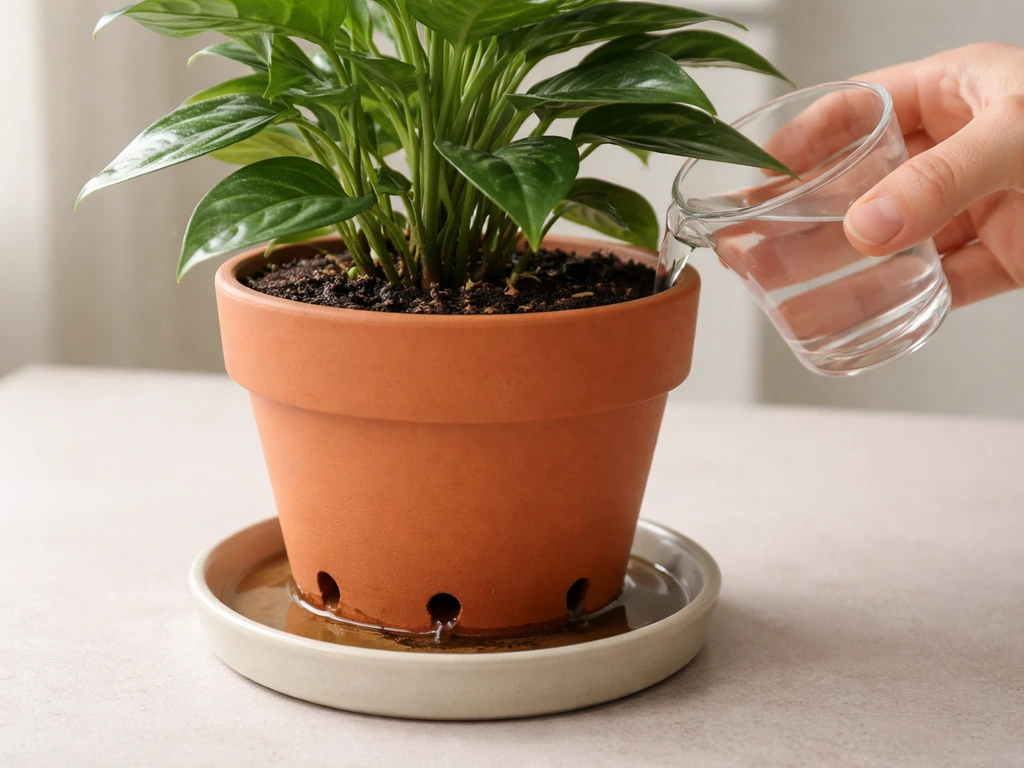
Roots are the engine of a big plant. If they're cramped, waterlogged, or starved, your plant's above-ground growth stalls no matter what you do with light or feeding. Getting these basics right is what separates plants that grow from plants that just survive.
Choosing the right pot size
Bigger pot does not automatically mean bigger plant, at least not right away. Oversized pots hold excess moisture that roots haven't yet reached, which keeps soil wet for too long and creates root rot risk. When repotting, go up just 1 to 2 inches in diameter from the current pot. When repotting, Clemson HGIC advises choosing a pot about 1 to 2 inches larger in diameter than the current one, and repotting frequency should be based on the plant's growth rate choose a pot 1 to 2 inches larger in diameter. When you do repot, position the root ball so the top sits about 1 inch below the rim of the new container, then fill in around the sides with fresh potting mix. Make sure every pot has drainage holes. Decorative pots without holes can be used as covers (cache pots), but the actual growing container must drain freely.
Watering technique
Water thoroughly until water flows freely from the drainage holes, then let the top inch or two of soil dry out before watering again. The exact frequency depends on your pot size, soil mix, light level, temperature, humidity, and the plant species, so there's no universal schedule that works for everyone. Instead, check the soil with your finger before watering. Never leave a plant sitting in a saucer full of water, because that keeps the bottom of the root zone saturated and starved of oxygen. Yellowing leaves combined with soggy soil almost always point to overwatering.
Feeding for real growth
Plants growing actively in spring and summer need fertilizer to fuel new leaves and stems. A balanced fertilizer like a 10-10-10 (equal nitrogen, phosphorus, and potassium) works well for most common big-leaf houseplants. Apply it every 2 to 4 weeks during the active growing season (roughly March through September), then back off or stop entirely in fall and winter when most plants slow down naturally. One important nuance: repeated watering gradually leaches nutrients out of the pot over time. If you water heavily and frequently, feeding more often at a lower dose (say, half-strength every two weeks) prevents deficiency better than a single strong monthly dose.
New plants or freshly repotted plants often have some slow-release fertilizer already in the potting mix. Wait 2 to 6 weeks before adding more, depending on how fast the plant is growing and how much you're watering. Overfeeding causes salt build-up in the soil, which burns roots and produces brown leaf tips, the opposite of what you want.
Temperature, humidity, airflow, and when CO₂ matters
Most big tropical houseplants grow well between 60 and 75°F (15 to 24°C), which conveniently overlaps with the temperature range most people keep their homes. The danger zones are below 55°F (which chills tropical roots and causes stress) and drafty spots near AC vents or exterior doors in winter. Cold drafts cause leaf drop and stunted growth faster than almost anything else.
Humidity is where a lot of indoor growers run into trouble, especially in winter when heating dries the air out. Most tropical big-leaf plants prefer 40 to 60% relative humidity. Misting the leaves helps briefly but the effect evaporates within minutes and doesn't meaningfully change ambient humidity. Better approaches include grouping plants together (they exhale moisture and create a locally more humid microclimate), using a pebble tray with water under the pot, or investing in a small humidifier near your plant collection. Reducing airflow around a group of plants (without blocking it entirely) also helps retain moisture in their immediate zone.
Airflow is a two-sided consideration. Some air movement is good: it strengthens stems through mild mechanical stress and helps prevent fungal diseases. But strong, constant drafts, especially cold ones, work against you. A ceiling fan on a low setting, or a small clip fan pointed away from the plants to circulate the room, strikes the right balance.
CO₂ enrichment is something you'll hear about in advanced growing circles. In a typical home, ambient CO₂ (around 400 to 600 ppm) is sufficient for normal plant growth. Supplemental CO₂ only delivers meaningful benefits in a sealed grow space where you're already providing near-perfect light, temperature, and nutrients. For most indoor plant growers, CO₂ is not a limiting factor and is not worth the investment or effort.
Pruning, training, repotting, and fixing slow growth
Pruning for fullness, not just tidiness
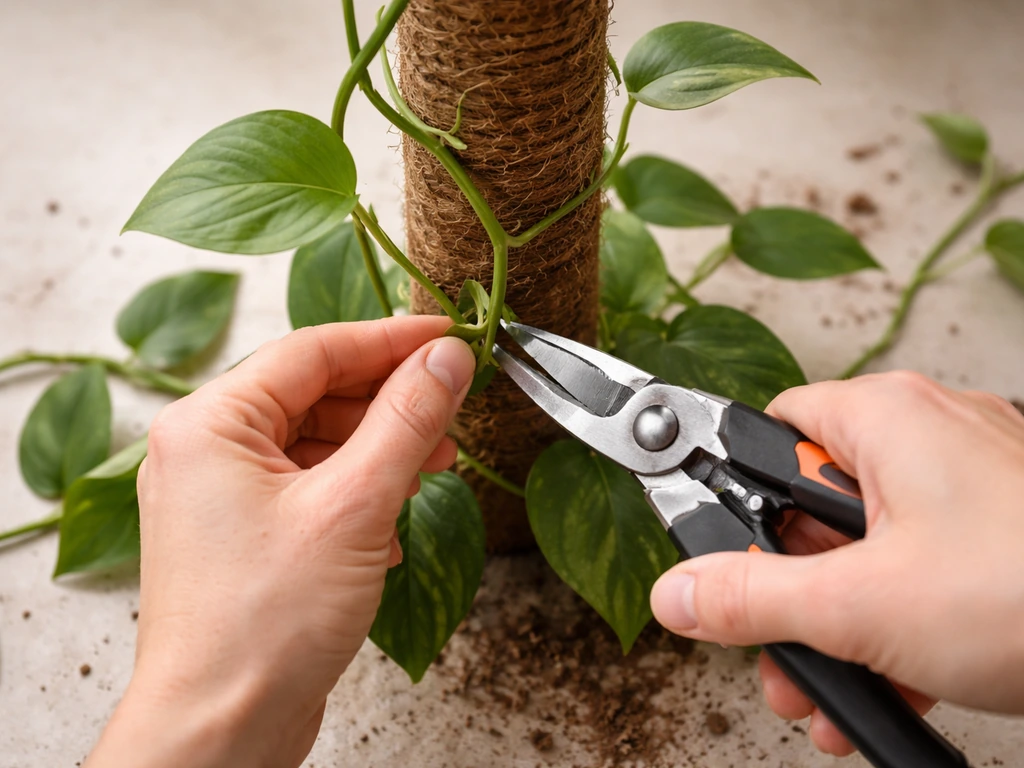
Pruning feels counterintuitive when you want a big plant, but cutting leggy stems actually triggers fuller growth. When you trim just above a leaf node (the bump or joint on the stem where a leaf attaches), the plant redirects energy into branching rather than reaching. This is especially useful in spring. If your plant looks like it's all stem and not much leaf, cut back the longest, stretchiest stems by a third and watch what happens over the following 4 to 6 weeks. The growth that comes back is almost always denser.
Training for size and shape
For vining plants like pothos or heartleaf philodendron, training the vines upward on a moss pole or trellis encourages larger leaf production. This is not just aesthetic, it actually mimics how these plants grow in nature (climbing trees) and triggers larger leaf development as the plant matures. Secure stems loosely with soft ties and guide new growth toward the support. You'll see a noticeable difference in leaf size within a few growth cycles.
Repotting at the right time
Spring is the best time to repot, right when plants are waking up and starting active seasonal growth. The signs that it's time: roots poking out of drainage holes, the plant going top-heavy and tipping over, or soil drying out suspiciously fast after watering (a sign the pot is more root than soil). Fast-growing plants like pothos and philodendrons may need annual repotting. Slower growers like ZZ plants or snake plants can often go 2 to 3 years between repottings. Don't repot in fall or winter unless there's a root rot emergency, because the plant won't have the energy reserves to recover as quickly.
Troubleshooting slow or stunted growth
- Leggy, stretched stems with small leaves: almost always a light problem. Move closer to a window or add a grow light with consistent daily hours.
- Yellowing leaves and soft, mushy stems: overwatering and possible root rot. Let the soil dry out, check roots, and cut off any black or mushy sections before repotting into fresh dry mix.
- Crispy brown leaf tips: usually salt build-up from over-fertilizing or very low humidity. Flush the soil thoroughly with plain water and increase humidity.
- No new growth for weeks: check that it's not winter dormancy, then check light levels. Also check if the plant is severely root-bound, which can stall growth.
- Pale green or washed-out leaves (when light is fine): likely a nitrogen deficiency. Start a regular balanced fertilizer routine.
- Wilting even in moist soil: root rot is likely. Unpot, inspect roots, and cut away damaged tissue before repotting.
A simple 30 to 90 day indoor growth plan
Here's how to put everything above into action starting today. This plan assumes you're beginning with a healthy plant (or one that needs a reset), and it's designed to produce visible, measurable growth within 90 days.
- Day 1 to 7 (assess and set up): Check your light with the shadow test or a free phone app that measures foot-candles. Choose a fast-growing plant matched to your light level (pothos or philodendron for medium to bright light, ZZ plant for low light). If you're adding a grow light, set it on a timer for 12 to 14 hours per day and position it so the canopy receives 100 to 300 µmol/m²/s. Check your pot: if roots are escaping drainage holes, go up one pot size (1 to 2 inches diameter) immediately using fresh well-draining mix.
- Week 2 to 4 (establish the watering and feeding rhythm): Water only when the top inch of soil is dry. Do not leave standing water in saucers. If you repotted into fresh potting mix, wait until week 3 or 4 to begin fertilizing. Start with a balanced 10-10-10 or similar fertilizer at half the recommended dose. Check temperature and humidity: if humidity is below 40%, group plants together or place a pebble tray with water beneath the pot.
- Day 30 to 60 (watch and adjust): You should see new leaves or growth tips by now on any actively growing fast plant. If you don't, the most likely culprits are insufficient light, roots still adjusting after repotting, or overwatering. Trim any leggy stems just above a leaf node to encourage bushier growth. If you have a vining plant, begin training it upward on a moss pole. Continue feeding every 2 to 3 weeks through the growing season.
- Day 60 to 90 (scale up): By now you have real data on how your plant responds to your specific conditions. If growth has been strong, consider moving the plant up to the next pot size to give roots more room. If you're running a grow light, check that the distance still gives you the right canopy intensity as the plant has grown taller. Maintain consistent watering, feeding, and light hours. Resist the urge to move the plant around, since stability is one of the most underrated factors in steady indoor plant growth.
Growing big plants indoors is genuinely achievable, and it's more about consistency than complexity. Get the light right, keep the roots healthy, feed regularly through the growing season, and give your plant a stable, warm, reasonably humid environment. Do those four things well and you will have a noticeably larger plant by the time 90 days have passed. It also helps to prevent common indoor pests by improving airflow, avoiding overwatering, and checking new plants before they join your collection. If you're also curious about keeping plants small and manageable or growing plants that thrive in very low light, the same core principles apply, just dialed to different targets. If you're wondering how to grow small plants indoors instead, the same basics apply, but you fine-tune light and pot size for compact growth. If you want more specific, step-by-step tips to grow indoor plants quickly, follow the plan in this guide and adjust based on your light and pot size.
FAQ
What if my home has bright light from a window, but my plant still stays small or leggy?
If you want big plants quickly, prioritize light intensity at the leaf, not the bulb’s wattage. As a rule of thumb, add a grow light only when your natural light fails the “sharp shadow” test, then place the light close enough to reach the canopy targets (roughly 100 to 500 µmol/m²/s for most vegetative houseplants). If you don’t measure or approximate PPFD, start by setting the light height so the plant shows no bleaching within a week, then adjust in small increments.
How can I tell whether my plant’s poor growth is from water or from light?
Beginners often try to “fix” slow growth by watering more or fertilizing harder. Instead, check whether the plant is actually getting enough light and whether the roots have oxygen. A quick diagnostic: if the top inch dries normally but growth is still poor, move the plant closer to the light or improve lighting duration. If the soil stays wet for too long, reduce watering and consider repotting into a better-draining mix with more aeration (like added perlite).
What’s the best strategy if I want “big” but I’m not sure what kind of big (height, leaf size, or fullness)?
Go by plant size type. For vining plants, “bigger” is usually leaf size and vine mass, which improves when you train growth upward and let stems reach stronger light. For figs, “bigger” usually means height plus thicker trunk and consistent new leaves, which requires steady, high light and minimal cold drafts. For monsteras, bigger typically means larger fenestrated leaves, which is light plus time and support structure.
Can I move my plant to stronger light to get it bigger faster without shocking it?
Yes, but only if you can keep conditions stable. Sudden changes are the common failure mode. When increasing light, do it gradually over 1 to 2 weeks (shorter grow-light run times first, or slightly more distance from the light, then closer). Also watch for bleaching or cupping, which usually means the canopy is getting too much too fast, then back off a few inches or reduce duration.
What’s the most practical way to increase humidity for big tropical indoor plants?
Using a humidifier is most effective when you place it near your plant group and run it consistently. Aim for 40 to 60% relative humidity for most tropical big-leaf plants. If you use a pebble tray, refill often and keep the pot above the water line so the bottom doesn’t sit in moisture. Avoid heavy misting as your main tactic, misting mainly changes the leaf surface for minutes.
How much airflow should I have if I’m trying to grow large plants indoors?
Most indoor growers overdo humidity while ignoring ventilation. If the air is stagnant, humidity and warm temperatures can encourage fungus and pests. Set airflow to “gentle and indirect,” for example a ceiling fan on low or a small fan pointed away from the leaves to circulate the room. The goal is to keep the environment from being dead still without creating cold drafts.
My plant has brown leaf tips. Could it be fertilizer salt, and what should I do?
For soil-grown plants, salt buildup can cause brown leaf tips and slow growth. A practical fix is to leach the pot occasionally: water until excess drains out the bottom, then discard runoff (do not let the pot sit in it). Do this when you’ve been fertilizing regularly and the soil seems to stay wet too long or edges start browning. Then return to your normal feeding schedule at a slightly lower dose if symptoms persist.
Can I grow big plants indoors in low light, and what trade-offs should I expect?
If your indoor light is limited, you can still grow large, but you need to accept different timelines and plant choices. Big-fast results usually require medium to bright indirect or some direct morning sun, otherwise growth will be slower and plants may look leggy. If you must use low light, choose naturally tolerant species and focus on overall health, not rapid biomass gains. Consider adding a grow light and extending duration rather than only moving the plant a few inches.
Is it harder to grow big plants in water compared to soil?
Water-grown setups (water or semi-hydroponics) can grow large, but you must use diluted liquid fertilizer regularly because there is no soil buffer. Also, don’t let roots sit dry between water changes or in an undersupplied system. If you are switching from soil to water, do it gradually by reducing soil contact over time, and watch for leaf drop during the adjustment period.
Why did my plant get worse after I moved it to a bigger pot?
Don’t jump to an oversized pot. A pot only one to two inches wider in diameter helps the roots fill it without staying wet too long. If you already put the plant in a large container and it’s struggling, the usual path is to reduce watering frequency and improve drainage, and if the mix remains wet for extended periods, repot into a slightly smaller size with fresh aerated mix.
How do I fine-tune grow light height when I’m trying to grow a bigger plant?
If you see stretched petioles, pale or bleached new growth, or leaves cupping, your light is likely at the wrong distance. Start with a quick adjustment, move the grow light slightly (a few inches), then observe for about a week before changing again. If you are using only a window, consider rotating the plant weekly so both sides get comparable light, otherwise one side can lag and the plant may look uneven.