
You can grow indoor plants almost completely bug-free by combining three things: a clean setup from the start, watering habits that don't invite pests, and a simple weekly check so you catch problems before they explode. Most indoor infestations aren't bad luck. They're the result of overwatering, skipping quarantine on new plants, or ignoring early warning signs. Fix those habits and you eliminate the conditions bugs need to thrive.
How to Grow Plants Indoors Without Bugs: Step-by-Step
Marcus Holloway
23 May 2026
Why indoor bugs happen in the first place
Bugs don't just appear out of nowhere, even though it can feel that way. They almost always arrive through one of a few predictable routes: a new plant you brought home, fresh potting soil, cut flowers, open windows, or even your own clothing after being outside. Once they're in, certain conditions let them multiply incredibly fast.
Aphids, for example, can complete a life cycle in under two weeks in warm indoor environments, meaning a handful of bugs can become hundreds before you even notice. Fungus gnats lay eggs in moist soil and go from egg to adult in about 20 days. Whiteflies develop from egg to adult in [21 to 36 days depending on temperature](https://extension. unh.
edu/resource/greenhouse-whitefly-fact-sheet). Your warm, stable home is basically a five-star resort for these insects.
The biggest risk factors come down to a short list. Overwatering is the number one driver of fungus gnats because soggy soil is exactly where they breed. Low humidity paired with dusty leaves invites spider mites, since dust actually promotes their survival and dry air lets them build up fast. Poor airflow, crowded plants, and weak or inconsistent light stress your plants and make them easier targets. Bringing in a new plant without isolating it first is how a localized problem becomes a whole-room problem. Understanding these causes means you can fix the environment, not just fight the bugs.
How to figure out exactly what bug you're dealing with
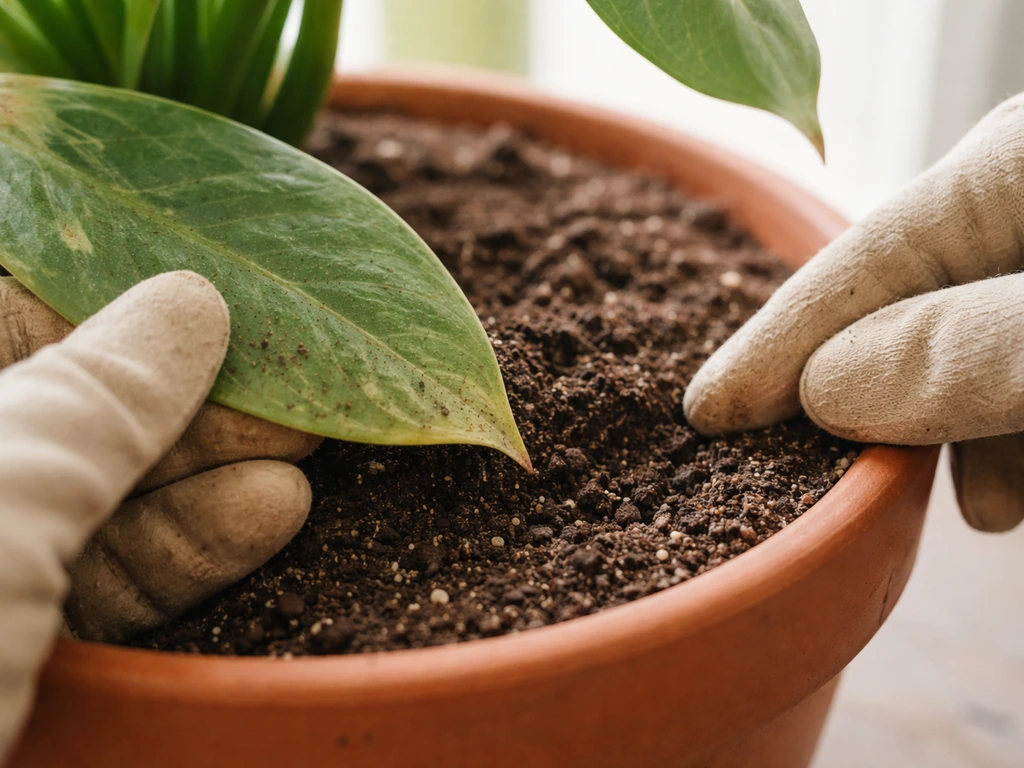
Before you treat anything, spend five minutes actually identifying what you have. Misidentifying a pest means using the wrong treatment and wasting time. Here's a quick rundown of the most common indoor plant pests and their telltale signs.
Quick pest identification guide
| Pest | Where to look | Key signs |
|---|---|---|
| Fungus gnats | Soil surface, flying near base of plant | Tiny dark flies near soil; larvae in top inch of growing media; worse after watering |
| Spider mites | Undersides of leaves | Fine webbing, stippled or mottled leaves, dusty-looking foliage, worse in dry heat |
| Aphids | New growth, stem tips, undersides | Clusters of soft pear-shaped insects, sticky honeydew residue, curled or distorted new leaves |
| Mealybugs | Stem joints, leaf axils, undersides | White cottony wax clusters, sticky residue, yellowing or wilting growth |
| Whiteflies | Undersides of leaves | Tiny white moth-like adults that swarm when you disturb the plant, yellowing leaves, sticky honeydew |
| Scale | Stems, along leaf veins | Brown, tan, or white bumpy shells stuck to stems; sticky honeydew leading to dark sooty mold |
| Thrips | Inside buds, on leaf surfaces | Tiny slivers that move fast; silvery streaks or discolored patches on leaves; deformed buds or flowers |
A hand lens or even your phone camera zoomed in will reveal most of these clearly. The undersides of leaves are where the majority of pests hide, so always flip leaves when you're checking. If you see sticky residue on leaves or nearby surfaces but can't spot the bugs themselves, suspect aphids, scale, mealybugs, or whiteflies, all of which excrete honeydew as they feed. Dark, sooty mold growing on that sticky residue is a secondary sign that scale or another honeydew producer has been present for a while.
Setting up your plants so bugs don't want to move in
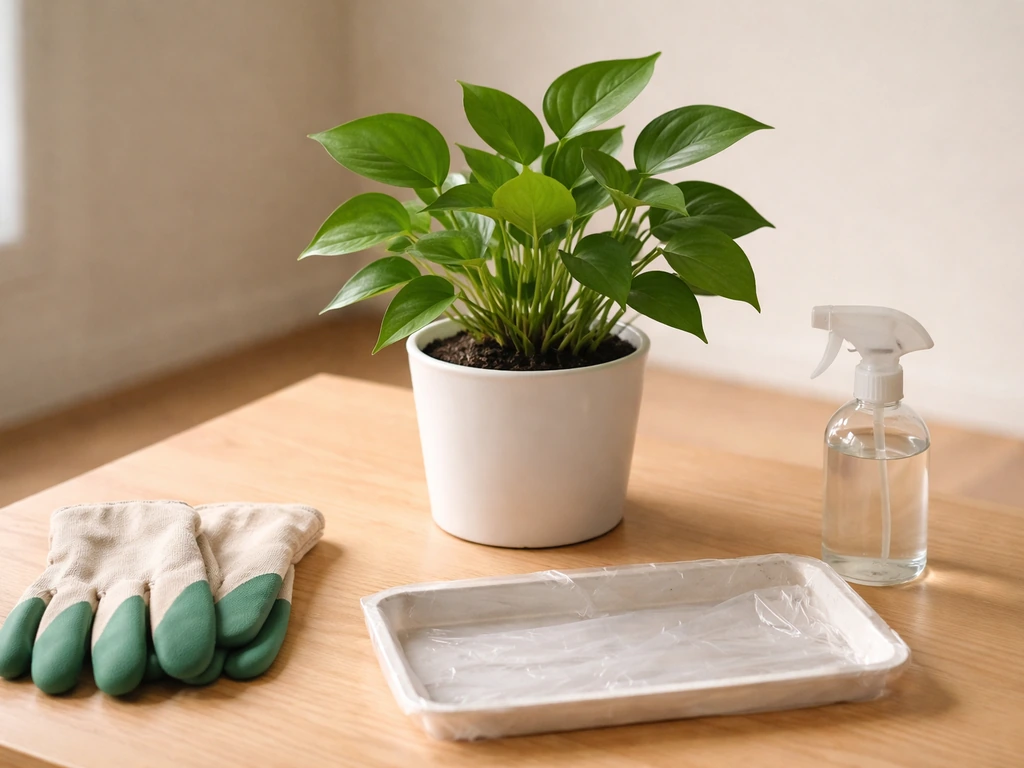
The best time to prevent bugs is before they show up. A good setup takes away the conditions pests depend on, and it also makes your plants stronger so they can tolerate minor pressure without crashing. This matters whether you're growing a single pothos on a windowsill or a whole collection of tropical plants under grow lights.
Water less, drain well
Overwatering is behind more indoor pest problems than anything else. Constantly moist soil is a fungus gnat nursery. The fix is simple: let the top inch or two of soil dry out between waterings for most houseplants, and always use pots with drainage holes. Sitting water in a saucer for more than 30 minutes is enough to keep the lower soil saturated. Empty that saucer. If you're using hydroponics or a soilless media, you sidestep the fungus gnat issue almost entirely since those larvae need organic soil particles to feed on.
Light and airflow matter more than most people think
A plant struggling in low light is a stressed plant, and stressed plants are easier targets for pests. Match your plant to your available light as closely as you can, or add a grow light if your space is dim. Airflow is equally important: stagnant, humid air creates the perfect conditions for fungal issues and certain pests. A small fan running a few hours a day, or simply not packing plants too tightly together, makes a real difference. This is especially relevant if you're working with a small apartment or limited space, where plants tend to get crowded.
Always quarantine new plants
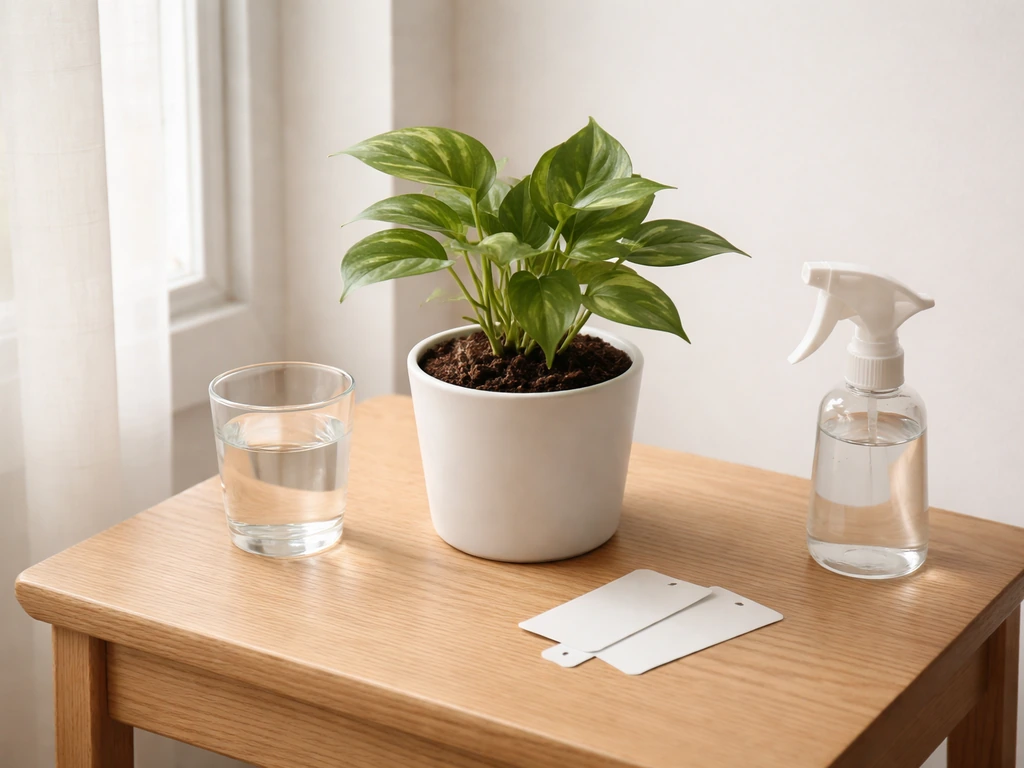
This is the single most overlooked step and the most effective prevention you can do. Any new plant, regardless of where it came from, should spend two to four weeks isolated from your other plants. Keep it in a separate room if possible, or at minimum on the opposite side of the space. Check it every few days during that period. If you spot anything, you haven't risked your whole collection. After quarantine with no signs of pests, it's safe to move it in with the others.
Choose your soil and pot carefully
Use fresh, high-quality potting mix from a sealed bag. Reusing old soil from previous infested plants is how problems carry over. Adding perlite or coarse sand to your mix improves drainage and helps the soil surface dry faster between waterings, which is inhospitable to fungus gnat eggs. Terracotta pots dry out faster than plastic or glazed ceramic, which can help if overwatering is your weakness. Whatever pot you use, make sure it has drainage.
What to do the moment you spot bugs
Speed matters here. A small infestation is easy to deal with. A large one takes weeks and repeated treatments. The second you see something, act.
- Isolate the affected plant immediately. Move it away from all your other plants to prevent spread.
- Remove heavily infested leaves, stems, or buds by hand. Put them in a sealed bag and throw them out, not in your compost bin.
- Wipe down leaves with a damp cloth to physically remove pests, eggs, and honeydew. Do both sides of every leaf.
- Check surrounding plants thoroughly, especially those that were closest to the affected one.
- Identify the pest before you reach for a treatment (use the table above if you haven't already).
- Start treatment the same day if possible, then follow up every five to seven days.
For flying pests like fungus gnats and whiteflies, place yellow sticky traps near the plant immediately. These don't eradicate the infestation, but they capture adults, slow reproduction, and help you monitor how bad the problem is and whether your treatments are working. They're one of the most useful tools you can have on hand.
Treatments that actually work for each pest
There's no single magic spray that handles every bug, so knowing which tool to reach for makes a huge difference in how fast you get results. Here's what works for each pest you're most likely to face.
Fungus gnats
The adults are annoying but mostly harmless. The larvae in your soil are what damage roots. Start by letting the soil dry out as much as your plant can tolerate, which disrupts the breeding cycle. Yellow sticky traps placed at soil level catch adults and reduce the population above ground. For the larvae, a soil drench with Bacillus thuringiensis var. israelensis (sold as Bti, often found in products like Gnat Nix or Mosquito Bits dissolved in water) is very effective and safe for indoor use. Apply it as a watering solution every week or two until the gnats are gone. Covering the soil surface with a half-inch layer of coarse sand also makes it harder for adults to lay eggs.
Spider mites
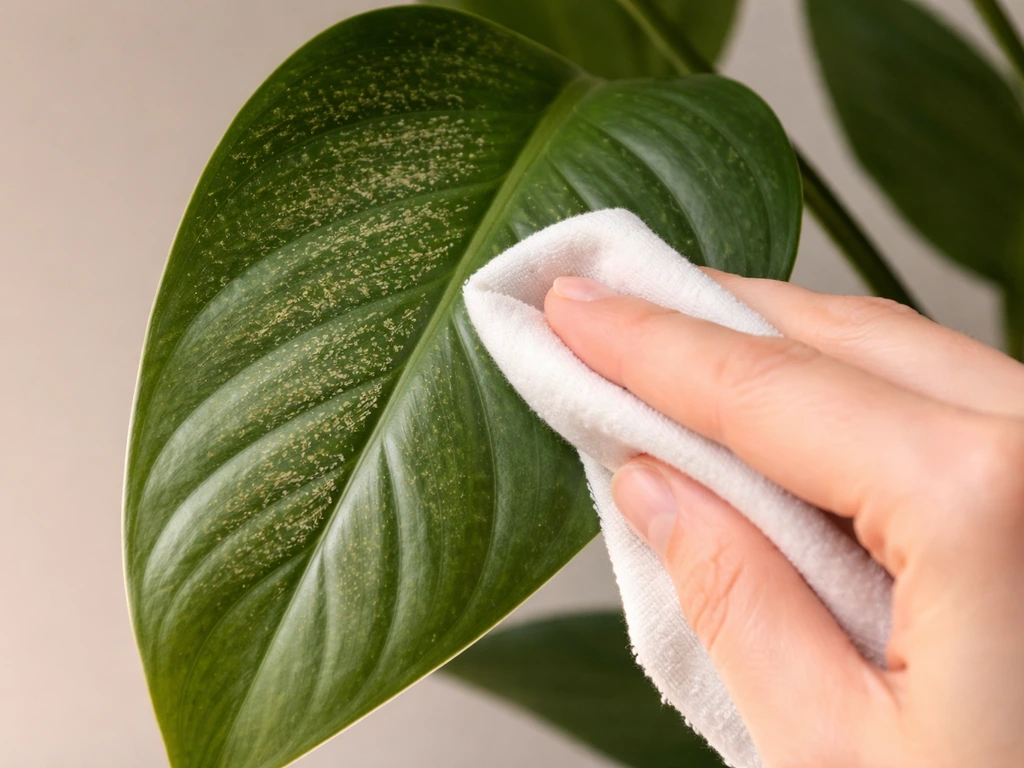
Spider mites thrive in hot, dry conditions and hate humidity and water. Start by increasing humidity around your plant and wiping down leaves with a damp cloth, paying close attention to undersides where mites live. A strong spray of water (in a shower or sink) can knock large numbers off. For treatment, insecticidal soap or neem oil applied to all leaf surfaces, including undersides, works well. Repeat every five to seven days for at least three cycles because eggs are resistant to contact sprays. Keeping leaves dust-free going forward is one of the best preventive habits since dust actually supports mite survival.
Aphids
Aphids are soft-bodied and relatively easy to kill, but they reproduce so fast in warm indoor conditions that you need to stay on top of them. Knock them off with a strong stream of water or wipe them away with a damp cloth. Insecticidal soap spray is very effective on contact. Neem oil mixed with water and a small amount of dish soap works as both a contact killer and a residual deterrent. Reapply every five to seven days. Remove any badly infested growing tips entirely since those clusters are hard to clean and will re-seed your plant.
Mealybugs
Mealybugs are trickier because their waxy coating protects them from sprays. The most reliable way to deal with individual bugs is to dab them with a cotton swab soaked in 70% isopropyl alcohol, which dissolves the wax and kills the insect on contact. For heavier infestations, insecticidal soap labeled for indoor use can work when applied thoroughly. Follow up with neem oil as a preventive coating. The key is being methodical because missing even a few bugs means they'll bounce back. Check stem joints and leaf axils where they hide most often.
Scale
Scale insects are covered by a hard shell that contact sprays can't penetrate, which is why timing matters. The crawler stage, when young scale insects are mobile and unshielded, is your best window to treat effectively. For adult scale, the most reliable removal method is physical: scrape them off with an old toothbrush or a cloth dampened with rubbing alcohol. Horticultural oil sprays can smother both crawlers and adults when applied thoroughly. If you see sooty mold on your plant's leaves or stems, that's a sign scale has been there long enough to produce significant honeydew, and you should wipe that off too so you can see new activity clearly.
Whiteflies
Whiteflies are persistent. Adults will fly away when you approach the plant, making them hard to treat directly. Yellow sticky traps catch a lot of adults. For the immature stages (nymphs) stuck on leaf undersides, insecticidal soap or neem oil applied directly to leaf undersides is effective on contact. The challenge is the life cycle: eggs on leaf undersides aren't killed by contact sprays, so you need to repeat treatment every five to seven days for at least a month to break the cycle across all stages.
Thrips
Thrips are tiny and fast, so they're easy to miss until leaf damage appears as silvery streaks or deformed buds. Yellow and blue sticky cards both work for monitoring. Remove damaged or infested buds and flowers immediately. Insecticidal soap and neem oil are effective on nymphs and adults but won't reach eggs laid inside plant tissue, so consistent repeat applications every five to seven days are essential. Thrips often arrive on plants that spend time outdoors in warm months, so be especially vigilant when bringing plants back inside.
A note on neem oil and insecticidal soap indoors
Both neem oil and insecticidal soap are among the safest options for indoor use, but a few application rules make them work much better. Always spray in the evening or when the plant is not in direct sun to avoid burning leaves. Test any new product on one or two leaves and wait 24 hours before treating the whole plant. Coat all surfaces thoroughly, especially leaf undersides.
Don't apply to water-stressed plants. Neem oil has a strong smell that fades within a day or two, which is worth knowing if you're treating plants in a living space. Both are low-toxicity to people and pets once dry, but keep kids and animals away from treated plants until the spray has dried completely.
Keeping bugs from coming back
Getting rid of a pest is only half the job. Building a simple ongoing routine is what keeps your plants clean long-term. The good news is this doesn't take much time once it's a habit.
- Do a weekly visual check on all your plants. Flip a few leaves, look at stem joints, and scan the soil surface. This takes two minutes per plant and catches problems early when they're easy to fix.
- Keep one or two yellow sticky traps near your plants permanently as monitors. Check them weekly. A sudden spike in caught insects tells you something is building before you can see it on the plant itself.
- Wipe down leaves with a damp cloth every two to four weeks. This removes dust (which supports spider mites), cleans off residue, and gives you a close look at leaf surfaces.
- Water on a consistent schedule based on actual soil dryness, not a fixed calendar. Stick your finger an inch into the soil and water only when it's dry at that depth for most tropical houseplants.
- When you repot, always use fresh potting mix. Never reuse soil from a plant that had a pest problem.
- Keep newly purchased plants quarantined for two to four weeks, every single time, without exception.
- Rotate plants occasionally so you can see all sides and so no one side always faces away from you and gets ignored during checks.
Seasonal awareness helps too. In winter when heating systems run constantly, indoor air gets very dry and spider mite pressure goes up. Consider a small humidifier near your plant collection, or at least mist leaves periodically. In spring and summer when windows are open more often, flying pests like whiteflies and fungus gnats are more likely to enter. Those are the times to be most vigilant about new arrivals and to make sure sticky traps are fresh and in place.
When the bugs won't quit: troubleshooting persistent problems
Sometimes you treat, and the bugs come back. That's frustrating, but it usually means one of a few things is happening, and each has a fix.
Pests keep appearing after repotting
If you repotted and then got pests, the new soil may have introduced fungus gnat eggs, or the stress of repotting weakened the plant and made it more attractive. Always buy potting mix from sealed bags and inspect it before use. After repotting, hold off on heavy watering and let the top layer of soil dry out before the next water to discourage gnats from laying eggs.
Gnats won't go away despite treatment
Persistent fungus gnats almost always mean the soil is staying too wet. The larvae need moist conditions to survive, so if you can't dry the soil out enough between waterings, try a Bti soil drench and add a layer of coarse sand or fine gravel on top of the soil to block adult egg-laying. Bottom watering (watering by setting the pot in water and letting it absorb from the drainage hole) can also help keep the top layer of soil drier.
Mites return after treatment
Spider mites are notorious for bouncing back because eggs in protected leaf crevices survive contact sprays. If they keep returning, make sure you're applying treatment every five to seven days consistently for at least three to four applications. Also address the underlying conditions: dry air and dusty leaves. Increase humidity, clean leaves more frequently, and consider whether your plant is near a heat vent that's drying it out.
Heavy infestation that isn't responding to eco-friendly treatments
If you've done multiple rounds of neem oil or insecticidal soap and the pest population isn't dropping, it's worth considering whether the plant is too far gone. Sometimes a badly infested plant is doing more harm than good by continuously re-infesting your other plants. If that's the case, cutting your losses and discarding the plant is the right call. It's a hard decision, but it protects everything else you've worked on. If you want to escalate before that point, look for products containing spinosad, which is effective on thrips, whiteflies, and several other pests and is still considered low-risk for indoor use. Always read the label for indoor application guidance and safety requirements.
Safety reminders for indoor pest treatment
Even low-toxicity products deserve care when used indoors. Apply sprays in a well-ventilated area or take the plant to a bathroom, shower area, or outside if weather allows. Keep pets and children away from treated plants until the spray dries completely, which usually takes 30 to 60 minutes. Never spray in a closed room with no airflow. Store any pesticide product, including neem oil concentrate, out of reach of children. And always treat once, wait five to seven days to evaluate, and repeat only as needed rather than over-applying on a tighter schedule, which can stress your plants.
Growing plants indoors without bugs is genuinely achievable. Most of the work is in the setup and the habits, not in aggressive chemical treatments. Get your watering right, quarantine new plants, do your weekly checks, and respond fast when you spot something. If you want even more practical guidance, use these tips to grow indoor plants successfully from the start. That routine handles 90% of what you'll ever face. The other 10% is just knowing which tool to reach for, and now you do. If you want a smoother start, use these same prevention ideas as part of how to grow office plants without dealing with pests.
FAQ
How can I prevent bugs if I tend to water on a schedule, even when the soil is still damp?
Switch from a calendar schedule to a “soil test” habit. Before watering, check the top 1 to 2 inches with a finger (or a moisture meter). Water only when that layer is dry. This removes the consistently moist conditions that fungus gnats and many other indoor pests rely on.
Is quarantining new plants enough, or should I isolate them differently based on pest risk?
Quarantine is most effective when the new plant is physically separated from your main collection, not just “kept in another corner.” For higher-risk arrivals (plants that came from outdoor exposure, flea markets, or sales bins), isolate in a separate room if possible and inspect daily for the first week, then every few days thereafter.
Can I stop pests from spreading without immediately treating the whole room?
Yes. Move the suspected plant away from others right when you notice symptoms, then treat only that plant (and any plants with visible transfer signs). This reduces cross-contamination from pests that hitchhike on leaves, watering cans, or air movement.
What’s the safest way to clean leaves so I don’t make the problem worse?
Use a damp cloth to wipe leaves gently, focusing on undersides and leaf axils. Avoid scrubbing so hard you damage tissue, because damaged areas can attract secondary issues. If you’re planning to spray, wipe first, let the plant dry, and then treat so residue and dust do not interfere with contact products.
Do yellow sticky traps attract pests into my home?
They attract and capture flying adults (like fungus gnats and whiteflies), but they do not “summon” new infestations in the way food lures might. Place them near, not across, plant groups so they serve as monitors and catchers, and replace them as they get crowded with insects.
How do I tell if the problem is actually insects, or something like fungus on leaves?
Look for activity patterns. Insects usually leave consistent signs such as sticky residue, silvery streaks, distorted new growth, or visible bodies under leaves. Leaf spots that expand without sticky honeydew, without pests on undersides, and without changing quickly after wiping are more consistent with non-insect causes, and you should adjust your approach before spraying.
What should I do if I keep overwatering despite trying the “top inch dry” rule?
Adjust both the pot and the soil drainage. Use pots with drainage holes, avoid letting water sit in saucers more than briefly, and consider mixing in more perlite or coarse amendment to speed top-layer drying. Also consider switching to terracotta for moisture-prone plants because it naturally helps dry the medium faster.
Can I bottom-water to solve fungus gnat issues, and does it work for all plants?
Bottom-watering helps keep the top layer drier, which reduces where fungus gnat adults want to lay eggs. It works best when the plant can tolerate absorbing moisture from the drainage holes. If a plant depends on consistently even moisture (like many seedlings), you may need extra monitoring to prevent the medium from staying too wet deeper down.
Should I discard potting mix that came from the same bag as an infested plant?
If you used the same bag for multiple plants, assume it could be contaminated. Batches of soil can contain eggs or larvae, so it’s safer to repot at least the affected plant into fresh sealed mix and avoid reusing soil that was associated with a known infestation.
How often should I repeat treatments like neem oil or insecticidal soap to avoid missing hidden eggs?
Follow a repeat interval that matches pest life cycles. For many contact-spray pests covered in your article, reapply every 5 to 7 days for multiple cycles (often at least three for spider mites, and around a month for whiteflies and thrips) to catch newly hatched or exposed stages. Consistency matters more than adding extra days too tightly.
What’s the best way to spray indoors without risking leaf burn or indoor air issues?
Spray when the plant is not in direct sun (evening is ideal), and apply only after a quick spot test on a couple of leaves. Use good ventilation, keep pets and kids away until the spray is fully dry, and avoid treating in a closed room with no airflow.
If my pest problem keeps coming back, how do I decide whether it’s time to stop trying and discard the plant?
Use a “persistence plus spread” rule. If you’ve done several properly timed rounds, you’ve corrected the underlying conditions (light, humidity, airflow, watering), and the plant keeps reintroducing pests to others, it’s often safer to remove it. This prevents repeated re-infestation that can outlast your treatment schedule.