Growing a 10 pound plant is absolutely doable, but before you do anything else, you need to nail down what "10 pounds" actually means for your setup. That number sounds simple, but it means three different things depending on who's asking, and chasing the wrong definition will waste a whole growing season.
How to Grow 10 Pound Plants: Setup, Feeding, and Training
Marcus Holloway
15 Apr 2026
What does a "10 pound plant" actually mean?
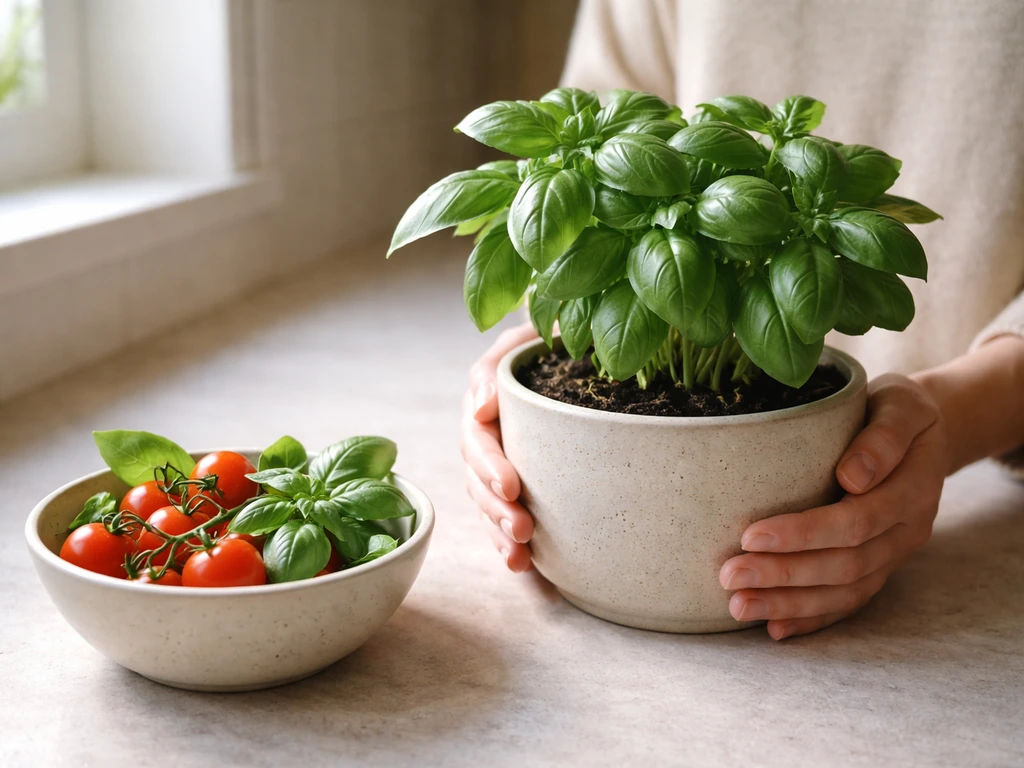
When most people search this, they mean one of three things: (1) a single plant whose total above-ground biomass weighs around 10 lb, (2) a single plant that produces roughly 10 lb of harvestable fruit or vegetables over a season, or (3) a large potted plant that feels impressively heavy when you pick up the container. These are very different targets. A tomato plant producing 10 to 15 pounds of fruit per season is a well-documented home-garden benchmark, so if fruit yield is your goal, you're in familiar territory. If you want a plant whose actual living tissue (leaves, stems, branches) weighs 10 lb, that's a much bigger structural challenge. And if you just want a large, lush plant that fills a space, weight matters less than canopy size.
Scientists measure plant biomass two ways: fresh weight (measured right after harvest, when water content is high) and dry weight (after drying to a constant weight, which removes water variability). For your purposes, fresh weight is the practical number to track, because that's what you can measure in your kitchen. Just know that a "10 lb fresh" plant might only be 1 to 2 lb dry, since plants are mostly water. When you're tracking progress, weigh the harvested material or the trimmed plant immediately after cutting, before it has any chance to dry out.
Pick the right plant and set honest expectations
Not every plant can hit 10 lb, and choosing the wrong species is the number one reason growers miss this target. For fruit yield, indeterminate tomato varieties are your best friend. A well-maintained indeterminate tomato in good conditions can produce 10 to 15 pounds of fruit per plant over a full season. Varieties like Beefsteak, Big Boy, Mortgage Lifter, and most heirloom slicers are built for heavy production. If you want sheer above-ground biomass rather than fruit weight, fast-growing vining plants, large brassicas like kale or collards, or vigorous cucumbers in a trellised system can get you to impressive size and weight. Hydroponic cucumbers in particular are remarkably productive when trellised, with yield heavily dependent on management quality.
Realistic timelines matter here. A tomato producing 10 lb of fruit needs a full growing season: roughly 60 to 90 days to first fruit after transplant, then 4 to 8 more weeks of continuous harvest. A large kale plant hitting 8 to 10 lb of biomass needs at least 90 to 120 days of optimal growth. If you're working with limited space, consider climbing or vining plants. Growing creeper plants vertically lets you pack a huge amount of biomass into a small footprint by using wall or trellis space instead of floor area, which is genuinely one of the most underrated strategies for small-space growers chasing big plant weight.
One honest note: if you're growing something truly unusual, like a carnivorous plant, you should know upfront that these species are specialized for nutrient-poor environments and are not designed for rapid mass accumulation. They're fascinating to grow, but a 10 lb carnivorous plant would be a multi-year project under near-perfect conditions. Match your ambition to your species.
Light and location: the real engine behind big growth
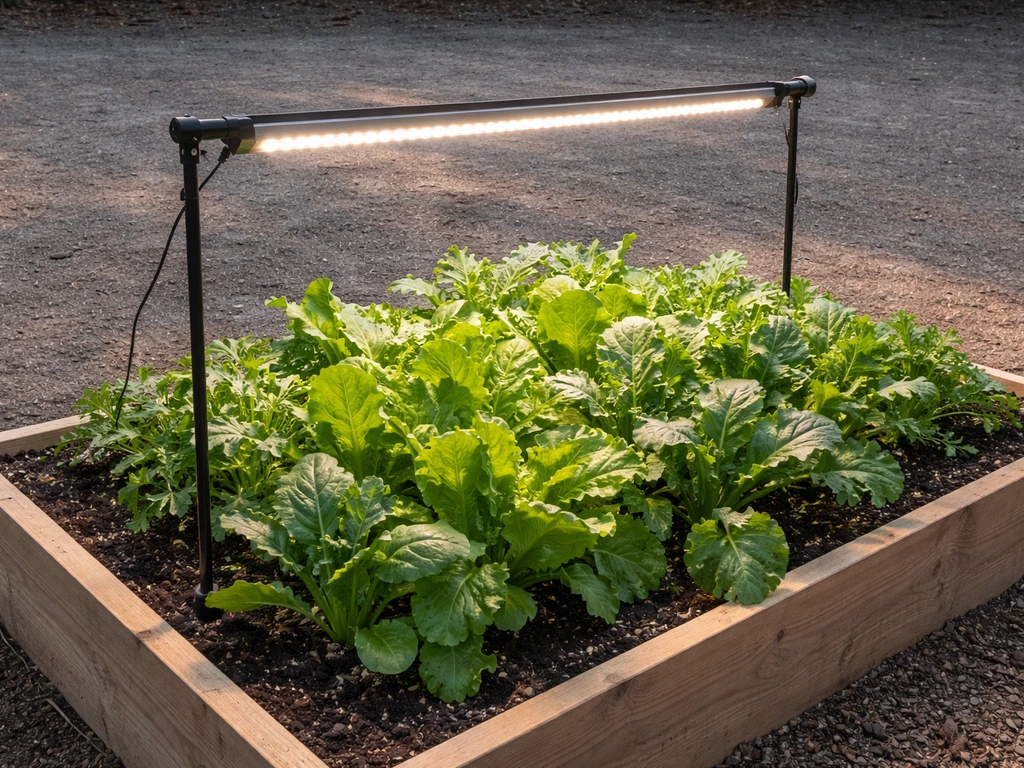
Light is the single biggest lever you have for driving plant mass. Plants build biomass from light energy through photosynthesis, so more usable light almost always equals more growth, up to the point of stress. The metric that matters most for serious growers is Daily Light Integral (DLI), which measures the total amount of photosynthetically active light a plant receives in a full day. The formula is: DLI (mol/m²/day) = 0.0036 × PPFD (µmol/m²/s) × hours of light per day. For context, a high-production tomato wants a DLI of around 20 to 30 mol/m²/day. A south-facing outdoor garden in summer can hit that naturally.
For outdoor growers, placement is everything. Growing plants outside gives you free, high-quality sunlight that even the best grow lights can't fully replicate in terms of spectrum and intensity, and it's the most cost-effective way to hit the light levels a 10 lb plant needs. Put your plant in the sunniest spot in your yard or on your roof, ideally with 8 or more hours of direct sun per day.
For indoor growers, invest in a quality LED grow light rated for the canopy area you're working with. A single large indeterminate tomato needs at least a 4x4 ft coverage area and a light capable of delivering 600 to 1000 µmol/m²/s of PPFD at canopy height. Run it 16 to 18 hours per day during vegetative growth, then dial back to 12 to 14 hours if you're pushing flowering/fruiting crops. Cheap lights that list watts but don't provide PPFD data are almost always underpowered for this goal. Look for quantum board LEDs from reputable brands and verify the PPFD map at your intended hanging height.
Soil, media, and container size for serious biomass
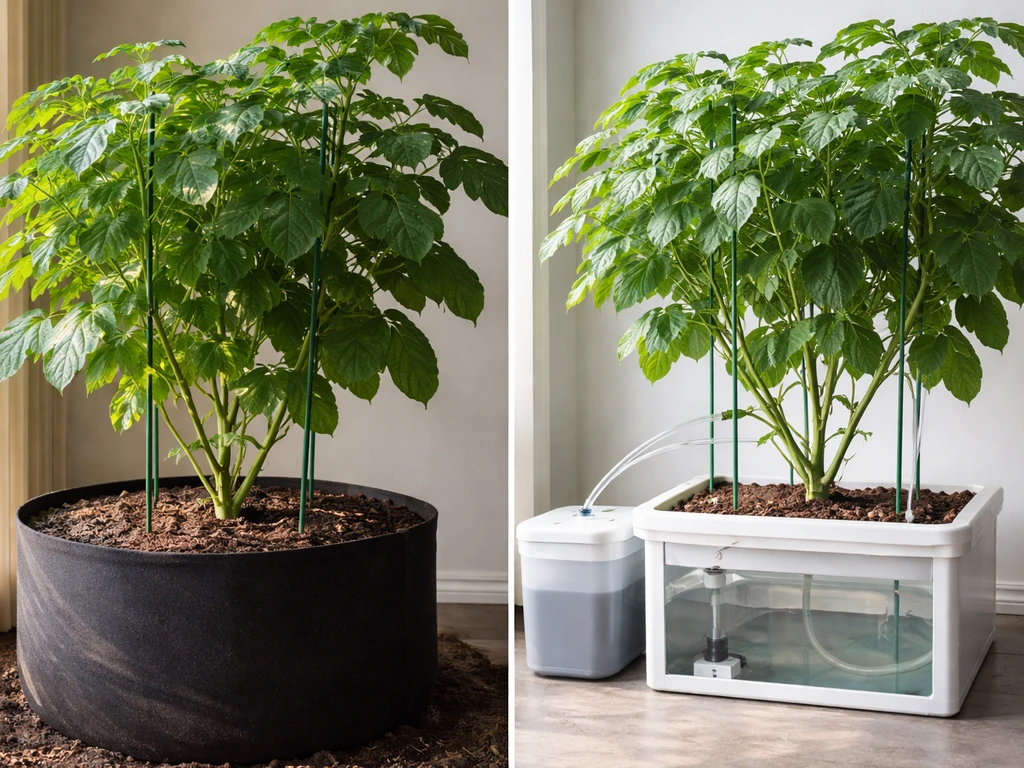
The container is often the first thing that stops big plant growth. Roots need room to expand, and once they hit the container wall and start circling, growth stalls. For a 10 lb tomato plant or large vining crop in soil, start in nothing smaller than a 15 to 20 gallon container. A 25 to 30 gallon fabric pot is better, because fabric pots air-prune roots naturally, which prevents the circling problem and promotes a dense, healthy root ball. Auburn University research on root-pruning container designs discusses how these container effects influence growth and root behavior, including reducing circling roots fabric pots air-prune roots naturally, which prevents the circling problem. The rule of thumb: if the plant seems to be growing slowly despite good light and feeding, the container is usually too small.
For soil mixes, aim for a well-draining, aerated blend. A good starting point is 60% high-quality potting mix (not garden soil, which compacts), 20% perlite for drainage, and 20% compost or worm castings for slow-release nutrition. This gives you structure, drainage, and fertility without waterlogging roots. For hydroponic systems, inert media like expanded clay, coco coir, perlite, or rockwool are your growing matrix. With inert media, the root-zone pH and EC will closely mirror whatever is in your nutrient solution, which means your solution management is everything. There's no soil buffering to save you from mistakes.
Hydroponics can genuinely outpace soil for growth speed because nutrients go directly to the roots without the plant expending energy to break down organic matter. Deep water culture (DWC), nutrient film technique (NFT), and dutch bucket systems are all viable for large vining crops. If you're new to hydro and curious about the full range of techniques available, exploring different growing systems is worthwhile before committing, since each has different maintenance demands.
Feeding and watering: building mass without burning the plant
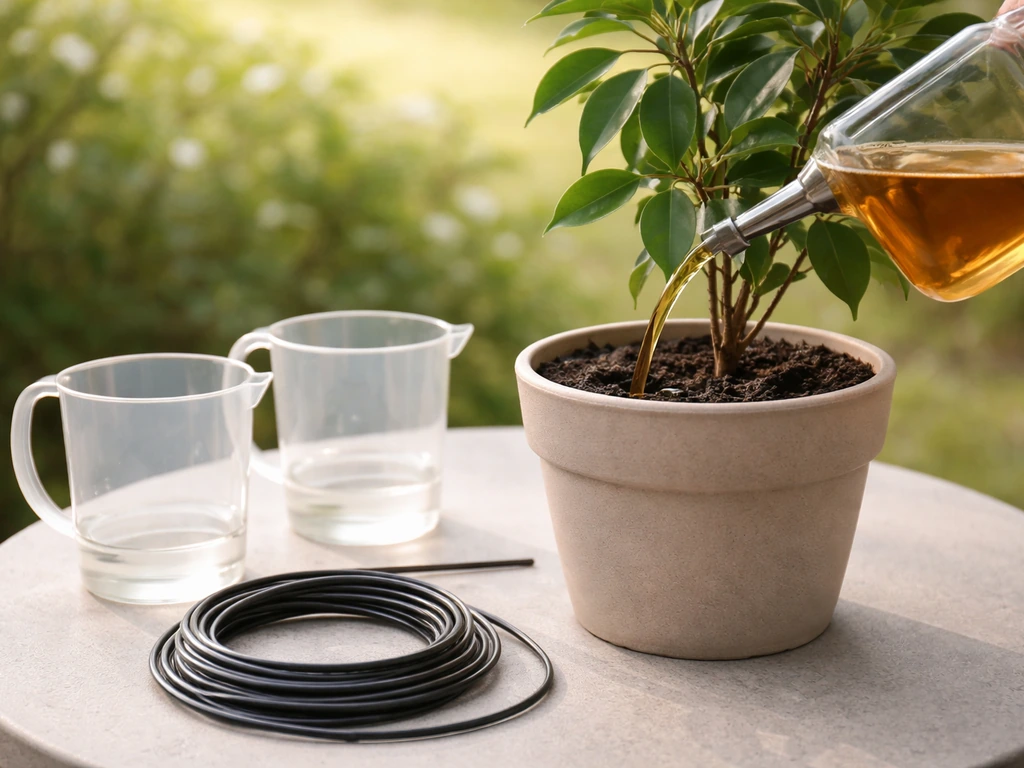
Plants building toward 10 lb need consistent, well-timed nutrition. Think of feeding in three phases: early vegetative growth (weeks 1 to 4 after transplant), mid-season heavy growth (weeks 5 through peak size), and fruiting/finishing (if you're chasing fruit weight). Each phase has a different nutrient priority.
| Growth Phase | Nitrogen (N) | Phosphorus (P) | Potassium (K) | Notes |
|---|---|---|---|---|
| Early Vegetative | High | Medium | Medium | Drives stem and leaf mass; use a balanced or N-heavy formula like 3-1-2 ratio |
| Mid-Season / Heavy Growth | Medium-High | Medium | Medium-High | Sustain canopy while building structure; watch for deficiency signs |
| Fruiting / Finishing | Low-Medium | Medium-High | High | Shift focus to fruit fill and quality; reduce N to avoid excessive leafy growth |
For soil growers, water when the top inch or two of media dries out, and never let the pot sit in standing water. Inconsistent moisture is one of the main causes of blossom end rot in tomatoes, a calcium-related disorder that shows up as dark, sunken patches on the bottom of developing fruit. On Reddit in r/vegetablegardening, people describe blossom-end rot as being linked to erratic watering and calcium deficiency in the fruit inconsistent moisture is one of the main causes of blossom end rot in tomatoes. The catch is that symptoms appear about two weeks after the calcium deficiency actually occurred, so by the time you see the damage, you've already been underwatering or overfeeding nitrogen for a couple of weeks. The fix is consistent moisture and avoiding excessive nitrogen that drives so much rapid vegetative growth that calcium can't keep up with demand.
For hydroponic growers, EC (electrical conductivity) and pH management are non-negotiable. Hydroponics lacks the natural buffering that soil provides, so you're in full control of the root environment at all times. Target an EC between 1.5 and 3.0 dS/m for most fruiting crops and large vining plants, with pH held between 5.5 and 6.5. Lettuce and leafy crops want a lower EC (around 1.2 to 1.8 mS/cm) and can tolerate slightly higher pH (up to 7.0), while fruiting crops like tomatoes and cucumbers prefer pH in the 5.8 to 6.3 range. Check EC and pH daily when plants are in peak growth, and top up your reservoir with pH-adjusted water between full reservoir changes. An EC meter is one of the few pieces of equipment I'd call non-optional for hydro. Without it, you're essentially flying blind.
Training and pruning: teach the plant to grow big
Left to their own devices, most plants don't naturally optimize for maximum biomass. Training and pruning redirect the plant's energy where you want it. For indeterminate tomatoes, the most proven technique is single or double-stem training combined with sucker removal. Suckers are the shoots that emerge from the V-shaped junction between the main stem and a branch. If you let every sucker grow, the plant becomes a tangled bush with lots of small fruits instead of a focused, productive machine. Removing suckers keeps energy directed toward the main stem(s) and your target fruit load, and it opens up the canopy for better airflow, which directly reduces disease pressure.
For vining crops like cucumbers or beans targeting maximum yield weight, trellising vertically is essential. Train the main vine up a string or wire support, remove lateral shoots that crowd the canopy, and pinch the growing tip once the vine reaches the top of your support structure to redirect energy into fruit production. For large leafy crops like kale or collards going for total biomass weight, resist the urge to harvest too early. Let the plant develop its full canopy before taking leaves, and always harvest from the bottom up so the upper, actively growing leaves can keep pushing new growth.
Support structures matter more than most beginners expect. A plant approaching 10 lb of fruit is carrying significant weight, and without a sturdy cage, stake, or trellis, stems snap and branches break, losing you weeks of growth in seconds. Use heavy-gauge tomato cages, wooden stakes (at least 6 ft for tall indeterminate varieties), or a string trellis system. Tie loosely with soft plant ties or strips of old t-shirt fabric to avoid stem constriction.
Troubleshooting: what stops plants from hitting 10 lb
Most failed attempts at big plant growth come down to a short list of problems. Here's how to recognize and fix the most common ones quickly.
- Yellowing lower leaves: usually nitrogen deficiency in soil or an EC that's too low in hydroponics. In soil, side-dress with a balanced fertilizer or add a liquid nitrogen source. In hydro, check your EC and top up with fresh nutrient solution.
- Brown leaf edges and tip burn: often potassium deficiency, or high salt buildup from over-fertilizing in soil. Flush soil with plain water, then resume feeding at half strength. In hydro, check EC (may be too high) and do a full reservoir change.
- Wilting despite wet soil: almost always a root health issue. Roots sitting in waterlogged soil develop rot, and a rotting root system can't move water into the plant even when plenty is available. Improve drainage immediately and let the media dry out partially before watering again.
- Powdery white coating on leaves: powdery mildew, a fungal disease that thrives in humid, poorly ventilated spaces. Remove affected leaves, improve airflow, and treat with diluted neem oil or a potassium bicarbonate spray. Catch it early because it spreads fast.
- Pest damage (holes, stippling, sticky residue): aphids, spider mites, and whiteflies are the most common culprits on large, lush plants. Use an Integrated Pest Management (IPM) approach: start with the least aggressive option (a strong water spray to knock off aphids, or insecticidal soap for mites), escalate to horticultural oil only if needed, and monitor weekly so populations don't explode.
- Stunted growth despite good light and feeding: check the container size first. Rootbound plants stall. If the roots are circling or coming out the drainage holes, upsize the container immediately.
A note on unusual growing setups: if you're experimenting with aquatic, bog, or terrarium environments, the rules above shift considerably. Insectivorous plants, for example, have evolved specifically for nutrient-poor, wet conditions and will actually suffer if you feed them the nitrogen-heavy solutions that push biomass in tomatoes or cucumbers. Matching your troubleshooting approach to the specific biology of your plant is always the first step. Similarly, insect eating plants are sometimes grouped with standard houseplants by beginners, leading to fertilizer burn that's almost always fatal. If that's the direction you're exploring, treat them as a separate category entirely.
How to track progress and know when you've hit 10 lb
Measuring progress sounds straightforward, but there are a few details that make the difference between useful data and noise. For fruit-producing plants, keep a running harvest log. Every time you pick fruit, weigh it and add the number to a running total for that plant. A kitchen scale accurate to 0.1 oz is enough. At the end of the season, your total cumulative harvest weight is your number. For total plant biomass (the whole above-ground plant), you'd harvest or cut the plant at the base, weigh all the material immediately (that's your fresh weight), and optionally dry it completely to get a dry weight. For a living plant you want to keep growing, you can weigh large harvested leaves or pruned branches over time to estimate accumulation.
Intermediate progress markers help you stay on track without waiting until season end. Measure plant height weekly, count active fruiting sites or branch nodes, and note leaf color and vigor. A healthy large tomato in peak season should be adding 4 to 8 inches of height per week under good light and feeding. Slowing growth before the plant has hit its target size is a signal to check light levels, root space, and nutrient availability in that order.
Harvest timing for fruit crops: don't rush it. Tomatoes harvested before full color development are lighter than they would be at peak ripeness, because fruit continues filling out and adding weight as it matures. For biomass crops like kale, maximum fresh weight is reached just before the plant begins to bolt (send up a flowering stalk), at which point leaves become bitter and the plant redirects energy away from leaf production. Watch for the central growing tip starting to elongate rapidly as a sign that bolting is imminent, and plan your final harvest accordingly.
If you track these numbers honestly across one full season, you'll know exactly where you lost weight (too small a container in month two, a mite infestation in month three, not enough light in the final push) and you can fix each bottleneck the next time. That's really the whole game: grow once, measure carefully, improve specifically. Most growers who hit 10 lb plants do it on the second or third attempt, not the first, and that's completely normal.
FAQ
Do I need to measure 10 pounds as dry weight or fresh weight to hit the goal?
If you are aiming for 10 lb of fruit, you should weigh harvested fruit cumulatively across the season, not measure a single “at-one-time” pull. For plant biomass, 10 lb is usually only possible in fresh weight because water drives most of the mass, so decide up front whether you are tracking fresh or dry weight and use the same method every time.
Can I compare my results from different seasons if I dry the plant differently each time?
Yes, but only if your “10 lb” definition matches what you are producing. A 10 lb fresh tomato plant often corresponds to a much smaller dry matter number, and drying methods can vary your result. If you dry for comparison, dry to constant weight using the same temperature and time range each run.
My plant is green and growing, but it is not reaching 10 pounds. What should I troubleshoot first?
Start by checking three bottlenecks in order: light, root space, then nitrogen overshoot. If growth is slow but foliage is dark green and lush, you may be pushing too much nitrogen, which can delay or reduce fruiting and indirectly limit calcium-related performance. If foliage is pale, the first suspect is insufficient PPFD or too short a photoperiod.
How do I know my grow light is strong enough, not just my watts? (Indoors)
A common mistake is underestimating canopy coverage. If your tomatoes are not receiving uniform light across most leaves, they can stall in mid-season even if the light is powerful. Use a PPFD map or, practically, position the light so the entire plant canopy falls within the recommended coverage area.
Can too much light or too long of a photoperiod prevent reaching a 10 lb goal?
Do not run full-intensity schedules all the time if heat is building. Check leaf temperature and look for wilting during the light period, because excessive canopy heat can reduce fruit set and growth speed. If you see stress, shorten the photoperiod by 1 to 2 hours or raise the light slightly to bring PPFD down to a safer zone.
What watering pattern best supports big fruit weight targets?
In soil, sudden swings in watering can lead to blossom end rot and uneven fruit fill. A practical approach is to water deeply when the top inch dries, then confirm that water drains freely and does not pool. If the pot stays wet longer than expected, you likely need a better-draining mix or larger pot to avoid waterlogging.
How often should I calibrate my EC and pH equipment for big growth goals?
Hydroponic meters can drift, so calibrate EC and pH sensors on schedule and before critical runs. Also, verify temperature effects by using a meter that compensates or by keeping nutrient solution temperature in a stable range, because EC readings can change with water temperature.
My hydro EC and pH are bouncing. How do I respond without making it worse?
Measure and record EC and pH trends, not just single readings. If EC rises quickly, you may have too little water uptake or evaporation losses, and if EC drops rapidly, nutrients may be too weak or you may have root issues. The “fix” is not always adding fertilizer, sometimes it is correcting reservoir pH, replacing solution, or checking media and root health.
Can I hit 10 lb goals in hydroponics, and which system is least likely to fail early?
Yes, but match the system to the crop’s growth pattern. DWC can support vigorous growth, but it is more sensitive to oxygen and root hygiene, while NFT can be less forgiving if the root zone dries or if flow interruptions happen. For very large vining plants, ensure your net pot count and plumbing scale enough so every plant has stable nutrition access.
How aggressively should I prune suckers for maximum biomass or fruit weight?
For indeterminate tomatoes, start pruning early enough that suckers never grow into major competitors. A practical rule is to remove new suckers frequently rather than doing big “catch-up” prunings that shock the plant. Also, keep ties gentle and adjust as stems thicken to prevent constriction.
What is the biggest mistake with trellising and pruning for vining crops targeting heavy yield?
Avoid pinching or removing too much leaf area at once, because the plant needs leaf surface to feed fruit filling. For trellised vines, remove laterals only to maintain airflow and light penetration, then stop when canopy coverage is still substantial. The goal is a focused canopy, not a stripped canopy.
If I provide perfect light and feeding, why might my yield still stall indoors?
Crops can reach 10 lb only if they can keep flowering and setting fruit. Pollination issues are a common hidden limiter indoors, so use gentle airflow, brush flowers, or use a consistent method for assisting pollination. Outdoors, wind and insects usually handle this, but containers and enclosed spaces can reduce pollination reliability.
What progress metrics tell me I am on track before it is too late?
Track cumulative harvest for fruit, and track growth rate indicators like height increments and fruiting node count for non-final decisions. If your height gain slows before you ever reach the target canopy size, do not wait for symptoms like blossom end rot to troubleshoot. Fix light distribution, root capacity, and nutrient balance in that order.
When should I harvest leafy plants if my goal is maximum fresh weight near 10 pounds?
Yes, especially for biomass crops. The moment you see bolting behavior in kale or collards, maximum fresh weight is closing, and leaf bitterness increases as the plant shifts energy away from leaf expansion. Plan a final harvest window that starts just before rapid central tip elongation.
Do fabric pots help you reach 10 lb, or do they increase the risk of stress?
Start with realistic container scaling, but also account for root oxygen. Fabric pots air-prune, but they dry faster, so you may need more consistent watering or a slightly larger pot to avoid drought stress mid-season. If you see drooping between waterings, increase container size or adjust your watering frequency rather than adding fertilizer.
What if my plant is not a tomato, cucumber, kale, or similar “standard” crop and I still want a 10 lb target?
If you are growing something like an aquatic or nutrient-poor specialized plant, the 10 lb target can be misleading because these species do not follow the same biomass-building rules. In those cases, focus on matching their evolved environment requirements first, then use a smaller, biologically appropriate “success metric” such as healthy new growth rather than a strict weight milestone.
How can I measure total biomass accumulation while keeping the plant alive and still get useful comparisons?
If you can, measure the plant’s mass at consistent intervals using the same method (whole cut at base for end-of-season biomass, leaf-by-leaf weighing for a still-growing estimate). Weighing at different times or after trimming different amounts of plant tissue can create misleading comparisons. Consistency matters more than perfect accuracy.