
Creeper plants are some of the most rewarding things you can grow at home, whether you want lush trailing vines spilling from a shelf, a fast-spreading ground cover filling a balcony planter, or a climbing wall of greenery. The good news: most creepers are genuinely forgiving and grow vigorously with basic care. The challenge is that "creeper plant" is a pretty broad label, and the specific care steps vary depending on which type you're growing. So let's start there, then get into exactly how to grow them well from day one.
How to Grow Creeper Plants at Home: Complete Guide

Marcus Holloway
21 Apr 2026
What people actually mean by "creeper plants"
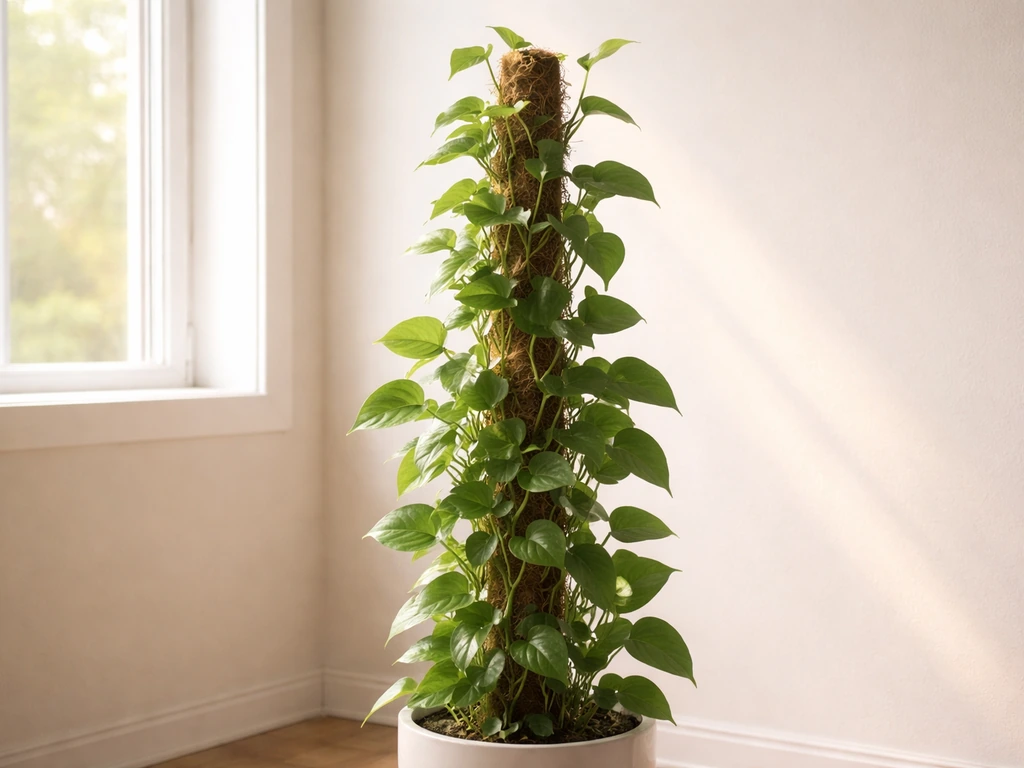
The term "creeper" gets used loosely to describe any plant that spreads horizontally, trails downward, or climbs upward using a stem that clings, winds, or sprawls. In practice, most people searching for how to grow creeper plants are thinking about one of three growth habits: ground-hugging spreaders (like creeping thyme), wall-climbing self-clingers (like creeping fig, Ficus pumila), or trailing/vining plants grown in pots or hanging baskets (like pothos, Epipremnum aureum, or sweet potato vine, Ipomoea batatas).
Each group has a slightly different relationship with light, water, and support structures. Ground creepers like creeping thyme spread slowly and stay low. Self-clinging climbers like creeping fig attach to walls or moss poles using tiny rootlets, which is great if you want a vertical green wall but can be destructive if you let it run wild. Trailing creepers like pothos or sweet potato vine grow fast, drape beautifully, and are the easiest category for beginners. Knowing which type you have (or want) shapes almost every decision you'll make about placement, containers, and training.
Setting up the right environment at home
Light: the single biggest factor
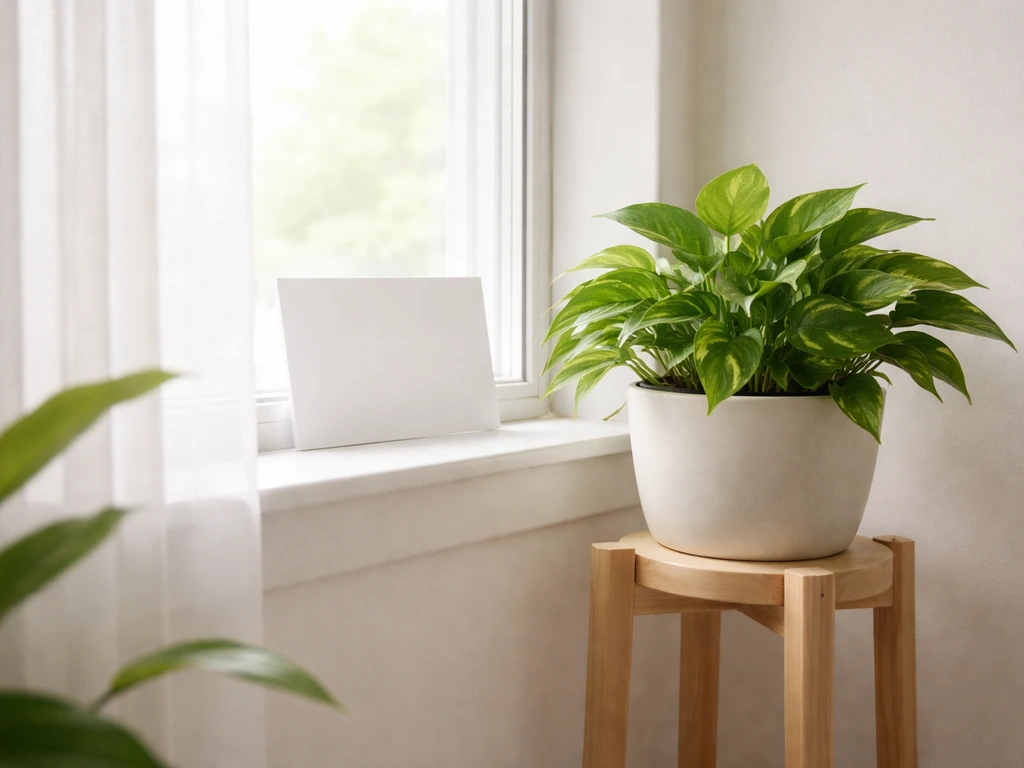
Most trailing and climbing creepers do best in bright indirect light, meaning near a window but not in direct sun all day. Pothos thrives in full indirect light and handles low light better than almost any other creeper, which is why it's the classic apartment plant. Creeping fig tolerates medium light but will slow down and grow leggy (long, weak stems with sparse leaves) if the light drops too low. Sweet potato vine is the outlier here: it's a sun lover that blank" rel="noopener noreferrer">wants at least 6 hours of direct light outdoors, or the brightest spot you have indoors. If your sweet potato vine is looking pale and stretched, it almost certainly needs more sun.
A simple test: hold your hand about a foot above a piece of white paper near your growing spot. A sharp, defined shadow means bright light. A soft, blurry shadow means medium light. No shadow at all means low light. Most creeper plants will survive medium light but thrive in bright indirect.
Temperature and humidity
The comfortable temperature range for most creeper plants lines up well with typical indoor conditions. Pothos is happy anywhere from about 17 to 29°C (63 to 84°F). Sweet potato vine prefers it a little warmer, around 75°F (24°C). Creeping thyme, being a hardy herb, tolerates cooler temps and actually benefits from a cold period. For creeping fig indoors, aim for consistent warmth and watch the humidity: it prefers 50 to 70% relative humidity. If your home runs dry in winter, a small humidifier or a pebble tray with water placed under the pot makes a real difference.
Containers, soil, and growing medium
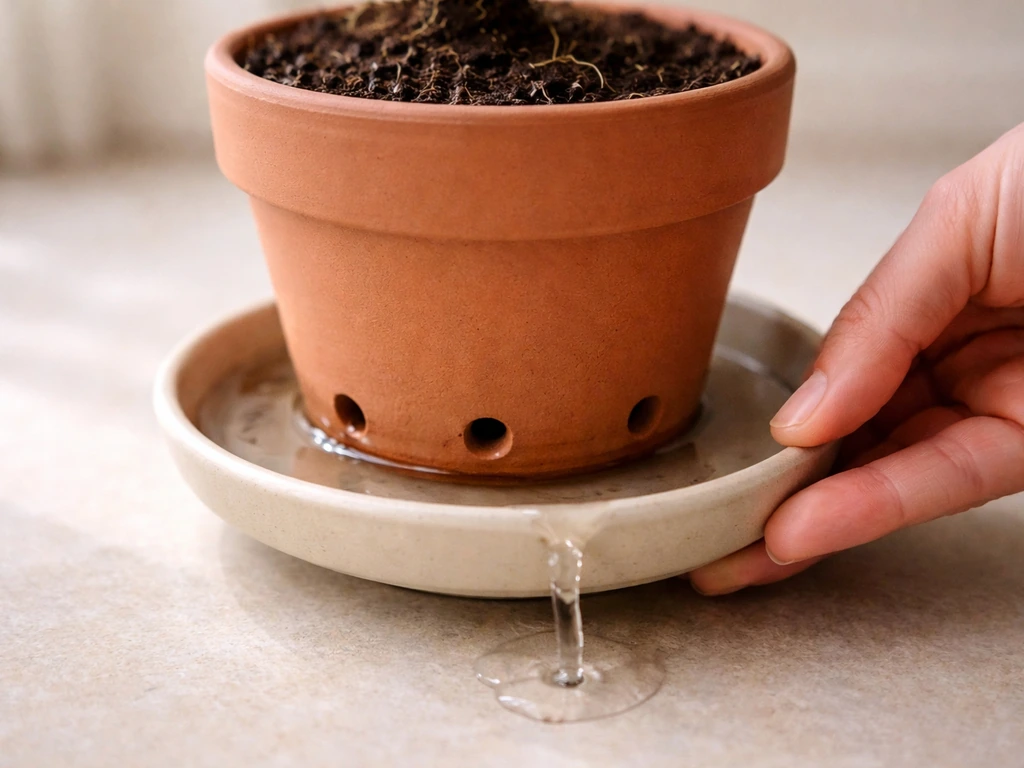
Good drainage is non-negotiable. Almost every creeper plant problem I've seen traces back to waterlogged soil, so pick a pot with drainage holes and don't skip the saucer-emptying step. For pothos and creeping fig, a standard well-draining potting mix works well. Creeping fig specifically prefers a soil pH of around 6.
0 to 7. 5, which is a normal range for most bagged potting mixes. Sweet potato vine grown in containers does best in a loose, fertile potting mix. If you're growing creeping thyme, lean toward a sandier, lower-fertility mix because it's a Mediterranean herb that prefers lean, gritty soil and excellent drainage over rich compost.
For hydroponic growers, pothos is one of the easiest creepers to run in a water-based system since it propagates readily in water and adapts well to nutrient solution growing.
How to start creeper plants from seed or cuttings
Growing from seed (creeping thyme as the main example)
Seeds are the slower route but more economical if you want to cover a lot of ground or grow many plants. Creeping thyme is the most common creeper you'd start from seed, and it has a specific quirk: the seeds need light to germinate, so don't bury them. Here's the exact process:
- Fill a seed tray or small pots with a fine, moist starting mix and firm it lightly so the surface is level.
- Scatter seeds on the surface. Do not cover them with soil. If you want to anchor them slightly, use a very thin layer of coarse vermiculite, which lets light through.
- Mist the surface gently with a spray bottle so seeds don't shift.
- Cover the tray loosely with a clear plastic dome or plastic wrap to hold humidity.
- Keep the tray at 18 to 22°C (65 to 72°F). A warm windowsill or a heat mat set to that range works well.
- Expect germination in 10 to 21 days. Check daily and remove the cover once you see the first seedlings emerge.
- Move seedlings to a spot with bright indirect light once they're up. Thin them to about 2 to 3 inches apart as they fill in.
The most common beginner mistake with seeds is planting them too deep or keeping them too wet. If you haven't seen any sprouts after 21 days, the seeds are probably buried, too cold, or the tray dried out at a critical moment. Start fresh with a new batch on the surface and be consistent about checking moisture daily.
Growing from cuttings (pothos and creeping fig)
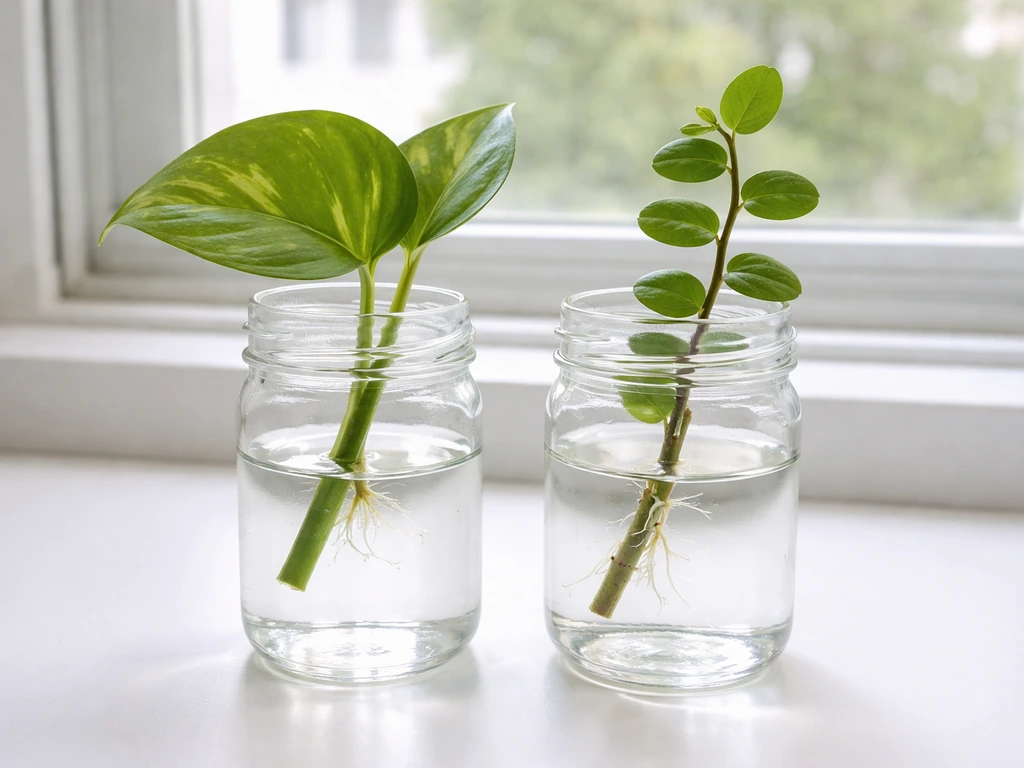
Cuttings are faster than seeds and work beautifully for pothos, creeping fig, and sweet potato vine. For most people, this is the go-to method because you can take a cutting from a plant you already own (or from a friend's plant) and have a rooted new plant within a few weeks.
- Use clean scissors or a knife and snip a stem cutting about 3 to 4 inches long, cutting just below a leaf node (the little bump or joint where a leaf attaches).
- Remove any leaves from the bottom half of the cutting so you don't have leaves sitting in water or buried in soil.
- Place the cut end in a glass of water, or press it into a small pot of moist potting mix. Either method works for pothos and creeping fig. Creeping fig doesn't need rooting hormone to root, which keeps things simple.
- If rooting in water, change the water every few days to keep it fresh. If rooting in soil, keep the mix evenly moist but not soggy.
- Place the cutting in a warm spot with bright indirect light.
- Check for roots after 2 to 3 weeks. Water roots are easy to see. Soil roots are ready when you feel gentle resistance if you very lightly tug the stem.
- Once roots are about an inch long (for water-rooted cuttings), pot them up into regular potting mix and treat them like a mature plant.
Training, trellising, and keeping growth under control
Left alone, creeper plants will do what their name says: creep wherever they feel like it. That's great in a garden bed but can become a tangled mess indoors or on a balcony if you're not paying attention. The good news is that training creepers is genuinely easy once you understand how they move.
Climbing vs. trailing: different support strategies
Self-clingers like creeping fig attach to surfaces using tiny aerial rootlets, so they'll naturally climb a wall, fence, or moss pole as long as they have something slightly textured to grip. Just point the stems in the direction you want and they'll find their way. For pothos and other trailing types, a moss pole or simple bamboo cane inserted into the pot gives the stems something to wrap around, encouraging upward growth. Alternatively, let them trail from a shelf or hanging basket, which is just as valid and requires zero support structure.
For outdoor ground covers like creeping thyme, the main training job is preventing them from swamping neighboring plants. If you want to grow plants outside, start by choosing a location with the right sun exposure and using pots or soil with excellent drainage. Plant individual starts about 8 to 12 inches apart and let them fill in over a season. Use edging or a border to keep them from creeping into areas you don't want them.
Pruning to keep things tidy and full
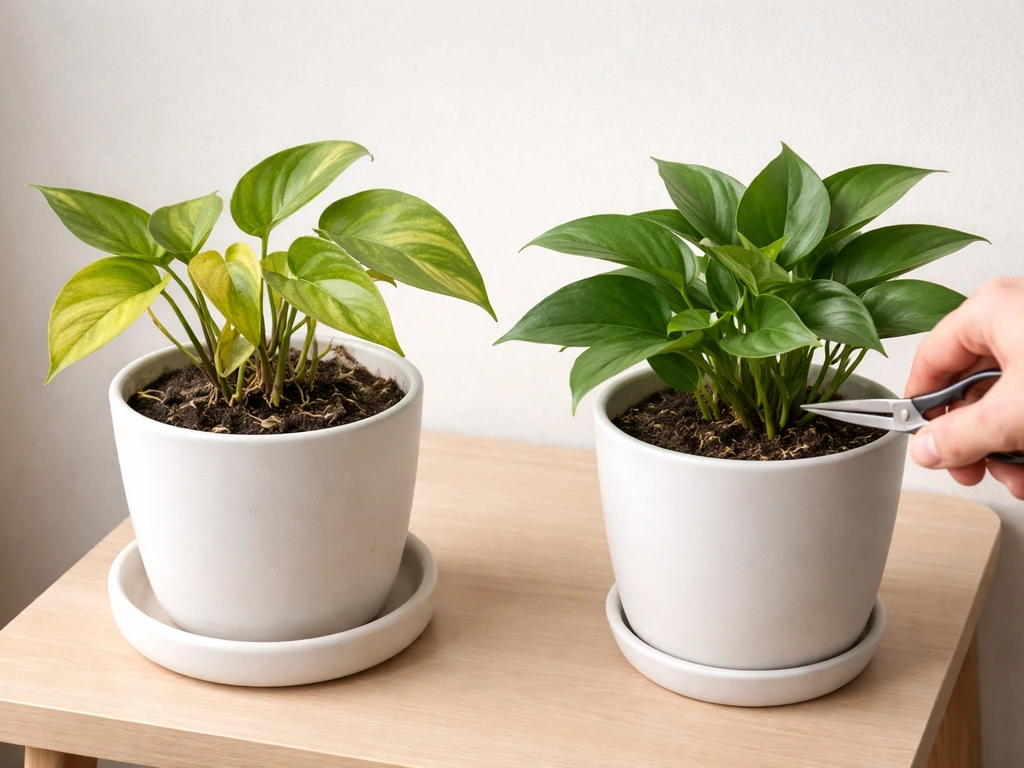
Pruning a creeper serves two purposes: it keeps the plant from getting out of hand, and it makes it bushier. When you snip a stem, the plant puts energy into two or three new shoots just below the cut instead of continuing to extend one long vine. For pothos, pinch or cut stems back to just above a node anytime you want the plant to look fuller.
For creeping fig on a wall, trim back any sections growing where you don't want them, and do a harder cut once a year to keep it from becoming too dense. Sweet potato vine can be cut back aggressively if it gets too wild. It grows so fast outdoors that regular trimming throughout the season is basically mandatory.
Watering and feeding: what the schedule actually looks like
How to know when to water
The most reliable watering trigger isn't a calendar, it's the soil itself. For pothos, water when the top 2 inches of soil feel dry to the touch. That typically works out to once every one to two weeks depending on your home's temperature and humidity, but the finger test is always more accurate than a fixed schedule. Creeping fig prefers consistently moderate moisture with good drainage. Creeping thyme, being drought-tolerant, prefers to dry out more between waterings. Letting the soil dry out halfway down the pot between waterings works well for thyme. Sweet potato vine is thirstier, especially in heat, so check it more frequently in summer.
The universal rule: when in doubt, wait another day. Overwatering kills more creeper plants than underwatering. A plant that's slightly dry will perk back up within hours of a good drink. A plant sitting in waterlogged soil for a week can develop root rot that's genuinely hard to reverse.
Feeding basics
Creeper plants are active growers, especially in spring and summer, so they benefit from regular feeding during that period. A balanced liquid fertilizer (something like a 10-10-10 or 20-20-20 NPK ratio) diluted to half strength, applied every two to four weeks during the growing season, covers most trailing and climbing creepers well. Pothos is not a heavy feeder, so monthly feeding in spring and summer is plenty.
Sweet potato vine is more vigorous and benefits from feeding every two weeks during its peak growing season. Creeping thyme is the exception: as a Mediterranean herb, it actually prefers low-fertility soil and rarely needs fertilizer. Feed it once at the start of spring if you want, and leave it alone for the rest of the year.
Cut feeding back in autumn and stop entirely in winter for indoor plants. Growth slows naturally as light levels drop, and feeding a plant that isn't actively growing can push nutrient buildup in the soil, which causes its own problems.
Common problems and how to fix them fast
| Problem | Likely cause | Quick fix |
|---|---|---|
| Yellow leaves | Overwatering or poor drainage | Let soil dry out fully before next watering; check that drainage holes aren't blocked |
| Leggy, sparse growth | Too little light | Move to a brighter spot with more indirect light; trim leggy stems to encourage bushier growth |
| Wilting despite moist soil | Root rot from waterlogging | Remove plant, trim black/mushy roots, repot in fresh dry mix, ease off watering |
| Pale or washed-out leaves | Too much direct sun (or low nutrients) | Move out of harsh direct sun; feed with balanced fertilizer if growth is slow too |
| Slow or stalled growth | Low light, cold temps, or underfeeding | Improve light first, ensure temps are in the right range, then add a balanced feed |
| Brown leaf tips | Low humidity or fluoride in tap water | Increase humidity; switch to filtered or rain water |
| White powdery coating on leaves | Powdery mildew (fungal) | Improve air circulation; apply diluted neem oil or baking soda spray |
| Tiny insects on leaves or soil | Fungus gnats, spider mites, or aphids | Let soil dry more between waterings (gnats); wipe leaves with neem oil solution (mites/aphids) |
Spider mites are worth calling out specifically because they love warm, dry indoor conditions, which is exactly the environment many creeper plants live in. You'll notice fine webbing between stems and tiny pale specks on leaves. Catching them early makes treatment straightforward: wipe down all leaves with a damp cloth, then apply a diluted neem oil spray every few days for two weeks. Fungus gnats are the other common indoor nuisance, and they almost always trace back to consistently wet soil. Letting the top two inches of soil dry out between waterings typically breaks their breeding cycle without any chemicals needed.
Care routines by growth stage
Seedlings and new cuttings (weeks 1 to 4)
At this stage the plant's only job is to establish roots, and your job is to keep conditions stable. Consistent warmth (18 to 22°C for most types), steady moisture without sogginess, and bright indirect light are the three dials to keep steady. Don't fertilize yet. Don't repot. Don't disturb the roots to check on them more than once a week. Patience is the main skill at this stage.
Established young plants (months 1 to 3)
Once you see consistent new leaf growth, the plant has rooted properly and is ready to be treated like an adult. Start a light feeding routine, begin training stems toward any support structure you're using, and water based on the soil test rather than a fixed schedule. This is also the stage where you make decisions about whether you want the plant to trail, climb, or spread, and start guiding it accordingly by pruning and positioning stems.
Mature and actively growing plants (ongoing)
A mature creeper plant in the right conditions is genuinely low-maintenance. Your regular routine is: check soil moisture every few days and water when the test says to, feed every two to four weeks in spring and summer, prune whenever growth gets too long or leggy, and do a quick visual check of the leaves for early signs of pests or disease.
Once a year, check whether the plant has become root-bound (roots circling the pot or poking out the drainage holes) and pot up one size if needed. That's honestly the whole job for most creeper plants, which is a large part of why they're so popular. If you specifically want bigger, heavier growth, it helps to follow targeted guidance like how to grow 10 pound plants.
If you're interested in expanding your plant collection beyond creepers, the skills you build here transfer well to other categories. The principles around light, drainage, and reading your plant's cues apply broadly, whether you're exploring plants that grow outdoors in garden beds or experimenting with more specialized plants like carnivorous varieties. If you want to try something more specialized, the same fundamentals of light and drainage can help you with how to grow insect eating plants.
If you're aiming to grow plants outside, the same core ideas still apply, but you also need to account for wind, sun exposure, and seasonal changes how to grow plants outside. Carnivorous plants have very specific needs, so be sure to learn their care requirements separately before you try them carnivorous varieties. Carnivorous plants need specific light, soil, and feeding approaches, so it helps to follow a dedicated guide on how to grow carnivorous plants carnivorous varieties. Creepers are a genuinely great starting point because they're responsive and grow fast enough that you get clear feedback quickly on what's working and what isn't.
FAQ
How do I stop a pothos or sweet potato vine from getting leggy?
Legginess usually means the plant is reaching for light. Move it closer to the brightest indirect spot you have, then pinch or cut just above a node every time the vines get long. Also rotate the pot weekly so all sides receive similar light, which keeps new growth from leaning.
Can I grow creeper plants outdoors and what changes?
Yes, but match the light needs to the species. Sweet potato vine needs full sun (and often more frequent watering), while creeping thyme prefers leaner soil and benefits from some dryness between waterings. If you bring a plant indoors or outdoor plants in, acclimate over 7 to 10 days to reduce leaf scorch or shock.
My creeping fig won’t stick to the wall. What should I check?
The surface texture matters. Smooth glass or painted metal gives it little to grip, so use a moss pole, trellis, or a wall area with slight texture. Also ensure consistent warmth and moderate humidity, since dry indoor air can slow attachment growth. If needed, gently tie stems until rootlets form.
How often should I repot creeper plants?
Most trailing creepers only need repotting every 1 to 2 years, and only when roots are circling or coming out of drainage holes. Repot just a little larger (about 1 pot size) to avoid excess wet soil that can raise root rot risk, especially for pothos and creeping fig.
Is it safe to grow creeper plants around pets or kids?
Some common creepers can be irritating if chewed. Pothos (Epipremnum aureum) and sweet potato vine are typically considered toxic to pets if ingested. If you have pets, consider non-plant alternatives for reach areas (or choose pet-safe ground covers) and keep cuttings out of accessible places.
What should I do if my soil stays wet and leaves start yellowing?
Pause fertilizing and let the soil dry more between waterings. Confirm you have drainage holes and that the saucer is emptied after watering. If yellowing continues and stems feel soft, you may be dealing with root rot, in which case you should inspect roots and remove any dark, mushy sections.
How do I tell the difference between low light and overwatering?
Low light often causes slower growth, smaller leaves, and leggy stems, while leaves may remain fairly firm. Overwatering more commonly leads to consistently droopy or soft leaves, persistent yellowing, and sometimes a musty smell from the soil. Checking the top 2 inches for dryness, then adjusting watering, helps clarify which issue you have.
What’s the best way to propagate creeping thyme versus pothos?
Creeping thyme is usually grown from seed (light needed for germination) or by dividing established clumps. Pothos is easiest from stem cuttings in water or directly in soil, using a cutting with at least one node. Keep cuttings in bright indirect light and avoid soaking the base of the cutting so it can form new roots without rotting.
Why do spider mites keep coming back on my creeper plant?
They rebound when conditions stay warm and dry and when infested leaves are missed. Increase humidity slightly, rinse leaves regularly, and treat early when you see webbing. Neem works best as a repeated course, but also isolate heavily infested plants so mites do not spread to nearby pots.
How can I train vines upward without damaging stems?
Use a support that the plant can grip, then guide stems gently in the direction you want. For trailing types, inserting a moss pole or bamboo cane and loosely tying stems with soft plant ties helps them anchor and prevents breakage. Avoid bending a stem sharply, instead reposition gradually over several days.
When should I prune, and how hard can I cut back sweet potato vine?
Sweet potato vine tolerates aggressive trimming, especially during active growth. If it becomes unruly, cut back regularly throughout the season rather than waiting for it to fully overtake the area. Trim above healthy nodes, and use the removed tips to propagate if you want more plants.
I’m not seeing sprouts after starting creeping thyme seeds. What’s the most common cause?
The top reasons are burying seeds too deep or keeping the tray too wet. Since the seeds need light, press them lightly onto the surface and do not cover. Use a gentle misting approach and check daily, aiming for evenly moist (not soggy) conditions until germination begins.