Carnivorous plants are absolutely growable at home, even in a small apartment with limited sunlight. The catch is that most beginner advice gets a few key things wrong: the water, the soil, and the assumption that you need to feed them constantly. Get those three things right and you're already ahead of most people who've tried and failed. This guide walks you through every step, from picking your first plant to keeping it alive through dormancy, with honest troubleshooting for the problems that actually come up indoors.
How to Grow Carnivorous Plants Indoors and in a Terrarium
Marcus Holloway
5 Apr 2026
Choosing the right carnivorous plant species
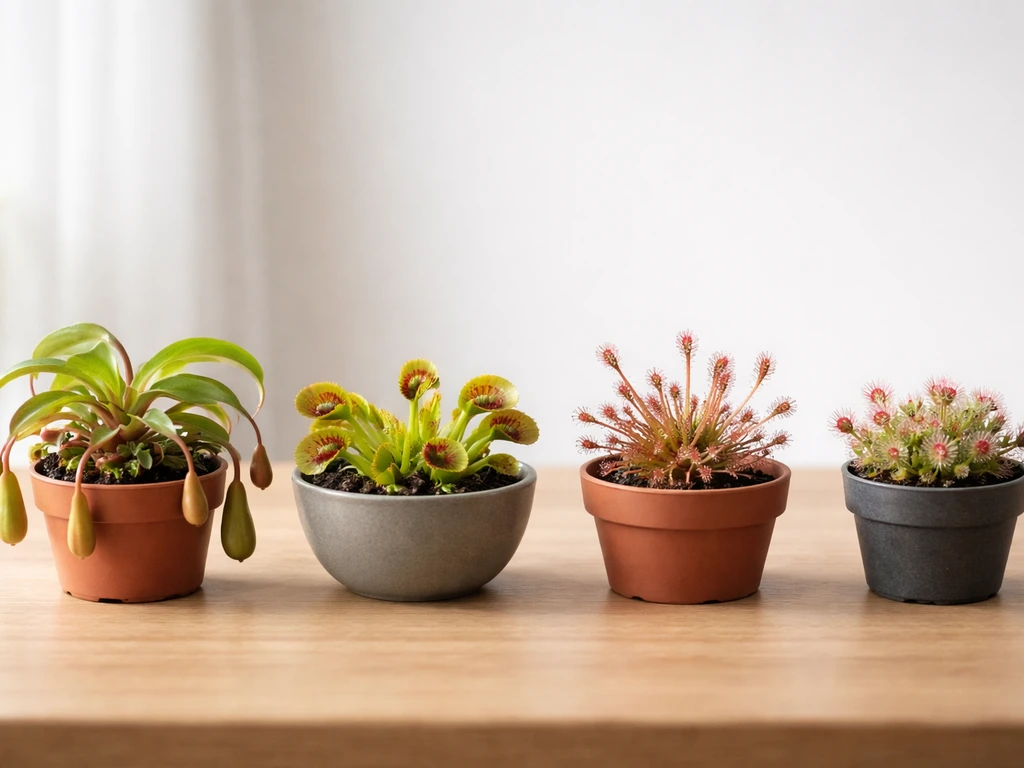
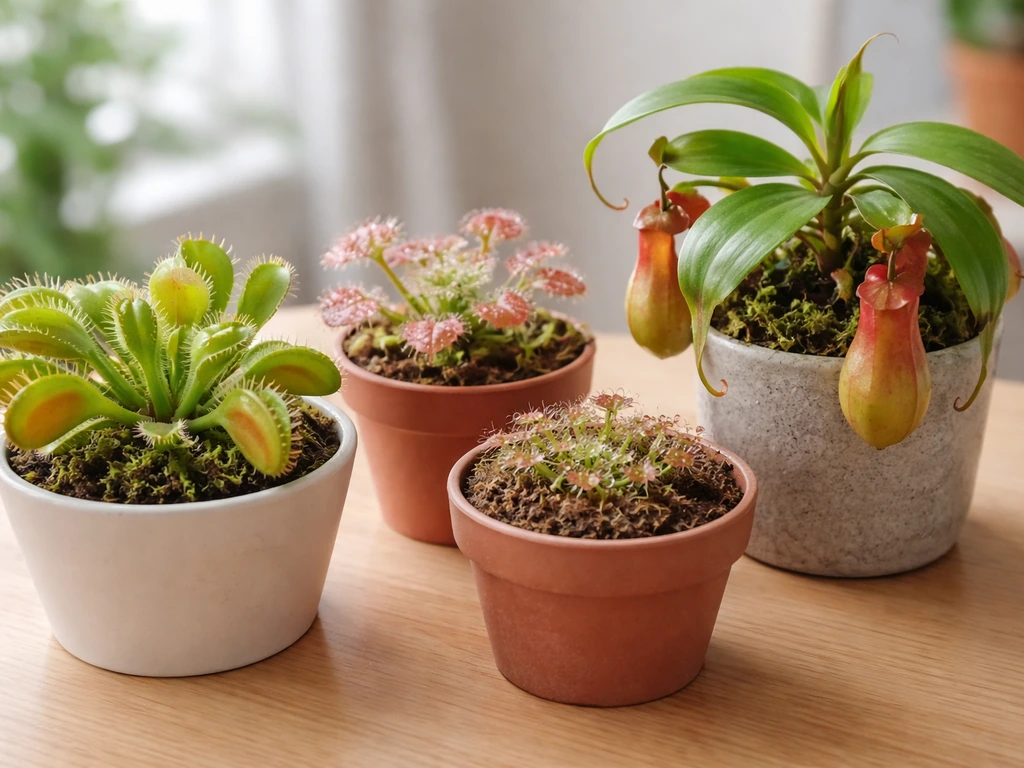
Not every carnivorous plant is equally forgiving, and starting with the wrong species is one of the most common reasons beginners give up. If you're new to this, the best starting points are Nepenthes (tropical pitcher plants), temperate Sarracenia (North American pitcher plants), Venus flytraps (Dionaea muscipula), and some Pinguicula (butterworts). Each has different requirements, so your living situation should drive the choice.
Nepenthes are arguably the easiest for indoor beginners. They tolerate moderate humidity, don't need a dormancy period, and handle the kind of indirect light you can realistically provide on a windowsill or under grow lights. The ICPS recommends that beginners start with inexpensive tissue culture plants or cuttings rather than seeds while they're still learning the ropes with Nepenthes.
Venus flytraps are wildly popular but slightly trickier indoors because they want full sun and need a real winter dormancy to stay healthy long-term. Sarracenia are similar, gorgeous but best suited to people who can give them outdoor or unheated greenhouse conditions. Temperate Pinguicula are surprisingly easygoing: they tolerate a range of humidity levels and only need bright, indirect light, making them a solid low-fuss option.
| Species | Light Needs | Humidity | Dormancy Required | Best For |
|---|---|---|---|---|
| Nepenthes (Tropical Pitcher) | Bright indirect to moderate | Moderate to high | No | Indoor beginners, apartments |
| Venus Flytrap (Dionaea) | Full sun / strong grow light | Moderate | Yes (cool winter rest) | Those with sunny windows or outdoor access |
| Sarracenia (N. American Pitcher) | Full sun | Moderate | Yes (cool/cold winter) | Outdoor or unheated space growers |
| Temperate Pinguicula (Butterwort) | Bright indirect | Low to moderate | Mild (some species) | Beginners with limited space or humidity |
If you're torn between options and want to read deeper into the full range of insect-eating plant varieties, there's a thorough breakdown of how to grow insect eating plants that covers species beyond the usual starter list. For most people reading this, though, start with a Nepenthes or a Pinguicula. You'll learn the fundamentals without fighting the plant's basic needs.
Getting the setup right: container, light, and placement indoors
Picking a container
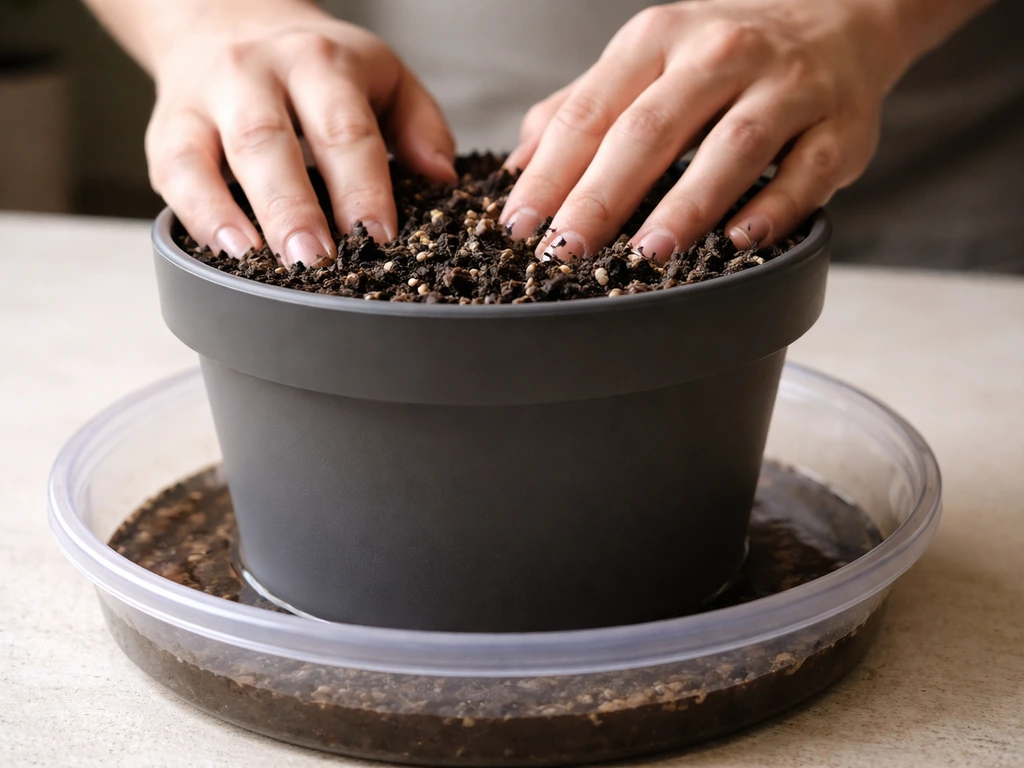
Use a plain plastic pot without drainage holes, or a pot sitting in a tray of water (more on the watering method in the next section). Avoid glazed ceramic, terracotta, and anything that might leach minerals into the soil. Terracotta especially is a problem because it releases salts that these plants absolutely cannot handle. Clear or white plastic pots work great and are cheap. Size-wise, don't overpot: a pot that's just slightly larger than the root ball is ideal because carnivorous plant media stays waterlogged, and too much unused wet media can cause root rot before roots even reach it.
Light: this is where most people underestimate
Here's the honest truth about indoor light: what feels bright to you is probably not bright enough for most carnivorous plants. The ICPS specifically notes that even shade-tolerant species need more light indoors than most growers assume, because indoor lighting optimized for human comfort dramatically underestimates the light intensity these plants evolved for. A south- or west-facing window is your best natural option. If you don't have one, or the window is blocked by overhangs or nearby buildings, plan on supplementing with a grow light.
For Venus flytraps, the ICPS teaching resource is clear: if you can't provide sufficient sun, you should use a grow light. A full-spectrum LED placed 6 to 12 inches above the plant for 12 to 16 hours a day covers most species well. For Nepenthes seedlings and young plants, warm temperatures of around 26°C to 32°C (80°F to 90°F) with light shade or fluorescent/LED lighting works well for getting them established. Pinguicula are more flexible and can get by with bright indirect light from a north-facing window in summer, though they'll grow more robustly with supplemental lighting.
One nuance worth knowing: lighting schedules affect some species more than others. Tuberous and pygmy Drosera can be triggered into premature dormancy by the wrong light cycle, and some Pinguicula species will grow happily under constant light but may never bloom. If you're running grow lights, use a timer set to match the natural day length in your region rather than just leaving lights on 24/7.
Temperature and humidity placement
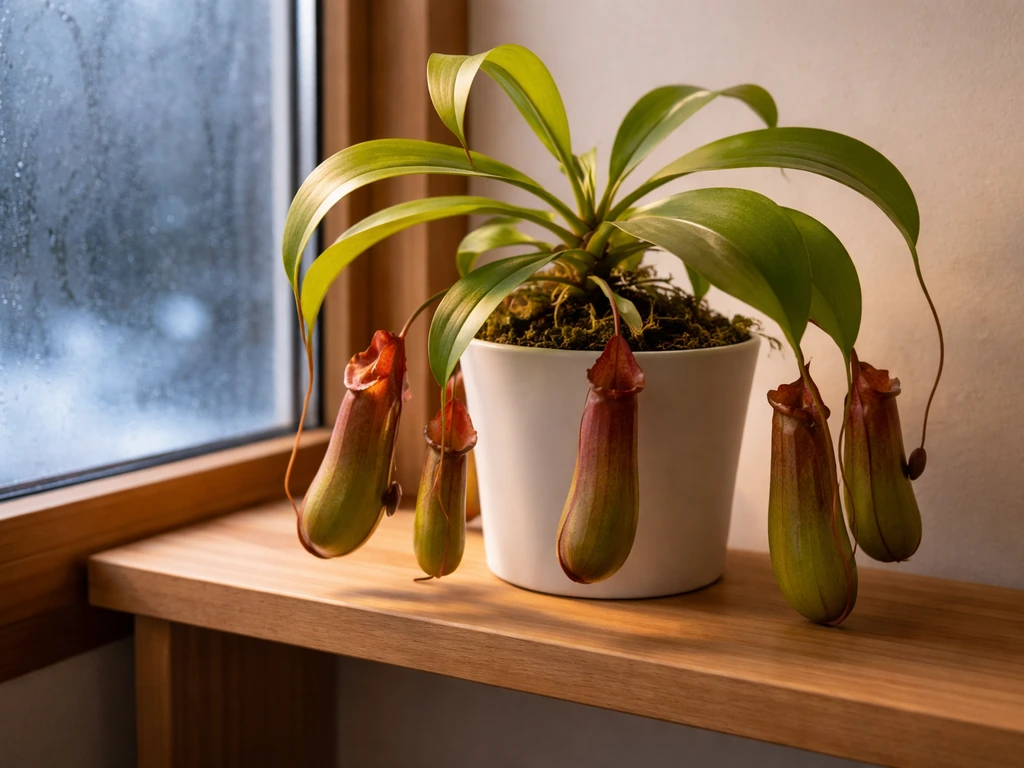
Most Nepenthes are comfortable between 18°C and 30°C (65°F to 86°F), which is basically room temperature in most homes. Avoid cold windowsills in winter (below the glass can get much colder than the room), and keep plants away from heating vents, which will dry them out rapidly. If your apartment is on the dry side, grouping plants together or placing them on a humidity tray (a shallow tray of water with pebbles keeping the pot bottom just above the water line) can help without creating the mold risk of a fully enclosed setup.
Soil/media and water requirements for common types
The media: keep it poor and acidic
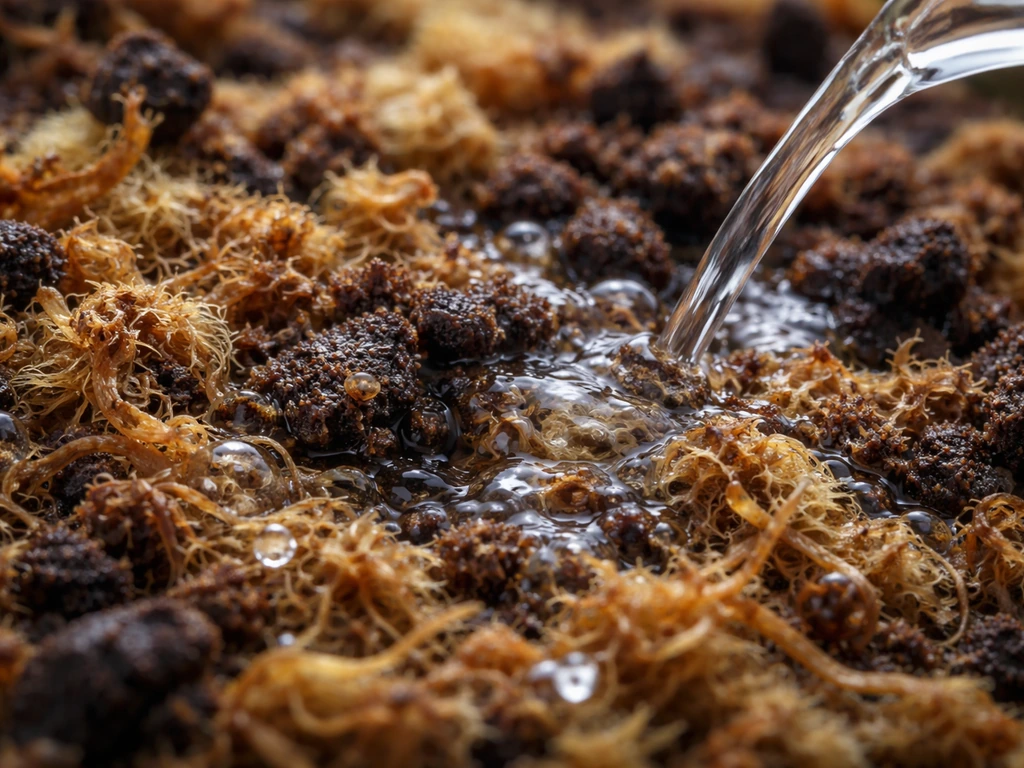
The golden rule here is: no fertilizer, no regular potting mix, and no soil from the garden. The United States Botanic Garden cautions that garden soil is not suitable for carnivorous plants and recommends media like live sphagnum moss, dried long-fiber sphagnum moss, or a mix of about three parts peat moss to one part clean, sharp sand.
Carnivorous plants evolved in nutrient-poor, boggy environments. Using rich potting soil is essentially poisoning them with nutrition. The standard go-to mix is a 1:1 ratio of peat moss and perlite (or perlite and sphagnum moss). Some growers use pure long-fiber sphagnum, especially for Nepenthes and small Drosera.
Sarracenia and Venus flytraps do well in the peat/perlite blend. The key is that the media needs to stay moist, drain well enough not to become anaerobic, and contain essentially zero nutrients. As Happy Valley Carnivores puts it directly: fertilizers are not needed, full stop. Don't use them.
Water: purity is everything
This is the single most important care factor that beginners overlook. All carnivorous plants require very pure water with minimal dissolved salts. Tap water in most cities contains enough chlorine, fluoride, and dissolved minerals to stress or kill these plants over time. Midtown Carnivores specifies that Venus flytraps need water with under 50 parts per million (ppm) total dissolved solids (TDS). You can measure this with an inexpensive TDS meter. Rainwater is ideal. Distilled water from the grocery store works perfectly and is cheap. Reverse osmosis water is also fine. Never use tap water unless you've tested it and confirmed it's below 50 ppm TDS, which is rare.
The standard watering method for bog-type carnivorous plants (Sarracenia, Venus flytraps, most Drosera) is the tray method: keep 1 to 2 cm of water in a tray under the pot at all times, letting the media wick up moisture from below. Nepenthes prefer top-watering and slightly drier conditions between waterings, but never let them fully dry out. Pinguicula like to be moist but not sitting in water constantly.
Feeding rules: whether and how to feed insects vs no feeding
Here's something most beginners are surprised to hear: you don't have to feed carnivorous plants at all, and overfeeding is actually a more common problem than underfeeding. In the wild, these plants catch what they can when they can. Indoors, if you have the plant near a window, it will probably catch small insects on its own. That's enough.
If you do want to feed, Venus flytraps only need a meal roughly once every two weeks during active growth, and they can go weeks without any feeding at all without suffering. The ICPS teaching resource explicitly warns: don't overfeed the plant. Feeding too frequently stresses the traps, causes them to turn black prematurely, and exhausts the plant's energy on digestion instead of growth.
When you do feed, here's how to do it right. Use small, live or recently-killed insects: fruit flies, small crickets, or mealworms work well. The prey should be no larger than about one-third the size of the trap. For Nepenthes pitchers, you can drop a small insect or even a few pinhead crickets into the pitcher fluid.
For Sarracenia, insects that wander into the tube are all you need. For Venus flytraps, touch the trigger hairs inside the trap after placing the food to simulate live prey movement, which activates full digestion. Never feed raw meat, cheese, or processed food. Never trigger traps repeatedly with your finger just to watch them close: each trap only has a limited number of closures in its life.
- Feed only during active growth (spring through early fall for temperate species)
- One feeding every 1 to 2 weeks per trap maximum for Venus flytraps
- Use insects roughly one-third the size of the trap or smaller
- Stimulate the trigger hairs after placing prey in a Venus flytrap to trigger digestion
- Never feed during dormancy
- Never use fertilizers in the soil or water as a substitute for feeding
Nepenthes are worth a special mention here: they're the easiest to feed because you can just drop small insects into the pitchers and forget about it. A well-lit Nepenthes near a window will catch plenty on its own. If you're curious about the broader mechanics of how these plants process their prey, there's a good deep dive on how to grow insectivorous plants that explains the digestion biology without getting too deep into the weeds.
How to grow in a terrarium (and when not to)
A terrarium setup is genuinely excellent for some carnivorous plants and actively harmful for others. Understanding that distinction before you set one up saves a lot of frustration.
What works well in a terrarium
Tropical Nepenthes and most Drosera (sundews) thrive in terrarium conditions because they appreciate stable humidity and warmth. Small Heliamphora species also do well. The terrarium maintains the humidity they'd get in a tropical environment, which is hard to replicate in a dry apartment. If you're thinking about a lush, enclosed display piece, Nepenthes and sundews are your best bet.
What doesn't belong in a terrarium
Venus flytraps and most Sarracenia should not go in a fully enclosed terrarium long-term. They need strong, direct light that glass diffuses, they require a genuine winter dormancy that a stable terrarium environment will prevent, and fully enclosed setups often don't provide the airflow these plants need to stay healthy. The ICPS historical terrarium guidance specifically warns that if a plant is pushed into growth during what should be its dormancy period, it can lose the plant entirely the following year. A dormant temperate plant growing in a warm terrarium through winter is burning energy reserves it needs to wake up healthy in spring.
Airflow and humidity: the two things that make or break a terrarium
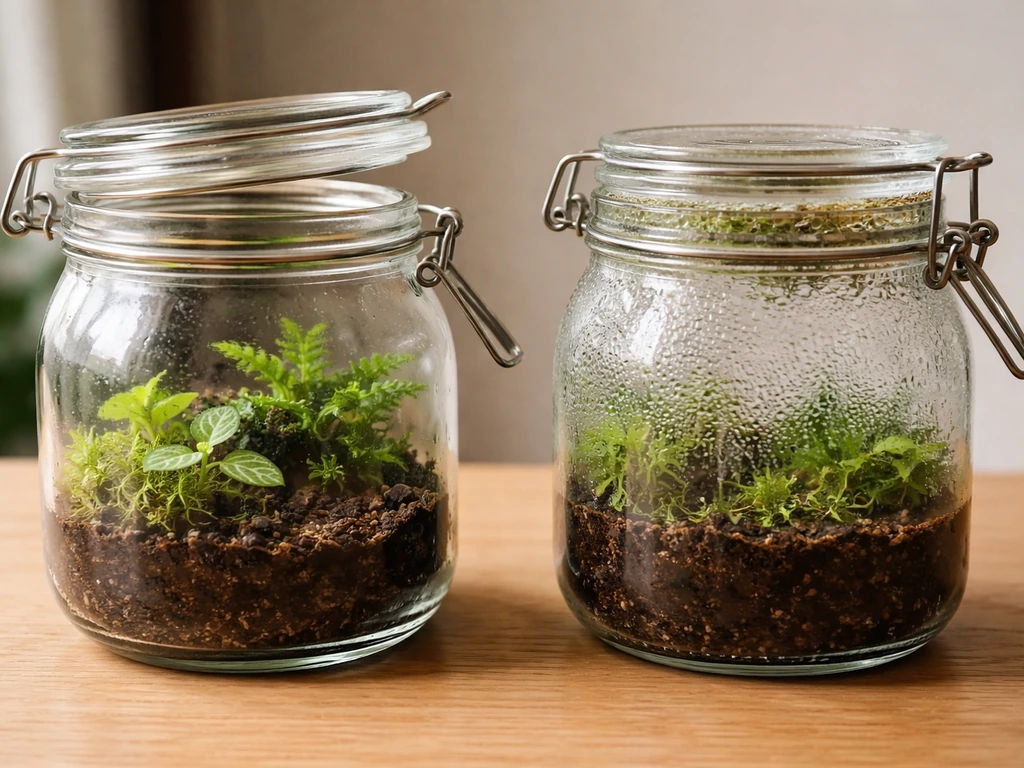
Airflow and humidity are the two most critical variables in a carnivorous plant terrarium. A fully sealed terrarium will go stagnant: moisture accumulates, mold develops, and plants start to rot. The fix is simple: leave the lid off for a few hours each day, or use a mesh panel on one side instead of solid glass. A small USB fan on a timer running for an hour or two per day dramatically reduces mold risk without crashing humidity. Aim for 50 to 70 percent relative humidity for most tropical species inside the enclosure.
In a humid terrarium, plants sometimes behave differently than they would in open air: they may put more energy into vegetative growth and produce less dramatic coloration or trapping structures. This isn't a problem, but it's worth monitoring so you can adjust light or airflow if the plants look leggy or pale. Terrarium growing also means you need to think carefully about moisture levels and light regulation, since both are harder to dial in once the enclosure is set up. For lighting a terrarium, an LED grow light sitting directly on top of a glass or mesh lid (with the light off for 8 to 10 hours per night) works well for most tropical species.
Care routine and troubleshooting common indoor problems
A simple weekly routine
- Check the water tray: refill with distilled or rainwater to keep 1 to 2 cm in the tray (bog species). Top-water Nepenthes when the top inch of media feels dry.
- Check the light setup: confirm the grow light timer is running correctly, and that natural light is reaching the plant without being blocked by blinds or seasonal shade.
- Inspect for pests and mold: look under leaves and along the soil surface. Catch issues early.
- Remove any dead traps or pitchers: they're normal as plants grow, but leaving dead material in a humid setup invites mold.
- Feed one trap on an active Venus flytrap (optional, once every 1 to 2 weeks during growing season only).
Troubleshooting the problems that actually come up
Leaves not coloring up: Almost always a light issue. Venus flytraps go bright red inside their traps under strong light, and many Sarracenia develop vivid coloring with sun exposure. If everything looks pale green, move it closer to your light source or upgrade to a stronger grow light.
Weak, leggy, or small new growth: Again, usually light. Can also be a water quality issue. Check your TDS meter on the water you're using. If it's above 50 ppm, switch to distilled water immediately.
Mold or algae on the soil surface: This is extremely common in humid conditions and usually not fatal to the plant unless it's actively growing up onto the leaves. Improve airflow first. You can also lightly wipe the soil surface with a diluted hydrogen peroxide solution (1 part 3% hydrogen peroxide to 4 parts distilled water) to knock back mold without harming the plant.
Pests: Fungus gnats are the most common indoor pest, attracted to the moist growing media. Let the surface dry out slightly between waterings (for species that tolerate it) or use yellow sticky traps nearby. Spider mites occasionally attack Nepenthes in dry conditions. Increasing humidity and wiping down leaves with a damp cloth handles mild infestations. Avoid chemical pesticides on carnivorous plants unless the product is specifically labeled as safe for them.
Dormancy confusion: If your Venus flytrap or Sarracenia starts looking terrible in winter, don't panic. FlytrapCare. com notes that dormancy is commonly misunderstood and can look like the plant is “dying,” but it is actually a normal rest period [Dormancy confusion: If your Venus flytrap or Sarracenia starts looking terrible in winter, don't panic. ](https://www.
flytrapcare. com/venus-fly-trap-dormancy/). North American carnivorous plants go dormant during short winter days, stop growing, and can look like they're dying. This is completely normal.
During dormancy they don't need light, and you should water only enough to keep the media barely damp. The mistake to avoid is forcing them to stay warm and lit through winter, which exhausts the plant. Equally, don't put a Venus flytrap in the refrigerator thinking that'll do the job: the ICPS specifically warns against using the fridge as a casual dormancy substitute.
Overwintering Venus flytraps properly means keeping them cool (around 0°C to 10°C / 32°F to 50°F), slightly moist, and in a dark or dim location like an unheated garage or cold porch, then bringing them back to light when days lengthen in late winter. Midtown Carnivores describes this as keeping the plant cool and dark for winter with just enough water to keep the media from drying out completely.
If you're growing multiple species and want to expand into outdoor conditions eventually, understanding how temperature and season shifts affect your plants is key. The guidance on how to grow plants outside covers the transition from indoor to outdoor environments well and is worth reading before you move any temperate carnivorous plants outside for their first summer.
One last thing: don't let slow progress discourage you. Carnivorous plants grow more slowly than most houseplants, especially in their first season while they adjust to your conditions. A Nepenthes that sits quietly for six weeks and then throws out a beautiful new pitcher with a developing fluid-filled trap is completely on schedule. If you want to push growth a little faster without stressing the plant, the principles behind maximizing yield that apply to larger plants (like those covered in guides on how to grow 10 pound plants) mostly come down to optimizing light, root health, and consistent watering, and those same fundamentals apply here too. Stay patient, keep the water pure, and let the plant do its thing.
And if you find yourself hooked on the strange and satisfying world of vining or trailing plant structures after setting up a Nepenthes, it's worth knowing that the trellis and support techniques explored in guides like how to grow creeper plants can actually be adapted to train longer Nepenthes vines along a shelf or window frame once they outgrow their original pot. Carnivorous plants are weird, rewarding, and once you get the water and light right, a lot more resilient than their reputation suggests.
FAQ
What water should I use if I only have tap water available sometimes?
If you cannot consistently use distilled, RO, or rainwater, test your tap with a TDS meter first. If it is above 50 ppm TDS, switch your watering immediately, and consider using tap only for rinsing the outside of pots, not for the media. Even if plants survive initially, mineral buildup often shows up months later as blackening leaf tips and stunted growth.
How do I know if my carnivorous plant media is staying wet enough but not rotting?
After watering, the media should look evenly damp, but there should be no sour smell and no persistent “standing” water in the pot. For tray-watering plants, keep a shallow water layer under the pot (around 1 to 2 cm), then let the media wick and partially dry the top surface between waterings if the plant tolerates it. If you see mushy roots or collapsed stems, reduce frequency or switch to a coarser mix (more perlite).
Can I use fertilizers or slow-release plant food “just a little” to help them grow faster?
No. Carnivorous plants are adapted to nutrient-poor environments, so even small amounts of fertilizer can burn roots and progressively damage traps or pitchers. If growth is slow, treat it as a light or water-quality problem first, then adjust light intensity and TDS before changing anything about nutrients.
Do carnivorous plants need bugs inside the house if there are no insects around?
They can survive without feeding if light and watering are correct, because many species catch what they can when nearby. If you do feed, do it sparingly, and only during active growth. Feeding outside the growth season (for temperate species) increases stress and can trigger early trap/pitcher decline.
How much light is enough, and what if my window is “sunny” but the plants look pale?
If plants look pale, light is usually the limiting factor. Increase either time or intensity with a grow light, and keep the light closer (within the typical 6 to 12 inch range) rather than running a weak lamp longer. Also avoid rotating the plant less than weekly, because some grow lights create hot spots and uneven growth.
Should I rotate or move plants that are under grow lights?
Yes, rotate every few days so growth stays symmetrical, especially for Nepenthes and tuberous Drosera. If you move a plant suddenly from low light to intense light, expect a short adjustment period where pitchers or leaves may look dull for a couple weeks, then rebound.
Can I grow Venus flytraps or Sarracenia in a terrarium if I provide enough airflow?
Long-term fully enclosed terrariums are still risky because they interfere with winter dormancy requirements and reduce the “seasonal” temperature cues the plants rely on. Even with a fan, a stable warm enclosure during winter often forces unwanted growth. A better approach is to use an unheated outdoor spot, a cold porch, or a dedicated cold period area for dormancy.
How do I trigger proper dormancy for Venus flytraps and Sarracenia?
Provide cool temperatures (about 0 to 10°C / 32 to 50°F) with dim or no light during the winter period, and keep the media only barely damp. Do not use a warm indoor location or a fridge as a casual substitute. When days lengthen late winter, gradually return to brighter light so growth resumes.
My Nepenthes pitchers keep dying off, what’s the most likely cause?
Most often it is light or water condition. Check your TDS first, then ensure strong indirect light or adequate grow-light intensity. Also avoid letting the plant dry out completely between waterings, because pitcher production depends on stable root moisture and consistent humidity.
Is constant high humidity in a terrarium always good for carnivorous plants?
Not always. Excess humidity increases mold and algae risk, and a fully sealed setup can become stagnant even if plants tolerate moisture. Use airflow, venting, or a mesh section, and keep humidity in a reasonable range for tropical species (commonly around 50 to 70% inside enclosures) rather than trying to maximize it indefinitely.
What should I do if I see fungus gnats in my indoor setup?
Treat the root cause, which is usually constantly wet media. Let the top layer dry slightly between waterings when the species tolerates it, and place yellow sticky traps near the pot to reduce adult numbers. If the problem persists, gently rinse or refresh the top layer of media with pure water rather than pouring more water on top.
Do carnivorous plants need repotting, and when is the safest time?
Often they do not need frequent repotting, and disturbing roots can slow growth. Repot when a plant is actively growing, not during dormancy, and only if the media has broken down or you suspect contamination from tap-water exposure. Use plastic pots and nutrient-free media, then water with pure water immediately after repotting.
Can I grow them outdoors later, and how do I transition safely from indoor conditions?
Start with gradual acclimation: move temperate plants outdoors to indirect light first for a week or two, then increase sun exposure slowly. Do not plunge them into full sun immediately, especially Venus flytraps, because leaf burn can look like “death” for new growth. Keep watering consistent and continue using low-TDS water to prevent salt buildup.