
Getting flowering plants to bloom reliably comes down to matching three things: the right plant for your specific conditions, enough of the correct kind of light, and a feeding schedule that shifts toward bloom support at the right time. If you want a clear starting point, use this as a guide for the 4 steps to grow a plant: match the plant to your conditions, optimize light, water consistently, and feed at the right time three things. Nail those three, and most flowering problems solve themselves. Miss one, and you'll get a healthy-looking plant that stubbornly refuses to flower.
Tips to Grow Flowering Plants: A Practical Bloom Plan
Marcus Holloway
12 May 2026
Pick the right flowering plants for your conditions
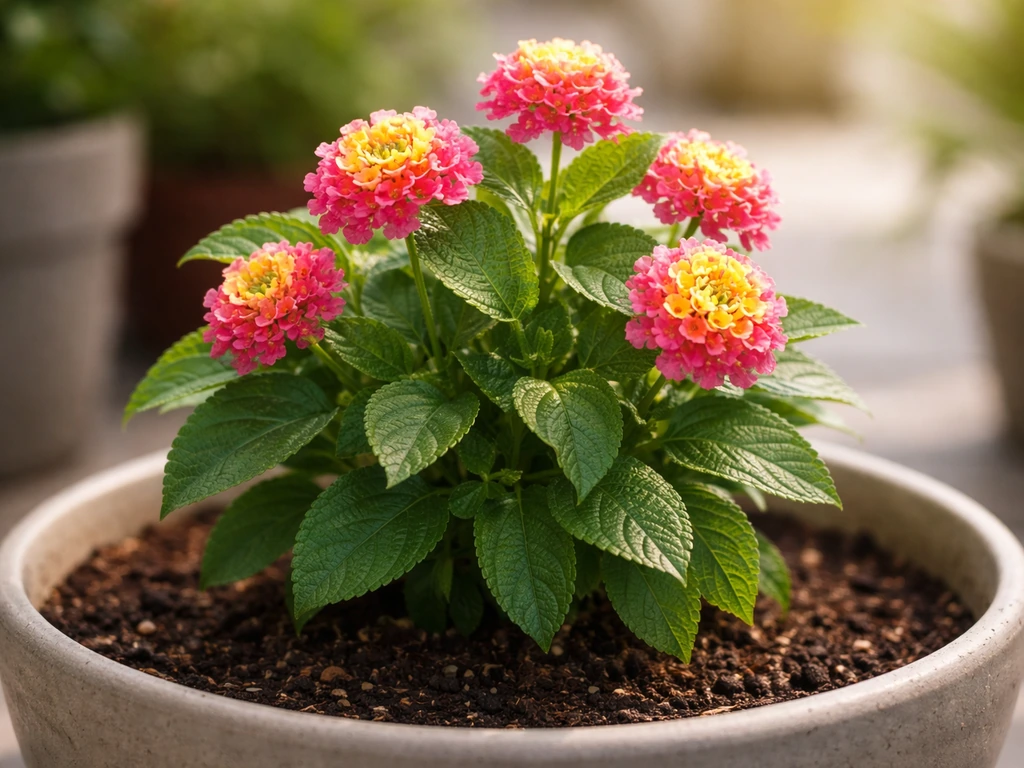
This is the step most people skip, and it's the one that causes the most frustration. A plant that's fighting its environment is spending all its energy on survival, not blooms. Before you buy anything, honestly assess what you're working with: how many hours of direct sun does your space get, what's the temperature range, and how much space do you have? Be honest. Overestimating your light is the single most common beginner mistake.
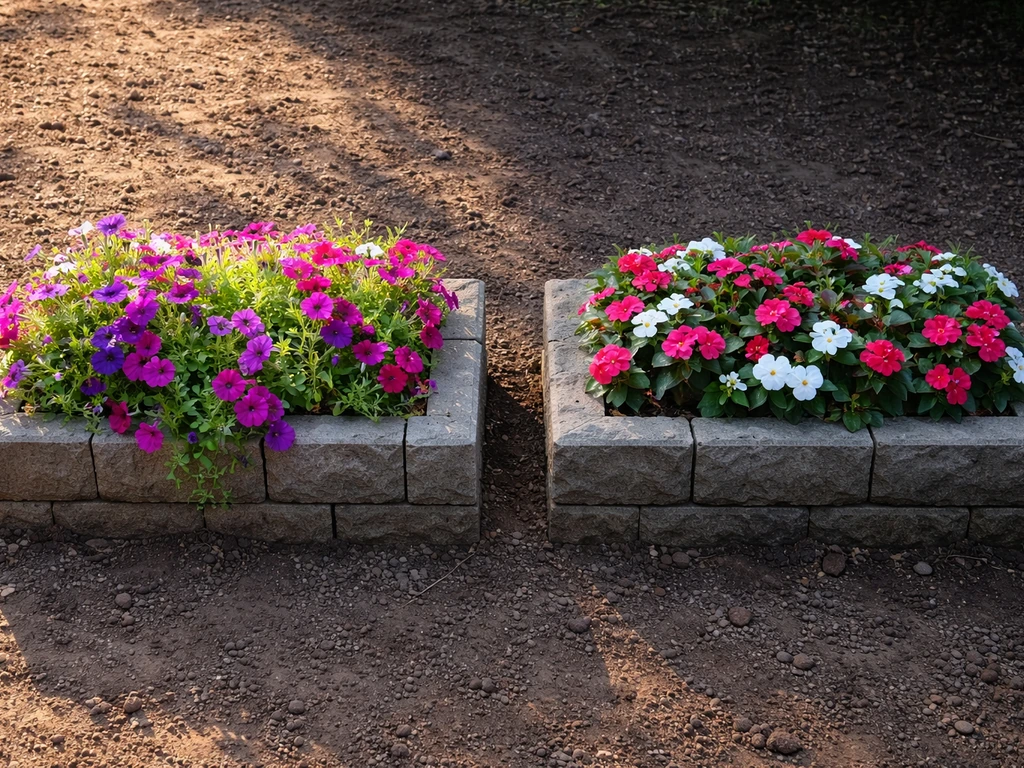
For outdoor full-sun spots (6+ hours of direct sun daily), petunias and marigolds are hard to beat. Petunias need at least 5 to 6 hours of good sunlight to perform well, and blank" rel="noopener noreferrer">marigolds really do need full sun all day to keep blooming all season long. Give them shade and you'll get leggy stems and almost no flowers. For shadier spots, impatiens are the classic go-to because they're built for lower light, though they're moisture-hungry and need more frequent watering in containers than in garden beds.
Indoors, temperature matters as much as light. Florist cyclamen, for example, are cool-temperature plants that prefer around 50°F at night and 60 to 65°F during the day with bright indirect light. Put them in a warm living room and they'll sulk and drop buds. Some plants like poinsettias need specific day-length manipulation (more on that in the troubleshooting section) to re-flower. The takeaway: read the plant's actual preferences before buying, not just the tag at the nursery.
- Full sun outdoors (6+ hours): petunias, marigolds, zinnias, black-eyed Susans
- Partial shade outdoors (3 to 5 hours): impatiens, begonias, fuchsia
- Bright indirect light indoors: African violets, peace lilies, anthurium
- Cool indoor spaces (under 65°F): cyclamen, primrose, camellia
- Low-light indoor tolerators: pothos (foliage only), some orchids with grow lights
Light and placement: the #1 bloom trigger
Light is not just about keeping a plant alive. It's the primary trigger for flowering in most species. There are two things happening with light that you need to understand: intensity (how bright) and photoperiod (how many hours of light vs. dark per day). Most flowering plants need more intensity than people realize, and some plants are actually triggered into bloom by day length, not just brightness.
Indoors, a windowsill that feels bright to you might be delivering only a fraction of the light intensity your plant needs to flower. South-facing windows in the northern hemisphere are your best bet for high-light bloomers. If your plant is growing but not flowering, move it closer to the brightest window you have before blaming anything else. If natural light genuinely isn't enough, a full-spectrum LED grow light set to 14 to 16 hours per day will make a noticeable difference for most flowering houseplants within four to six weeks.
Photoperiod-sensitive plants are a different story. Short-day plants like poinsettias and Christmas cactus need long dark periods to trigger blooming. To get a poinsettia to re-flower for the holidays, you need to keep it in complete darkness for 15 hours every day (say, 5 p.m. to 8 a.m.) starting around early October. Even a tiny amount of stray light during that dark period can interrupt the process. Long-day plants like petunias and most summer annuals do the opposite: they bloom when days are long and dark periods are short, which is why they naturally peak in summer.
If you're growing under artificial lights, you have full control over photoperiod, which is one of the biggest advantages of indoor and hydroponic setups. A simple outlet timer is all you need to simulate the exact day-length conditions your plant wants.
Watering and soil/medium setup for flowering
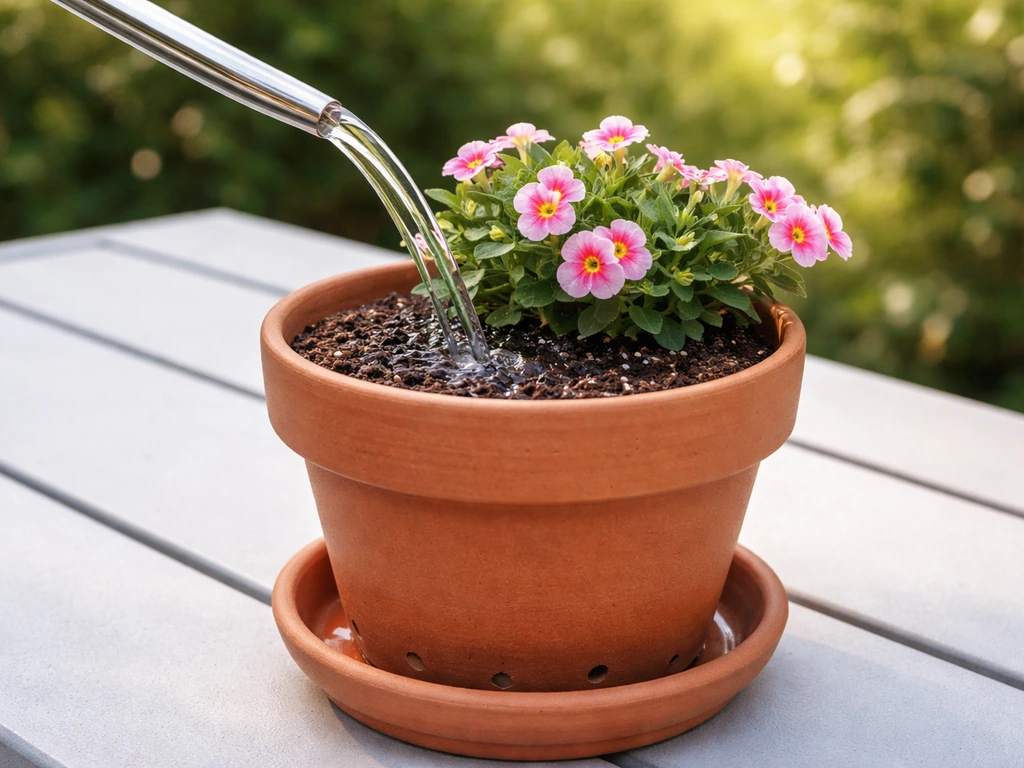
Consistent watering matters more during the flowering phase than at any other point in a plant's life. Water stress right before or during flowering causes bud drop, stunted blooms, and early flower death. The goal is consistent moisture, not wet-and-dry extremes. For most flowering plants in containers, check the top inch of soil: if it's dry, water thoroughly until it drains from the bottom. Then wait until that top inch dries out again before watering.
Soil structure is equally important. A good blooming mix drains well but holds enough moisture to stay consistently damp. A basic mix of quality potting soil plus 20 to 30 percent perlite works well for most flowering annuals and perennials in containers. Avoid garden soil in pots: it compacts, drains poorly, and locks up nutrients. For moisture-lovers like impatiens, a slightly richer mix with some added compost helps maintain that consistent dampness they need, especially in containers that dry out faster than garden beds.
Pot size matters more than most people think. A pot that's too large holds excess moisture around roots that haven't grown into it yet, which encourages root rot rather than flowering. A pot that's too small stresses roots and triggers survival mode rather than bloom production. When repotting, go up one size at a time (usually 2 inches in diameter larger). Root-bound plants that have started circling the bottom of the pot often need repotting to break out of stress and start blooming again.
Feeding and bloom timing: fertilizer, nutrients, and pH basics
Fertilizer timing is where a lot of growers either over-complicate things or make the single biggest mistake that kills flowering: too much nitrogen. Nitrogen drives leafy, vegetative growth. That's great in the early weeks after planting, but if you keep pushing high-nitrogen feed as the plant matures, you'll get a beautiful green plant with no flowers. University of Minnesota Extension notes that nitrogen tends to be mobile and works best when applied at times when plants can use it, since too much nitrogen can lead to excessive leafy growth and delayed flowering nitrogen is mobile and best applied when plants can use it. The shift you need to make is moving from a balanced or high-nitrogen fertilizer to a bloom-focused formula with higher phosphorus and potassium as the plant approaches its natural flowering window.
A general rule of thumb: use a balanced fertilizer (something like 10-10-10 or 20-20-20) during the first third of the growing season to build strong roots and stems. Then switch to a bloom formula (look for higher middle and last numbers, like 5-10-10 or a dedicated bloom booster) once you see the plant entering its mature stage or showing the first signs of bud formation. For most flowering annuals, that switch happens around four to six weeks after planting.
pH is the quiet variable nobody talks about until nothing is working. Nutrients lock up and become unavailable to roots when pH is off, even if you're applying plenty of fertilizer. Most flowering plants in soil do best at a pH of 6.0 to 6.8. In hydroponic systems, keep pH between 5.5 and 6.2. You can grab an inexpensive pH meter or test strips and check your water or soil runoff. If your pH is off, nutrients aren't getting in regardless of how much you feed.
Micronutrients like calcium, magnesium, and iron are also worth mentioning. A plant short on magnesium will show yellowing between the veins of older leaves and may struggle to flower well. A simple Cal-Mag supplement added monthly during the bloom phase is an easy preventive step, especially if you're using filtered or purified water that's stripped of natural minerals.
Pruning, deadheading, and plant training for more blooms
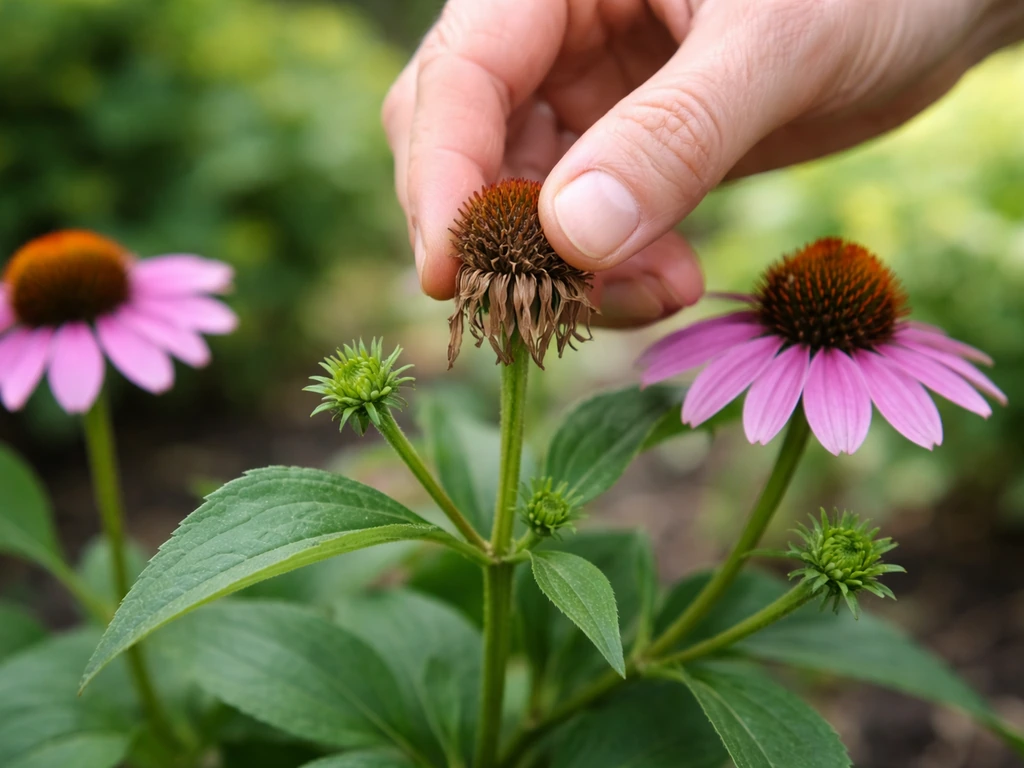
Deadheading is the single easiest thing you can do to get more flowers, and it's exactly what it sounds like: removing spent blooms before they set seed. When a flower finishes and starts forming a seed head, the plant shifts its energy toward seed production and slows or stops producing new blooms. Pinch or snip off faded flowers right at the base of the stem, or just above the next set of leaves, and you redirect that energy back into making more buds. For plants like petunias, marigolds, and zinnias, doing this every few days during peak season can dramatically extend your blooming period.
Pruning and pinching are about shaping the plant to produce more branching, and more branches mean more potential flowering sites. For young plants, pinching out the growing tip (the top inch or two of the main stem) early on encourages two or more side shoots to develop where there was one. This is why well-pinched petunias or basil plants look bushy and full compared to unpinched ones that go tall and leggy. Don't be afraid of this step: a shorter, bushier plant almost always outperforms a taller, leggier one in flower production.
For climbing or sprawling bloomers like clematis, sweet peas, or even some tomatoes, staking and training stems to grow horizontally rather than straight up can trigger more lateral branching and more flowers. This works because horizontal stems often have less apical dominance (the main growing tip's chemical suppression of side shoots), so the plant pushes out more buds along the length of the stem. Even just gently bending and securing stems can make a visible difference within a few weeks.
Troubleshooting: why flowers don't happen (and what to change)
If your plant looks healthy but isn't blooming, work through this checklist systematically. One of these is almost always the culprit, and it's usually something you can adjust today.
- Check light first: count the actual hours of direct or bright indirect light the plant receives. If it's under the minimum for your species, move the plant or add a grow light before changing anything else.
- Review your fertilizer: if you're using a general-purpose or high-nitrogen formula, switch to a bloom-focused one with higher phosphorus. Give it two to four weeks to show results.
- Test your water pH: grab a cheap meter and check your tap water or soil runoff. Adjust with pH-up or pH-down products if you're outside the 6.0 to 6.8 range for soil, or 5.5 to 6.2 for hydroponics.
- Evaluate watering consistency: look at the roots if you can. Brown, mushy roots mean overwatering; bone-dry, shriveled roots mean underwatering. Fix the pattern first.
- Check pot size: if roots are circling the bottom or poking out of drainage holes, the plant is root-bound. Repot up one size to relieve stress.
- Look for photoperiod issues: is the plant a short-day type that needs long dark periods? Is it getting light from a street lamp or indoor light at night that's disrupting its dark cycle?
- Inspect for pests and disease: check under leaves for spider mites, aphids, or scale. Even small infestations sap plant energy and delay or prevent flowering. Treat with neem oil or insecticidal soap.
- Consider temperature and humidity: buds drop in overly hot, dry conditions. If you're in a dry indoor environment, a small humidifier or pebble tray with water near the plant can help.
- Ask whether the plant needs dormancy: some bloomers like cyclamen and amaryllis need a rest period before they'll flower again. Forcing year-round growth without rest skips the trigger they need.
The poinsettia is a perfect case study for photoperiod troubleshooting. Many people grow a poinsettia through the year and wonder why it won't rebract. The answer is that it needs 15 hours of uninterrupted darkness each night starting around early October. One stray light source during that dark window resets the clock. Once you know the mechanism, the fix is straightforward: put it in a closet at 5 p.m., bring it back to a bright window at 8 a.m., and repeat for six to eight weeks. No other intervention needed.
Growing mediums and special setups (soil vs water/hydro vs terrarium)
Most flowering plant guides assume you're growing in soil, but a good chunk of modern growers are working with hydroponics, semi-hydro, or enclosed terrarium setups. Each medium has different rules for getting plants to bloom, and the differences are worth knowing.
| Growing Medium | Bloom Advantages | Key Bloom Challenges | What to Watch |
|---|---|---|---|
| Soil | Buffers pH, holds micronutrients, forgiving for beginners | Compaction reduces oxygen to roots; nutrient lockout if pH drifts | Drainage, pH every 2 to 4 weeks, consistent moisture |
| Hydroponics | Precise nutrient control, faster growth and bloom cycles, no soil pests | No buffer if nutrients or pH go wrong; oxygenation critical | pH daily, EC/TDS for nutrient concentration, root zone oxygen |
| Terrarium | High humidity, stable temperature, minimal watering | Very few flowering species tolerate the closed, humid conditions; most bloom poorly in sealed setups | Choose open terrariums for flowering plants; avoid overwatering |
In hydroponics, the bloom phase nutrition shift is even more critical than in soil because there's no growing medium buffering the roots from nutrient imbalances. Switch your reservoir to a bloom-specific hydroponic nutrient formula (higher phosphorus and potassium, lower nitrogen) as soon as you see pre-flower development. Keep your pH between 5.5 and 6.2, and make sure your air stones or recirculating system is providing plenty of oxygenation to roots, because oxygen-starved roots in water simply don't uptake nutrients efficiently enough to support flowering.
For terrariums, the honest advice is to keep flowering plants in open or semi-open terrariums rather than sealed ones. Most flowering plants need some airflow and lower humidity than a sealed terrarium provides. Miniature orchids, small begonias, and some African violet varieties can work in open terrariums with good indirect light. Closed terrariums are better suited to mosses and tropical foliage plants than to bloomers.
Soil growers: if you want the simplest setup with the most forgiveness, a quality potting mix with added perlite and a reliable bloom-phase fertilizer is all you need. The basics covered in the other sections of this guide apply directly to you, and the learning curve is gentler because soil gives you some buffer time to catch and fix mistakes before they kill a plant.
Seasonal planning and a simple bloom-focused routine
Timing your actions around seasons makes everything easier, even for indoor growers. Plants haven't stopped responding to seasonal cues just because they're inside: changing day length, lower winter light intensity, and indoor heating affecting humidity all influence bloom cycles. Working with those rhythms instead of against them is what separates growers who consistently get flowers from those who don't.
For most spring and summer bloomers, the planting-to-bloom window is roughly six to ten weeks, depending on species. That means if you want outdoor containers blooming by late May, you're starting seeds indoors in late February or early March (or buying transplants in April). For indoor bloomers, late winter is actually a great time to repot, refresh soil, and start a new feeding cycle, because increasing day length from February onward naturally supports vegetative growth that feeds into spring flowering.
Here's a weekly routine that covers the essentials without becoming overwhelming. You don't need to do every single thing every week, but this gives you a checklist to rotate through. If you want to can you give the steps on how to grow plants, start by assessing light, watering consistently, and using the right bloom-focused fertilizer.
- Weekly: deadhead spent blooms, check soil moisture and water as needed, look under leaves for early pest signs
- Every 2 weeks: apply liquid bloom fertilizer at the recommended dose (or slightly below it, to avoid over-feeding), check that drainage holes are clear
- Monthly: test soil or reservoir pH, check for root-bound conditions, rotate pots a quarter turn for even light exposure
- Seasonally: adjust grow light schedules as natural day length changes, repot if necessary before the active growing season starts, plan any photoperiod manipulation needed for specific bloomers like poinsettias or Christmas cactus
The most important week-to-week habit is observation. Walk past your plants every day and notice what's changing. Yellowing leaves, drooping stems, or bud drop rarely happen overnight: they develop over days and give you time to catch and correct the issue before it sets back your bloom cycle significantly. Think of yourself as a detective looking for early clues, not a firefighter reacting to emergencies.
If you're newer to growing plants in general, the steps and fundamentals covered in broader plant-growing guides will give you a strong foundation that this bloom-specific advice builds on. If you want a clear starting point, follow these steps to grow plants, then apply the bloom-focused tweaks in the rest of this guide steps and fundamentals covered in broader plant-growing guides. The principles of root health, watering consistency, and light matching apply across all plant types, and getting those basics locked in makes the bloom-specific adjustments here much easier to implement and see results from. If you're looking for more general tips on how to grow plants, start with matching light, watering consistency, and soil or medium to your space and plant type.
Start today by doing one thing: assess your light situation honestly. Move the plant closer to the brightest window you have, or add a simple grow light on a timer. Light is almost always the first bottleneck, and fixing it costs very little. From there, adjust your fertilizer schedule to match the bloom phase, clean up any spent flowers, and check your pH once. Those three actions alone will move most non-blooming plants in the right direction within two to four weeks. Use this gardening documentation of how to grow plants mindset to keep records and repeat what works each season.
FAQ
Why do my flowering plants grow lots of leaves but never set buds, even after I changed fertilizer?
A common reason is light intensity still being too low, or the light being applied too few hours. Move the plant closer to the brightest window, then verify you are meeting the plant’s expected photoperiod. If you use a grow light, increase daily hours gradually and aim for steady lighting (avoid short, interrupted schedules).
How can I tell if bud drop is from overwatering versus underwatering?
Check the top inch of soil before watering (it should dry slightly, then be watered thoroughly). Overwatering often shows consistently wet soil and yellowing lower leaves, while underwatering typically shows dryness, wilting before watering, and buds that drop after the plant has been stressed. Either way, stop “rescuing” with frequent tiny sips, water deeply, then let the top inch dry.
Do I need to fertilize more often to get more flowers?
More frequent is not always better. If nitrogen is even slightly too high for too long, you can push vegetative growth and delay flowering. Use the same product at the label rate, but shift the formula toward bloom support once you see pre-bud development (and keep pH in range so nutrients are actually available).
What’s the best way to deadhead if my plant blooms in flushes versus continuously?
For continuous bloomers (like petunias, marigolds, zinnias), remove faded flowers every few days during peak season to prevent seed head formation. For flush bloomers, wait until a whole cluster finishes rather than picking off single blooms, then do a cleanup pruning to encourage the next wave.
Can I grow flowering plants in a terrarium if I only have sealed glass?
It’s usually a poor match for many flowering plants because sealed setups trap humidity and reduce airflow, which can suppress flowering and increase disease risk. If you only have a sealed terrarium, choose plants that tolerate higher humidity (moss, foliage types) or keep it open for airflow. If you do try a bloom plant, increase ventilation and monitor for persistent damp leaves.
Is it better to repot immediately when I buy a flowering plant, or leave it alone?
If it’s already blooming, repotting too soon can cause stress and bud drop. Wait until flowering slows, then repot with a size increase of about one pot step (roughly 2 inches in diameter). If you repot, keep light and watering steady during recovery and avoid fertilizing heavily right away.
How do I prevent root rot in containers if I’m watering consistently?
Consistent does not mean constant wet. Use a container with drainage holes, a mix that drains well (for many bloomers, potting mix plus perlite), and avoid oversized pots. If the soil stays wet longer than expected between waterings, either downsize the pot or increase drainage by adjusting the mix.
What pH range should I target if I’m watering with a different water source than before?
Re-check pH after switching water sources, because softened, filtered, or very hard water can shift readings. In soil, keep roughly in the 6.0 to 6.8 range, and in hydroponics keep about 5.5 to 6.2. If pH drifts, nutrients may lock up even when you follow the feeding schedule.
How do I handle micronutrients like magnesium if my leaves only yellow sometimes?
Intermittent yellowing can come from watering swings or light changes, not just magnesium. First confirm watering consistency and adequate light, then look for the pattern of yellowing between veins on older leaves. If that pattern matches, add a cal-mag supplement during the bloom phase monthly rather than “heavy” corrections all at once.
For poinsettias and Christmas cactus, how do I stop accidental light from ruining the dark period?
Use a complete, light-tight dark location and avoid lamp glow from nearby rooms. A tiny leak (like a streetlight through a window, an under-door LED, or a device indicator) can interrupt the reset. Put it in the dark window at the same time daily and confirm the closet is truly dark during the entire 15-hour period.
If I’m using grow lights, how far should I place them from the plants?
Distance matters because it affects intensity. Start with the manufacturer’s recommended height, then watch for symptoms over a couple of weeks: very pale or stretching growth suggests insufficient intensity, while scorched edges or rapid leaf fading can indicate too much. Adjust height in small steps rather than big jumps and keep the timer stable.
Why do my climbing or sprawling plants bloom better when I train them sideways?
Horizontal training reduces apical dominance, which helps the plant form more side shoots and, in turn, more flowering sites. Secure stems gently to avoid snapping, and do the training gradually so the plant can adjust without losing too many leaves.