
If your plant has stopped pushing out new leaves, or growth feels painfully slow, the fix usually comes down to one of four things: not enough light, not enough nitrogen, stressed roots from watering problems, or a pot situation that's working against you. If you're wondering how nurseries grow plants faster, it's often the same basics: strong light, steady nutrients, healthy roots, and a setup that gives plants room to expand slow growth. Nail those four and most plants will reward you with fresh leaves within two to four weeks. The trick is figuring out which one is actually the culprit right now, then making changes in the right order so you're not guessing.
How to Grow More Leaves on Plants: Fixes That Work Now
Marcus Holloway
20 May 2026
Quick diagnosis: why your plant isn't making new leaves
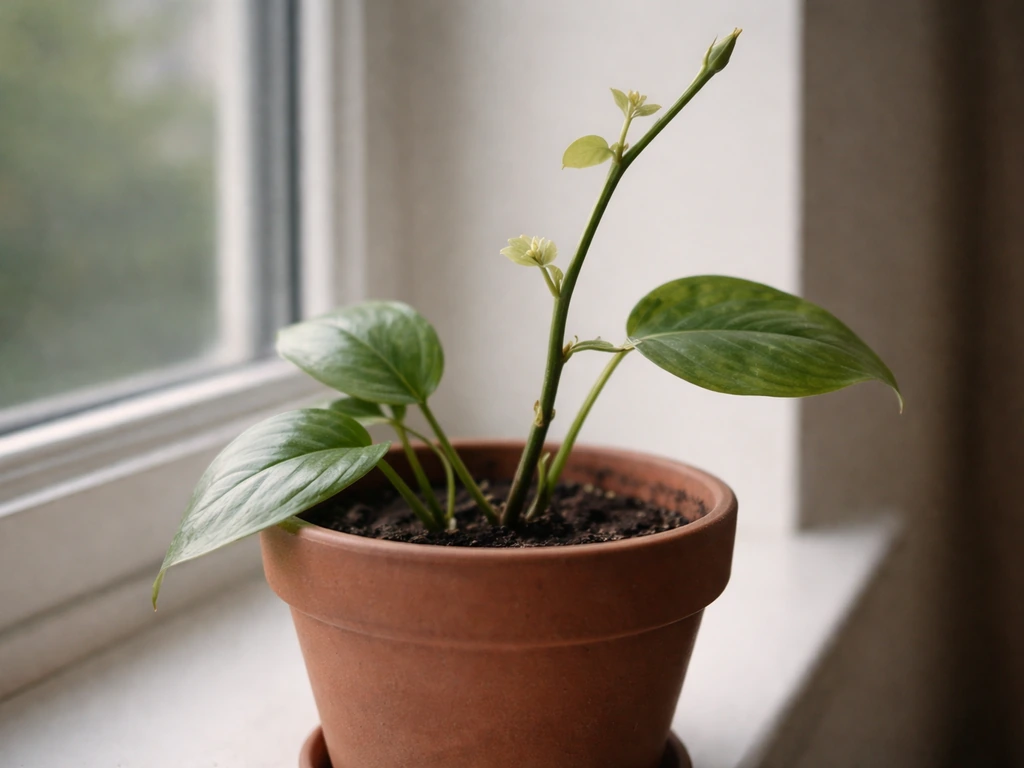
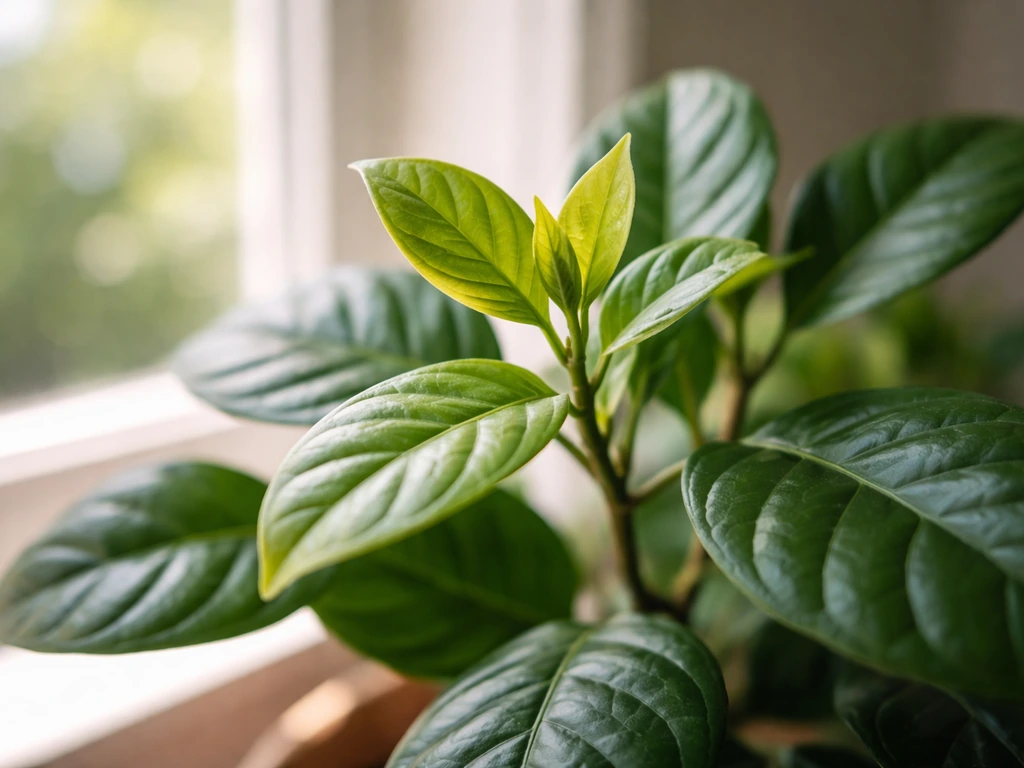
Before you change anything, spend two minutes reading your plant's signals. The symptoms tell you a lot. Pale or yellow new growth with small leaves usually points to a light or nitrogen problem. Leggy stems stretching toward the window mean the plant is starving for light. Leaves dropping suddenly, especially lower ones, often signals overwatering or root stress. Slow growth with otherwise healthy-looking leaves suggests a pot or nutrient issue. No new buds or growing tips at all, even in warm months, is frequently a root problem, a light problem, or both together.
Think of it as a checklist. Run through these in order because light is almost always the most limiting factor indoors, and fixing it first makes every other change work better.
- Light: Is the plant getting enough intensity and enough hours per day?
- Nutrients: Has it been fed recently, and is nitrogen included?
- Water and roots: Is the soil moisture right, and do the roots have room and oxygen?
- Pot and medium: Is the plant rootbound, in the wrong mix, or in a pot that stays soggy?
- Temperature and airflow: Is the plant in a drafty, cold, or stagnant spot?
If you can identify your main symptom from the list above, jump to that section first. Otherwise, start with light because fixing that one thing solves more slow-growth problems than anything else I've seen.
Light fixes that actually drive leaf growth
Leaves are, at their core, light-capturing machines. Every new leaf a plant makes is a direct investment in collecting more photons. If the light supply is too low, the plant simply has no reason to make more leaves, and not enough energy to do it anyway. This is why light comes first on the checklist every time.
Windows vs. grow lights
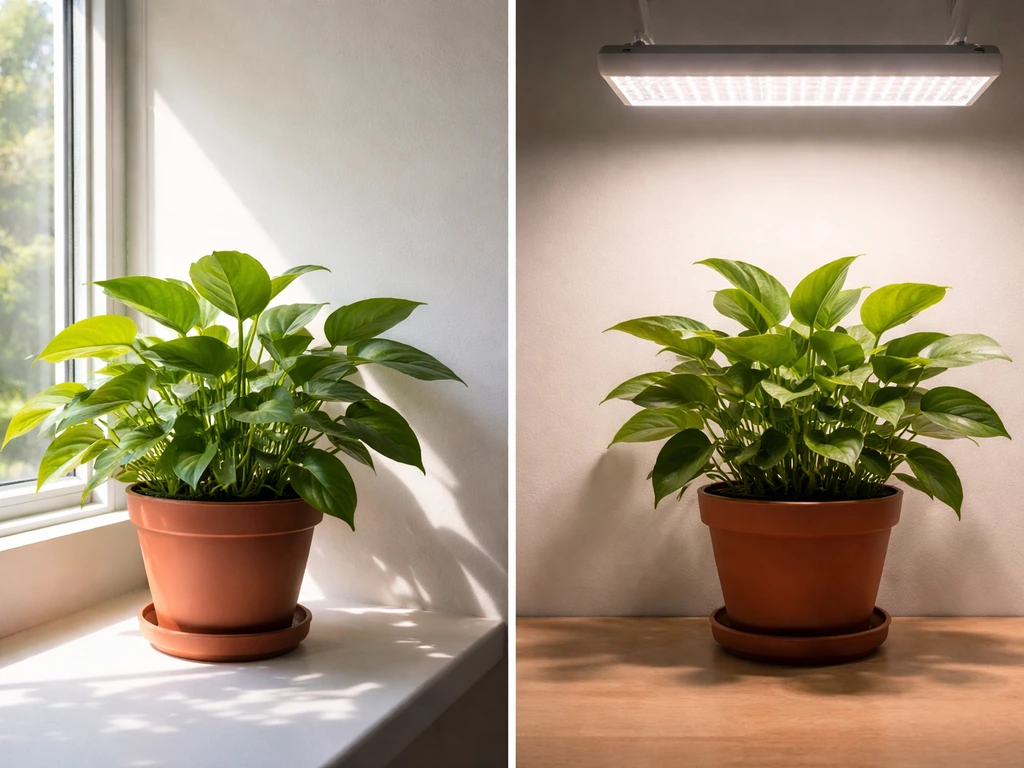
A sunny south-facing window on a clear day can hit 1,000 foot-candles (fc) right at the glass, which is the high end of what most foliage plants need. University of Maryland Extension describes blank" rel="noopener noreferrer">foot-candles (fc) as a measure of light intensity for indoor plants, with 1 fc approximately equal to the brightness of one candle measured one foot away. But step back just four feet and you might be at 200 fc or less. Most spots in a typical room sit in the 25 to 150 fc range, which the University of Arizona Cooperative Extension categorizes as low to medium light. That's survivable for shade-tolerant species like pothos or cast iron plant, but it's not enough to drive active leaf production in most common houseplants. If you want to grow foliage plants with dense, healthy leaf growth, start by matching light, nutrients, and watering to the plant’s specific needs.
A grow light removes the guesswork. Full-spectrum LED grow lights are the most practical option right now: they run cool, use less electricity, and you can dial in the distance. The metric that matters is PPFD (photosynthetic photon flux density), which is how much usable light actually hits the leaf surface. Common foliage plants like philodendrons perform well in the 50 to 250 PPFD range at the leaf, and the University of Maine Extension confirms this. A basic full-spectrum LED panel hung 12 to 18 inches above your plant will comfortably reach those numbers. Move it closer to increase intensity; move it farther to reduce it.
Photoperiod: how many hours of light your plant needs
Duration matters as much as intensity. The University of Arizona Cooperative Extension recommends 12 to 16 hours of artificial light per day for good indoor plant growth. I run most of my foliage plants on a 14-hour light cycle using a simple outlet timer, which costs under $10 and removes the need to remember to turn a light on and off. For plants on windowsills, check whether they're getting blocked by roof overhangs or neighboring buildings during winter months. That surprise drop in daily light hours explains a lot of mid-winter slowdowns.
Quick test: if your plant is reaching or leaning hard toward the light source, it needs more. Rotate the pot a quarter turn every week to keep growth even, and consider supplementing with even a small grow bulb screwed into a standard lamp fixture nearby.
Feeding strategy: nitrogen first, then balance
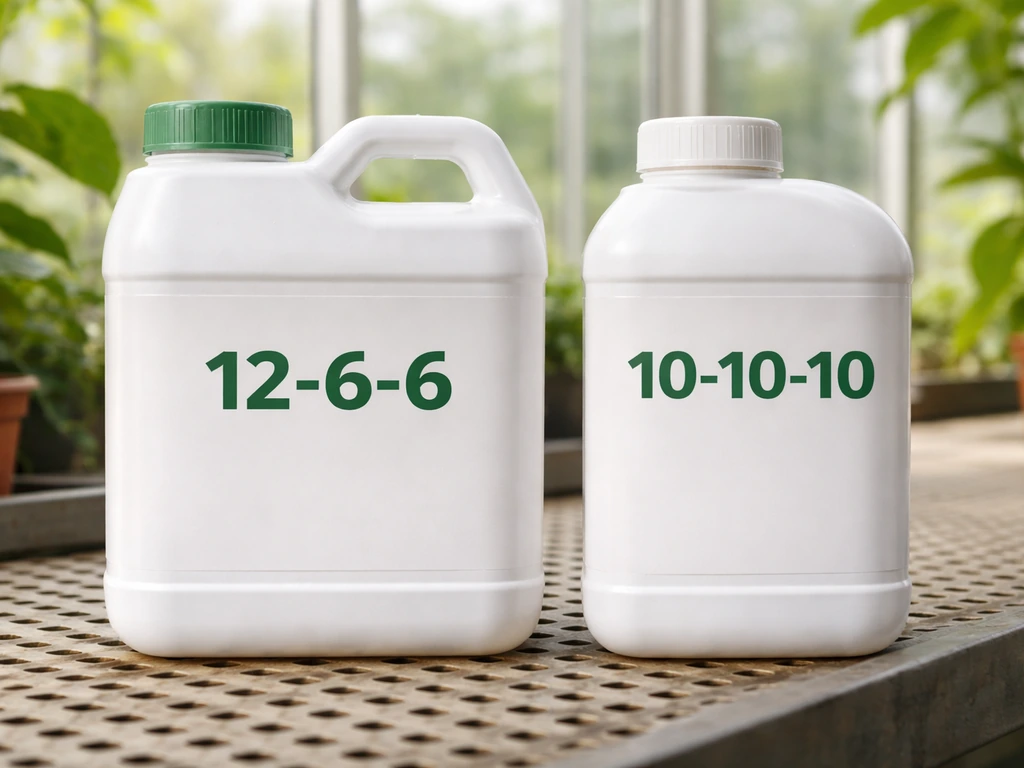
Nitrogen is the building block of chlorophyll and new plant tissue. When a plant is pushing out leaves, it's burning through nitrogen faster than almost any other nutrient. If you haven't fed your plant in more than four to six weeks during the growing season, nitrogen depletion is likely slowing things down.
For leaf production specifically, choose a fertilizer with a higher first number on the NPK label (like 10-5-5 or 3-1-2). That first number is nitrogen. Balanced formulas like 20-20-20 work fine for maintenance, but when you want to drive new leaves, lean toward nitrogen. Avoid over-correcting with nitrogen alone for too long though. Phosphorus supports root development and phosphorus deficiency can indirectly slow overall growth. Potassium keeps cell walls strong and helps the plant use water efficiently. Think of nitrogen as the gas pedal and the other two as keeping the engine healthy.
Dosage and timing
Feed actively growing plants every two to four weeks during spring and summer using a diluted liquid fertilizer at half the recommended dose. Less is genuinely more here. A mild, consistent supply of nutrients beats a single heavy dose. Heavy doses can burn roots, and salt buildup in the soil over time actually blocks nutrient uptake, which is the opposite of what you want. If you haven't fertilized in a long time, flush the pot with plain water first, let it drain fully, and then start a gentle feeding program the following week.
For hydroponic or water culture growers, target an EC (electrical conductivity) of around 1.2 to 2.0 mS/cm for most foliage plants during active growth, which typically translates to roughly 600 to 1000 ppm. If new leaves are pale but growth is otherwise consistent, bump nitrogen concentration slightly. If leaf tips are browning, back off the EC a notch and flush with plain water.
Watering and root health: moisture, oxygen, and stress
Roots need two things to function well: moisture and oxygen. Overwatering drowns the oxygen out of the soil and creates root rot. Underwatering stresses the plant into a kind of survival mode where it stops investing energy in new leaves. Both problems look similar from the outside (slow growth, wilting, leaf drop), which is why so many people keep making the same mistake in both directions.
The simple moisture test
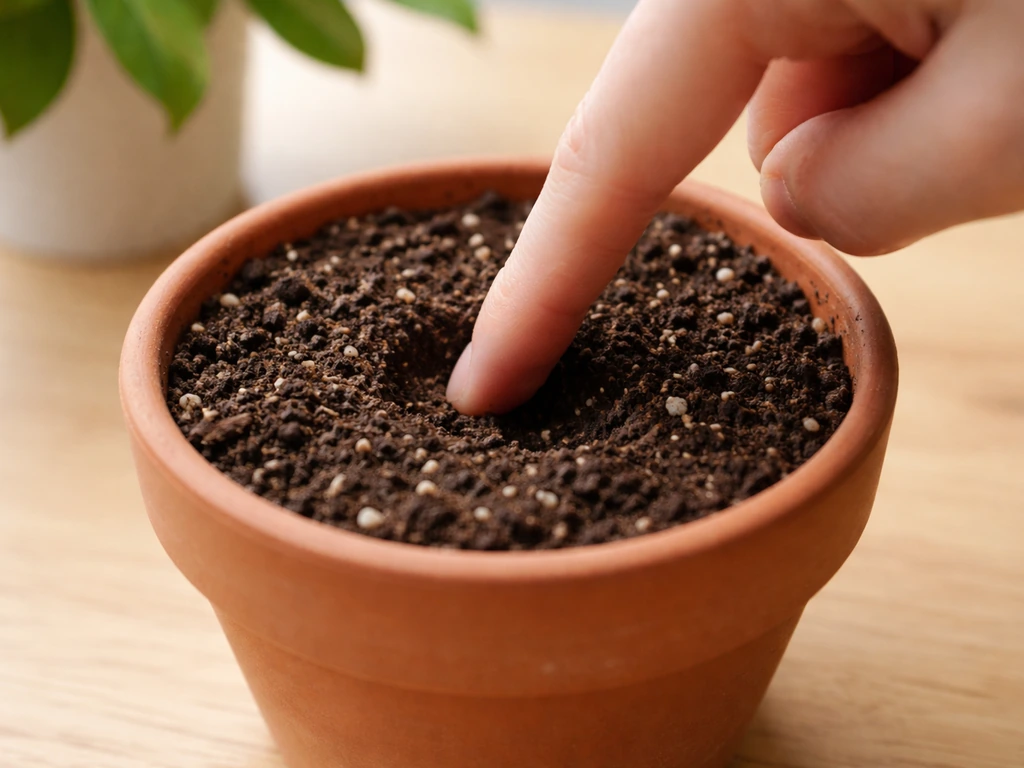
Stick your finger two inches into the soil. For most tropical houseplants, you want to water when the top inch or two feels dry, but before the whole pot becomes bone dry. For succulents and cacti, let it dry out completely between waterings. For moisture-loving plants like peace lilies, water when the top half-inch dries out. When you do water, water thoroughly, until it runs out the drainage holes, then let it drain completely. Never let a pot sit in standing water in its tray for more than 30 minutes.
If you suspect root rot (mushy stems near the base, dark smelly soil, persistent wilting even after watering), unpot the plant, trim away any black or mushy roots with clean scissors, let the healthy roots air dry for an hour, and repot in fresh, well-draining mix. It sounds drastic but plants recover from this more often than you'd think.
Temperature and airflow
Most common houseplants want temperatures between 60 and 80 degrees Fahrenheit. Below 55°F, many tropical plants slow down dramatically or stop growing entirely. Cold drafts from windows in winter are a common hidden cause of leaf drop and stalled growth. Gentle air movement from a small fan also helps: it strengthens stems, reduces fungal risk, and actually improves CO2 circulation around the leaves, which feeds directly into photosynthesis. If you grow in a small enclosed space like a grow tent or terrarium, a small USB fan on low is worth adding.
Pruning, pinching, and training to get more branches and leaves
This is the hands-on trick most beginners skip, and it's one of the fastest ways to increase leaf count. When you cut or pinch a growing tip, you remove the plant's source of a hormone called auxin, which normally suppresses side branching. Take that tip off and the plant redirects energy into growing two or more new branches where there was one. More branches means more growing tips, which means more leaves.
Pinching and topping
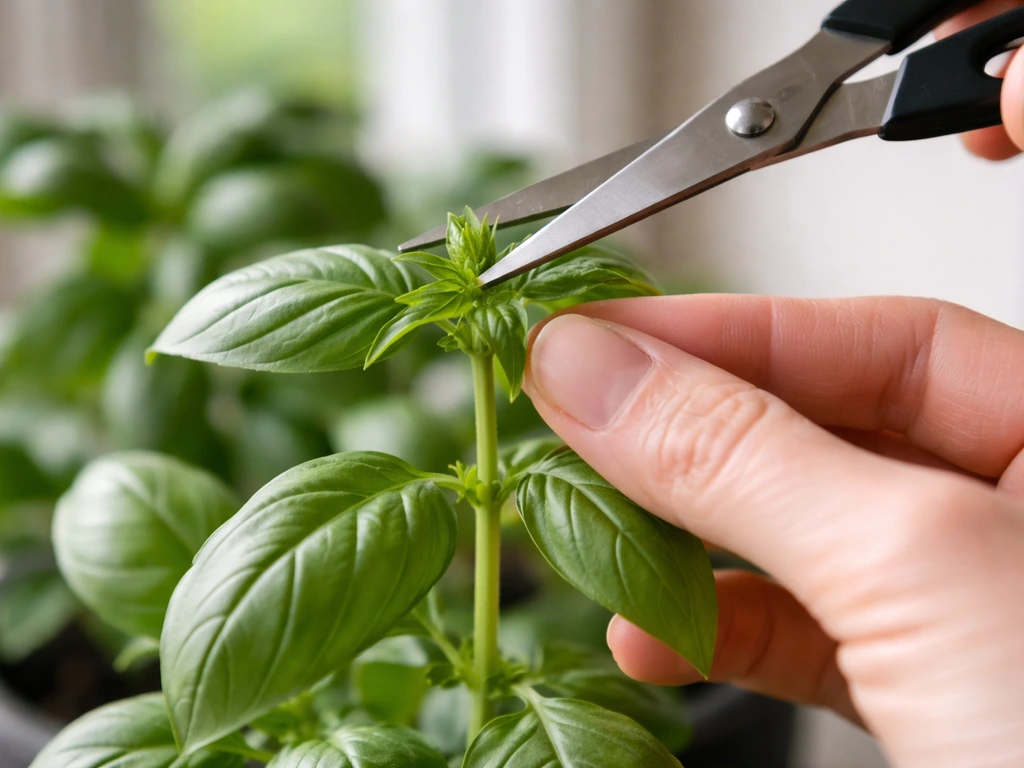
Pinching works best on soft-stemmed plants like basil, coleus, impatiens, and many trailing houseplants. Use your fingernails or clean scissors to remove the topmost growing tip, just above a leaf node. For woodier plants, use clean pruning shears and cut just above a node or leaf junction. Within one to two weeks, you should see two new growth points emerge below the cut. Do this consistently and one leggy stem becomes a full, bushy plant over a few months.
Topping is the same idea applied more aggressively, cutting back the main stem by a third or more to force multiple new shoots. This works well on pothos, philodendrons, mint, and most fast-growing foliage plants. Don't do it to plants that are already stressed; they need to be in active growth with good roots before you push them this way.
Training and trellising
For climbing plants like monsteras, pothos, or hoyas, giving them a support to climb (a moss pole, bamboo stake, or trellis) encourages the plant to produce larger, more mature leaves. Climbing naturally triggers the plant to invest in bigger leaf production because the mature form of most climbing aroids is designed to reach higher light. Secure the stems gently to the support and you'll often see a jump in leaf size and production within a few weeks as the plant responds.
Pot size, repotting, and growing medium
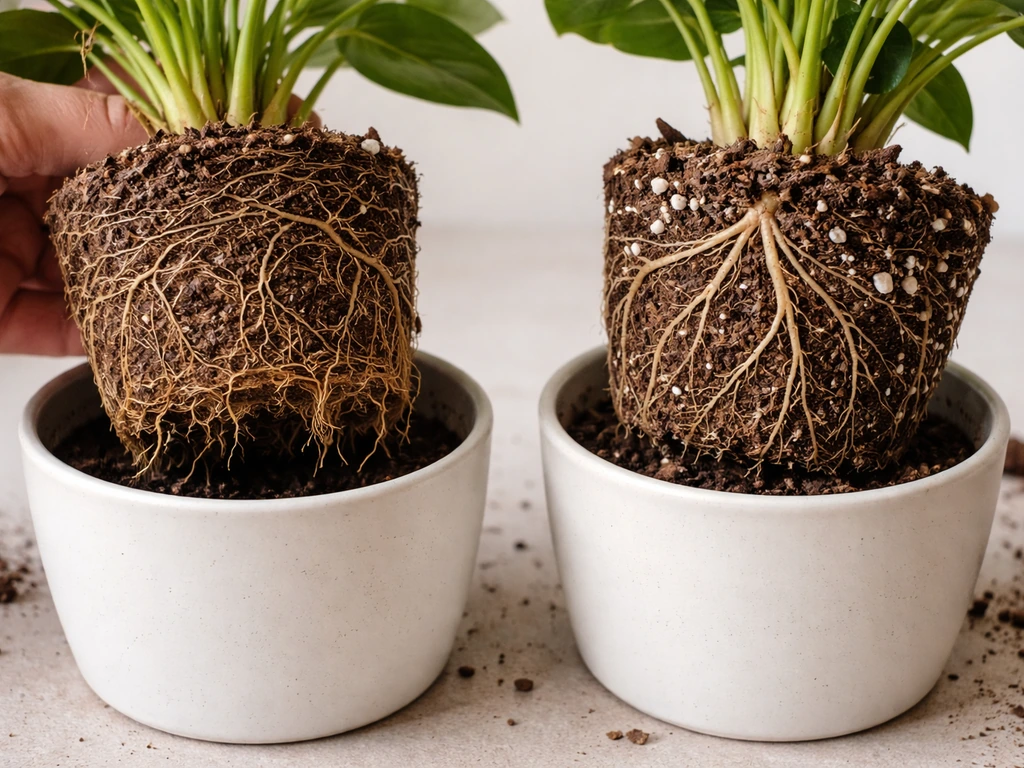
A plant that's severely rootbound (roots circling the pot, growing out of drainage holes, water running straight through) has no room to expand and will stall out. But there's an equally common mistake: putting a small plant into a pot that's way too big. Oversized pots hold too much moisture around roots that can't use it yet, leading to root rot. The sweet spot is a pot that's one to two inches larger in diameter than the current root ball.
Spring is the best time to repot, right as growth picks up. Use a pot with drainage holes, always. For growing medium, match the mix to the plant: chunky, well-draining mixes (like a potting mix cut with perlite or orchid bark) work for most aroids and tropicals. Dense, moisture-retaining mixes suit ferns and calatheas. Succulents need a very gritty, fast-draining mix. Getting the medium right means roots stay healthy, which directly supports leaf production since stressed roots can't support leaf growth no matter how much light and fertilizer you throw at the plant.
Troubleshooting common leaf problems
Most leaf problems trace back to the same handful of causes. Here's how to read the symptoms and what to fix first.
| Symptom | Most Likely Cause | Fix First |
|---|---|---|
| Leggy, stretched stems with wide spacing between leaves | Not enough light | Move closer to window or add grow light; 14-hour light cycle |
| Small, pale, or yellow new leaves | Low light or nitrogen deficiency | Increase light intensity, then feed with nitrogen-forward fertilizer |
| Leaves yellowing (older, lower leaves first) | Overwatering or nitrogen deficiency | Check soil moisture and drainage; flush and restart feeding |
| Sudden leaf drop | Cold draft, overwatering, or dramatic environment change | Move away from cold windows, check roots, stabilize environment |
| No new growth for 4+ weeks in growing season | Rootbound, light deficiency, or compacted soil | Check roots, repot if needed, increase light |
| Leaves browning at tips or edges | Underwatering, low humidity, or fertilizer salt buildup | Flush soil, improve humidity, adjust watering frequency |
| Slow growth but leaves look healthy | Pot too large, mild nutrient deficiency, or cool temps | Check pot size, feed consistently, ensure temps above 65°F |
One important note: try changing one thing at a time. If you increase light, change the fertilizer, repot, and adjust watering all in the same week, you won't know what worked and the combined stress can actually set the plant back. Pick the most obvious culprit based on the symptoms and give it two weeks before evaluating.
Setup-specific tweaks: soil, water, hydroponics, and terrariums
The same core principles apply across all growing setups, but each one has a specific lever to pull when leaf production stalls.
Soil and soilless (coco coir) grows
In standard potting mix, the most common problem is compaction over time. Old soil loses its structure, drains poorly, and suffocates roots. If your plant has been in the same pot for two or more years, refresh the top two inches of soil with fresh mix, or repot entirely. Coco coir grows need more frequent feeding because coco has no inherent nutrients; aim for a balanced liquid feed every one to two weeks during active growth and make sure your formula includes calcium and magnesium, which coco doesn't supply on its own.
Water culture and hydroponics
In water culture (like a simple propagation setup where roots grow directly in water), change the water every one to two weeks and add a diluted balanced liquid fertilizer at quarter to half strength. Keep the water level so that the bottom of the roots are submerged but the crown of the plant stays above water to prevent rot. In a full hydroponic system, monitor EC and pH consistently; most foliage plants prefer a pH of 5.5 to 6.5 in solution. A pH drifting above 7.0 locks out nutrients even when they're present in the solution, which stalls leaf production fast. Testing with a cheap pH meter is worth every penny.
Terrariums and high-humidity setups
Closed or semi-closed terrariums are low-light, high-humidity environments almost by definition. The biggest bottleneck to leaf production here is almost always light: glass filters out some light intensity, and terrarium setups are often placed as decor rather than in a genuinely bright spot. A small grow light positioned above or inside the terrarium lid makes a dramatic difference. Fertilize very sparingly in terrariums (quarter-strength, once every six to eight weeks at most) because the enclosed environment builds up nutrient salts quickly and has nowhere for excess to drain. Focus on maintaining good indirect light and occasional ventilation to reduce mold and keep CO2 levels from stagnating.
What to do today, and how to track progress
Here's the honest version of a quick-start plan. Today: assess your light situation first. If you're more than three feet from a window with no grow light, that's your fix. Order or borrow a basic full-spectrum grow bulb and set a timer for 14 hours. This week: check the soil moisture before watering, look at the roots if growth has stalled for a month or more, and feed with a nitrogen-containing liquid fertilizer if you haven't in the past four weeks. If your goal is to grow nursery plants with steady leaf growth, keep nutrient levels consistent and avoid letting roots stay stressed nitrogen-containing liquid fertilizer. In the next two weeks: try a light pinch on one or two stems to encourage branching. Mark the number of leaves and growing tips today, either by photo or a quick count, so you have a baseline.
Realistic expectations: in good conditions, fast-growing plants like pothos, philodendrons, and tradescantias will push out visible new leaves within one to two weeks of a light improvement. Slower-growing species like rubber plants or fiddle-leaf figs may take three to six weeks to show a response. If you've made changes and see no new growth after six weeks in the peak growing season (spring through summer), it's worth re-examining the roots for rot or the pot for being severely rootbound.
Growing more leaves is really about removing the single biggest obstacle in your plant's way right now, then stepping back and letting it do what it's built to do. When you learn how do new plants grow in ideal conditions, you can troubleshoot why growth has stalled and fix the limiting factor first built to do. Plants grow step by step when the biggest limitation is corrected first, then everything else can follow naturally. Plants genuinely want to grow. Your job is mostly to stop blocking them. If you’re wondering how plants and flowers grow in nature, the same basics apply: enough light, water, nutrients, and healthy roots so the plant can photosynthesize and build new tissue.
FAQ
How do I know if my plant needs more light or just more fertilizer to grow new leaves?
Use a “new growth test.” If the newest leaves are pale or tiny and the plant is not producing more growing tips, light is usually the limiter. If the plant is making normal-sized leaves but the whole plant is slow after several weeks, nitrogen feeding may be the issue, especially if you skipped fertilizer during active growth.
Can I speed up leaf growth by increasing temperature?
Warmth helps, but it is not a replacement for light. Keep daytime temps roughly in the 60 to 80°F range and avoid sudden swings from cold windows or overheated rooms. If you raise temperature without adding light, plants may stretch without producing denser leaf growth.
What’s the safest way to “fix” nitrogen without burning roots?
Switch to smaller, more frequent doses rather than one strong feeding. Use diluted liquid fertilizer at about half strength every two to four weeks during spring and summer, and water normally between feedings. If you see browning leaf tips or salt crust on the soil, flush the pot with plain water and pause feeding for a week.
How often should I rotate my plant, and does it really change leaf production?
Rotate about a quarter turn weekly. It mainly improves uniform light exposure across the plant so you do not end up with one side producing more leaves than the other. Uneven light can also make stems lean, which makes the plant look like it is not growing even when it is.
My plant keeps dropping lower leaves, but the top looks green. Is that overwatering?
It can be, but also consider light starvation. Sudden leaf drop with yellowing usually points to root stress from too much water or poor drainage. If only older, lower leaves yellow while new growth near the top remains steady, slow light and natural aging can be the cause, especially in winter.
What potting mix mistake most commonly prevents more leaves, even when I fertilize?
Using a mix that holds too much water for too long. If your mix stays wet for days, roots cannot breathe, and leaf growth stalls. Match the mix to the plant type, ensure drainage holes work, and if needed refresh or repot into a chunkier, better-draining medium.
My plant is rootbound, should I upsize the pot to a large size to “force” leaf growth?
No, oversizing is a common mistake. Increase pot diameter only about 1 to 2 inches larger than the current root ball. Too-large pots keep soil wet around roots that cannot use the water yet, which delays new leaf production and can trigger rot.
Is pinching always safe, and when should I avoid it?
Pinching is best on actively growing plants with healthy roots. Avoid it when the plant is stressed (wilting, root rot signs, severe yellowing, or after repotting). If a plant is not producing new growth, fix light, watering, and roots first, then pinch to encourage branching.
How long should I wait after changing care before expecting more leaves?
After improving light, many common foliage plants show visible new leaves in 1 to 2 weeks, sometimes up to a month. If you are fixing roots or repotting, expect slower change, often several weeks. As a decision point, if there is no new growth for about six weeks in spring or summer, re-check roots and pot conditions.
Do grow lights need a specific distance, or can I just turn them on longer?
Distance matters because intensity drops as the light gets farther away. Longer photoperiod helps only if the plant is getting enough usable light. Adjust the fixture height to target appropriate PPFD for your plant and use a timer for consistency, commonly around 12 to 16 hours per day.
What should I do if new leaves are coming in but they keep deforming or curling?
Check for the “root-to-light” chain first. Deformed new growth can come from inconsistent watering, low light, or nutrient imbalance. Ensure the plant is not sitting in standing water, confirm adequate light intensity, and if using fertilizer, avoid heavy nitrogen-only feeding that can throw off overall balance.
For hydroponics, what pH issue most often blocks leaf growth even when nutrients are present?
Nutrient lockout from pH drifting too high (above about 7) is a common cause. If leaves stall while solution nutrients seem adequate, measure pH and correct it back into a suitable range for foliage plants, then maintain stable pH rather than chasing it day by day.