You can absolutely grow plants in cold weather, you just need to pick the right plants, protect them from the specific dangers cold brings (freezing roots, ice-crystal leaf damage, waterlogged soil), and know when to bring things indoors. Whether you're dealing with a light frost or a hard freeze, the tactics are practical and repeatable, and most of them cost very little to set up.
How to Grow Plants in Cold Weather: Step-by-Step Guide
Marcus Holloway
22 May 2026
Pick Plants That Actually Belong in Cold Weather
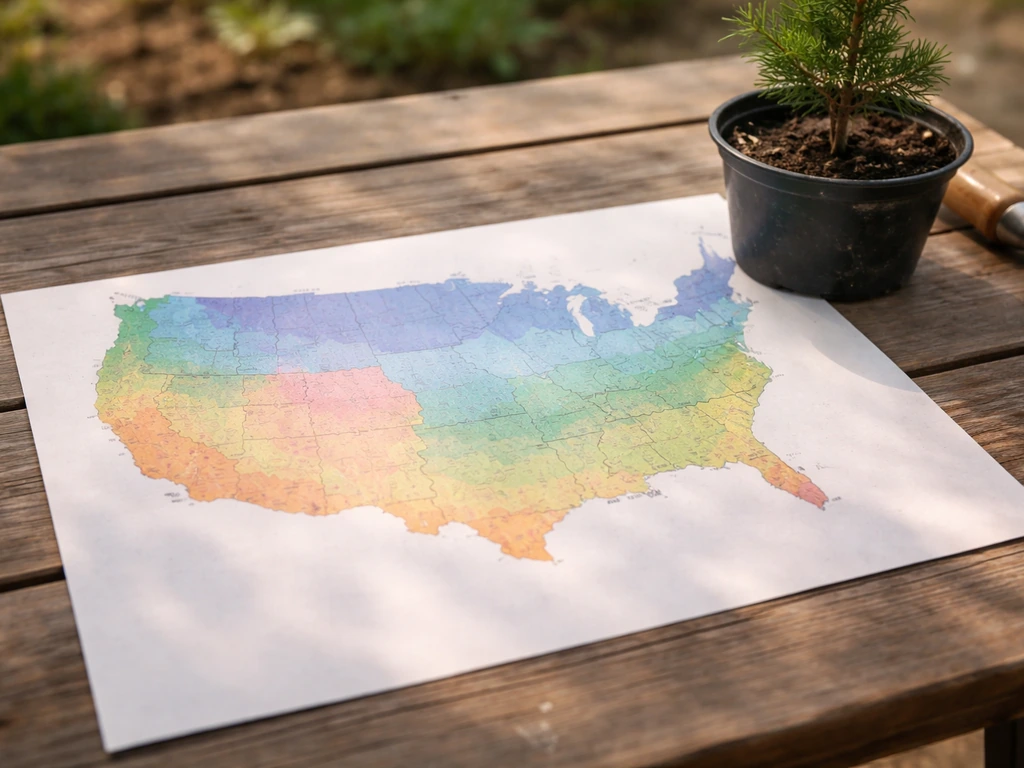
The single biggest mistake cold-weather gardeners make is trying to keep warm-season plants alive past their natural limit. It is almost always easier to grow something that is built for cold than to constantly fight to protect something that is not. Start by knowing your USDA hardiness zone, which is the standard tool for matching plants to climates. Zones are based on the average annual extreme minimum winter temperature over a 30-year period, divided into 13 bands of 10°F (about 5. Wisconsin Extension notes that USDA hardiness zone maps divide the U.S. into 13 zones using average annual minimum winter temperatures over a 30-year basis to reduce year-to-year extremes blank" rel="noopener noreferrer">the average annual extreme minimum winter temperature over a 30-year period, divided into 13 bands. USDA hardiness zone temperatures reflect an average annual extreme minimum temperature range of 10°F (about 5.6°C), which is the basis for how plants are matched to climates blank" rel="noopener noreferrer">Zones are based on the average annual extreme minimum winter temperature over a 30-year period, divided into 13 bands of 10°F (about 5.6°C) each.. 6°C) each. So zone 6 gets down to -10°F to 0°F on average, while zone 9 rarely dips below 20°F. The 30-year averaging matters because it smooths out freak years, but keep in mind that a plant sitting right at the cold edge of its zone can still die in an unusually harsh winter, even if it has survived several previous years.
Once you know your zone, look for plants rated one zone colder than yours for a real safety margin. For outdoor growing in cold weather, these are the categories that genuinely thrive rather than just survive:
- Hardy greens: kale, spinach, arugula, mache, claytonia, and Swiss chard tolerate temperatures well below freezing and often taste sweeter after a frost
- Root vegetables: carrots, turnips, parsnips, and beets can stay in the ground through light freezes if mulched properly
- Brassicas: cabbage, Brussels sprouts, and broccoli are cold-hardy and can handle repeated freeze-thaw cycles
- Hardy herbs: thyme, sage, rosemary (in zones 6 and warmer), chives, and parsley handle cold far better than basil or cilantro ever will
- Ornamentals: pansies, snapdragons, ornamental kale, and violas are specifically bred to bloom in near-freezing temps
- Perennials and shrubs rated for your zone: these simply go dormant and come back without any intervention from you
If you are growing in containers, drop down one hardiness zone when selecting plants. Pots expose roots to air temperature on all sides, which means the root zone gets much colder than it would in the ground. A plant rated to zone 6 in the ground may struggle to survive in a container in zone 7 if temperatures drop hard.
What Cold Weather Actually Does to Plants (and What You Need to Manage)
Cold is not just about temperature. There are four real limiting factors in winter, and each one needs a slightly different response from you.
Light
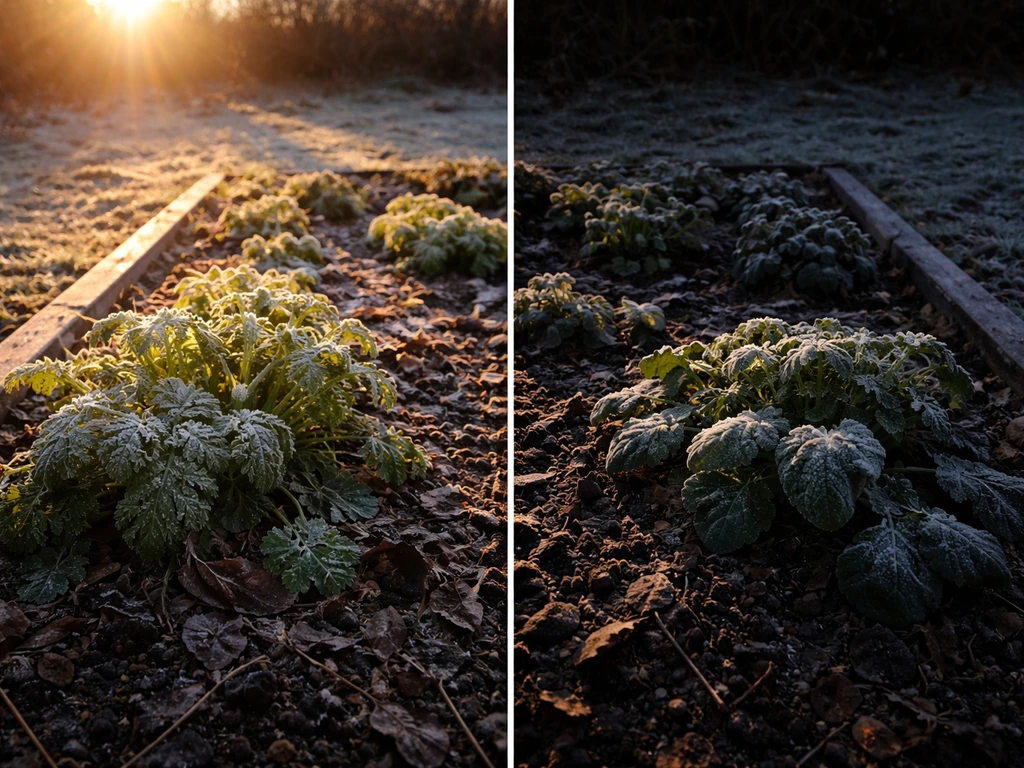
Winter days are short and the sun sits low on the horizon. Even on clear days, light intensity is significantly lower than in summer. Most vegetables and flowering plants need 6 to 8 hours of direct sun to grow well. In winter, many locations are lucky to get 4 usable hours. This is why cold-tolerant leafy greens are ideal, they tolerate lower light than fruiting plants like tomatoes or peppers ever would. Position outdoor beds and containers to face south (in the northern hemisphere) to capture every degree of solar angle. Remove overhanging branches or anything casting shade on your growing area during this low-angle season.
Temperature swings
The freeze-thaw cycle is often more damaging than sustained cold. When water in plant tissue freezes and expands, then thaws, it ruptures cell walls, that is what causes that mushy, water-soaked look on frost-damaged leaves. Rapid temperature drops at night are especially hard on plants that were warm during the day. The goal is not always to keep plants warm, but to slow the rate of temperature change. This is why cold frames, cloches, and mulch work so well, they buffer the swings, not necessarily eliminate the cold.
Wind
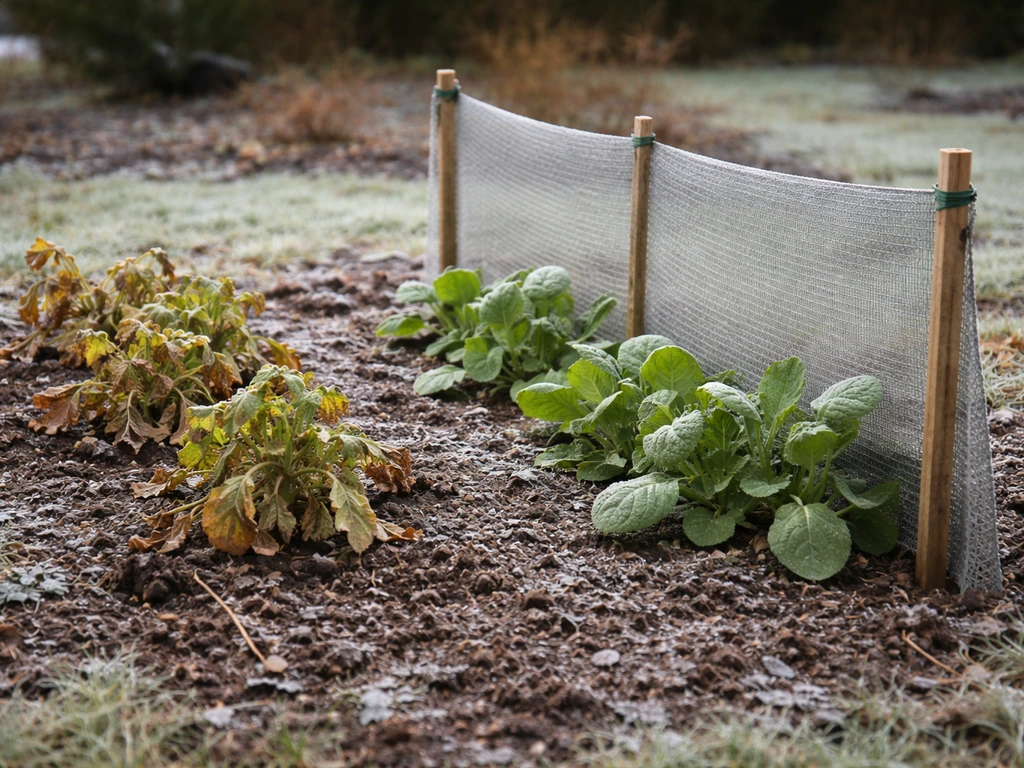
Cold wind is a major and often overlooked killer. Wind strips moisture from leaves faster than roots can replace it, causing winter burn (brown, crispy leaf edges even without a hard freeze). It also dramatically accelerates the rate at which soil and containers lose heat. Windbreaks, a fence, hedge, wall, or even a row of tall straw bales, can make a measurable difference. Positioning containers near the south-facing wall of a house captures radiated heat and blocks prevailing winds at the same time.
Moisture
Cold-weather watering is the most commonly mishandled part of winter growing. To apply these ideas to wet weather, focus on rainy-season drainage and a watering routine that prevents waterlogged soil and root rot Cold-weather watering. Plants take up far less water when it is cold because growth slows, roots are less active, and evaporation drops. Overwatering in cold conditions is one of the fastest ways to kill plants, waterlogged, cold soil creates the perfect conditions for root rot. At the same time, if the soil dries out completely and then freezes, roots can desiccate. The rule is simple: water when the top inch or two of soil is dry, water deeply but infrequently, and always water in the morning so foliage dries before nighttime temperatures drop.
Setting Up Your Growing Space for Cold Conditions
How you set up your space determines how much protection you will need to provide all season. Here is how to think through each option.
In-ground beds
The ground is your best natural insulator. Soil temperature changes much more slowly than air temperature, which means plant roots in the ground stay warmer longer during cold snaps. Raised beds occupy a middle ground, they drain better and warm up faster in spring, but they also lose heat faster than in-ground beds in winter. If you have raised beds, add extra mulch and consider insulating the sides with foam board or straw bales during the coldest months.
Containers
Use the largest containers you can manage, more soil volume means more thermal mass and more insulation around roots. Terracotta pots crack in freezing weather because they absorb water and expand, so switch to thick plastic, foam, or resin containers for outdoor winter growing. Elevating pots slightly off the ground on pot feet or a wooden board improves drainage and prevents the base from freezing solid to the surface. Grouping pots together also helps, they insulate each other.
Cold frames
A cold frame is essentially a bottomless box with a transparent lid, old windows on a wooden frame, a commercial polycarbonate unit, or even a repurposed shower door on straw bales. They work by trapping solar heat during the day and releasing it slowly at night. A good cold frame can extend your growing season by 4 to 6 weeks in both directions and protect plants through moderate frosts. Vent them on sunny days to prevent overheating, temperatures inside can spike well above 50°F (10°C) on a clear winter day, even when it is below freezing outside.
Cloches
A cloche is a low-cost cover placed directly over individual plants. Glass bell jars are the traditional version, but cut plastic bottles, gallon jugs with the bottom removed, or commercial wax paper cloches all work well. They are best for protecting transplants from late or early frosts, not for long-term winter growing. Remove them during the day when temperatures rise to avoid cooking your plants.
Greenhouses and hoop houses
If you are serious about cold-weather growing, a small hoop house made from bent PVC pipe and plastic sheeting is one of the cheapest and most effective setups available. Even an unheated hoop house adds 10 to 20°F of protection and blocks wind entirely. A heated greenhouse lets you grow almost anything regardless of outdoor temperatures, though the energy costs add up. Even a mini greenhouse, a metal shelving unit with a zip-up plastic cover, works well on a patio or balcony for overwintering tender plants.
Adjust Your Soil and Potting Mix for Cold
Cold soil behaves very differently from warm soil, and your mix needs to account for that. The most important property in winter is drainage. Waterlogged, cold soil becomes anaerobic quickly, and plant roots suffocate before rot sets in. For outdoor beds, work in compost in autumn before the ground freezes, not during winter, because cold slows microbial activity so much that fresh compost or fertilizer will not break down and can actually lock up nutrients temporarily. Aim to have your beds amended and ready before first frost.
For containers, use a potting mix that drains fast. Add extra perlite, roughly 20 to 30 percent of the total mix, to prevent compaction and waterlogging. Avoid garden soil in containers entirely; it gets dense and heavy when cold and wet. If you are reusing potting mix from the previous season, refresh it with compost and perlite before planting. Avoid fertilizing heavily in winter, most cold-tolerant plants grow very slowly and do not need a nutrient push. If you do fertilize, use a half-strength, balanced liquid fertilizer once a month at most.
Season Extension: Keeping Plants Growing Longer
Season extension is about buying yourself extra weeks before and after the harshest cold. None of these tactics are complicated, and together they add up to a dramatically longer growing window.
Mulch
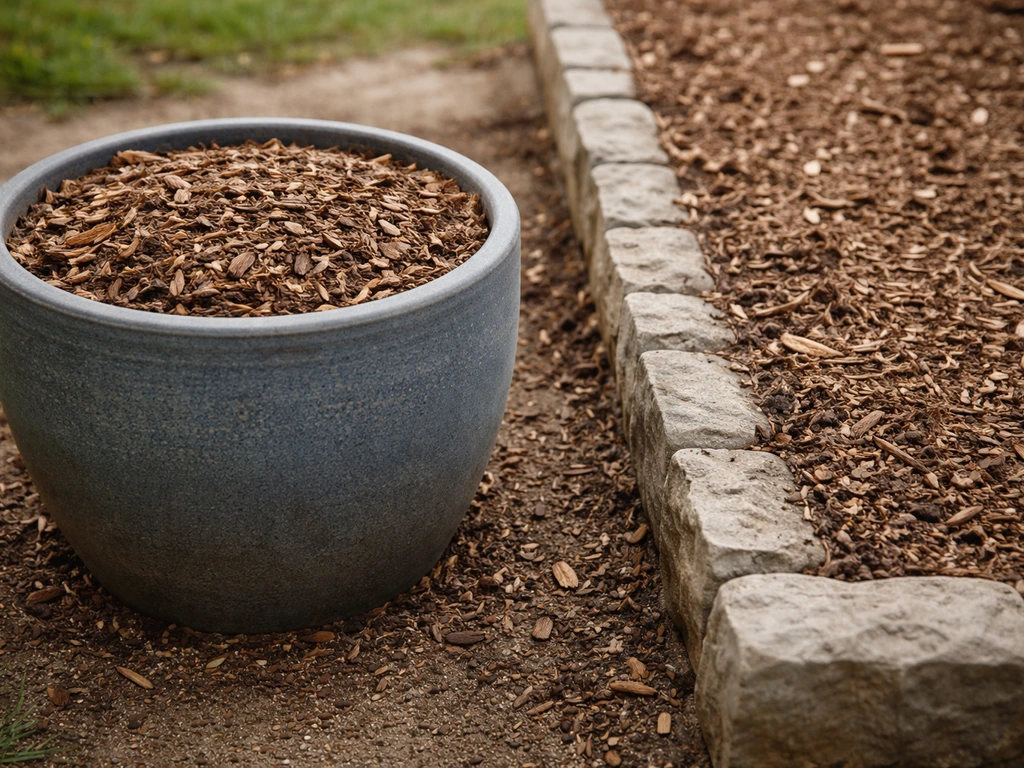
Mulch is one of the most powerful and underused tools in cold-weather gardening. A 3 to 4 inch layer of straw, shredded leaves, or wood chips insulates the soil, slows freeze-thaw cycles, and keeps root zones several degrees warmer than unmulched soil. Apply it after the ground has cooled in autumn but before it freezes hard. Do not pile mulch right against plant stems, leave a small gap to prevent rot and rodent damage.
Row covers
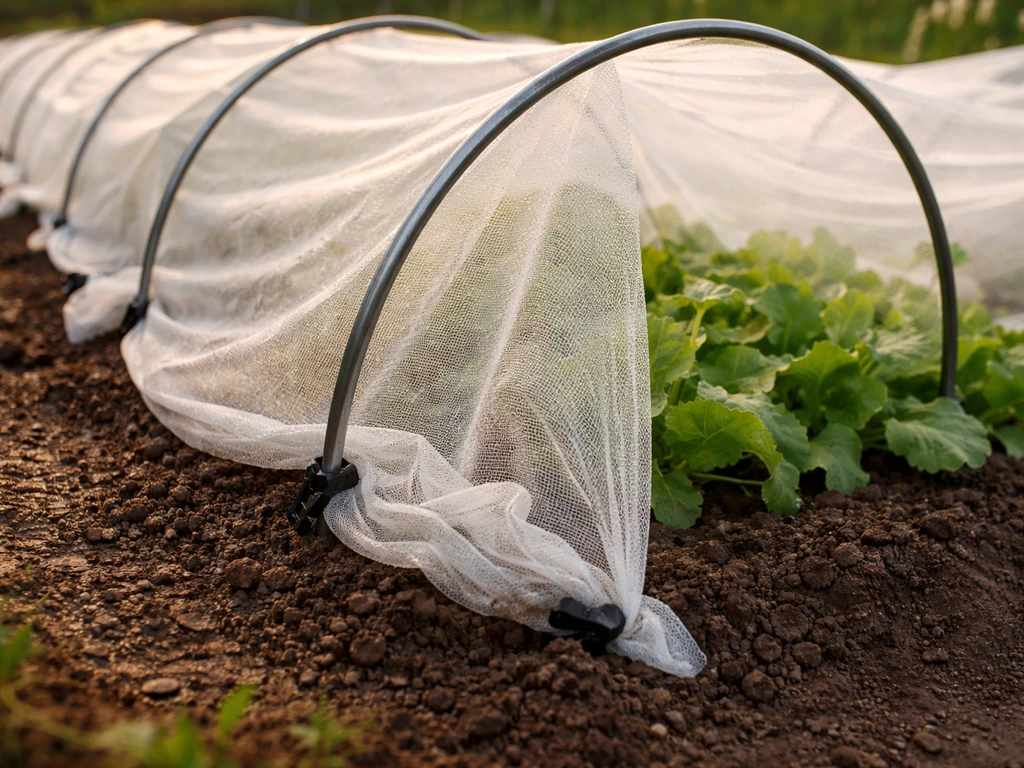
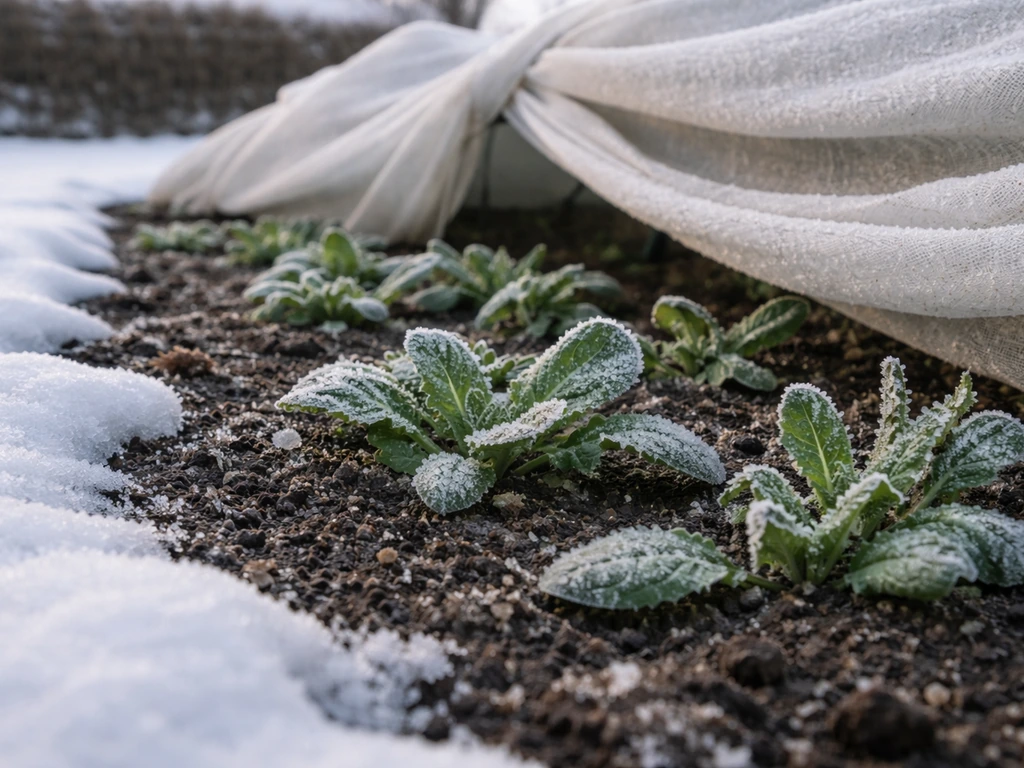
Floating row cover (sold as Reemay or Agribon fabric) is lightweight spunbonded fabric that lets in light and moisture while adding frost protection. Lighter weights (1.0 oz) add about 4°F of protection; heavier weights (1.5 to 2.0 oz) can add 8 to 10°F. You can drape it directly on plants or support it with wire hoops. It is especially effective over cold frames, effectively doubling the protection. Unlike plastic, row cover allows some air exchange, so you do not have to remove it every day.
Frost cloth and emergency protection
When a hard freeze is forecast, act the evening before, not the morning of. Cover vulnerable plants with frost cloth, old bedsheets, or burlap before sunset so you trap the ground heat underneath. Never use plastic sheeting directly on plants; it transmits cold rather than insulating. If you have container plants, move them next to a wall, into a garage, or under an overhang. Even unheated indoor spaces above freezing will protect tropicals from a freeze event.
Watering rules in cold
Water outdoor plants the day before a hard freeze, not after. Moist soil holds heat much better than dry soil, the water acts as a heat reservoir overnight. After a freeze event, do not water again until the soil has thawed and you have checked moisture levels. For containers kept outdoors, check soil moisture every 5 to 7 days in winter rather than daily. If the top 2 inches are still damp, wait.
Troubleshooting the Most Common Cold-Weather Problems
Cold-weather growing does go wrong sometimes. Here is what to look for and what to do about it.
| Problem | What it looks like | What to do |
|---|---|---|
| Frost damage | Mushy, water-soaked, or brown patches on leaves, usually overnight | Do not prune immediately — wait until the plant stabilizes, then cut back dead tissue. The damage will not spread. |
| Slowed or stalled growth | No new leaves, no visible progress for weeks | Normal in deep cold. Check light levels first. If under 4 hours of sun, supplement with a grow light indoors or reposition. |
| Root rot / overwatering | Yellow lower leaves, mushy stem base, foul smell from soil | Let soil dry out fully before watering again. Repot into fresh, well-draining mix if roots are mushy. Remove all rotted sections. |
| Winter burn (leaf scorch) | Brown, crispy leaf edges on evergreens or container plants | Usually wind or desiccation. Move plants out of direct wind, water if soil is dry, and avoid heavy pruning until spring. |
| Fungal disease | Gray mold (botrytis), white powdery coating, or black spots in cool, damp conditions | Improve airflow, reduce watering, remove affected leaves. Cold frames and cloches need daily venting to prevent this. |
| Aphids and fungus gnats indoors | Sticky residue or tiny flies around soil, clusters of insects on new growth | Cold does not eliminate pests indoors. Use yellow sticky traps for fungus gnats, insecticidal soap for aphids. Let soil dry between waterings to discourage gnats. |
One realistic expectation to set: cold-weather plants grow slowly. A kale seedling in winter might take three times as long to reach harvest size as one planted in April. That is not failure, that is cold biology. Slow photosynthesis, slow cell division, slow everything. Patience is the most underrated cold-weather growing skill.
When It Is Too Cold Outside: Indoor and Alternative Growing Options
When outdoor conditions are genuinely too harsh, sustained hard freezes, polar vortex events, or you simply do not have outdoor space, moving growing indoors is not a consolation prize. It is a completely valid and often very productive option. This is also where the site's full range of growing methods comes into its own.
Moving plants indoors
The south-facing windowsill is your best friend in winter. In the northern hemisphere, south-facing windows get the most winter sun by a significant margin. East-facing windows are a reasonable second choice for morning light. Keep plants away from heating vents, which dry out foliage fast, and away from cold drafts near single-pane windows. Group plants together to raise local humidity. If natural light is genuinely insufficient, fewer than 4 hours of direct sun, a simple LED grow light on a 14-hour timer makes an enormous difference for leafy herbs, microgreens, and small vegetables indoors.
Hydroponics for cold-weather indoor growing
Hydroponics is arguably the best cold-weather backup system available. Because you control the nutrient solution temperature, the lighting schedule, and the growing environment entirely, outdoor temperature becomes irrelevant. A small countertop hydroponic unit with a built-in grow light can produce lettuce, herbs, spinach, and leafy greens year-round regardless of what is happening outside. The learning curve is gentle, and the harvest times are significantly faster than soil growing, lettuce in a hydroponic system can go from seed to harvest in 3 to 4 weeks. If you want to keep growing through the worst winter has to offer, this is the most reliable method available.
Terrariums for cold-weather plant enjoyment
A closed or open terrarium creates its own microclimate and is a satisfying way to grow moisture-loving plants like ferns, mosses, and tropical foliage indoors during winter. Closed terrariums recycle their own moisture and need almost no watering, making them very forgiving for a season when overwatering is the number one indoor plant killer. They also add humidity to dry winter air in heated homes, which benefits surrounding houseplants. If you want green and growing things around you through winter without a lot of active management, a terrarium is a genuinely low-effort option.
Houseplants that thrive in winter conditions
Some houseplants are well adapted to the lower light and cooler temperatures of a winter home: pothos, snake plants (Sansevieria), ZZ plants, cast iron plants, peace lilies, and most ferns do well with reduced light and minimal watering. These are the plants to lean on heavily in winter rather than trying to keep sun-hungry tropicals alive. Reduce watering frequency for all houseplants in winter, most go into a slow-growth rest period and need far less water than in summer.
A Practical Cold-Weather Growing Checklist
If you want a clear sequence of actions to take right now, work through this list based on your situation: If you are instead dealing with heat, use this same climate-based mindset and learn how to grow plants in hot weather by adjusting shade, watering, and plant selection for summer conditions.
- Look up your USDA hardiness zone and note your average first and last frost dates
- Choose plants rated at least one zone colder than yours for outdoor growing, or pick cold-hardy greens and brassicas for the most reliable results
- Assess your outdoor space for light (south-facing?), wind exposure, and drainage
- Amend outdoor beds with compost now if the ground is not frozen; add extra perlite to container mixes
- Add 3 to 4 inches of mulch around outdoor plants before the next freeze
- Set up a cold frame, hoop tunnel, or row cover over actively growing beds
- Switch to a less-frequent watering schedule and check moisture manually before watering
- Move vulnerable container plants close to a south-facing wall or indoors when hard freezes are forecast
- For indoor growing, position plants at south-facing windows or add a grow light on a 14-hour timer
- If outdoor growing is not viable, consider a small hydroponic setup or terrarium for continuous green growth through winter
Growing plants in winter is genuinely possible, and the skills you build doing it, reading your climate, managing moisture carefully, understanding light limitations, make you a much stronger grower in every other season too. These same principles can also guide how to grow plants in summer season, especially around light, watering, and seasonal protection. If you are growing in Arizona, the same idea applies, but you will focus on hot-weather needs and heat-tolerant varieties instead of cold-weather protection growing plants in winter specifically. If you want to go deeper, the related topics of growing plants in winter specifically, growing all year round, and how summer heat creates the opposite set of challenges are all worth exploring as you build your seasonal growing rhythm.
FAQ
Can I start seeds outdoors in cold weather, or should I always wait?
Yes, but only if the plant is cold-hardy and you avoid thermal shock. Harden off by moving plants outdoors for a few hours each day over a week, then extend the time gradually. On the first cold exposures, prioritize protection (row cover or a cloche) and keep plants well-watered beforehand, since stressed plants desiccate faster in cold dry air.
Why do my seedlings germinate in winter but then stall or get leggy?
For winter sowing, “survive” is not the same as “grow.” If days have less than about 6 to 8 hours of usable light, seedlings may germinate but grow slowly and become leggy. Use a cold frame or row cover to capture daytime warmth and to reduce the risk that seedlings are repeatedly chilled after warm afternoons. If you see weak stems and pale leaves, switch to faster indoor lighting until conditions improve.
How do I know which plants truly need protection during a cold snap?
Don’t assume “hard freeze” means you must protect every plant equally. Use leaf condition and exposure to decide: wrap tender foliage that is directly exposed to wind, but don’t over-cover plants that need air circulation, especially if you are using non-vented covers. Also, avoid trapping cold moisture overnight on plants that are already stressed, ventilate on sunny afternoons, and prioritize root protection with mulch for everything in-ground.
Should covers stay on all day in winter, or only at night?
If you only cover at night, you usually get enough benefit because the primary problem is rapid overnight temperature drop and frost on leaf surfaces. For long cold periods, leave row cover on continuously and vent during sunny periods to prevent overheating, but for cloches or plastic-type covers, remove them during the day to avoid cooking. The key is to buffer temperature changes without trapping excessive humidity for too long.
Can I add compost or fertilizer during the winter months to help plants grow?
Yes, but it must be done carefully. Compost added during winter often breaks down too slowly in cold soil and can temporarily tie up nutrients. Instead, amend beds in autumn after soil temperatures are still warm enough for microbial activity. If you must adjust in winter, top-dress sparingly with finished compost and avoid heavy fertilizing, since growth is slow and the risk of anaerobic conditions rises in cold wet soil.
How often should I water plants in cold weather without causing root rot?
Switch from calendar watering to a simple check. In winter, stick a finger or use a moisture meter to confirm the top inch or two is dry before watering, and always water in the morning so foliage can dry before nighttime cooling. For containers, drainage matters more than frequency, if water sits in the saucer, empty it after 15 to 30 minutes.
My leaves look burnt even though there was no hard freeze, what’s going on?
Overwatering is common, but cold-dry desiccation also happens, especially with wind exposure. If leaves are browning at edges and the soil still feels moist, suspect wind burn or excessive cover that dried unevenly. Improve protection with windbreaks, increase humidity under row cover, and check that your cover is not trapping cold moisture against leaves for long periods.
Are raised beds better or worse than in-ground beds for winter growing?
Raised beds can be a good middle ground, but they still lose heat faster than in-ground soil, so plan on extra insulation. In winter, add deeper mulch and consider insulating the sides (foam board or straw bale) to reduce heat loss. If your raised bed is well-drained and slopes away, it will also reduce the waterlogged root risk during wet cold spells.
How do I keep container plants alive when pots freeze through?
Yes, but choose the right pot strategy. Thick plastic or insulated containers hold temperature better, terracotta can crack because water expands as it freezes. Elevate pots for drainage, group containers together for shared insulation, and if you have very windy exposure, add a windbreak so you are not cooling the pot surface faster than it can buffer.
When should I change watering habits when temperatures drop and plants slow down?
A general guideline is to wait until growth is actively slowing or dormancy is approaching, then reduce watering, but do not stop immediately if soil is thawed and dry. For many cold-hardy crops, aim for “moist but not wet” and keep a light mulch barrier. For houseplants, reduce watering more decisively, since lower light drives slower water use and a temporary rest period is normal.
What should I do differently for a light frost versus a hard freeze?
Use protection based on the event type. For light frost, row cover often suffices if it is not touching foliage. For a hard freeze, protect sensitive plants at night, water the day before for ground heat retention, and focus on root insulation (mulch, pot elevation, and wind protection). If you expect multiple nights in a row, consider a hoop house or cold frame instead of many small covers that can gap.
How can I tell if my problem is cold damage, wind burn, or root rot?
If you see persistent yellowing, mushy stems, or a sour smell at the base, it is often root rot or suffocation from waterlogged cold soil. Stop watering immediately, improve drainage (especially in containers), and remove any visibly rotting tissue. If only lower leaves are affected, check for wind damage and leaf wetness patterns, then ventilate more and adjust cover use to reduce trapped moisture.
Will moving plants indoors automatically solve winter growth problems?
Warm indoor air can still be too dim for many winter growers. South-facing windows are best in the northern hemisphere, but if you get less than around 4 hours of direct sun, add a grow light on a timer (about 14 hours) to prevent slow, weak growth. Also, keep plants away from heaters and cold drafts, grouping plants helps stabilize humidity near foliage.
Is hydroponics really more reliable in winter, and what tends to fail?
It can, but treat hydroponics like a full system, not just “more convenience.” In winter, keep the nutrient solution in a safe temperature range, since very cold reservoir water can slow growth or trigger stress. Maintain the right photoperiod using your grow light timer, and ensure good aeration in the reservoir, since cold can reduce dissolved oxygen and worsen root health if airflow is weak.
What’s the simplest way to improve success rates in winter if I keep losing plants?
If you are seeing repeated failures outdoors, the fastest adjustment is to change your plant choices before changing everything else. Use plants rated one zone colder for real margin, and prioritize those that tolerate shorter, weaker winter light (leafy greens, some herbs, cool-season flowers). Then add one structural layer of protection (cold frame or hoop house) rather than only thin covers that may not buffer rapid temperature swings.