You can absolutely grow thriving plants in Arizona, but you have to play by Arizona's rules, not the ones on the back of a seed packet written for Ohio. The heat is real, the sun is relentless, and the soil is often more like packed dust than garden dirt. Once you understand those three realities and build your setup around them, growing here becomes surprisingly rewarding. This guide walks you through exactly what to do, starting with what makes Arizona different and ending with a step-by-step plan you can put into action today.
How to Grow Plants in Arizona: A Step-by-Step Guide
Marcus Holloway
21 May 2026
What Arizona's climate actually means for your garden
Arizona is not one climate. It is at least four, depending on where you live, and that matters more here than almost anywhere else in the country. The state spans USDA Plant Hardiness Zones 5b through 10a, which is an enormous range. Flagstaff sits at Zone 6a, dealing with real winters, hard freezes, and a short growing season. blank" rel="noopener noreferrer">Phoenix lands in Zone 9b, where frost is rare and summers are brutally hot. Tucson sits in the middle, with a last frost around February 5 and a first fall frost not arriving until around December 7, giving it one of the longest growing windows in the country. Knowing your zone is the single most important starting point.
Beyond frost dates, the shared challenge across most of Arizona is intense sun exposure, low relative humidity (often under 20% in summer), and extreme heat. Phoenix regularly sees summer highs above 110°F. Even Tucson pushes past 100°F for weeks at a time. That combination of heat and dry air pulls moisture out of soil and plant leaves faster than almost any other environment in the US. Plants grown in Arizona face a different kind of stress than plants dealing with cold or rain. Understanding that helps you make every other decision correctly.
Microclimates add another layer. A south-facing wall in Phoenix radiates heat that can push local temperatures 10 to 15 degrees higher than the recorded ambient temperature. A shaded north-facing bed, a covered patio, or a spot under a mature tree can be dramatically cooler. Frost pockets form in low-lying areas and can surprise Flagstaff and high-desert gardeners even when the general forecast looks fine. Pay attention to how your specific yard heats up and cools down before you decide where to plant anything.
Choosing the right plants for where you actually live
The best plants for Arizona are the ones that evolved here or in similar climates. Native and desert-adapted plants are not just easier to grow, they are genuinely more beautiful and productive here than plants that are constantly fighting the environment. Start with plants that match your zone, and then filter from there based on your specific conditions.
Plants that actually do well in Arizona
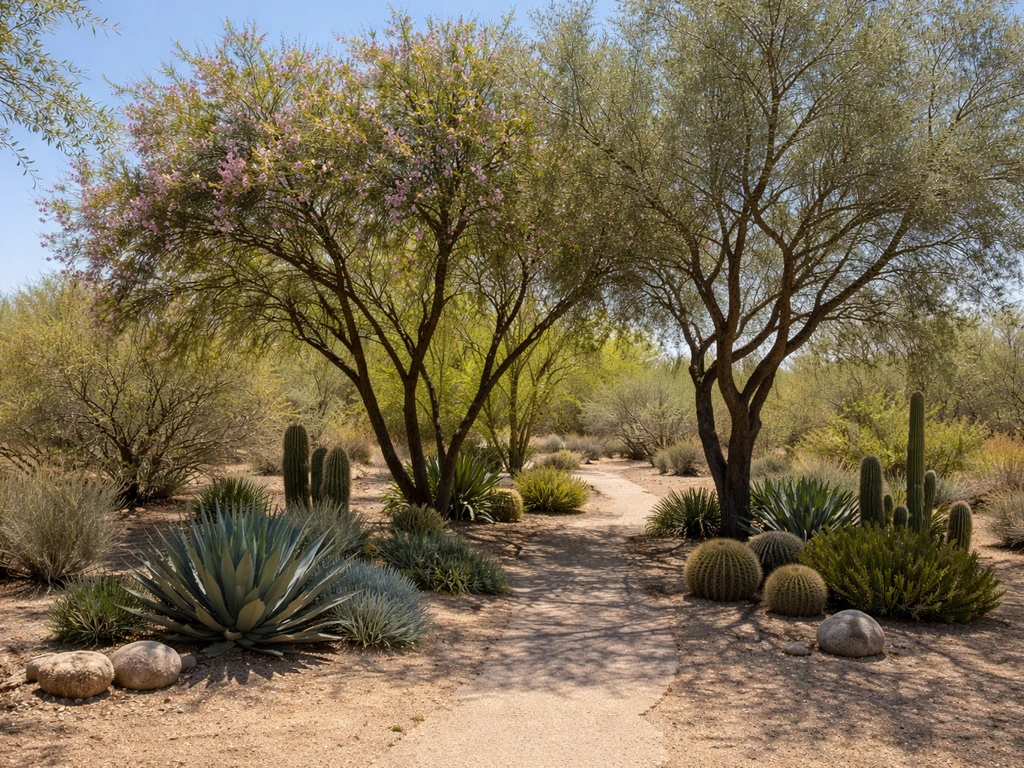
- Desert Willow, Palo Verde, and Ironwood trees: native shade providers that handle extreme heat and minimal water once established
- Agave, aloe, and cactus: nearly indestructible, low water, and architectural in the landscape
- Lantana, bougainvillea, and desert marigold: high-heat flowering plants that bloom when most gardens give up
- Herbs like rosemary, oregano, thyme, and sage: Mediterranean plants that love the same dry heat Arizona produces
- Vegetables like tomatoes, peppers, squash, beans, and corn: grow these in spring (Feb–April in low desert) or fall (Aug–Oct), not in summer
- Citrus trees (lemon, orange, grapefruit): thrive in Phoenix and Tucson with irrigation, producing heavily in low-desert zones
What to avoid or manage carefully
Plants that require consistently moist soil, cool temperatures, or high humidity are an uphill battle in most of Arizona. Hostas, ferns, impatiens, and many cool-season annuals will struggle or fail outright in Phoenix and Tucson summers. In Flagstaff, you can grow a wider range of traditional garden plants, but the short season and hard winters rule out anything frost-tender. If you love a plant that is not well suited to your zone, containers and shade cloth can help, but be honest with yourself about the effort involved.
Getting your soil right before you plant anything
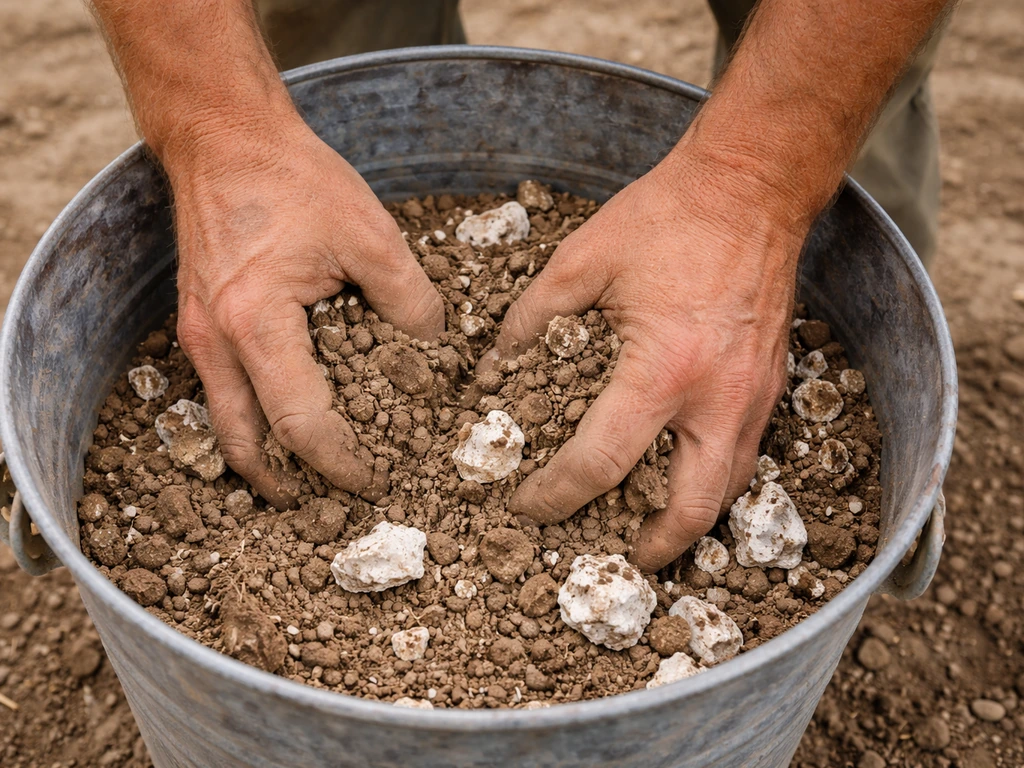
Most Arizona soil is alkaline (often pH 7.5 to 8.5), mineral-heavy, and low in organic matter. Caliche, a hardened calcium carbonate layer, can sit just inches below the surface in many parts of the low desert, blocking drainage and root growth entirely. Before you plant, dig down 12 to 18 inches and check what you are working with. If you hit a concrete-like layer, you will need to break it up with a pick or a drill, or route around it with raised beds or containers.
For in-ground beds, the most practical approach is to mix your native soil with compost at roughly a 50/50 ratio, breaking up compaction and adding organic matter that improves both drainage and nutrient retention. Avoid peat moss, which breaks down fast in the heat and can make the pH problem worse. Sulfur-based soil acidifiers help bring pH down toward the 6.5 to 7.0 range that most vegetables and flowering plants prefer, but reapply every season since alkalinity tends to creep back up in Arizona's mineral-rich water supply.
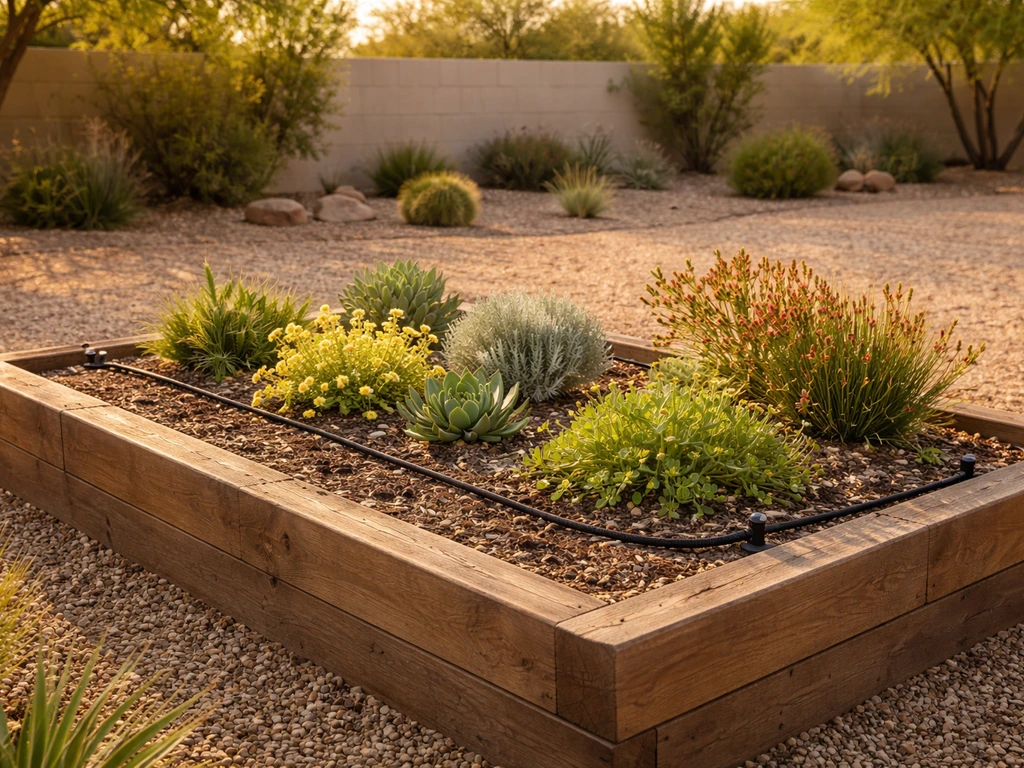
Mulch is not optional here, it is essential. A 3- to 4-inch layer of organic mulch (wood chips, straw, or shredded bark) insulates the soil, dramatically reduces evaporation, and moderates soil temperatures that can otherwise hit 150°F at the surface during summer. Pull mulch back a few inches from plant stems to avoid rot. Inorganic gravel mulch works well for native and desert plants but does little to improve soil biology over time.
Irrigation: the factor that determines almost everything
Watering in Arizona is less about frequency and more about depth. The goal is to push water deep enough that roots follow it downward, away from the scorching surface. Shallow, frequent watering trains roots to stay near the surface where they are most vulnerable to heat. Deep, less frequent watering grows resilient plants. For most established shrubs and trees, that means watering deeply every 7 to 14 days in summer and every 3 to 4 weeks in winter. Vegetables need more frequent irrigation, roughly every 2 to 4 days in peak summer heat.
Drip irrigation is the right tool for this climate
Drip irrigation delivers water directly to the root zone, minimizing evaporation and keeping foliage dry (which reduces fungal issues). A basic drip system with emitters, a timer, and a pressure regulator is inexpensive, easy to install, and will save you significant water and effort. Set emitters to run in the early morning, between 4 and 8 AM, so the water absorbs into the soil before the heat of the day drives evaporation. Avoid evening watering because wet soil overnight with warm temperatures can encourage root rot and fungal problems.
Overhead sprinklers waste enormous amounts of water to evaporation in Arizona's dry heat and can cause sunscald on wet leaves if used during peak sun hours. If you are hand watering, use a slow trickle at the base of the plant for several minutes rather than a quick splash. The goal is to wet the soil 12 to 18 inches deep, not just the top inch. Use a soil probe or a long screwdriver to check moisture depth after watering. It should slide in easily through wet soil and stop where it is dry.
Dealing with salt buildup
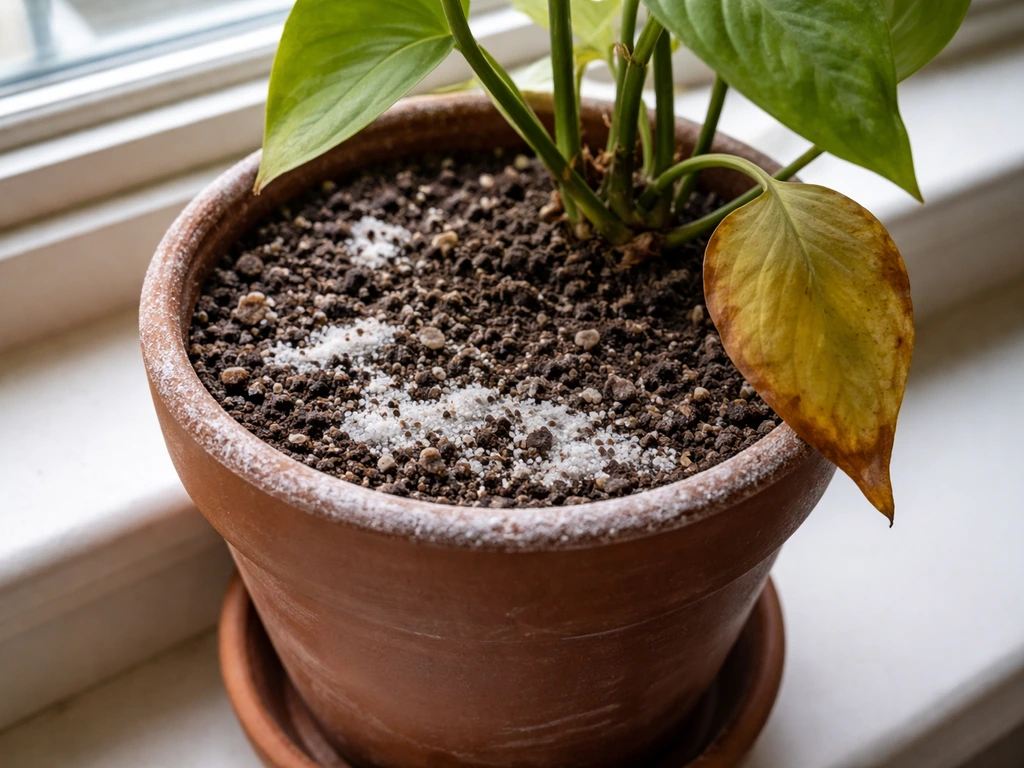
Arizona's water is often high in dissolved salts and minerals. Over time, these accumulate in the soil and can burn roots and cause nutrient lockout. You will notice this as white crusty deposits on the soil surface or around the base of containers. Every month or so, water deeply enough to flush salts down below the root zone. For containers, occasional deep flushing (running water through until it drains freely for a few minutes) keeps buildup in check.
When and where to plant: timing and site setup
Timing in Arizona is almost the reverse of what most gardening guides suggest. In the low desert (Phoenix, Tucson), you have two productive seasons: a spring season that runs roughly February through April, and a fall season that runs August through October. Summer in the low desert is brutal for most edible plants, with soil temperatures that can literally cook seedling roots. Winter is mild and perfect for cool-season crops like lettuce, spinach, broccoli, and kale.
For a deeper, step-by-step approach, see our guide on how to grow plants in the winter and which cool-season crops to prioritize. In high-elevation areas like Flagstaff, the pattern is more traditional: plant after the last frost in spring and wrap up before fall freezes hit.
| Region | Last Spring Frost | First Fall Frost | Best Planting Windows |
|---|---|---|---|
| Phoenix (Zone 9b) | Mid-January or earlier | Mid-December or later | Feb–Apr (spring), Aug–Oct (fall), Oct–Feb (cool-season) |
| Tucson (Zone 9a) | ~February 5 | ~December 7 | Feb–Apr (spring), Aug–Oct (fall), Oct–Feb (cool-season) |
| Flagstaff (Zone 6a) | Mid-May | Early October | May–August (main season only) |
Using shade, wind, and microclimates to your advantage
Shade cloth rated at 30 to 50% is one of the most useful tools you can buy for Arizona gardening. Stretched over vegetable beds during the hottest months, it can drop leaf-surface temperatures by 10 to 20 degrees and keep plants alive through heat that would otherwise kill them. East-facing beds that get morning sun but are shaded from afternoon sun are ideal for most vegetables and flowering annuals. West-facing and south-facing exposures are brutal in summer and better suited for heat-loving native plants and desert-adapted species.
Wind is another underrated factor, especially in open desert areas and high-elevation zones. Wind accelerates moisture loss from both soil and plant leaves, compounding the stress of heat. Planting in natural windbreaks (near walls, fences, or established shrubs) helps significantly. Just make sure those structures do not also trap excessive heat. A north-facing wall with a partial windbreak is often the sweet spot for a productive Arizona vegetable garden.
Container gardening and growing indoors when it is too hot outside
Containers are genuinely useful in Arizona, not just as a fallback. They let you control soil quality precisely, move plants to shelter during extreme weather, and grow on patios, balconies, and small spaces. But containers in Arizona come with a specific challenge: pots sitting in direct sun on a concrete surface can see soil temperatures above 120°F, which kills roots fast. Choose light-colored or double-walled containers that reflect heat rather than absorb it, and always set containers off direct concrete with pot feet or a wooden platform.
Use a high-quality potting mix rather than native soil for containers. Native Arizona soil in a pot drains poorly, compacts quickly, and can create drainage problems. A mix with perlite, compost, and coconut coir holds moisture long enough to water less frequently while still draining well enough to avoid root rot. In the hottest months, containers may need daily watering. A drip emitter on a timer going to each pot is genuinely worth the small investment.
Indoor growing becomes practical during Arizona's July and August peak heat, when outdoor conditions are too extreme for many plants. A south- or west-facing window in Arizona often provides enough direct light for herbs and some vegetables. If natural light is limited (common in apartments and interior rooms), a basic grow light running 14 to 16 hours per day gives herbs, lettuce, and smaller plants everything they need.
Indoor growing also sidesteps the watering and pest challenges that come with summer outdoor gardening, making it a solid strategy for year-round production. To plan how to grow plants all year round, focus on season length, protect plants during extreme heat, and keep consistent watering and soil care in place. This kind of approach overlaps with growing plants in hot weather generally, where indoor and container setups often become the most practical solution during extreme temperature periods.
This is also the core idea behind how to grow plants in hot weather, where temperature extremes shape your best setup.
Common problems and how to fix them
Heat stress
Heat stress looks like wilting in the afternoon even when soil moisture is adequate, bleached or papery leaf edges, flower drop, and stunted growth. If your plant looks fine in the morning but droops by noon, the issue is usually heat load, not lack of water. Adding shade cloth, moving containers to a shadier spot, and increasing mulch depth are the fastest fixes. Do not water more aggressively in response to afternoon wilting without checking soil moisture first. Wet, hot, poorly draining soil leads to root rot, which looks exactly like drought stress from the outside.
Over and underwatering
Overwatering in Arizona is more common than you might think, especially during monsoon season (July and August) when rainfall adds to scheduled irrigation. In a rainy season, adjust your watering depth and improve drainage so plants do not stay wet too long how to grow plants in rainy season. Yellowing lower leaves, mushy stems near the base, and a sour or musty smell from the soil are the signs. Dial back irrigation frequency and make sure drainage is adequate.
Underwatering shows up as crispy brown leaf tips, leaf curling inward, and soil that is completely dry an inch below the surface. The fix is deep, slow watering followed by adjusting your irrigation schedule rather than panicking and flooding the plant.
Nutrient deficiencies in alkaline soil
Arizona's high pH soil locks up iron, manganese, and zinc even when those minerals are present, because alkaline conditions make them chemically unavailable to plant roots. The most common symptom is iron chlorosis: leaves that turn yellow between the veins while the veins themselves stay green. The fix is applying chelated iron (not regular iron sulfate, which is less effective at high pH) directly to the soil or as a foliar spray. For general nutrition, use a balanced slow-release fertilizer in spring and fall, and consider a liquid fertilizer with micronutrients during active growth periods.
Pests and diseases common in Arizona
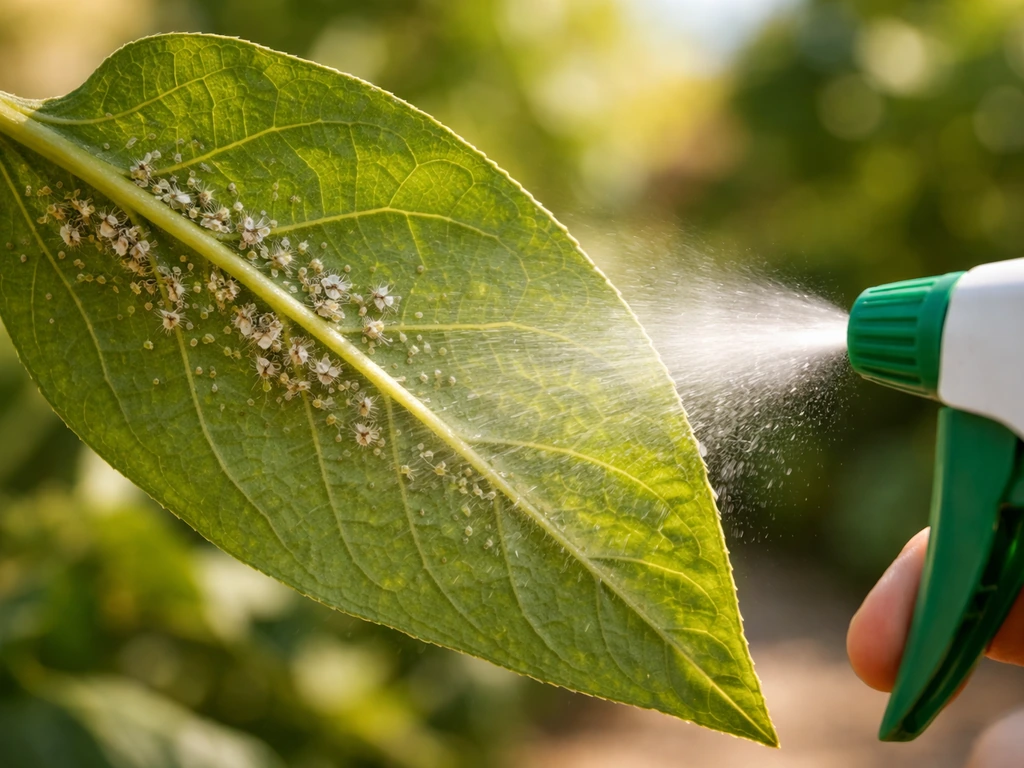
- Whiteflies and aphids: Common on vegetables and ornamentals, especially in warm weather. Knock them off with a strong water spray, then apply insecticidal soap or neem oil in the early morning.
- Spider mites: Thrive in hot, dry conditions. Look for fine webbing and stippled, dull-looking leaves. Increase humidity around plants, apply neem oil, and remove heavily infested leaves.
- Fungus gnats: Appear when soil stays too wet. Let the top inch or two dry out between waterings and use yellow sticky traps to catch adults.
- Powdery mildew: Surprisingly common in Arizona during monsoon humidity spikes. A spray of diluted baking soda (1 tablespoon per gallon of water) applied weekly can help manage mild cases.
- Tomato hornworms and caterpillars: Hand-pick from plants in the evening or apply Bacillus thuringiensis (Bt), a natural bacterial control that is safe for beneficial insects.
- Weeds: Puncture vine (goathead) and Bermuda grass are persistent in Arizona. Thick mulch, hand-pulling before seed set, and landscape fabric under paths are the most practical controls.
Your Arizona planting plan for right now
It is May 21, 2026. In the low desert (Phoenix, Tucson), you are at the tail end of spring planting and approaching the transition to summer. High-heat crops like peppers, melons, sweet potatoes, and heat-tolerant herbs can still go in now. Cool-season crops are done until fall. In Flagstaff and higher elevations, you are just entering your main planting window and can put in nearly everything from tomatoes and squash to flowers and herbs. Here is what to do today, step by step:
- Find your USDA zone: Look up your zip code at the USDA Plant Hardiness Zone Map to confirm whether you are in Zone 6, 9, or somewhere in between. This tells you what frost dates to work from and which plants are safe bets.
- Walk your yard and note the microclimates: Which areas get afternoon shade? Which face south or west and bake all day? Where is the wind strongest? Take 10 minutes to do this before you choose a planting spot.
- Test your soil or start fresh with amendments: Dig down 12 to 18 inches and check for caliche. If your soil is dense clay or gravel, plan to amend with 3 to 4 inches of compost worked in to a depth of 12 inches, or build a raised bed on top.
- Choose plants appropriate for May in your zone: In low desert, go for peppers, okra, sweet potatoes, heat-tolerant herbs (rosemary, basil once established, sage), and desert perennials. In Flagstaff, plant tomatoes, squash, beans, flowers, and most summer vegetables now.
- Set up your irrigation before you plant: Install drip emitters or soaker hose to your beds, connect a timer, and set it to run in the early morning. Verify the water is reaching 12 inches deep after a run cycle using a probe or screwdriver test.
- Apply mulch immediately after planting: 3 to 4 inches of organic mulch goes down right after plants go in. This is not decorative, it is functional and will determine how well your plants survive the heat.
- Protect transplants for the first two weeks: Use shade cloth, a lightweight row cover, or even a temporary canopy to buffer new transplants from direct midday sun while they establish. Remove or reduce shade once you see active new growth.
- Set a biweekly check-in reminder: Every two weeks, check soil moisture depth, look for early pest or disease signs, check for yellowing leaves (iron deficiency is common), and adjust your irrigation schedule based on how hot and dry conditions have been.
- Plan your fall garden now: In the low desert, your next major planting window is August. Order or buy seeds for tomatoes, peppers, squash, beans, and cool-season crops now so you are ready to start seeds indoors in July.
Growing in Arizona does have a learning curve, and it is okay if you lose a few plants along the way. Every gardener here has accidentally cooked seedlings on a hot afternoon or underestimated how fast a container dries out in June. The difference between struggling and thriving here is mostly about working with the climate rather than against it. Get the timing right, water deep and less often, mulch everything, and choose plants that belong here. To learn the specific tactics for cold snaps and shorter daylight, use a guide focused on how to grow plants in cold weather. Do those four things and Arizona becomes one of the most rewarding places to grow.
FAQ
If my plant wilts in the afternoon in Arizona, how can I tell drought stress from heat stress?
Most failures come from overwatering the heat-loving roots. Instead, wait until the top layer feels dry, then water deeply so moisture reaches about 12 to 18 inches down (use a soil probe or long screwdriver). In peak summer, reduce how often you water if soil stays wet, and rely on mulch plus drip to keep the root zone consistent.
What should I do about salt buildup and white crust on soil or container edges in Arizona?
Use the “flush then resume” approach. When you see white crust or salts, run extra water until it drains freely (containers) or until moisture moves past the root zone (in-ground, typically a longer deep soak). After flushing, go back to your normal deep-and-infrequent schedule, not a constant drip of water.
How do I set up drip irrigation correctly so water actually reaches deep roots?
For drip emitters, check your actual delivery, not just the timer. Run the system and collect output from one emitter into a container for a set time, then adjust runtimes so you’re getting enough water to wet the root zone 12 to 18 inches deep. If you see runoff or dry pockets, increase emitter coverage or adjust spacing rather than just extending time.
Will shade cloth reduce yield, or is it always a good idea for Arizona gardening?
Yes, but keep it plant-appropriate. Shade cloth (30 to 50%) is most effective during the hottest weeks and should not block all light, especially for fruiting vegetables. Use partial shading, place beds where afternoon sun is reduced, and remove or reduce shade during milder periods to avoid slow growth and reduced flowering.
What’s the best alternative if I find caliche (hard calcium layer) near the surface in my yard?
Not all “native soil” is equal, and in many yards the issue is either caliche or compaction. If your probe or digging hits a hard layer, raised beds or large containers are usually less work than trying to break through caliche across the whole area. If you can’t lift the soil, you can still plant in mounds with amended soil on top.
Can I grow lettuce or other cool-season crops in the Arizona summer using shade or protection?
Yes, but choose crop timing carefully. Many herbs tolerate summer heat, but leafy greens and most brassicas generally need the cooler spring or fall windows. If you must grow cool-season plants late, use shade cloth, protect from afternoon sun, and plan for quicker bolting if temperatures stay high.
How do I protect plants from unexpected frost in high-desert areas where the forecast looks safe?
Start after hard freezes end and soil has warmed a bit, then use frost protection for early or late surprises. In microclimates, a general forecast can miss local cold pockets, so watch your yard, place plants where cold air does not collect, and consider row cover or frost cloth when temperatures approach the plant’s limit.
My leaves turn yellow between the veins in Arizona. Is it fertilizer deficiency, and what should I apply?
Begin by diagnosing: yellowing between veins in alkaline soil often points to iron chlorosis rather than general underfeeding. Use chelated iron, and avoid assuming regular iron supplements will fix it in high pH conditions. Recheck and repeat according to plant response, since deficiencies can return when soil pH and irrigation water keep driving lockout.
How thick should mulch be, and how do I avoid rot or fungus around plant stems?
Keep mulch deeper and practical, but don’t bury the plant. Leave a small gap around stems and crowns to prevent rot, and refresh mulch as it decomposes. Also, use mulch to buffer heat swings, since surface temperatures can rise dramatically, which is why “thin mulch” often fails in summer.
What are the most reliable signs of overwatering in monsoon season versus underwatering?
Overwatering in Arizona usually shows up as mushy stems near the base, persistent yellowing of older leaves, sour or musty soil smell, and slow growth. Fix drainage first, reduce irrigation frequency, and only water when the root zone is drying back appropriately.
Why do container plants struggle on concrete in Arizona, and how can I prevent root overheating?
Choose the right container for the root heat and drainage reality. Use light-colored or double-walled pots, elevate them off hot concrete, and ensure drainage holes are clear. Plan for more frequent watering in summer, and consider a drip emitter to each pot on a timer so you do not miss the deep-watering window.
What’s a realistic way to grow plants indoors in Arizona during the hottest months, without overwatering?
Yes, and it is often safer than you think if you use enough light and manage watering. South or west windows can work for herbs and smaller greens, but interior rooms often need a grow light for 14 to 16 hours. To prevent overwatering indoors, let the potting mix dry slightly between watering, and avoid using garden soil in containers.