A happy plant is one that's actively pushing out new leaves, holding consistent color, and staying firm and upright without you constantly rescuing it. Getting there isn't about a green thumb you either have or don't, it's about matching the plant to your actual space, then dialing in watering, light, and feeding so the plant isn't fighting its environment every day. Nail those basics and you'll have a plant that practically takes care of itself.
How to Grow Happy Plants: Light, Water, Soil, and Care
Marcus Holloway
3 May 2026
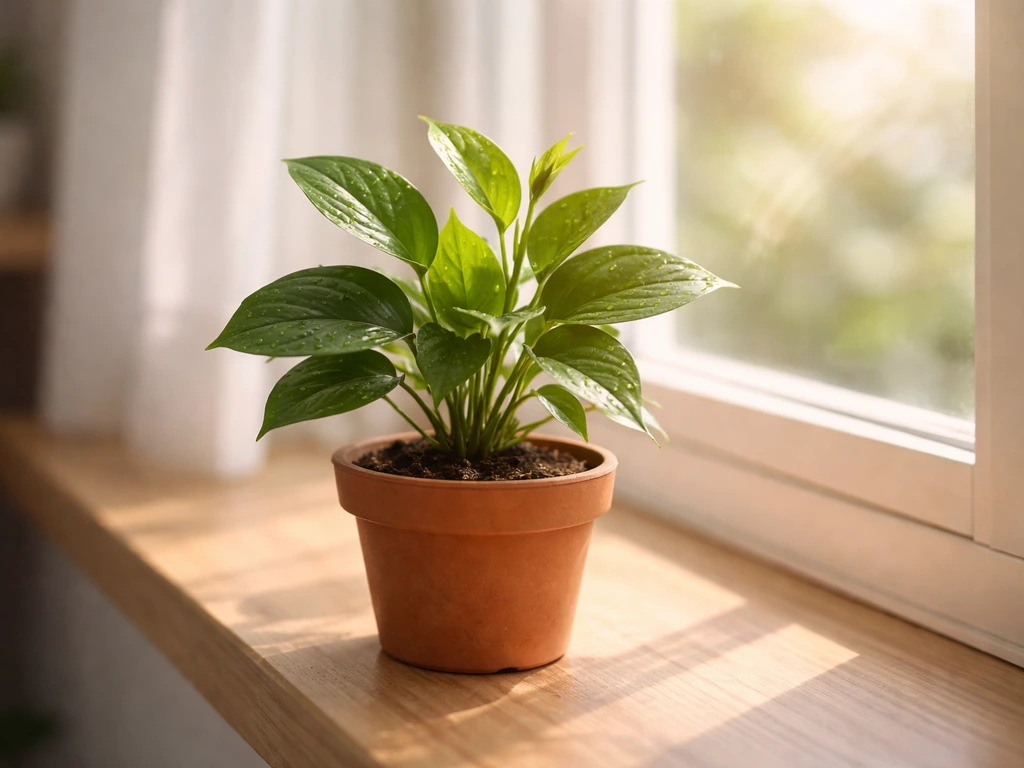
What a happy plant actually looks like (and what's a warning sign)
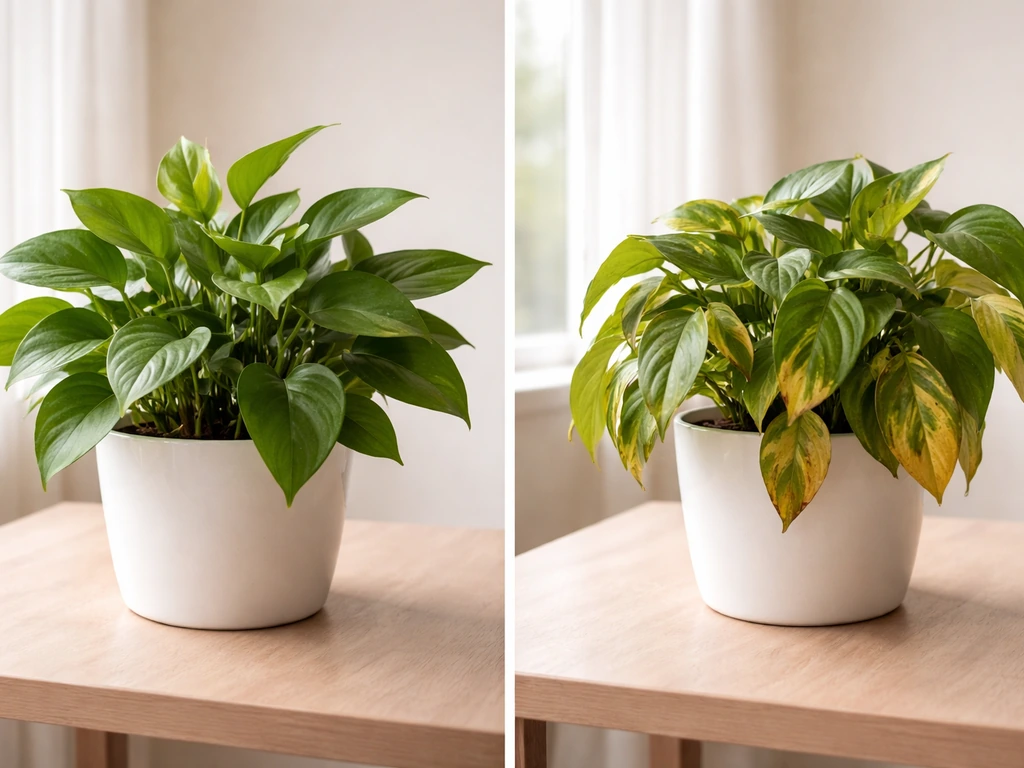
Before you fix anything, you need to know what you're aiming for. A thriving plant gives you clear signals: new growth appearing regularly, leaves that are firm and evenly colored, stems that stand upright without flopping, and soil that cycles predictably between moist and dry. That's your baseline.
Unhappy plants are just as expressive, but in the other direction. Yellow leaves, especially on the lower and inner parts of the plant, usually mean too much water or not enough humidity. Drooping or wilting can mean the plant is thirsty, but it can also mean root rot from sitting in soggy soil too long. Leggy growth (long thin stems with lots of space between leaves) is almost always a light problem. Slow or zero new growth often points to a combination of low light, wrong temperature, or nutrient deficiency. Once you can read these signals, you're already halfway to fixing the problem.
- New leaves regularly: plant is actively growing and has what it needs
- Firm, evenly colored leaves: good hydration and light balance
- Yellow lower leaves: suspect overwatering, poor drainage, or low humidity first
- Drooping or wilting: check soil moisture before assuming thirst — root rot wilts too
- Long, leggy stems: move closer to a light source or add a grow light
- Light green or yellow all over: possible nitrogen deficiency, root rot, or sap-sucking pests
- White crust on soil surface: salt buildup from fertilizer, needs a deep leaching watering
Pick the right plant for your actual light conditions
The single biggest mistake beginners make is buying a plant they love, then putting it wherever it looks nice. Light is not decorative, it's the plant's food source. If the light doesn't match the plant's needs, nothing else you do will fully compensate. So start by figuring out your light, then choose the plant.
North-facing windows or rooms far from any window sit in low light, roughly 25–100 foot-candles. That's enough to read a newspaper but not much more. Plants like peace lily, dracaena, and snake plant (Dracaena trifasciata) genuinely handle this range. East or west-facing windows give you medium to bright indirect light, around 100–500 foot-candles, which suits most common houseplants including pothos, spider plants, and philodendrons. South-facing windows are your premium real estate. Most houseplants do well within 4 to 8 feet of a bright south window, that's your sweet spot for the widest selection of plants.
If you've killed plants before and aren't sure why, starting with a low-light-tolerant plant like a snake plant or peace lily removes one major variable. Once you understand your space better, you can try plants with higher demands. The goal at this stage is to build confidence with a plant that forgives beginner mistakes.
Using grow lights when your windows aren't enough
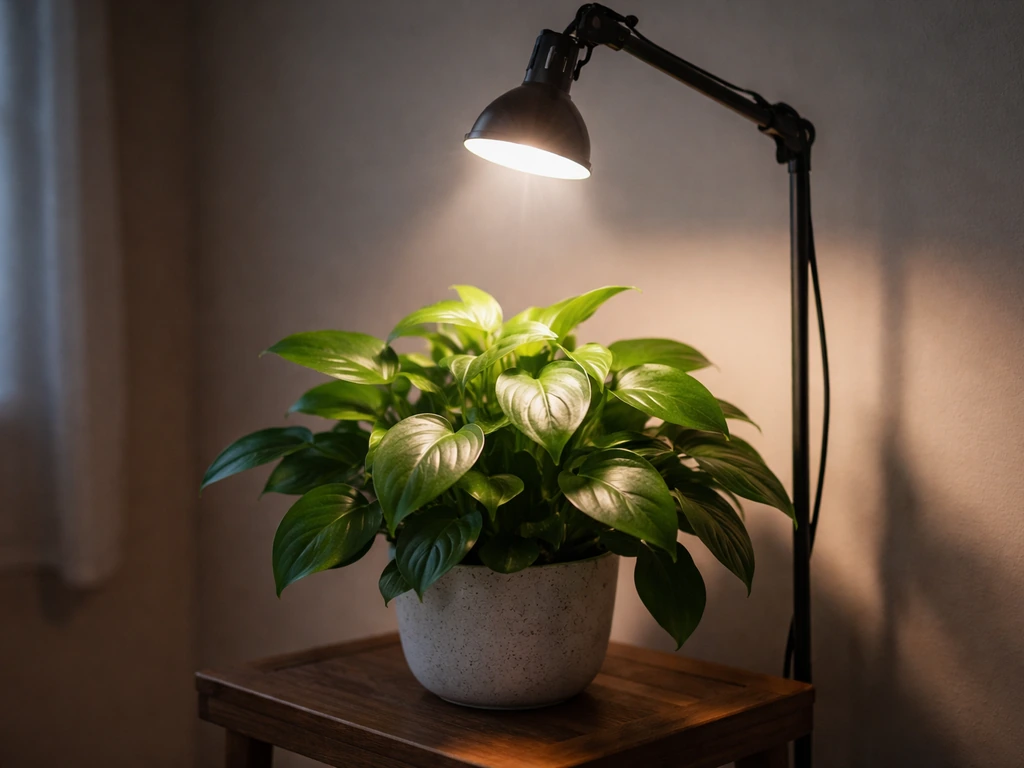
If your space has dim or north-facing light and you want to grow plants that need more, a grow light is a completely practical fix. For foliage houseplants like philodendrons, you're aiming for around 50–250 PPFD (micromoles per square meter per second). University of Maine Cooperative Extension's grow-lights guidance uses PPFD-based light intensity targets and provides growth stage tables to match light levels to plant needs. Succulents need roughly 100–200 PPFD. Most LED grow lights marketed for houseplants will cover this range easily. Set them on a timer for 12–14 hours per day to mimic a consistent day length and keep the light 6–12 inches above the canopy for most compact setups. Grow lights also eliminate the problem of uneven growth toward a window, plants under a centered overhead light grow symmetrically.
Soil, medium, and how to water without guessing
Choosing the right growing medium
Most quality bagged potting mixes are already soilless blends, that's by design. They combine a moisture-retaining base like peat moss or coco coir with an aeration component like perlite or vermiculite. This mix holds water long enough for roots to drink but drains fast enough to prevent soggy conditions. For tropical plants, look for mixes with added bark or lava rock for extra drainage. For succulents and cacti, you want even more drainage, a good rule of thumb is to keep potting mix to no more than about one-third of the blend and add extra perlite so there's real air space around the roots. Whatever mix you use, make sure your pot has drainage holes. A pot without drainage is an overwatering accident waiting to happen.
How to water (without overdoing it)
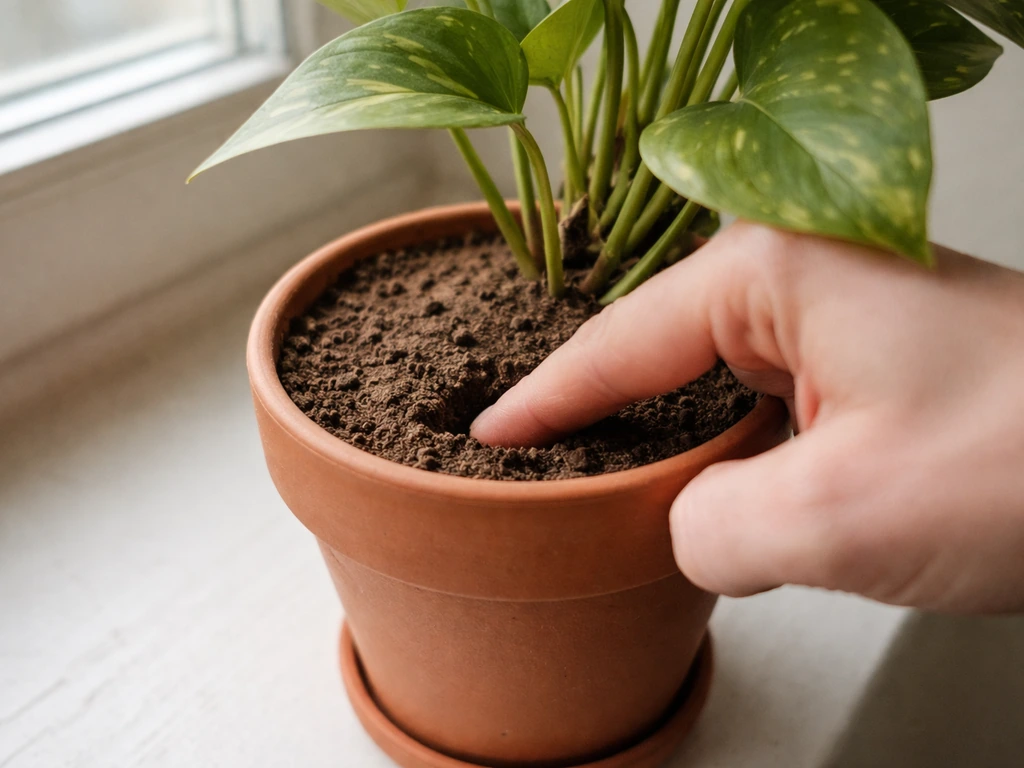
Overwatering kills more houseplants than anything else. The fix isn't a strict schedule, it's learning to read the soil. Stick your finger about an inch below the surface. If it feels dry at that depth, it's time to water. If it's still damp, wait. When you do water, water thoroughly until it drains out the bottom, then empty the saucer completely. Leaving water sitting in the saucer is one of the fastest ways to get root rot and fungus gnats, so dump it every time. Never let plants sit in standing water.
Every 4 to 6 months, do a leaching watering: run plain water slowly through the pot until it pours freely out the bottom for a minute or two. This flushes out accumulated mineral and fertilizer salts that show up as a white crust on the soil surface. If you see that crust, the leaching is overdue.
Temperature, humidity, and where to put your plant
Most foliage houseplants are comfortable in the same temperature range you probably keep your home: roughly 65–75°F during the day, and 5–10°F cooler at night. What kills plants faster than cold or heat is sudden change. Keep plants away from heating vents, fireplaces, and drafty windows. In winter, leaves touching cold glass can get frostbitten even if the room feels warm. In winter, OSU Extension notes that houseplant leaves touching cold window glass can be damaged even when the room feels warm Oklahoma State University Extension. If you notice leaf drop or suddenly wilting growth after moving a plant or turning the heat on for the season, temperature shock is the likely culprit.
Humidity is the variable most people ignore and most plants actually care about. Houseplants do best around 50–60% relative humidity, which is higher than the typical winter home. Most homes in winter drop below 30%, and you'll notice plants starting to look crispy at the leaf edges or dropping leaves. The easiest fix is a pebble tray: fill a shallow tray with gravel, add water just below the top of the pebbles, and set your pot on top. As the water evaporates, it raises the humidity immediately around the plant without getting the roots wet. A small humidifier works even better if you have multiple plants grouped together. To successfully grow a sensitive plant, focus on keeping its light, temperature, humidity, and watering consistent so it does not get stressed.
Feeding your plant: when and how much
Plants need fertilizer during active growth, spring through early fall. In winter, most houseplants slow down significantly in low light and cooler temperatures, so fertilizing during that period risks salt buildup without the plant actually using the nutrients. Start feeding again in early spring when you see new growth kicking back in.
Use a completely water-soluble houseplant fertilizer. Rather than applying at full strength every time you feed, dilute it to half strength and apply it every second or third watering during the growing season. This keeps a steady, gentle supply of nutrients going to the roots without spiking the salt concentration in the soil. Over-fertilization is a real problem: too many salts in the soil actually pulls moisture away from roots, causing the same wilting and leaf damage you'd see from underwatering. If you see marginal leaf burn (brown, crispy edges) and you've been fertilizing regularly, flush the soil with plain water to leach out the excess. Yellowing all-over growth with slow development often points to the opposite, nitrogen deficiency, so if you haven't fed in months during the growing season, that's your first suspect.
When things go wrong: quick fixes for common problems
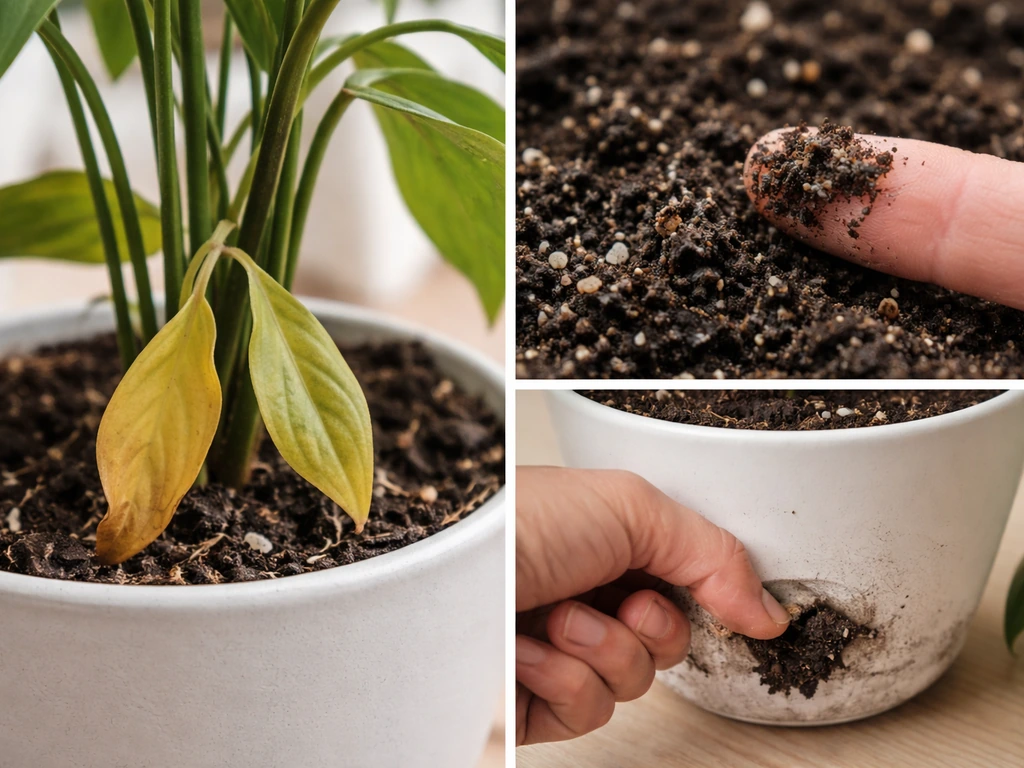
Plants go downhill for a handful of predictable reasons. Here's how to diagnose fast and act immediately.
| Symptom | Most Likely Cause | What to Do Right Now |
|---|---|---|
| Yellow lower/inner leaves | Overwatering or poor drainage | Check soil — if soggy, let it dry out fully; dump saucer water; consider repotting with better-draining mix |
| Yellow leaves all over | Nitrogen deficiency, root rot, or low light | Feed with balanced fertilizer if you haven't recently; check roots for rot; assess light level |
| Drooping/wilting (soil is wet) | Root rot | Reduce watering immediately; check roots and trim any black/mushy ones; repot in fresh dry mix |
| Drooping/wilting (soil is dry) | Underwatering | Water thoroughly and dump the saucer after drainage; re-check soil moisture every few days |
| Leggy, stretched stems | Not enough light | Move closer to a window or add a grow light; trim leggy stems just above a leaf node to encourage fuller growth |
| Tiny flying insects near soil | Fungus gnats (from overwatering) | Let soil dry out more between waterings; dump saucer water every time you water |
| Stippled or pale yellow patches on leaves | Spider mites | Isolate the plant immediately; wipe leaves with a damp cloth; treat with insecticidal soap |
| Sticky residue or white cottony clusters | Mealybugs or scale | Isolate the plant; remove pests manually with a cotton swab dipped in rubbing alcohol; follow with insecticidal soap |
The most important rule with pests: isolate the plant the moment you spot a problem. Mites, mealybugs, and aphids spread to neighboring plants fast. Pull the affected plant away from your others first, then diagnose. And don't feel bad, even experienced growers deal with pests. It's a normal part of growing plants indoors, not a sign you're doing everything wrong.
Level up: grow lights, hydroponics, terrariums, and small-space setups
Once you've got the basics dialed in, there are a few setups worth exploring that dramatically expand what you can grow and where you can grow it.
Hydroponics and water-based growing
Growing plants in water or a hydroponic medium instead of soil removes the number one beginner mistake: overwatering. In a hydroponic system, roots sit in oxygenated nutrient solution or a stable inert medium like perlite or leca, and you control exactly what the plant gets. Many popular houseplants including pothos, philodendrons, and peace lilies adapt easily to growing in water. The tradeoff is that you need to stay on top of nutrient solution levels and refresh the water regularly to prevent stagnation.
Terrariums for high-humidity plants
A terrarium is essentially a self-regulating microclimate inside a glass container, and it's excellent for plants that love high humidity and steady low-to-medium light, like ferns, mosses, and small tropical varieties. The key to a successful terrarium is choosing plants that are naturally dwarf or slow-growing and that tolerate the enclosed humid environment, not every plant thrives when humidity is maxed out and airflow is limited. Terrariums mostly take care of their own watering once sealed, but they need occasional venting and careful light placement to avoid overheating.
Small spaces and apartments
Limited space isn't a barrier, it just means being intentional about plant selection and vertical use of space. Shelving units under grow lights let you stack multiple plants in a small footprint. Compact, slow-growing plants like snake plants, ZZ plants, and small-leafed trailing plants work well on shelves and windowsills. Grouping plants together also helps raise local humidity naturally, which benefits everyone in the group. If you're short on floor or windowsill space, wall-mounted planters and hanging pots use airspace that otherwise goes unused.
The same principles that make a single potted plant happy, matched light, appropriate watering, good drainage, steady temperature, and consistent feeding during active growth, scale directly into these more specialized setups. Whether you're growing in soil, water, a terrarium, or a corner of a studio apartment, you're solving the same core puzzle. Get those fundamentals right first, and expanding into new methods becomes a lot more fun and a lot less frustrating. Get those fundamentals right first, and expanding into new methods becomes a lot more fun and a lot less frustrating, which is similar to learning how to grow lucky plants step by step. To encourage plants to grow more vigorously, make sure their light, water, temperature, humidity, and nutrients all match their needs. If you want a step-by-step roadmap for achieving lush growth, learn how to grow beautiful plants by matching light, water, and feeding to each plant. If you want a step-by-step guide specifically for growing healthy plants, focus on light, water, feeding, and the right growing medium how to grow healthy plants.
FAQ
Can I keep watering with the same amount each week to keep my plant happy?
Yes, but only if the pot drains freely and the plant tolerates the process. The best approach is to water from above until it runs out the bottom, then immediately empty the saucer. If you let it sit with a standing reservoir, even a “carefully watered” plant can still rot because roots do not get oxygen.
My plant looks unhappy after I moved it, even though the new spot has decent light, what should I do?
Move it gradually. If you want to change light or location, shift it by a small distance every few days (or reduce light exposure over a week) instead of one sudden relocation. Sudden changes often cause temporary leaf drop or drooping even when the new spot is eventually suitable.
If the top of the soil is dry but the plant is drooping, does that mean I should water more anyway?
It usually is, when it leads to soggy conditions. If soil stays damp below the surface for multiple days, reduce watering frequency and check that the pot has drainage holes and the mix drains well. A reliable test is the finger check plus timing, if the top inch dries quickly but the next inch stays wet, your watering is too frequent or the medium is too water-retentive.
Should I fertilize year-round to avoid nutrient problems?
Fertilizing during slow growth is a common mistake. If you are in winter low-light conditions, pause feeding until you see new growth returning in spring. If your plant has been fertilized recently and you notice crust or salt buildup, do a leaching watering and then resume feeding only during active growth.
How do I know when to flush out fertilizer salts, and how often should I leach the soil?
Do the leaching whenever you see white crust on the soil, and also if the plant has been in the same pot and mix for a long time with regular feeding. A good cadence for many houseplants is every 4 to 6 months, but you may need it sooner if you fertilize more often or use hard tap water that leaves mineral residues.
My plant grows toward the window or looks lopsided, should I fix it with watering or light?
Yes, because uneven growth is often caused by inconsistent light direction, not by watering. Rotate the pot a quarter turn every week or two when using a window, or keep the grow light centered and fixed. That helps prevent one-sided leaf growth that can make a plant look “unhappy.”
How can I tell if yellow leaves mean overwatering versus nutrient deficiency?
Check where the yellowing starts. Yellow lower or inner leaves are more consistent with overwatering or humidity issues, while yellowing across the whole plant with slow new growth can indicate nutrient deficiency. Use the diagnosis to guide your next step, adjust watering and drainage first, then consider whether feeding has been skipped during active growth.
My plant wilts, how do I tell if it is thirsty or dealing with root rot?
It depends on the type of wilting. If soil is wet or stays damp at the finger depth, the plant may be suffering root problems from too much water, not thirst. If soil is dry deeper down and the pot is light, then water thoroughly and watch for recovery over the next day or two.
Do pebble trays actually work, or is a humidifier always required?
For a pebble tray to help, the plant should sit above the water line, and the tray should be filled with gravel, not just standing water. Also, pebble trays only raise humidity locally, expect smaller benefit if your room air is extremely dry, winter heaters, drafts, and open windows can overwhelm the effect.
How do I avoid stressing my plant when using a grow light?
Yes, especially if you are using a grow light. Make sure the light reaches the canopy evenly, typically 6 to 12 inches above for compact setups. Also use a consistent daily schedule on a timer (around 12 to 14 hours) because irregular “on and off” patterns can stress growth even if the intensity seems right.
Why does my plant drop leaves after turning on the heat or near a window?
If leaves are dropping quickly after temperature shifts, reduce drafts and distance the plant from heat sources or cold glass. You generally want stable daytime temperatures (about 65 to 75°F) and a modest drop at night, sudden swings after moving or turning on heat can trigger leaf drop even when watering is correct.
Should I aim for consistently moist soil to keep plants happy?
It is a good goal for many plants, but not all. Most houseplants prefer to dry in between waterings, and the “moist then dry” rhythm should be predictable without staying wet for long. If you see fungus gnats, persistent damp soil, or a sour smell, adjust drainage and watering rather than trying to keep it constantly moist.