You can grow healthy plants indoors even if you have a north-facing apartment, a history of killing succulents, or zero gardening experience. If you want a step-by-step guide, start with this overview of how to grow houseplants, then follow the light, watering, and routine sections below. The secret is not a green thumb. It is matching each plant to the light, water, and air conditions you actually have, then building a care routine you will realistically stick to. If you want a simple way to apply these fundamentals right away, follow our step-by-step tips on how to help houseplants grow. how to grow plants in your house step-by-step plan. Get those fundamentals right and most plants will thrive with very little fuss. If you are looking for the full walkthrough, use this guide as your step-by-step plan for how to grow houseplants successfully.
How to Grow Healthy Plants Indoors: Step-by-Step Guide
Start with the right plant for your actual conditions
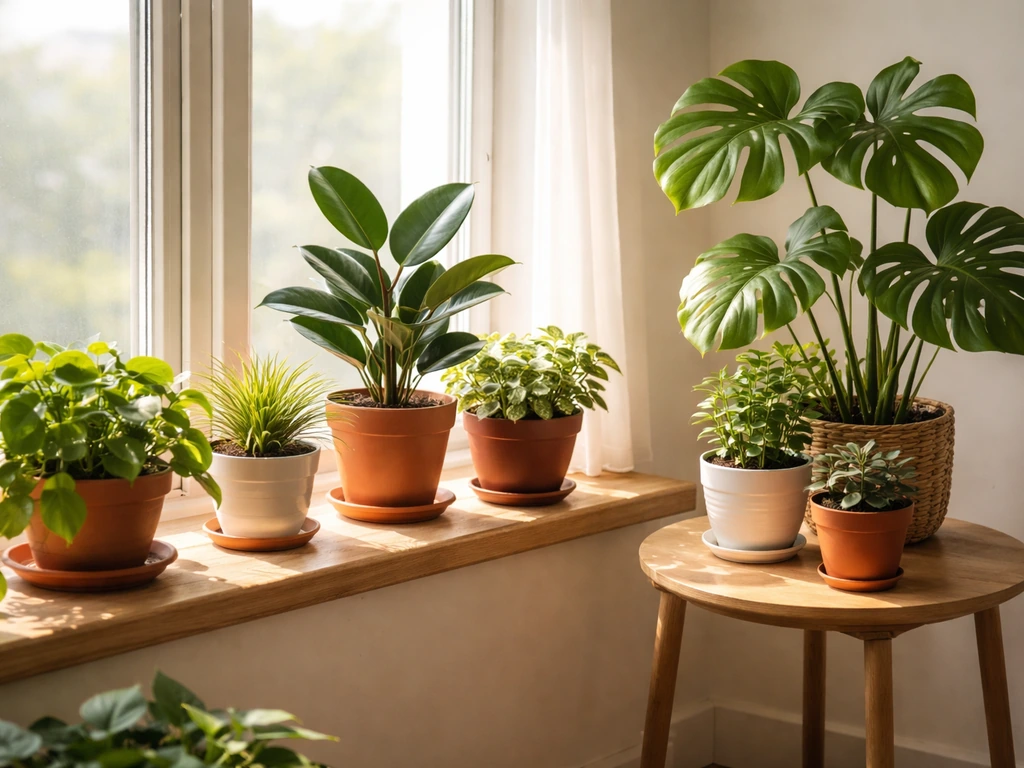
Before you buy anything, take an honest look at your space. How much natural light does your brightest window get? What is the temperature like in winter when the heating kicks on? Do you travel often or tend to forget to water? Answering those questions first saves you a lot of dead plants later.
The single biggest beginner mistake is choosing a plant based on how it looks at the garden center, not on whether your home can support it. A fiddle-leaf fig looks gorgeous, but it is unforgiving about low light and dry air. A fiddle-leaf fig looks gorgeous, but it is unforgiving about low light and dry air, so if you are wondering how to indoor plants live and grow, you can compare that with tougher picks like ZZ plants. A ZZ plant (Zamioculcas zamiifolia), on the other hand, handles low-light interiors easily and lets you let the soil dry out between waterings without throwing a fit. Pothos (Epipremnum aureum) prefers bright indirect light but adapts to lower conditions and is equally forgiving when you miss a watering. If you want small plants to produce big buds, focus on dialing in light intensity, consistent watering, and nutrient timing for the full flowering stage how to grow small plants with big buds. Spider plants tolerate medium light and even deep shade, thanks to their thick water-storing roots. Peace lilies do well in bright indirect light and like to stay consistently moist. Philodendrons are reliable in moderate indirect light and just need you to water when the top inch of soil dries out.
The practical framework is simple: low-light room (no direct sun, dim corners) means go for ZZ plants, pothos, or spider plants. Bright indirect light (near a window but not in the beam of direct sun) opens the door to peace lilies, philodendrons, and most tropical foliage plants. Direct sun through a south or west window suits succulents, cacti, and many herbs. Once you have that mental map of your space, you are choosing plants that want to grow in your home rather than plants you are fighting to keep alive.
Getting light right: placement, intensity, and grow lights
Light is the one factor most indoor gardeners underestimate. What looks bright to your eyes is often quite dim to a plant. A room that feels sunny can measure at levels too low to sustain healthy growth, because human vision adjusts automatically in ways plant photosynthesis simply cannot.
The measurement that matters for plants is PPFD (photosynthetic photon flux density, measured in µmol/m²/s). For low-light houseplants like philodendrons, a PPFD of 50 to 250 is workable. For more light-hungry plants or seedlings in a vegetative growth stage, you are generally looking at 100 to 500 PPFD. You do not need expensive equipment to check this. Apps like Photone can measure PAR/PPFD using your phone camera and give you a real number to work with, which is far more useful than guessing based on how bright a room looks.
Window placement matters a lot. A south-facing window in the northern hemisphere gets the most light year-round. East-facing windows give gentle morning light, west-facing give strong afternoon light, and north-facing windows are the lowest-light option. Place light-hungry plants within 1 to 3 feet of a window. Moving a plant just a few feet back from a window can cut its light by more than half, which explains why a plant that thrived on your windowsill looks sad on a shelf across the room.
When natural light is not enough, supplemental grow lights fill the gap. Full-spectrum LED grow lights have dropped dramatically in price and work well for most houseplants. Run them for 12 to 16 hours per day and position them at the manufacturer's recommended distance. This is especially useful in winter, in basement apartments, or for anyone trying to grow herbs or leafy greens indoors year-round. Poor light directly reduces leaf and plant size in species like philodendrons, and it causes leggy, stretched growth in most other plants as they reach desperately toward any light source they can find.
Watering, soil, and feeding your plants well
How to water without overdoing it
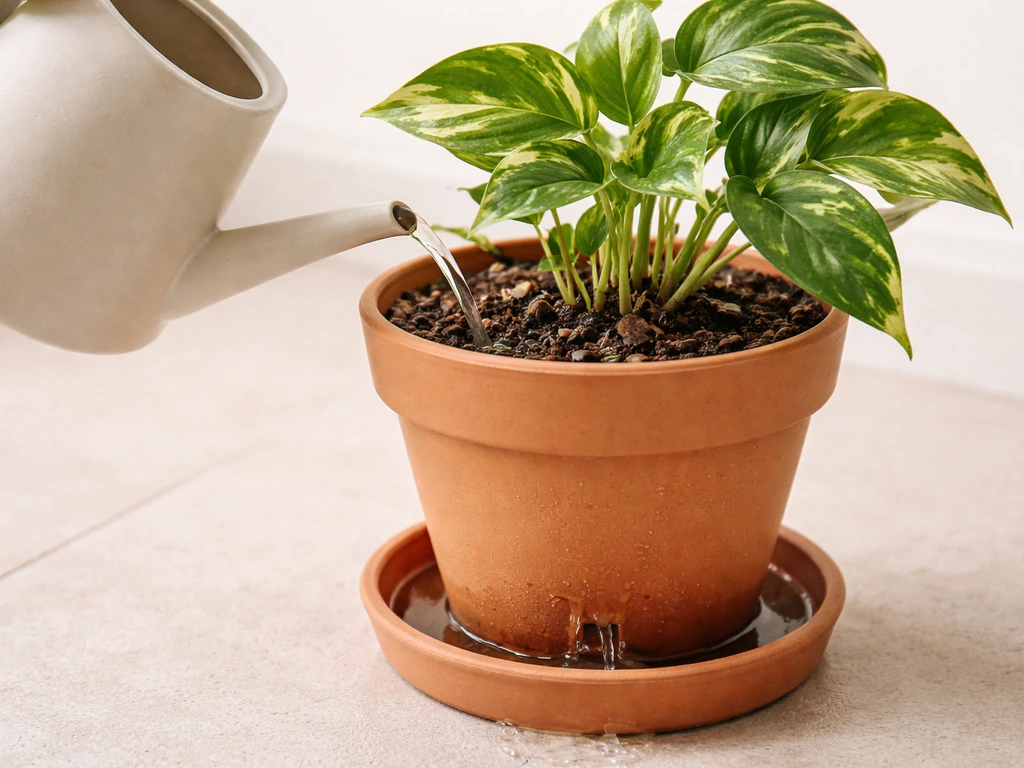
Overwatering kills more houseplants than anything else. That is not because people water too much in one go, it is because they water too frequently without letting the soil recover. Roots need oxygen as much as they need moisture, and constantly saturated soil drives out that oxygen, leading to root rot. The fix is simple: check the soil before you water, not the calendar.
For most tropical houseplants like pothos and philodendrons, water when the top inch of soil is dry. For drought-tolerant plants like ZZ plants and succulents, let the soil dry slightly deeper before watering again. Peace lilies are the exception, preferring consistently moist (not soggy) soil. When you do water, water thoroughly until it drains from the bottom of the pot, then let the pot drain fully before returning it to its saucer. USU Extension also advises watering thoroughly until water comes out the pot’s drainage hole, reinforcing that there is no single universal watering schedule water thoroughly until water comes out the drainage hole. Do not leave plants sitting in pooled water in the tray, since the roots will keep absorbing that water and become waterlogged.
Bottom watering is a great alternative: set the pot in a tray or bowl of water for 20 to 30 minutes and let the soil absorb moisture from the drainage holes upward. This ensures the whole root zone gets wet and helps prevent the hydrophobic issue where water rushes down the sides of dry potting mix without actually soaking in. That side-channeling problem is more common than people realize, especially with peat-heavy mixes that have dried out completely.
Choosing the right soil or growing medium
Good potting mix holds enough moisture to support the plant between waterings, but drains and aerates well enough that roots do not drown. Standard indoor potting mixes work for most tropical houseplants, but adding perlite (about 20 to 30 percent by volume) improves drainage and aeration significantly. For succulents and cacti, use a dedicated cactus mix or add even more perlite. For aroids like pothos and philodendrons, a chunkier mix with orchid bark and perlite encourages the kind of airflow around roots those plants evolved to expect in nature.
If you are growing in hydroponics, water propagation, or a terrarium setup, the core principles still apply: roots need oxygen and consistent access to nutrients, and the medium or water needs to be clean and well-oxygenated. Hydroponic systems replace soil drainage concerns with water oxygenation, but the plant's light, temperature, and nutrient needs stay the same. The fundamentals transfer across all growing methods.
Basic fertilizing without overdoing it
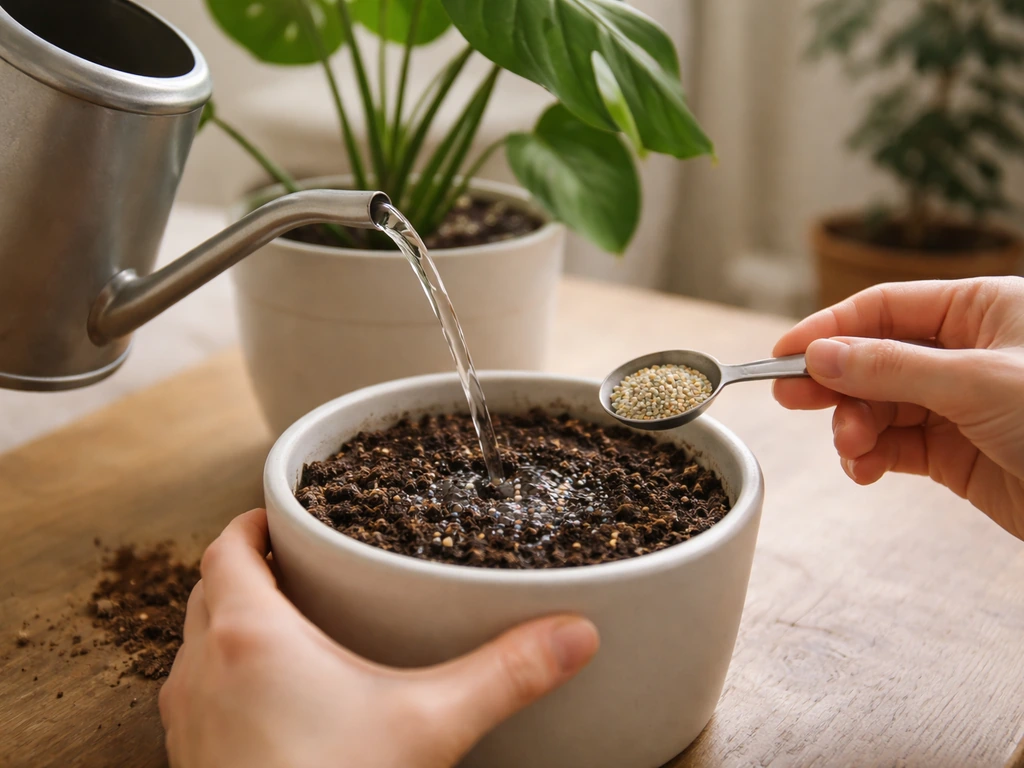
Indoor plants in containers eventually use up the nutrients in their potting mix. A simple feeding schedule during the growing season (spring through early fall) keeps plants from going hungry. Use a balanced liquid fertilizer (something like a 10-10-10 or 20-20-20 formulation) diluted to half strength, once a month. That is it for most houseplants. Signs of underfeeding include light green to yellow leaves and weak, slow growth. Signs of overfeeding include brown leaf tips and margins, crusty white deposits on the soil surface, and in pothos specifically, blackening of leaf margins.
Stop fertilizing or reduce significantly in fall and winter when most houseplants slow their growth. Feeding a plant that is not actively growing just builds up salts in the soil without any benefit to the plant.
Temperature, humidity, and airflow indoors
Most tropical houseplants are happy in the same temperature range that humans find comfortable: roughly 65 to 80°F during the day. Philodendrons prefer nighttime temperatures around 62 to 65°F. Pothos does best between 70 and 90°F. What plants really dislike are sudden temperature swings, cold drafts from windows in winter, and hot dry blasts from heating vents. Keep plants away from both drafty windowsills in cold months and from direct heating or air conditioning vents.
Humidity is one of the most overlooked factors in indoor plant health. Most tropical houseplants prefer 40 to 60 percent relative humidity, but centrally heated or air-conditioned homes often drop below 30 percent. Low humidity causes crispy brown leaf tips, which people often mistake for a watering problem. Solutions include grouping plants together (they raise local humidity slightly through transpiration), placing pots on a tray of pebbles and water (the evaporation helps), or using a small room humidifier near your plant collection. Misting leaves is less effective than it sounds and can encourage fungal problems if the leaves stay wet.
Airflow is the quiet hero of indoor plant care. If you also want air-purifying plants, focus on airflow and steady care so they can keep working effectively indoors Airflow is the quiet hero of indoor plant care.. Stagnant air encourages fungal diseases like powdery mildew and creates conditions where pest populations can explode undetected. Running a small fan on low near your plants for a few hours a day improves air circulation, strengthens stems, and helps the soil surface dry at a healthy rate. It does not need to be blowing directly on the plants, just moving the air in the room.
A simple weekly care routine and troubleshooting by symptom
A realistic routine that actually works
You do not need a daily ritual. A weekly check-in is enough for most houseplants. Pick one day a week and do the following: check the soil moisture of each plant and water any that need it, wipe dust off large leaves with a damp cloth (dust blocks light absorption), look under leaves for pests, remove any yellowed or dead leaves, and rotate pots a quarter turn so all sides get even light. If you suspect insect pests, blank" rel="noopener noreferrer">check the undersides of leaves, where many common indoor pests concentrate along leaf veins. Once a month during the growing season, add fertilizer to your watering routine. That is the whole system.
- Check soil moisture for every plant before deciding whether to water.
- Water thoroughly when needed, draining fully before replacing in the saucer.
- Wipe large leaves clean to maximize light absorption.
- Inspect under leaves and at soil level for pests or mold.
- Remove dead or yellowing leaves to keep the plant focused on healthy growth.
- Rotate the pot a quarter turn for even light exposure.
- Fertilize once a month from spring through early fall at half the recommended dose.
What that symptom is actually telling you
When something goes wrong, the plant will show you a symptom before it gives up entirely. Most problems have a short list of likely causes. The first step when you notice something off is to isolate the plant immediately if you suspect pests or disease, to prevent spreading to other plants. Then work through the symptom checklist below.
| Symptom | Most Likely Causes | What to Do |
|---|---|---|
| Yellow leaves (whole plant) | Too little light, nitrogen deficiency, overwatering, or pests/mites | Check light levels, inspect roots for rot, adjust watering frequency, check for insects |
| Yellow leaves dropping | Overwatering, poor drainage, low light, or low temperature | Let soil dry out, check drainage holes are clear, move closer to light source |
| Brown, crispy leaf tips | Low humidity, dry air, or excess fertilizer | Increase humidity, flush soil with clean water to clear salt buildup |
| Black margins or tips (pothos) | Overwatering, underwatering, or too much fertilizer | Let soil dry, check drainage, reduce or skip next feeding |
| Leggy, stretched growth | Not enough light | Move plant closer to a window or add a grow light |
| Wilting with wet soil | Root rot from overwatering or poor drainage | Unpot the plant, trim rotted roots, repot in fresh well-draining mix |
| Wilting with dry soil | Underwatering or hydrophobic soil | Water thoroughly using bottom watering to ensure full saturation |
| Stunted growth, sticky residue, or distorted leaves | Mealybugs or other sap-sucking insects | Isolate plant, wipe with diluted neem oil or isopropyl alcohol on a cotton swab |
| White powdery coating on leaves | Powdery mildew (fungal) | Improve airflow, reduce leaf wetness, apply a diluted neem or baking soda spray |
| Cork-like bumps on leaves (edema) | Excess soil moisture combined with low light and cool temperatures | Reduce watering frequency, improve light and air circulation |
Repotting and propagating for long-term plant health
When and how to repot
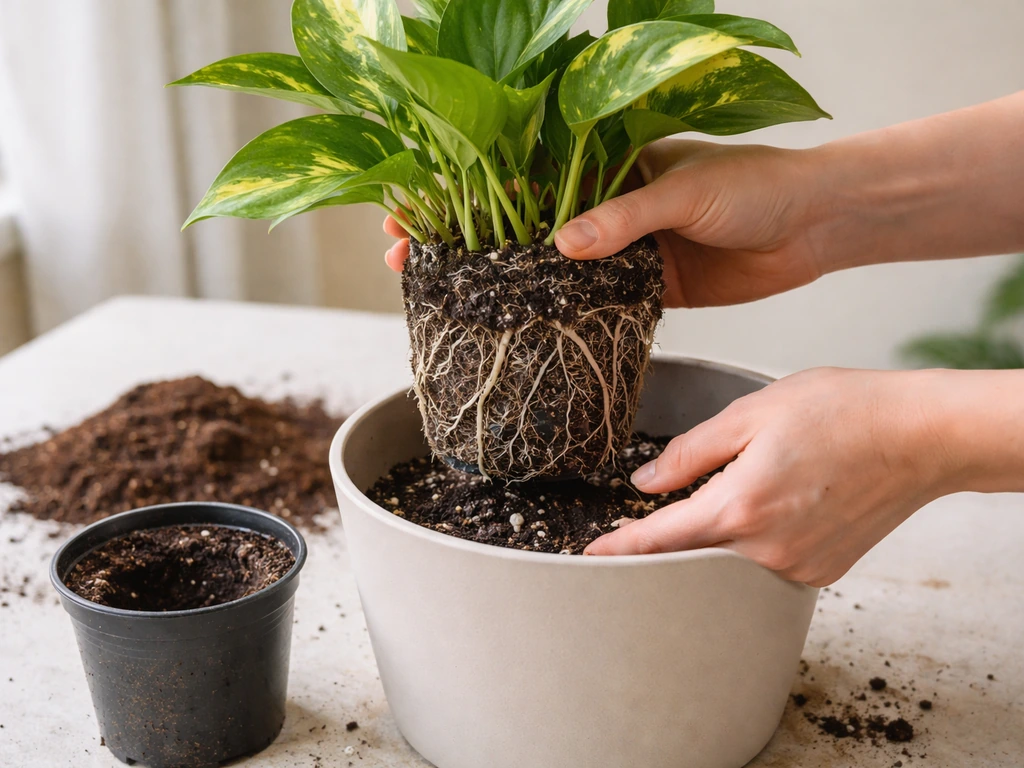
Plants need repotting when they become pot-bound, which means the roots have filled the container and have nowhere left to grow. The clearest signs are roots growing out of the drainage holes, roots circling visibly around the root ball when you slide the plant out, or a plant that wilts quickly after watering because there is almost no soil left relative to root mass. Most houseplants need repotting every one to two years, usually in spring when growth picks back up.
When you repot, go up only one pot size (typically 1 to 2 inches larger in diameter). Too big a pot means too much soil holding moisture around roots that cannot use it yet, which leads straight back to root rot. Use fresh potting mix, gently loosen or trim any circling roots, and water the plant well after repotting. Expect a brief adjustment period where the plant looks a bit stressed before it settles into its new space.
Propagating your plants: the basics
Propagation is one of the most rewarding parts of growing plants indoors, and it is how you keep a healthy plant going indefinitely, share with friends, or replace a plant that has gotten leggy or old. Stem cuttings are the easiest method for most common houseplants including pothos and philodendrons.
Take a stem cutting 3 to 5 inches long with at least one or two nodes (the bump on the stem where a leaf meets it). Remove the bottom leaves so you have a clean bare section to insert into your rooting medium. Push the cutting 1 to 2 inches deep into moistened perlite, coarse sand, or vermiculite. Keep the medium moist and the temperature between 75 and 80°F for the best results. Covering cuttings loosely with a clear plastic bag or humidity dome speeds things up by keeping humidity high around the cutting. Roots typically form in 3 to 6 weeks.
For pothos and some philodendrons, you can skip the rooting medium entirely and root cuttings directly in a jar of water. Change the water every few days to keep it fresh and oxygenated, and move the cutting to soil once roots are an inch or two long. Water rooting is slower to transition to soil but is a great low-fuss option if you are just getting started with propagation.
Whether you are growing in soil, water, hydroponics, or a terrarium, the core principles for healthy indoor plants stay the same: give your plants the light their biology actually needs, water based on what the plant tells you rather than a fixed schedule, keep the air moving and the humidity reasonable, and pay attention to what the leaves are communicating. Once you develop that habit of reading your plants, growing them indoors stops feeling like guesswork and starts feeling intuitive.
FAQ
How do I know if my indoor plant needs more light versus less water?
Look for the pattern. Light shortage usually causes slow growth and smaller new leaves, plus stretching toward windows. Overwatering shows up faster with consistently wet soil, yellowing leaves, and a musty smell. A practical test is to wait until the top inch of soil dries (unless the plant likes constant moisture), then adjust light within 1 to 3 feet of a window before changing watering frequency again.
What’s the easiest way to choose a plant that matches my home if I have only one window?
Pick based on the window’s direction and distance. If your only bright spot is a windowsill, choose plants that tolerate bright indirect light. If your plants will sit more than 3 feet away, choose low-light tolerant options (like ZZ, pothos in lower light, or spider plants). If you must place plants farther away, plan to use a grow light rather than trying to “make it work” with watering or fertilizer.
How far should I run my grow light from the plant and for how long?
Start with the manufacturer’s recommended distance, then fine-tune by watching new growth. If leaves look pale or the plant stretches, increase the light intensity by moving the light closer within safe limits, or extend daily run time. If leaves show scorch or bleaching, move the light farther away and shorten the photoperiod. Use a consistent schedule (for example 12 to 16 hours) to avoid growth cycles that stall.
Can I use tap water, and what if my plant keeps getting brown tips?
You can usually use tap water if it is not extremely hard or chemically treated at very high levels, but brown tips can come from mineral buildup and salt accumulation as well as low humidity. If the soil surface gets crusty or tips worsen after fertilizing, switch to watering until runoff occurs, then flush occasionally by running clean water through the pot to remove excess salts. Consider letting water sit out only if your issue is chlorine smell, not mineral hardness.
Is bottom watering always better than top watering?
Bottom watering can be great for preventing hydrophobic soil and ensuring the whole root zone wets up, but it is not ideal for plants that require consistently dry topsoil between waterings. After bottom watering, always let the pot fully drain, then remove it from the reservoir. For succulents, bottom watering works only if the mix is very fast draining and the pot dries quickly afterward.
How can I tell if my soil mix is draining poorly before I harm a plant?
Do a quick soak test: add water until it runs out, then note how long it takes to stop dripping. If it stays heavy and wet for many days, roots may lack oxygen. You can also observe the plant after watering, if the top stays damp and the pot feels unusually heavy long after a normal watering, increase aeration using perlite and consider repotting into a more appropriate mix.
What humidity level should I aim for, and what’s the best fix if my air is below 30%?
Many tropical houseplants do best around 40 to 60% relative humidity. If you are consistently below 30%, prioritize grouping plants and using a small humidifier placed near the plant collection with adequate ventilation. Avoid relying on frequent leaf misting because it often keeps leaf surfaces wet and can invite fungal issues.
How do I prevent pests from becoming a recurring problem indoors?
Start with prevention habits from your weekly check-in: inspect under leaves and along stems, wipe dust off large leaves to reduce hidden hotspots, and isolate new plants for a couple of weeks. If you find pests, treat early and quarantine immediately so eggs and young pests do not spread across your collection.
When should I repot, and what size pot is safest for most plants?
Repot when roots are circling the root ball, growing from drainage holes, or the plant wilts quickly after watering because there is too little potting mix left. Go up only one pot size, typically 1 to 2 inches wider. A much larger pot holds extra moisture that roots cannot use yet, increasing the risk of root rot.
How do I fertilize correctly if I’m not sure when my plant is “growing”?
Use fertilizer only during active growth (spring through early fall for most houseplants). If your plant has slowed down, keep feeding paused to avoid salt buildup. When resuming, start with diluted half-strength and observe new growth. If you see brown leaf margins or crusty white deposits, reduce frequency or flush the soil.
What’s the most common propagation mistake indoors?
Using cuttings with insufficient nodes or letting the rooting medium dry out too early. Keep cuttings warm (about 75 to 80°F) and maintain consistent moisture in the medium. If using water propagation, change the water every few days to keep oxygen levels up, then move to soil once roots are about an inch or two long to reduce transplant shock.