If you want to grow plants outdoors and have no idea where to start, here's the honest answer: pick zucchini, marigolds, or basil this week and you'll have something growing within days. But the plants that will actually thrive for you depend on three things you need to nail first: your climate zone, how much sun your space gets, and whether you're working in containers or in the ground. Anyone can grow these plants if you match them to your climate, give them enough light, and keep up with basic watering and soil care. Get those right and even a total beginner can have a productive, colorful outdoor garden by summer.
Beginner Plants to Grow Outdoors: Easy Picks and Care Guide
Marcus Holloway
14 May 2026
How to Choose Outdoor Beginner Plants (Climate, Sun, and Space)
Before you buy a single seed packet, take five minutes to figure out your starting conditions. This isn't overcomplicated gardening theory, it's just the difference between choosing a plant that will actually survive your winters and summers versus one that'll fizzle out in a month.
Know Your Hardiness Zone
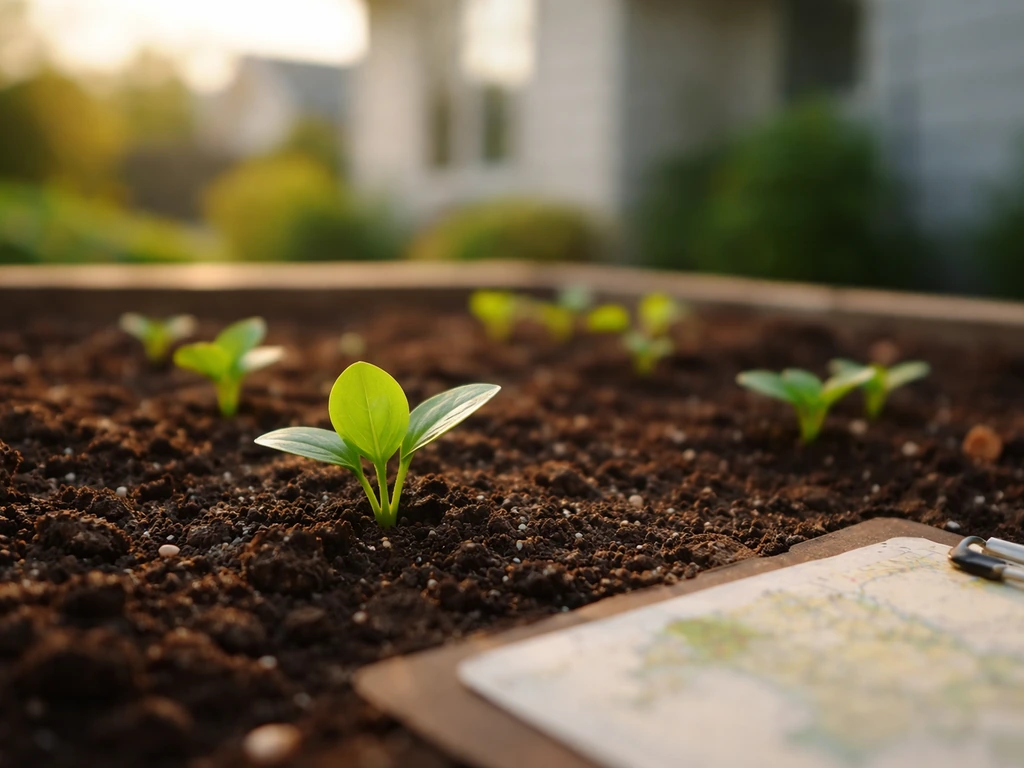
The USDA Plant Hardiness Zone Map divides the U.S. into 13 zones (Zone 1 is coldest, Zone 13 is warmest) based on the blank" rel="noopener noreferrer">average annual extreme minimum winter temperature. It blank" rel="noopener noreferrer">uses 30-year averages from 1991 to 2020, so it reflects typical cold, not freak cold snaps. The map is primarily designed to help you choose perennials, trees, and shrubs that will survive your winters and come back year after year. For annuals and vegetables, your last frost date matters more than your zone number. You can look up both at no cost on the USDA website or any seed company's website by entering your zip code.
Count Your Sunlight Hours Honestly
Stand outside at noon and look at your space. Full sun means 6 or more hours of direct sunlight per day. Part sun or part shade means 3 to 6 hours. Full shade is less than 3 hours. Most beginner-friendly vegetables and flowers want full sun, so if your balcony or yard only gets a few hours of direct light, you'll need to lean toward shade-tolerant herbs like mint or cilantro, or foliage plants rather than heavy-fruiting crops. To help you pick the right varieties, you can use a beginner-friendly list of plants to grow that matches your climate and light. Overestimating your sun is one of the most common beginner mistakes, so be honest with yourself here.
Containers vs. In-Ground: Both Work, Just Differently
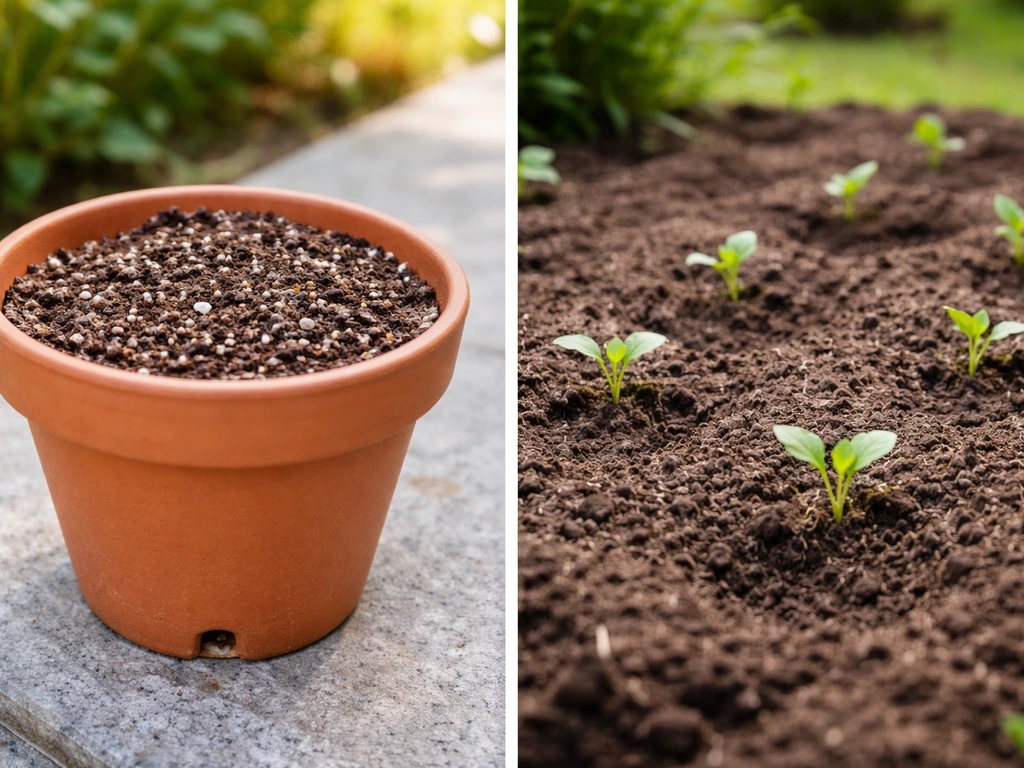
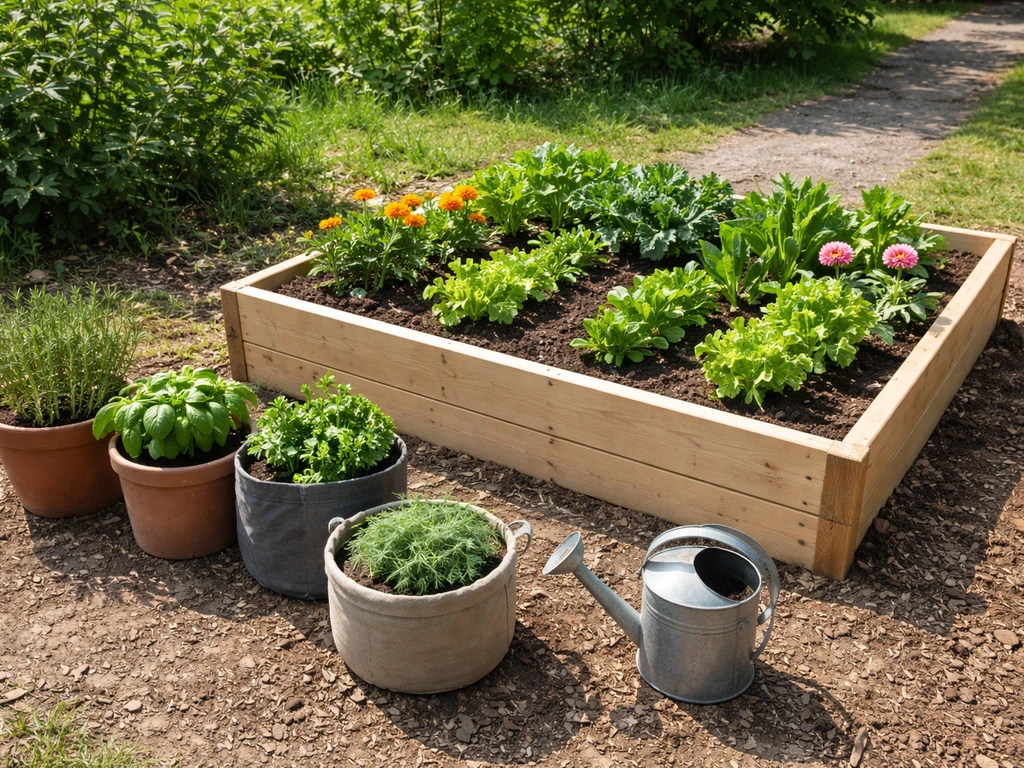
Container gardening is genuinely beginner-friendly because you control the soil completely, you can move pots to follow the sun, and drainage is easy to manage. The trade-off is that containers dry out faster and need more frequent watering, sometimes daily in hot weather. In-ground planting gives roots more room to spread and soil holds moisture longer, but you're working with whatever native soil you have, which may need amending. If you're starting on a balcony or patio, containers are your obvious choice. If you have a yard, even a small raised bed or a 4x4 foot patch of amended soil will outperform a neglected in-ground bed with compacted clay.
Easiest Outdoor Plants to Start From Seed vs. Seedlings
This question trips up a lot of beginners. Seeds are cheaper and give you way more variety, but they take more time, attention, and the right conditions to germinate. Seedlings (the small plants you buy at a nursery or garden center) cost more per plant but skip the hardest part of the process and give you a head start of several weeks. If you want the same kind of head start indoors, learning how to grow starter plants from seed can help you transplant stronger seedlings later. Here's how to think about it:
| Plant | Best Method | Why |
|---|---|---|
| Zucchini / Squash | Direct seed outdoors | Germinates in 5-7 days, grows so fast that buying seedlings offers little advantage |
| Sunflowers | Direct seed outdoors | Taproot hates transplanting; direct sowing works better |
| Radishes | Direct seed outdoors | Ready to harvest in 25-30 days; pointless to buy seedlings |
| Beans (bush or pole) | Direct seed outdoors | Fast germinator, cheap, doesn't transplant well |
| Nasturtiums | Direct seed outdoors | Easy, self-sufficient, direct sow after last frost |
| Tomatoes | Buy seedlings | Slow from seed (6-8 weeks indoors needed); seedlings save you a lot of time |
| Peppers | Buy seedlings | Extremely slow from seed; seedlings are worth every penny for beginners |
| Basil | Either works | Fast from seed but seedlings give you an instant harvest |
| Marigolds | Either works | Easy from seed in 5-7 days, or buy 6-packs for instant color |
| Lavender | Buy seedlings | Slow and fussy from seed; young plants establish much more reliably |
The general rule: direct-sow crops that grow fast or have taproots (squash, beans, radishes, carrots, sunflowers). Buy seedlings for anything slow-starting like tomatoes, peppers, eggplant, or woody herbs like lavender and rosemary. You'll save months of frustration.
Low-Maintenance Beginner Perennials, Shrubs, and Herbs
Perennials are the long game of outdoor gardening. You plant them once and they come back every year, getting bigger and more established over time. For beginners, they're a great low-effort backbone for any garden bed. Shrubs follow the same logic but on a larger scale.
Perennials Worth Planting
- Coneflower (Echinacea): Hardy in Zones 3-9, full sun, drought-tolerant once established. Blooms reliably every summer, attracts pollinators, and basically ignores neglect.
- Black-eyed Susan (Rudbeckia): Zones 3-9, full sun to light shade, spreads gently over time. One of the most forgiving perennials you can plant.
- Daylilies: Zones 3-9, full to part sun, will grow in almost any soil. Nearly indestructible and multiply on their own.
- Hostas: Zones 3-9, part to full shade. If your yard is mostly shady, hostas are your best friend. Lush, low-effort, no real pest problems.
- Salvia (perennial varieties): Zones 4-9 depending on variety, full sun, extremely drought-tolerant. Long bloom period and very low maintenance.
Easy Beginner Shrubs
- Knockout Roses: Zones 4-9, full sun, disease-resistant and reblooming. These were specifically bred to be low-maintenance, and they deliver.
- Spirea: Zones 3-8, full sun to part shade, very hardy and requires minimal pruning. Good for borders or foundation plantings.
- Forsythia: Zones 5-8, full sun, one of the first things to bloom in spring. Plant it and basically forget it.
Outdoor Herbs That Basically Grow Themselves
- Mint: Grows almost anywhere with some moisture. Warning: it spreads aggressively, so grow it in a container or a contained bed.
- Chives: Hardy perennial herb, Zones 3-9. Comes back every year, tolerates neglect, and you can harvest it constantly.
- Thyme: Zones 4-9, full sun, drought-tolerant. Great as a ground cover in sunny spots. Harvest it and it grows back.
- Rosemary: Zones 7-11 in the ground (or overwinter indoors in colder zones). Full sun, extremely drought-tolerant once established.
- Basil: Annual, needs full sun and warmth. Not perennial, but so easy to grow from seed or seedling that it belongs on every beginner's list.
Fast-Growing Vegetables for Beginners (What to Plant and When)
Vegetables give you the fastest feedback of any plants you can grow outdoors, which makes them fantastic for beginners. You sow a seed, something pops up in a week, and you're harvesting food within weeks or months. Here are the best options based on the time of year.
Cool-Season Crops (Plant in Early Spring or Fall)
These crops tolerate frost and actually prefer cooler temperatures. Since it's mid-May, most of the U.S. is past the prime cool-season window, but if you're in a northern zone or a higher elevation, you can still direct-sow these now. They're also perfect for a fall garden starting in late July or August.
- Radishes: 25-30 days to harvest. Fastest vegetable you can grow, full stop.
- Lettuce: 45-60 days, tolerates light frost, can be harvested leaf by leaf for continuous picking.
- Spinach: 40-50 days, very cold-hardy, bolts in heat so grow it fast in spring.
- Peas (snap or snow): 60-70 days, direct sow as soon as soil can be worked in spring.
Warm-Season Crops (Plant After Last Frost, Right Now for Most of the U.S.)
Mid-May is prime planting time for warm-season vegetables across much of the U.S. These are your big summer growers.
- Zucchini and summer squash: Direct sow now, harvest in 50-60 days. Almost impossible to fail with. One or two plants will feed a family.
- Bush beans: Direct sow now, harvest in 50-60 days. No staking needed, prolific producers.
- Cucumbers: Direct sow or transplant seedlings, harvest in 55-65 days. Love heat and full sun.
- Tomatoes: Plant seedlings now (not seeds), harvest in 60-80 days depending on variety. Cherry tomatoes like 'Sun Gold' or 'Sweet 100' are the most forgiving for beginners.
- Peppers: Plant seedlings now, harvest in 70-90 days. Need heat to produce well, so make sure they get 8+ hours of sun.
Flowers That Bloom Reliably for New Gardeners
Flowers are where a lot of beginners get discouraged because they buy something beautiful at the nursery, plant it, and it never blooms again. The trick is sticking to plants that are genuinely easy to bloom and not just easy to keep alive. These are the ones I'd recommend without hesitation.
- Marigolds: Annual, full sun, direct seed or transplant. Blooms all summer with zero fuss, repels some common garden pests, and looks great in containers. Plant them next to tomatoes and peppers as companion plants.
- Zinnias: Annual, full sun, direct seed after last frost. Among the easiest flowers to grow from seed, extremely heat-tolerant, and produces masses of cut flowers all summer.
- Sunflowers: Annual, full sun, direct seed now. Hard to kill, fast-growing, and kids love them. Single-stem varieties grow to 6 feet in about 70-80 days.
- Nasturtiums: Annual, full sun to part shade, direct seed. Blooms quickly (about 35-50 days from seed), thrives in poor soil, and the flowers are actually edible.
- Petunias: Annual, full sun, buy as seedlings or transplants. Excellent for containers and hanging baskets, blooms from spring through frost, very forgiving of inconsistent watering.
- Coneflowers (Echinacea): Perennial (Zones 3-9), full sun. Blooms reliably every summer once established, requires almost no care, and comes back bigger each year.
Planting Setup and Care Basics (Soil, Watering, Feeding, Mulching)
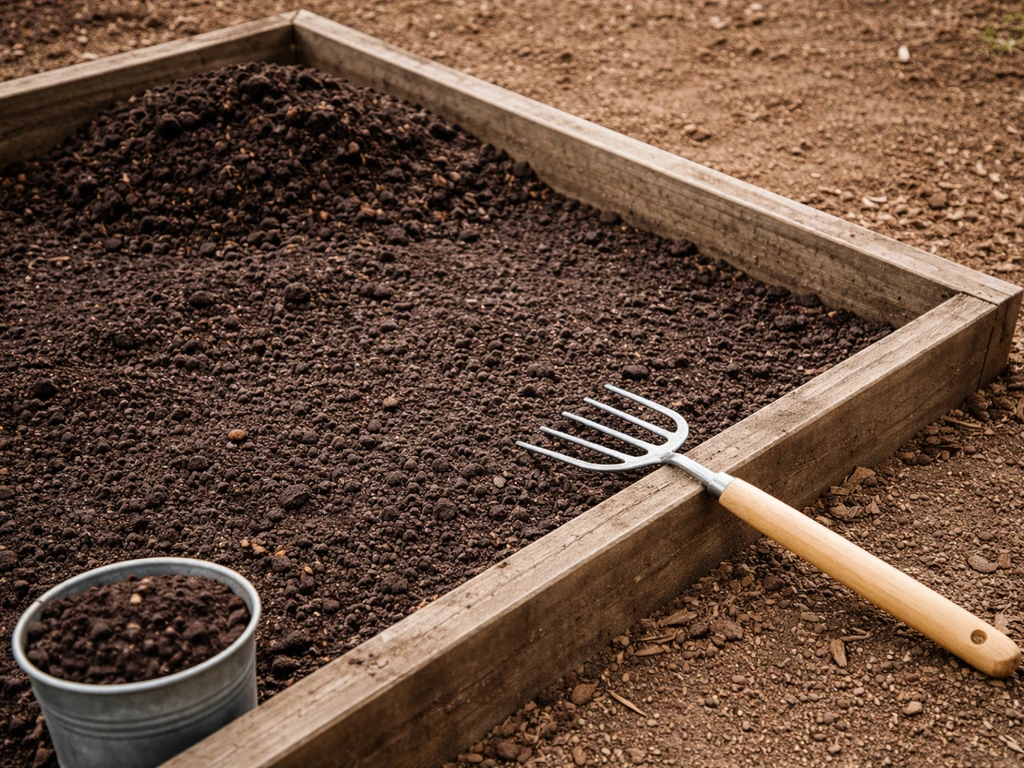
Good setup at the start saves you from 80% of the problems beginners run into. You don't need perfect conditions, you just need to avoid a few common setups that guarantee failure.
Soil: This Is Where Beginners Win or Lose
If you're planting in the ground, the single best thing you can do is mix 2-3 inches of compost into the top 8-10 inches of soil before planting. This improves drainage in clay soils and improves water retention in sandy soils. It's basically a fix-all for average garden soil. If you want something different but still easy to manage, there are also great houseplants that are easy to grow for beginners easy to grow houseplants for beginners.
If you're using containers, always use a quality potting mix (not garden soil, which compacts and drains poorly in pots). For vegetables and herbs, a potting mix with some added compost or slow-release fertilizer granules mixed in is ideal. Don't skip the compost step: it's the highest-leverage thing you can do for plant health.
Watering: The Biggest Beginner Variable
The goal with watering is to keep the root zone consistently moist but not waterlogged. For in-ground beds, a deep watering two to three times per week is usually better than a light daily sprinkle. Deep watering encourages roots to grow down rather than staying near the surface where they're vulnerable to heat. Stick your finger 2 inches into the soil: if it feels dry at that depth, water. For containers, check daily in warm weather. In hot summer temperatures, small containers may need water every day. Wilting in the late afternoon heat is normal, but if plants are still wilted in the morning, they need water.
Feeding: Keep It Simple
For most beginner gardens, a balanced slow-release granular fertilizer (something like a 10-10-10 or 14-14-14) worked into the soil at planting time is all you need for the first 6-8 weeks. After that, a light liquid feed every 2-3 weeks with a balanced fertilizer keeps things growing well. Heavy-feeding plants like tomatoes and peppers benefit from switching to a fertilizer lower in nitrogen and higher in phosphorus and potassium once they start flowering, which encourages fruiting rather than leafy growth. For herbs and most flowers, less fertilizer is often better: too much nitrogen makes lush leaves and fewer flowers or fruits.
Mulching: The One Step Most Beginners Skip
Apply 2-3 inches of mulch (straw, wood chips, or shredded leaves) around your plants after they're in the ground. Keep it an inch or two away from plant stems. Mulch does three things that are huge for beginners: it holds soil moisture (so you water less), it suppresses weeds (so you weed less), and it regulates soil temperature. In hot climates, bare soil can heat up to over 130°F in direct sun, which stresses shallow roots. Mulch keeps roots cooler and plants happier. It's cheap and takes ten minutes to apply, and it makes a genuinely significant difference.
Simple Planting Steps for Any Beginner Plant
- Prepare your soil: loosen it to about 10 inches deep, mix in compost, and rake level.
- Check the plant label or seed packet for spacing requirements and follow them. Crowding is a very common beginner mistake.
- Dig a hole the same depth as the root ball for transplants (or slightly deeper for tomatoes, which can be buried up to their lower leaves).
- Set the plant in, fill in with soil, and firm it gently around the base.
- Water thoroughly right after planting, even if it just rained.
- Apply mulch around the plant.
- Water again in 48 hours and begin your regular watering routine.
Common Beginner Problems Outdoors and Quick Fixes
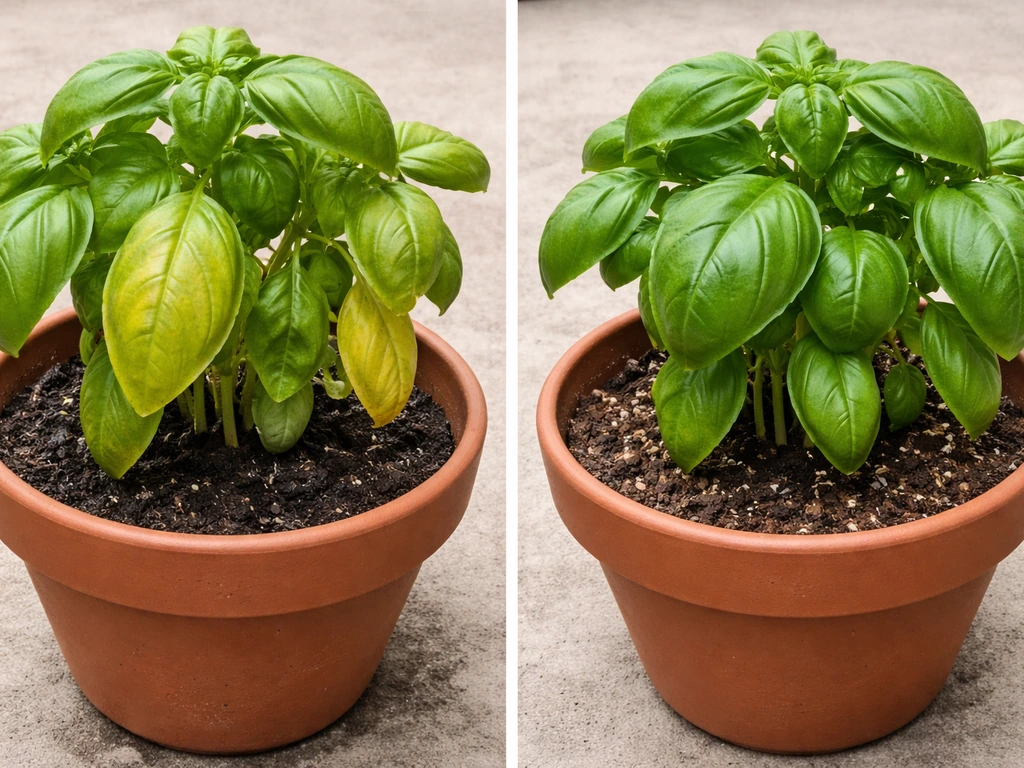
Every gardener, including experienced ones, deals with problems. The difference is knowing what you're looking at quickly so you can fix it before it spirals. Here are the issues beginners run into most often and what to do about each one.
Overwatering and Underwatering
Yellowing lower leaves with soggy soil usually means overwatering. Let the soil dry out before watering again, and make sure your containers have drainage holes. Wilting with dry, crumbly soil is underwatering: water deeply and the plant usually recovers within hours. The finger test (2 inches into the soil) is your best diagnostic tool. Do it every time before you water and you'll avoid both problems.
Leggy, Stretched-Out Growth
If your seedlings or young plants are tall, thin, and floppy, they're not getting enough light. This is called etiolation: the plant is stretching toward whatever light it can find. Move the plant to a sunnier spot. You can't reverse the leggy growth already there, but new growth will come in more compact. If the location doesn't have more sun, it's time to choose a plant better suited to lower light.
Poor Seed Germination
Seeds fail to germinate for a few common reasons: soil too cold, planted too deep, or soil dried out during the germination window. Most warm-season seeds need soil temperatures above 60°F, and many prefer 70°F or warmer. A cheap soil thermometer (under $10) takes the guesswork out. As a general rule, plant seeds at a depth of twice their diameter. Keep the soil surface consistently moist until sprouts emerge: this is the one time consistent moisture is non-negotiable.
Transplant Shock
New transplants sometimes wilt dramatically for the first few days even when watered well. This is transplant shock: the roots are adjusting to their new environment. Water well, provide some afternoon shade if possible by propping a piece of cardboard or shade cloth nearby, and give the plant 3-5 days to recover before panicking. Avoid fertilizing right after transplanting: stressed roots can't take up nutrients efficiently and fertilizer can make things worse.
Pests: What You're Actually Dealing With
The most common beginner pest problems are aphids (small soft clusters on new growth, often green or black), caterpillars or hornworms (you'll see chewed leaves or missing foliage), and slugs (irregular holes in leaves, usually near the soil level with a slime trail). For aphids, a strong blast of water from a hose knocks them off and usually solves the problem. For caterpillars, pick them off by hand or apply a bacillus thuringiensis (Bt) spray, which is organic and safe. For slugs, put out a shallow dish of beer near affected plants or use iron phosphate slug bait, which is pet-safe.
Weeds
Weeds are a fact of outdoor gardening, but they're manageable. Mulch suppresses about 80% of weed germination on its own. For weeds that do come up, pull them when they're small and the soil is moist (after watering or rain) so they come out root and all. Never let weeds go to seed or you're creating next year's problem. A 10-minute weekly weeding session is far easier than letting weeds take over and spending a full afternoon on them.
Disease: Spotty or Discolored Leaves
Fungal diseases like powdery mildew (white powdery coating on leaves) or early blight on tomatoes (brown spots with yellow halos) are common in humid conditions. The best prevention is good air circulation: don't crowd plants, and water at the base rather than overhead. If you see diseased leaves, remove them promptly and put them in the trash, not the compost. A simple spray of diluted neem oil or baking soda solution (1 teaspoon baking soda per quart of water with a drop of dish soap) can help manage mild fungal issues.
What to Do This Week and Your First Month Plan
Here's the most practical thing I can tell you: don't overthink the selection. If you want a quick shortcut, a curated list of good starter plants to grow can help you choose varieties that match your conditions. If it's mid-May where you are, go to a garden center this week and pick up tomato seedlings (cherry varieties if you want easy wins), a zucchini or two, a six-pack of marigolds, and a basil plant.
Get a bag of compost and a bag of mulch. If you want a deeper, step-by-step approach, you can use this guide on how to grow plants for beginners alongside your climate and sun plan. Spend a Saturday morning prepping your soil, planting everything, and mulching. Water well.
That's your first garden.
For the first month, keep it simple with this routine: water every 2-3 days for in-ground beds (or check containers daily), pull any weeds you see during your watering routine so they never get big, and give everything a light liquid feed at the 3-week mark. Watch your plants every time you water: changes in leaf color, texture, or growth rate are your early warning system. Most problems caught early are easy to fix.
Once you've got one outdoor season under your belt, you'll have a much clearer sense of what works in your specific spot, which is something no article can fully predict for you. The experience you gain from one growing season is worth more than any amount of research. Start simple, pay attention, and build from there. If you've killed plants before, that's genuinely fine: it's how everyone learns, and this time you've got a better starting point.
FAQ
What are the easiest beginner outdoor plants if I’m not sure whether my yard gets full sun or partial shade?
Do a quick sun audit for a few days. If your spot gets at least 6 hours of direct light most days, start with full-sun staples like zucchini, basil, and marigolds. If it averages closer to 3 to 6 hours, prioritize plants that tolerate lighter conditions, such as mint or cilantro, and consider leafy herbs or foliage plants instead of fruit-heavy crops.
Should I start outdoors with seeds or buy seedlings for the fastest results?
Choose based on “time to first harvest.” Direct-sow fast crops with taproots like radishes, carrots, beans, and squash. For slower starters like tomatoes, peppers, and woody herbs, buying seedlings saves weeks and reduces transplant stress from waiting too long for germination.
How do I pick crops for my first season if I only want to garden for one summer?
Focus on annuals and fast feedback crops. If you want harvest quickly, plant warm-season vegetables during the normal warm window for your area, and add quick flowers for color. Avoid perennials until you’re comfortable with watering, because perennials take longer to establish even though they come back.
What watering method works best for beginners to avoid overwatering and root rot?
Use the finger test consistently. For in-ground beds, deep water 2 to 3 times per week and water again only when the soil is dry 2 inches down. For containers, check daily during hot weather because pots lose moisture faster, and water when the root zone is drying.
Do I need to fertilize right away after planting seeds or seedlings?
Wait before feeding young plants. For most beginner setups, a balanced slow-release fertilizer at planting is sufficient for the first 6 to 8 weeks. After transplanting, avoid fertilizer for the first few days, because stressed roots may not absorb nutrients well.
Is garden soil okay to use in containers?
No. Garden soil compacts in pots and drains poorly, which can smother roots. Use a quality potting mix designed for containers, and for vegetables and herbs, look for mix options that include compost and sometimes slow-release fertilizer granules.
What’s the right seed planting depth for outdoors?
Use the “twice the seed diameter” rule. Planting deeper than that is a common reason seeds fail, especially in warm-season beds. Also keep the surface consistently moist during germination, because the moisture requirement is strict until sprouts emerge.
How warm does my soil need to be for outdoor seeds to germinate?
Warm-season seeds often need soil above 60°F, many prefer around 70°F. If you want more accuracy than guessing based on air temperature, use a cheap soil thermometer to confirm ground temperature at planting time.
My plants are wilting in the afternoon but look fine in the morning. Do I have a watering problem?
Late-afternoon wilting can be normal in heat, especially for containers. The key is timing: if plants rebound by morning or early evening, it often indicates heat stress rather than true underwatering. If they stay wilted in the morning, then water promptly and deep.
How can I prevent pests without becoming an expert?
Start with quick, targeted checks on new growth and the soil surface. Look for aphids on tender shoots, caterpillar damage (missing leaf tissue), and slugs near ground level. Treat early, for aphids use a strong hose spray, for caterpillars remove by hand or use Bt, and for slugs use iron phosphate bait or a beer trap.
What’s the best mulch to use for outdoor beginner gardens, and how far from the stem should it go?
Any of the common types work, straw, wood chips, or shredded leaves. Apply 2 to 3 inches around plants, but keep it an inch or two away from stems and crowns to prevent moisture buildup that can lead to rot.
How do I handle powdery mildew or other fungal issues if I live in a humid area?
Prevent first by spacing plants for airflow and watering at the base instead of overhead. Remove visibly diseased leaves promptly and discard them. For mild cases, spot-treat with a diluted baking soda solution or neem oil, rather than blanket spraying everything.
What should I do if my seedlings get tall and floppy?
This is typically lack of light. Move them to brighter conditions immediately, because the stretched growth won’t snap back. After adjusting, the new growth should become sturdier, and if you can’t increase light, switch to plants better suited to lower light.
Is transplant shock normal, and how long will it take to recover?
Yes, dramatic wilting for a few days after transplanting is common because roots adjust to new soil and conditions. Water well, consider afternoon shade for the first few days, and give it about 3 to 5 days before making major changes. Avoid fertilizing right after transplanting during that adjustment window.