The best starter plants to grow are ones that match your actual conditions, not just the ones labeled 'easy' on a garden center tag. To make it easier, start with the simplest beginner-friendly plants that match your light, watering habits, and space how to grow plants for beginners. For indoors with low light, start with pothos, snake plants, or ZZ plants. For a bright windowsill or outdoor space, try radishes, marigolds, or basil from seed.
Good Starter Plants to Grow: Easy Picks by Light and Space
Marcus Holloway
20 May 2026
If you want a quick list of beginner plants to grow outdoors, the outdoor starter picks section in this guide walks through the easiest options. If you want something in water or a hydroponic setup, lettuce and green onions are hard to beat. Pick one plant, match it to your space and light, and you'll have a much better shot than trying to grow five things at once with mismatched conditions.
That way, anyone can grow these plants by focusing on one good match for their space before expanding you'll have a much better shot than trying to grow five things at once. Beginner plants to grow also vary by whether you want something edible, flowers, or easy greenery for your space Pick one plant.
How to choose starter plants for your space and skill level
Before you pick a plant, answer four quick questions: How much light do I actually have? How much time can I realistically spend on this? Do I want food, flowers, or just something green? And am I working indoors, outdoors, or in a container? The answers narrow your list fast and save you from the most common beginner frustration, which is growing the wrong plant in the wrong place.
Light is the biggest variable. A 'sunny windowsill' that only gets two hours of direct sun is genuinely low light for most fruiting plants, but it's fine for pothos or a ZZ plant. If you're outside, the number of full-sun hours your spot gets (anything under four hours is part shade) determines whether you grow tomatoes, lettuce, or ferns. If you also want to learn how to grow starter plants at home, start by matching each plant to your available sun and daily care routine. Before buying anything, watch your space for a day and note when and how long direct light hits it.
Time and travel matter too. If you're away a lot or just forgetful, lean toward drought-tolerant plants like succulents, snake plants, or ZZ plants rather than herbs that wilt the moment the soil dries out. If you're home daily and want fast feedback, fast-growing edibles like radishes and lettuce give you visible progress within days. And if you're working with a small budget, starting from seed is almost always cheaper than buying seedlings, though some plants (more on this below) do much better started from cuttings or transplants.
Container size matters more than most beginners expect. A container that's much too large for a small plant holds more moisture than the roots can use, which quietly causes root rot before you notice anything wrong. Match container size to the plant's rootball, and always use pots with drainage holes.
Easy beginner plants for outdoors (and what to start from)
Outdoors, you have the advantage of natural light, rain, and airflow, but you're also dealing with seasons, climate zones, and soil quality. The good news is that several plants are so forgiving that they'll thrive even if you get a few things wrong.
Top outdoor starter picks
| Plant | Start From | Ready In | Best For |
|---|---|---|---|
| Radishes | Direct seed | 22–60 days | Quick harvests, small spaces |
| Marigolds | Seed or transplant | 45–55 days to bloom | Borders, pest deterrence |
| Zucchini/Courgette | Seed or transplant | 50–60 days | High-yield, low effort |
| Green beans | Direct seed | 50–60 days | Raised beds or containers |
| Sunflowers | Direct seed | 70–90 days | Tall, visual impact |
| Cilantro | Direct seed | 40–60 days (leaf harvest) | Herb gardens, pots |
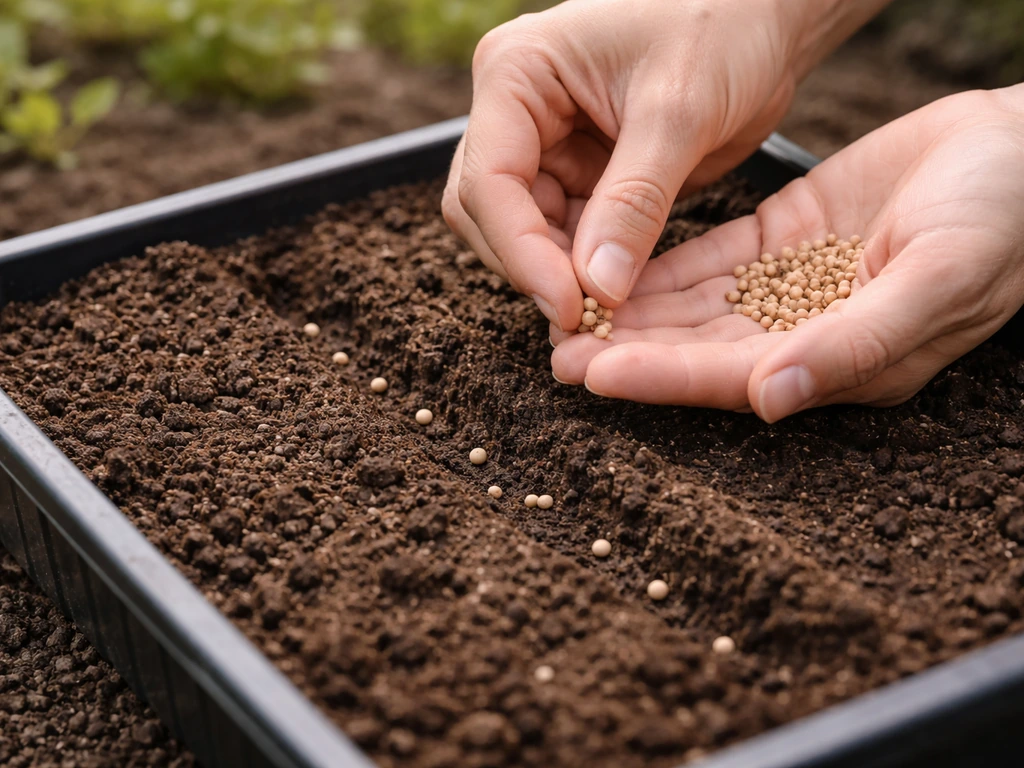
Radishes are genuinely the easiest food plant you can grow outdoors. Seedlings emerge within ten days, and most varieties are ready to harvest in three to five weeks, sometimes as fast as 22 days. They're direct-seeded straight into the ground or a container, they don't need transplanting (which they actually dislike), and sowing a new batch every ten days keeps you in radishes for months. Cilantro is similarly direct-seeded, germinates in about 21 days, and gives you leaf harvests in 40–60 days.
Important distinction on starting forms: radishes, carrots, beets, and cilantro don't tolerate transplanting well and should always be direct-seeded where they'll grow. Tomatoes, peppers, and most flowers, on the other hand, benefit from being started indoors 6–8 weeks before your last frost date, then transplanted outside as seedlings. If you're a first-timer and it's already late spring (which it is right now in May 2026), skip starting tomatoes from seed outdoors this season and just buy a transplant from a nursery instead.
Easy beginner houseplants for indoors (low-light vs bright rooms)
Indoors, most beginner mistakes come from either overestimating available light or buying a plant that needs bright sun and putting it six feet back from a north-facing window. For more ideas, pick from easy to grow houseplants for beginners that match your light and watering schedule beginner mistakes. The fix is matching the plant to the light you have, not the light you wish you had.
Low-light rooms (north-facing windows, hallways, interior spaces)
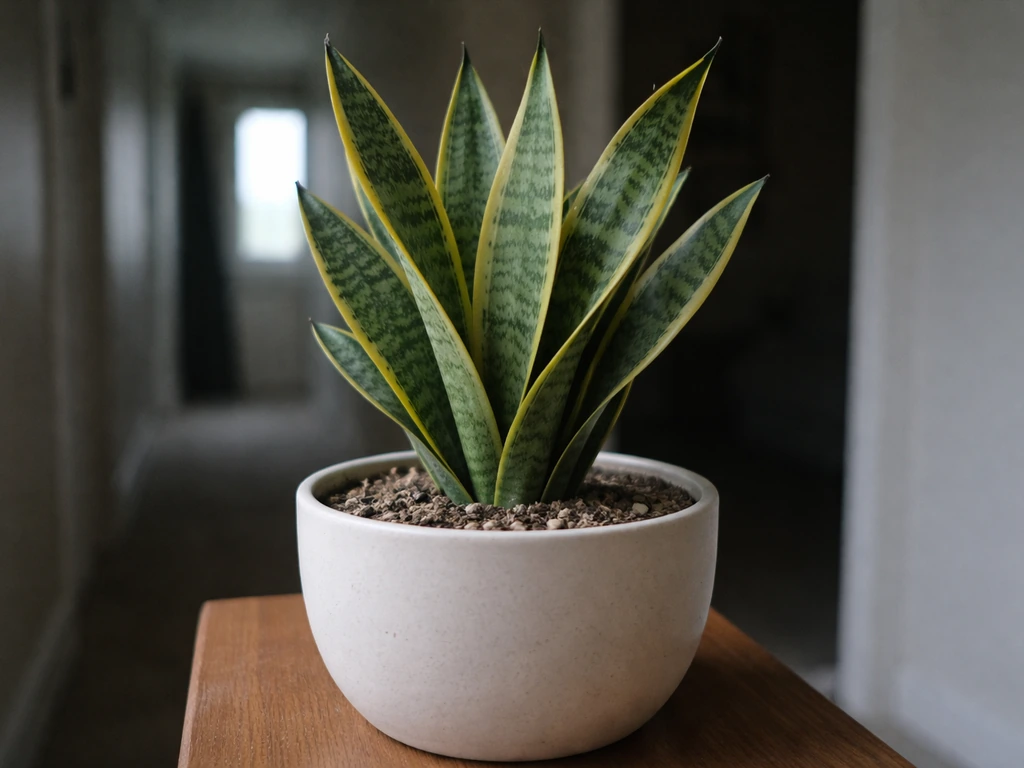
- Snake plant (Dracaena trifasciata): Thrives in low light, needs minimal watering, and tolerates neglect better than almost any other houseplant. Let the soil dry out completely between waterings.
- ZZ plant (Zamioculcas zamiifolia): Exceptionally tolerant of low light and low moisture. Avoid direct sun, which can scorch its leaves. One of the most forgiving plants you can own.
- Pothos (Epipremnum aureum): Arguably the most forgiving houseplant of all. Trails beautifully from a shelf, tolerates low light, and tells you when it's thirsty by letting its leaves droop slightly.
Bright rooms (south or east-facing windows, sunrooms)
- Basil: Loves a sunny windowsill, grows fast from seed, and you can harvest leaves within 3–4 weeks. Keep it warm and don't let it sit in cold drafts.
- Spider plant (Chlorophytum comosum): Easy, produces baby 'spiderettes' you can propagate, and tolerates a range of light levels as long as it gets some brightness.
- Herbs (mint, chives, parsley): All do well in bright indoor light. Mint is especially fast and forgiving, though keep it in its own pot since it spreads aggressively.
- Aloe vera: Bright light, infrequent watering, and you get a first-aid plant out of the deal. Let the soil dry completely between waterings.
One thing worth knowing about indoor plants: avoid moving them around dramatically once they're settled. Plants can go into shock from sudden changes in light intensity or air temperature. If you need to move a plant to a brighter spot, do it gradually over a week or two, shifting it a little closer to the light source each day.
Fast-growing starter plants (for quick wins)
If you've ever killed a plant and lost your confidence, growing something fast is the best way to rebuild it. Quick results are motivating, and fast-growing plants give you more opportunities to learn what's working.
| Plant | Where to Grow | How Fast |
|---|---|---|
| Radishes | Outdoors or container | 22–60 days to harvest |
| Lettuce | Indoors or outdoors | 30–45 days to first leaf harvest |
| Basil | Bright windowsill or outdoors | 3–4 weeks to first harvest |
| Pothos | Indoors (any light) | Visible new leaf every 1–2 weeks in good conditions |
| Green onions (from bulb) | Water glass or soil | Regrows in 5–7 days |
| Sunflowers | Outdoors | Sprouts in 5–10 days, blooms in 70–90 days |
Green onions from the grocery store are genuinely the fastest 'plant' you can grow. Cut the white root ends off, put them in a glass with about an inch of water, set them on a windowsill, and they'll start visibly regrowing within days. It's a silly little trick, but it works, and it's a great entry point if you're not sure you can keep anything alive. Lettuce is similarly rewarding: sow seeds in a shallow tray, keep the mix moist, and you can be cutting baby leaves in about a month.
Starter plants by growing method: soil, water, hydroponics, terrariums
Not everyone wants to grow in a pot of dirt. If you're exploring different methods, here's a practical breakdown of what works well in each setup and what beginner success actually looks like.
Traditional soil
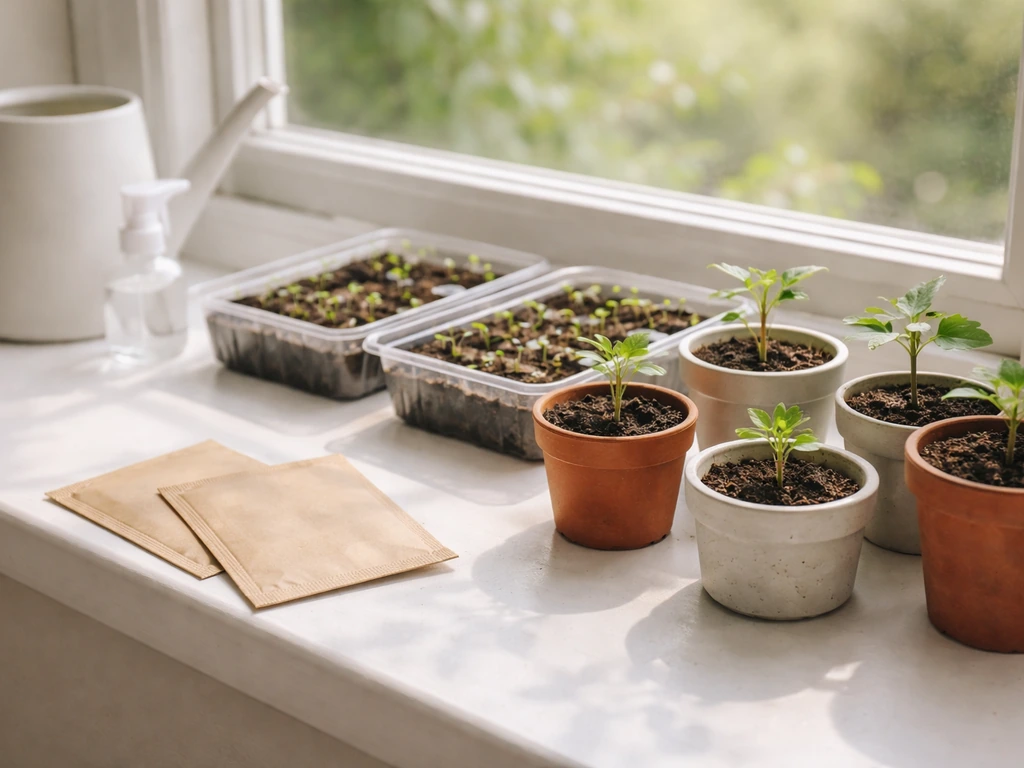
For seed starting in soil, use a proper seed-starting mix rather than regular potting soil. Good seed-starting mixes include perlite for drainage and peat moss (or coco coir) for moisture retention. Water gently with a spray bottle so you don't wash the mix out of small cells, keep the mix consistently moist but not soggy, and make sure your containers have drainage holes. Keep trays away from cold drafts and excess heat. Most seeds need warmth to germinate, not necessarily light, but seedlings need plenty of light the moment they sprout or they'll get leggy and weak.
Water propagation and water growing
Water propagation is one of the easiest ways to multiply plants you already have or get a cutting started. Pothos, philodendrons, spider plant babies, and mint all root readily in a glass of water. Cut just below a node (the little bump where a leaf meets the stem), remove any leaves that would sit underwater, and change the water every few days to keep it fresh. You'll typically see roots forming within one to three weeks. Gently tug the cutting after a couple of weeks: if it resists, roots are forming. Once roots are an inch or two long, you can pot it up into soil or keep it in water longer if you prefer.
Hydroponics
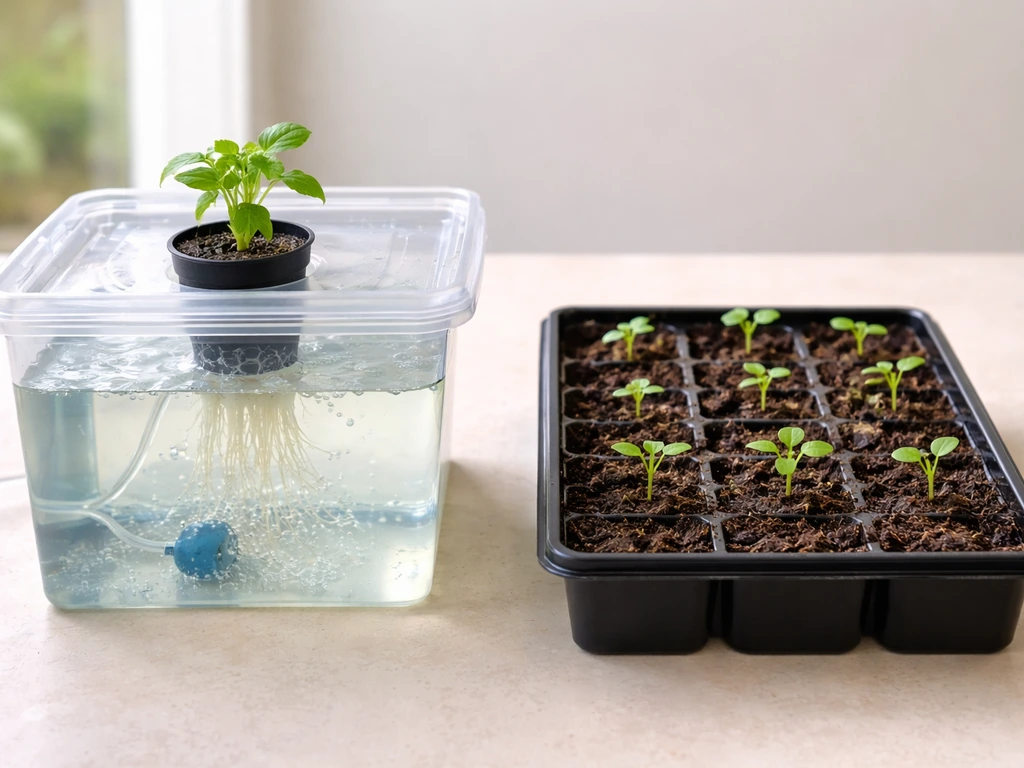
A basic hydroponic setup replaces soil with a nutrient solution and, critically, provides oxygen to the root zone. The most common beginner setup is a simple deep water culture (DWC) system: net cups holding plants over a reservoir of nutrient solution, with an air stone providing constant oxygenation. Without enough oxygen at the roots, plants suffer, so the air stone isn't optional.
Best starter plants for hydroponics are lettuce, spinach, basil, and herbs because they're fast-growing, forgiving of minor nutrient imbalances, and don't need much vertical space. Change your nutrient solution after each crop cycle and more often if growth seems slow. Lettuce is genuinely the go-to beginner hydroponic plant: it's fast, it's obvious when something's wrong, and you can eat your results.
Terrariums
Terrariums work best with naturally small, slow-growing plants that tolerate high humidity and low to medium light. Closed terrariums (with a lid) stay humid and suit mosses, ferns, and small tropical plants. Open terrariums have lower humidity and suit succulents and air plants better. The key rule: don't use fast-growing or large plants that will quickly outgrow the container. Good beginner terrarium plants include nerve plant (Fittonia), miniature ferns, moss, and small peperomias. Place your terrarium near a window with decent natural light, but keep it out of harsh direct sun, which can cook the plants inside a closed glass container.
Common beginner mistakes and how to keep starter plants alive
Most plant failures come down to the same handful of mistakes. Knowing them in advance means you can catch the early signs before a plant is too far gone.
Overwatering (the most common killer)
Overwatering doesn't mean you're watering too often in a single session. It means the roots are sitting in wet soil for too long between waterings, which starves them of oxygen and leads to root rot. The fix is simple: always check the soil before watering. Stick your finger an inch into the mix. If it's still damp, wait. For succulents, snake plants, and ZZ plants, let the soil dry out completely. For most other houseplants and seedlings, water when the top inch is dry. Overwatering also invites fungus gnats, those tiny flies you see hovering around houseplant soil, because the constantly moist surface is where they lay eggs.
Damping off in seedlings
Damping off is a fungal problem that kills seedlings at the soil line. You'll see a brown, mushy, water-soaked area at the base of the stem, and the seedling just falls over and dies. It's caused by fungi like Rhizoctonia, Fusarium, and Pythium, and it's made worse by overwatering, poor drainage, cool soil, and low light. Use fresh, well-draining seed-starting mix, water gently, and give seedlings good air circulation (even a small fan on low nearby helps). Once damping off hits, it's usually fatal for that seedling, so prevention is everything.
Wrong light (too little or too much)
A leggy, pale seedling stretching toward a window is a classic sign of insufficient light. A plant with bleached, crispy leaves in patches got too much direct sun too fast. Both are fixable: move the plant gradually, not all at once. Sudden light changes shock plants, so if you're bringing something from a low-light spot to a brighter one, do it in stages over a week.
Poor drainage
No drainage hole in the pot is a slow death sentence for most plants. Water collects at the bottom, the roots stay wet, and root rot follows. Always use containers with drainage holes, and if you love a decorative pot without holes, use it as a cachepot (drop-in sleeve) and place a plain nursery pot with drainage inside it. Empty the saucer after watering so plants aren't sitting in standing water.
Planting depth and seed spacing
Planting seeds too deep is a surprisingly common issue. Most small seeds (lettuce, basil, herbs) need only light covering, sometimes just pressed onto the surface. Larger seeds like beans and squash go deeper. The seed packet tells you the right depth, and it's worth actually following it rather than guessing. For transplants, planting too deep can bury the stem and encourage rot, while planting too shallow leaves roots exposed.
Temperature and humidity swings
Most houseplants hate cold drafts from windows, air conditioning vents blowing directly on them, or sitting near a heating vent that dries out the air rapidly. If your plant is right next to a drafty window in winter or an AC vent in summer, move it. Tropical houseplants especially prefer stable warmth and reasonable humidity. If your home is very dry, grouping plants together or placing a small tray of water nearby can raise local humidity slightly without a humidifier.
Your next steps: a simple starting plan
- Pick one plant from this guide that matches your light and space, not five plants you're excited about.
- Buy the right starting form: a cutting or transplant for houseplants, direct seed for radishes and herbs, a nursery transplant for tomatoes and peppers this late in spring.
- Get a pot with a drainage hole and fresh potting mix (or seed-starting mix if starting from seed).
- Check your light honestly before placing the plant, and put it in the best-lit appropriate spot you have.
- Water only when the soil signals it's needed, not on a fixed schedule.
- Give it two weeks before worrying. Most healthy plants take time to settle in after a move.
If you want to go deeper on any of these paths, there's a lot more to explore around specific growing methods, choosing between beginner plants for outdoors versus indoors, and how to actually set up different growing systems from scratch. But start with one plant, get it stable, and build from there. That's genuinely the fastest way to develop a green thumb. If you want ideas for easy to grow plants for beginners, start with the sections on indoor low-light options and fast-growing edibles.
FAQ
How can I tell if my “sunny spot” is actually enough light for a good starter plant?
Most “easy” plants fail because the real light is lower than the label suggests. Before buying, do a simple test for a week: place the plant where you plan to keep it, then check at the same time each day (morning or afternoon) for at least a few hours. If you notice it staying dark and the leaves look thinner or slower to grow after 2 to 3 weeks, that’s your cue to switch to a lower-light plant or move closer to the window gradually.
What starter plants should I choose if I travel or forget to water?
If you want something you can ignore more than average, prioritize plants with built-in drought tolerance (snake plant, ZZ, many succulents) or quick edibles with obvious harvest cycles (radishes, lettuce). If you choose thirsty plants (like many herbs), plan for a tighter routine, use a smaller pot with better drainage, and consider setting a watering reminder so you do not let them fully dry out.
Should beginners pick fast-growing plants or is it better to start with long-term plants?
Start by matching plant speed to your patience. Fast feedback crops like radishes and baby lettuce show progress within days, which helps beginners adjust quickly. If you pick a slow crop first, expect a longer “wait and wonder” period, and you might assume something is wrong when it is simply growing slowly under your conditions.
What if I already transplanted a plant like radish or cilantro, can I still save it?
For direct seeding, radishes, carrots, beets, and cilantro are the typical “do not transplant” category. If you accidentally transplant them, many will stall or form poor roots. In that case, the practical fix is to reseed where they will stay, rather than trying to rescue the moved seedlings.
How do I decide whether to start from seed indoors or just buy transplants?
If you start indoors for transplants, timing matters more than plant type. A good rule is to work backward from your last frost date, then add the usual indoor seedling window (often 6 to 8 weeks for tomatoes and peppers). Since you mentioned it is May 2026 now, buying nursery transplants for warm-season crops is usually more reliable than trying to start late.
How do I pick the right pot size for good starter plants to grow?
Container size is not just “smaller is better.” Too-small containers can dry out instantly, while too-large containers stay wet too long. Use the practical approach: start with a pot that fits the plant’s current root mass, then upsize only when you see roots filling the pot or the soil drying much faster than before.
Can I keep harvesting continuously, or will all starter plants only produce once?
Yes, but only if you treat them as “breeding timeframes.” For example, with radishes you sow every 7 to 10 days for a steady harvest rather than one big batch. Lettuce also benefits from staggered sowings in smaller trays or rows so you do not hit a single harvest window followed by nothing.
What is the safest way to move an indoor starter plant to a brighter location?
If your plant is turning pale or stretched, do not fix it by sudden intense light. Instead, increase exposure gradually over 7 to 14 days, moving slightly closer or increasing daily window time. For seedlings, once they sprout they need strong light immediately to prevent leggy growth.
How do I avoid overwatering without guessing based on days?
Overwatering is about timing between dry-downs, not the number of days on your calendar. Use the finger test (about an inch down) and wait for the soil to dry before watering again. Also, empty any decorative saucer after watering so the roots are not sitting in collected water overnight.
My seedlings fell over, what should I do if damping off might be happening?
If seedlings collapse at the base, damping off is often the culprit, and unfortunately the affected seedlings usually cannot be recovered. The best step is prevention for the remaining trays: switch to fresh seed-starting mix, improve air flow, water gently, and reduce moisture level at the surface. If you see persistent loss, start a new batch rather than continuing the same tray indefinitely.
What are the most common beginner mistakes in hydroponics with starter plants like lettuce?
For hydroponics, oxygen is the difference between “grows well” and “struggles.” Keep the air stone running continuously, and make sure roots are always in the oxygenated nutrient zone. Lettuce is a good beginner choice partly because it shows stress clearly, so adjust nutrient levels and light promptly when growth slows.
Can I put any houseplant in a terrarium, and what should I avoid?
Terrariums are sensitive to plant growth rate. Do not start with something large or fast unless you plan to prune or swap it later. If you are using a closed terrarium, also avoid placing it in harsh direct sun, because the heat buildup can cook plants even if they look fine at first.
How do I know if a cutting will root in water, and when should I pot it up?
Yes, but match the method to the plant. Water propagation works well for pothos, philodendrons, spider plant babies, and mint when you cut just below a node and remove leaves that would sit underwater. After roots reach about 1 to 2 inches, pot up into soil if you want a more stable long-term setup, otherwise keep changing water regularly.