Plants stop growing (or never really get started) for a handful of predictable reasons: not enough light, too much or too little water, poor drainage, the wrong soil or container setup, or a nutrient problem. Almost every case of slow growth, yellowing, wilting, or failure to establish comes down to one of those five things, and you can usually figure out which one is the culprit in about five minutes if you know what to look for. This guide walks you through a fast diagnostic, then gives you the exact fixes to make today.
How to Get Plants to Grow: Diagnose and Fix Slow Growth
Marcus Holloway
17 May 2026
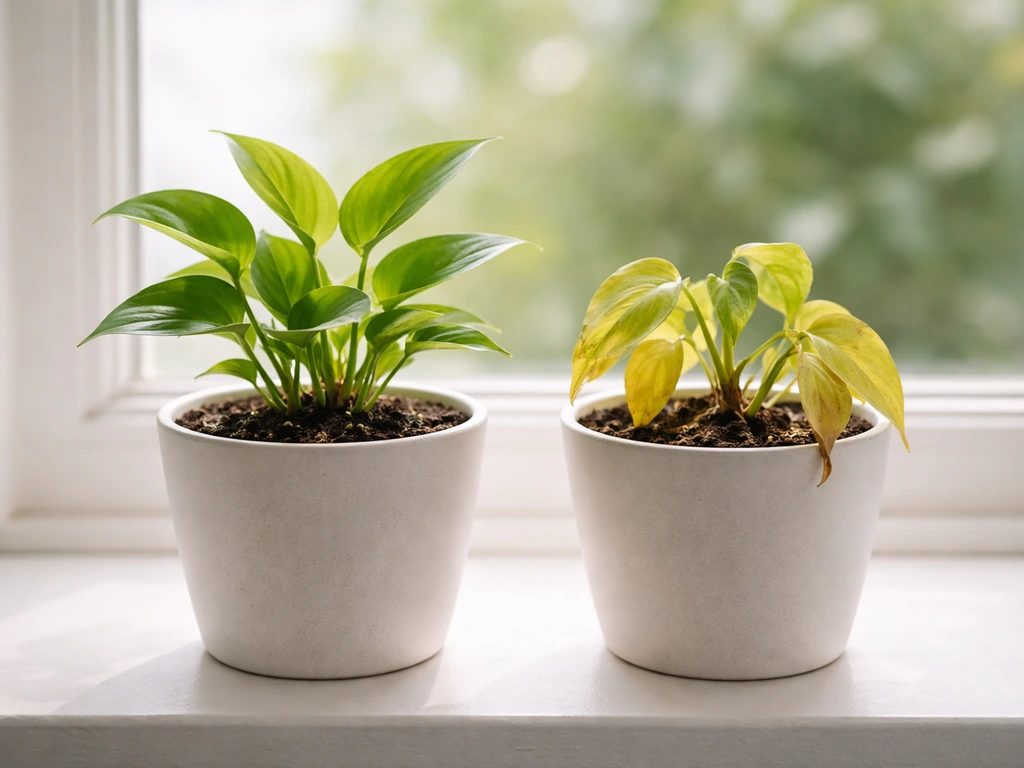
Start here: why your plant isn't growing
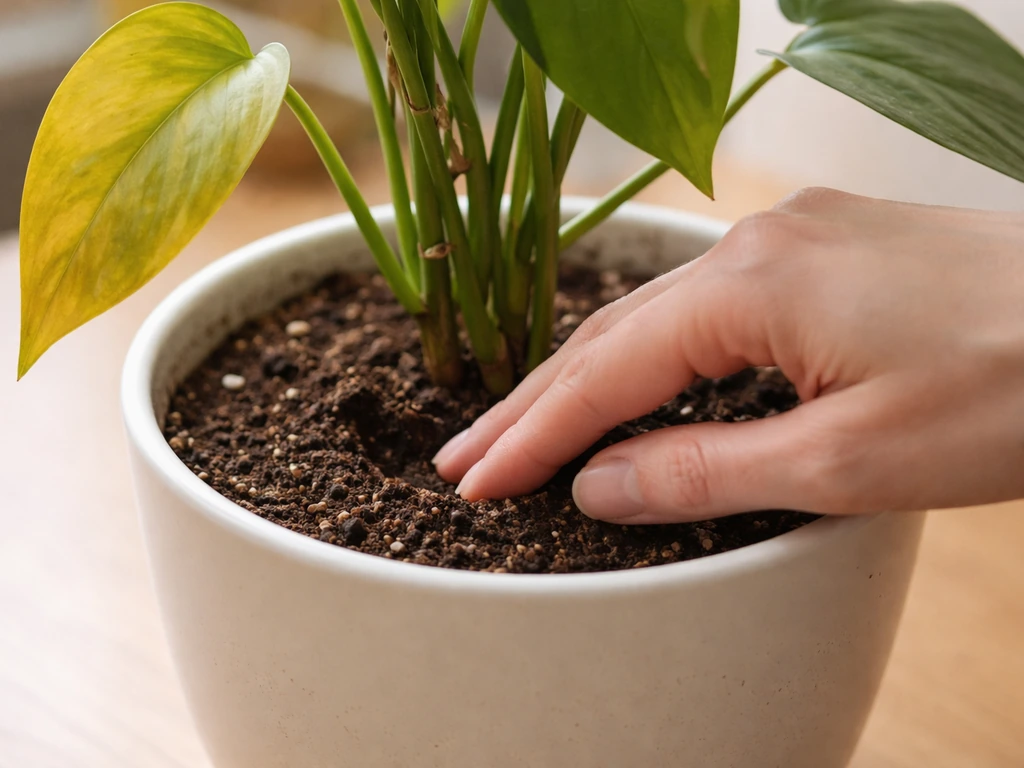
Before you change anything, take 60 seconds to run through this quick diagnosis. Symptoms from overwatering, underwatering, and nutrient deficiency all look surprisingly similar, so guessing and changing multiple things at once almost always makes things worse. Map what you see to a likely cause first.
| What you're seeing | Most likely cause | First thing to check |
|---|---|---|
| Yellowing lower/inner leaves, soft stem base | Overwatering or root rot | Is the soil soggy? Does the pot have drainage? |
| Wilting despite moist soil | Root rot or overwatering | Lift the pot — is it heavy? Check roots for brown mush |
| Wilting with dry, pulling-away soil | Underwatering | Stick a finger 1–2 inches into soil — is it bone dry? |
| Yellow leaves with green veins (interveinal pattern) | Iron or nutrient deficiency (chlorosis) | Check soil pH — out-of-range pH locks out nutrients |
| Tall, stretched, pale stems leaning toward light | Not enough light | Count hours of direct or bright indirect light per day |
| Brown leaf tips, dropping lower leaves, slow growth | Salt buildup or underwatering | When did you last flush the pot or repot? |
| Tiny flies near soil, yellowing, soggy soil | Fungus gnats from overwatering | Let soil dry out; check drainage holes aren't blocked |
| No growth at all after weeks | Wrong conditions, transplant shock, or root-bound | Check roots, light hours, and temperature |
The single most common reason houseplants decline is overwatering. Few houseplants actually benefit from constantly moist soil, and a wilted plant doesn't automatically mean it needs water. It might mean the roots are already drowning. Get in the habit of checking the soil before you water, every single time.
Match the plant to your actual conditions
A lot of plant failures happen before the first drop of water is poured. Choosing a plant that doesn't fit your space, light level, or climate sets you up for a hard battle. The easiest win you can get is picking a plant suited to what you actually have rather than trying to force a plant to survive conditions it hates.
Light: the non-negotiable
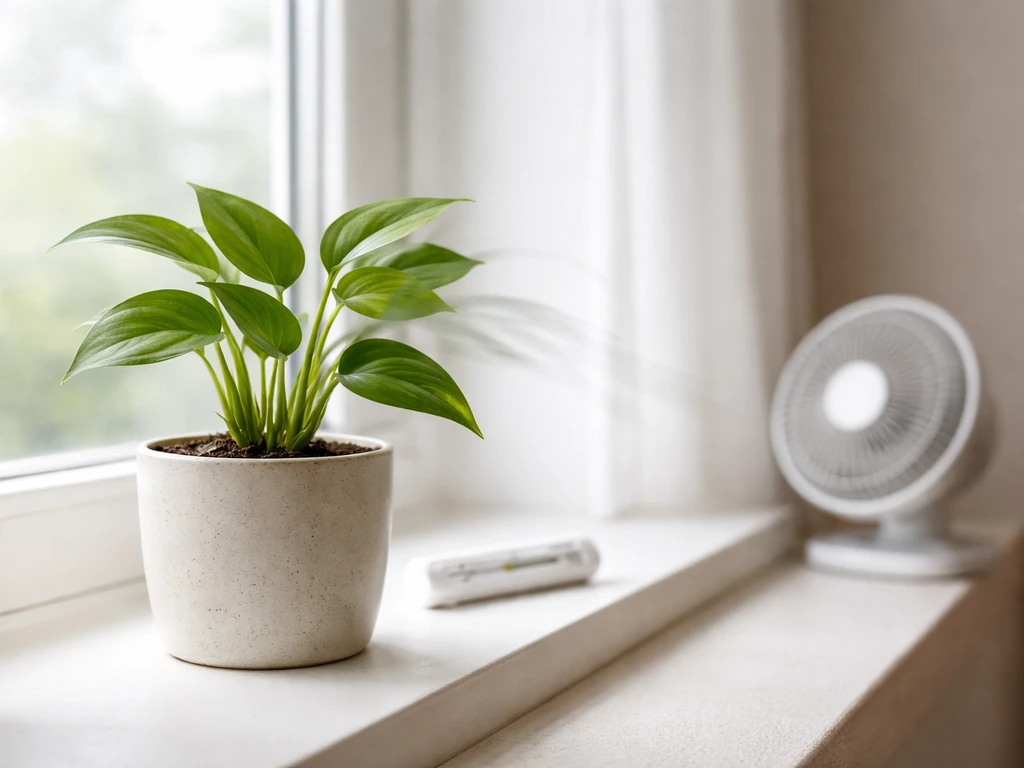
Light is the one thing you can't fake without a grow light. Before picking a plant, count how many hours of actual bright light your space gets. A north-facing window in a city apartment might get two to three hours of dim, indirect light. A south-facing window with no obstructions can get six or more hours. Sun-loving vegetables and herbs need that south-facing setup or a grow light. Low-light tolerators like pothos, snake plants, and ZZ plants genuinely do fine in dimmer spots, though 'low light' never means 'no light.'
Temperature and airflow
Most common houseplants and vegetables grow best between 60°F and 80°F (15°C to 27°C). Cold drafts from windows in winter or heat blasts from vents can stress plants even when everything else looks fine. Good airflow also matters more than most beginners realize. Stagnant air encourages fungal problems and slows growth, especially in terrariums or tightly enclosed spaces.
Space and container size
Bigger pot does not mean better growth. Putting a small plant in an oversized pot is one of the most common beginner mistakes. The extra soil stays wet for too long because the plant's roots aren't using that moisture, which creates the exact conditions for root rot. When you repot, go up only one pot size at a time, typically 1 to 2 inches larger in diameter than the current container.
Get the soil and container basics right
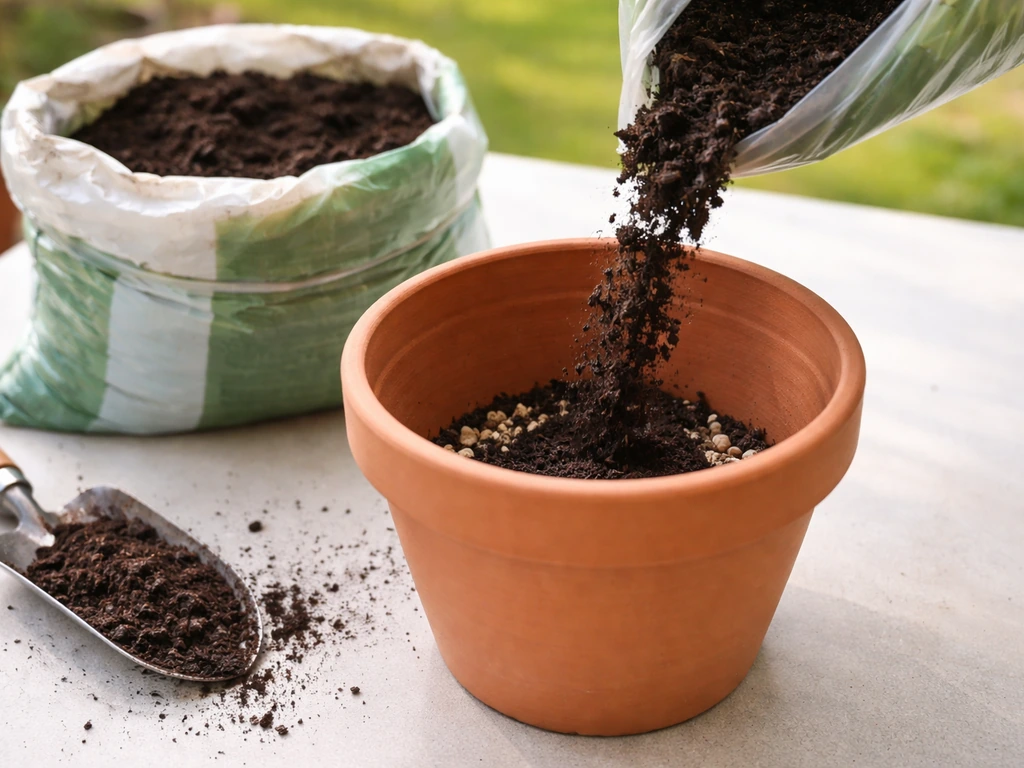
Choose the right growing medium
Standard potting mix is a reasonable starting point for most plants, but it's not perfect for every situation. The key property you're looking for is a medium that holds enough moisture for the plant's needs while allowing excess water to drain and letting oxygen reach the roots. Potting mixes that stay too wet reduce the oxygen available to roots and directly slow or stop growth. For succulents and cacti, add extra perlite or coarse sand to improve drainage. For moisture-loving plants like ferns, a peat or coco-coir based mix works better.
Drainage is everything
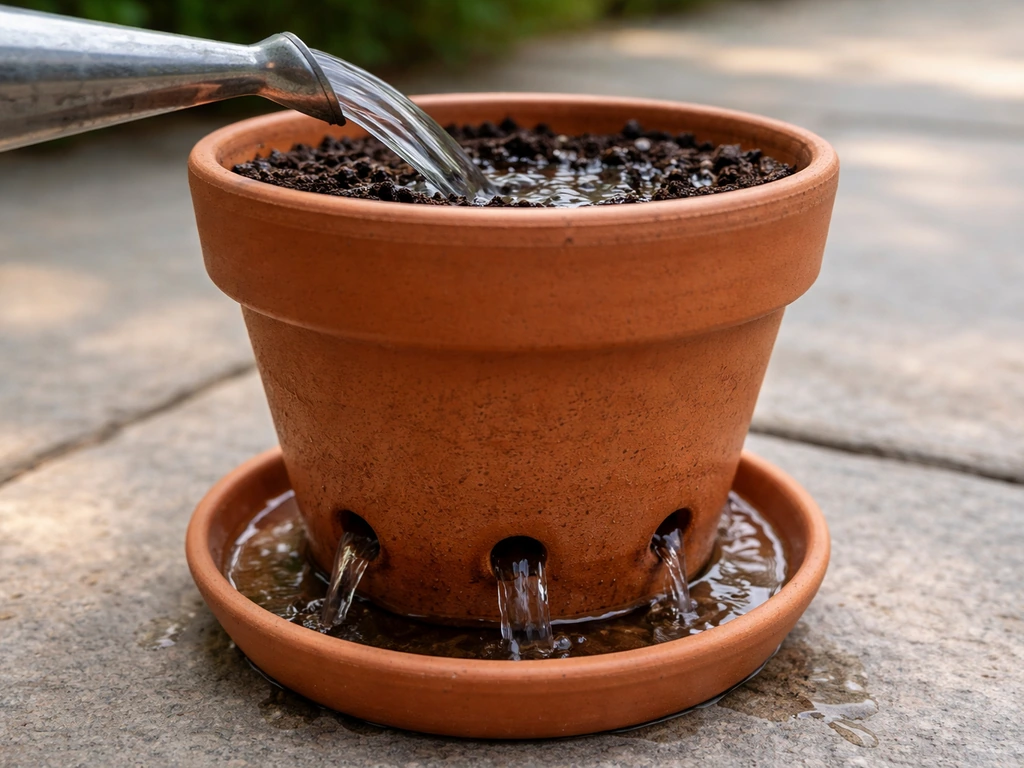
Every container needs a drainage hole. No exceptions. The old trick of putting a layer of gravel at the bottom of a pot without drainage holes doesn't work. It actually creates a perched water table that keeps the soil above it saturated longer, not less. If your decorative pot doesn't have holes, either drill them (about half an inch from the bottom works well) or use it as a sleeve around a plain nursery pot that does have drainage. After watering, empty any saucer or tray so the roots aren't sitting in standing water.
Watering technique
Water thoroughly when the top 1 to 2 inches of soil feel dry, then water until it flows freely out of the drainage holes. That tells you the whole root zone got wet, not just the surface. Then wait. Let the soil dry appropriately before watering again. The timing will vary depending on your pot size, plant type, season, and how warm your space is. There's no universal schedule that works for every plant in every home. The finger-test is your best tool.
Fertilizing basics
Most potting mixes have some starter nutrients that deplete within a few weeks to a few months. After that, you need to feed. A balanced liquid fertilizer (something like a 10-10-10 NPK ratio) applied at half strength during the growing season (spring through summer) covers most plants. Don't fertilize a stressed, overwatered, or dormant plant, you'll make things worse. Soil pH also directly controls whether nutrients are available. For most vegetable crops and common houseplants, a pH of 6.0 to 7.0 is the sweet spot. Outside that range, nutrients can lock up in the soil and become unavailable even if you're fertilizing regularly.
Light strategy for strong, healthy growth
Placement indoors
For most plants, the closer to the window the better, as long as you're not getting scorching afternoon sun on delicate leaves. South-facing windows give the most light in the Northern Hemisphere. East-facing windows give gentler morning light, which works well for herbs and many tropicals. If your plant is stretching dramatically toward the light source, leaning, or producing small, pale new leaves, it's telling you it needs more light or a better position.
Using grow lights
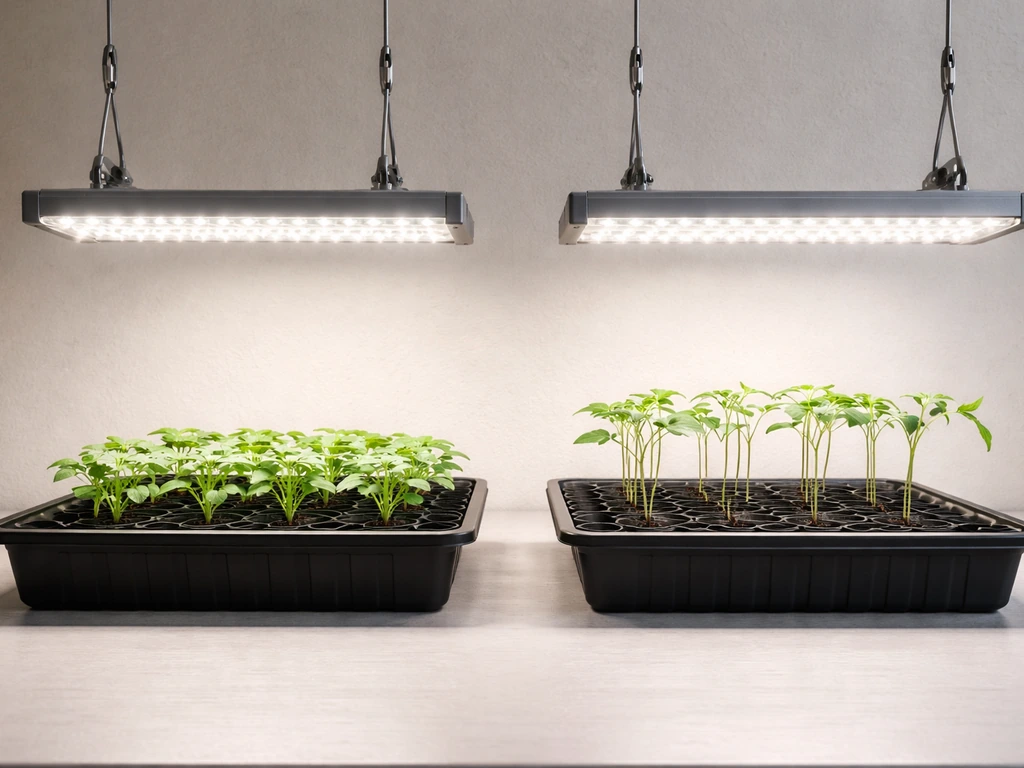
If your space doesn't have enough natural light, a grow light is not a gimmick. It's genuinely the fix. For seedlings, place fluorescent or LED grow lights about 5 inches above the plants and raise them as the plants grow. For established plants, distance varies by light intensity. The metric that actually matters for plants is PPFD (the amount of photosynthetically active light hitting the plant per second) and DLI (the total light delivered over the day). For leafy greens and herbs, a PPFD around 200 to 400 µmol/m²/s is a practical target. For seedlings and most houseplants, aim for 12 to 16 hours of light per day under artificial lights. That 12-to-16-hour window is consistently backed by extension research for strong seedling establishment.
Leggy growth is a light alarm
If your plant is producing long, weak stems with widely spaced leaves, it's stretching to find more light. This is called etiolation, and it's the plant's emergency response to low light. It won't fix itself by giving it more fertilizer or water. The fix is more light, period. Temperatures that are too warm can also contribute to leggy seedlings, so keep seedling areas cool if possible.
Water and nutrients across different growing setups
The way you manage water and nutrients changes significantly depending on whether you're growing in soil, water, hydroponics, or a terrarium. The fundamentals are the same (plants need moisture, oxygen at the roots, and available nutrients) but how you deliver and monitor them is completely different.
| Growing medium | Watering approach | Nutrient delivery | Key thing to monitor |
|---|---|---|---|
| Soil (indoor pots) | Water when top 1–2 in dry; water until drainage flows | Balanced liquid fertilizer every 2–4 weeks in growing season | Soil moisture, drainage, pH (6.0–7.0) |
| Soil (outdoor/raised beds) | Depends on weather; check soil regularly | Slow-release granular or liquid feed | Rainfall, soil compaction, pH |
| Water (propagation/cuttings) | Keep water fresh; change every 1–2 weeks | Liquid fertilizer at low dose once rooted | Algae, stem rot, oxygen in water |
| Hydroponics | Continuous or timed delivery via nutrient solution | Pre-mixed nutrient solution with measured EC | pH (critical), EC, dissolved oxygen, temperature |
| Terrarium (closed) | Water rarely; closed systems recycle moisture | Very minimal feeding; nutrients deplete slowly | Condensation levels, root rot risk, ventilation |
In hydroponics, pH management is the most common reason plants fail to thrive even when you're doing everything else right. Nutrients in the solution become unavailable to the plant when pH drifts outside the optimal range. In hydroponics, MU Extension notes that monitoring and managing pH is important because nutrient solution pH outside the required range can prevent plants from using nutrients pH drifts outside the optimal range. You need a pH meter, not test strips, for accurate readings. Most hydroponic crops grow best with a solution pH between 5.5 and 6.5. Use a digital pH meter and check it every few days, especially early on.
Terrariums work almost the opposite way from standard pots. A closed terrarium cycles its own moisture and can go weeks without any additional water. The biggest risk is too much moisture, which leads to root rot and mold. If the glass walls are continuously dripping with condensation, remove the lid for a few hours to let things dry out a bit before closing it again. University of Missouri Extension notes that closed terrariums should not have the cover replaced until wet foliage has dried, since too much moisture can lead to root rots and mold.
Troubleshooting common growth failures
Yellowing leaves
Yellowing is the most common symptom and the hardest to pin down because so many things cause it. Work through this order: first check moisture (is the soil soggy or bone dry?), then check light (is the plant getting enough?), then check for the specific pattern of yellowing. If the yellowing is between the veins but the veins stay green, that's iron chlorosis, a classic sign of nutrient deficiency often caused by pH being too high. If the whole leaf is yellowing, especially on lower and inner leaves first, overwatering is the most common culprit.
Wilting
Wilting means the plant can't maintain water pressure in its cells, but that can happen from either direction. Underwatering is the obvious cause, but overwatering causes wilting too because root rot kills the roots' ability to take up water. Check the soil and the roots. Healthy roots are white or cream-colored and firm. Rotted roots are brown, mushy, and often smell unpleasant. If you find root rot, cut away the affected roots, let them dry slightly, repot in fresh well-draining mix, and hold off on watering for several days.
Leggy, stretched growth
Long, weak, pale stems with wide gaps between leaves mean not enough light. Move the plant closer to a window or add a grow light. Pruning the leggy growth back encourages bushier new growth, but only once the plant is in better light conditions. If you prune without fixing the light, it'll just get leggy again.
Pests
Fungus gnats are the most common pest linked to growing problems, and they show up almost exclusively in consistently overwatered soil. The adults are annoying but harmless; the larvae eat roots. Letting the soil dry out between waterings is the most effective fix. For other common pests like spider mites (tiny webs, stippled leaves), aphids (clusters on new growth), or mealybugs (white cottony masses), start with insecticidal soap or neem oil applied to the entire plant, including leaf undersides, and repeat every 5 to 7 days.
Root issues and salt buildup
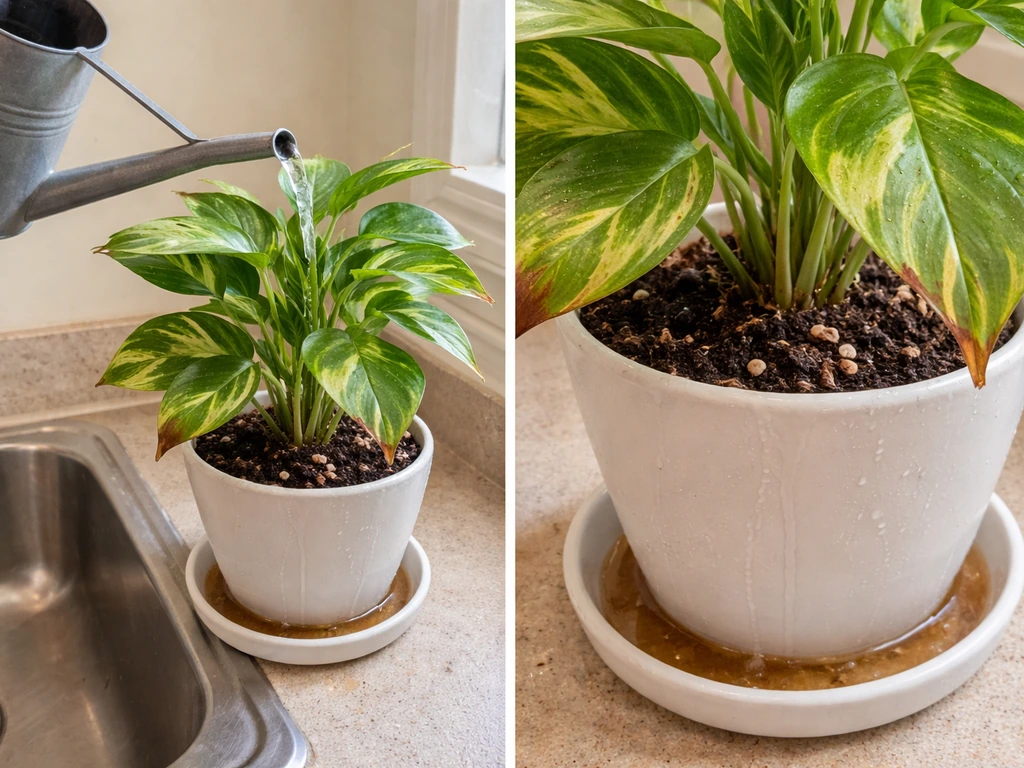
If you're seeing brown leaf tips, reduced growth, and dropping lower leaves even with proper watering, soluble salt buildup from fertilizers and tap water may be the issue. Flush the pot thoroughly by running water through it for several minutes, letting it drain completely, then repeating. Do this every few months as a maintenance habit. Also watch for roots circling the bottom of the pot or growing out of drainage holes; that's a sign the plant is root-bound and needs a slightly larger pot.
Getting roots established: germination and transplants
Starting seeds
Seeds need warmth and consistent moisture to germinate, but not waterlogged conditions. Use a fine, sterile seed-starting mix rather than regular potting soil. Keep the growing medium consistently moist (not wet), and maintain temperatures in the range your seed packet recommends (most vegetables germinate best at 65°F to 75°F). The moment seedlings emerge, get them under light immediately. Giving seedlings 14 to 16 hours of light per day right from germination produces compact, strong plants. Without enough light from day one, they'll stretch and become spindly almost immediately and it's hard to recover from that early.
Transplanting without shocking your plant
Transplant shock is real but very manageable. When moving seedlings from indoors to outside, you need to harden them off, which means gradually exposing them to outdoor conditions over 7 to 14 days. Start with an hour or two of outdoor time in a sheltered spot, then increase daily. Even after hardening off, plants may wilt slightly when first exposed to full sun but typically recover within a day. If conditions are harsh (very hot, windy, or bright), they may need a few extra weeks to fully adjust. Don't rush it.
Rooting cuttings in water or soil
For cuttings, success comes down to keeping the cut end consistently in contact with moisture without rotting the stem. In water, change it every 1 to 2 weeks and keep the cutting in bright indirect light (not direct sun). In soil, use a well-draining rooting mix, keep it slightly moist, and cover with a clear plastic bag or humidity dome to reduce moisture loss through the leaves while the cutting has no roots to take water up. Once roots are an inch or more long, transition gradually to normal conditions.
Your simple action plan and maintenance routine
Rather than changing everything at once, use this workflow to make focused, effective changes. Fix the most likely problem first, then wait and observe before adjusting anything else. Following these fundamentals is the easiest way to grow plants properly without guessing.
- Check the soil moisture right now: stick your finger 1 to 2 inches deep. If it's wet and the plant looks sick, stop watering and check drainage. If bone dry and the plant is wilting, water thoroughly until it drains from the holes.
- Count your daily light hours: if it's under 4 hours of bright light for a sun-loving plant, move it or set up a grow light running 12 to 16 hours per day.
- Inspect the roots: if the plant is in a container that has been wet for a long time, check for root rot. Cut out mushy, brown roots and repot in fresh, well-draining mix.
- Check the pot size and drainage: is there a drainage hole? Is the pot way too big for the plant? Fix either of these before changing anything about watering.
- Look at the yellowing pattern: whole-leaf yellowing suggests overwatering or light issues; interveinal yellowing (green veins, yellow tissue) suggests a pH or nutrient problem. Adjust accordingly.
- If the plant looks otherwise healthy but isn't growing: check temperature, consider fertilizing with a balanced liquid feed, and make sure it's in its active growing season (most plants slow down or stop entirely in winter).
- For hydroponics or terrariums: measure pH immediately. In hydroponics, keep pH between 5.5 and 6.5. In a closed terrarium, check for excess condensation and improve ventilation if needed.
Weekly maintenance checklist
- Check soil moisture before watering (don't water on a schedule, water based on dryness)
- Empty any drainage saucers after watering so roots aren't sitting in water
- Rotate the pot a quarter turn to prevent lopsided growth toward the light
- Look at the leaves: any new yellowing, spots, or pests?
- For hydroponics: check pH and EC of nutrient solution
- For terrariums: check condensation levels and air if needed
Monthly maintenance checklist
- Fertilize with balanced liquid fertilizer during the active growing season (skip in winter for most plants)
- Flush the pot with water to remove salt buildup
- Check roots at drainage holes for circling or crowding (sign it's time to size up one pot size)
- Wipe dust off large leaves with a damp cloth to improve light absorption
- Prune any dead, yellowing, or leggy growth to redirect the plant's energy
Getting plants to grow well isn't about a perfect green thumb. It's about reading what the plant is telling you and making one targeted adjustment at a time. Most plants are more forgiving than people think. Give them the right light, appropriate water, decent drainage, and occasional nutrition, and they'll do most of the work themselves. Lucky plants like these basics for growth, so once light, watering, and drainage are right, you can follow a steady routine to help them thrive how to grow lucky plants. To keep your plant truly happy, focus on the basics like correct light, appropriate watering, good drainage, and a little regular nutrition correct light, appropriate water, decent drainage, and occasional nutrition. If you want to learn how to encourage plants to grow, start by checking light, watering, drainage, and nutrients one at a time getting plants to grow well. If you want to grow healthy plants long term, focus on getting the fundamentals right: light, water, drainage, and balanced nutrition. If you want to go deeper on specific situations, the same principles here apply whether you're trying to grow a sensitive plant in a particular microclimate, experimenting with hydroponics, or just trying to keep everyday houseplants genuinely healthy and thriving long-term.
FAQ
My plant looks healthy but just won’t grow. What should I check first?
If growth is slow but leaves are neither yellowing nor wilting, the most common cause is insufficient light intensity or duration, not missing fertilizer. Before feeding, move the plant closer to the brightest window you have or add a grow light for a full day cycle, then wait 1 to 2 weeks to judge results.
How often should I water if I’m trying to get plants to grow faster?
Use the soil test, not the calendar. In warm months plants often drink faster, while in winter they may take much longer to dry. A practical rule is to water only after the top 1 to 2 inches are dry for that specific pot, then let it drain fully.
Can I just fertilize more to make plants grow faster?
For many plants, fertilizer won’t speed growth if the plant is already stressed by light, water, or roots. If you suspect a nutrient issue, only fertilize when the plant is actively growing and the root zone is healthy, and follow the lower-than-usual strength guidance (for example, half strength) to avoid salt burn.
When should I repot to help slow-growing plants, and how big should the new pot be?
Yes, but only when done carefully. If the plant is root-bound (roots circling or growing out of holes), increase pot diameter by about 1 to 2 inches, use a well-draining mix, and avoid letting the new, extra soil stay wet for long periods.
How do I tell overwatering from underwatering if symptoms look similar?
A “grayish” or soggy soil surface plus fungus gnats and a wet smell usually points to overwatering, even if the plant also looks weak. Let the top layer dry more between waterings, ensure drainage holes are clear, and consider bottom-watering only after the soil has dried appropriately.
What should I do if leaves look tired or growth stalls even after fertilizing?
Often, salts accumulate from fertilizer and tap water, which can block nutrient uptake even if you fertilize. Flush the pot thoroughly with water so it drains out freely, then wait until it dries normally before the next watering, and reduce fertilizer frequency for a few weeks.
I’m growing hydroponically. How do I prevent nutrients from becoming unavailable?
For hydroponics, the easiest “growth killer” to miss is nutrient solution pH drifting out of range. If you do not have a pH meter, test strips are much less reliable, so add a digital meter and check every few days, especially after changes or top-ups.
Why do my cuttings keep rotting instead of rooting?
Cuttings need moisture at the cut end without rotting the stem. Keep the media slightly moist, use a humidity dome or bag to reduce leaf water loss, and provide bright indirect light, then watch for browning or mushy tissue and remove/redo the cuttings if rot starts.
My plants grow slowly in winter. What environmental changes matter most?
Cold drafts can slow growth even when the room temperature seems okay. Place plants away from windows and vents, and if you are germinating seeds, keep the growing area within the seed packet’s temperature range, since germination and early growth depend heavily on warmth.
My plant is getting tall and leggy. What’s the fix and will it recover?
Etiolation is reversible only by adding more usable light, not by fertilizer or extra water. If stems are weak, increase light gradually to avoid sudden sun stress, and consider pruning lightly only after light conditions improve.
What does it mean if leaves turn yellow between the veins?
If “yellow between the veins but veins stay green” appears, iron availability is a common culprit, often tied to pH that’s too high. Check soil pH (not just what you think you have), and adjust the growing conditions rather than repeatedly adding fertilizer.
Why are my lower leaves yellow first, even though I’m not changing anything?
If the whole leaf is yellowing, especially older leaves first, a common cause is root stress from water imbalance. Check soil moisture, confirm drainage holes work, inspect roots for softness or odor, and only then decide on fertilizer or further intervention.
What’s the fastest way to get rid of common pests that slow growth?
For pests like spider mites, aphids, and mealybugs, good coverage matters as much as the product. Spray leaf undersides and treat consistently on a repeat schedule (often every 5 to 7 days for the next life cycle), then reassess lighting and watering since stressed plants get reinfested faster.
My seedlings look spindly overnight. Is there anything I can do now?
If seedlings are stretching right after they emerge, the problem is almost always light being too weak. Add light immediately, keep it close enough to avoid long gaps between leaves, and use a consistent photoperiod (for example, 12 to 16 hours) once they are up.